Olbia's Molo Brin opens 20 berths at 150m, first yachts 2 August
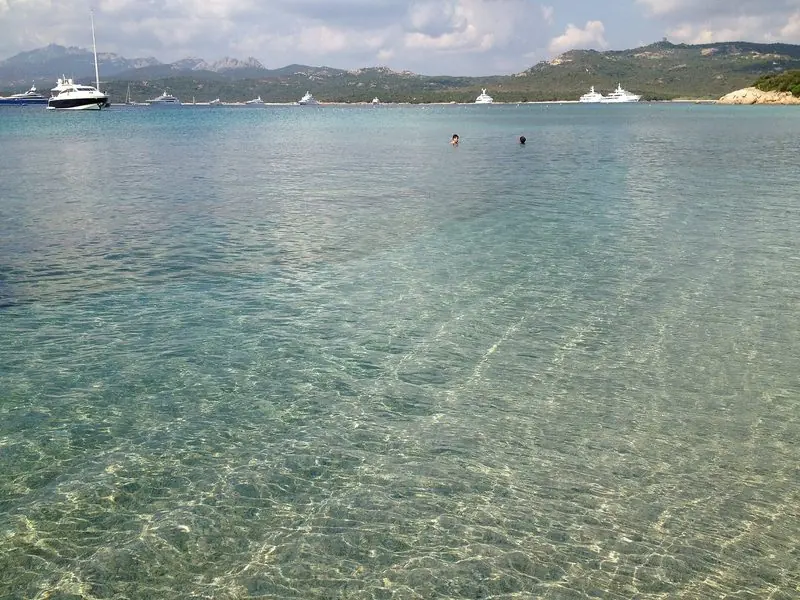
Twenty berths, and the first boats arrive on Sunday
D-Marin opens Molo Brin to yachts on 2 August, and the first arrivals are booked for that Sunday. The quay has been laid out with 20 berths sized for yachts of 40 to 150 metres, against a maximum draft of 6.5 metres. Four further berths are reserved for service tenders of up to 15 metres, which keeps the support boats off the main wall. Work started in the spring, and the opening has been timed to catch the peak of the season.
The size band matters more than the berth count. A 150-metre limit puts Molo Brin in the small group of Mediterranean quays that can take the largest yachts afloat, and it does so inside a working commercial port rather than at a resort marina. The 6.5-metre draft covers the deep steel hulls that are usually the first to be turned away. Olbia municipality, the Sardinian port authority and the local harbour master worked to a timetable that allowed a summer 2026 opening instead of a 2027 one.

Northern Sardinia was the hole in the map
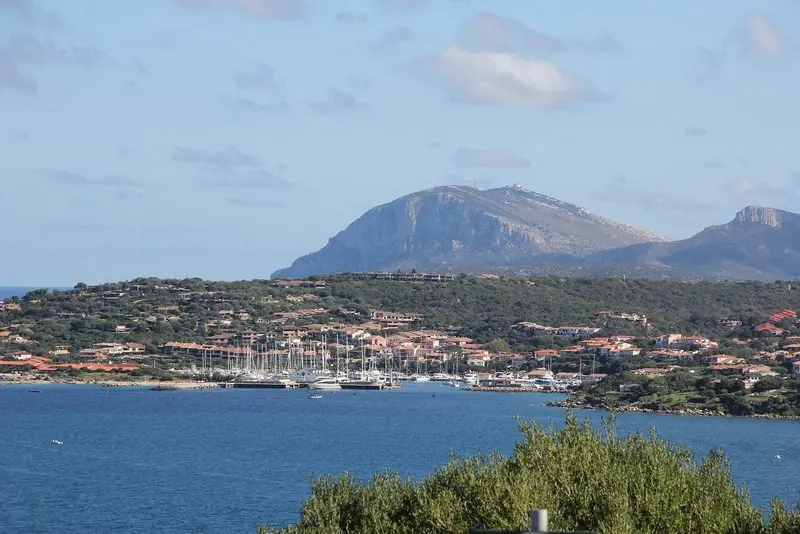
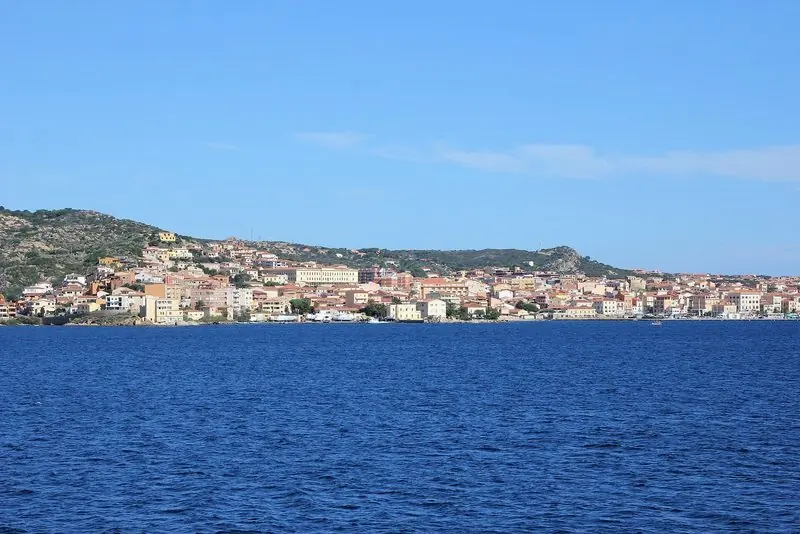
Olbia sits at the top of the island, minutes from Olbia Costa Smeralda airport and the ferry terminal, and the new quay is in the town itself rather than an hour away by tender. From Molo Brin a yacht is within a short run of the Costa Smeralda, Tavolara, the Maddalena archipelago and the south of Corsica. D-Marin has described its Olbia holding as the third point of a triangle with the French Riviera and mainland Italy, which is a fair account of how August itineraries run. The gap it fills is not cruising water, which Sardinia has never lacked, but a formal place to put a large yacht when the owner wants to be ashore.
That distinction decides how a guest programme works. Guests arriving by private jet can be aboard in minutes rather than transferring across the island. Restaurants and shops are a walk from the passerelle. For an owner who has spent recent Augusts anchored off and shuttling tenders, it is the difference that determines whether the boat gets used in a given week.
What is open now, and what is not
Phase one is a quay, not a finished marina. D-Marin is offering mooring and unmooring assistance, security, surveillance and parking, and access is restricted to yacht owners and their crews while construction continues. The offices, the reception building and the dining space are scheduled for June 2027. The digital layer the group sells elsewhere, the D-Marin app, the smart pedestals and the berth sensors, is to be introduced progressively rather than switched on at the opening.
An owner booking a berth this month should price that honestly. What is on offer in August 2026 is a safe, serviced and unusually well-placed quay with the shoreside still going up around it. Against that, the realistic alternative in the same week is a swinging anchorage or a berth several hours away. June 2027 is the date by which it will be judged.
The Olbia pair, and the fuel dock
Molo Brin does not stand alone. D-Marin acquired it in June together with Marina di Olbia Yacht Service, and the two facilities together offer roughly 270 berths for yachts of up to 150 metres. The acquisition announcement put a 200-metre fuel dock at the centre of the package, able to take up to seven yachts at once and the largest on the northern Sardinian coast. Fuel is one of the few things a 90-metre yacht cannot improvise in high season, and a berth that comes with it is worth more than one that does not.
Andrea De Santis, chief operating officer of D-Marin, credited the work of Gian Pietro Sirca, a board member of the Olbia marina company, with reviving that stretch of waterfront. The framing is worth noting. This is converted working port, not a greenfield marina, and conversion is now the common route to new large-yacht capacity in the Mediterranean.
Berth supply is part of what a yacht is worth
Capacity for yachts over 100 metres has not grown at the rate the fleet has. D-Marin now holds more than 1,000 berths built specifically for superyachts across nine countries, within a network of more than 14,000 berths serving over 50,000 customers a year. Concentration on that scale cuts both ways for an owner. It makes a season easier to plan across several countries on one contract, and it leaves a single operator in a strong position on price.
The practical test is simpler. A yacht that can be berthed near an airport in the week its owner actually wants to use it is worth more, in use and at resale, than one that spends August at anchor off a headland. Twenty berths will not rewrite Mediterranean arithmetic on their own. They do change what is possible in northern Sardinia in the first week of August, which is the week that counts most on that coast.
What owners and crew report
D-Marin frames the opening as the first step of a longer project, not a finished product
Andrea De Santis said the launch of operations at Molo Brin marks a significant milestone for D-Marin and the city of Olbia, crediting Gian Pietro Sirca of MOYS with reviving the waterfront, and called it the first step toward the project's completion, scheduled for 2027, that will create a new destination for the city and the international yachting community.
Andrea De Santis, chief operating officer, D-Marin
What is good, and what to watch
Strong points
- A genuinely new option inside the town, not another resort marinaNorthern Sardinia has cruising water in abundance but had no formal large-yacht quay this close to the airport and ferry terminal; Molo Brin is a walk from restaurants and shops, not a tender ride away.
- Backed by an operator with real scaleD-Marin holds more than 1,000 superyacht-specific berths across nine countries; an owner is buying into an established network, not an unproven local start-up.
- The fuel dock arrives with the berthA 200m fuel dock taking up to seven yachts at once, the largest on the northern Sardinian coast, solves a real high-season problem a berth alone does not.
- The draught limit matches the fleet that gets turned away elsewhere6.5m covers the deep steel hulls that are usually the first vessels a shallower Mediterranean marina has to refuse.
What to watch
- No published tariff for the length that matters mostThere is no confirmed berth price for vessels over 100m; an owner has to call ahead and cannot compare the cost against Porto Cervo or another Costa Smeralda marina online.
- This is phase one of a project, not the finished marinaOffices, reception, dining and the digital booking layer are not scheduled until June 2027; a berth booked now is a berth on a working construction site.
- Access is restricted, with no visitor infrastructure yetOnly yacht owners and their crews can currently use the quay; there is no guest or day-visitor facility until the later phases open.
- The berth layout has changed as the project maturedEarlier concession planning for the site described a different berth count and distribution than the 20 berths that actually opened, a reminder the facility is still settling into its final form.
Practical detail
| Berth count and size band | 20 berths for yachts 40 to 150m, plus 4 tender berths up to 15m; maximum draught 6.5m |
|---|---|
| How to reserve a berth | Direct enquiry to D-Marin or to Marina di Olbia Yacht Service (MOYS), which manages the wider Olbia holding; MOYS lists phone +39 0789 645030, VHF channel 9 and an online booking request, no self-service pricing published |
| Berth tariff for this length | Not published; D-Marin and MOYS both advertise competitive Costa Smeralda-area rates for daily transits, guest embarkation and winter mooring but quote on request only |
| Services on the quay now | Mooring and unmooring assistance, security, surveillance, parking; access restricted to yacht owners and crews during phase one |
| Services not yet open | D-Marin offices, reception building, dining space and the digital app/smart pedestal layer, scheduled for June 2027 |
| Fuel | A 200m fuel dock at the adjoining Marina di Olbia Yacht Service, able to take up to seven yachts at once, part of the same June acquisition |
| What's nearby | Olbia Costa Smeralda airport and the ferry terminal minutes away; town shops and restaurants a walk from the quay; short run to Costa Smeralda, Tavolara, the Maddalena archipelago and southern Corsica |
| What is not published | Any confirmed berth tariff for vessels over 100m, and the number of the 20 berths actually allocated so far |
Questions this story answers
What happened?
D-Marin opens the Molo Brin quay in Olbia on 2 August with 20 berths laid out for yachts of 40 to 150 metres, inside the town rather than out on the Costa Smeralda. The draft limit is 6.5 metres, and four further berths are held for tenders of up to 15 metres. For an owner running northern Sardinia in August, it is the first formal large-yacht quay in the port that serves the island's main airport.
What is good about it?
A genuinely new option inside the town, not another resort marina. Northern Sardinia has cruising water in abundance but had no formal large-yacht quay this close to the airport and ferry terminal; Molo Brin is a walk from restaurants and shops, not a tender ride away.
What should an owner or buyer watch?
No published tariff for the length that matters most. There is no confirmed berth price for vessels over 100m; an owner has to call ahead and cannot compare the cost against Porto Cervo or another Costa Smeralda marina online.
What do owners and crew report?
Andrea De Santis said the launch of operations at Molo Brin marks a significant milestone for D-Marin and the city of Olbia, crediting Gian Pietro Sirca of MOYS with reviving the waterfront, and called it the first step toward the project's completion, scheduled for 2027, that will create a new destination for the city and the international yachting community. (Andrea De Santis, chief operating officer, D-Marin)
Who reported this?
D-Marin, SuperYacht24, Gallura Oggi, L'Unione Sarda, Pressmare, Barche Magazine, Marina di Olbia Yacht Service (MOYS).
We do this for everyone who loves this world. The people who have spent their lives in it, and the people just discovering it. Yotters exists so that what we learn belongs to all of them.
Nobody pays us for this. No ads, no sponsors, nothing for sale. We just believe the world is a little better when knowledge is shared instead of kept.
If it gave you something today, tell us to keep going. Follow us, leave a like, or write a positive comment. We read every one, and they are what keeps us going.