Italian Sea Group files for protection, EUR 267m overdue
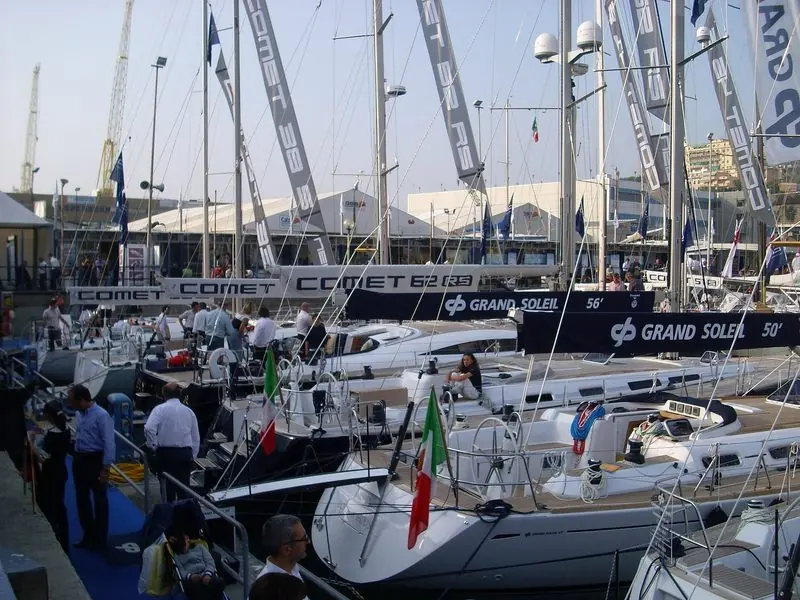
What did The Italian Sea Group file on 1 July 2026?
TISG filed a concordato in bianco, a pre-emptive court protection application under Italy's Crisis Code, with about EUR 266.8m of consolidated debt past due as of 31 May 2026.
On 1 July the board of The Italian Sea Group filed a pre-emptive application, a so-called concordato in bianco, under Article 44 of Legislative Decree 14 of 2019. The move gives the group a court-set window, usually 30 to 60 days and extendable to 120, to draft a recovery plan while shielded from enforcement. The company said discussions with shipowners had reached a point where a purely negotiated fix no longer looked feasible. As of 31 May its net financial position stood at EUR 178.7m, bank debt at EUR 154.6m, past-due consolidated debt at EUR 266.8m and trade payables to suppliers at EUR 77.6m.
This is the second, harder stage of a process that began on 16 March with a lighter negotiated settlement overseen by the Court of Florence. Stepping up to a formal composition means the group could no longer hold every creditor at the table by agreement alone. For a builder whose order book is effectively its balance sheet, protection buys time but freezes the commercial room a yard normally uses to renegotiate a slot, a price or a spec.
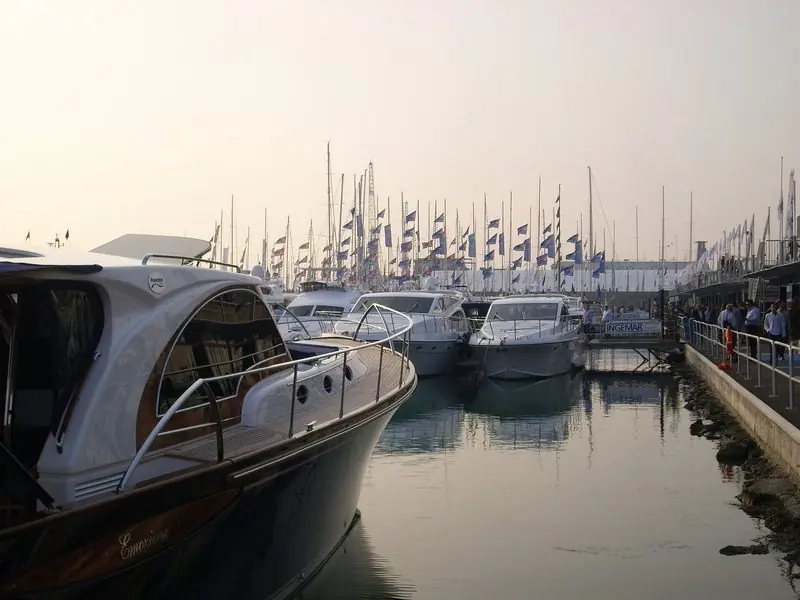
What caused The Italian Sea Group's crisis?
The group blames hidden cost overruns from former managers bypassing each build's spending caps; chairman Giovanni Costantino filed a criminal complaint and injected EUR 25m of his own money before the group lost its STAR listing and its shares fell roughly 80 percent in a year.
The group blames the crisis on what it describes as a system used by former managers to bypass the spending caps set for each build, producing extra-budget costs across most of its orders. Chairman and controlling shareholder Giovanni Costantino, who holds his stake through GC Holding, filed a criminal complaint with prosecutors in Massa in early March and had already injected a EUR 25m shareholder loan on 18 February. KPMG Advisory was engaged in February to run a forensic review, with completion pushed back to around the turn of June and July. In May the board disclosed that losses had cut share capital below the legal minimum set by Article 2447 of the Civil Code.
The market reaction was severe. In mid-March the shares fell about 37 percent in a single session to around EUR 1.28, against a 52-week high near EUR 6.80, and on 22 May they dropped roughly another 37 percent after the capital-breach disclosure. The group had already left Borsa Italiana's STAR segment on 17 March. STAR status signals governance and transparency standards to institutional buyers, so leaving it removes the company from the shelf where much of that money shops.
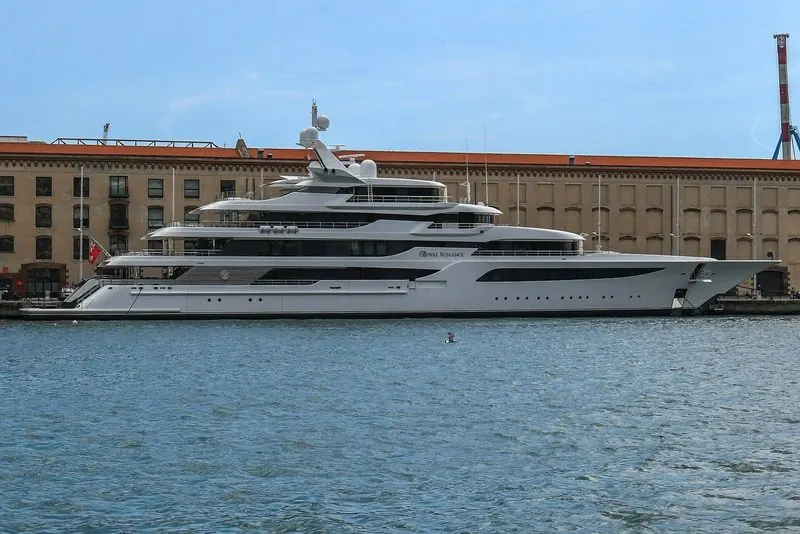
What does the filing mean for owners with a yacht in build at Marina di Carrara?
Five shipowners have already won the right to terminate or enforce their contracts after the Court of Florence ruled their vessels fall outside the protective measures; every other owner waits on the recovery plan the court has ordered.
The sharpest issue for clients is contractual. After a hearing on 27 May, the Court of Florence ruled by mid-June that five shipowners fell outside the protective measures, finding their vessels were neither assets of the builder nor instrumental to its business. That freed those owners to terminate their contracts or enforce their rights under them. The brands at stake carry real weight: Admiral, Tecnomar, Perini Navi, Picchiotti, NCA Refit and Celi 1920, names with deposits and part-built hulls at Marina di Carrara.
For anyone with a boat on order, the case shows that a build contract is only as sound as the yard holding it, and that court protection can shield a builder from suppliers while owners wait for a plan. For the wider market it is a rare public view of how fast a listed yard can unravel when real costs outrun the budgets written into fixed-price contracts. The recovery plan TISG must file within the court's window will show whether the brands, and the half-built boats, change hands or stay put.
What owners and crew report
No hull owner has spoken publicly
The five shipowners freed by the mid-June ruling are not named in any source checked, and no owner with a boat in build at Marina di Carrara had gone on record as of this article's 18 July date.
Yotters desk
What is good, and what to watch
Strong points
- The court has already drawn a line for ownersFive shipowners were found to sit outside the protection, so a hull in build is not automatically frozen for the life of the process.
- The chairman has put his own money behind a fixGiovanni Costantino injected a EUR 25m shareholder loan in February and filed a criminal complaint targeting the managers he blames for the overruns, rather than walking away.
What to watch
- No recovery plan exists yetThe group has not filed the plan the court window requires, so nobody outside the process knows whether the brands and half-built boats change hands or stay put.
- The market has already priced in a bad outcomeA share price down roughly 80 percent in a year and a lost STAR listing both signal that institutional confidence left before this filing did.
Practical detail
| Filing | A concordato in bianco (blank composition) filed 1 July 2026 under Article 44 of Italy's Crisis Code, Legislative Decree 14/2019. |
|---|---|
| Debt past due | About EUR 266.8m consolidated, including EUR 154.6m of bank debt, plus EUR 77.6m owed to suppliers (as of 31 May 2026). |
| Net financial position | EUR 178.7m negative as of 31 May 2026. |
| Court window | Usually 30 to 60 days, extendable to 120, to file a recovery plan. |
| Brands and site affected | Admiral, Tecnomar, Perini Navi, Picchiotti, NCA Refit and Celi 1920, all built at Marina di Carrara. |
| Owners' court win | Five shipowners were ruled outside the protective measures after a 27 May hearing, freeing them to terminate or enforce their contracts. |
| What is not published | No recovery plan had been filed as of this article's 18 July date, and the five owners freed by the ruling are not named. |
Questions this story answers
What happened?
The Italian Sea Group, the Milan-listed builder behind Admiral, Tecnomar and Perini Navi, filed for court protection from its creditors on 1 July with about EUR 267m of debt past due. Behind the filing sit a criminal complaint over hidden cost overruns, a lost STAR listing and a share price down roughly 80 percent in a year. Owners with hulls in build at Marina di Carrara now face a yard under court supervision, and five shipowners have already won the right to walk.
What is good about it?
The court has already drawn a line for owners. Five shipowners were found to sit outside the protection, so a hull in build is not automatically frozen for the life of the process.
What should an owner or buyer watch?
No recovery plan exists yet. The group has not filed the plan the court window requires, so nobody outside the process knows whether the brands and half-built boats change hands or stay put.
What do owners and crew report?
The five shipowners freed by the mid-June ruling are not named in any source checked, and no owner with a boat in build at Marina di Carrara had gone on record as of this article's 18 July date. (Yotters desk)
Who reported this?
SuperYacht News, Marine Industry News, SuperYacht24, The Italian Sea Group (investor relations), MarketScreener.
We do this for everyone who loves this world. The people who have spent their lives in it, and the people just discovering it. Yotters exists so that what we learn belongs to all of them.
Nobody pays us for this. No ads, no sponsors, nothing for sale. We just believe the world is a little better when knowledge is shared instead of kept.
If it gave you something today, tell us to keep going. Follow us, leave a like, or write a positive comment. We read every one, and they are what keeps us going.