Lengers, Sanlorenzo's northern dealer, is declared bankrupt
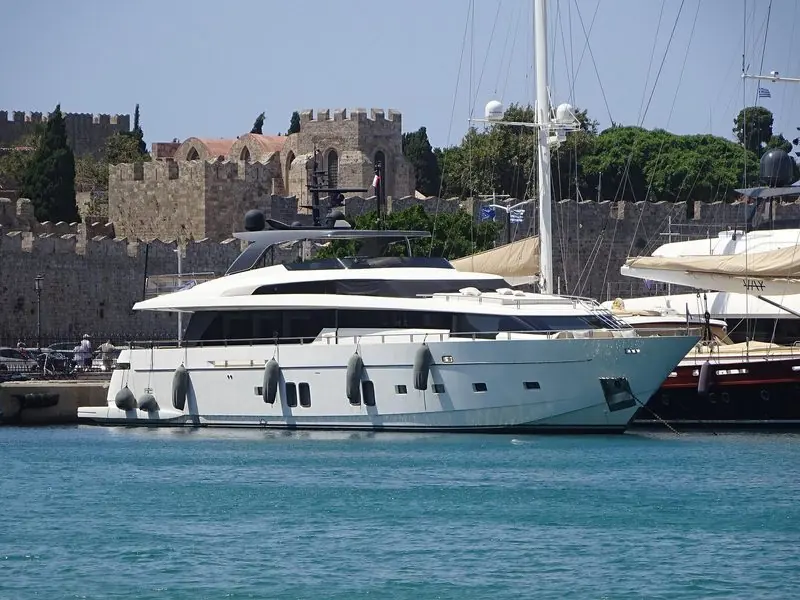
A 55-year-old dealer stops trading
The District Court of Midden-Nederland declared Lengers Yachts B.V. bankrupt on 28 July 2026 and appointed mr J.M. van Raaijen as trustee. Control passes to him under Dutch insolvency law, and his first task is to establish what the company owns, owes, and whether any part can keep trading. No report had been filed three days later. The cause, the debt and the staff numbers are still unknown, and nothing on the record shows a lost deposit or yacht.
Lengers has traded in the Dutch market since 1970, and its own material claims 55 years of putting clients on boats. It is a family firm, not a subsidiary of a listed group, and gave no public warning: the website was still listing yachts after the ruling. A dealer failing differs from a yard failing, and the shipyards behind the six brands keep building. What breaks is the layer between yard and owner, which holds the contracts, the money and the service history.
Six brands and a seven-office footprint
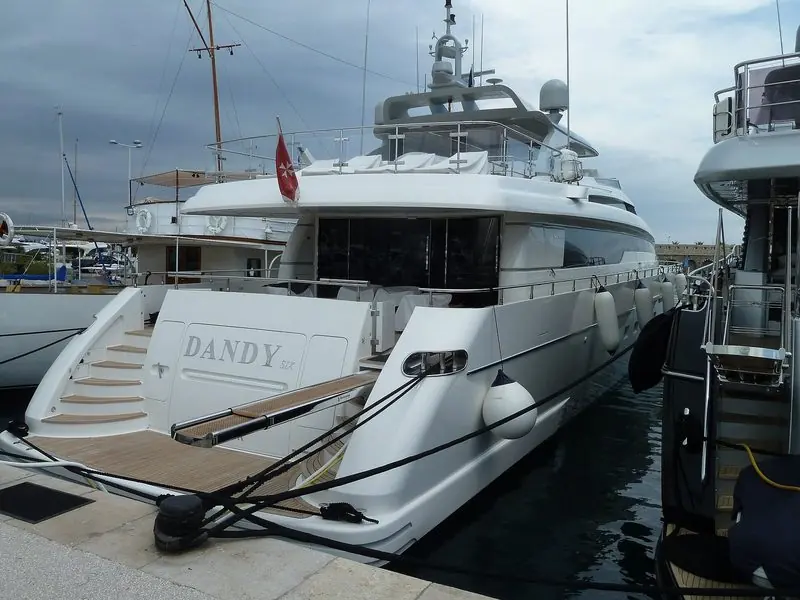
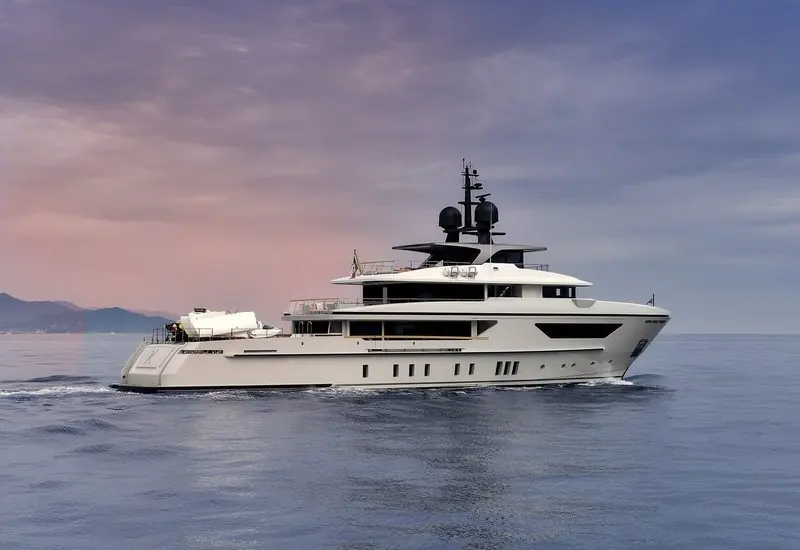
Lengers held the northern European mandate for Sanlorenzo and its sister brand Bluegame, plus Prestige, SACS, Pirelli Speedboats and Stratos. Sanlorenzo sits at the superyacht end, Prestige is volume production, and SACS and Pirelli build the rigid inflatables owners buy as tenders. One dealership stood between six manufacturers and a buyer base running from a tender to a steel Sanlorenzo. The Sanlorenzo relationship carries the weight, because those are the contracts with staged payments and multi-year delivery dates.
Company material lists seven offices: Muiden on the IJmeer as headquarters, Knokke-Heist in Belgium, Dusseldorf and Munich in Germany, Puerto Portals and Port Calanova on Mallorca, and Helsinki. The Mallorca pair matter most, because that is where northern boats are kept, serviced and handed over through the Med season. Calanova opened in 2019 and Knokke-Heist in March 2021. The chain was built for owners who buy in the north and cruise in the south, and it is what the trustee must now value.
The only question that matters is where the deposit sat
A yacht order is a series of staged payments, and the money can be routed two ways. It can sit in escrow and pass to the yard on named milestones, or reach the builder via the dealer. In the first case the buyer is largely insulated. In the second, an unremitted payment becomes an ordinary claim on the estate, behind the secured creditors. Reporting so far finds no evidence of lost deposits, and no filing yet to confirm it either way.
Anyone with an active order should read their own contract this week rather than wait for the trustee. Three clauses decide it: how payments were routed, whether title to a hull under construction is retained by the buyer, and whether the contract is with Lengers or directly with the yard. Where it runs to the shipyard and the dealer was only the agent, the position is comfortable. Where the dealer was the counterparty, the yard owes nothing to a buyer it never contracted with.
Boats in storage, boats on the brokerage desk
The exposure is not limited to new orders. Lengers ran brokerage, yacht management, aftersales and maintenance, which means it was holding other people's property. A yacht in a Lengers shed for storage or refit belongs to its owner, not the estate, but recovering it runs through a trustee obliged to test every claim. Owners there should expect delay, paperwork and proof of title rather than a quick collection.
Central agency listings are a separate problem. A yacht listed with Lengers now has an agent who cannot act, and any sale in progress stalls until the mandate is continued by the trustee or released. A seller who wants to move usually needs the listing formally terminated first. Brokerage deposits sit in the same escrow question as new-build stage payments. For a boat losing weeks mid-season, the step is to find out whether the mandate is alive.
Sanlorenzo has a second front open
The timing is awkward for Sanlorenzo. On 28 July, the day of the court ruling, the Italian builder was reported to be backing a consortium bid for The Italian Sea Group, the parent of Admiral and Perini Navi. A group pursuing an acquisition of that size must now also rebuild distribution across the Netherlands, Belgium, Germany, Finland and Mallorca. Northern Europe is not a marginal market for the brand, and a mandate of that width does not get reassigned in a fortnight.
Three outcomes are plausible, and each reads differently for an owner. A doorstart, where a buyer takes on the trading business and the staff, would preserve the service network and the warranty route. A brand-by-brand reassignment to rival dealers would keep the boats supported but scatter the records. A liquidation would leave owners dealing directly with the yards, workable for Sanlorenzo and harder for the smaller brands. The trustee's first report settles which way this goes, and who services these boats next spring.
Questions this story answers
What happened?
The District Court of Midden-Nederland declared Lengers Yachts bankrupt on 28 July, ending 55 years of trading for the firm that sold Sanlorenzo, Bluegame, Prestige and SACS across northern Europe. No trustee's report has been published, so nobody outside the estate yet knows what sat in the order book or where the stage payments were held. For an owner with a hull in build, a boat in Lengers storage or a listing on its brokerage desk, that unanswered question is the whole story.
Who reported this?
YachtBuyer, Superyacht Guide, Lengers Yachts.
We do this for everyone who loves this world. The people who have spent their lives in it, and the people just discovering it. Yotters exists so that what we learn belongs to all of them.
Nobody pays us for this. No ads, no sponsors, nothing for sale. We just believe the world is a little better when knowledge is shared instead of kept.
If it gave you something today, tell us to keep going. Follow us, leave a like, or write a positive comment. We read every one, and they are what keeps us going.