Neninka, a 67.6m Amels, sells in six weeks against an EUR 85m ask
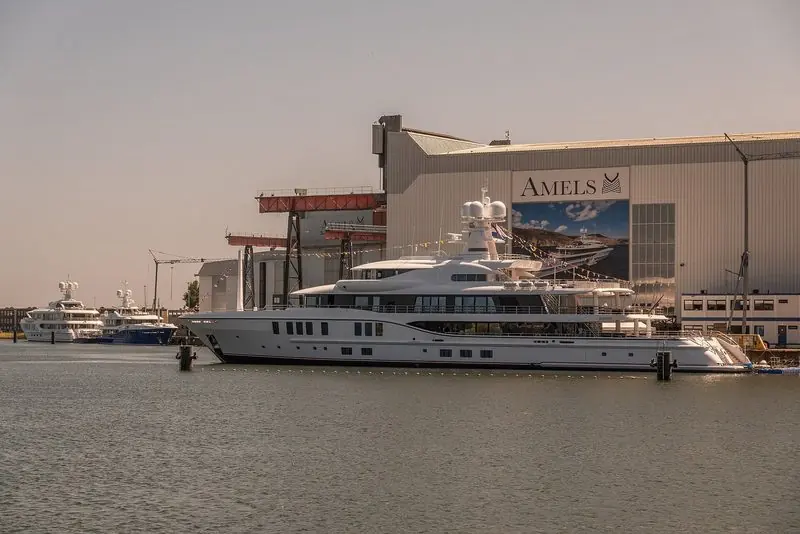
A 67.6m Amels sold in six weeks
Burgess announced on 30 July that it had sold Neninka, a 67.6-metre Amels delivered in 2019. The deal was concluded in house: Rupert Nelson and John St Hill acted for the seller, Tim Vickers for the buyer. Burgess said the yacht had been on the market for six weeks. Neither party disclosed the price paid.
BOAT International reported the asking price at EUR 85 million. That figure now becomes the reference point for a late-model Amels of this size, whatever the closing number turned out to be. Six weeks is quick for a hull carrying that ask. Above 60 metres, a listing that runs twelve months without a serious offer is closer to the pattern, and several this season have run longer than that.
The only 220 the yard built
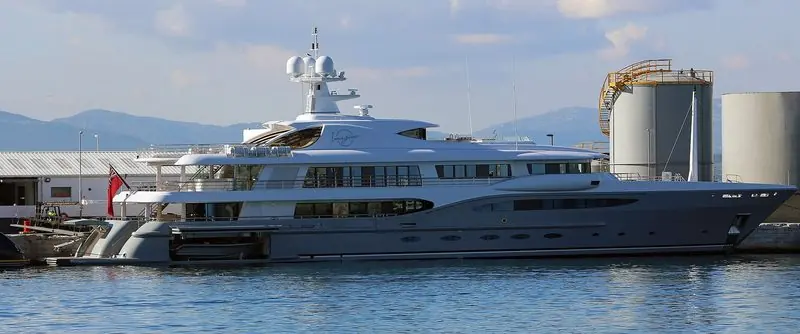
Neninka is a one-off. She is the only Limited Editions 220 Amels built, a stretched development of the yard's 212 platform, and she began as a speculative hull under the project name Waka before being named Aurora Borealis. Delivery came in July 2019. Tim Heywood drew the exterior, Winch Design did the interior, and Amels handled the naval architecture in house.
She measures 1,518 gross tonnes on a 12.28-metre beam, with a steel hull and an aluminium superstructure. Accommodation is for 14 guests across seven cabins. Twin Caterpillar diesels drive a full-displacement hull fitted with an energy recovery system. The stern is the selling point: a 65-square-metre swim platform and beach club, with garage space for two 8-metre tenders.
The rest of the summer has been cutting
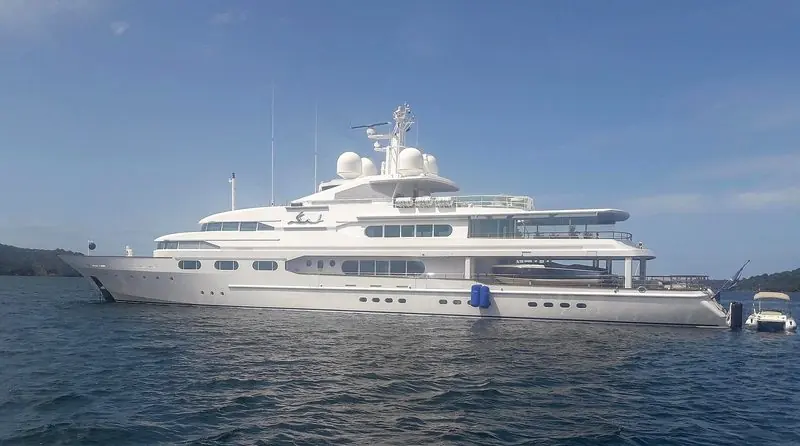
The rest of the summer's brokerage news has run the other way. Luna, the 90-metre Oceanco, came off EUR 10 million and now asks EUR 208 million. Calypso, a 62-metre Amels, is out at EUR 29.5 million against the EUR 40 million she carried in 2023. Lemon Tree is asking EUR 62 million. Those boats are moving their price to find the buyer.
Neninka did not. She was listed, priced and gone inside six weeks, with no public reduction along the way. For an owner reading the market as an asset class, that is the more useful data point. The top of the fleet is not uniformly slow. It is selective, and the selection is being made quickly when the boat and the number line up.
What a known platform is worth at resale
Brokers have a straightforward explanation for why a hull like this clears. A Limited Editions Amels is a known quantity: the platform has been built repeatedly, the engineering is documented, and a surveyor can price the risk in days rather than weeks. Refit costs are predictable because sister hulls have already been through the same yard periods. A buyer is not underwriting a prototype.
A full-custom one-off carries the opposite profile. It was built to one owner's brief, and the second owner inherits every decision in it, including the ones that suited nobody else. That is where the discounts appear. It is also why the sale of a series hull at a large number says more about market depth than a headline cut on a custom yacht says about weakness.
The number a seller should take from this
The figure to take from 30 July is six weeks, not EUR 85 million. Time on market is the variable an owner actually controls, and it is set almost entirely at the moment the yacht is listed. A yacht that opens above the market spends its first season teaching buyers to wait for the reduction. By the time the price is right, the listing carries a history.
Monaco in September is the next test. The show gives listings in the 60 to 80 metre band their widest audience of the year, and time on market is the figure brokers will be comparing afterwards. If more boats in this band start clearing in weeks rather than seasons, the sellers still anchored to 2022 valuations will have a decision to make before the winter listings refresh.
What is good, and what to watch
Strong points
- Sold in a fraction of the segment's normal timelineSix weeks against a typical 12 to 16 months for large resales this age, and against the season's other listings, several of which have run well past a year.
- Built on a documented, repeat-built platformThe 220 stretches Amels's LE212, a hull the yard has built and sold multiple times, giving a surveyor established engineering and refit history to price against even though this specific stretch is a one-off.
- No public reduction along the wayUnlike Luna, Calypso and Lemon Tree, all discounting the same summer, Neninka was listed, priced and gone with no published price cut.
- Separately named brokers on each side of the dealNelson and St Hill represented the seller and Vickers the buyer as distinct individuals, evidence of a genuine negotiation rather than one agent handling both parties directly.
What to watch
- The number that would actually prove the result was never releasedWithout a closing price, no one can say whether six weeks bought a premium, a discount at the ask, or something in between.
- An in-house transaction on both sidesBecause Burgess represented both the seller and the buyer, there is no outside brokerage confirming from the other side of the table that the terms were market rate.
- A one-off hull, not a repeated modelOnly one Limited Editions 220 was ever built, so unlike a production Westport or Sunseeker there is no second, directly comparable 220 sale to check this result against.
- The six-week figure is self-reportedIt is the selling brokerage's own stated timeline; no independent listing-history record was found to confirm exactly when she first came to market.
Practical detail
| Asking price | EUR 85,000,000, per BOAT International; closing price not disclosed |
|---|---|
| Time on market | 6 weeks, per Burgess, against a typical 12 to 16 months for 30m+ resales aged 5 to 15 years, per Ocean Independence's 2026 market guide |
| Brokers | Rupert Nelson and John St Hill of Burgess for the seller, Tim Vickers of Burgess for the buyer; an in-house deal, not two competing brokerages |
| Build | Amels Limited Editions 220, delivered July 2019; the only 220 built, a stretch of Amels's repeatedly-built 212 platform |
| Specification | 1,518 GT, 12.28m beam, steel hull, aluminium superstructure, 14 guests in 7 cabins, twin Caterpillar diesels, reported 16.5kn top speed and 5,000nm range per YachtBuyer |
| Same-season comparables still cutting | Luna (90m Oceanco) down EUR 10m to EUR 208m; Calypso (62m Amels) at EUR 29.5m against EUR 40m in 2023; Lemon Tree at EUR 62m |
| What is not published | The closing sale price and the buyer's identity |
Questions this story answers
What happened?
Burgess sold the 67.6-metre Amels Neninka on 30 July after six weeks on the market, against an asking price BOAT International put at EUR 85 million. The closing figure was not disclosed. For anyone holding a yacht in this band, the speed of the sale is the number that matters more than the ask.
What is good about it?
Sold in a fraction of the segment's normal timeline. Six weeks against a typical 12 to 16 months for large resales this age, and against the season's other listings, several of which have run well past a year.
What should an owner or buyer watch?
The number that would actually prove the result was never released. Without a closing price, no one can say whether six weeks bought a premium, a discount at the ask, or something in between.
Who reported this?
Burgess, BOAT International, SuperYacht Times, Superyachts.com, YachtBuyer, Ocean Independence.
We do this for everyone who loves this world. The people who have spent their lives in it, and the people just discovering it. Yotters exists so that what we learn belongs to all of them.
Nobody pays us for this. No ads, no sponsors, nothing for sale. We just believe the world is a little better when knowledge is shared instead of kept.
If it gave you something today, tell us to keep going. Follow us, leave a like, or write a positive comment. We read every one, and they are what keeps us going.