Norse Shipyard's Restored 130m Dock Now Takes Rival Yards' Work Too
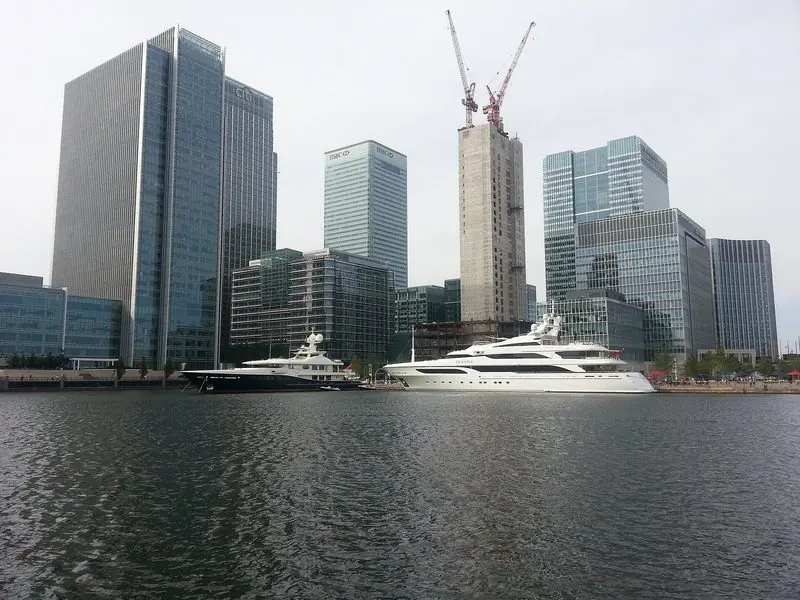
A dock brought back, not built new
Norse Shipyard has unveiled a fully restored floating dock at its Basiskele facility on Turkey's Kocaeli coast, on the Gulf of Izmit roughly 90 kilometres from Istanbul. The dock measures 130 metres long and 22 metres wide inside the walls, with a lifting capacity of 5,000 tonnes, and it was placed under RINA class before returning to service. Rather than commission a newbuild dock, Norse bought an existing structure and rebuilt it: steel renewal across the hull, a new paint system, electrical and piping upgrades, replacement pumps and a refurbished control room.
The dock actually returned to the water in November 2025; this week's announcement marks the end of its first full season of work rather than its first splash. Since re-entering service it has already completed a number of refit and maintenance jobs through the 2026 season, according to the yard, though it has not disclosed how many vessels or which ones. Norse Shipyard co-founder Mustafa Sungu framed the choice to restore over rebuild as a sustainability call as much as a financial one: 'By bringing an existing asset back to life instead of building from scratch, we not only reduced our environmental footprint but also expanded our technical strength.'
Why restoring an old dock beats pouring a new one
A newbuild floating dock of this size is a multi-year order at a handful of specialist fabricators, typically steel-plate construction commissioned new and towed into position. Buying a retired dock and re-plating it compresses that timeline substantially and avoids the raw-steel tonnage a fresh build would consume - the argument Sungu is making with the sustainability line. It also means Norse could get a 5,000-tonne asset into class and back on the water inside roughly a year of restoration work, rather than the several years a new dock of this scale would take to fabricate and deliver. Scale is the real reason this matters: most Mediterranean yards work off travel lifts or slipways that top out well under 2,000 tonnes and 80 metres, fine for the bulk of the fleet but useless for anything much past 60 or 70 metres LOA. A 5,000-tonne, 130-metre dock moves a yard into the much smaller group that can haul a full-size superyacht at all, which is why a restored dock changes the map more than a new travel lift would.
The restoration touched every system that determines whether a floating dock is trusted with a superyacht sitting on its blocks: the steel that carries the load, the pumps that control its ballast and trim, the electrical systems that run those pumps, and the control room where an operator watches all of it. RINA classification is the signal to insurers and yacht managers that those systems have been independently checked, not just repainted. A floating dock does the job by managing its own buoyancy rather than needing a permanent excavated basin the way a graving dock does: ballast tanks flood to sink the deck below the waterline, the yacht is floated in and centred over blocks, then the tanks are pumped dry so the whole structure - and the yacht sitting on it - rises clear of the sea. That ballasting system, run from the control room Norse rebuilt, is the part that fails first on a neglected dock and the part insurers scrutinise hardest before a RINA class certificate is issued.
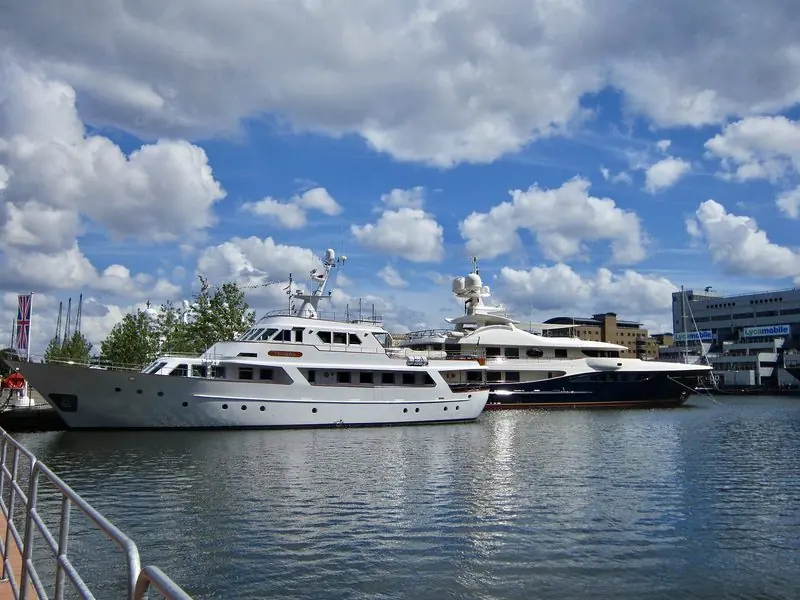
Open to the competition, on purpose
The more unusual decision is commercial rather than technical: Norse is renting dock time to other refit companies, not just running its own projects on it. 'NorseDock is available to other refit companies, allowing them to manage and execute their own projects independently while benefitting from our docking infrastructure and capabilities,' Sungu said. A large floating dock is one of the harder pieces of refit infrastructure to build or lease - most yards that lack one simply cannot take on vessels above a certain size - so a shipyard renting out its dock to rival contractors is effectively renting out the one asset that usually defines who gets to compete for big refit contracts at all.
That matters more in a market with too little dock capacity than too little demand. Mediterranean refit yards have spent 2026 adding infrastructure rather than headcount: MB92 Barcelona is midway through a 40 million euro, multi-year investment programme tied to a ten-year concession extension through 2050, and further along the coast Pendennis has been expanding its own Falmouth footprint by acquiring an adjoining oil terminal. Norse's move follows the same logic from a different angle - buy or restore the physical capacity first, then decide who gets to use it. The shortage is not unique to the Mediterranean - refit managers across the industry have flagged a large backlog of yachts due for service against a limited number of yards able to take them, which is the same capacity math driving MB92's and Pendennis's own investment programmes.
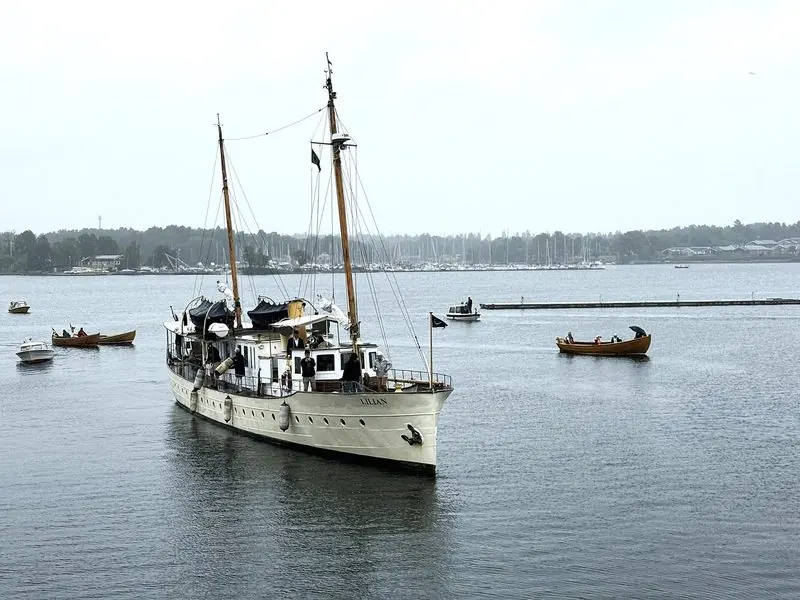
Where Turkey fits on the refit map
Kocaeli is not on the usual owner circuit the way Antibes, Genoa, Barcelona or Palma are, and a yacht due for major work has to be delivered there and back, adding transit time and cost that a Western Mediterranean yard would not. Turkish refit yards have built their reputation over the past decade on lower labour costs and growing technical capability rather than on convenience, and Norse's dock is a bet that owners and captains will increasingly look past the extra sea miles for both.
Neither Norse nor the trade press covering the relaunch has published a day rate for dock time, a client list, or utilisation figures beyond the general claim of 'a number' of jobs completed this season - so it is not yet possible to say how booked the dock is, or how it prices against a Western Mediterranean slot of comparable size. That is the detail an owner's captain or refit manager would need before treating Kocaeli as a real alternative rather than a cheaper one on paper.
What is good, and what to watch
Strong points
- Faster and greener than a newbuildRestoring an existing dock got 5,000 tonnes of lifting capacity into RINA class in roughly a year, and used far less raw steel than fabricating a new dock of the same size.
- Independently classed, not just repaintedRINA class means the steel, pumps, electrics and control systems were checked to a standard insurers and yacht managers recognise, not just Norse's own word.
- Expands regional capacity, not just Norse's backlogRenting slots to rival refit companies makes the dock a shared Mediterranean resource rather than a private advantage, which is the scarcer thing in this market.
What to watch
- Off the main owner circuitKocaeli adds transit time and cost against Antibes, Genoa, Barcelona or Palma for an owner whose season is built around the Western Mediterranean.
- No published pricing or track recordWithout a day rate or a client list, there is no way yet to compare booking a Norse slot against a Western Mediterranean yard on cost or availability.
- Opening to competitors cuts both waysThe same third-party access that grows regional capacity also means Norse's own projects compete with rival contractors' work for the same dock time in peak season.
Practical detail
| Dock size | 130m long x 22m wide inside the walls (29.2m outside) |
|---|---|
| Lifting capacity | 5,000 tonnes |
| Class | RINA |
| Location | Basiskele, Kocaeli, Turkey - on the Gulf of Izmit, about 90km from Istanbul |
| Back in service | November 2025; this relaunch announcement is August 2026, after a first full season |
| Open to third parties | Yes - other refit companies can book dock time for their own projects |
| Not published | Day rate, client list, and how many vessels have actually used the dock this season |
Questions this story answers
What happened?
A Turkish yard has brought a scrapped-looking asset back from the dead instead of pouring a new one, and the result is 5,000 tonnes of extra lifting capacity on the Mediterranean's refit map. For an owner deciding where a big yacht gets hauled next, that is one more real option, and a cheaper one than the Western Med is used to.
What is good about it?
Faster and greener than a newbuild. Restoring an existing dock got 5,000 tonnes of lifting capacity into RINA class in roughly a year, and used far less raw steel than fabricating a new dock of the same size.
What should an owner or buyer watch?
Off the main owner circuit. Kocaeli adds transit time and cost against Antibes, Genoa, Barcelona or Palma for an owner whose season is built around the Western Mediterranean.
Who reported this?
SuperyachtTimes (Andrea Pefianco, 18 August 2026), BOAT International BoatPro (Conor Feasey, 18 August 2026), Marine Industry News (3 August 2026).
We do this for everyone who loves this world. The people who have spent their lives in it, and the people just discovering it. Yotters exists so that what we learn belongs to all of them.
Nobody pays us for this. No ads, no sponsors, nothing for sale. We just believe the world is a little better when knowledge is shared instead of kept.
If it gave you something today, tell us to keep going. Follow us, leave a like, or write a positive comment. We read every one, and they are what keeps us going.