Pampelonne redrawn: where your yacht may lie off Saint-Tropez has moved
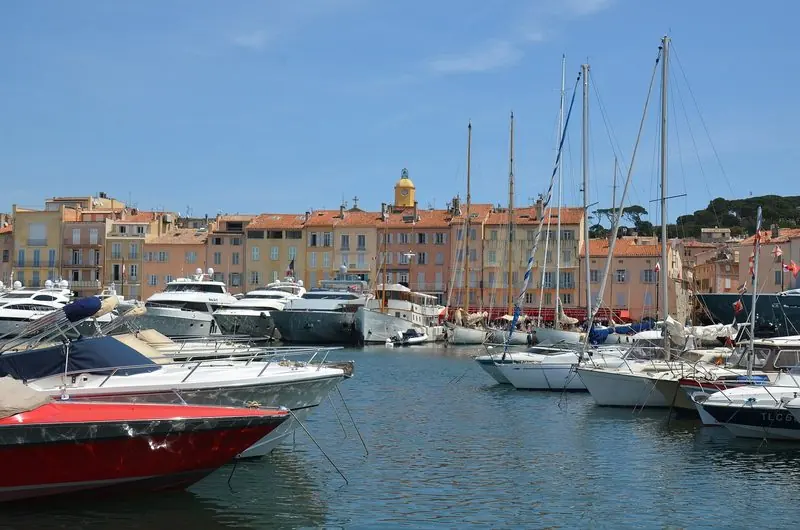
What changed in the Pampelonne anchoring rules?
Arrete Prefectoral 177/2026, in force since 24 June 2026, reclassified the anchorage off Pampelonne beach near Saint-Tropez and folded the former 45-80 metre western zone into a 210-mooring ZMEL now run by Ramatuelle's municipal police.
Arrete Prefectoral number 177/2026 was signed in Toulon on 3 June 2026 by the prefet maritime de la Mediterranee and came into effect on 24 June. It reorganises anchoring and mooring in the bay at Pampelonne, the stretch of coast that carries the beach clubs south of Saint-Tropez and one of the densest concentrations of large yachts anywhere in the Mediterranean in August.
The headline change is a reclassification. The western anchoring area that had been designated for vessels of 45 to 80 metres is now a 24 to 45 metre zone, and it has been folded into the ZMEL, the light moorings and equipment zone. That is a buoyed field of around 210 moorings, and it now sits under the authority of Ramatuelle's municipal police.
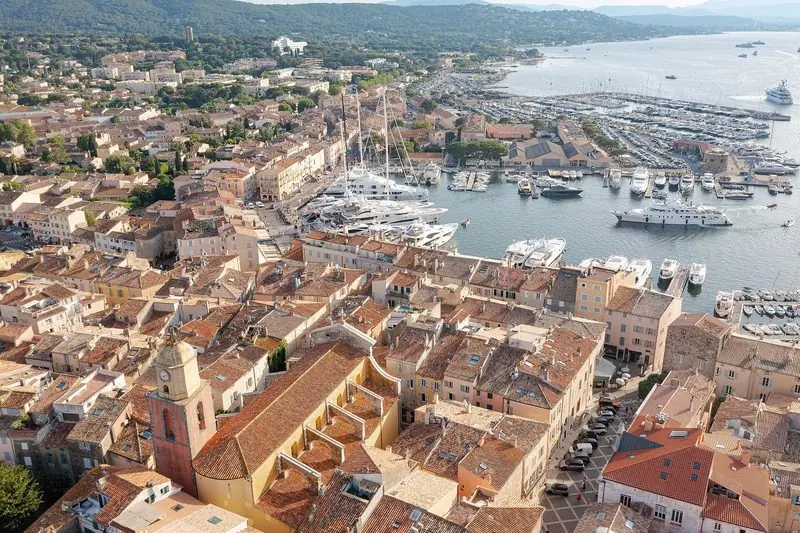
Where should a yacht of a given length anchor off Pampelonne now?
Under-24m yachts are excluded from the buoyed areas, 24-45m yachts take the reclassified western sectors, 45-80m yachts have moved east, and 80m-plus yachts anchor in a zone of their own between Cap Pinet and Pointe de la Bonne Terrasse.
Vessels under 24 metres are excluded from the buoyed mooring areas. Yachts between 24 and 45 metres are permitted in designated sandy areas. Yachts between 45 and 80 metres have been moved to the eastern zone. Yachts of 80 metres and above now anchor separately from the 45 to 80 metre band, with boundaries clarified between Cap Pinet and the Pointe de la Bonne Terrasse.
The mooring sectors within the ZMEL have also been adjusted for buoy positions, the number of moorings available and the maximum vessel length each sector will take. An owner whose captain has anchored in the same spot for five seasons should assume the spot has changed hands. Anchoring on Posidonia meadows remains prohibited at any length.
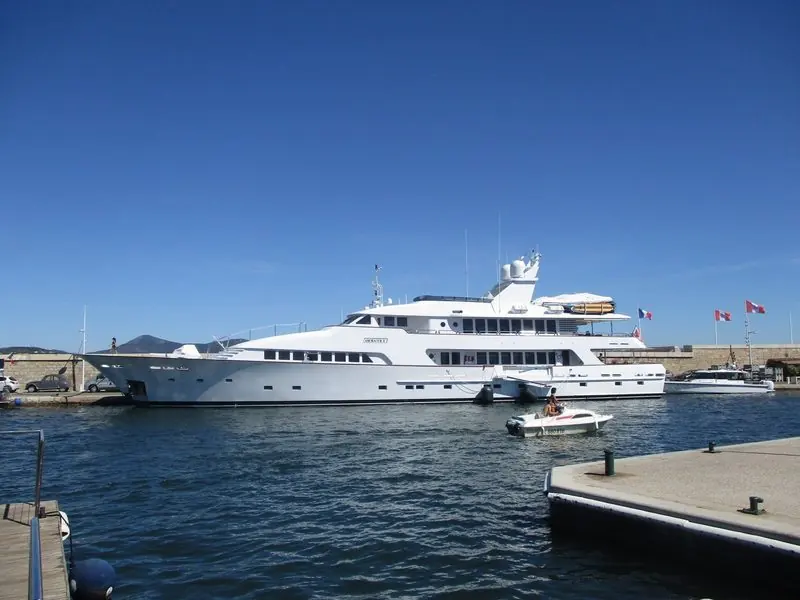
Are the nautical charts for Pampelonne up to date?
No - the order took effect in June 2026 and the electronic charts still show the old zone boundaries, so the arrete itself, not the chart, is the reference for a Pampelonne stop this summer.
The order is in force and the nautical charts have not been updated to reflect it. That gap matters more than it sounds. A bridge team working from an electronic chart that shows the old zone boundaries will place the yacht correctly according to the display and incorrectly according to the law.
The practical instruction is that the arrete, and not the chart, is the reference for this bay this summer. Anyone planning a Pampelonne stop should have the current text and the current ZMEL sector plan aboard, and should confirm with the local authority where a yacht of their length is now expected to lie.
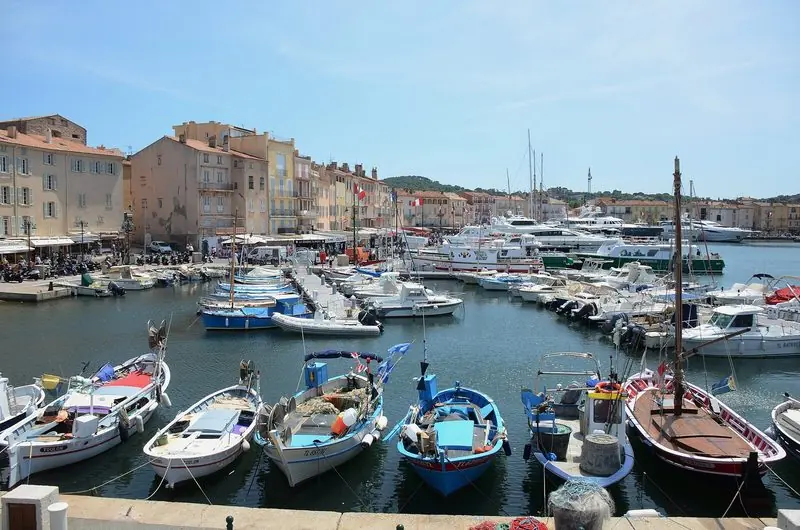
How does France's anchoring enforcement compare to its Mediterranean neighbours?
A Swiss Ocean Tech report published 9 July 2026 rates France's framework the most detailed in the region, with penalties up to a year and EUR 150,000 for a breach and up to three years for habitat damage, while Malta and Cyprus have no single nationwide rule.
A report published on 9 July 2026 by Swiss Ocean Tech, which builds anchor-drag monitoring equipment, surveyed anchoring rules across France, Spain, Croatia, Italy, Greece, Turkiye, Malta, Cyprus and Monaco. It concluded that France runs the most detailed framework in the region, with size thresholds spread across the 20 to 80 metre range, and that Malta and Cyprus have no single nationwide rule at all.
It also sets out the French penalties. Under Article L5242-2 of the Code des transports, breaches of maritime rules can carry up to a year of imprisonment and a fine of EUR 150,000, and damage to protected species or habitats up to three years and EUR 150,000, with further penalties possible inside national park zones and separate compensation for ecological damage. The report cites WWF research putting more than 179,000 vessels over Mediterranean seagrass in 2024.
What should an owner actually do before a Pampelonne stop?
Confirm the yacht's zone under the new order, book or reconfirm the mooring inside the ZMEL if she now falls within it, and give the captain written authority to move off any position that turns out to lie over Posidonia.
France is not the only country tightening. The Swiss Ocean Tech report notes that Spain introduced Royal Decree 191/2026 to protect seagrass meadows, while Croatia, Italy, Greece and Turkiye govern anchoring mainly through local authorities, which is harder to research and easier to fall foul of.
For a Saint-Tropez week in August the sequence is simple enough. Establish which zone the yacht's length puts her in under the new order, book or confirm the mooring if she now falls inside the ZMEL, and give the captain written authority to move if the assigned position is over Posidonia. The fine is charged to the vessel, and the ecological damage claim follows the owner.
What is good, and what to watch
Strong points
- The size bands are now genuinely separatedPutting 80-metre-plus yachts in their own zone, distinct from the 45-80m band, removes the crowding that came from two very different fleet sizes sharing one anchorage off a beach that fills every August.
- A single reservation channel now existspampelonne-mooring.com plus VHF Channel 77 gives a captain one place to book and confirm, replacing what used to be an informal, first-come anchorage.
What to watch
- The charts have not caught upAn electronic chart still showing the old boundaries will place a yacht correctly on the display and incorrectly under the law, and the order itself is now the reference document, not the chart - a real trap for any bridge team that has not read Arrete 177/2026 directly.
- Large-yacht pricing is invisible until you callThe only published mooring rates are for a 10-metre boat; an owner planning an 80-metre-plus stay has to phone the Camarat coastguard station to learn what the visit will actually cost.
Practical detail
| How to book a Pampelonne mooring | Reserve online at pampelonne-mooring.com, then confirm the exact buoy by VHF Channel 77 on arrival - the assignment can still shift on the day. |
|---|---|
| What a mooring costs | Published rates run EUR 80-171 a night for a 10-metre boat across the ZMEL's five sectors (A-E); the site does not publish a per-night rate for the 24-metre-plus yachts this order actually reclassifies. |
| Where the zones now sit | 24-45m in the reclassified western ZMEL sectors, 45-80m moved east, 80m-plus in its own zone between Cap Pinet and Pointe de la Bonne Terrasse, under-24m excluded from buoyed areas entirely. |
| The penalty for getting it wrong | Up to one year and EUR 150,000 under Code des transports Article L5242-2 for a breach, rising to three years and EUR 150,000 plus a separate ecological-damage claim if the anchor lies over Posidonia seagrass - charged to the vessel, with the damage claim following the owner. |
| What is not published | Neither the prefecture's order nor pampelonne-mooring.com publishes a large-yacht mooring tariff, so budgeting for an 80-metre-plus stay means calling the Camarat coastguard station directly rather than pricing it off the website. |
Questions this story answers
What happened?
A maritime prefecture order that took effect on 24 June has reorganised the anchorages off Pampelonne by yacht size. The western area that used to take 45 to 80 metres now takes 24 to 45. Yachts of 80 metres and above have a zone of their own, and the charts on your bridge have not caught up.
What is good about it?
The size bands are now genuinely separated. Putting 80-metre-plus yachts in their own zone, distinct from the 45-80m band, removes the crowding that came from two very different fleet sizes sharing one anchorage off a beach that fills every August.
What should an owner or buyer watch?
The charts have not caught up. An electronic chart still showing the old boundaries will place a yacht correctly on the display and incorrectly under the law, and the order itself is now the reference document, not the chart - a real trap for any bridge team that has not read Arrete 177/2026 directly.
Who reported this?
SuperyachtNews, Prefecture maritime de la Mediterranee, Commune de Ramatuelle, Swiss Ocean Tech, WWF.
We do this for everyone who loves this world. The people who have spent their lives in it, and the people just discovering it. Yotters exists so that what we learn belongs to all of them.
Nobody pays us for this. No ads, no sponsors, nothing for sale. We just believe the world is a little better when knowledge is shared instead of kept.
If it gave you something today, tell us to keep going. Follow us, leave a like, or write a positive comment. We read every one, and they are what keeps us going.