Sea Cloud Rebuilds Her 1931 Masts in Steel, Bound for Malta
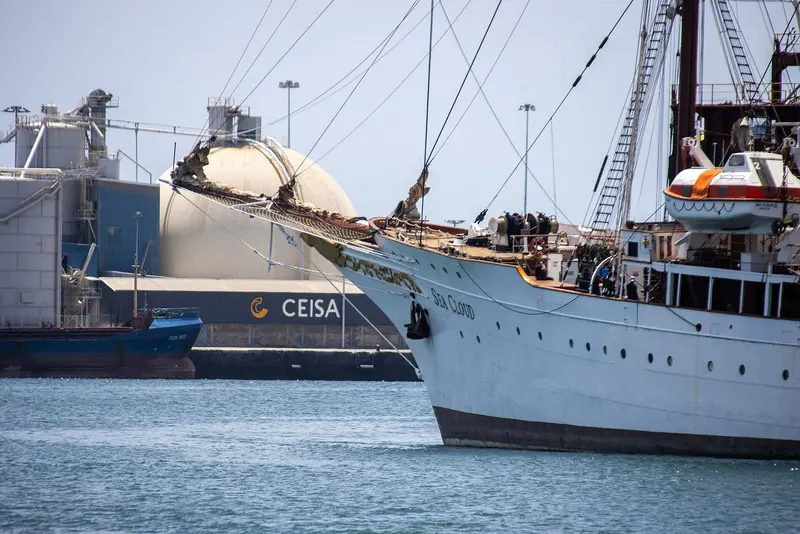
A cereal fortune's flagship, then a wartime weather ship
Sea Cloud was launched in April 1931 at the Krupp Germaniawerft yard in Kiel as Hussar V, built for the American businesswoman and Postum Cereal Company heiress Marjorie Merriweather Post and her then-husband E.F. Hutton. Designed by the New York naval architects Cox and Stevens, she was, at launch, the largest private sailing yacht in the world: a four-masted barque of steel construction, rigged with three square-rigged masts and a gaff-rigged mizzen aft. Post kept the ship into her later marriage to Ambassador Joseph E. Davies, and the vessel served for years as a floating extension of Post's own considerable social and diplomatic reach.
Her working life did not stay private. In December 1943 she was placed under a Coast Guard crew as USS Sea Cloud (IX-99) for North Atlantic weather-reporting duty, stripped of her rig and running under power. Command went to Lieutenant Commander Carlton Skinner, who used the posting to run the first deliberately racially integrated crew in US Navy or Coast Guard history - roughly a third of her 173 sailors were black, at a time when the services were formally segregated. Skinner went on to become Guam's first civilian governor in 1949. Sea Cloud returned to civilian sailing service only in the late 1970s, and has operated under her original name and rig with Sea Cloud Cruises ever since.
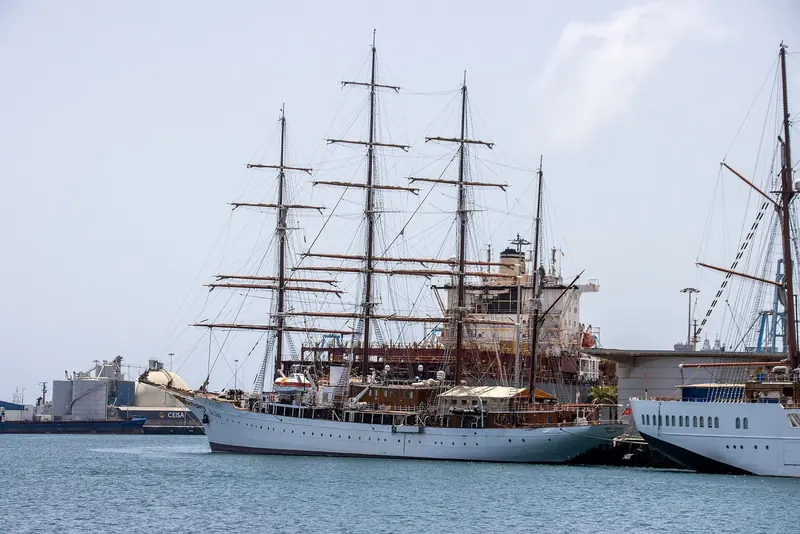
Four new masts, built to the 1931 lines
The mast work now under way is being carried out by Reviva Refit, the refit and service brand of the Turkish builder Mengi Yay, at its yard in Tuzla. All four masts are being remade in steel, matching the material and the dimensions of the 1931 originals rather than switching to a lighter modern alloy or composite - a deliberate choice Reviva Refit has said was made for longevity and for how the loads behave in the existing hull and deck structure. Sections are rolled, formed and welded, then dimensionally checked and trial-assembled in Turkey before the finished masts are shipped to Malta for stepping.
The work is being carried out under DNV classification, with welds checked against a formal non-destructive testing plan before each mast receives its marine protective coating. Reviva Refit is working with the marine engineering firm SSPT and the German naval architecture practice Tailship Design on the technical coordination. Once installed, the four masts will again carry Sea Cloud's full working sail plan: 29 sails and roughly 3,000 square metres of canvas, set and struck entirely by hand, as they always have been - she remains one of the very few genuine square-riggers still working under canvas rather than motor-assisted furling gear.
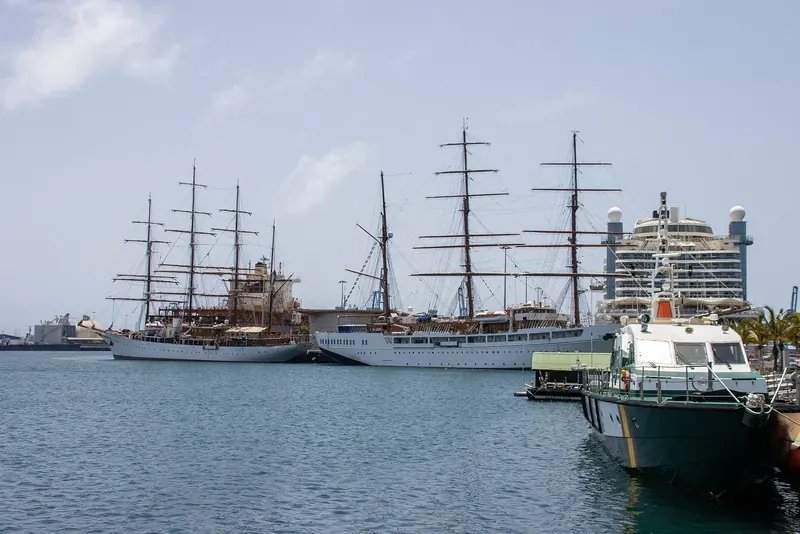
The wider rebuild taking shape at Palumbo
Sea Cloud arrived at the Palumbo refit yard in Malta in November 2025 for what her owner's side has described as a multi-million-euro, top-to-bottom rebuild. The stated aim is to strip back decades of accumulated changes and return the ship to how she looked when she left Kiel in 1931: removing added superstructure, reconstructing her original waterline and deck lines, repairing the hull with traditional techniques, and reproducing her original gilded eagle figurehead. None of the yards involved has published a project cost.
"We are going to remove all the superstructure that has been added, so she looks like she did in the '30s," said Daniel Kupfer, the owner's representative and founder of the project management firm Yanova, describing the scope of the work. "Such classic projects pose very specific challenges, which we approach with great respect for the vessel, her history, and her long-term future," he said. Alongside the cosmetic and structural restoration, the yard is fitting new MTU main engines, fresh generators and modern exhaust treatment, and rebuilding crew accommodation to current superyacht standards - the parts of the rebuild that will never show in a photograph but decide whether she can keep sailing commercially at all.
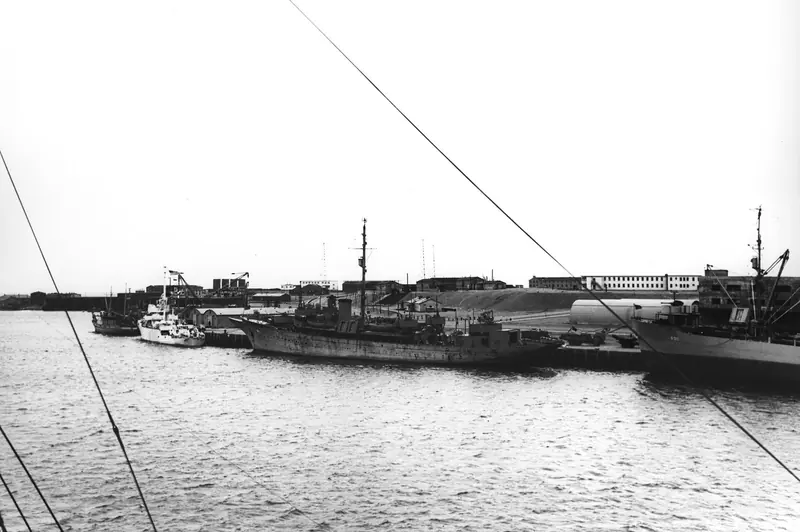
The Coast Guard's most quietly historic voyage
The 1943 to 1945 stint under Skinner is not a footnote Sea Cloud Cruises plays up in its brochures, but it is one of the more consequential episodes in the ship's ninety-five years. Skinner had argued directly to Coast Guard leadership that a small, relatively obscure vessel on weather patrol was the right place to test integration quietly, away from the public attention a warship would draw - and volunteered his own command for the experiment. The Coast Guard's official historians credit the Sea Cloud posting as the first genuine test of shipboard integration in US naval service, five years before Harry Truman's 1948 executive order desegregated the armed forces outright.
Skinner was never given the promotion or public credit that peers with comparable postings received, something later Coast Guard leadership has publicly acknowledged. He left the service, went into journalism and Democratic politics in the Pacific, and was appointed Guam's first civilian governor by Truman in 1949 after the Navy handed administration of the island to the Department of the Interior. For an owner or a historian weighing what a heritage vessel is actually worth preserving, it is this kind of layered, documented history - not just the naval architecture - that separates a genuine icon like Sea Cloud from a yard-built replica dressed to look old.
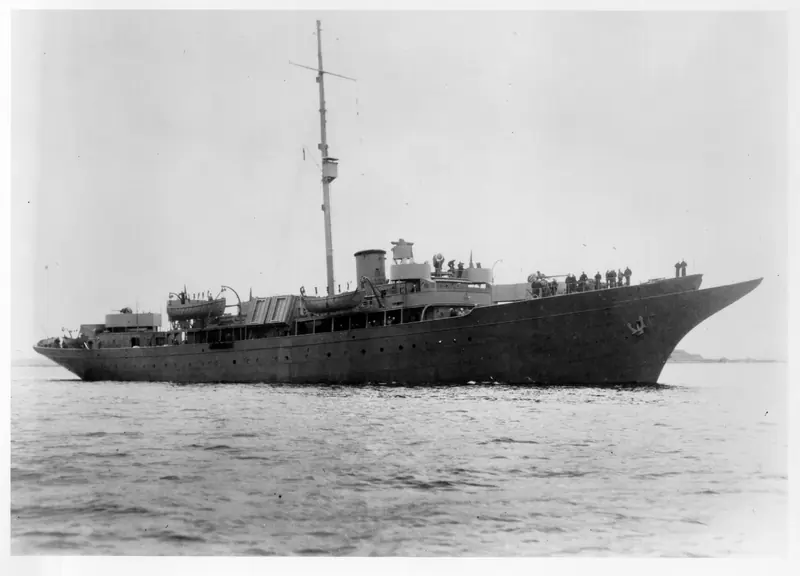
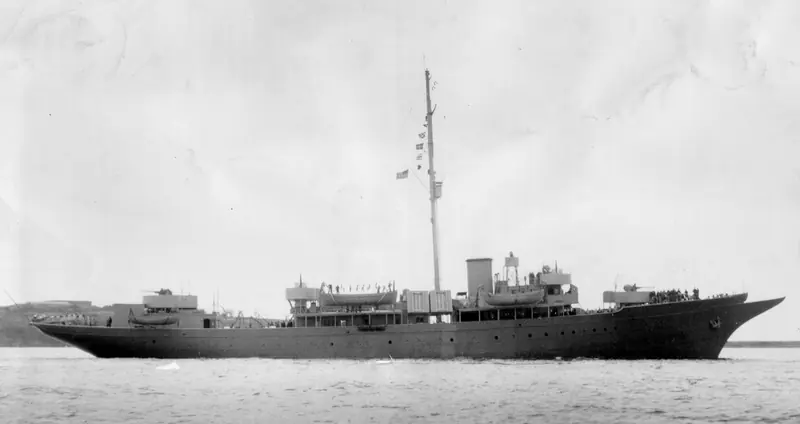
What changes for a charterer, and what a similar rebuild would cost you
Sea Cloud will keep operating commercially once she returns to service, chartered and cruised through Sea Cloud Cruises rather than reserved for a single private owner. The rebuild does change the experience on board: guest capacity falls to 20 passengers, down from the 64 she has carried in recent decades, with roughly one crew member for every three guests. That is a large cut in berths for a hull of her size, and it reflects modern space, safety and crew-welfare standards rather than any reduction in the ship herself - a trade every serious heritage rebuild eventually makes.
Neither Palumbo nor Reviva Refit has published a total project cost or a firm return-to-service date, so anyone pricing a comparable restoration is working from photographs and press releases rather than a public budget line. What is public is the shape of the trade-off: authentic steel masts to the original design over a lighter modern rig, a full engine and systems replacement behind the scenes, and roughly two-thirds fewer berths in exchange for a ship that, when she is finished, will look and sail closer to 1931 than she has in living memory.
What owners and crew report
The added superstructure comes off entirely
"We are going to remove all the superstructure that has been added, so she looks like she did in the '30s," said Daniel Kupfer, the owner's representative and founder of Yanova, on the scope of the rebuild.
BOAT International (December 2025)The yard is treating this as a heritage project, not a routine refit
"Such classic projects pose very specific challenges, which we approach with great respect for the vessel, her history, and her long-term future," Kupfer said.
BOAT International (December 2025)
What is good, and what to watch
Strong points
- A genuine return to the original lines, not a cosmetic refreshThe rebuild removes decades of added superstructure and remakes the masts in steel to the 1931 dimensions, rather than the lighter carbon or aluminium rig most heritage refits settle for.
- Real classification behind the historyDNV supervises the mast fabrication and welding, and the yard is fitting new MTU engines and modern exhaust treatment - the ship will meet current safety and emissions rules while looking original.
What to watch
- Guest capacity falls by nearly two-thirdsBerths drop from 64 to 20 to meet modern space and safety standards, so a charter that once carried a small ship's complement now carries a fraction of it, at correspondingly higher fares per guest.
- No cost or completion date on recordNeither Palumbo nor Reviva Refit has published a project budget or a firm return-to-service date, so anyone pricing a comparable restoration has press photographs to go on, not a schedule.
Practical detail
| Built | April 1931, Krupp Germaniawerft, Kiel, as Hussar V for Marjorie Merriweather Post and E.F. Hutton; design by Cox and Stevens, New York |
|---|---|
| Rig | Four masts, three square-rigged and one gaff-rigged aft; 29 sails, about 3,000 square metres of sail area, set entirely by hand |
| Current operator | Sea Cloud Cruises (managing director Adam Pazdzioch); owner's representative Daniel Kupfer of Yanova |
| Rebuild yard and dates | Palumbo Superyachts, Malta, since November 2025; masts built by Reviva Refit (Mengi Yay), Tuzla, Turkey, under DNV classification |
| New machinery | New MTU main engines, new generators, modern exhaust treatment, and crew accommodation rebuilt to current superyacht standards |
| Guest capacity after rebuild | 20 guests, down from 64; roughly one crew member per three guests |
| What is not published | Total project cost and a firm return-to-service date - neither yard nor the owner's side has disclosed either |
Questions this story answers
What happened?
Reviva Refit has begun forging four new steel masts, built to the original 1931 lines, for Sea Cloud - the 109.5-metre four-master built for cereal heiress Marjorie Merriweather Post and now mid-way through a top-to-bottom rebuild at Malta's Palumbo yard. For anyone weighing a heritage restoration of their own, her rebuild is a rare public benchmark for what a genuine return to original really costs in scope, patience and engineering.
What is good about it?
A genuine return to the original lines, not a cosmetic refresh. The rebuild removes decades of added superstructure and remakes the masts in steel to the 1931 dimensions, rather than the lighter carbon or aluminium rig most heritage refits settle for.
What should an owner or buyer watch?
Guest capacity falls by nearly two-thirds. Berths drop from 64 to 20 to meet modern space and safety standards, so a charter that once carried a small ship's complement now carries a fraction of it, at correspondingly higher fares per guest.
What do owners and crew report?
"We are going to remove all the superstructure that has been added, so she looks like she did in the '30s," said Daniel Kupfer, the owner's representative and founder of Yanova, on the scope of the rebuild. (BOAT International (December 2025))
Who reported this?
BOAT International, SuperyachtTimes, Guampedia, Naval History Magazine.
We do this for everyone who loves this world. The people who have spent their lives in it, and the people just discovering it. Yotters exists so that what we learn belongs to all of them.
Nobody pays us for this. No ads, no sponsors, nothing for sale. We just believe the world is a little better when knowledge is shared instead of kept.
If it gave you something today, tell us to keep going. Follow us, leave a like, or write a positive comment. We read every one, and they are what keeps us going.