The APA Adds 25 to 40 Percent to Every Charter Rate Quoted
What does the weekly charter rate itself pay for?
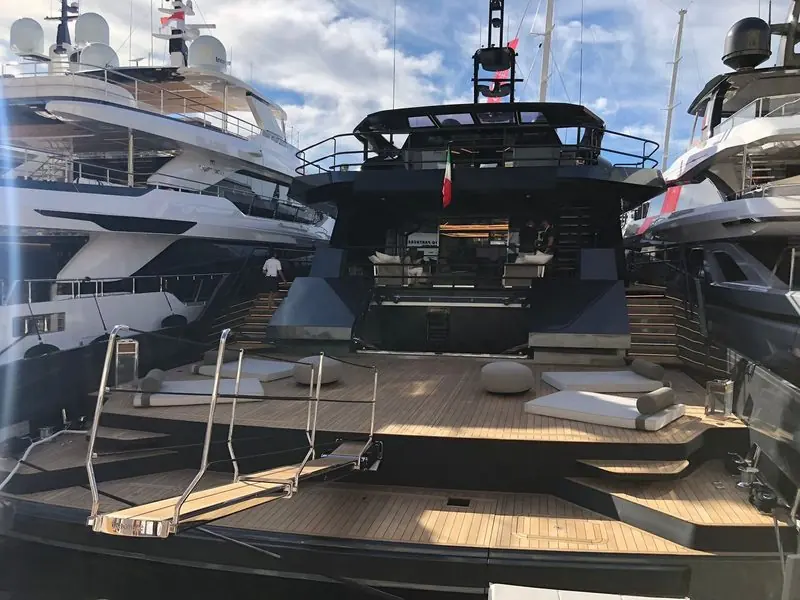
The figure a broker quotes is the charter fee alone, a fixed weekly hire for the yacht, her crew and her insurance, and every other cost on the charter sits outside that number.
Camper & Nicholsons is direct about the boundary: its base charter rate includes the yacht, crew and insurance, full stop, with fuel, food and beverages, docking fees and any special request covered separately through the Advance Provisioning Allowance. Burgess quotes the same structure from the other side of the market, noting that rates are set per week for the hire of the yacht and move with her size, her facilities and the season, with rates for large yachts starting around EUR 70,000 a week before any of the add-ons below are counted.
Season alone can move that number hard. High season, July and August, the Christmas and New Year fortnight, and any major regatta or show week, commands a premium over the same yacht's low-season rate, because the fleet that would otherwise sit idle is instead competing for the same charter dates. An owner comparing two candidate yachts on charter yield has to compare like season against like season, not a high-season quote on one against a low-season quote on the other.
How much does the Advance Provisioning Allowance actually add?
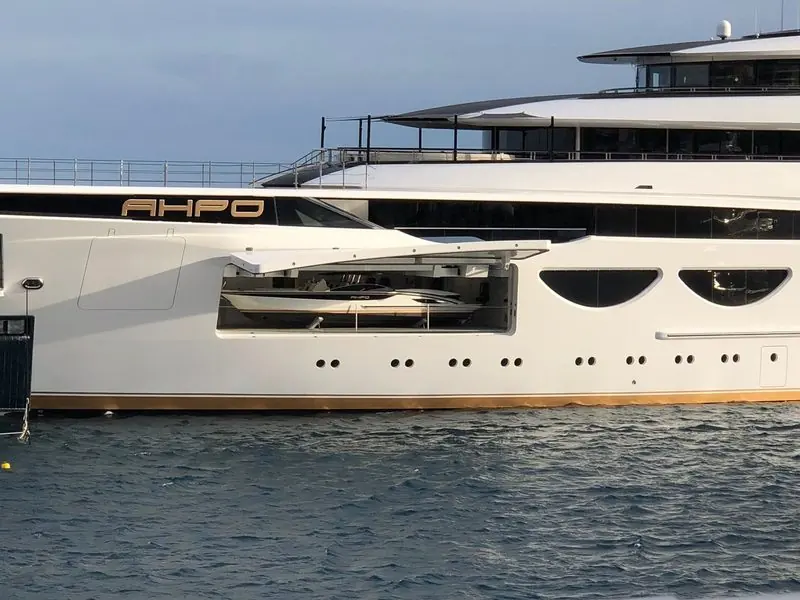
The APA is a separate prepaid fund, typically 25 to 40 percent of the charter fee depending on whether the yacht is a sailing yacht or a motor yacht, handed over before a single mile is run and returned in cash for anything the crew did not spend.
The allowance sits under Clause 8 of the MYBA charter agreement and covers fuel, food, drinks, port and dockage fees, communications and other running costs for the week. A survey of 222 published charter rates that state an APA found 132 set it at 35 percent of the charter fee, 53 at 30 percent, 23 at 25 percent, 12 at 40 percent and 2 at 20 percent, and the split tracks the yacht type: sailing yachts and catamarans run lower, closer to 20 to 25 percent, because they burn less fuel, while motor yachts commonly sit at 30 to 35 percent and can reach 40 percent on a yacht with heavier demands.
The captain runs the APA as a transparent account through the week and presents it at the end. Any money left over is refunded to the charterer in full. Any shortfall works the other way: if the crew's actual spending runs past the prepaid amount, the charterer has to settle the difference before disembarking, which is why the figure gets discovered at the end of the week rather than budgeted for at the start.

How much VAT does a European charter actually carry?
VAT is charged in the country where the charter starts, not where the yacht is flagged or owned, and since most European governments reinstated full rates in recent years, that single line can now add a fifth or more of the base fee.
IYC's own charter tax guidance and Ocean Independence's VAT guide agree on the current rates: 20 percent in France and Monaco, 22 percent in Italy, 21 percent in Spain, 18 percent in Malta, 19 percent in Cyprus and 13 percent in Croatia for a qualifying multi-day charter. Greece is the outlier both ways: an eligible charter can see an effective rate of roughly 5.2 to 13 percent, but one that does not qualify for that reduced treatment is charged the full 24 percent standard rate.
A charter that spends real time outside EU territorial waters can still claim proportional relief, but only with the paperwork to prove it. The captain logs the hours spent in international waters, a fiscal representative processes the reduction, and the reimbursement comes back through the charter consultant afterward, not at the point of payment. What has genuinely changed is the flat-rate discount schemes several countries used to offer regardless of the actual route; Ocean Independence's own guidance notes that most European governments have reinstated full VAT rates and removed those distance-based reductions, leaving the time-in-waters claim as the only route left to a lower bill.
Does booking through a broker cost more than booking direct?
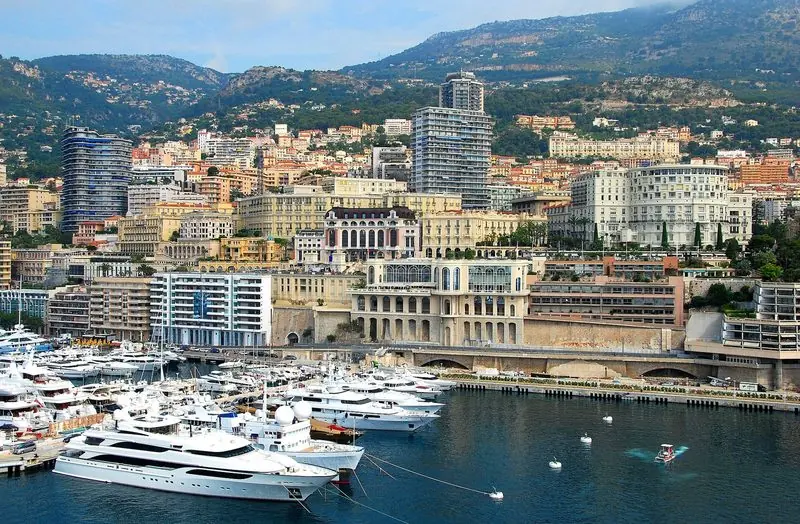
No: the industry-standard 15 to 20 percent commission is already built into the published charter fee and split between the retail broker who found the client and the central agent who represents the owner, so booking direct does not lower the price, it just means the central agent keeps the whole commission instead of sharing it.
On a typical Mediterranean charter the retail broker takes around 10 percent of the fee and the central agent keeps the remaining 5 to 10 percent, for a combined 15 to 20 percent that the owner pays out of the same published rate every route to booking arrives at. The rate itself does not move depending on who books it. The two roles are not interchangeable: an owner appoints one central agent to hold the exclusive listing, set the calendar, run the marketing and manage the contract and payment flow for that yacht, while every retail broker in the market can still bring a client to her, and any of them who does must go through that same central agent to do it.
For an owner deciding whether to run their own yacht in charter, that commission is a fixed cost of the published rate, not a fee that appears only in some transactions. It has to be modeled into any charter yield calculation alongside the APA administration, crew costs and the yacht's own running expenses, because the gross weekly figure a broker advertises is never the number that reaches the owner's account. The retail broker, for their part, is working for the charterer rather than for any one yacht, so their commission is earned by matching the right boat to the client's brief across the whole market, not by steering business toward a particular central agent's fleet.
When does all of this actually have to be paid?
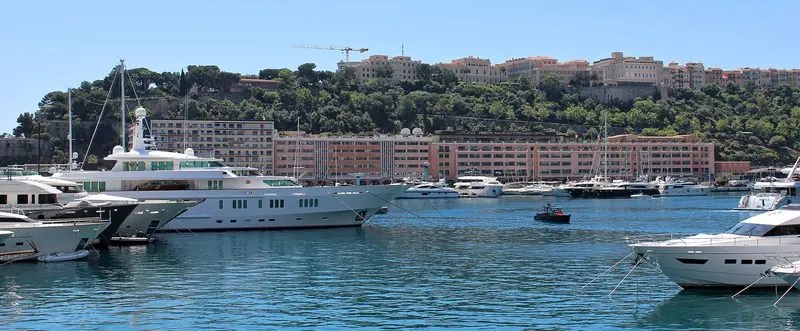
The money moves in two blocks tied to signing the MYBA agreement: a 50 percent deposit due on signature, then the remaining balance, the APA and any VAT due roughly four to five weeks before the charter begins, all settled well before the yacht leaves the dock.
Burgess's own charter FAQ tells clients that the 50 percent deposit is paid by bank transfer on signing the MYBA agreement, with the remaining 50 percent, the APA and any applicable taxes due five weeks before the charter starts. Camper & Nicholsons draws the same line at one month out: a 50 percent deposit confirms the booking, with the balance and the APA due one month before embarkation.
Two smaller costs sit outside that schedule entirely. A delivery or redelivery fee applies if the charterer wants to join or leave the yacht somewhere other than her current position, covering the fuel to reposition her. Gratuities, customary but discretionary, typically run 10 to 15 percent of the charter fee and are settled directly with the crew at the end, separate from everything the deposit schedule already covers. Add the charter fee, the APA, VAT where it applies and the gratuity together, and the real total regularly runs 40 percent or more above the number in the original quote.
What owners and crew report
Burgess ties the second payment to a hard five-week deadline
Burgess's own charter FAQ tells clients that after the 50 percent deposit confirms the booking on signing the MYBA agreement, the remaining balance, the APA and any applicable taxes are due five weeks before the charter starts.
Burgess, Charter FAQsCamper & Nicholsons draws the same line at one month out
Camper & Nicholsons' own FAQ states that a 50 percent deposit confirms the booking, with the balance and the APA due one month before embarkation.
Camper & Nicholsons, Frequently Asked QuestionsIYC and Ocean Independence both tell clients the VAT bill follows the itinerary, not the yacht
Both brokerages' own charter tax guidance state that VAT is due in the country where the charter begins, with proportional relief possible only where a captain documents time spent in non-EU waters.
IYC and Ocean Independence, charter tax and VAT guidance
What is good, and what to watch
Strong points
- The APA protects against surprise costsUnused APA funds are refunded in full at the end of the charter, and the captain keeps a transparent running account throughout, so a charterer who budgets conservatively is not simply handing money away.
- Using a broker never raises the priceCommission is embedded in the published fee, so a charterer pays the same figure whether they book through a retail broker or the central agent directly.
What to watch
- The headline rate hides a fifth or more of the real costVAT, the APA and gratuities all sit outside the quoted weekly figure, so a first-time charterer who budgets only the published rate can be short by 40 percent or more once every line is added.
- An APA shortfall surfaces mid-charter, not before itIf the crew's actual spending runs past the prepaid allowance, the charterer settles the difference at the end of the week, with little warning until the captain's account is presented.
Practical detail
| Charter fee | Weekly hire covering yacht, crew and insurance; large yachts start around EUR 70,000 a week, more in high season |
|---|---|
| Advance Provisioning Allowance (APA) | 25-40 percent of the charter fee, prepaid, refundable; lower for sail, higher for motor yachts |
| Gratuities | 10-15 percent of the charter fee, discretionary, paid to crew directly at the end |
| VAT | 20% France/Monaco, 22% Italy, 21% Spain, 18% Malta, 19% Cyprus, 13% Croatia, 5.2-24% Greece depending on eligibility |
| Broker commission | 15-20 percent of the charter fee, already inside the published rate, split retail broker/central agent |
| Deposit schedule | 50 percent on signing the MYBA agreement; balance, APA and VAT due 4-5 weeks before departure |
| Not in the headline rate | APA, VAT, gratuities and any delivery/redelivery fee all sit outside the quoted weekly figure |
Questions this story answers
What happened?
The number a broker quotes for a week's charter is only the starting figure. The Advance Provisioning Allowance, VAT, gratuities and a payment schedule that closes weeks before the yacht ever leaves the dock all sit outside it, and an owner sizing up what a candidate yacht can actually earn in charter needs the real total, not the headline rate.
What is good about it?
The APA protects against surprise costs. Unused APA funds are refunded in full at the end of the charter, and the captain keeps a transparent running account throughout, so a charterer who budgets conservatively is not simply handing money away.
What should an owner or buyer watch?
The headline rate hides a fifth or more of the real cost. VAT, the APA and gratuities all sit outside the quoted weekly figure, so a first-time charterer who budgets only the published rate can be short by 40 percent or more once every line is added.
What do owners and crew report?
Burgess's own charter FAQ tells clients that after the 50 percent deposit confirms the booking on signing the MYBA agreement, the remaining balance, the APA and any applicable taxes are due five weeks before the charter starts. (Burgess, Charter FAQs)
Who reported this?
Burgess, Camper & Nicholsons, IYC, Ocean Independence, MYBA charter agreement (Clause 8, Advance Provisioning Allowance), The Yacht Trader.
We do this for everyone who loves this world. The people who have spent their lives in it, and the people just discovering it. Yotters exists so that what we learn belongs to all of them.
Nobody pays us for this. No ads, no sponsors, nothing for sale. We just believe the world is a little better when knowledge is shared instead of kept.
If it gave you something today, tell us to keep going. Follow us, leave a like, or write a positive comment. We read every one, and they are what keeps us going.