GX42: Greenline's 42-Metre Hybrid Superyacht Heads to Monaco
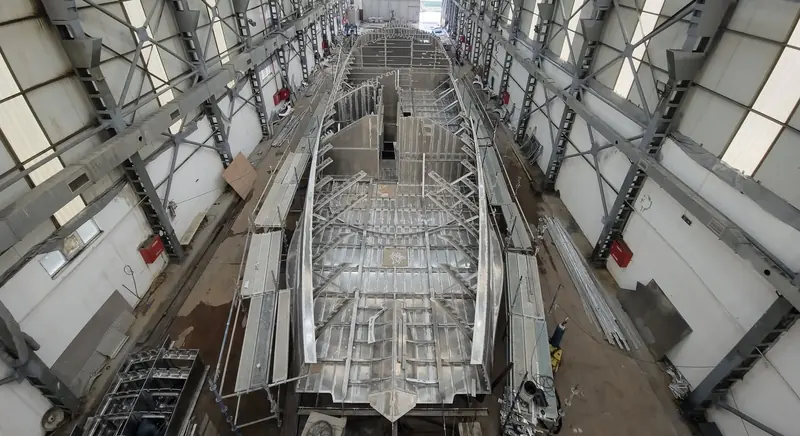
What is the GX42, and how far along is the build?
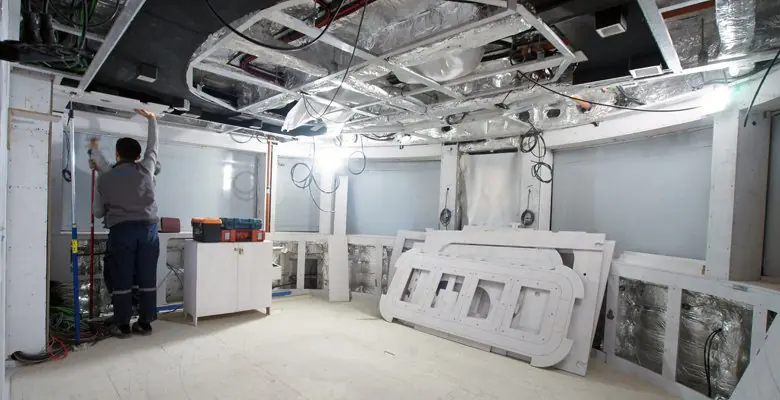
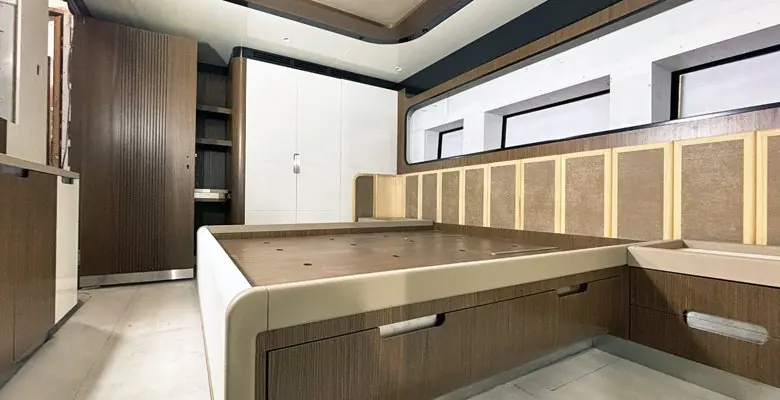
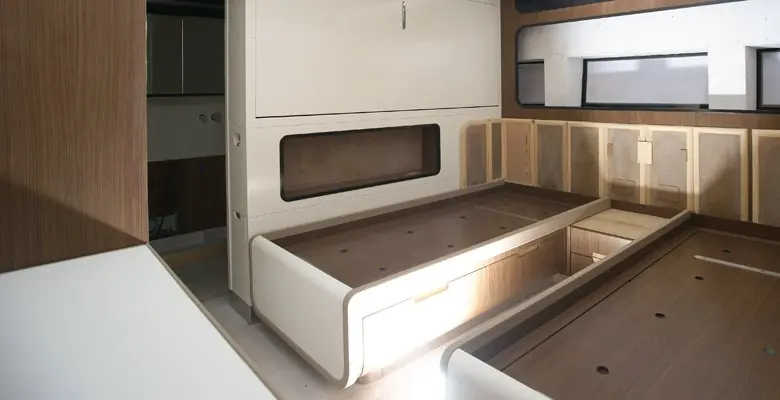
The GX42 is the debut 42 metre yacht from GX Superyachts, a new large-yacht division that Greenline Yachts launched at the Monaco Yacht Show in September 2024. Greenline is a production builder that has delivered more than 1,000 hybrid boats since pioneering the first serial-production hybrid yacht over 10 metres in 2008, but that experience was confined to boats up to roughly 58 feet. The GX42 marks the company's first true superyacht, built in aluminium as the opening model in a planned range that GX Superyachts says will eventually run from 24 metres to 56 metres. Keel-laying for the first hull took place on 1 June 2024, and by early 2026 the yacht had entered final outfitting, with its hybrid propulsion system having already passed a workshop test in July 2025. GX Superyachts chief commercial officer Maurizio Magri said in a builder update that construction progress was right on target as the yard moved into the final phase of interior fit-out.
The yacht is being built at a Turkish yard in Tuzla, near Istanbul, rather than at one of the established Dutch or Italian sheds that dominate the segment GX Superyachts is now entering. Naval architecture and exterior design come from Francesco Rogantin of NAMES studio, while the interior is by Marco Casali of Too Design, whose brief was reportedly a warm, natural-material interior rather than a showroom finish. GX Superyachts is led by Vladimir Zinchenko, who also owns and runs Greenline Yachts, so the same ownership and engineering team responsible for two decades of small-boat hybrid production is now underwriting a much bigger and costlier project. Delivery of the first hull is scheduled for summer 2026, ahead of its public unveiling at the Monaco Yacht Show on 23-26 September 2026, and the boat is reportedly built for a private client whose identity has not been disclosed. A second hull, in the RPH configuration, is already under construction for delivery in late 2027.
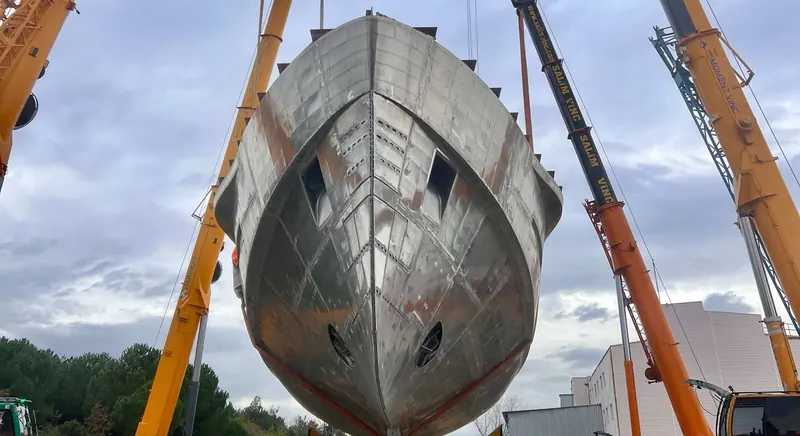
How does the hybrid and solar system perform at sea?
The GX42 runs on a serial hybrid propulsion system that can operate on battery power alone, on diesel alone, or on a blend of both, giving owners a genuinely silent option at low speed. In full electric mode the yacht can cover up to 100 nautical miles at 6 knots, which GX Superyachts markets as silent running suitable for entering marinas, anchorages and marine parks without generator noise or exhaust. Under diesel power the GX42 reaches a top speed of 16 knots, with a fuel-efficient cruising speed of around 12 knots for longer passages such as an Atlantic or Mediterranean crossing. Fuel and water tankage, at roughly 30,000 litres and 6,000 litres respectively according to brokerage specification sheets, is sized for extended cruising rather than short coastal hops.
Up to 27kW of solar panels are fitted across the curved hardtop and superstructure, feeding the yacht's battery banks rather than driving the propellers directly, and GX Superyachts says the combination lets the GX42 sit at anchor in complete silence, running air conditioning, lighting and hotel systems from batteries alone for up to 48 hours before the generator needs to run. GX Superyachts claims the GX42 produces around 60 percent lower carbon emissions than a diesel-only yacht of comparable size, though this is the builder's own figure rather than an independently audited result, and no equivalent all-diesel sistership exists for a direct comparison. The solar contribution is modest next to the propulsion and hotel-load demands of a 353 gross tonne yacht, so it works as a battery top-up and range-extender for silent running rather than as a major driver of the boat's overall power budget. No independent sea trial or performance report had been published as of the yacht's final outfitting phase, so real-world figures for fuel burn, noise levels and electric range under load remain to be confirmed once the boat is on the water.
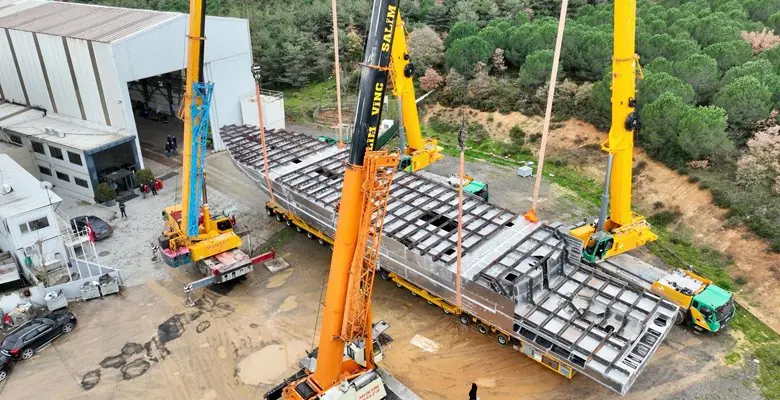
What is the difference between the RPH and Coupe configurations?
GX Superyachts offers the GX42 in two distinct configurations, RPH and Coupe, that differ mainly in superstructure profile and how much of the top deck opens to the sky. The RPH, or raised pilothouse, version has a low-profile curved superstructure that balances interior volume against a sleeker exterior line, and it is this version that is furthest along in build and due to premiere at Monaco. The Coupe version carries a longer, more sharply curved superstructure with sliding solar panels built into its roof, which retract to reveal a hidden sundeck complete with a jacuzzi and a bar, turning a fixed-roof cruising layout into an open-air platform on demand. Both configurations share the same 42 metre hull, aluminium construction and hybrid propulsion package, so the choice is really about how an owner wants to use the top deck rather than a difference in underlying performance.
Accommodation on the RPH is configured for 10 guests across five cabins, led by a full-beam owner's suite forward on the main deck with a foredeck terrace, walk-in wardrobe and private office, plus a full-beam VIP suite on the lower deck with a fold-down balcony. Three further guest cabins aft on the lower deck include flexible double or twin arrangements and one cabin fitted out for children with optional Pullman berths, and a crew of up to eight is housed separately in four crew cabins. Both versions include a fold-down beach club with hydraulic swim platform, a feature increasingly expected on yachts of this size regardless of propulsion type. Because the Coupe has not yet been built, its exact interior layout and any differences in cabin count have not been published, so buyers considering that version are effectively ordering from renderings rather than a finished hull.
What does a GX42 cost, and has GX Superyachts published a price?
GX Superyachts has not published a price for the debut GX42, and no figure appears in the builder's own materials or in the marine press coverage of its build progress, which is consistent with how most semi-custom superyacht programmes handle pricing ahead of a first delivery. The clearest public data point instead comes from the brokerage market: Northrop and Johnson listed the second hull, a GX42 RPH due for delivery in late 2027, with an asking price of 32 million euros. That figure is for a yacht still under construction rather than a fixed base specification, and it should be read as one data point rather than a list price, since hybrid superyacht pricing can move with equipment, interior finish and exchange rates between order and delivery.
For a prospective owner, the absence of a published base price is itself a finding: GX Superyachts is pricing the GX42 the way most semi-custom yards price a debut model, deal by deal, rather than off a fixed rate card the way a production motoryacht builder would. Buying into a brand-new hull from a builder with no completed superyacht yet on the water also means buying into an unproven resale market, since there is no track record of how a GX42 holds value against the diesel-only 40-to-45-metre yachts it will compete with at brokerage. Owners weighing the GX42 against an equivalent conventional yacht should expect to pay a premium for the hybrid and solar systems relative to a diesel-only boat of the same length, though without a directly comparable diesel sistership from the same yard there is no clean like-for-like figure to point to. What is clear is that GX Superyachts is treating the GX42 as the first of a range rather than a one-off, with hulls planned from 24 to 56 metres, which matters to an owner thinking about fleet compatibility, parts and service support, or a future upgrade within the same brand.
How does the GX42 compare with other hybrid superyacht projects?
The GX42 compares against a small field of hybrid and solar-branded superyacht projects that differ sharply in hull type and market position, from Sunreef's sailing catamarans to Heesen's diesel-electric monohulls and Feadship's bespoke hybrid options. Sunreef Yachts' 100 Eco is a sailing catamaran built around twin 360kW electric motors, a 770kWh battery bank and roughly 242.5 square metres of flexible solar skin integrated into its hulls and superstructure, aimed at owners who want to sail on wind and electric power with diesel as backup. Heesen, a long-established Dutch yard, delivered the 50 metre Home in 2017 as the first fast-displacement superyacht with hybrid propulsion, followed by a second hybrid hull, Project Electra, which has since sold; both rely on diesel-electric systems for efficiency and quiet cruising rather than on solar power. Feadship, the highest-status Dutch custom yard, has also added hybrid diesel-electric options across a number of its bespoke projects, typically as one system among many custom choices on larger, higher-priced yachts rather than as a standalone product line.
Against that field, the GX42's distinguishing claim is combining a monohull motoryacht layout with meaningful solar generation and a two-configuration launch strategy, rather than choosing between sail-assisted efficiency or diesel-electric refinement alone. Its weaknesses relative to those rivals are the ones any brand-new entrant carries: Heesen and Feadship bring decades of superyacht-specific engineering and a resale record that GX Superyachts, for all of Greenline's small-boat pedigree, does not yet have at this size. There are no independent owner reports on the GX42 because no hull had yet been delivered to a paying client as of this writing, so anyone considering the yacht is relying on builder statements and press coverage of a boat still in its outfitting shed rather than sea time from an existing fleet. For an owner motivated primarily by marina access, quiet anchorages and a genuine emissions story, the GX42 is one of very few 40-metre-plus monohulls making that case at all, which is the more relevant comparison than any single rival hull.
What is good, and what to watch
Strong points
- Real silent-running credentialsUp to 100nm at 6 knots on electric power and 48 hours silent at anchor are genuine capabilities relevant to marinas and anchorages that are tightening noise and emissions rules.
- Backed by real hybrid production experienceGreenline has delivered more than 1,000 hybrid boats since 2008, giving the GX42 an engineering pedigree that most first-time hybrid superyacht projects lack.
- Two configurations from launchOffering RPH and Coupe from the outset gives early buyers more layout choice than most debut hulls, particularly the Coupe's sliding-roof sundeck.
- First of a planned range, not a one-offGX Superyachts intends hulls from 24 to 56 metres, so an owner buys into a brand with a growth plan and future sistership comparables rather than a single boat.
What to watch
- Slow and limited electric mode6 knots is very slow for making way against wind or current, and the 100nm electric range assumes favourable conditions; a real-world figure under load has not been independently confirmed.
- No independent track record at this sizeGX Superyachts has no completed superyacht in the water yet, and Greenline's hybrid pedigree covers boats up to roughly 58 feet, a very different engineering scale to 42 metres.
- Price and resale opacityThe debut hull's base price is not published; the only public figure is a EUR 32 million asking price for a later hull still under construction, leaving buyers without a public benchmark or resale comparables.
- Solar is a minor contributor27kW of solar is a small fraction of the propulsion and hotel-load power a 353 GT yacht needs, so it functions as a range-extender for silent anchoring rather than a primary energy source.
- Non-traditional build provenanceBuilt in Turkey rather than at an established Dutch or Italian superyacht yard, a factor some HNW buyers weigh in resale and status terms even though the naval architecture is by a known studio.
Practical detail
| Length | 42 metres / 138 feet LOA (41.71m waterline), 353 GT |
|---|---|
| Configurations | RPH (raised pilothouse, closer to delivery) and Coupe (sliding solar roof over hidden sundeck, not yet built) |
| Guests / cabins / crew | 10 guests in 5 cabins (RPH); crew of up to 8 in 4 cabins |
| Tankage | approximately 30,000 litres fuel, 6,000 litres fresh water |
| Speed | top speed 16 knots and cruise around 12 knots under diesel; 6 knots and up to 100nm silent on electric power alone |
| Solar | up to 27kW across the superstructure, feeds house batteries rather than driving the propellers directly |
| Price | not published for the debut hull; a second RPH hull under construction for late-2027 delivery was listed for sale at EUR 32 million |
| Timeline | keel-laid 1 June 2024; delivery expected summer 2026; world debut at the Monaco Yacht Show, 23-26 September 2026 |
| Builder | GX Superyachts, a Greenline Yachts division, built in Tuzla, Turkey |
Questions this story answers
What happened?
GX Superyachts is about to show the world its first hull, a 42-metre hybrid and solar yacht built by the team behind Greenline's small-boat hybrid fleet, at the Monaco Yacht Show this September. For an owner, the appeal is genuine silent-running and marina-friendly emissions credentials from a brand with no superyacht track record and no published price.
What is good about it?
Real silent-running credentials. Up to 100nm at 6 knots on electric power and 48 hours silent at anchor are genuine capabilities relevant to marinas and anchorages that are tightening noise and emissions rules.
What should an owner or buyer watch?
Slow and limited electric mode. 6 knots is very slow for making way against wind or current, and the 100nm electric range assumes favourable conditions; a real-world figure under load has not been independently confirmed.
Who reported this?
BOAT International, Megayacht News, Northrop & Johnson, Forbes.
We do this for everyone who loves this world. The people who have spent their lives in it, and the people just discovering it. Yotters exists so that what we learn belongs to all of them.
Nobody pays us for this. No ads, no sponsors, nothing for sale. We just believe the world is a little better when knowledge is shared instead of kept.
If it gave you something today, tell us to keep going. Follow us, leave a like, or write a positive comment. We read every one, and they are what keeps us going.