Pacific Northwest & San Juan Islands
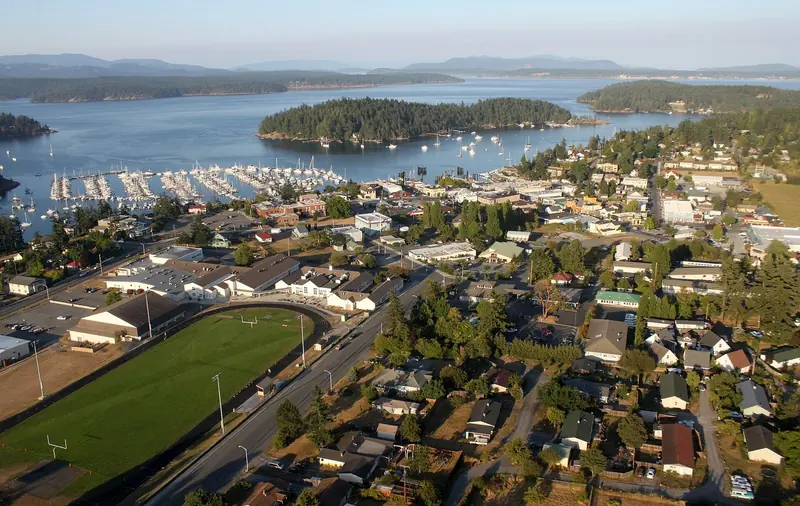
| Location | an archipelago of roughly 170 named islands in Washington State's Salish Sea, between the US mainland and Vancouver Island |
|---|---|
| Ports of entry for US Customs | Friday Harbor and Roche Harbor, both on San Juan Island |
| Customs reporting | CBP ROAM mobile app, free to use, though a paid Customs User Fee decal is required for vessels 30 feet and over |
| Best cruising season | June through September, July and August the mildest, driest and sunniest months |
| Currents | generally under 1.5 knots inside the islands and up to 2.5 knots in the straits during summer; Deception Pass, the gateway from Puget Sound, runs up to 8 knots at full ebb or flood |
| Vessel regulations | Washington State requires vessels stay at least 1,000 yards from Southern Resident killer whales as of 2025, disengage engines if a whale approaches within 400 yards, and slow to under 7 knots within half a mile of any killer whale |
| Fog risk | summer advection fog in the Strait of Juan de Fuca and Rosario Strait can cut visibility to under 100 yards with little warning |
| Hurricanes | not a risk in this region; the main weather concern is winter storms and summer fog, not tropical cyclones |
| Nearest major gateway airport | Seattle-Tacoma International, with regional connections onward via Anacortes ferry, float plane or a short flight to Friday Harbor's own airstrip |
An Archipelago Between Puget Sound and Vancouver Island
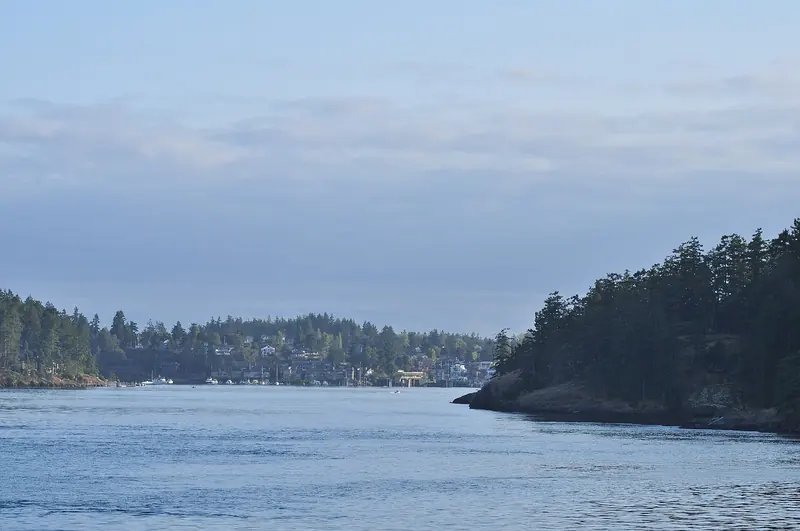
The San Juans sit in the northern reach of Puget Sound's wider Salish Sea system, a genuinely different cruising character from the Mediterranean or Caribbean destinations that dominate most of this directory: cold, clear water, forested shorelines, orca and seal sightings rather than beach clubs, and a boating culture built around exploring quiet anchorages rather than marina-hopping between resort towns. San Juan Island, Orcas Island, Lopez Island and Shaw Island are the four served by the Washington State Ferries system, but the wider archipelago includes well over a hundred smaller islands and islets, many uninhabited, giving a cruising yacht genuine solitude within a short run of a proper marina town.
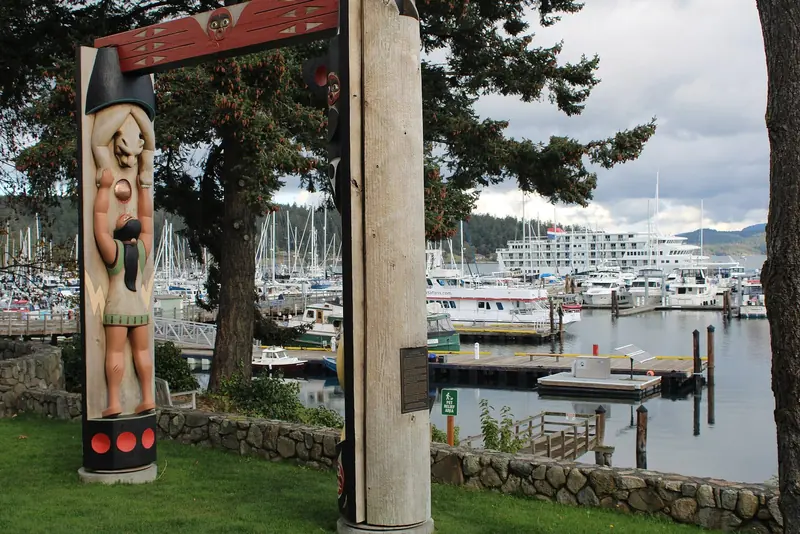
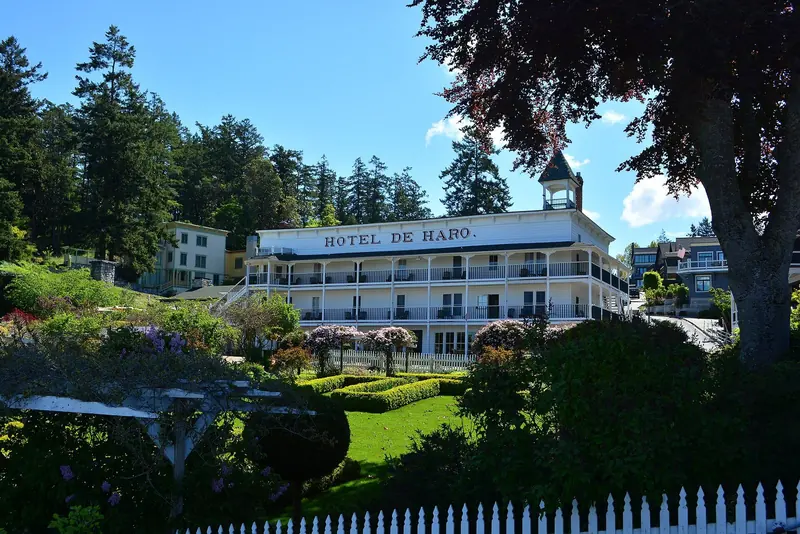
Friday Harbor, on San Juan Island, is the practical hub: the county seat, the main ferry terminal, and one of two official US ports of entry for a boat arriving from Canadian waters. Roche Harbor, at the island's northern tip, is the more resort-flavoured alternative, built around the Hotel de Haro and the site's history as a 19th century lime works rather than around a town centre. Both function as the practical base for a San Juans itinerary, and most cruising guides recommend basing at one and exploring outward rather than trying to move the boat daily.
Currents, Fog and the Passages That Demand Real Planning
Inside the main body of the San Juan Islands, currents typically run under 1.5 knots and rarely exceed 2.5 knots even in the straits during summer, genuinely gentle water by the standards of many tidal cruising grounds. Deception Pass is the significant exception: the narrow channel connecting Skagit Bay to Rosario Strait runs tidal currents up to roughly 8 knots at full ebb or flood, with whirlpools and standing waves that intensify sharply when wind opposes the tide. Every credible local guide recommends transiting only at or near slack water, timed from NOAA's published tidal current tables rather than guessed at.
Fog is the other hazard worth real respect: summer mornings in the Strait of Juan de Fuca and Rosario Strait regularly produce advection fog, formed when warm air moves over the cold water, and it can drop visibility to under 100 yards with little warning. A yacht cruising here in summer needs working radar and AIS and a crew comfortable with proper sound signalling under COLREGs Rule 19, not just visual piloting - this is not a cruising ground where clear-weather navigation skills alone are sufficient for the season the brochures show.
The Whale-Watching Rules Every Boater Must Know
The San Juan Islands sit at the heart of Southern Resident killer whale habitat, an endangered population that draws wildlife-watching traffic from across the region, and the vessel-distance rules here are genuinely stricter than in neighbouring Canadian waters, where the standard is 400 yards rather than 1,000. NOAA Fisheries and Washington's Department of Fish and Wildlife have both documented recreational boaters being fined for illegal approaches, framed explicitly around the risk that close vessel traffic disrupts the whales' feeding - not a hypothetical concern, but the specific, stated reason regulators give for the rule.
A private yacht cruising these waters should treat the 1,000 yard distance, the 400 yard engine-disengagement threshold and the half-mile 7 knot speed limit as hard operational constraints to brief the whole crew on before the season starts, not a suggestion to bear in mind if a whale happens to appear. Given how much of the region's tourism marketing leans on the promise of an orca encounter, it is worth being explicit: the legal way to see them is from well outside the distance most photographs online were clearly taken from.
A Short, Weather-Defined Season - and No Hurricane Risk
Unlike most Caribbean, Gulf Coast or Western Pacific destinations in this directory, the San Juan Islands carry no meaningful tropical cyclone risk - the region sits well outside any hurricane's typical track, and the operative weather planning concern is entirely different: a temperate, marine climate with mild but genuinely wet winters and a shorter reliable cruising window than warmer destinations offer. June through September is the season most cruising guides and marinas plan around, with July and August the most reliably dry and sunny, and spring and autumn offering real solitude in the anchorages at the cost of a real chance of grey, damp days.
That trade-off - no storm season to plan around, but a much shorter warm-weather window than a Mediterranean or Caribbean season - is worth stating plainly for a buyer used to a longer cruising calendar elsewhere. A yacht based here full time effectively has a four-month prime season rather than the six-to-eight month windows common further south, which shapes everything from crew scheduling to whether basing here full time versus visiting seasonally makes more sense for a given owner's cruising pattern.
Friday Harbor and Roche Harbor: the Two Practical Bases
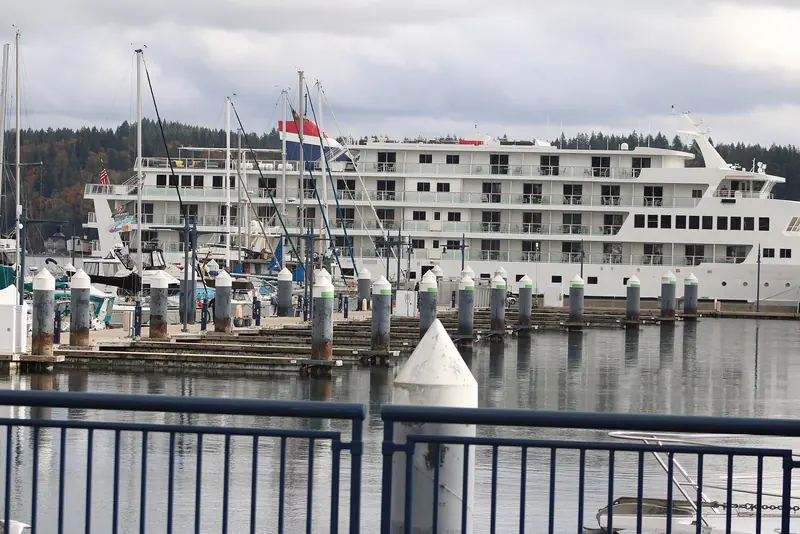
Friday Harbor Marina sits in the heart of the town of the same name, the county seat and main ferry terminal, and has grown to roughly 500 slips with about 100 kept for overnight visitors. Practical amenities are genuinely comprehensive for a marina this size: free Wi-Fi, a fuel pier, potable water, an on-site laundromat, restrooms with coin-operated showers and vessel sewage pump-out. A US Customs kiosk sits on the marina's Breakwater B with a phone line to the local office, and is staffed in person through the summer season - useful to know, since an unstaffed kiosk still requires a phone call rather than a walk-up officer.
Roche Harbor, at San Juan Island's northern tip, is a different proposition entirely: a resort marina built on the site of the historic Tacoma and Roche Harbor Lime Company works, anchored by the Hotel de Haro, which dates to the 1880s. It is the other official port of entry for a boat arriving from Canada, and cruising guides consistently describe it as the more polished, resort-flavoured option against Friday Harbor's working-town character - a genuine choice between two different kinds of base rather than one being simply better than the other. A shorter-term visitor without a strong preference should pick based on whether they want a real town or a resort setting for the days they are not out cruising.
Provisioning, Fuel and What a Season Here Actually Costs
Unlike several Mediterranean and Caribbean destinations covered elsewhere in this directory, the San Juan Islands sit entirely within continental US fuel and provisioning markets - there is no duty-free bunker option and no offshore pricing premium of the kind that applies at some island destinations, but equally none of the VAT or import-duty complications that shape budgeting in the EU or the Caribbean. Both Friday Harbor and Roche Harbor operate fuel piers, and Friday Harbor's town centre gives direct walking access to full grocery provisioning rather than requiring a taxi or a tender run to a mainland supermarket, a genuine convenience for restocking mid-season.
Neither marina publishes a specific seasonal cost estimate or per-gallon fuel figure in material available for this entry, which is itself worth naming rather than glossing over - a buyer budgeting a first San Juans season should request current fuel and slip rates directly rather than relying on a generic Pacific Northwest cost assumption, since prices here can differ meaningfully from marina to marina depending on delivery costs to what remains, geographically, a set of islands reached by boat or ferry rather than a road network. That single-call check costs nothing and settles a variable this entry cannot.
A terra, accessi e prenotazioni
| Getting there | Seattle-Tacoma International is the major gateway; from there, guests connect via a drive and ferry to Anacortes, a float plane directly into Friday Harbor or Roche Harbor, or a short scheduled flight to Friday Harbor's own airstrip. |
|---|---|
| Clearing US Customs | Friday Harbor and Roche Harbor are both official ports of entry; CBP's ROAM app is free and lets a boater report arrival from a personal device, though a paid Customs User Fee decal is required for any vessel 30 feet or longer. |
| Best season | June through September for cruising; July and August are the driest and sunniest, spring and fall offer quieter anchorages at the cost of cooler, wetter weather. |
| Wildlife rules to know before arriving | 1,000 yard minimum distance from Southern Resident killer whales in Washington waters as of 2025, engines disengaged within 400 yards, and a 7 knot speed limit within half a mile of any killer whale - actively enforced with real fines, not a suggestion. |
| What is not published | A single specific 2026 fine schedule for whale-distance violations - NOAA and Washington state confirm enforcement and past fines without publishing a current fixed penalty table in the material available. |
Cosa riferiscono armatori ed equipaggi
The islands reward slow, unhurried cruising over a packed itinerary
long-running local cruising guides consistently advise building slack, unscheduled time into any San Juans itinerary given how currents, fog and ferry traffic can each independently upend a tight schedule.
Sailing the San Juans (local cruising guide)Boaters are being actively fined for approaching Southern Resident orcas
NOAA Fisheries and Washington state wildlife officials have documented and publicised specific fines against recreational boaters for illegally approaching the endangered whale population, underlining that the distance rules are enforced rather than advisory.
NOAA FisheriesRoche Harbor's history as a working port shapes the experience today
the resort marina grew out of the historic Tacoma and Roche Harbor Lime Company works, and the Hotel de Haro dating to the 1880s still anchors the property - a genuine industrial history rather than a manufactured resort theme.
Roche Harbor Resort's own historical material, corroborated by Washington state historical records
Cosa convince e cosa va valutato
Punti di forza
- Genuine wilderness cruising within reach of real infrastructurewell over a hundred islands offer real solitude, while Friday Harbor and Roche Harbor provide proper marinas, US Customs clearance and a real town within a short cruise of any anchorage
- No hurricane season to plan a whole cruising calendar aroundunlike most of this directory's warm-water destinations, storm-season planning simply is not a factor here, freeing an owner from the June-to-November Atlantic or May-to-November Pacific hurricane calendars
- A wildlife encounter genuinely worth the trip, done legallySouthern Resident killer whale habitat is a real, specific draw few other cruising grounds in this directory can offer, provided the vessel-distance rules are followed properly
Da valutare
- A materially shorter reliable season than warmer destinationsthe practical cruising window is roughly four months against the six-to-eight month seasons common in the Mediterranean or Caribbean, a real planning constraint for an owner used to a longer calendar
- Fog and tidal passages demand real seamanship, not just good weather judgementDeception Pass's 8 knot currents and the region's sudden advection fog are genuine hazards requiring proper equipment and planning, not merely caution on a clear day
- Wildlife regulations carry real legal and financial risk if ignoreddocumented fines for illegal whale approaches mean this is an enforced regulatory environment, not simply an ethical guideline a crew can interpret loosely
A chi si rivolge: An owner who wants a genuinely different, cooler-water cruising ground with real wildlife and no hurricane season to plan around, and who is prepared to invest in proper fog and current navigation equipment rather than fair-weather piloting alone.