Rolls-Royce's New mtu Line Cuts Yacht Fuel by 15%, NOx by 75%
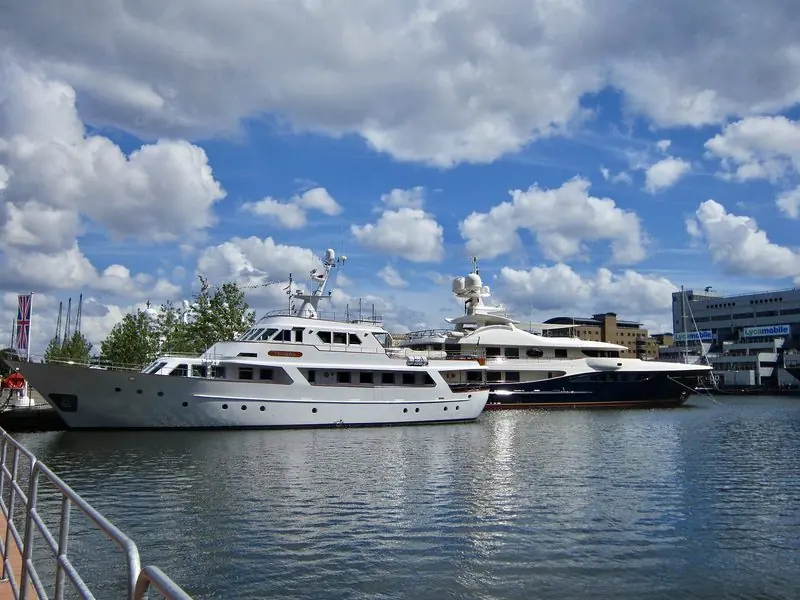
What did Rolls-Royce actually announce for yacht propulsion this month?
On 8 September 2026 Rolls-Royce Power Systems said it has completed the mtu Series 2000 range for yachts and fast vessels, adding a new selective catalytic reduction exhaust system to sit alongside a standardised line of variable-speed generator sets. Together the two products let a yard meet the strictest global exhaust limit and cut a yacht's day to day fuel bill, using the same Series 2000 engine block already fitted across dozens of existing hulls rather than a different power plant.
The exhaust system, built with the specialist after-treatment maker Eminox, injects an aqueous urea solution into the exhaust stream to strip out nitrogen oxide, the pollutant IMO Tier III targets. Rolls-Royce says the system cuts NOx by 75 percent against the older Tier II limit and is rated for up to 16,000 operating hours before an overhaul, and unlike some rival systems it needs no separate compressed air supply to dose the urea, which is one less system for an engineer to maintain in a crowded machinery space.
Tier III already applies inside the North Sea and Baltic Sea emission control areas, and the list of zones enforcing it has been growing rather than shrinking. Because the new system bolts onto the existing Series 2000 engine rather than requiring a different block, a yard can spec a yacht for Tier III compliance, or a refit yard can add it to a boat already built around the same engine, without the owner facing a full repower. A Mediterranean sulphur emission control area took effect in 2025, and the region most heavily used by superyachts is widely expected to move toward nitrogen oxide limits next, which would put Tier III squarely in the cruising grounds most owners actually use rather than only the colder waters of northern Europe.
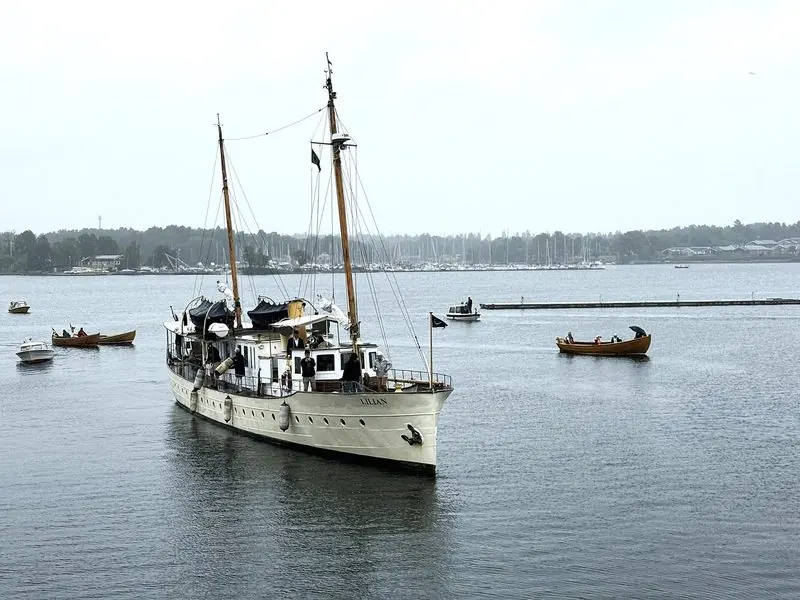
How do the new generator sets actually save fuel on a yacht that already has gensets?
The new mtu Series 2000 gensets run at variable speed rather than the fixed speed most yacht generators still use, and Rolls-Royce says that alone accounts for up to 15 percent less fuel burned and CO2 emitted over a typical duty cycle. The range spans four engine sizes, 8V, 10V, 12V and 16V, covering electrical outputs from 650 to 1,850 kWe, so the saving applies across a yacht's whole hotel and house load rather than one engine size.
A fixed-speed genset spins its engine at a constant rate whatever the electrical demand, which is simple and reliable but wastes fuel whenever the boat is drawing well under the generator's rated output, which is most of the time at anchor. A variable-speed unit slows the engine down as load drops and speeds it back up as demand rises, so the fuel burned tracks what the yacht is actually using rather than what the generator is capable of producing.
Rolls-Royce is pitching the range specifically at hybrid and part-electric yachts, where house loads swing widely between cruising, manoeuvring and sitting at anchor on hotel power alone, because that is exactly the duty cycle where a fixed-speed genset wastes the most fuel. A conventional, all-diesel yacht with a flatter load profile would see a smaller share of that 15 percent, though Rolls-Royce has not published a separate figure for that case. A large yacht's generators typically run for many hours a day at anchor alone, covering air conditioning, lighting and galley equipment long after the main engines have stopped, which is exactly why a percentage saved on generator fuel compounds over a full season rather than showing up only on a handful of passages.
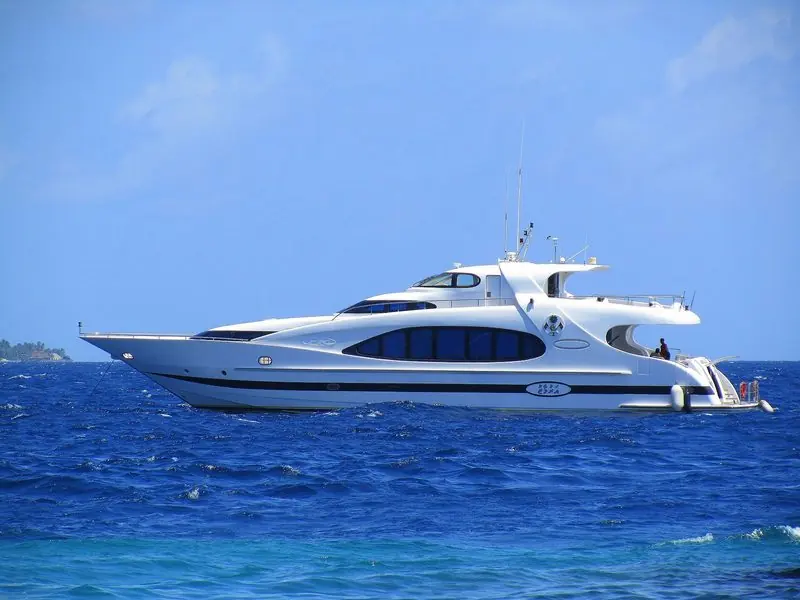
Does a quieter genset actually matter to anyone on board?
Rolls-Royce says the new variable-speed gensets run about 6 decibels quieter than the fixed-speed units they replace, and because the decibel scale is logarithmic, that is roughly a halving of perceived noise rather than a marginal tweak. On a yacht at anchor overnight, running hotel power off the genset is exactly the moment guests are most likely to notice engine noise through a hull or a deck.
The reduction comes from the same variable-speed behaviour that saves fuel: an engine idling down to match a light hotel load at 2am is inherently quieter than one held at a fixed, higher speed all night to cover a peak load that only occurs occasionally. Rolls-Royce has not published a measured decibel figure at a specific distance or location on a real yacht, so the 6 dB claim should be read as the company's own bench or design figure rather than an owner's measured result from a finished boat.
It is still a combustion genset burning diesel, not a silent battery bank, so the reduction is incremental rather than transformative. An owner who has sailed a fully electric or hybrid yacht at anchor on batteries alone, with no generator running at all, would still notice the difference between that and even a quieter diesel genset cycling on and off through the night. For reference, a quiet library is often cited around 40 dB and normal conversation around 60 dB, so a genuine 6 dB cut sits in a range most people can distinguish without an instrument to prove it, even if it falls short of the difference between a running engine and true silence.
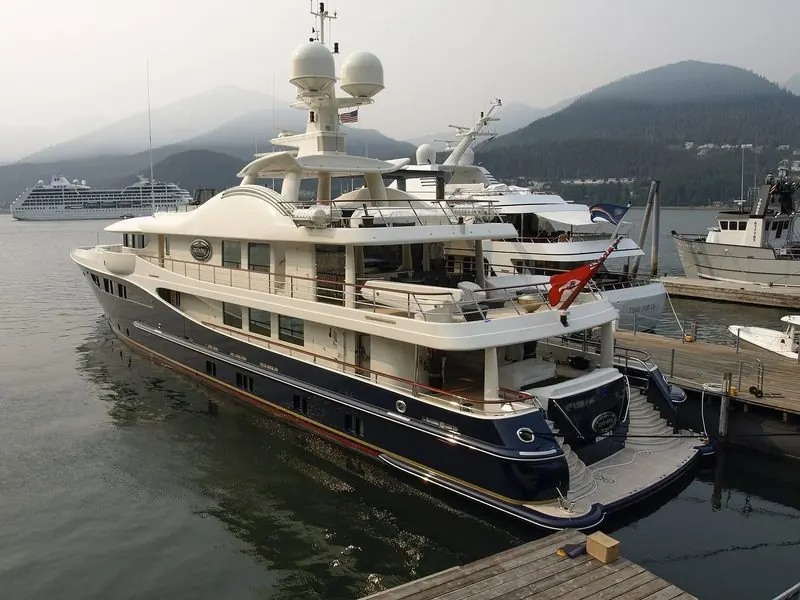
Why would an owner need Tier III now if his current yacht already passes inspection?
Dr. Lukas Koehler, Rolls-Royce Power Systems' senior vice president for global marine and mining, framed the announcement as building toward a range that will still be legal and economical to run as rules tighten, saying the company's aim is "to offer shipyards and owners a comprehensive and future-proof range of solutions for yachts." Emission control areas have expanded steadily since the North Sea and Baltic were designated, and a yacht built to yesterday's limit risks needing an expensive retrofit, or facing restricted cruising grounds, once a cruising region it visits regularly adopts Tier III.
For a yard, offering both the SCR system and the variable-speed gensets as standardised, factory-engineered options rather than one-off custom installations should shorten the integration work on a new build, which is the kind of detail that affects a build schedule more than a brochure figure does. For an owner further along in a yacht's life, the retrofit path matters more: Rolls-Royce says the SCR system was designed to fit onto the existing Series 2000 block, meaning a refit yard can add Tier III compliance without pulling the engine.
None of this is unique to Rolls-Royce. Competing after-treatment and genset systems from Wartsila, Yanmar, MAN Energy Solutions and Caterpillar's MaK range address the same IMO Tier III requirement, so an owner comparing propulsion packages across yards is not choosing between compliance and no compliance, but between which manufacturer's version of it comes with his particular engine block. Class societies such as DNV and Lloyd's Register, along with flag states, are the bodies that will ultimately confirm compliance on a given hull, and an owner should expect his surveyor to ask for documentation of whichever system is fitted at the next renewal survey, not only at delivery.
What is missing from this announcement that a buyer should ask about?
Rolls-Royce has not published a price for either the SCR system or the variable-speed genset range, and as of 15 September 2026 no shipyard or named yacht has been confirmed as the first to fit either one. Both figures, the 15 percent fuel saving and the 75 percent NOx cut, are Rolls-Royce's own numbers from its announcement, not an independent sea trial or a classification society's measured result on a running yacht.
That gap is normal for a component launch rather than a finished boat: engine and genset makers routinely publish laboratory or bench figures well ahead of the first vessel to carry the equipment, and Rolls-Royce's own SCR line for commercial vessels has a multi-year track record the yacht-specific version can draw credibility from even without its own sea time yet. A prospective buyer specifying a new build now should ask his yard directly for the installed cost of each system and the warranty terms, since neither appears in any of the press coverage of this announcement.
The more durable takeaway for an owner is the direction of travel rather than the specific percentages: emissions rules for yachts are getting stricter, not looser, and the propulsion makers are now selling compliance as a standardised, retrofit-friendly product rather than a bespoke engineering job. Whoever builds or refits a yacht next will increasingly be choosing which version of that product to fit, not whether to fit one at all. A buyer can at least benchmark the likely order of magnitude by asking his yard for quotes from more than one of the competing systems named above, since Rolls-Royce, Wartsila, Yanmar, MAN and Caterpillar are all selling into the same yacht-building yards and none of their list prices are public either.
What is good, and what to watch
Strong points
- Retrofit-friendly by designThe SCR system bolts onto the existing mtu Series 2000 block, so a refit yard can add Tier III compliance without a full repower.
- A real efficiency number across a wide rangeThe 15 percent fuel and CO2 saving applies across all four genset sizes, from 650 to 1,850 kWe, not one specific model.
- Solves two problems in one announcementNOx compliance and day to day fuel economy are addressed together, rather than an owner having to source them from separate suppliers.
- Built with an established after-treatment specialistEminox is a known exhaust after-treatment maker with existing commercial-marine and industrial experience, not an unproven in-house system.
What to watch
- No price disclosedNeither the genset range nor the SCR system carries a published cost, so a buyer cannot yet weigh the saving against the outlay.
- No named yacht or yard has adopted it yetThis is a component announcement, not a delivered installation, so there is no in-service performance data.
- Still a diesel systemThe saving is incremental against a fixed-speed diesel genset, not a move to zero fuel burn the way a fully electric or renewable-powered yacht achieves at anchor.
- The figures are the maker's ownThe 15 percent and 75 percent numbers both come from Rolls-Royce's announcement, with no independent sea trial or classification society measurement cited yet.
Practical detail
| Genset output range | 650 to 1,850 kWe across 8V, 10V, 12V and 16V mtu Series 2000 configurations |
|---|---|
| Fuel and CO2 saving | Up to 15 percent versus a fixed-speed genset, per Rolls-Royce; not independently measured |
| Noise reduction | Approximately 6 dB quieter than the fixed-speed equivalent, per Rolls-Royce bench figures |
| SCR exhaust system | Built with Eminox; cuts NOx 75 percent against the IMO Tier II limit; meets IMO Tier III |
| SCR service life | Up to 16,000 operating hours; aqueous urea dosing, no compressed air required |
| Where Tier III already applies | North Sea and Baltic Sea emission control areas, with more zones adopting it over time |
| Announced | 8 September 2026, Rolls-Royce Power Systems |
| Price | Not published for either the genset range or the SCR system |
| First adopter | No shipyard or named yacht confirmed as of 15 September 2026 |
Questions this story answers
What happened?
Rolls-Royce Power Systems says its expanded mtu Series 2000 line for yachts now cuts fuel use by up to 15 percent and nitrogen oxide emissions by 75 percent, without swapping out the engine itself. For an owner weighing a new build or a genset-room retrofit ahead of tightening emissions rules, the announcement puts real numbers on the table, though no yard or yacht has yet put them to the test in service.
What is good about it?
Retrofit-friendly by design. The SCR system bolts onto the existing mtu Series 2000 block, so a refit yard can add Tier III compliance without a full repower.
What should an owner or buyer watch?
No price disclosed. Neither the genset range nor the SCR system carries a published cost, so a buyer cannot yet weigh the saving against the outlay.
Who reported this?
Rolls-Royce Power Systems, 8 September 2026, Maritime Executive, 8 September 2026, Maritime Journal, 11 September 2026, Marine Industry News, 14 September 2026, Dr. Lukas Koehler, Senior Vice President Global Marine and Mining, Rolls-Royce Power Systems.
We do this for everyone who loves this world. The people who have spent their lives in it, and the people just discovering it. Yotters exists so that what we learn belongs to all of them.
Nobody pays us for this. No ads, no sponsors, nothing for sale. We just believe the world is a little better when knowledge is shared instead of kept.
If it gave you something today, tell us to keep going. Follow us, leave a like, or write a positive comment. We read every one, and they are what keeps us going.