Silo Marina (Auckland)
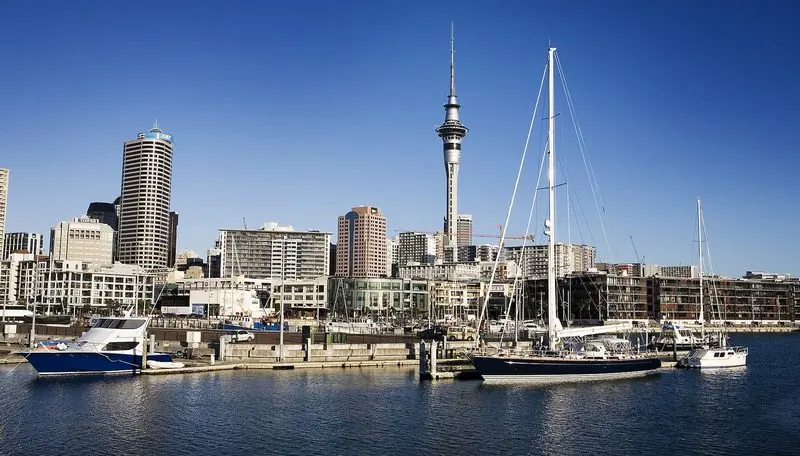
| Расположение | Jellicoe Street, Wynyard Quarter, южная сторона оклендской гавани Уаитемата, рядом с Westhaven Marina |
|---|---|
| Оператор | городской совет Окленда через Auckland Marinas |
| Стоянок | восемь, на 140 м, 140 м, 95 м, 95 м, 92,5 м, 92,5 м, 90 м и 90 м |
| Максимальная длина | 140 м |
| Глубины | от 4,5 м до 6,5 м |
| Береговое питание | 400 вольт при 50 Гц, от 125 ампер до 750 ампер на стоянку, всё свыше 125 ампер подключается напрямую |
| Безопасность | полностью закрытые понтоны с доступом по коду и круглосуточным видеонаблюдением |
| Оформление | Silo и Auckland Central - единственные оклендские марины, которые могут оформлять суда свыше 24 метров у таможни и Министерства первичных отраслей |
| Биобезопасность | Новая Зеландия требует чистого корпуса на приходе, обрастание должно быть удалено менее чем за 30 суток до прихода либо должна быть согласована очистка в течение 24 часов после него |
| По соседству | Orams Marine с травел-лифтом на 820 тонн, поднимающим яхты до 75 м наибольшей длины |
| Цеха Orams | два крытых цеха по 60 метров и один на 50 метров |
| Плавание | залив Хаураки начинается у входа в гавань, а тропическая часть Тихого океана лежит в неделе к северу |
| Published berthage rate from 1 October 2025: NZD 11.50 per metre per day for a rental of up to one month, and NZD 9.50 per metre per day for one month or more, both exclusive of GST | |
| Utilities on the same rate card | electricity NZD 0.41 per unit and water NZD 7.00 per cubic metre, exclusive of GST |
| Bio-waste removal fee NZD 250 including one 60 kg bin, NZD 150 for each additional bin, plus a bunkering levy of NZD 0.05 per litre | |
| New Zealand GST is 15 per cent and the rate card is quoted net of it | |
| Vessels clearing Customs and MPI at Silo without being berth customers pay an additional berthage charge | |
| Berth designations and lengths | J1 95 m, J2 140 m, J3 140 m, J4 92.5 m, J5 92.5 m, J6 95 m, J7 90 m, J8 90 m |
| Depth is published as a marina-wide range of 4.5 m to 6.5 m and is not broken down berth by berth, checked 28 July 2026 | |
| Shore power | 400 V at 50 Hz, 125 A to 750 A per berth, 125 A on five-pin plugs and everything above hard wired by the marina |
Восемь стоянок посреди города
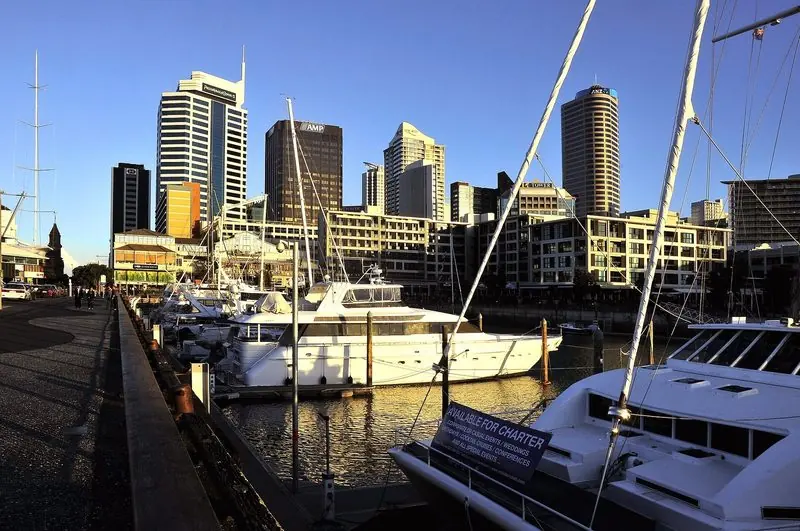
Silo Marina занимает оконечность Wynyard Point во внутренней гавани Окленда, бывший резервуарный парк, перестроенный в приморский квартал. Марина маленькая и сделана намеренно такой. Восемь стоянок, две из них на 140 метров, две на 95, две на 92,5 и две на 90, с глубинами от 4,5 до 6,5 метра. Городской совет Окленда владеет ею и управляет через Auckland Marinas, рядом с куда более крупной Westhaven Marina по соседству.
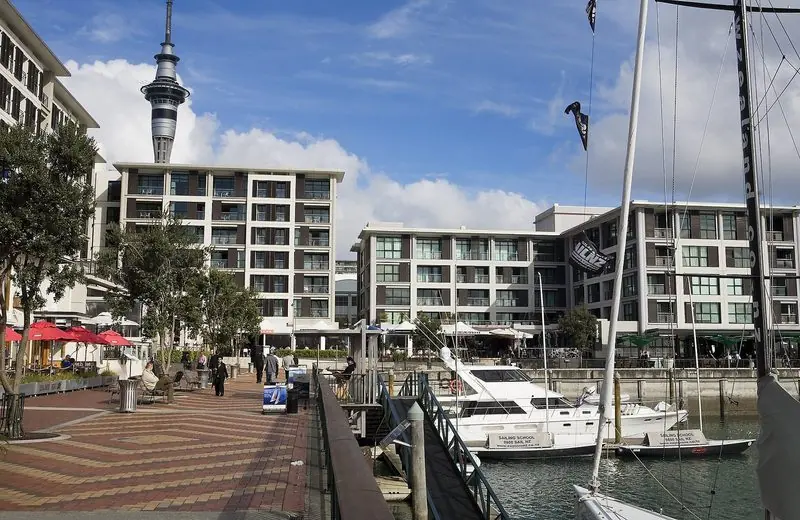
Предложение здесь - концентрация. Яхта отсюда в пешей доступности от центра города и ещё ближе к морским подрядчикам, собранным в Wynyard Quarter, и стоит внутри закрытой территории с доступом по коду и непрерывным видеонаблюдением. Держатели стоянок называют именно положение причиной, по которой возвращаются. Аналогичного объекта в южной части Тихого океана больше нет нигде.
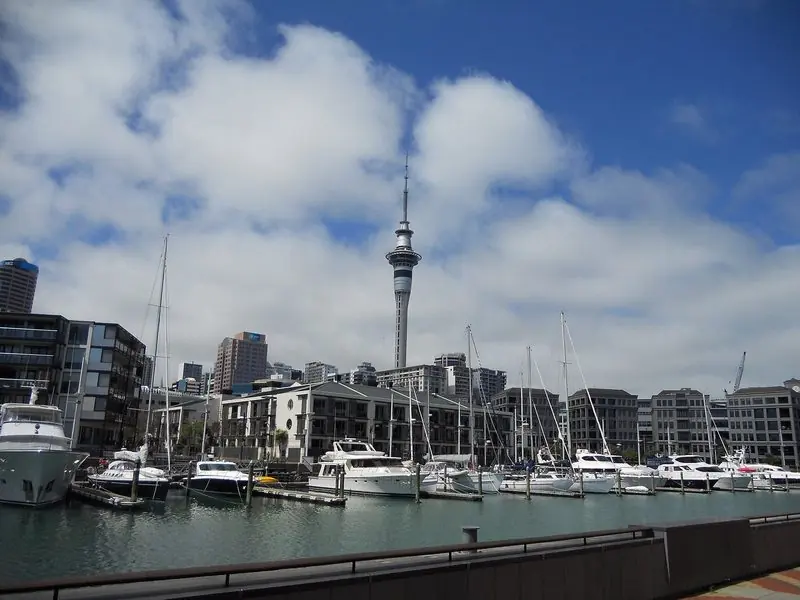
Подход и гавань
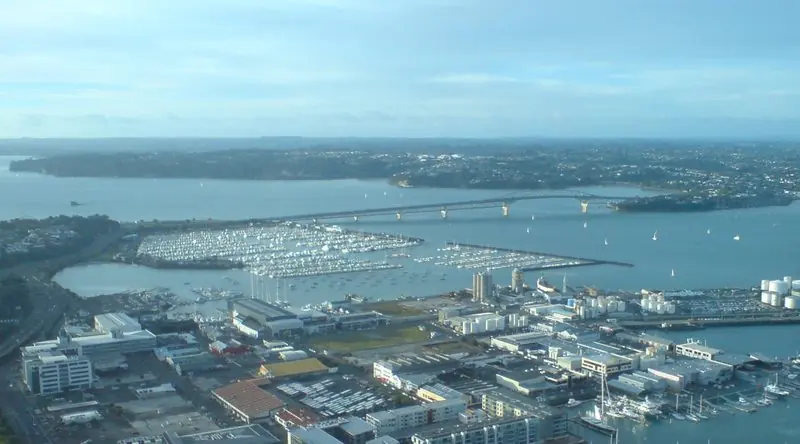
Заход идёт вокруг северной оконечности Wynyard Point, тем же входом, что и в Westhaven Marina, со стороны Уаитематы. Гавань глубокая, хорошо обставленная и оживлённая паромами, а бара или отмели, которую надо обходить, здесь нет. У Новой Зеландии настоящий прилив, но эту марину он ничем не запирает. Orams, которая держит примыкающие суперъяхтенные стоянки, заявляет доступ на глубокой воде без ограничений по надводному габариту, и для крупной парусной яхты это важно.
Погода Окленда умеренная и переменчивая: самые сильные ветры зимой приходят с юго-запада, а летом держится устойчивый северо-восточный поток, который ломают фронты. Залив Хаураки сразу за выходом закрыт островом Грейт-Барьер и полуостровом Коромандел, и поэтому город столько ходит под парусом. В конце лета сюда иногда спускаются с севера бывшие тропические циклоны, и их прогнозируют за несколько дней.
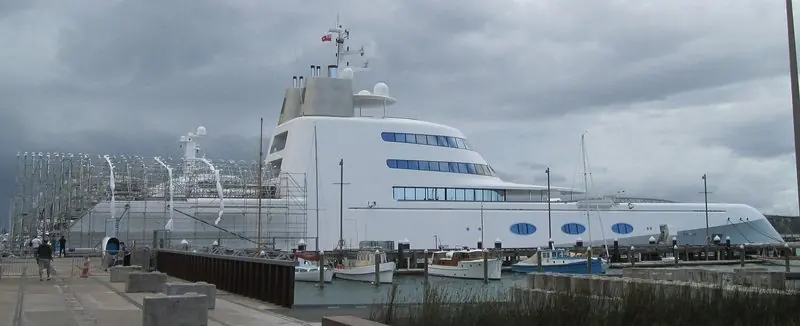
Две стоянки по 140 метров, подъёмник на 820 тонн через квартал и остальной мир в нескольких неделях хода.
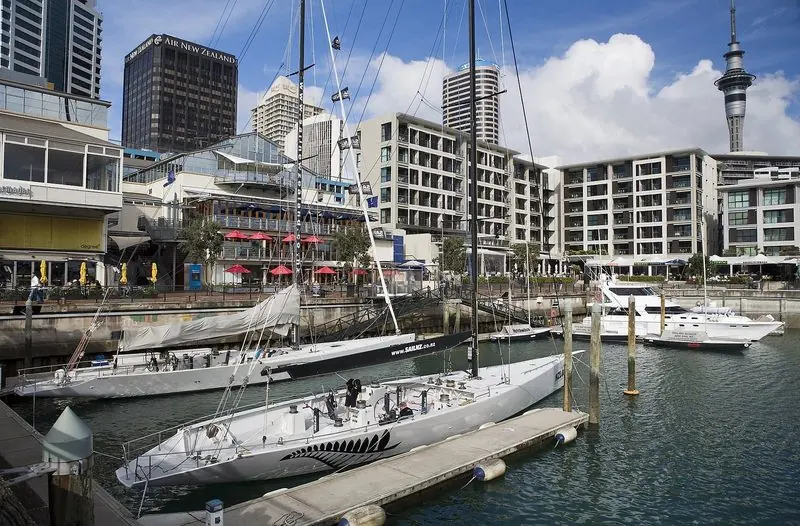
Питание, отходы и как берут стоянку
На каждой стоянке есть подача 400 вольт, 50 герц, от 125 ампер до 750 ампер, причём аппараты на 125 ампер идут через пятиконтактные разъёмы, а всё, что крупнее, подключается напрямую, так что схему берегового питания яхты надо обсудить до прихода. Orams держит вакуумную откачку сточных и серых вод на своих 90-метровых стоянках. Топливо, снабжение и весь спектр технических подрядчиков находятся внутри квартала.
Стоянки арендуют, городской совет Окленда публикует тарифную карту, плата за стоянку считается по длине, а бронирование марина ведёт напрямую. Ничего не продаётся и не сдаётся навечно. При восьми стоянках ограничением на южное лето становится их наличие, и владельцы, планирующие новозеландский сезон, берут обязательства заранее. Альтернативные стоянки есть у Orams и в Auckland Central Marina, которая берёт яхты до 50 метров.
Верфь, которая оправдывает дорогу
Orams Marine занимается рефитом яхт в Окленде с 1987 года и держит травел-лифт на 820 тонн, поднимающий суперъяхты наибольшей длиной до 75 метров, а это с большим отрывом крупнейшая мощность в южной части Тихого океана. У верфи два крытых цеха по 60 метров и один на 50 метров, так что покраска и конструктивные работы идут в контролируемой среде. Собственные 90-метровые стоянки марины позволяют вести работы у стенки для яхт, которые слишком велики для подъёмника.
Морская индустрия Новой Зеландии - причина, по которой европейский владелец вообще рассматривает такую дорогу. Страна сама строит лодки для Кубка Америки, имеет глубокую и по-настоящему квалифицированную подрядную базу, а верфи славятся тем, что укладываются в срок. Труд стоит дешевле, чем в Европе, и курс валюты обычно работал в пользу иностранного владельца. Загвоздка во фрахте, потому что любая деталь, которой нет в стране, летит с другого конца света.
Таможня, биобезопасность и правило чистого корпуса
Silo и Auckland Central - единственные марины Окленда, которые могут оформлять суда свыше 24 метров у новозеландской таможни и Министерства первичных отраслей, а Westhaven берёт всё до 24. Приходящая яхта должна прийти в утверждённый пункт первого прихода, забронировать стоянку и затем забронировать оформление напрямую у таможни и MPI. Именно полное оформление по биобезопасности позволяет яхте свободно перемещаться в водах Новой Зеландии и оставаться дольше двадцати суток.
Режим по обрастанию здесь самый строгий в мире, и на нём люди попадаются. Craft Risk Management Standard требует, чтобы судно пришло с чистым корпусом, то есть чтобы обрастание было проверено и удалено с корпуса, включая ниши, менее чем за 30 суток до прихода, либо чтобы была документально согласована очистка в течение 24 часов после прихода. Предварительный отчёт по биобезопасности обязателен с 1 мая 2025 года. Яхтам уже приказывали покинуть новозеландские воды за нарушение этого правила, а сюрприза посреди океана легко избежать, подняв корпус на Фиджи или Таити по пути на юг.
Приватность и город вокруг
Понтоны закрыты и под наблюдением, а Wynyard Quarter, при всей своей публичности, остаётся рабочей набережной, а не променадом, построенным для разглядывания лодок. Один держатель стоянки, которого цитирует марина, описывает её как место рядом с подрядчиками и городом и при этом достаточно спрятанное, чтобы сохранять приватность на борту, и это справедливое описание. Окленд - город без показухи. Никто не станет устраивать сцену вокруг яхты.
В самом городе около 1,7 млн человек, хорошие рестораны, приличные больницы и школы и международный аэропорт в 30 - 40 минутах от марины, с дальними рейсами в Азию, Северную Америку, Австралию и Залив. Перелёт в Европу означает как минимум одну пересадку и большую часть суток. Это расстояние и есть самый крупный факт в любом решении базировать яхту здесь.
Куда яхта идёт отсюда
Залив Хаураки начинается у входа в гавань и держит Вайхеке с его виноградниками, Грейт-Барьер, Кавау и сотню якорных стоянок в пределах дня. К северу от Окленда лежит Бей-оф-Айлендс, до которого лёгкий ночной переход и который является классическим районом плавания Новой Зеландии. Марлборо-Саундс и Фьордленд дальше и вознаграждают более долгие обязательства.
Более крупная картина - это Тихий океан. Фиджи, Тонга, Новая Каледония и Вануату лежат примерно в неделе к северу, а Французская Полинезия дальше на восток через пассаты. Яхты, работающие по этому кругу, проводят южную зиму в тропиках и спускаются в Новую Зеландию на лето, и именно это превращает Silo Marina в сезонный порт приписки для одних и тех же яхт год за годом.
Сезон, сроки и честный минус
Сезон циклонов в тропической части южной части Тихого океана идёт примерно с ноября по апрель, а Новая Зеландия лежит ниже этого пояса, поэтому яхты спускаются на южное лето с декабря по март и уходят обратно на север в мае. Из этого следует, что новозеландское лето - сезон плавания, а новозеландская зима - сезон рефита, что противоположно любому европейскому допущению. Труднее всего со стоянками в Silo с декабря по февраль.
Минусы - расстояние, масштаб и бумаги. Восемь стоянок - это немного, перегон из Средиземного моря занимает несколько недель и оборачивается большим счётом за топливо, режим биобезопасности не прощает ошибок, а товары и услуги облагаются GST по ставке 15 процентов. Оклендские зимы мокрые и ветреные. Владельцы, которые решаются на эту дорогу, обычно делают это один раз, остаются на два или три сезона и заодно проходят рефит.
What the rate card actually says
Auckland Council publishes the Silo berthage rates as a one-page card and the numbers are plain. From 1 October 2025 a berth rental of up to one month is charged at NZD 11.50 per metre per day, and a rental of one month or more drops to NZD 9.50 per metre per day. Both are exclusive of GST, which New Zealand levies at 15 per cent. Electricity is NZD 0.41 per unit, water is NZD 7.00 per cubic metre, bio-waste removal is NZD 250 including one 60 kg bin with NZD 150 for each additional bin, and fuel carries a bunkering levy of NZD 0.05 per litre. A vessel that comes alongside only to clear Customs and the Ministry for Primary Industries without being a berthing customer pays an additional charge that the card names but does not price.
Worked through, a 70 m yacht on the long-term rate is NZD 665 a day, NZD 19,950 for a thirty-day month, and NZD 22,943 once GST is added. The same yacht on a two-week visit pays the short-term rate of NZD 805 a day, NZD 11,270 for the fortnight, NZD 12,961 with GST. Against a Mediterranean summer berth that is not expensive, and against the cost of getting a hull to New Zealand it is close to a rounding error, which is the honest shape of the decision. The berth is not what an owner is paying for on this side of the world. The yard is.
Which berth, and how much power it carries
There are eight berths and the marina names them. J2 and J3 are the 140 m positions, J1 and J6 are 95 m, J4 and J5 are 92.5 m, and J7 and J8 are 90 m. Depth is published as a marina-wide range of 4.5 m to 6.5 m and, checked on 28 July 2026, Auckland Council does not attach a figure to an individual berth. With only eight positions that is a table that would fit on one line, and its absence is the one thing a deep-draught yacht cannot resolve from the website. A hull drawing more than 4.5 m should get the sounding for the specific berth in writing at the time of booking, because the difference between the top and the bottom of that range is two metres.
The power note is the best in this set and deserves reading as a specification rather than a boast. Every berth carries 400 V at 50 Hz, from 125 A up to 750 A. The 125 A units run off five-pin plugs that a crew can connect. Everything above 125 A is hard wired, which means the marina makes the connection and it is arranged before arrival, not improvised on the quay. At the top of the range, 750 A of three-phase at 400 V is roughly 520 kVA, which is enough to carry the hotel load of a large yacht alongside without running a generator. Very few marinas anywhere publish that number, and fewer still say who does the plugging.
На берегу, подъезд и бронирование
| VHF and phone | VHF Channel 73; marina office +64 9 355 7479, staffed 24/7 (confirmed on the operator's own contact page and matched by an independent aggregator; a second phone number, +64 9 355 1837, turns up on some third-party marina databases - likely a stale or sister-office line, so treat the 7479 number as current). |
|---|---|
| Operator | Run by Auckland Council's marina arm out of the Auckland Central Marina office at 141 Halsey Street - the same back office that runs Silo, Auckland Central and Viaduct marinas. |
| Berthage rate | Published at NZD 7.50 per metre per day on the marina's rate schedule (matched on two independent booking-aggregator sites quoting the same figure); power and water are metered and billed separately on top of that - exact per-unit rates were not independently confirmable, so are not quoted here. |
| Booking process | No online instant-book for vessels over 30m - allocation goes through the marina office directly. During the 2020-21 America's Cup season, every vessel over 25m wanting to berth between 1 October and 31 March had to file a formal Expression of Interest, and both Silo and neighbouring Viaduct ran at full capacity that summer - a sign of how tight notice needs to be around a big regatta year. |
| Biofouling / clean-hull rule | New Zealand's Craft Risk Management Standard for biofouling has been in force since 15 May 2018. A vessel must arrive with a demonstrably clean hull, or be hauled and cleaned within 24 hours of arrival at an MPI-approved facility. Compliance is normally shown through continuous hull-maintenance records or an inspection/clean carried out within 30 days before arrival - MPI wants the paperwork, not just a clean hull on the day. |
| Customs and biosecurity on arrival | An Advance Notification of Arrival must reach NZ Customs at least 48 hours before the vessel crosses the 12-nautical-mile territorial limit. On arrival, everyone and everything stays aboard until boarded and cleared by a Customs officer and an MPI biosecurity officer - standard procedure at any New Zealand Port of First Arrival, which includes Silo Marina. |
| The yard next door | Orams Marine's 820-tonne travel lift went into service in January 2021 (first haul-out 13 January, a 34.8m vessel) and can take yachts up to roughly 75m LOA, with deep water access and no air-draft restriction - the largest travel lift of its kind in the South Pacific. Orams operates on a 125-year Council land lease from Panuku Development Auckland, on a site marine trades have used since 1908. |
| Getting there | Auckland Airport is about 21km / 23 minutes' drive from Wynyard Quarter by road. There is no heliport at the marina itself, but Auckland's city-waterfront heliport sits nearby on the downtown waterfront and is used by local charter operators for CBD transfers - worth booking ahead rather than assuming walk-up availability. |
Что сообщают владельцы и экипажи
The marina's own published endorsement centres on location, not price or facilities
Silo Marina's own website carries a single published berth-holder quote, attributed only to the yacht's name: praise for being close to Auckland's marine contractors and walking distance to the city centre while still private enough aboard. Treat this as the marina's own selected testimonial, not an independent review - no third-party review platform (Waterway Guide, Superyacht Services Guide) currently carries a posted review of Silo Marina at all, which is itself notable for a facility this size.
Vessel 'Slim', published on silomarina.co.nz
Сильные стороны и что учесть
Сильные стороны
- First and only Superyacht Ready-accredited marina in New ZealandSilo and Auckland Central marinas received Gold Anchor and Superyacht Ready accreditation from the Marina Industries Association in September 2023, presented by MIA CEO Suzanne Davies to Auckland Council's marinas team - a formal, dated industry credential, not marketing language.
- Genuine deep-water refit capability on the doorstepThe 820-tonne Orams travel lift (operational since January 2021) can haul yachts to roughly 75m LOA with no air-draft restriction - a rare combination in the South Pacific and the reason boats route through Auckland rather than just anchor off.
- City-centre convenience with full official clearance statusSilo Marina is a recognised Port of First Arrival for vessels over 24m (alongside Marsden Cove in Whangarei), within walking distance of Auckland's CBD - clearance happens on the pontoon rather than requiring a tender run to a separate customs dock.
На что обратить внимание
- It's a genuine detour, not a stopoverAuckland to Suva, Fiji is roughly 1,100 nautical miles - about 7 to 10 days for a typical cruising yacht, faster for a performance motor yacht. New Zealand is a deliberate seasonal commitment (most boats migrate north around May to June, back south ahead of the November to April cyclone season), not somewhere to drop in on a whim.
- No public real-time rate cardCurrent, official per-metre pricing is not posted on the marina's own site in an easily citable form - the NZD 7.50/m/day figure only surfaces through third-party booking aggregators referencing the marina's rate schedule, and exact power/water unit rates could not be independently confirmed.
- Very few slots for very large yachtsWith only a handful of berths at the top end of the size range, capacity gets absorbed fast around big events - both Silo and Viaduct ran fully booked through the 2020-21 America's Cup summer, and vessels over 25m had to file a formal Expression of Interest just to be considered for that season.
- Biosecurity paperwork has to be sorted well before arrival, not on the dayThe clean-hull requirement wants evidence - inspection or cleaning within the 30 days before arrival - so a crew that leaves hull compliance to the last minute risks a haul-out-on-arrival scramble rather than a straightforward pontoon clearance.
Для кого: Владелец, который ведёт тихоокеанскую программу или готов пересечь океан ради рефита в стране, которая укладывается в срок.