Seakeeper
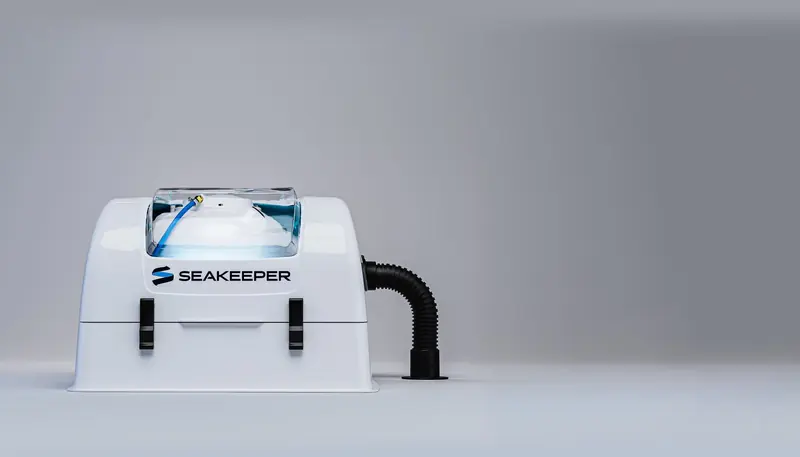
| الفئة | مثبتات جيروسكوبية مضادة للتمايل وتحكم في وضعية السفينة |
|---|---|
| التأسيس | 2001 على يد Shep McKenney وJohn Adams، وأول ورشة في Solomons Island، Maryland في 2002 |
| المالك | Madison Industries، اللي استحوذت على الشركة في 2018 |
| التصنيع | Leesport، Pennsylvania، في منشأة افتتحت في 2022 |
| المحطات | أول نموذج أولي على Viking بطول 43 قدم في 2006، وأول عقد إنتاج مع Azimut في 2008، والوحدة العاشرة آلاف في 2020 |
| المدى | أربعة عشر موديلا من Seakeeper 1 الى Seakeeper 40 |
| Seakeeper 1 | قوارب من حوالي 7 الى 9 متر ولين 5.5 طن، 17,400 دولار |
| Seakeeper 26 | قوارب من حوالي 21 الى 26 متر ولين 75 طن، 1,431 كيلوجرام، 268,600 دولار |
| Seakeeper 40 | قوارب 26 متر ولين حوالي 115 طن، 1,848 كيلوجرام، 365,400 دولار |
| تقليل التمايل | لين 95 بالمئة، بأرقام الشركة نفسها |
| زمن الدوران للسرعة الكاملة | حوالي 40 الى 43 دقيقة للتثبيت الكامل في Seakeeper 26 أو 40، كما ينشرها الصانع |
| الطاقة | 3,000 واط لدوران Seakeeper 26 ومن 1,375 الى 3,000 واط في التشغيل، على 208 الى 230 فولت |
| Average installed cost, from a United States Seakeeper installer's published guide compiled from more than 900 installations and read in July 2026: Seakeeper 1 USD 14,600 install for USD 32,000 all in, Seakeeper 2 USD 16,900 for USD 43,000, Seakeeper 3 USD 21,700 for USD 62,000, Seakeeper 4 USD 23,600 for USD 71,000, Seakeeper 4.5 USD 19,400 for USD 75,000, Seakeeper 6 USD 20,400 for USD 90,000, Seakeeper 9 USD 25,300 for USD 140,000, Seakeeper 10 USD 23,200 for USD 150,000, Seakeeper 18 USD 26,300 for USD 210,000 | |
| Installation averages exclude taxes, shipping, travel, yard fees and any vessel-specific work | |
| Seakeeper 26 and Seakeeper 40 are quoted individually. No published installation figure exists for either, which is the whole 21 m to 33 m band | |
خمس وعشرون سنة من فكرة وحدة
Shep McKenney وJohn Adams اتفقا في 2001 على تطوير مثبت جيروسكوبي حديث وعملي وبدأوا الشغل في جراج في Solomons Island، Maryland، السنة اللي بعدها. وأول نموذج أولي راح على Viking بطول 43 قدم في 2006. والـ M7000 انطلق تجاريا في 2008، وأول عقد إنتاج جاء من Azimut Yachts في نفس السنة، وهذا اللي أخذ التقنية من تجربة الى معدات مركبة.
والشركة باعت وحدتها الألف في 2011 والعاشرة آلاف في 2020. واشترت شريكها التصنيعي، Joma Machine Company، في 2008، وانتقلت الى Mohnton في Pennsylvania وافتتحت مصنعا مبنيا لغرضه في Leesport في 2022. وMadison Industries استحوذت على الشغل في 2018. ومنشأة تدريب افتتحت في Tampa في 2021، وهذا يهم لأن جودة التركيب تقرر اذا كانت المعدات راح تؤدي.
كيف يشتغل الجيرو فعلا
حدافة تدور داخل حاوية مفرغة من الهواء. ولما يتمايل القارب، يميل الجيرو للأمام والخلف، وهذا التقدم المغزلي يولد عزما لليسار واليمين يعاكس التمايل. والتفريغ هو الحيلة الهندسية. يخلي الحدافة تدور حوالي ثلاثة أضعاف أسرع من تصميم تقليدي، وهذا يقص وزنها بالثلثين وينصف الطاقة اللي تحتاجها.
والشركة تذكر سرعات حدافة لين 9,750 دورة في الدقيقة في الوحدات الأصغر وسرعات حافة حوالي 557 ميل في الساعة. والوحدات الكبيرة تدور أبطأ، عند 5,000 دورة في الدقيقة في Seakeeper 26 و5,150 في Seakeeper 40، وتحمل زخما زاويا أكبر بكثير. وترتيب تبريد مسجل ببراءة اختراع بالجليكول وماء البحر يشيل الحرارة. والتحكم تلقائي ويقرا حالة البحر باستمرار.
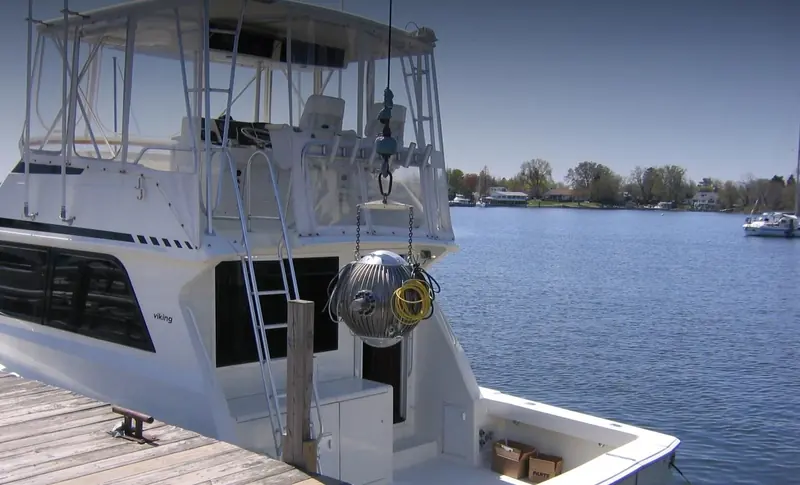
أربعون دقيقة من الدوران هي ثمن مرسى رسو ما يبي أحد يتركه.
المدى، ووش يكلف
أربعة عشر موديلا تغطي قوارب من حوالي 7 متر لأكثر من 33 متر. والـ Seakeeper 1 يناسب قوارب من حوالي 7 الى 9 متر لين 5.5 طن ومسعر بـ 17,400 دولار. والـ Seakeeper 6 يغطي من حوالي 13 الى 16 متر لين 24 طن بـ 69,600 دولار. والـ Seakeeper 18 يغطي من حوالي 18 الى 23 متر لين 56 طن بـ 183,700 دولار.
وفي القمة، الـ Seakeeper 26 ياخذ قوارب من حوالي 21 الى 26 متر ولين 75 طن بـ 268,600 دولار، والـ Seakeeper 40 ياخذ 26 متر فما فوق لين حوالي 115 طن بـ 365,400 دولار. وكل رقم من هذي يستثني التركيب، واللي في تركيب لاحق يقدر يكون كسرا كبيرا من سعر الوحدة مرة ثانية.

وش يسويه في الحياة على المتن
الادعاء تقليل تمايل لين 95 بالمئة، والرقم اللي يهم المالك مو النسبة. هو اذا كان الضيوف راح يظلون على الطاولة. واليخت الراسي بجانبه للتموج في مرسى رسو مثالي غير ذلك يفضى مع التاسعة مساء، والحل المعتاد انك تتحرك، وهذا يكلف مرسى الرسو. والجيرو يشيل سبب التحرك.
والأثر الثاني عند السرعة المنخفضة وعند الوقوف، حيث ما كانت المثبتات الزعنفية تسوي شيئا تاريخيا. وSeakeeper يشتغل عند سرعة صفر بالتصميم، وهذا سبب ظهوره أولا على قوارب الصيد الرياضي اللي تقف ساكنة ساعات. وعلى يخت يغير عمليات التندر والسباحة من المنصة واذا كان أحد راح يدوخ في الصالون.
الدوران والطاقة والمولد
حقيقتان تشغيليتان تحكمان كيف تنستخدم المعدات. الأولى زمن الدوران للسرعة الكاملة. والـ Seakeeper 26 والـ Seakeeper 40 يوصلان التثبيت الكامل في حوالي 40 الى 43 دقيقة، وأقصى دورات تاخذ 70 دقيقة في الوحدة الأكبر. والجيرو ما يقدر ينشغل والمرساة تنزل. والطواقم تشغله قبل الوصول بمدة.
والثانية الطاقة. والـ Seakeeper 26 يسحب لين 3,000 واط للدوران ومن 1,375 الى 3,000 واط في التشغيل حسب حالة البحر، على 208 الى 230 فولت أحادي الطور و20 أمبير. والـ Seakeeper 40 يحتاج 5,000 واط للدوران ومن 1,900 الى 4,400 واط في التشغيل عند 30 أمبير. ولازم مولد يكون شغالا كل ما كانت الوحدة تشتغل، وهي تحتاج كمان من 4 الى 8 جالون في الدقيقة من تبريد ماء البحر.

الوزن والمساحة والتركيب اللاحق
الـ Seakeeper 26 يزن 1,431 كيلوجرام والـ Seakeeper 40 يزن 1,848 كيلوجرام، في حزم أكبر شوي من 1.4 متر مربع وحوالي متر ارتفاعا. وهذي الكتلة لازم تروح على قاعدة مهندسة صح، منخفضة وقريبة من مركز السفينة، والبنية غالبا تحتاج شغلا عشان تاخذها. وما في زعانف ولا أعمدة ولا اختراقات هيكل غير ماء التبريد.
وغياب الزوايد أقوى حجة للتركيب اللاحق. والمثبتات الزعنفية تتطلب ثقوبا في الهيكل، وتضيف مقاومة أثناء الحركة، وتقدر تتضرر على الرصيف أو في ماء ضحل. والجيرو يجلس داخل القارب ويقدر ينركب في أي مكان تسمح به البنية تقريبا. وتكلفة التركيب هي المتغير، وهي مو منشورة.
وين يقف
السقف حقيقي. وأكبر وحدة مصنفة لين حوالي 115 طن، وهذا قارب من حوالي 26 الى 33 متر. وفوق ذلك يكون المالك اما يركب وحدات متعددة أو ينظر لمثبتات زعنفية بقدرة عند سرعة صفر، وهي اللي تحملها معظم اليخوت فوق 40 متر. ولازم أي أحد عنده يخت إزاحي كبير يتعامل مع Seakeeper كخيار بين عدة خيارات مو كخيار افتراضي.
والحد الثاني هو حالة البحر. والجيرو يقلل التمايل وما يسوي شيئا في الميل الطولي، عشان كذا البحر المواجه ما يتأثر. وجواب Seakeeper على ذلك هو Seakeeper Ride، اللي انطلق في 2023، وهو نظام تحكم في وضعية السفينة للقوارب المنزلقة أثناء الحركة. وهو منتج منفصل يحل مشكلة منفصلة.
الخدمة والضمان والمحامل
الوحدات تحمل ضمان مصنع لعدة سنين والمحامل قابلة للاستبدال في الميدان، وهذا أهم قرار تصميمي وحد للمالك. والوحدة المختومة اللي كان لازم ترجع لـ Pennsylvania لما يتآكل محمل كانت راح تكون عطلا ينهي موسما. والاستبدال في الميدان يعني ان فنيا يجي للقارب.
وSeakeeper تدرب المركبين وفنيي الخدمة مباشرة، والشبكة تتبع صناعة القوارب الإنتاجية الأمريكية والأوروبية، وهذا يعني تغطية في Florida وBahamas والجزر البليارية والريفييرا الإيطالية والفرنسية وشرق الكاريبي. ومخرج الضجيج حوالي 74 ديسيبل على بعد متر في Seakeeper 26، عشان كذا موقع التثبيت والعزل الصوتي حوله جزء من المواصفات مو فكرة لاحقة.
مقابل المثبتات الزعنفية، ومين المفروض يركب وحدة
المثبتات الزعنفية من الصانعين الأوروبيين الراسخين تظل المعيار على اليخوت الإزاحية الكبيرة، والزعانف الحديثة تشتغل عند سرعة صفر. وتكلف أكثر، وتضيف مقاومة، وتحط أسطحا متحركة بره الهيكل. والجيرو يكلف أقل، ويضيف وزنا بدل المقاومة، وهو غير مرئي من الخارج. وعلى القوارب لين حوالي 115 طن يفوز الجيرو عادة على تكلفة التركيب والبساطة.
والملاك اللي المفروض يركبون وحدة هم اللي يرسون بره معظم الليالي، ويأكلون على المتن، وعندهم ضيوف ما عندهم أرجل بحرية. والملاك اللي المفروض ينظرون مكانا ثانيا هم أصحاب اليخوت بره مدى الأحجام، واللي ما عندهم طاقة مولد فايضة، واللي قواربهم ما تنستخدم الا وهي ماشية في ماء مستو.
معلومات عملية
| Equipment prices, published in full | Seakeeper is one of the very few marine makers that publishes every list price. Its own cost page, read August 2026, gives Seakeeper 1 at USD 17,400, 2 at USD 26,100, 3 at USD 40,300, 4 at USD 47,400, 4.5 at USD 55,600, 5 at USD 60,500, 6 at USD 69,600, 7.5 at USD 78,700, 10 at USD 126,800, 10.5 at USD 133,900, 14 at USD 155,900, 18 at USD 183,700, 26 at USD 268,600 and 40 at USD 365,400. Those are equipment only, exclude taxes, storage, docking and haul-out, and the company states they are subject to passthrough on any levied tariff. |
|---|---|
| Installation is the bigger half of the bill | An Elite Seakeeper dealer publishes averages compiled from more than 900 installations as of 2025: Seakeeper 1 at USD 14,600 to fit for USD 32,000 all in, 3 at USD 21,700 for USD 62,000, 4.5 at USD 19,400 for USD 75,000, 6 at USD 20,400 for USD 90,000, 9 at USD 25,300 for USD 140,000, 10 at USD 23,200 for USD 150,000, 14 at USD 24,100 for USD 180,000 and 18 at USD 26,300 for USD 210,000. Averages exclude taxes, shipping, yard fees and any vessel-specific structural work. Access is what moves the number: a unit that has to go in through a cut hatch is a different job from one dropped into an open lazarette. |
| Annual service, with real numbers behind it | Two Elite Seakeeper dealers in Orange Beach, Alabama publish identical annual service tables: USD 750 for a Seakeeper 1, USD 850 for a 4 or 4.5, USD 1,150 for a 2, USD 1,200 for a 3, USD 1,350 for a 10, USD 1,500 for a 5, 6 or 14, USD 1,650 for a 9, USD 1,800 for a 16 or 18, USD 1,900 for a 26 and USD 2,250 for a 35 or 40. An independent Californian yard, Ventura Boat Services, puts a typical annual service at USD 1,500 to USD 3,000 in November 2025, so treat the dealer table as a floor rather than a ceiling. |
| The service schedule the warranty depends on | Remove the covers and inspect visually after every use, with a freshwater rinse and a strainer check. Every three months or 150 hours, inspect, rinse, check the strainer and replace the zinc on Seakeeper 5 and above. Annually or at 1,000 running hours, whichever comes first, a professional inspection checks seawater flow and cooling hoses, flushes the cooling system with glycol and inspects the electronics. Units must also be registered with Seakeeper to access after-sales programmes, and a technician has to verify sea hours for a warranty claim. |
| The long-run item nobody quotes up front | The spherical bearings that carry the spinning flywheel are rated at roughly 10,000 to 20,000 hours on many models. Ventura Boat Services puts bearing service or replacement past 10,000 hours at USD 20,000 to USD 60,000 or more, and hydraulic bushing replacement past 2,000 hours at USD 1,000 or more. Those are one yard's figures, published November 2025, and Seakeeper publishes nothing against which to check them. On a heavily used charter boat this is the number that decides whether the unit is worth keeping at ten years. |
| Power, weight and the generator question | The small units are DC and the rest are not, which changes life at anchor. A Seakeeper 1 weighs 166 kg and runs on 12 VDC at up to 50 amps, about 225 to 600 watts depending on sea state. A Seakeeper 6 weighs 395 kg and needs 220 VAC at 20 amps or 110 VAC at 30 amps, drawing up to 2,300 watts to spool and 1,100 to 2,300 watts running, plus 125 watts of 12 VDC control power. Above the small DC models the gyro is an AC load, so at anchor the generator runs while the gyro does, and that fuel is part of the cost of a quiet dinner. |
| Spool-up: switch it on leaving the berth | A gyro is not a switch you flick on arrival. A Seakeeper 1 reaches stabilising speed at 7,310 rpm in 18 minutes and full 9,750 rpm in 35 minutes. A Seakeeper 6 reaches stabilising speed at 7,275 rpm in 21 minutes and 9,700 rpm in 42 minutes. The large units carry far more angular momentum and take longer still, which the maker puts at about 40 to 43 minutes to full stabilisation on a Seakeeper 26 or 40. |
| Seakeeper Ride is a different product, not a cheap gyro | Ride is a vessel attitude control system that works underway rather than at rest, for boats up to about 55 ft with a cruising speed above 20 mph and a compatible multifunction display. The same dealer guide gives Ride 450 at USD 4,900 with installation from USD 4,500, about USD 9,400 fitted, up to the Ride 750 QUAD at USD 21,500 with USD 8,500 to USD 13,000 to fit, and the Ride 900 to 1500 from USD 24,500 with custom installation. It does not stop a boat rolling at anchor and it is not a substitute for a gyro. |
| What is NOT published | There is no published installation figure for the Seakeeper 26 or the Seakeeper 40. Both are quoted individually, and that is the entire 21 m to 33 m band, exactly where the equipment alone runs USD 268,600 to USD 365,400. Seakeeper publishes no bearing overhaul price, no out-of-warranty parts list and no independent roll-reduction test; the up to 95 percent figure is the company's own. One United States installer's table also lists the Seakeeper 40 at USD 348,000 against the maker's USD 365,400, so take the factory number and get the delivered price in writing. |
اطلب عرض سعر لـ Seakeeper.
أخبرنا بالطراز ومكان التسليم. يحصل فريق التحرير على عرض مكتوب من الصانع أو من وكيل معتمد، ويقارنه بالأسعار المنشورة في هذه الصفحة، ثم يرد عليك بالبريد الإلكتروني. دون التزام ودون رسوم.
- 01عرض مكتوببعملتك، مع ذكر الضريبة والتوصيل ومدة التسليم، لا رقم من كتيّب.
- 02يُسلَّم حيث يرسو اليختإلى المارينا أو الحوض أو عنوانك، مع الأوراق التي تتطلبها بطارية الليثيوم أو الرفع بالرافعة.
- 03مستقليوترز غير مرتبط بأي وكيل، لذلك يُقارَن العرض قبل أن يصلك.
ما يذكره الملاك والأطقم
Owner opinion splits, and both sides are worth reading
Forum threads run from an owner with two Seakeeper 5 units reporting problems on every trip and summarising two years of problems and headaches, to an owner running a Seakeeper 2 on a Pursuit 28 for two years who calls it absolutely the best experience, with no roll sitting still or trolling and much less slamming underway because the boat is kept level. Several long-standing posters note that early units were not as reliable, nor as well supported, as they are now.
The Hull Truth (owner forum)What actually breaks, and what the back half of ownership costs
A service yard's published breakdown ranks cooling system problems first, from clogged heat exchangers and raw-water pump failures to overheat alarms triggering automatic shutdowns, then hydraulic and brake faults with accumulators needing replacement every few years, then electrical faults more common on the Seakeeper 1 to 5, then bearing and flywheel wear at roughly 10,000 to 20,000 hours, then corrosion and zinc depletion. It also states most owners see trouble-free operation for the first five to ten years if the unit is serviced annually.
Ventura Boat Services (November 2025)The competition is measurably faster to stabilise
Comparing the Yanmar-owned Smartgyro SG40 against the Seakeeper 9, the magazine reported both reaching maximum rpm in about 55 minutes but the SG40 reaching stabilisation in 25 minutes against 38 for the Seakeeper, with the SG40 heavier at 650 kg against 550 kg and drawing more power, and Smartgyro's modular sphere serviceable in the field without a factory return. The reviewer was explicit that he had not yet tested a Smartgyro at sea.
Motor Boat and Yachting (Hugo Andreae, July 2021)Ride is a real effect underway, and a separate purchase
In the first published test of Seakeeper Ride the reviewer reported bow rise on climbing onto plane significantly reduced, describing a boat that had previously laboured out of the hole lifting smoothly instead. Motor Boat and Yachting's own trial on a Nimbus T9 in typical lumpy Solent conditions found pitching reduced in size and severity and side to side roll almost entirely gone at 35 knots.
Power and Motoryacht (Dan Harding)The rest of the market is chasing on price and installation
A trade survey of the gyro market recorded Quick's air-cooled MC2 needing no water intake, with managing director Paolo Berni of Quick USA making the point that not needing a water-cooling system means not putting another hole in the boat, and some models retrofitting on eight bolts. Quick had sold about 600 units worldwide by 2021 against Seakeeper's ten thousand. Smartgyro's marketing director Sander Gesink summarised the demand simply: people want comfort and are willing to pay for it.
Soundings Trade Only
نقاط القوة وما يستدعي الانتباه
نقاط القوة
- It does the one thing that changes an evening aboardA gyro stops the roll at anchor, which is where a yacht spends most of its life and where fin stabilisers do least. Seakeeper claims up to 95 percent roll reduction, and owners describe no roll at rest or at trolling speed. It is the single piece of equipment most likely to decide whether guests stay aboard after dinner.
- The prices are published, all fourteen of themEquipment list prices for every model, dealer installation averages drawn from more than 900 jobs, published annual service tables and a stated exclusions list. Almost nothing else in yachting is priced this openly, and it lets an owner build a real budget before a salesman is involved.
- Scale, and the support that comes with itMore than ten thousand units sold since the first prototype went onto a 43 foot Viking in 2006, a purpose-built plant at Leesport opened in 2022, and a training facility at Tampa since 2021. Installation quality decides whether the equipment performs, so a trained network matters more here than the specification sheet does.
- The vacuum enclosure is genuine engineering, not marketingSpinning the flywheel in a vacuum lets it turn roughly three times faster than a conventional design, which cuts its weight by about two thirds and halves the power it needs. That is why a 24 ton boat can carry a 395 kg Seakeeper 6 rather than something twice the size.
- Two years and 2,000 hours of full-system warrantyThe whole line carries the same 2 year, 2,000 hour factory warranty, with an extended programme available while the unit is still inside the factory period. Cover has to be activated by registering the unit, and a technician verifies sea hours on a claim.
ما يستدعي الانتباه
- The equipment price is not the priceA Seakeeper 6 lands at about USD 90,000 fitted against USD 69,600 of hardware, and a Seakeeper 1 at about USD 32,000 against USD 17,400. Above the Seakeeper 18 there is no published installation figure at all, so the 21 m to 33 m owner has the least information and the largest bill.
- It takes 18 to 42 minutes to come up to speedStabilisation arrives in 18 minutes on a Seakeeper 1 and 21 on a Seakeeper 6, with full rpm at 35 and 42 minutes, and the maker puts full stabilisation on a Seakeeper 26 or 40 at about 40 to 43 minutes. Forget to switch it on leaving the berth and the first half hour of the anchorage is exactly as rolly as it would have been.
- Above the small DC units it is an AC loadA Seakeeper 6 wants 220 VAC at 20 amps and draws up to 2,300 watts. At anchor that means the generator runs while the gyro runs, so a quiet night is a running genset, and the fuel and the generator hours belong in the running cost.
- The ten-year cost is opaqueBearings are rated at roughly 10,000 to 20,000 hours and an independent yard puts the overhaul at USD 20,000 to USD 60,000 or more, with hydraulic bushings adding USD 1,000 or more past 2,000 hours. Seakeeper publishes no figure for either, so a buyer cannot price the back half of the ownership.
- The failure modes are recurrent and unglamorousClogged heat exchangers, raw-water pump failures and overheat shutdowns lead the list, with hydraulic and brake faults and voltage drops more common on the smaller units and zinc depletion throughout. Owner opinion splits accordingly, between owners who call it the best money they ever spent and owners reporting years of intermittent faults.
لمين هو: ملاك القوارب لين حوالي 115 طن اللي يرسون بره ويأكلون على المتن ومليوا من التحرك التاسعة مساء بسبب تموج.