Ocean Village Marina (Gibraltar)
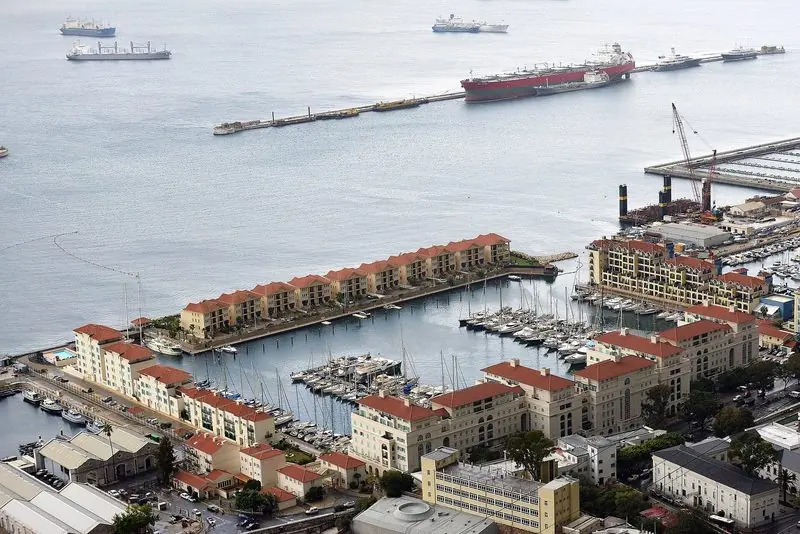
| Lage | Gibraltar, an der Westseite des Felsens, bei 36 08.5 N, 5 22.5 W |
|---|---|
| Liegeplätze | 95 in Ocean Village, dazu weitere 209 in der angrenzenden Marina Bay unter demselben Hafenbüro |
| Maximale Länge | 90m nach Angabe der Gibraltar Port Authority |
| Tiefe | 4,5m, und das ist die bindende Schranke für eine tiefgehende Yacht |
| Superyacht-Liegeplätze | aufgewertete Liegeplätze am Rand der Anlage, ausgelegt für Yachten bis 80m |
| Hafenkontrolle | UKW-Kanal 71, wobei die Abfertigung ankommender Fahrzeuge seit der Schließung des gesonderten Meldeliegeplatzes 2005 von der Marina selbst übernommen wird |
| Leistungen am Liegeplatz | Sicherheitsdienst rund um die Uhr mit Codezugang am Tor, Drehstrom, Satellitenfernsehen, WLAN, Wäscheabholung und Concierge |
| Treibstoff | Gibraltar ist der größte Bunkerhafen des Mittelmeers, mit rund 60.000 Fahrzeugen, die die Straße jedes Jahr passieren |
| Steuern | Bunkertreibstoff und Schiffsbedarf sind sowohl von Gibraltars neuer Transaktionssteuer als auch von der Verbrauchsteuer befreit |
| Neues Steuerregime | eine Transaktionssteuer von 15 Prozent ersetzte am 10. April 2026 den Einfuhrzoll und steigt jährlich in Richtung des niedrigsten Mehrwertsteuersatzes der EU |
| Vertrag | das Abkommen zwischen dem Vereinigten Königreich und der EU über Gibraltar wurde am 14. Juli 2026 unterzeichnet und gilt vorläufig ab dem 15. Juli 2026 |
| Schiffsreparatur | Gibdock, mit drei Trockendocks von 154m bis 272m und einem Kilometer Tiefwasserkai |
| The operator publishes no berth rate of any kind. Ocean Village and Marina Bay describe 250-plus berths between them and carry no tariff, checked 28 July 2026 | |
| Shore power is described only as three-phase, with no amperage published, checked 28 July 2026. Gibraltar runs the British standard of 240 V single phase and 415 V three phase at 50 Hz | |
| The depth question is unresolved by the operator. The Gibraltar Port Authority publishes 90 m maximum length and 4.5 m depth, and the marina separately markets upgraded perimeter berths for yachts to 80 m without stating whether those berths were dredged deeper | |
| 4.5 m alongside is the binding constraint until the operator says otherwise. Most 80 m motor yachts draw more than that | |
| No per-tonne bunker differential against Palma, Barcelona or Las Palmas is published by anyone, checked 28 July 2026. The saving is real and its size has to come from a firm quote on the day | |
| There is no travel lift at Ocean Village. Gibdock is a commercial ship repair yard with dry docks from 154 m to 272 m, not a yacht hoist, so a routine haul-out means leaving Gibraltar | |
| Marina reception works VHF channel 71 and is reached on +350 200 73300 | |
Der Halt, den alle machen
Rund 60.000 Fahrzeuge passieren die Straße von Gibraltar jedes Jahr, und sehr viele von ihnen halten an, weshalb der Fels zum größten Bunkerhafen des Mittelmeers wurde. Für Yachten gilt dieselbe Logik. Ein Boot, das das Mittelmeer Richtung Karibik verlässt oder im Frühjahr aus der Gegenrichtung kommt, passiert Gibraltar in Sichtweite und kann Treibstoff, Vorräte und Crew übernehmen, ohne abzuweichen.
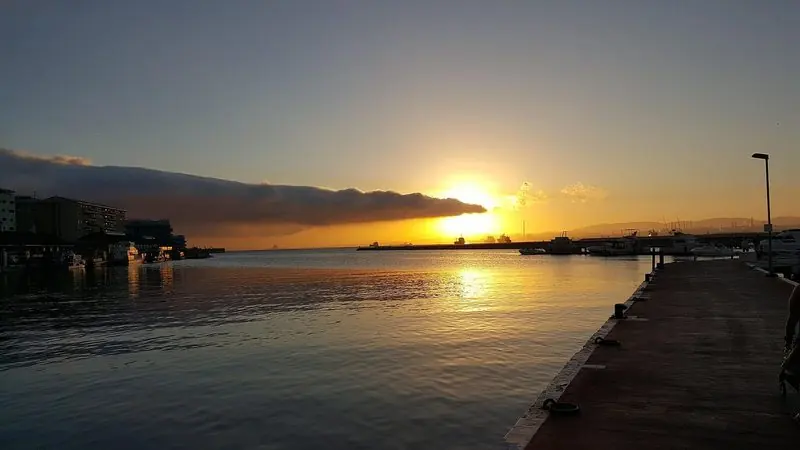
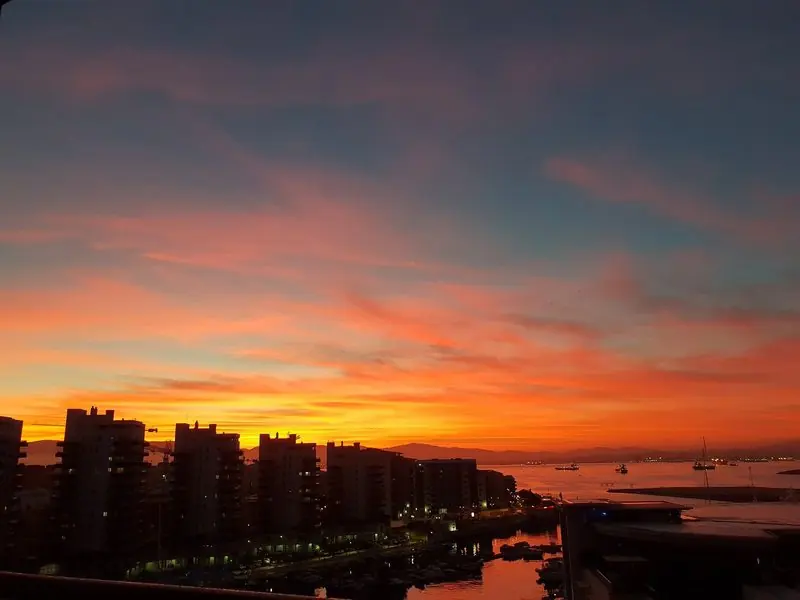
Ocean Village liegt an der Westseite des Felsens, mit Blick über die Bucht nach Algeciras, und wurde als Marinadorf mit Wohnungen, Restaurants, einem Casino und einem Marina Club rund um das Wasser gebaut. Die Gibraltar Port Authority führt es mit 95 Liegeplätzen und die angrenzende Marina Bay mit 209, beide unter demselben Hafenbüro und beide mit einer maximalen Länge von 90 Metern. Queensway Quay, die dritte private Marina, fügt weitere 156 hinzu. Zusammen können sie kurzfristig einen großen Ankömmling aufnehmen.
Die Ansteuerung und die zwei Winde
Die Ansteuerung in die Bucht von Gibraltar ist tief, weit und kommerziell, mit Reeden voller Schiffe, die auf Bunker warten. Es gibt keine Barre und kein Fahrwasser. Der Tidenhub liegt bei etwa einem Meter, nach atlantischen Maßstäben also vernachlässigbar, und die Marina hält 4,5 Meter längsseits. Diese Tiefenangabe ist die eigentliche Obergrenze dieses Ortes, denn eine 90-Meter-Yacht mit mehr als viereinhalb Metern Tiefgang kann einen 90-Meter-Liegeplatz nicht nutzen.
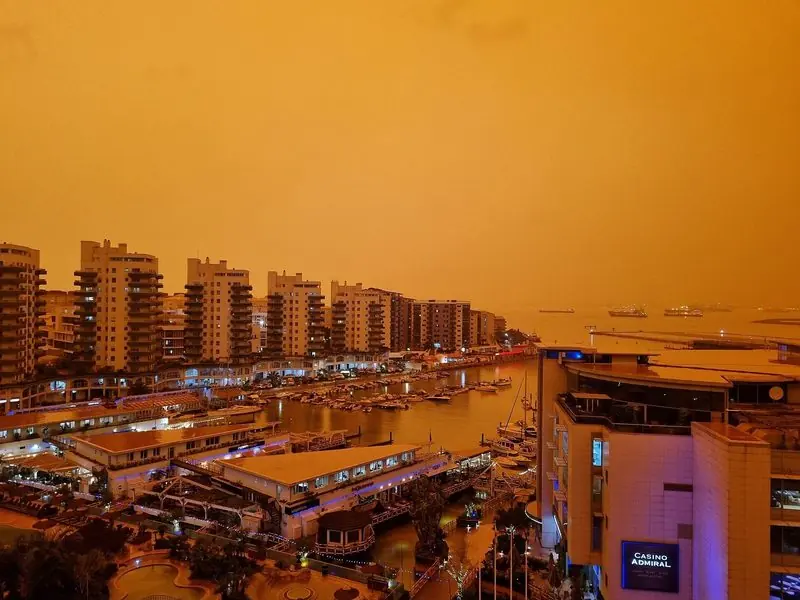
Zwei Winde bestimmen das örtliche Wetter. Der Levanter ist der Ost, der sich durch die Straße drückt und eine Wolkenfahne über den Felsen hängt, was feuchtgraues Wetter und eine deutliche Zunahme der Windbeschleunigung an der Steilwand bringt. Der Poniente ist der West, meist klarer. Keiner von beiden stört eine Yacht in der Marina, und beide zählen enorm für jeden, der eine Passage durch die Straße timet, wo der Oberflächenstrom mit einer Rate nach Osten ins Mittelmeer setzt, an der ein langsamer Verdrängerrumpf gegen einen ungünstigen Strom scheitern kann.
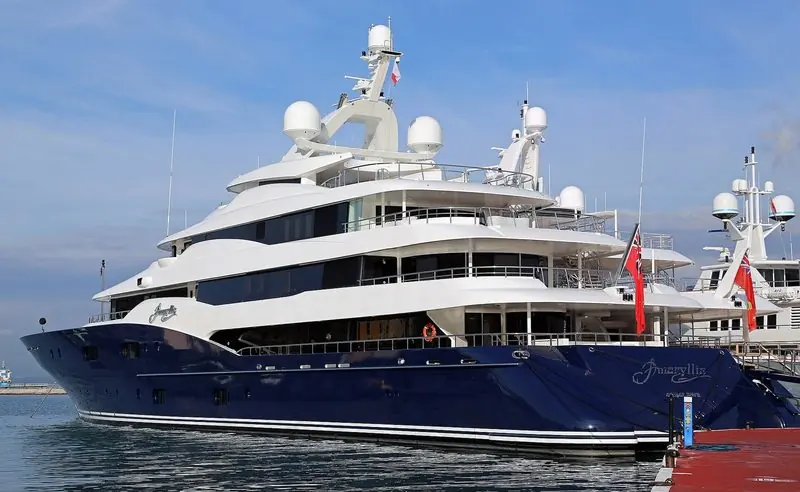
Ein Knotenpunkt und kein Ziel, und die günstigste legitime Tankfüllung zwischen der Karibik und der Ägäis.
Die Liegeplätze und wie man sie bekommt
Liegeplätze werden vermietet, Volleigentum wird nicht verkauft. Ocean Village wuchs mit seinen Premier Berths von 225 auf 323 Liegeplätze, von denen die meisten zwischen 18 und 25 Metern liegen und der größte 35 Meter misst, und getrennt davon wurde am Rand der Anlage eine Reihe aufgewerteter Superyacht-Liegeplätze für Yachten bis 80 Meter gebaut, entworfen von Marina Projects. Verträge ab zwölf Monaten bringen eine Crew-Vorteilskarte mit Nachlässen in den Geschäften und im Fitnessclub.
Die Verfügbarkeit ist besser als fast überall sonst auf dieser Liste, weil Gibraltar ein Arbeitshafen ist und kein Ziel, das sich für eine Saison füllt. Die Spitzen liegen in den Fenstern für Atlantikpassagen, Ende Oktober und November, wenn die Flotte nach Westen zieht, und im April und Mai, wenn sie zurückkommt. Außerhalb dieser Wochen lässt sich eine Yacht in der Regel unterbringen. Die Abfertigungsformalitäten übernimmt die Marina selbst, seit der gesonderte Meldeliegeplatz für Yachten 2005 geschlossen wurde.
Treibstoff, und warum Eigner den Vertrag verfolgen
Der wirtschaftliche Fall für Gibraltar beruhte immer auf Treibstoff, der ohne Abgaben gekauft wird. Das sah verwundbar aus, als das Territorium einer Zollregelung mit der Europäischen Union zustimmte, und das Detail zählt. Ab dem 10. April 2026 ersetzte eine Transaktionssteuer von 15 Prozent Gibraltars altes Einfuhrzollregime und steigt jährlich in Richtung des niedrigsten Mehrwertsteuersatzes der Union, mit gesonderten Verbrauchsteuern auf Tabak, Alkohol und Treibstoff.
Bunkertreibstoff ist sowohl von der Transaktionssteuer als auch von den Verbrauchsteuern befreit, ebenso Schiffsbedarf und Waren, die durch Gibraltar laufen, ohne dort verkauft zu werden. Für eine Yacht, die mehrere hundert Tonnen übernimmt, ist diese Befreiung sehr viel wert, und sie ist der Grund, warum der Fels die günstigste legitime Tankfüllung in diesem Teil der Welt bleibt. Eigner sollten trotzdem aktuellen Rat einholen, denn der Rahmen ist neu, und die Verbrauchsteuersätze auf andere Waren sollen sich ab April 2029 dem spanischen Niveau annähern.
Eine Grenze, die gerade verschwunden ist
Das Vereinigte Königreich und die Europäische Union unterzeichneten den Vertrag über Gibraltar am 14. Juli 2026 in Brüssel, vier Jahre nach Beginn der Verhandlungen, mit vorläufiger Anwendung ab dem 15. Juli. Er bindet Gibraltar in den Schengen-Reiseraum ein und schafft eine maßgeschneiderte Zollunion, ohne das Territorium in das Zollgebiet der EU zu legen. Routinekontrollen am Landübergang nach Spanien entfallen, und am Hafen und am Flughafen von Gibraltar werden doppelte Grenzkontrollen eingeführt.
Für einen Eigner ist die praktische Wirkung, dass Gäste und Crew sich zwischen Gibraltar, Spanien und dem übrigen Schengen-Raum bewegen können, ohne die Schlange in La Linea, die an einem schlechten Tag Stunden lang war. Direktflüge zwischen Gibraltar und EU-Flughäfen werden möglich. Es bedeutet auch, dass ankommende Crew an der Marina eine Schengen-Einreisekontrolle durchläuft, was den Papierrhythmus eines Crewwechsels verändert. Der Rahmen gilt seit weniger als zwei Wochen, die Abläufe müssen sich also noch einspielen.
Leistungen, Werften und die Stadt
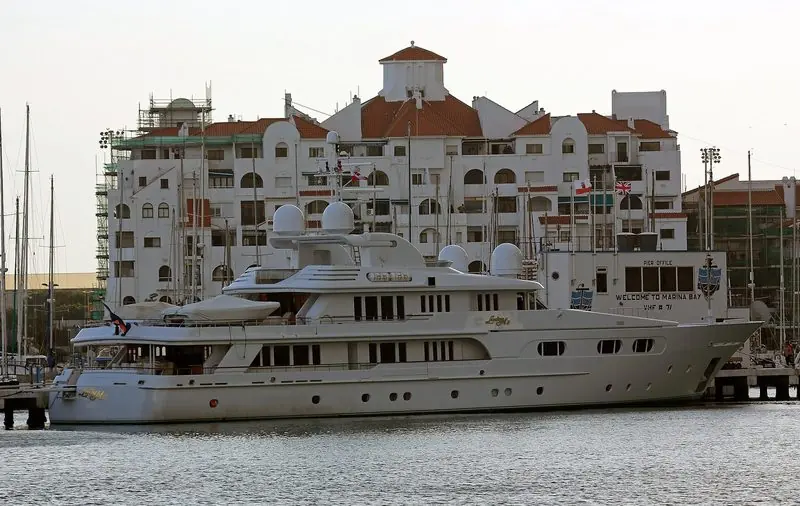
An den Liegeplätzen liegen Drehstrom, Wasser, Satellitenfernsehen und WLAN an, dazu Sicherheitsdienst rund um die Uhr mit Codezugang zu den Stegen, Wäscheabholung, moderne Sanitärgebäude und Concierge-Lösungen für Catering und Fahrzeuge. Ausrüster, Proviantierung, Offshore-Banking, eine Arzt- und Zahnarztpraxis und ein Fitnessstudio liegen wenige Minuten vom Kai entfernt. Gibraltars Agenten und technische Gewerke sind mit Yachten erfahren, weil der Hafen laufend Crewwechsel und Bordbetreuung abwickelt.
Für strukturelle Arbeiten belegt Gibdock die alte Marinewerft mit drei Trockendocks von 154 bis 272 Metern, zehn Kränen, einem 300 Meter langen Hauptkai, einer 435 Meter langen Mole und rund einem Kilometer Tiefwasserkai mit bis zu 11 Metern längsseits bei Niedrigwasser. Das ist Kapazität aus der kommerziellen Schiffsreparatur, also keine Lackierhalle für Superyachten, und sie nimmt einen Rumpf, den keine Yachtwerft im Mittelmeer heben kann. Sotogrande und die Werften der Costa del Sol liegen einen kurzen Schlag die Küste hinauf.
An Land und wohin eine Yacht als Nächstes geht
Der Flughafen Gibraltar International liegt in Gehweite der Marinas, mit Linienverbindungen nach London und, unter dem neuen Vertrag, der Aussicht auf direkte EU-Verbindungen. Malaga liegt für die Langstrecke rund 130 Kilometer die Küste hinauf. Das Territorium ist klein, englischsprachig, nutzt das Pfund und hat eine dichte Ansammlung von Anwälten, Wirtschaftsprüfern und Fachwissen zum Schiffsregister, weshalb eine ganze Reihe Yachten die Flagge Gibraltars führt.
Ein Revier gibt es hier nicht, und das ist die ehrliche Lage. Gibraltar ist ein Knotenpunkt. Marokko liegt unter 20 Seemeilen über die Straße, die Costa del Sol läuft nach Nordosten, Cadiz und die portugiesische Algarve liegen westlich um Kap Trafalgar, und die Kanaren sind auf der üblichen Atlantikroute fünf Tage südwestlich. Eine Familienwoche mit Basis in Ocean Village wäre damit verbracht, den Felsen, seine Affen und seine Tunnel anzuschauen, also anderthalb Tage Material.
Saison, Timing und der ehrliche Nachteil
Gibraltar arbeitet das ganze Jahr, und seine vollsten Wochen bestimmen Ozeanpassagen und nicht der Sommer. Ende Oktober und November füllt es sich mit Yachten auf dem Weg zu den Kanaren und in die Karibik, und im April und Mai kommen sie zurück. Der Sommer ist warm und trocken, und die Marina ist ein bequemer Ort, ein Boot zu lassen. Der Levanter kann in jeder Jahreszeit tagelang über dem Felsen liegen und ist die eine Wettererscheinung, die Besucher verlässlich nervt.
Die Vorbehalte sind Tiefe, Größe und Umgebung. Viereinhalb Meter längsseits schließen einen Teil der Flotte aus, zu dem die Liegeplatzlänge von 90 Metern sonst passen würde. Das Territorium umfasst weniger als sieben Quadratkilometer, und die Marina schaut über eine Arbeitsbucht auf die Raffinerie und das Containerterminal von Algeciras. Niemand hält eine Yacht wegen der Aussicht in Gibraltar. Man hält sie hier, weil der Treibstoff günstig ist, der Papierkram auf Englisch läuft und der Flughafen am Ende des Stegs liegt.
The levanter as a manoeuvre, not as weather
The levanter is described on most accounts as damp grey air and a cloud banner over the Rock, which is what it looks like from ashore and not what it is from a flybridge. It is an easterly, and Ocean Village sits on the west side of the Rock. A 400 m ridge directly upwind of a marina does not produce a steady breeze on its lee side. It produces a descending, gusting, direction-shifting flow that arrives in slugs, and that is a materially harder thing to hold a high-sided yacht against than a clean 25 knots on open water. The berths on the outer perimeter, which are the superyacht positions, are the ones most exposed to it.
The practical rule is that arrival and departure timing in a levanter is worth deferring rather than pushing, and that a yacht with a lot of freeboard and a short keel wants the tugs or the line handlers arranged rather than improvised. The levanter can sit over the Rock for days in any season and it is the one weather feature that reliably frustrates a schedule here. None of this troubles a yacht already secured. It is entirely a question of the ten minutes at each end. The poniente, the westerly, is usually clearer and comes off the water rather than off the hill, and is the easier of the two to work in.
Four and a half metres, and the price nobody prints
The unresolved item on this page is water. The Gibraltar Port Authority publishes a 90 m maximum length and 4.5 m of depth, and the marina separately markets upgraded perimeter berths designed for yachts to 80 m. Whether those perimeter berths carry more than 4.5 m is the single question an 80 m owner would ask and, checked on 28 July 2026, neither the port authority nor the operator answers it. Until they do, 4.5 m is the binding number, and most 80 m motor yachts draw more than that. The honest position is that Gibraltar sells a length it may not be able to float, and the sounding for the specific berth has to be obtained in writing before a passage is planned around it.
Price is the other blank. Ocean Village and Marina Bay publish no berth rate at all, for any length, on any of their pages, checked 28 July 2026, and the shore power is given as three-phase with no amperage on berths sold as taking 80 m yachts. Gibraltar runs 240 V single phase and 415 V three phase at 50 Hz, so a European yacht plugs in and an American one does not, but nobody publishes what it can draw. The bunkering argument is in the same condition. Duty-free fuel is genuinely the reason many yachts stop here, and no per-tonne differential against Palma, Barcelona or Las Palmas is published by anyone, so the saving is sized by asking three brokers for a firm quote on the same day and comparing them. That is a five-minute exercise and it is the only number that makes the case real.
An Land, Anfahrt und Buchung
| Hailing & phone | VHF Channel 71 is the working channel for both Ocean Village and Marina Bay (the two marinas share one Pier Office and radio watch) - confirmed independently by the marina's own site and by the Gibraltar Port Authority's official private-marinas listing. Landline is +350 200 73300, and the reception also runs a WhatsApp number, +350 58009812, which in practice gets answered faster than the phone during a levanter when everyone's on the radio. If you're bringing anything over about 24m, Gibraltar Port VTS wants you on Channel 12 separately for clearance into the restricted zone before you even call the marina - that's a different desk, easy to miss on a first visit. |
|---|---|
| Booking a berth | There's no instant-book system for anything of size. The marina wants an ETA update by phone or email 24 hours out, a confirmation call or VHF check-in an hour before arrival, and a final call at the entrance for a berth number - three separate touchpoints, not one. Turning up unannounced works for small boats if space allows, but multiple independent accounts (a longtime YBW Forum poster who's berthed there for years, and marina-industry coverage of the post-redevelopment squeeze) agree that spare capacity is thin now that the west side has been rebuilt for superyachts, so a same-day walk-in for anything large is a real gamble, not a fallback. |
| What a big yacht pays | The marina's own posted rate card (their top length band, 50m and over) charges GBP 4.50 per metre per night - so a 50-metre yacht at that band's floor runs roughly GBP 225 a night before anything else. The next band down, 30-50m, is GBP 3.75/metre. Prepay and it drops hard: 20% off for an annual booking, 15% off for six months. Nobody advertises what a negotiated season rate for an 80m+ superyacht actually looks like - that's set case by case, and it's the number that never makes it onto the tariff sheet. |
| Power and water | Electricity is metered at 16p/kWh, water at 1.25p per litre, each with a GBP 1 minimum charge per connection - figures taken from the marina's own tariff page, which is the only place they're published, so treat them as marina-stated rather than independently cross-checked. Power-adapter deposits run GBP 10-40 depending on what you need. No amp/voltage spec or shore-power-pedestal detail is published anywhere findable, which for a marina rated to 90m LOA is a genuine gap - you'll be asking reception directly what a given berth can actually deliver rather than reading it off a spec sheet. |
| Fuel and the 2026 treaty | This is the good news buried in the treaty text: bunkering fuel - fuel taken aboard as ship's stores rather than for resale - is permanently exempted from both Gibraltar's new 15% Transaction Tax and from excise duty under the UK-EU agreement that took provisional effect 15 July 2026. That's stated plainly in the Government of Gibraltar's own technical notice on the customs union and echoed in EY's tax-alert coverage of the same treaty. So the duty-free bunkering that's made Ocean Village and Marina Bay a Mediterranean refuelling stop isn't a casualty of the new border arrangement - it was carved out on purpose. On the quay itself there are Cepsa, Shell and BP pumps plus a dedicated GibOil terminal right at the marina entrance, so there's actual competition on price rather than one operator setting it. |
| Depth and where the big ones go | 4.5 metres alongside is the figure the Gibraltar Port Authority itself publishes for both marinas, matching the marina's own material - a genuinely consistent number, not a rounded-up brochure figure. Official max LOA is quoted at 90 metres, though the superyacht-specific pontoons built in the recent Marina Projects redevelopment (covered by Boat International and Marine Industry News) are sized for up to 80 metres. Anything that exceeds the LOA or draft limit here gets redirected to a berth at the Western Arm, North Mole - a different part of the port entirely, worth knowing before committing to Ocean Village as the destination. |
| Getting there | No source publishes an exact metre figure, which is itself telling for a marina that markets 'airport on your doorstep' - but Visit Gibraltar's own copy says the airport is within easy reach on foot, and independent travel-routing sites put it under a 10-minute walk. That's plausible on the ground: Gibraltar's runway and the old border crossing sit right at the isthmus, a few minutes from the marina gate. Since the July 2026 treaty removed routine checks at the land frontier, a crew change that used to mean a passport queue at the fence is now much closer to just walking through. |
| On the promenade | Ocean Village's dining strip is a mix of international chains and marina-facing independents, not a curated foodie destination - Las Iguanas (Unit 21b on the Promenade, Latin/Brazilian, waterfront tables) and Wagamama are both confirmed by Gibraltar's own tourism listings as well as third-party guides, and Bianca's is locally described as a Gibraltar favourite for the same reason regulars go back: reliable, unpretentious, good for watching the boats rather than for the food itself. It's a stop-off crowd, not a destination-dining crowd, and that's honestly fine given what else is going on right there. |
Was Eigner und Crew berichten
New superyacht pontoons are landing with captains
On the record about the completed Marina Projects redevelopment: 'The superyacht berths were seamlessly integrated into our design and, once operational, have proven to be popular with superyacht captains.' Worth reading as marina management talking its own book, but it's a named, dated claim rather than an anonymous one.
William Bowman, Marina Director, Ocean Village and Marina Bay (Marine Industry News, January 2025)Gibraltar's bunkering pitch predates the current redevelopment by a decade
Speaking as technical consultant when the superyacht marina project was first proposed, he argued Gibraltar had the lowest bunkering costs in the Mediterranean and that a full service shipyard is ten minutes from Marina Bay - a claim from 2015, before the current pontoons existed, but it's the same fuel-price and shipyard-proximity logic that still draws boats there now.
Captain E.S. Geary (SuperyachtNews, 2015)
Was gut ist und worauf zu achten ist
Stärken
- Duty-free bunkering survived the treaty on purposeThe 15 July 2026 UK-EU Gibraltar treaty could easily have swept fuel into the new 15% Transaction Tax regime. It didn't - the Government of Gibraltar's own technical notice carves bunkering fuel out permanently, and EY's tax analysis of the same treaty confirms it. For a marina whose whole draw is cheap diesel, that's the headline risk that didn't materialise.
- Real competition on the fuel dockCepsa, Shell and BP pumps on the quay plus a separate GibOil terminal at the marina entrance mean there's no captive dependence on one supplier's posted price the way a lot of single-operator Mediterranean marinas run.
- The border basically isn't there anymoreWith routine checks gone at the land frontier since the treaty, and the airport within a short walk of the pontoons per Visit Gibraltar's own description, crew changes and provisioning runs into Spain lost a friction point that used to eat a genuine chunk of a turnaround day.
- The office never closes24 hours a day, 365 days a year, per the marina's own site - and in practice a WhatsApp line that gets answered faster than the phone. For a working marina rather than a lifestyle-branded one, that responsiveness matters more than the casino next door.
- The redevelopment was built around superyachts, not against themMarina Director William Bowman, quoted in Marine Industry News' January 2025 coverage of the Marina Projects-designed upgrade, said the new superyacht berths 'have proven to be popular with superyacht captains' - a claim from the person running the place, but corroborated by the fact the redevelopment happened at all: someone paid for pontoons rated to 80m because the demand was already showing up at the gate.
Worauf zu achten ist
- Surge in a blow is a known problem, not a rumourA longtime poster on the YBW Forum who has kept boats at both marinas over the years describes the surge as 'really wicked' at times and says they've seen a lot of damage to boats there - the fix is standard (good snubbers, doubled-up lines) but it's not a hypothetical risk, it's a maintenance habit needed before arrival, not after.
- There is no current public rate cardThe marina's own pricing page is still headed 'Berth Prices 2025', and the underlying tariff PDF on their site is dated from a 2021 upload - there's no confirmed 2026 sheet live anywhere findable. For anything above about 50m, the number being negotiated was never printed, which is exactly the gap this page's prose already points at.
- Space is genuinely tight nowIndustry coverage of the post-redevelopment marina describes berthing in Gibraltar as now quite difficult, since other local marinas lost capacity to the cruise-ship/hotel/casino build-out, and a separate longtime user on the same forum thread independently confirms shrinking availability. A same-day arrival without a booking is a real gamble for anything large.
- 4.5 metres is a hard ceiling, and it routes elsewhereIt's a consistent number across the Gibraltar Port Authority and the marina's own material, so it's not in dispute - but any vessel that exceeds the LOA or draft limit gets sent to a berth at the Western Arm, North Mole instead, a materially different part of the port. Worth confirming before planning around Ocean Village specifically.
Für wen: Der Eigner, der nach Fahrplan Ozeane quert und abgabenfreien Treibstoff, Papierkram auf Englisch und einen Flughafen in Gehweite will.