RWD (Redman Whiteley Dixon)
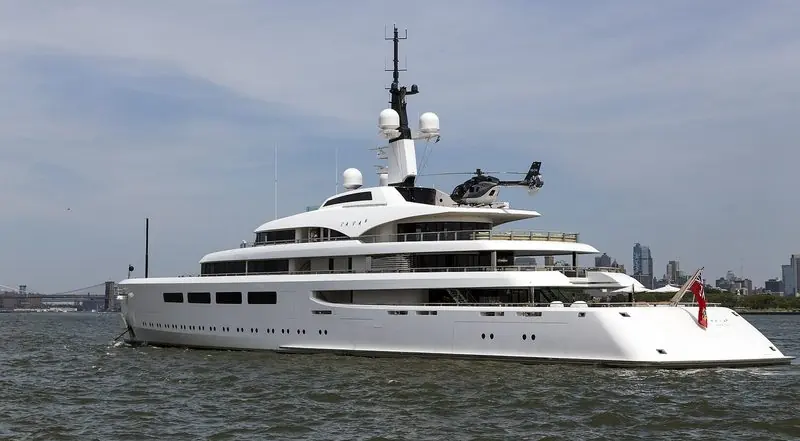
| Nombre completo | Redman Whiteley Dixon (RWD) |
|---|---|
| Fundadores | Justin Redman y Mark Whiteley, con Tony Dixon incorporado en 2001 |
| Fundación | 1993 |
| Sede | Beaulieu, Hampshire, Inglaterra |
| Disciplinas | diseño exterior e interior |
| Yates emblemáticos | Ilona (73 m), Al Said (155 m), Vava II, Como |
| Cartera | alrededor de 75 yates, de unos 35 m a 155 m |
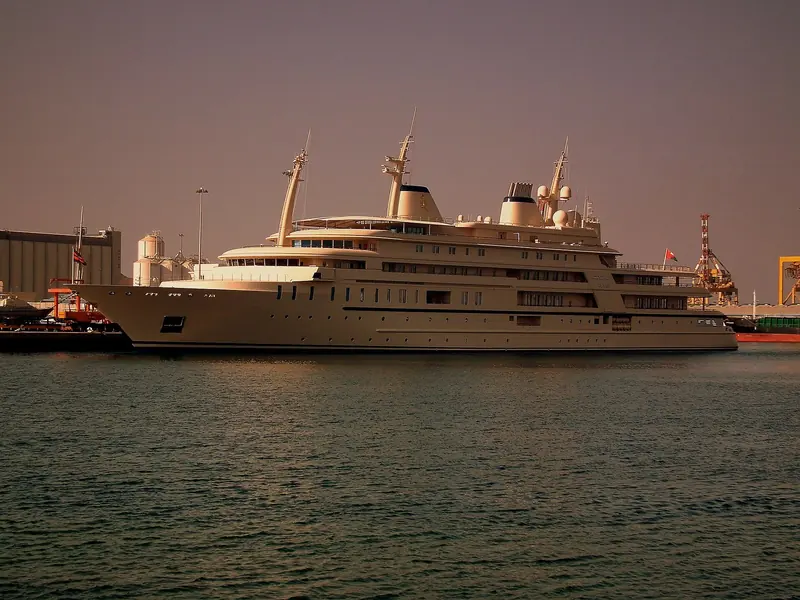
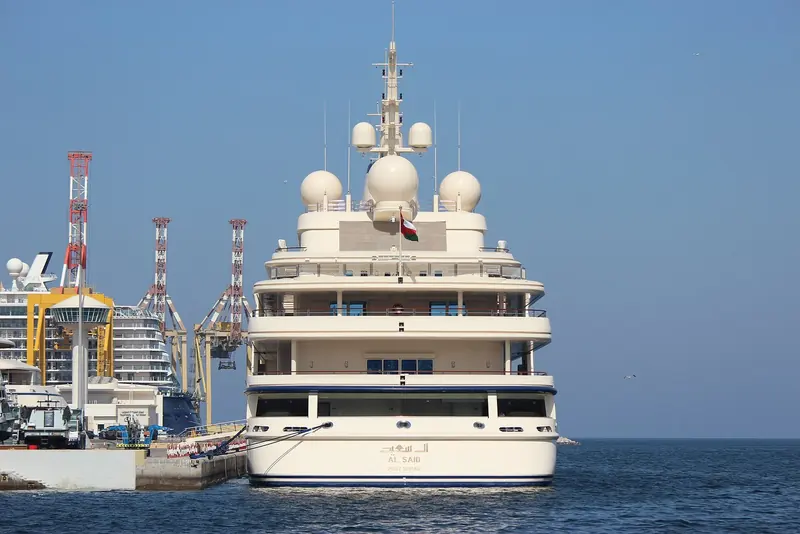
| Largest | Al Said, 155 m, Lurssen, 2008, RWD interior over an Espen Oeino exterior |
| Breakthrough, 118.8 m, Feadship, launched May 2024: exterior and interior by RWD, the first hydrogen fuel-cell superyacht, 7,247 GT | |
| Sophia, 96.55 m, Feadship, delivered 2017 as Faith: exterior and interior | |
| Vava II, 96 m, Devonport, 2012 | drawn by RWD, with the interior credited to Remi Tessier |
| Series work | Benetti's B.Now range at 50, 60, 67 and 72 metres, and the Oasis range at 34 and 40 metres |
| Design fee | not published. Market band 1 to 5 per cent of build cost, plus 2 to 4 per cent project management, both outside the yard price (SuperYachtReview 2026 price guide, updated March 2026) |
| Construction-phase attendance is normally charged in addition to the design fee rather than included in it, which is standard naval architecture practice (Sponberg Yacht Design and Kasten Marine published terms, read 28 July 2026) | |
| Series work for Benetti puts RWD lines into the brokerage market in numbers, which gives valuers comparables that a one-off design does not have | |
Fundado en la costa sur
RWD corresponde a Redman Whiteley Dixon, los apellidos que hay detrás de la consulta y no a ninguna otra lectura de las iniciales. Justin Redman y Mark Whiteley se conocieron estudiando diseño industrial en Londres y fundaron el estudio en 1993. Tony Dixon se incorporó en 2001, y la sociedad adoptó poco después su nombre actual de tres partes. La oficina ocupa una antigua central de luz eléctrica reconvertida a orillas del río Beaulieu, en Hampshire. Cada uno de los tres apellidos pertenece a uno de sus diseñadores y no a ninguna frase inventada.
Desde una primera sede en Chelsea el estudio se trasladó a la costa del New Forest, más cerca del agua y de los astilleros a los que sirve. Ha formado un equipo grande a lo largo de tres décadas de trabajo constante. La mudanza dio a la consulta espacio para crecer conservando un entorno tranquilo junto al río. Esa base se ha convertido en parte de la identidad del estudio. El emplazamiento junto al agua encaja con una consulta cuyo trabajo va enteramente de la vida en la mar.
Contención y proporción
La mano de RWD prefiere líneas limpias y equilibradas y una confianza serena antes que el ruido visual. El estudio es conocido por la proporción y por exteriores que envejecen bien en lugar de perseguir una moda pasajera. Diseña tanto el exterior como el interior, lo que ayuda a mantener un yate coherente del perfil al salón. El trabajo se lee contenido, en consonancia con sus raíces británicas. El estudio prefiere una línea que siga funcionando dentro de veinte años a otra que caduque enseguida.
La oficina persigue la atemporalidad, un yate que siga pareciendo correcto muchos años después de su botadura. Esa disciplina encaja con armadores que valoran la longevidad por encima de la novedad. El estudio maneja un rango amplio de tamaños sin perder su carácter mesurado. Su contención es un contraste deliberado con casas más flamantes. Ese carácter mesurado es una elección y no un límite de lo que el estudio sabe dibujar.
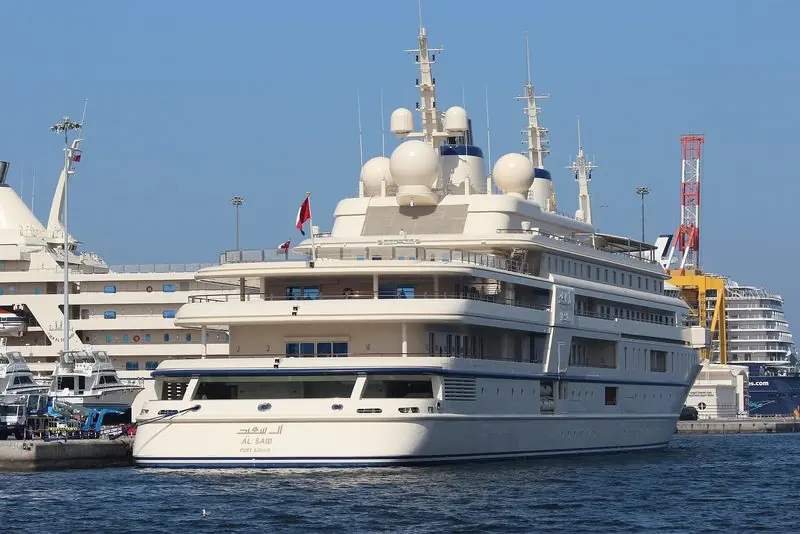
Contención británica en todos los tamaños, del crucero de 35 metros al buque insignia de 155.
Del Ilona al Al Said
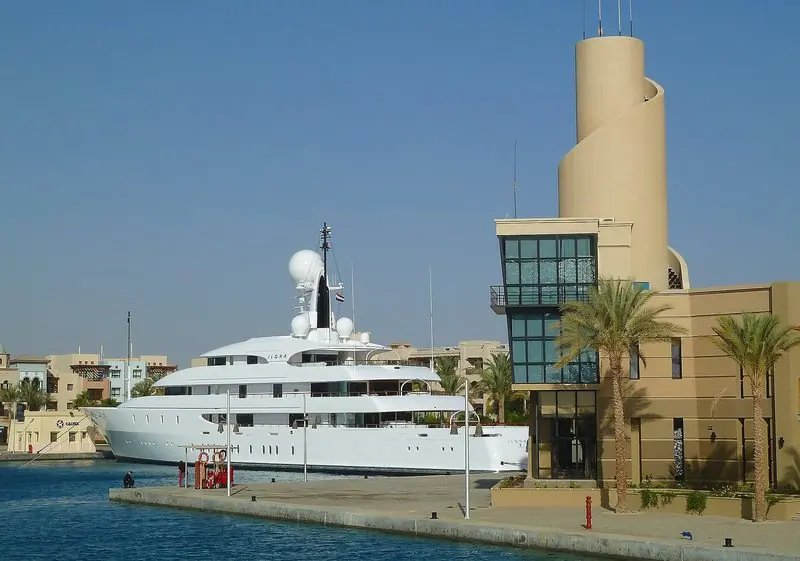
El Ilona de 73 metros, construido por Amels, asentó al estudio en el mundo del superyate y abrió la puerta a trabajos mayores. En el otro extremo, el Al Said de 155 metros es el yate más grande de la cartera de RWD. Entre esos dos polos se sitúan yates como Vava II, Twizzle y Como, que muestran el rango del estudio. La consulta ha completado un número elevado de yates en ese abanico. El salto a tamaños de superyate llegó de forma sostenida y no mediante un único brinco.
Los trabajos más recientes incluyen Faith y otros yates a motor importantes entregados por astilleros de referencia. El estudio ha dado forma a alrededor de setenta y cinco yates que van desde unos 35 metros hasta 155 metros. Ese volumen lo convierte en una de las consultas con más experiencia de Gran Bretaña. La amplitud de la flota es central para su reputación. Entregar a ese ritmo durante tres décadas exige un equipo profundo y estable detrás de los fundadores.
Una consulta colaborativa
RWD trabaja estrechamente con armadores y astilleros de toda Europa, y adapta su proceso a cada proyecto. El estudio se maneja bien liderando un diseño completo o centrándose solo en el exterior o el interior. Su larga experiencia le permite guiar tanto a armadores primerizos como a veteranos. Esa flexibilidad ayuda a explicar el flujo constante de encargos. El estudio adapta su papel al armador en lugar de imponer un proceso fijo en cada trabajo.
La consulta ha construido relaciones con varios constructores importantes a base de trabajo repetido. Entregar yates de hasta 155 metros exige una coordinación estrecha con los ingenieros del astillero, y el estudio está hecho a esa disciplina. Mantiene un papel activo durante la construcción para proteger la intención del diseño. Ese cuidado en la entrega es parte de por qué los armadores vuelven. Los clientes que repiten son una señal fuerte de que el yate terminado se pareció a los primeros dibujos.
Entre los más prolíficos de Gran Bretaña
Con alrededor de setenta y cinco yates a su nombre, RWD figura entre las casas de diseño más productivas de Gran Bretaña. Su trabajo no grita, lo que a veces lo ha mantenido más callado en la prensa que a rivales más llamativos. Dentro del sector, sin embargo, su historial impone respeto. La reputación del estudio se apoya en un cuerpo de obra construida profundo y coherente. La constancia discreta, y no un único yate de titular, es lo que define a la consulta.
RWD ha demostrado que puede operar en todos los tamaños, del crucero mediano al buque insignia de escala nacional. Esa versatilidad es poco común y vale mucho. La consulta sigue ganando encargos en la parte alta del mercado. Su mezcla de contención y rango la mantiene firmemente asentada. Pocos estudios británicos igualan su combinación de producción sostenida y amplitud de tamaños.
The Dutch and German order book
Feadship has been the closest relationship. Sophia, 96.55 metres, was delivered in 2017 under the name Faith with exterior and interior by the studio, and the 73.55 metre Sherpa followed in 2018. Destiny, at 101.2 metres, is listed for 2026. Vava II, 96 metres from the British yard Devonport in 2012, was drawn by RWD with the interior credited to Remi Tessier.
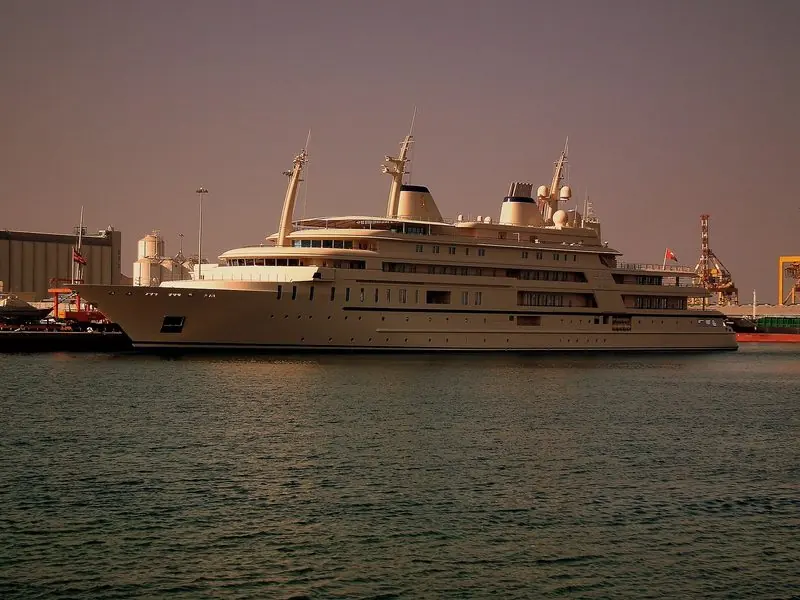
At Lurssen the studio has Al Said behind it, the 102.4 metre Nixie listed for 2026 and the 122.5 metre Project Omega with a delivery date well into the future. Benetti built the 108 metre I.J.E. in 2019. That spread across the three or four yards capable of building above 100 metres matters when an owner has already picked a builder, because it means the studio arrives knowing how that yard prices a change and how long its engineering department really needs.
The Benetti series, for owners who will not commission from nothing
RWD drew Benetti's B.Now range at 50, 60, 67 and 72 metres, and the smaller Oasis range at 34 and 40 metres. These are semi-custom platforms. The hull, the engineering and the general arrangement are largely settled before a buyer appears, and the yard builds them speculatively or against early orders.
What the buyer gives up is authorship of the profile, which will be shared with every other hull in the series. What he gets is a delivery measured in a year or two, a price fixed at contract and a boat with an established resale market, because brokers know exactly what a B.Now is worth. The Oasis range in particular put the studio's habit of opening the hull into production form, with fold-down beach club terraces as a standard feature.
How a commission runs, and what it costs
A project starts with conversations about how the owner and his family actually use a boat, because the studio's leverage is on layout and volume before it is on styling. Concept sketches and a general arrangement follow, then exterior and interior develop in parallel because one office holds both. The fee is staged against those deliverables and paid before the yard is contracted. What an owner buys at concept stage, for the smallest tranche of the total, is a package a yard can price, and the right to walk away holding drawings he has licensed. The commitment is the yacht building agreement, and the practical commitment is the day the yard starts engineering to these drawings.
There is no published fee scale. The market band for a designer, from the SuperYachtReview guide updated March 2026, is 1 to 5 per cent of build cost, with project management a separate 2 to 4 per cent, neither of them inside the yard's number. Exterior and interior together sit high in that band, and the studio's construction-phase involvement is normally an additional charge rather than part of the design fee, which is how the profession bills supervision. That charge is the one an owner should not negotiate away. Drawings get value-engineered on the shop floor, and the difference between a design that survives and one that quietly degrades is whether the designer is still in the room when the yard proposes a cheaper detail.
Recognition, and who it does not suit
RWD does not shout, and it has historically been quieter in the consumer press than more flamboyant houses. Within the industry the record speaks for itself, and the studio's work has been recognised repeatedly at the design awards. Awards are worth a narrow and real amount to an owner, because they confirm a finish standard and they help a broker at resale. They say nothing about behaviour under pressure.
This studio does not suit an owner who wants a profile nobody has seen before, because the work is deliberately calm and will disappoint anyone chasing spectacle. It does not do naval architecture, so an owner who wants hull form and styling from one firm needs a different structure. It is not the obvious choice for a sailing yacht today, whatever the studio's origins, and it is not set up for boats below about 30 metres outside the Benetti ranges.
Understatement is a resale strategy, whether or not it was meant as one
A yacht carrying this studio's name sells better than average, and the reason is the thing that disappoints owners looking for spectacle. Calm work does not date, so a buyer in 2035 is not looking at a boat that announces the year it was drawn. The second reason is structural. Benetti's B.Now and Oceans ranges put dozens of hulls to RWD lines into the brokerage market, and comparables are what valuations are made of. Ocean Independence, on 11 May 2026, ranks builder pedigree and specification above cosmetic detail in what holds value, and this studio's work is almost always attached to a Dutch, German or top Italian yard.
The honest deduction is that an owner is not paying a premium for a name the market rewards. He is paying for a hull that opens up, and the resale benefit is a consequence of restraint rather than of the signature. The one place it costs him is at the point of sale to a buyer who wants drama, and there are such buyers. A boat that photographs quietly gets fewer enquiries and better ones. Given a median 277 days on market across the 470 yachts of 24 metres and over sold in 2025, fewer and better is the right trade.
Información práctica
| Design fee | not published; market band is 1 to 5 per cent of build cost plus 2 to 4 per cent project management, both outside the yard price (SuperYachtReview 2026 price guide, updated March 2026) |
|---|---|
| What the studio covers | exterior design, interior design and interior architecture; naval architecture belongs to the yard or a specialist office |
| Studio size and base | around 60 people, including the interior studio POD Interior Style, working from a converted power station on the Beaulieu River, Hampshire |
| Series routes to a faster, cheaper commission | Benetti's B.Now (50, 60, 67, 72 m) and Oasis (34, 40 m) semi-custom ranges, where the hull, engineering and general arrangement are largely settled before a buyer appears |
| The largest project by length | the interior of Al Said, 155 m, Lurssen 2008, a state yacht for Oman with a concert hall sized for a fifty-piece orchestra - RWD interior over an Espen Oeino exterior |
Lo que cuentan armadores y tripulaciones
No independently attributable owner testimony found
search returned the partners' own description of their approach (Justin Redman on hand-drawing and collaboration, Tony Dixon calling large yachts 24-hour hotels) and a Feadship build captain's comment on Breakthrough's owner reducing his global footprint, but no on-the-record quote from a private owner or a named captain assessing RWD's design work specifically; RWD's client base skews toward owners who stay out of the consumer press, which the studio's own quiet public profile reflects
Yotters research desk
Lo bueno y lo que conviene vigilar
Puntos fuertes
- One office for both exterior and interiora styling change and a layout change get argued by the same team against the same general arrangement, rather than negotiated between two studios; Breakthrough and Sophia (delivered as Faith) both carried exterior and interior from RWD
- Proven at the largest and most technically demanding end of the marketthe 118.8 metre Breakthrough is the largest superyacht ever launched in the Netherlands and the first hydrogen fuel-cell superyacht, at 7,247 GT, with fourteen balconies and seven unfolding platforms, the most apertures Feadship has ever built into one hull
- A slow, real succession planToby Ecuyer joined in 2004, became creative director in 2006 and made partner after a decade in the studio; several of the best-known single-name practices in this directory have no succession plan at all
- Series work gives an owner real resale comparablesBenetti's B.Now range at 50, 60, 67 and 72 metres and the Oasis range at 34 and 40 metres put dozens of RWD-drawn hulls into the brokerage market, which is unusual for a studio that also does full bespoke work at 150 metres plus
A tener en cuenta
- No naval architecturehull engineering sits with the yard or a specialist office - De Voogt on the Feadships - so an owner is buying how the boat looks and lives, not how it is engineered to move
- No published fee scalethe only public figures are the market-wide SuperYachtReview band of 1 to 5 per cent of build cost plus 2 to 4 per cent project management, and construction-phase attendance is normally billed on top of the design fee rather than included in it
- A quiet public profile cuts both waysthe studio has historically stayed out of the consumer press compared with more flamboyant houses, which suits owners who want discretion but leaves a buyer with less independent commentary to check the work against before commissioning
- Key-person risk across three named partners rather than onethe practice trades on the Redman Whiteley Dixon name; a step-in or replacement clause covering any of the three partners becoming unavailable mid-build has to be negotiated into the contract, not assumed
Para quién es: Armadores que valoran un diseño contenido y bien proporcionado que seguirá pareciendo correcto décadas después de la botadura.