Winch Design
| Fundadores | Andrew Winch y Jane Winch |
|---|---|
| Fundación | 1986 como Andrew Winch Designs, renombrada Winch Design en 2015 |
| Sede | Londres (Putney, desde 2024) |
| Equipo | más de 150 personas |
| Disciplinas | interiores y exteriores de yates, aviones privados, arquitectura |
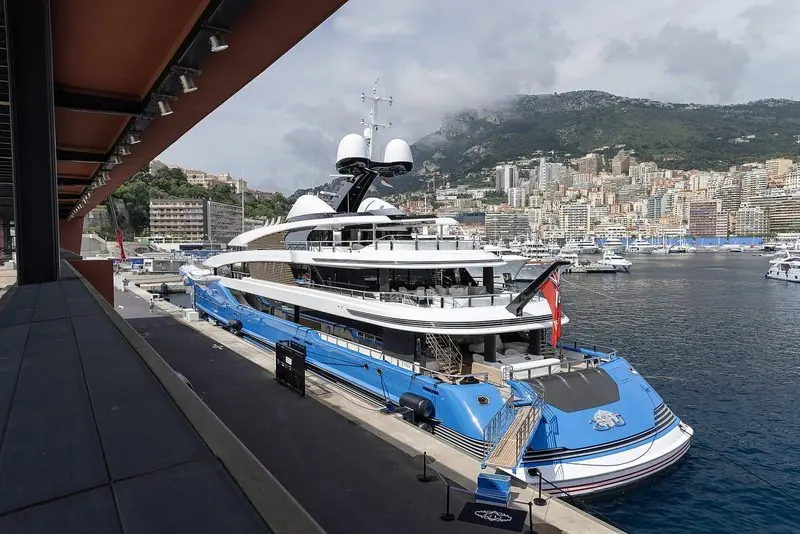
| Yates emblemáticos | Madame Gu, Al Mirqab, Sea Owl |
| Herencia | Andrew Winch se formó con Jon Bannenberg |
| Departments | yacht, aviation (from 2002), architecture (from 2007), visualisation and procurement |
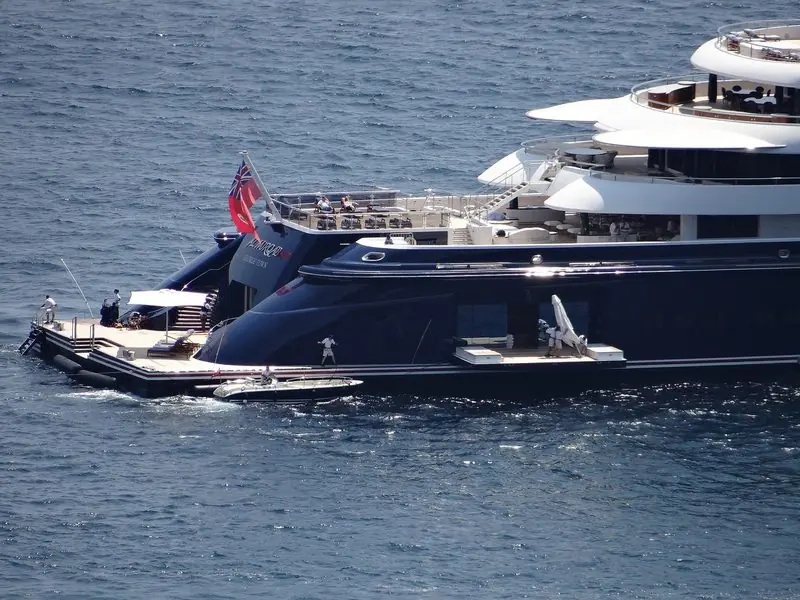
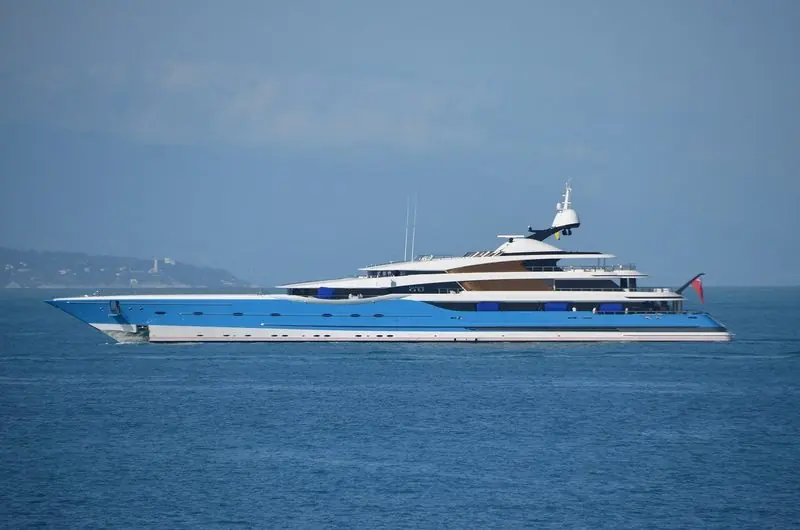
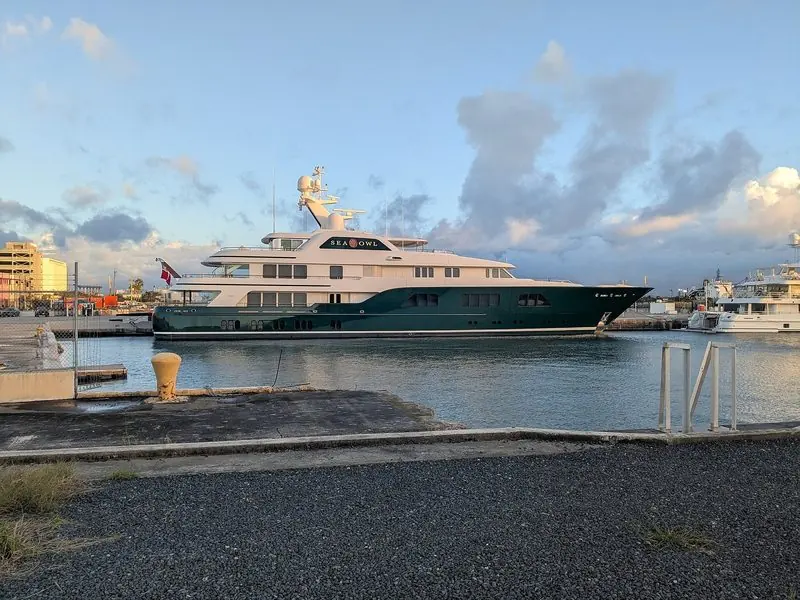
| Feadship work | Madame Gu (99 m, 2013) and Sea Owl (62 m, 2013), both exterior and interior |
| Largest interior | Dilbar (156 m, Lurssen, 2016), the greatest interior volume ever delivered in a yacht |
| Workload | 33 projects in build in 2024, 15 of them yachts, by the studio's own count |
| Recognition | Andrew Winch took the Lifetime Achievement Award at the BOAT Design and Innovation Awards on 1 February 2026 |
| Design fee | not published by the studio. Market band is 1 to 5 per cent of build cost for the designer and 2 to 4 per cent for project management, both outside a yard's quoted price (SuperYachtReview 2026 price guide, updated March 2026) |
| A single mandate covering exterior, interior, procurement and art sits at the upper end of that band, because it replaces three or four separate appointments | |
| Copyright normally stays with the studio and the owner licenses one hull. A second hull to the same design attracts a royalty of about 1 to 1.5 per cent of its price under published naval architecture practice (Marsh Design and Sponberg Yacht Design fee terms, read 28 July 2026) | |
Una casa londinense con raíces profundas
Andrew Winch se formó con Jon Bannenberg, el diseñador al que a menudo se llama el padre del superyate moderno, antes de establecerse por su cuenta. Fundó Andrew Winch Designs en 1986 junto a su mujer, Jane, empezando por el interior y el exterior de un pequeño velero Swan. La consulta pasó a llamarse Winch Design en 2015, cuando su alcance se amplió. Creció desde un arranque de dos personas hasta un estudio de más de 150. Ese comienzo de matrimonio dio al estudio una cultura personal que ha conservado mientras crecía.
Durante tres décadas la oficina trabajó desde el antiguo parque de bomberos de Barnes, a orillas del Támesis, y en 2024 se mudó a una sede mayor en Putney. El equipo cubre hoy yates, aviones privados y arquitectura en tierra desde el mismo edificio. Ese rango es poco común y permite al estudio llevar un mismo lenguaje de diseño a objetos muy distintos. En su núcleo la firma sigue siendo una casa de yates, y el mar sigue moldeando buena parte de su pensamiento. Jane Winch ha ayudado a dirigir el negocio junto a su marido desde el primer día.
Oficio, relato y detalle
Winch es conocida por interiores construidos alrededor de un relato, donde cada material y cada acabado sirven a un tema que ha elegido el armador. El estudio invierte mucho en artesanía y en el detalle fino de la ebanistería, la metalistería y los tejidos. Sus exteriores tienden a la elegancia y el equilibrio antes que a la agresividad, tanto en un velero como en un gran yate a motor. El resultado es un trabajo que se percibe meditado y personal en lugar de ostentoso. Un proyecto suele empezar por un color, un lugar o una época, y el interior crece a partir de esa única idea.
La oficina trata cada encargo como una página en blanco y se resiste a repetir una fórmula de la casa. Los veleros siguen formando parte de la cartera, lo que mantiene al estudio fluido en la disciplina de las estructuras ligeras y el aparejo. Ese poso de vela alimenta una ligereza de mano que se traslada a los yates a motor. Los armadores acuden a Winch cuando quieren un interior rico y a medida con una idea coherente detrás. Ese método narrativo ha quedado estrechamente ligado al nombre del estudio con los años.
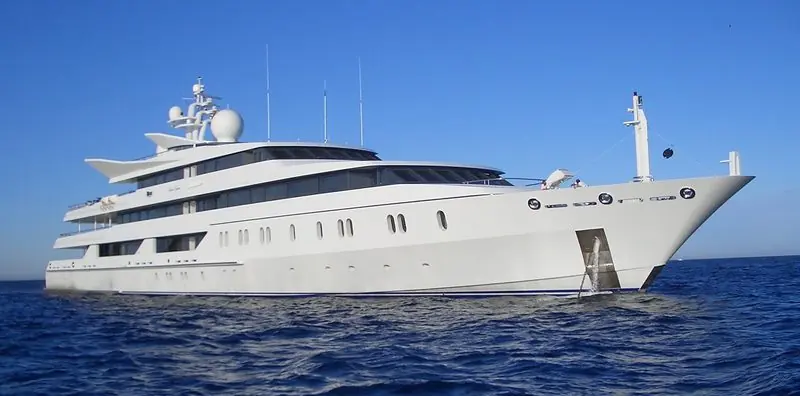
Un mismo lenguaje de diseño para un yate, un avión y la casa en tierra.
Yates premiados
El Madame Gu de 99 metros, construido por Lurssen, está entre los proyectos más celebrados del estudio, un yate a motor audaz y escultórico. Al Mirqab, un yate de 133 metros, ganó un World Superyacht Award y mostró al estudio trabajando a la mayor escala. Sea Owl, un Feadship de 62 metros, es otro premiado y un favorito por su interior detallado y con carácter. Estos proyectos conviven con una larga lista de yates de vela y de motor distinguidos. Trabajar a la mayor escala en el Al Mirqab confirmó que el estudio podía llevar su gusto al tamaño.
La oficina ha colaborado con arquitectos navales y estilistas exteriores de prestigio, entre ellos Tim Heywood, Philippe Briand y De Voogt Naval Architects. Esa disposición a compartir crédito refleja un estudio centrado en la experiencia final antes que en la autoría exclusiva. Su historial incluye World Superyacht Awards y premios ShowBoats en muchas botaduras. La amplitud de obra reconocida es de las mayores del diseño náutico británico. Sostener ese reconocimiento a lo largo de tantas botaduras es raro en cualquier casa de diseño.
Cómo trabaja el estudio
Winch se presenta como una casa de servicio completo capaz de asumir el interior, el exterior e incluso la casa y el avión del armador. Ese punto único de contacto atrae a compradores que quieren una misma estética en todo su mundo. El estudio se asocia con astilleros de referencia en Países Bajos, Alemania y otros lugares según el proyecto. Se maneja bien liderando un interior mientras otra firma lleva la arquitectura naval. Un solo interlocutor para yate, avión y casa es un atractivo real para armadores muy ocupados.
El proceso de diseño se apoya en un diálogo estrecho y largo con el armador para sacar el relato que guiará el proyecto. Grandes equipos internos de materiales, iluminación y detalle sostienen esa conversación. Esa profundidad permite al estudio entregar interiores de complejidad real sin perder la idea original. Es una manera de trabajar hecha para armadores que disfrutan implicándose en el proceso. Muchos clientes vuelven para un segundo o tercer proyecto, lo que dice mucho de esa relación.
Un pilar del diseño británico
Winch Design está entre el puñado de estudios que definen el diseño británico de superyates, junto al legado del maestro de su fundador. Su tamaño, sus premios y su alcance hasta los aviones y la arquitectura la separan de los talleres más pequeños. La firma se ha convertido en una escuela cuyos antiguos empleados pueblan el resto del sector. Esa influencia se extiende mucho más allá de los yates que firma. Su alcance entre yates, aviones y edificios es insólito en una casa de diseño de cualquier tipo.
La entrada en la aviación y en el inmobiliario ha ampliado el negocio sin diluir su núcleo marino. Los armadores siguen siendo lo primero en los yates, y el estudio continúa botando nuevas construcciones importantes. Andrew Winch sigue siendo la figura que guía el nombre. La casa parece llamada a permanecer cerca del centro del mercado. Andrew Winch sigue siendo la figura rectora cuyo ojo aún da forma a lo que sale del estudio.
Sail, which the studio never left
The office began on a sailing yacht and has kept the discipline. Winch drew the original interior for Hetairos, the 42.8 metre mahogany ketch built by Abeking and Rasmussen in 1993 to a Bruce King design and now sailing as Asgard. She is the longest mahogany yacht in the world and took 662 working days to build. Her interior was later reworked in a 2014 refit by Rhoades Young Design, whose principal had been the Winch project manager on the original build.
The studio is still taking sail seriously. Sky, revealed with Royal Huisman in November 2025, is an 81 metre sloop with naval architecture and exterior by Malcolm McKeon Yacht Design and the interior by Winch, an aluminium hull with a lift keel and a carbon Rondal rig standing around 93 metres. It would be the tallest sloop rig in the world. It is a design ready to build and had not been commissioned when it was announced, with a delivery estimate of 2030 for whoever orders it.
One hand across yacht, jet and house
The aviation studio has been running since 2002 and has produced cabin work for narrow-body and wide-body private conversions, including a Boeing 787 concept developed with Lufthansa Technik. The architecture studio, from 2007, does houses and estates. An owner who is fitting out an aircraft, building a house and commissioning a yacht within the same five years can run all three through one office.
The value in that is real but narrow. It gets an owner a consistent result without briefing three sets of strangers on his taste, his family and his security requirements, which is a conversation most people at this level would rather have once. It does not make any individual discipline cheaper. Owners who want the best available yacht studio and the best available aviation studio, and do not mind that they will not match, should appoint separately.
How a commission runs, and what it actually costs
The method leans on a long opening conversation to find the story the scheme will hang on. That sounds soft and is not. A theme fixed early gives every later decision a test to pass, and it is the mechanism by which a studio of 150 people produces work that still feels like one person made it. Commercially it runs in stages: concept, then design development, then detailing, procurement and site support, each with its own fee and each a place where an owner can stop. The concept stage is the cheap one and it is the one that decides everything, which is the wrong way round for most people's instincts about where to spend attention.
Nobody in this trade publishes a percentage, so the useful number comes from the market guides. SuperYachtReview, updated March 2026, puts the designer's fee at 1 to 5 per cent of build cost and project management at 2 to 4 per cent, both outside the yard's price. A full mandate of this kind, exterior and interior from one office with in-house materials, lighting, art and procurement, sits at the top of that band rather than the bottom, because it is four disciplines under one fee. On a EUR 150 million build the arithmetic is EUR 1.5 million to EUR 7.5 million. Against that, the larger exposure is changes, because every owner revision after the yard has begun engineering is paid for twice, once in drawings and once in yard time.
Recognition, and who it does not suit
Andrew Winch received the Lifetime Achievement Award at the BOAT Design and Innovation Awards in Kitzbuhel on 1 February 2026, and the studio's yachts have taken World Superyacht Awards across three decades, including for Al Mirqab, Madame Gu and Sea Owl. Awards are a useful filter for a buyer and a modest help at resale. They confirm a boat was finished to a standard specialists would defend in public. They say nothing about how a studio behaves in month thirty of a build.
This studio does not suit an owner who wants a small office where the founder does every drawing himself. It is not the obvious choice for a stripped-back minimalist interior, because the work runs richer and more detailed than that. Owners buying a semi-custom hull with a fixed layout will find much of what the studio is good at unavailable to them. Anyone whose main concern is a fast delivery should note that this kind of interior is slow by construction.
Does a Winch interior sell the boat, or the next owner's refit
Both, and it matters which part. The name on the listing helps. It tells a buyer the boat was finished to a standard specialists would defend, and brokers use it. The interior itself is the problem. A narrative-led scheme is authored for one family, and the more successfully it is authored the more specifically it fits them. The second owner inherits a theme he did not choose, executed in materials that are expensive to alter and were never meant to be neutral. Ocean Independence noted on 11 May 2026 that the market does not usually give back the full cost of refit spending, which is the cold way of saying the first owner pays for the interior twice, once to build it and once in the discount when it is sold.
This is not an argument against commissioning one. It is an argument for knowing which decisions are reversible. Joinery, stone and lighting can be replaced. Deck heights, window lines, the position of a lift shaft and the volume given to a beach club cannot, and those are the parts of a Winch scheme that will still be earning their keep for the third owner. An owner who expects to sell inside ten years should push the studio hard on layout and keep the surfaces calmer than the mood boards want. An owner who intends to keep the boat should ignore that advice entirely, because a strongly authored interior is worth more to the person living in it than the discount will ever cost him.
Información práctica
| Design fee | not published; market band is 1 to 5 per cent of build cost plus 2 to 4 per cent project management, both outside the yard price. A single mandate covering exterior, interior, procurement and art sits at the upper end of that band (SuperYachtReview 2026 price guide, updated March 2026) |
|---|---|
| What the studio covers | yacht exterior and interior, plus aviation (from 2002), architecture (from 2007), visualisation and procurement departments, so a single appointment can span the boat, the jet and the house |
| Studio size and structure | more than 150 people, employee-owned since July 2021, based at Parklife House on Deodar Road, Putney since 2024 |
| Copyright | normally stays with the studio; the owner licenses one hull. A second hull to the same design attracts a royalty of roughly 1 to 1.5 per cent of its price under published naval architecture practice (Marsh Design and Sponberg Yacht Design fee terms, read 28 July 2026) |
| Where the work has gone | Feadship (Madame Gu, Sea Owl), Lurssen (Dilbar), and a current workload of 33 projects in 2024 by the studio's own count, 15 of them yachts |
Lo que cuentan armadores y tripulaciones
No independently attributable owner testimony found
search turned up Andrew Winch's own account of client briefs (for example that the owner's car collection shaped the interior of Excellence) and a string of award citations, but no on-the-record quote from a private owner or a named captain assessing the studio's work; clients on yachts of this size (Dilbar, Al-Mirqab, Phoenix2) are almost never named or quoted in the trade press
Yotters research desk
Lo bueno y lo que conviene vigilar
Puntos fuertes
- The largest interior volume ever delivered in a yachtDilbar, 156 m for Lurssen in 2016, is a scale credential no rival studio in this directory can match, and it sits alongside Madame Gu and Sea Owl for Feadship as evidence the studio performs across very different yards
- Employee-owned since July 2021unlike most of this directory's single-founder practices, the studio does not carry all its key-person risk in one name; Andrew Winch sits on the trustee board rather than owning the firm outright, which is a real answer to the succession question an owner should ask any design house
- One mandate for exterior, interior, procurement and even the yacht's aviation and land propertiesan owner who wants the boat, the jet and the house to feel like one project can put all of it through Winch's yacht, aviation and architecture departments rather than coordinating separate firms
- Genuine current capacity33 projects in build in 2024 by the studio's own count, more than 150 staff and a February 2026 Lifetime Achievement Award for Andrew Winch, all pointing to a studio still winning major commissions rather than living on a past reputation
A tener en cuenta
- Scale cuts against intimacyat 150-plus people and 33 live projects, an owner is not getting the founder's undivided attention the way a client of a fifteen-person studio like Terence Disdale Design does; ask who the actual project lead will be before signing
- A single-mandate fee sits at the top of the market bandthe studio's own key facts put a combined exterior, interior, procurement and art appointment at the upper end of the 1 to 5 per cent SuperYachtReview band, because it is replacing three or four separate contracts an owner would otherwise let
- No naval architecturehull engineering is not a discipline the studio lists; it has to be appointed and coordinated separately, the same constraint as most of the interior-and-exterior houses in this directory
- No independent owner commentary to check the work againstbecause clients at this end of the market are rarely named or quoted, a prospective owner has to rely on awards and repeat business rather than a first-hand account of what it is like to work with the studio
Para quién es: Armadores que buscan un interior ricamente detallado y guiado por un relato, y una sola mano de diseño para yate, avión y casa.