Zuccon International Project
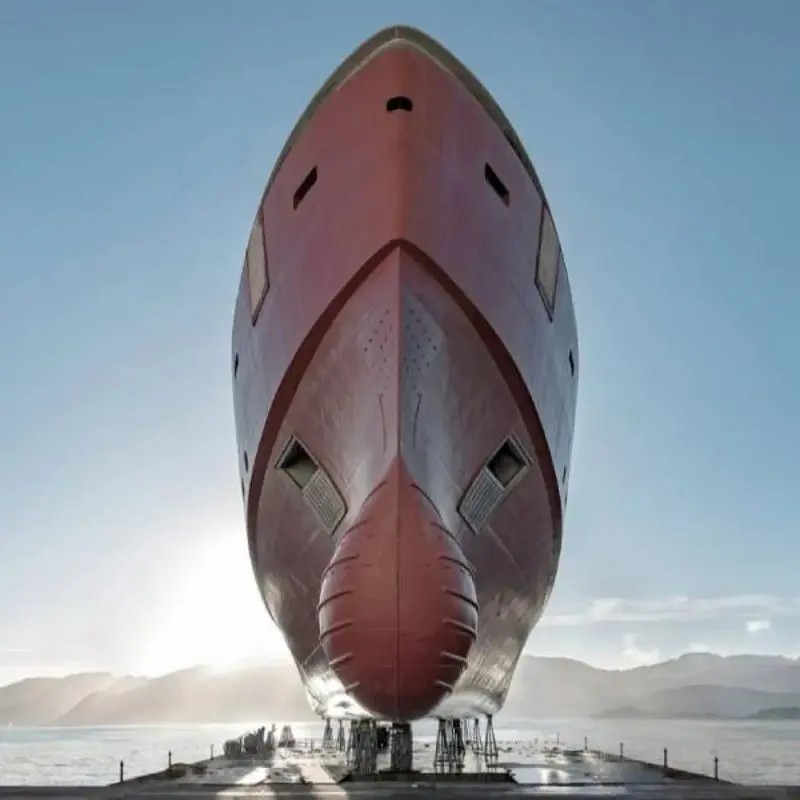
| Fundadores | Gianni Zuccon y Paola Galeazzi |
|---|---|
| Fundación | 1984 (trabajando juntos desde principios de los años setenta) |
| Sede | Roma, Italia |
| Dirigido ahora por | Martina y Bernardo Zuccon |
| Disciplinas | arquitectura, diseño naval, interiores y exteriores |
| Yates emblemáticos | Chopi Chopi (80 m, CRN), Cloud 9 (CRN) |
| Conocido por | una larga sociedad con el grupo Ferretti |
| Yard relationships | the Ferretti Group brands CRN, Custom Line and Ferretti Yachts, plus Sanlorenzo and Bluegame |
| Largest yacht | Chopi Chopi, 80 m, CRN, 2013, exterior by Zuccon over an interior by Studio Laura Sessa |
| Cloud 9, 74 m, CRN, delivered May 2017 | exterior styling by Zuccon, exterior guest areas and interior decoration by Winch Design |
| Sanlorenzo SL102 Asymmetric, 2018 | the first asymmetrical motor yacht, exterior and interior by the studio |
| Recognition | Bernardo and Martina Zuccon took the Compasso d'Oro in 2024 for the Sanlorenzo SP110 |
| Team | around 20 people at the Rome studio, in a villa the practice restored and moved into around 2021 (BOOTE, Norman Kietzmann, 11 November 2023) |
| On yard models the design fee sits inside the boat price and further hulls are covered by a royalty, put at roughly 1 to 1.5 per cent of each boat under published naval architecture practice (Marsh Design and Sponberg Yacht Design terms, read 28 July 2026) | |
| For an owner's own commission the market band is 1 to 5 per cent of build cost, with project management a further 2 to 4 per cent, both outside the yard price (SuperYachtReview 2026 price guide, updated March 2026) | |
Una casa de diseño romana
Gianni Zuccon y su difunta esposa Paola Galeazzi llegaron al diseño de yates desde la arquitectura y fundaron formalmente el estudio en 1984. La pareja había empezado a diseñar yates junta a principios de los años setenta, mucho antes de que la firma tomara su nombre. La oficina tiene su base en Roma y trabaja en la arquitectura y el diseño de yates desde el concepto hasta la entrega. Su cartera suma cientos de yates semipersonalizados y custom. Ese volumen de trabajo a lo largo de cuatro décadas está entre los mayores de cualquier estudio italiano.
El estudio sigue siendo un asunto de familia, y Martina y Bernardo, hijos de Gianni y Paola, dirigen ahora la consulta. Esa continuidad ha mantenido una filosofía coherente a lo largo de cuatro décadas de trabajo. El equipo ha crecido hasta ser una oficina multidisciplinar de tamaño considerable. Sus raíces arquitectónicas siguen marcando cómo aborda un yate. Los fundadores se formaron primero como arquitectos y llevaron ese pensamiento al agua.
Arquitectura que flota
Zuccon trata un yate como una pieza de arquitectura, con un interés marcado por cómo se mueve y vive la gente en los espacios. El estudio prefiere el cristal generoso, una relación estrecha con el mar e interiores que resulten abiertos y habitables. Sus exteriores son elegantes y contenidos antes que agresivos. Esa sensibilidad mesurada y arquitectónica recorre tanto su obra de serie como la custom. El estudio diseña para cómo vive de verdad una familia a bordo y no para el escaparate.
La oficina piensa la luz, el volumen y la relación entre cubiertas igual que un arquitecto piensa las habitaciones y las plantas. Eso ha hecho que sus yates se sientan amplios y serenos por dentro. El enfoque encaja con armadores que quieren una casa en el mar más que una declaración de velocidad. Es una lectura discretamente italiana del lujo. En los interiores que dibuja, el confort y la luz natural van por delante del espectáculo.
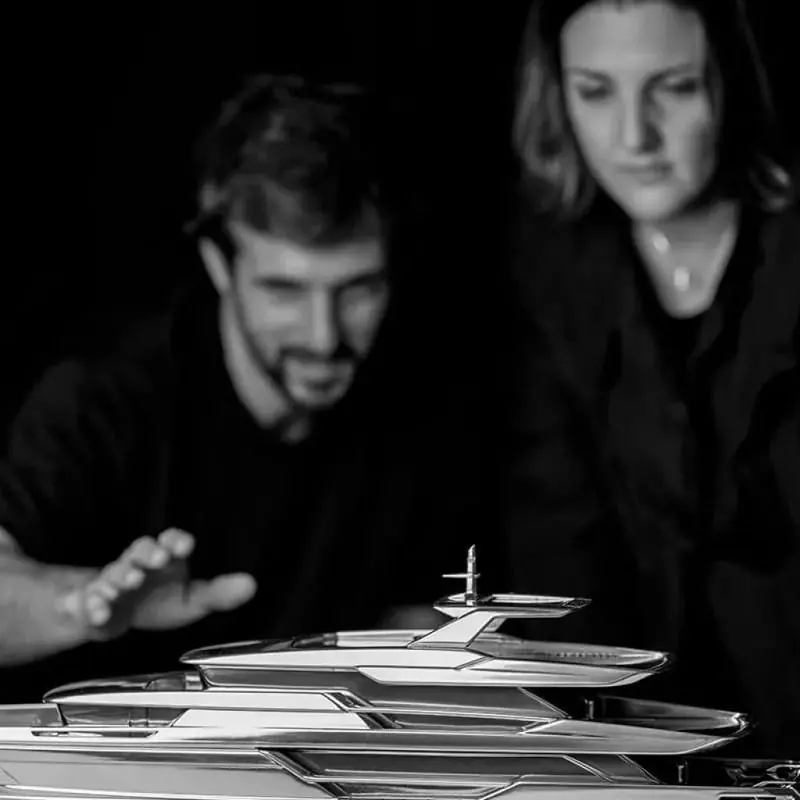
Un yate dibujado como un edificio, con la luz y el espacio por delante de todo.
De Posillipo al Chopi Chopi
El debut náutico del estudio llegó en los años setenta al ganar un concurso de Cantieri di Posillipo, del que salió una primera serie de yates que asentó su nombre en Italia. Después vino una larga sociedad con el grupo Ferretti, que dio muchos modelos de serie en las marcas del grupo. El Chopi Chopi de 80 metros, construido por CRN, es el mayor proyecto del estudio y un yate custom de referencia. Cloud 9, también de CRN, es otra entrega grande destacable. El paso a los yates custom mayores creció sobre una base profunda de trabajo en serie.
A lo largo de las décadas la oficina ha dado forma a un número muy alto de cascos, de barcos de serie medianos a grandes yates custom. Su trabajo para Custom Line y otras marcas de Ferretti ha puesto el aire Zuccon en el agua en cantidad. Esa combinación de volumen con algún buque insignia ocasional es poco habitual. Refleja un estudio igual de cómodo en el diseño de serie que en el de una sola unidad. Pocas consultas se mueven con tanta soltura entre un barco de serie pequeño y un custom de 80 metros.

Astilleros, series y armadores
La relación profunda de Zuccon con el grupo Ferretti es central en su negocio y le da una cartera estable de trabajo en serie. Diseñar yates de serie exige disciplina de coste y repetibilidad, algo que el estudio ha dominado a lo largo de muchos modelos. En proyectos custom como el Chopi Chopi trabaja de tú a tú con un armador y un astillero. La oficina se mueve con comodidad entre estas dos maneras muy distintas de trabajar. La oficina alterna trabajo de serie y custom con más soltura que la mayoría de las casas.
Su formación arquitectónica ayuda al traducir la manera de vivir de un armador en una disposición general. El estudio está acostumbrado a guiar a los compradores por las decisiones que definen los volúmenes interiores de un yate. Su larga experiencia con astilleros italianos le da un buen conocimiento de sus métodos constructivos. Esa soltura mantiene sus diseños construibles y dentro del presupuesto. Conocer los métodos de un astillero desde dentro le ayuda a evitar sorpresas caras durante la construcción.
Una presencia fija de la náutica italiana
Con cientos de yates a su nombre, Zuccon es una de las casas de diseño más asentadas de Italia. Su influencia se nota tanto en gamas de serie populares como en yates custom de titular. El estilo firme y arquitectónico del estudio ha envejecido bien a lo largo de cuatro décadas. Esa coherencia es la base de su posición. El aire Zuccon ha seguido siendo reconocible aun cuando los gustos a su alrededor han cambiado.
El relevo de la consulta a los hijos de los fundadores ha asegurado su futuro. La oficina sigue diseñando en todo el rango de tamaños para los grandes constructores italianos. Su mezcla de arquitectura y diseño náutico sigue siendo distintiva. Zuccon está tejida en la historia de la náutica italiana moderna. Su influencia llega a armadores que quizá nunca lleguen a saber el nombre del estudio.
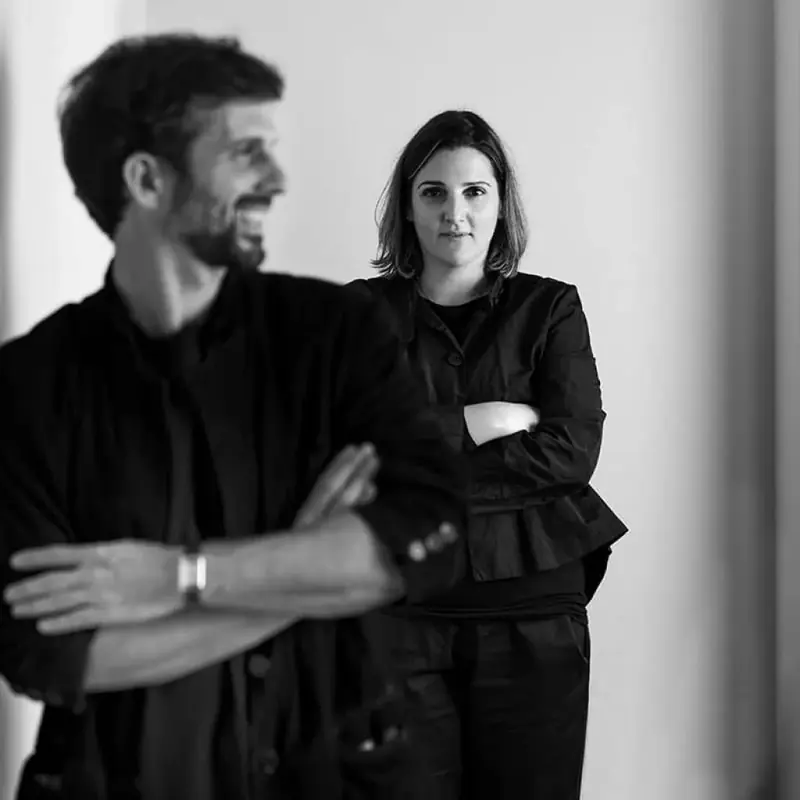
Custom Line, and design at volume
The deeper commercial relationship is with the Ferretti Group. The studio has drawn the Custom Line range, including the Navetta models, along with boats for Ferretti Yachts. These are semi-custom and production hulls built in numbers, where the platform is fixed and the buyer chooses layout, finish and equipment.
Series work imposes a discipline that custom work does not. A shape has to be tooled, repeated and built to a price, and a designer who cannot work inside those limits is no use to a production yard. The benefit runs back the other way for a custom client, because a studio that has justified every curve to a production accountant tends to have a clear view of which expensive decisions actually improve a boat. It also means the Zuccon hand is on a very large number of hulls afloat, most of whose owners could not name the studio.
Sanlorenzo, Bluegame and the Compasso d'Oro
The Sanlorenzo relationship has become the centre of the studio's recent work, alongside Bluegame. Beyond the SL102 Asymmetric, the studio has drawn a long list of Sanlorenzo deliveries including the 43.89 metre Annabella in 2021 and Lady Lu in 2023. In June 2024 Bernardo and Martina Zuccon took the Compasso d'Oro for the Sanlorenzo SP110, on which they drew the exterior and Lissoni and Partners the interior.
The Compasso d'Oro is worth explaining, because it is not a yachting prize. It is Italy's oldest and most serious industrial design award, judged against furniture, cars and consumer products, and boats very rarely win it. For an owner it is a more meaningful signal than most trade trophies, since the jury has no commercial relationship with the marine industry at all.
How a commission runs, and what it costs
Most projects arrive one of two ways. Either an owner has chosen a yard and brings the studio in, or the yard is developing a model and appoints the studio to draw it. Those two routes have completely different commercial shapes. On a yard model the design fee is inside the boat price, negotiated between the studio and the builder and never seen by the buyer, and further hulls are normally covered by a royalty, which published naval architecture practice puts at roughly 1 to 1.5 per cent of each boat's price. On a private commission the owner signs and pays a design contract of his own, in stages, before any build contract exists.
Neither route has a published scale. The market band for an owner's own designer is 1 to 5 per cent of build cost, plus 2 to 4 per cent for project management, both outside the yard's quoted price, per the SuperYachtReview guide updated March 2026. On a semi-custom Italian boat an owner is at the bottom of that or outside it entirely, because he is buying a platform someone else paid to design. The expensive number is change. Every revision to the general arrangement after the yard has begun engineering is paid twice, once in drawings and once in yard time, and Italian yards price late changes without sentiment.
Recognition, and who it does not suit
Beyond the Compasso d'Oro, the SL102 Asymmetric was included in the ADI Design Index in 2019, which is the shortlist that award is drawn from. The studio's standing inside Italy is very high and its name carries less weight with buyers outside it. Awards help modestly at resale and confirm a standard of finish. They say nothing about how a studio behaves in the second year of a build.
This office does not suit an owner who wants a designer with his own naval architecture team and control over the hull. It is not the place for a hard, aggressive profile or for someone who wants his boat to be the loudest thing in the anchorage. Owners commissioning above 80 metres will find the portfolio stops there. Anyone building outside Italy will also be taking the studio away from the yards it knows best.
What the Zuccon name does at resale, which is less than the yard's
On a semi-custom Italian boat the honest answer is that the designer's name makes almost no difference. Buyers and valuers price the yard, the year, the volume and the condition. Ocean Independence, writing on 11 May 2026, lists builder pedigree, accommodation, technical specification, paint condition and maintenance history as what moves a valuation, and does not list the studio at all. A CRN or a Sanlorenzo sells as a CRN or a Sanlorenzo. What the studio contributes is indirect and real: ceiling height, daylight and the movement between decks are the things a viewer notices in ten minutes aboard without being able to name them.
The exception is the asymmetric. The SL102 removed a side deck to gain interior beam, which is a genuine gain and a genuine narrowing of the buyer pool, because a boat that is unlike its comparables is harder to value and easier to argue about. Ocean Independence also warns that yachts positioned above realistic market levels lose momentum rather than gaining leverage, and an unusual layout is exactly where a seller talks himself into an unrealistic number. Anyone buying an asymmetric hull should treat the extra beam as something bought for use, not for resale.
Información práctica
| Two different commercial routes | On a yard model (CRN, Custom Line, Sanlorenzo) the design fee sits inside the boat price and is never itemised to the buyer; further hulls are typically covered by a royalty of roughly 1 to 1.5 per cent of each boat's price to the studio |
|---|---|
| A private commission | An owner appointing the studio directly pays a separate design contract, market band 1 to 5 per cent of build cost plus 2 to 4 per cent for project management, both outside the yard's price (SuperYachtReview 2026 price guide) |
| What is not included | Naval architecture is normally the yard's own department, CRN, Sanlorenzo and Ferretti all run their own engineering. Performance figures belong to the build contract, not the design contract |
| The expensive mistake | Changes to the general arrangement after the yard begins engineering are paid twice, once in drawings and once in yard time. Italian yards price late changes without sentiment |
| Where the studio works | Rome, Italy, around 20 people, in a villa the practice restored and moved into around 2021 |
| Portfolio ceiling | Largest delivered yacht is Chopi Chopi at 80 metres (CRN, 2013); an owner building above that size is outside the studio's track record |
Lo que cuentan armadores y tripulaciones
The asymmetry disappears from normal viewing angles
Sea-trial reviewers needed two SL102s side by side to see the missing side deck at all. The extra saloon space reads as a bigger boat, not a visibly lopsided one.
Yachting Magazine
Lo bueno y lo que conviene vigilar
Puntos fuertes
- Succession already happenedBernardo and Martina Zuccon took over from their parents progressively over years, not in a single handover. Unlike several one-person studios in this directory, the key-person risk here is already settled.
- Volume experience feeds the custom workDrawing production Custom Line and Ferretti hulls at scale gives the studio a cost-tested view of which expensive design decisions actually improve a boat.
- An award judged outside yachtingThe 2024 Compasso d'Oro for the Sanlorenzo SP110 is Italy's oldest industrial design prize, judged against furniture and cars by a jury with no commercial tie to the marine industry. That is a rarer signal than a yachting trophy.
- Genuine innovation, not just stylingThe SL102 Asymmetric's single side deck is a real functional trade, about 25 square metres of extra saloon space, and it reads as balanced rather than lopsided from normal viewing angles.
A tener en cuenta
- No naval architecture of its ownSpeed, range, fuel burn and sea-keeping are the yard's numbers on the build contract; an owner should not assume the designer stands behind performance guarantees.
- The name adds little at resale on semi-custom hullsBuyers and valuers price the yard, the year, the volume and the condition. Ocean Independence's 11 May 2026 valuation factors don't list the studio at all.
- The asymmetric layout narrows the buyer poolA hull that doesn't match its comparables is harder to value and easier to argue down; the extra beam should be bought for use, not resale.
- Portfolio stops at 80 metresOwners building above that size, or outside Italy, are outside both the studio's track record and its closest yard relationships.
Para quién es: Armadores que quieren un yate arquitectónico y lleno de luz, de un estudio fluido tanto en obra de serie como custom.