Alaska & the Inside Passage
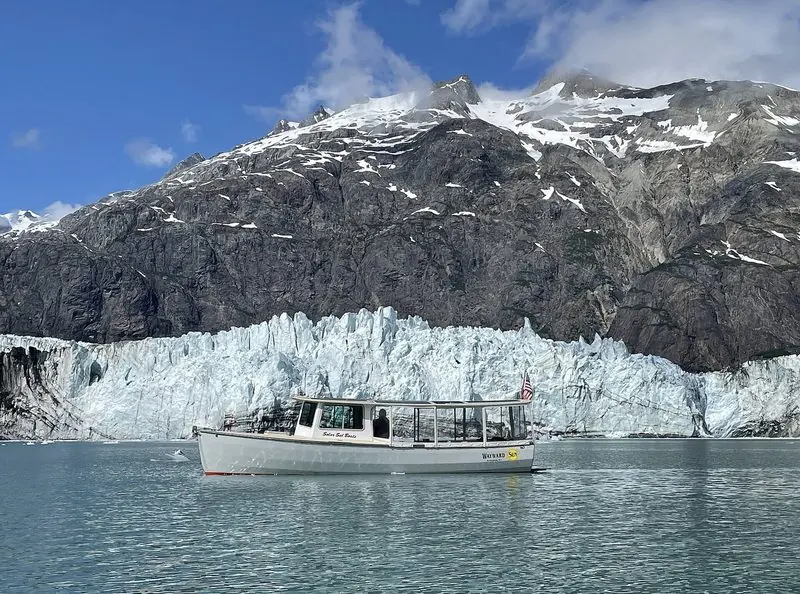
| Регион | Внутренний проход от Пьюджет-Саунда и Британской Колумбии до юго-восточной Аляски |
|---|---|
| Маршрут | свыше 1 000 миль от Сиэтла до Скагуэя, почти весь под прикрытием островов |
| Сезон | с конца мая до начала сентября |
| Разрешение в Глейшер-Бей | 25 разрешений для частных судов в сутки, требуется с 1 июня по 31 августа, максимальный срок пребывания пять суток |
| Право на разрешение в Глейшер-Бей | разрешения выдают судам под управлением владельца или во фрахте без экипажа, коммерческая деятельность с платными пассажирами права на них не даёт |
| Подача заявок в Глейшер-Бей | лотереи открыты с 1 по 31 января и с 1 по 15 марта, разрешения по короткому уведомлению разыгрываются в ежедневной лотерее за трое суток |
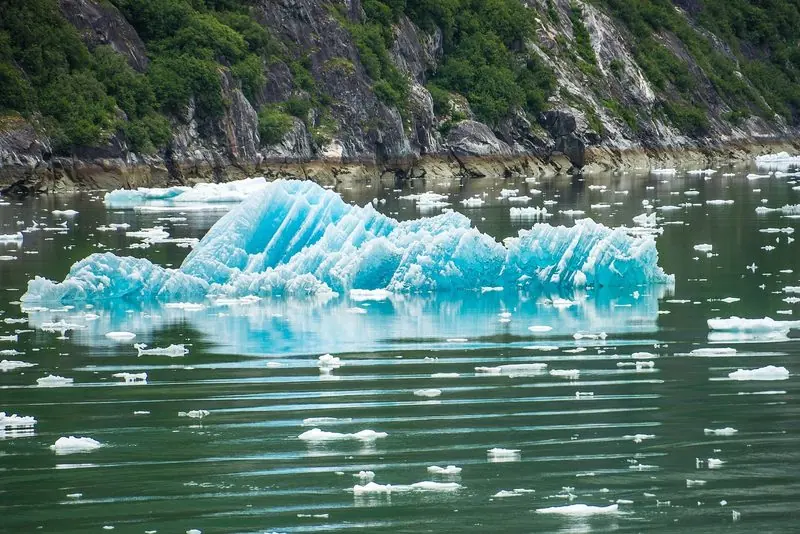
| Трейси-Арм | свыше 30 миль длины, примерно в 45 милях к югу от Джуно, летом лёд от размера ладони до размера трёхэтажного дома |
| Seymour Narrows | течение до 15 узлов в проливе шириной около 750 метров, проходят на полной воде |
| Осадки | в Кетчикане в среднем 3 798 мм в год, и его называют дождевой столицей Аляски |
| Трафик | Кетчикан принял более 500 заходов круизных судов и свыше 1 073 000 посетителей в 2018 году |
| Стоянки | специализированной суперъяхтенной марины в юго-восточной Аляске нет, крупные яхты становятся на якорь или договариваются о месте у коммерческого причала |
| Аэропорты | Джуно, Кетчикан и Ситка, а дальними воротами служат Анкоридж и Сиэтл |
| Berth cost | Juneau Docks and Harbors FY26 reservation rate at the Intermediate Vessel Float and Statter Harbor breakwater, 1 May to 30 September, USD 6.24 per foot per day for vessels of 65 ft and over from 1 April 2026 |
| Juneau harbour tariff | 79 cents per foot a day and USD 5.75 per foot a calendar month at Douglas, Harris and Aurora Harbors from 1 July 2026, on slips built for the fishing fleet |
| Shore power at Juneau | USD 32.72 a day for 50 amp, USD 112.58 for 100 amp at 208 V and USD 259.19 for 100 amp at 480 V from 1 July 2026, plus 5 per cent local sales tax |
| Charter | the PVSA penalty is USD 300 per passenger under 19 CFR 4.80, inflation-adjusted to USD 996 per passenger for 2025, and a commercially operated yacht is separately ineligible for a Glacier Bay private vessel permit |
| Cruising licence | 19 CFR 4.94, valid up to one year, private use only, with a Canadian clearance in each direction on the Inside Passage |
| Nearest lift | Ketchikan Shipyard, operated by Vigor, drydock rated at 10,000 tons taking vessels to 460 ft, with a second dock of 2,500 tons |
| Discharge | 33 CFR 159.309 permits treated sewage or graywater from a cruise vessel in Alaskan waters only under way at 6 knots or more and at least one nautical mile from shore |
| Discharge permit | Alaska's Commercial Passenger Vessel Environmental Compliance programme bars small commercial passenger vessels from discharging treated sewage, graywater or other wastewater in Alaska waters without a state permit |
| Cruise traffic | Ketchikan was reported to expect about 1.47 million passengers and over 500 ship calls in 2025, and was forecast in March 2026 to exceed 1.6 million in 2026 |
Форма прохода
От Пьюджет-Саунда маршрут идёт на север через Салишское море и пролив Джорджия, вверх с внутренней стороны острова Ванкувер через пролив Джонстон, вдоль побережья Британской Колумбии за островами Принсесс-Ройал и Питт и в архипелаг Александра на юго-востоке Аляски. Почти всё это прикрыто островами. Есть два или три открытых участка, куда достаёт Тихий океан, а остальное - ровная вода с горами по обе стороны.
Из конца в конец это больше 1 000 миль, и расстояния - первое, с чем владельцу придётся смириться. Кетчикан, первый аляскинский порт, лежит примерно в 600 милях к северу от Сиэтла. Джуно ещё в 250 за ним. Ничто в этом районе не сжато, и лодка проводит на ходу настоящие часы. Проходом ежегодно пользуются около 36 000 прогулочных судов, и почти все они меньше 20 метров.
Неделя и три недели
Неделя здесь работает только как отрезок. Гости прилетают в Джуно, лодка везёт их на юг в Трейси-Арм и Эндикотт-Арм ради ледников, на запад через пролив Фредерик ради горбатых китов и выпускает в Ситке или Питерсберге. Это полная и очень хорошая неделя, и она требует, чтобы яхта до того уже две недели шла на север.
Честная цифра для всего маршрута - три-четыре недели, от Сиэтла или Ванкувера до Глейшер-Бей и обратно, и большинство владельцев, которые делают это как следует, гонят лодку на север с экипажем в мае, а гостей завозят и вывозят блоками в течение июня, июля и августа. Яхта, пришедшая с тихоокеанского побережья Мексики или из Японии, уже обязалась провести здесь сезон. Это не тот район, в который лодка заскакивает на десять дней.
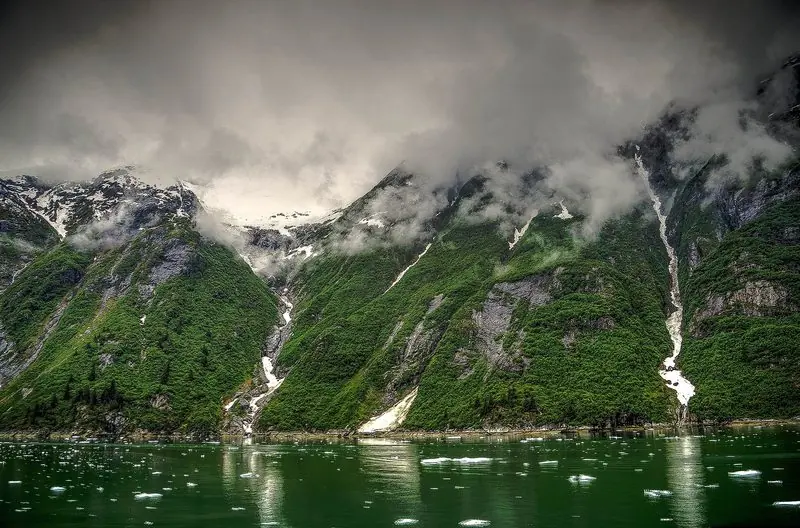
Двадцать пять разрешений в сутки на лучшую часть района и приливные ворота, которые решают, когда лодка выйдет.
Глейшер-Бей и разрешение
Глейшер-Бей - главная декорация, и доступ туда нормирован. В сутки выдаётся двадцать пять разрешений для частных судов, пятнадцать по предварительной заявке и десять по короткому уведомлению, и разрешение требуется, чтобы пройти севернее линии между мысами Point Gustavus и Point Carolus с 1 июня по 31 августа. Предварительные разрешения распределяются лотереей в январе и ещё раз в первой половине марта, а остаток отдают по принципу живой очереди. Разрешения по короткому уведомлению разыгрываются в скользящей ежедневной лотерее за трое суток. Максимальный срок пребывания - пять суток.
Владельцев ловит пункт о праве на разрешение. Разрешения выдают судам под управлением владельца или во фрахте без экипажа, а лодка с платными пассажирами или работающая коммерчески права на них не имеет. Яхта в коммерческом регистре, которая ходит в чартер, просто так подать заявку не может. Все, кто заходит, обязаны пройти ежегодный инструктаж для судоводителей, докладывать о приходе и отходе в Bartlett Cove по УКВ и соблюдать ограничения по скорости и курсу в водах китов, которые парк вводит в течение сезона ради горбачей.
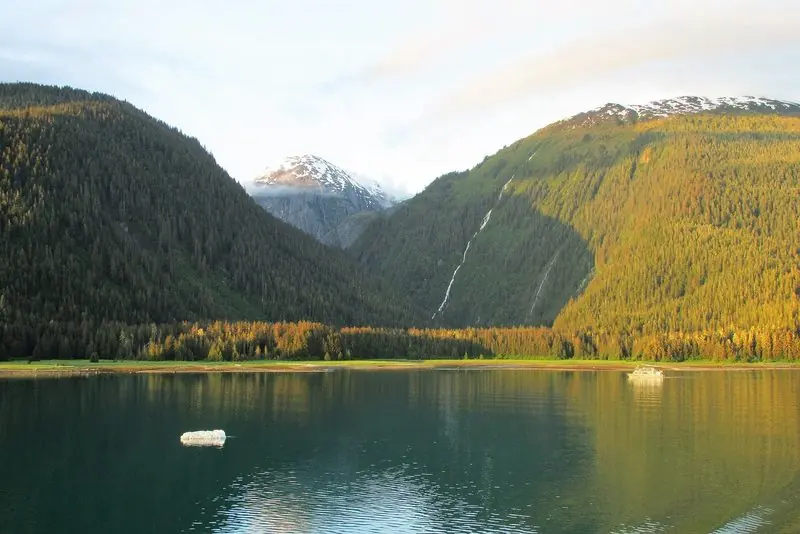
Фьорды и стоянки, ради которых стоит идти
На первое место большинство владельцев ставит Трейси-Арм. Свыше 30 миль гранитных стен примерно в 45 милях к югу от Джуно, заканчивающихся двумя ледниками Сойер, с плавучим льдом от размера ладони до кусков размером с трёхэтажный дом. Лёд здесь и есть ограничитель, и яхта заходит настолько, насколько лёд позволяет, и ни на метр дальше. Соседние Эндикотт-Арм и ледник Доус дают то же самое при меньшем числе лодок.
Южнее вход в Princess Louisa Inlet на берегу Британской Колумбии проходят через Malibu Rapids на полной воде, а заканчивается он у водопада Chatterbox Falls, и вокруг него стоит планировать целый день. В Desolation Sound самая тёплая вода на всём побережье. Архипелаг Броутон и дождевой лес Great Bear дают дни пустых стоянок с медведями на берегу. На Аляске экипажи возвращаются к горячим источникам острова Баранова, к Red Bluff Bay и к бухтам вдоль пролива Чатем.
Где помещается 50-метровая лодка, а где нет
Специализированной суперъяхтенной марины в юго-восточной Аляске нет. У Джуно, Ситки, Кетчикана и Питерсберга есть гавани, построенные под коммерческий рыболовный флот, с пальцевыми причалами соответствующего размера. 50-метровая яхта договаривается через агента о месте у коммерческого или круизного причала либо становится на якорь, и на якоре она стоит большую часть времени. Глубины во фьордах часто слишком велики, чтобы вообще встать на якорь близко к вершине, так что хорошие места конкретны и известны.
Исключение - Ванкувер и Сиэтл на южном конце, с нормальными маринами, глубокими стоянками и полным сервисом. Всё, что севернее, постепенно становится тоньше. Лучше всего здесь работает лодка с большой дальностью, хорошими тендерами, сильной радиолокационной картиной и экипажем, которому не в новинку встать на якорь на 25 метрах и завести кормовой конец на дерево. Надводный габарит и ширина здесь не важны. Ограничения - лёд, течение и отсутствие мест, где можно ошвартоваться.
Погода, приливы и течения
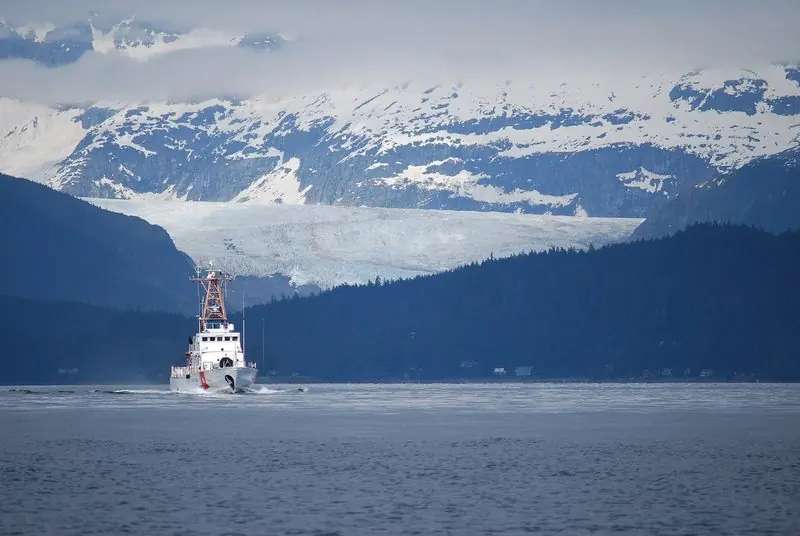
Это дождевой берег. В Кетчикане в среднем 3 798 мм в год, а весь проход облачный, влажный и прохладный. Летняя температура воздуха в хороший день держится около пятнадцати градусов. Туман и низкая облачность здесь постоянные спутники, и расписание гидросамолётов двигается вместе с ними. Владельцу стоит планировать, что будет мокро, и приятно удивляться, когда это не так.
Приливы и течения важнее ветра. Величина прилива в пять метров и больше здесь норма, а воде надо протиснуться через узкие проходы, поэтому ворота вроде Seymour Narrows дают до 15 узлов в проливе шириной около 750 метров и проходятся на полной воде. Капитан Ванкувер назвал это одним из самых мерзких участков воды в мире, и даже после того, как в 1958 году взорвали скалу Ripple Rock, он диктует расписание дня. Круиз здесь идёт по таблицам приливов, а не по часам.
Сезон и что его заполняет
С конца мая до начала сентября, и это весь сезон. Июнь и июль - месяцы длинного светового дня, на севере пригодный свет держится сильно позже десяти вечера. Август приносит местами более устойчивую погоду и ход лосося, а вместе с ним медведей к рекам. К середине сентября лодки идут на юг, а верфи в Сиэтле и Ванкувере забиты возвращающимся флотом.
Конкуренция здесь не с другими яхтами. Она с круизными судами. Кетчикан в 2018 году принял более 500 круизных заходов и свыше миллиона посетителей, а у Джуно, Скагуэя и Ситки нагрузка похожая. Яхта, которая строит свои дни вокруг круизного расписания, видит совершенно другое побережье, чем та, которая этого не делает, и у любого приличного местного агента это расписание есть.
Как доставить гостей на борт и чем они заняты на берегу
У Джуно, Кетчикана и Ситки есть аэропорты с регулярным реактивным сообщением, и обычной точкой смены гостей служит Джуно. Дальние ворота - Анкоридж и Сиэтл, а последнее плечо делают регулярным или чартерным рейсом. Местная валюта здесь - гидросамолёты и вертолёты, и ими пользуется каждая яхта: ради посадок на ледник, ради удалённой рыбалки и ради того, чтобы вывезти гостя, когда погода закрывается.
На берегу привлекают не города. Привлекают наблюдение за медведями в Pack Creek и Anan Creek, вертолётные выходы по ледяным полям, по-настоящему мирового уровня рыбалка на лосося и палтуса и русская церковь Ситки с её парком тотемов на один культурный день. Еда - это рыба, и рыба превосходна. Ночная жизнь - это бар в рыбацком городке. Гости, которым нужна ресторанная сцена, станут несчастны за три дня.
Топливо, поддержка и честный минус
Топливо есть в Кетчикане, Питерсберге, Джуно и Ситке, на причалах, рассчитанных под рыболовный флот, так что крупную заправку согласовывают заранее, а иногда делают с баржи. Снабжение того уровня означает доставку самолётом из Сиэтла. Техническая поддержка на юго-востоке Аляски дельная и практичная, заточенная под коммерческие суда, а серьёзная поломка означает либо привезти специалиста самолётом, либо идти 600 миль на юг. Самое частое, на что жалуются экипажи, - логистика запчастей.
Остальные минусы очевидны. Идёт дождь, холодно, вода непригодна для купания, города маленькие, а круизные суда пришли туда раньше. Глейшер-Бей может и отказать в разрешении. Яхта в коммерческом регистре исключена из системы частных разрешений вовсе. Против этого владелец получает приливные ледники, обламывающиеся в 200 метрах по траверзу, и якорные стоянки, где ни в одну сторону не видно ничего рукотворного, а этот товар с каждым годом становится всё более редким.
What a month costs, on a published municipal tariff
There is no superyacht marina to quote, so the numbers come from the harbour authorities and they are public. Juneau Docks and Harbors publishes its FY26 schedule: 79 cents per foot a day and USD 5.75 per foot for a calendar month at Douglas, Harris and Aurora Harbors from 1 July 2026. Those are fishing-fleet slips and a 50 m yacht will not get one. The tariff that applies to her is the reservation rate at the Intermediate Vessel Float and the Statter Harbor breakwater, running 1 May to 30 September and, from 1 April 2026, charging USD 3.74 per foot per day for vessels under 65 ft, USD 6.24 per foot per day at 65 ft and over and USD 7.47 per foot per day at 200 ft and over. A 164 ft yacht at USD 6.24 is USD 1,023 a day, about USD 31,700 for a month. Shore power is charged on top at USD 32.72 a day for 50 amp, USD 112.58 for 100 amp at 208 volts and USD 259.19 for 100 amp at 480 volts from 1 July 2026, and a 5 per cent City and Borough of Juneau sales tax may apply to all of it.
Against Marina di Porto Cervo's published 2026 tariff, which charges EUR 3,698 a day in the band to 40 m between 1 and 20 August and about EUR 102,000 for the month, Alaska is roughly a third of the price and there is nothing to spend the difference on. The permit that rations the best of the ground costs nothing at all, which is the surprise: Glacier Bay's twenty-five private vessel permits a day are allocated by lottery rather than by price. The costs that do bite are the ones that do not appear on a tariff. A large fuel uplift is arranged in advance and sometimes comes by barge, provisioning at guest standard is flown from Seattle, and the delivery north and south either side of the season is three to four weeks of running that no owner is aboard for.
The PVSA, the permit bar and the yard nobody expects
Two rules exclude a commercially registered yacht from this ground and they compound. The Passenger Vessel Services Act bars a foreign-flagged vessel from carrying passengers between United States points, and the penalty under 19 CFR 4.80 is USD 300 per passenger transported and landed, inflation-adjusted to USD 996 per passenger for 2025. On top of that, Glacier Bay's private vessel permits are issued to owner-operated or bareboat-chartered vessels only, and a vessel carrying paying passengers or operating commercially is not eligible, so a charter yacht is shut out of the best of the park by the park itself rather than by customs. A foreign-flagged yacht cruising privately takes a cruising licence under 19 CFR 4.94, valid up to a year, which lets her move between United States ports without formally entering at each one, and the Inside Passage adds a Canadian clearance in each direction because most of the route is British Columbian water.
The yard position is much better than the reputation of the coast suggests. Ketchikan Shipyard, operated by Vigor, runs a drydock rated at 10,000 tons taking vessels to 460 ft, with a second dock of 2,500 tons and a covered assembly hall. A 50 m yacht can be docked in south-east Alaska, which is not true of the Maldives, French Polynesia or the Grenadines. What Ketchikan does not have is a superyacht paint shed, a joinery shop or the finishing trades, so the honest description is that structural and mechanical work can be done here and cosmetic work cannot.
Discharge, and how busy it now is
Alaska has its own federal discharge standard and it is stricter than the general rule. Under 33 CFR 159.309 a cruise vessel may discharge treated sewage or graywater in Alaskan waters only when under way at not less than 6 knots and not less than one nautical mile from the nearest shore, with fecal coliform not exceeding 20 per 100 millilitres as a geometric mean and total residual chlorine not exceeding 10.0 micrograms per litre. Alaska's own Commercial Passenger Vessel Environmental Compliance programme goes further for small commercial passenger vessels, which may not discharge treated sewage, graywater or other wastewater in Alaska waters without a state permit. A yacht carrying paying passengers is inside that regime. A private yacht is outside the letter of both and inside the culture of neither, because the fjord anchorages have no flushing and everybody notices.
The traffic picture has also moved a long way, and any planning built on figures from the last decade is wrong. Ketchikan was reported to expect about 1.47 million cruise passengers across more than 500 ship calls in 2025, and in March 2026 was forecast to take more than 1.6 million in the 2026 season, an increase of over 100,000 and enough to pass Juneau for the first time. Juneau and Skagway each took over a million in 2025 as well. That is the schedule a yacht plans around, and it is why the good days here start early and end in an anchorage no ship can reach.
На берегу, подъезд и бронирование
| Getting there | Juneau and Ketchikan are where itineraries start and where guests join, both served by jet from Seattle. Sitka, Wrangell and Petersburg fill in the middle of the route. The working season is late May to early September, with June and July the strongest for wildlife, and there is no realistic shoulder either side of it. |
|---|---|
| Pilotage, which catches almost every foreign flag | This is the rule that reshapes an Alaskan plan. Alaska requires state pilotage for foreign-flagged vessels over 65 ft LOA. Between 65 ft and 175 ft a yacht may apply to the Alaska Marine Pilot Board for an exemption, but the application goes in a minimum of 30 days before arrival and needs a registered agent to file it. Between 125 ft and 175 ft a pilot must be taken on arrival at the first Alaskan port whether or not an exemption is held. Over 175 ft there is no exemption at all. Wrangell Narrows and Peril Strait require a pilot from everyone regardless of exemption status, and both sit squarely on the Inside Passage route. |
| The cruising permit trap | A foreign-flagged pleasure vessel of an eligible flag can hold a US cruising permit that exempts it from formal entry and clearance at each port; the eligible register list is at 19 CFR 4.94 and includes the British Virgin Islands, Cayman Islands, Bahamas, Jamaica and the Marshall Islands. The trap is that a cruising permit cannot be renewed while the vessel is in Alaskan waters. A permit that expires mid-season is not a paperwork problem, it is a passage: the yacht has to leave and come back. |
| Over 400 GT | A vessel above 400 gross tons must hold a current Alaska Certificate of Financial Responsibility and an approved Oil Spill Response Plan before it enters Alaskan waters, not on arrival. That is a lead-time item measured in weeks and it is the one most often discovered too late by a yacht repositioning up from the Pacific Northwest. |
| Glacier Bay, and how the quota really works | Glacier Bay runs a daily quota of 25 private vessel permits from 1 June to 31 August, one of which the superintendent designates as a transit permit usable only to run out of the bay from Bartlett Cove and back. From September through May there is no quota on private or charter vessels at all. Permits are non-transferable between vessels, a private vessel may hold at most two, only one of which can be an advance-notice permit, and no vessel may hold permits for more than 14 days in any 21-day period. That last rule, not the daily quota, is what actually limits a yacht that wants to spend real time in the bay. |
| The other permits nobody budgets for | Separate permits are required for Anan Creek Bear Observatory, the Pack Creek Bear Sanctuary and Baranof Warm Springs. These are the three shore excursions guests most often ask for by name once they are aboard, and none of them can be arranged on the day. |
| Agricultural inspection | A vessel that has operated outside the United States within the previous two years must be able to show proof of agricultural inspection. For a yacht arriving from Mexico, the South Pacific or a Vancouver refit this is a live requirement rather than a formality. |
| Fuel and support | Juneau has fuel docks and shoreside services but they expect a call ahead rather than a walk-up, and capacity is sized for the fishing and small-cruise fleet rather than for a 60 m yacht. There is no superyacht refit capability in southeast Alaska; the nearest real yard capacity is Seattle or Vancouver, which is a multi-day run. Carry the spares. |
| What a chartered week costs | The published charter market runs from roughly USD 46,000 a week for a small four-guest expedition yacht to over USD 200,000 for a full superyacht, before the expenses that Alaska adds: pilotage, permits, and a fuel bill inflated by distance from anywhere. |
Что сообщают владельцы и экипажи
The pilotage exemption is a 30-day, agent-filed application, not a form on arrival
Agents working Alaskan yacht arrivals state that Marine Pilot Board exemption applications should be submitted a minimum of 30 days ahead and require a registered agent to file them. This is the agent's own account of a service it provides, but the 30-day figure is the operative planning number and it is the one most often missed by yachts repositioning north on a compressed schedule.
Yacht Services of AlaskaThe permit that cannot be renewed is the one that ends seasons early
Practitioners advising foreign-flagged yachts entering US waters flag the non-renewal of cruising permits inside Alaska as a distinct trap from the ordinary permit rules further south. The remedy is always the same and always expensive: leave US waters and re-enter to obtain a fresh permit.
International Yacht Brokers AssociationGlacier Bay's binding limit is the 14-in-21 rule, not the daily quota
Operators report that securing one of the 25 daily permits is achievable, while the restriction preventing any vessel from holding permits for more than 14 days in any 21-day period is what actually forces a yacht out of the bay and shapes a multi-week itinerary around it.
Yacht Services of Alaska
Сильные стороны и что учесть
Сильные стороны
- Protected water for almost the entire routeThe Inside Passage links Ketchikan, Wrangell, Petersburg, Sitka and Juneau through sheltered channels. A cruising ground of this scale that almost never requires an exposed passage is rare, and it makes Alaska viable for yachts and guests that would not attempt open Pacific water.
- The quota is a feature, not an obstacleTwenty-five private vessels a day across the whole of Glacier Bay in peak season means the single best thing to look at in southeast Alaska is never crowded. Owners used to queueing for a Mediterranean anchorage in August consistently rate this the most valuable thing about the destination.
- Nine months of the year the quota does not existFrom September through May neither private nor charter vessels are subject to quotas. A late-season boat willing to accept weather and short daylight has the bay effectively to itself and needs no permit lottery at all.
- The rules are written down and they are stablePilotage thresholds, the 19 CFR 4.94 flag list, the Glacier Bay quota and the 14-in-21 rule are all published federal or state regulation rather than local practice. An owner can plan an Alaskan season precisely, which is not true of most remote destinations.
На что обратить внимание
- Pilotage is a hard cost on any foreign flag over 65 ftThe exemption is discretionary, needs 30 days and a registered agent, and disappears entirely above 175 ft. Between 125 ft and 175 ft a pilot is compulsory at the first port regardless. For a foreign-flagged yacht this is the largest and least avoidable line in an Alaskan budget.
- A cruising permit cannot be renewed in AlaskaIf the permit runs out mid-season the yacht must physically leave US waters and return. That is a multi-day repositioning built on a date, and it has to be designed into the itinerary before the season starts rather than solved when it happens.
- The season is about fourteen weeksLate May to early September. Everything, including the Glacier Bay quota window of 1 June to 31 August, is compressed into it, so a yacht committing to Alaska is committing its whole summer and giving up a Mediterranean one.
- There is no technical support within a thousand milesNo superyacht yard in southeast Alaska, fuel docks sized for the fishing fleet, and Seattle or Vancouver as the nearest real capability. A failure that would be a morning in Antibes is a delivery voyage here.
- The shore excursions all need paperAnan Creek, Pack Creek and Baranof Warm Springs each need a separate permit. Guests ask for these by name and they cannot be produced spontaneously, so a captain who has not applied in advance spends the trip declining requests.
Для кого: Владелец с лодкой большой дальности, толковым капитаном и без интереса быть увиденным, который предпочтёт смотреть, как обламывается ледник, а не сидеть в бич-клубе.