Barbados
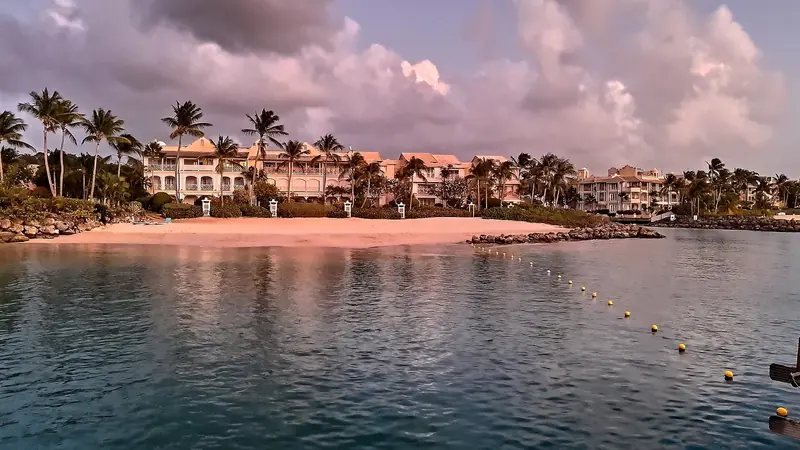
| Position | easternmost Caribbean island, about 98 miles east of the main Windward Islands arc |
|---|---|
| Official sea ports of entry | Port St Charles (Saint Peter, west coast) and Bridgetown Deep Water Harbour |
| Port St Charles | six mega-yacht berths to 250 ft on the offshore breakwater, two mooring buoys beyond that, berths from 30 to 110 ft |
| Port St Charles depth at low tide | about 13.5 to 14 ft, 4.1 to 4.3 m |
| Port St Charles VHF | 77 and 16 |
| Deep Water Harbour depth | 30 to 40 ft, 9 to 12 m, across four cargo quays |
| The Careenage, Bridgetown | 50 stern-to town moorings, minimum 3-night stay, quoted around USD 25 a night |
| Port Ferdinand | private marina, 120 berths, to about 175 ft LOA, not a port of entry |
| Hurricane risk | 8 direct hits since 1851 (NOAA HURDAT2), 0.46 per decade all-time, 0.59 per decade since 1975 |
| Most recent direct hurricane hit | Elsa, July 2021, ending a 66-year gap since 1955 |
| Trade wind season | December to May, typically 15 to 25 knots in winter and early spring |
| Air access | Grantley Adams International Airport (BGI), 3,380 m runway, 24-hour operation, three FBOs |
| ARC history | first edition (1986) finished at Bridgetown with 204 boats before the finish moved to St Lucia in 1989 |
| Mount Gay Distillery | world's oldest commercial rum distillery, records to 1703, in St Lucy parish |
| Barbados Cruising Club founded October 1957 on Carlisle Bay; Barbados Yacht Club offers a week's free reciprocal membership | |
The Easternmost Landfall
Barbados sits alone at the eastern edge of the Caribbean chain, roughly 100 miles further out into the Atlantic than the rest of the Windward Islands. That isolation is exactly why it matters to a yacht crossing from the Canaries or Cape Verde: it is the first landfall a boat sailing the classic trade-wind route actually reaches, before the rest of the chain, and the only one that does not require threading past another island first. Yachting World puts the distance at 98 miles east of the main arc, a gap wide enough that Barbados is reached hours, sometimes the better part of a day, ahead of St Lucia or Antigua on the same course.
The distinction matters because the two are often confused. The World Cruising Club's Atlantic Rally for Cruisers, the best known of the organized transatlantic fleets, finishes at Rodney Bay in St Lucia, not Barbados, and has done since 1989. Its first edition in 1986 actually finished at Bridgetown, 204 boats strong, before founder Jimmy Cornell moved the rally west, citing a lack of facilities for a fleet that size. Barbados has hosted smaller, one-off transatlantic fleets since, among them Cornell's own 33-boat Barbados 50 rally in 2016, timed to the island's fiftieth anniversary of independence, but no annual rally finishes here today. What does land at Barbados every season is the private traffic: boats sailing the Canaries-to-Caribbean route independently, without a rally fleet, for whom the extra 60 to 100 miles a St Lucia or Antigua landfall would add is simply unnecessary mileage. Noonsite, the cruisers' reference for landfall reports, treats Barbados as a genuine first-stop entry for exactly this traffic. Barbados has no connection to the Antigua Bermuda Race, a different and much shorter course between two islands to the north, sailed the opposite way from an Atlantic crossing.
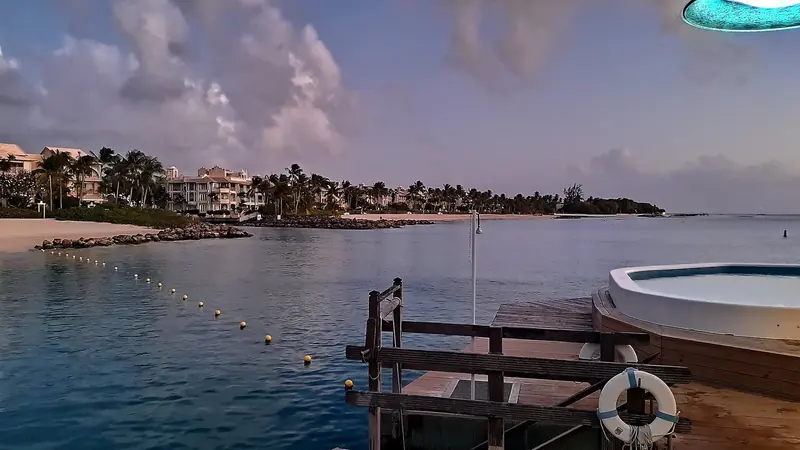
Clearing In: Two Ports, Two Different Boats
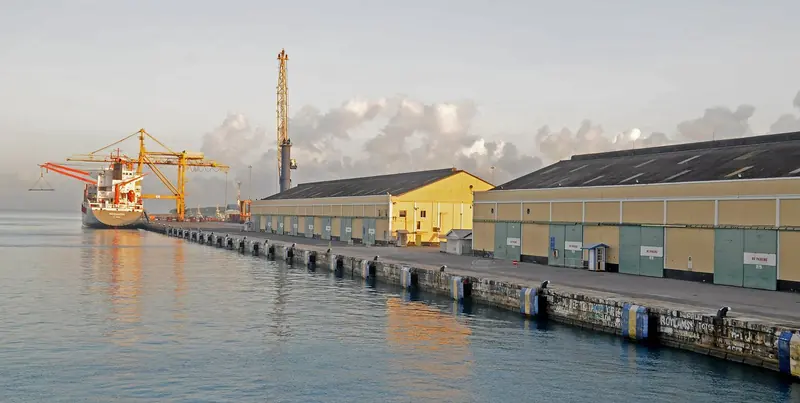
Barbados designates two official sea ports of entry, and they serve two different kinds of arrival. Port St Charles, on the west coast in Saint Peter parish near Speightstown, is a purpose-built yacht marina with immigration, customs, coastguard and police on site, and it is the port most cruising and charter yachts actually use. Bridgetown's Deep Water Harbour, the commercial port on the south coast, is the alternative for anything Port St Charles cannot take, chiefly draft: Port St Charles reports about 13.5 to 14 feet, 4.1 to 4.3 metres, at low tide, against 30 to 40 feet inside the Deep Water Harbour's four cargo quays.
Port St Charles holds six dedicated mega-yacht berths on its offshore breakwater, taking vessels to 250 feet, plus two offshore mooring buoys for anything larger still, and a further range of berths from 30 to 110 feet with water, power and telephone connections at the larger ones. Call the marina on VHF 77 or 16. Fuel is available dockside, both diesel and unleaded gasoline, and officials clear the boat where it lies rather than requiring a trip ashore. Deep Water Harbour is a working commercial wall, and Noonsite is blunt about the experience of using it: yachts tie up alongside a concrete quay with industrial fittings sized for tankers and cruise ships, and getting up onto the dock itself can be difficult. Call the Signal Station on VHF 12 while approaching to report intentions, and expect clearance hours of roughly 0600 to 2200. A pre-arrival SailClear submission, filed at least 24 hours ahead, is required either way. A third option exists for a shorter stay once cleared in: the Careenage, Bridgetown's town-centre mooring basin, takes yachts stern-to on a minimum three-night stay, with water and electricity included, and a lifting bridge that needs five to six hours notice to open. Port Ferdinand, a private residential marina a short distance up the west coast from Port St Charles, adds a further 120 berths and can take vessels to about 175 feet, though it is not itself a port of entry.
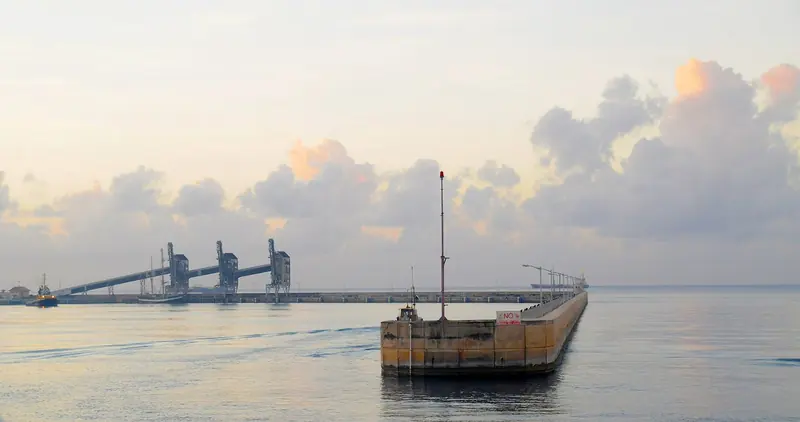
Barbados is not on the way to anywhere else in the Caribbean, it is the first landmass a boat crossing from the Canaries actually meets.
The Calendar: Trade Winds and the Edge of the Hurricane Belt
Barbados sits at the southern, windward edge of the Atlantic hurricane belt, and the statistics back up the island's reputation for being missed. An analysis of NOAA's HURDAT2 storm-track database counts eight direct hurricane hits on Barbados since 1851, a rate of 0.46 per decade across the full record and 0.59 per decade in the satellite-era years since 1975. That is on a par with St Lucia and Grenada, each also around 0.57 to 0.59 per decade, and well below Antigua, which the same dataset puts at 1.49 per decade all-time and 1.96 since 1975, more than three times the Barbados rate. The most recent direct hit was Hurricane Elsa in July 2021, which ended a run of 66 years without one, the previous direct strike having been in 1955.
Older, broader counts tell a different story and should not be averaged against the HURDAT2 figures: one historical survey lists 23 hurricanes affecting Barbados between 1627 and 1899, a period and methodology mismatch with the modern direct-hit count rather than a contradiction of it. Either way, the working season for a yacht here runs December to May, when the trade winds are also at their most reliable, typically 15 to 25 knots from the east through the winter and early spring before easing into the wetter, more hurricane-exposed months from June.
What It Costs
Barbados publishes less on price than a cruiser would like, and that gap is itself worth recording. Port St Charles, the marina almost every visiting yacht actually uses, has no published per-foot or per-day berthing tariff; a rate has to be requested directly from the dockmaster. The Careenage is the one number that is out there: town moorings are quoted at around USD 25 a night, against the three-night minimum stay, with water and power included in the price rather than metered separately.
On the fiscal side, yacht agents working the island report that Barbados grants a yacht in transit duty-free treatment on imported equipment, furnishings and spare parts, along with cruising and charter permits and no passenger head tax, though the precise legislation and date could not be independently confirmed from a second source and should be checked with an agent before being relied on. Separately, and on firmer footing, the Barbados Shipping Incentives Act gives approved shipping companies customs duty relief on vessels and business equipment for fifteen years, a broader commercial regime rather than a visiting-yacht concession. No pump price for diesel or gasoline at Port St Charles is published either; expect a same-day quote at the fuel dock.
Ashore: Rum, Two Yacht Clubs and a UNESCO Garrison
Mount Gay, in the north of the island at St Lucy, is the world's oldest commercial rum distillery, tracing its records to 1703, and its tours through the original well, fermentation house and distillation house end in a tasting of three signature blends for around USD 20. It is one of the few shore excursions on any Caribbean landfall that is genuinely a destination in its own right rather than a beach stop.
Barbados also carries two yacht clubs with real, contrasting histories. The Barbados Yacht Club, the older and more traditional of the two, extends a week's free reciprocal membership to visiting crew from clubs worldwide. The Barbados Cruising Club, on Carlisle Bay and Pebbles Beach, was founded in October 1957 by newspaperman Ian Gale specifically in response to the Yacht Club's restrictive membership rules of the time, with the future prime minister Errol Barrow among its founding members as its first treasurer; it nearly folded in the mid-2000s before a members' committee rebuilt it, and it now runs Barbados Sailing Week with Mount Gay and the tourism board, a regatta whose roots go back to nineteenth-century trading-schooner races. Carlisle Bay itself, the main anchorage by Bridgetown, is clear enough to see the resident turtles from the deck, and it sits beside the UNESCO-listed Garrison Historic Area and the old Screwdock.
What to Know Before You Go
The island's private aviation infrastructure is a genuine strength: Grantley Adams International Airport runs a 3,380 metre runway around the clock, and two purpose-built FBOs, Signature and Universal Aviation, along with a third operator, IAM Jet Centre, handle jet crews and guest changes without routing through the main commercial terminal.
Set against that is a marina scene still smaller than its reputation. Yachting World's own reporting on the island's post-2016 rebuild described a Shallow Draught Dock project bringing forty further serviced berths and a dedicated customs and immigration building, but its completion status could not be confirmed from current sources, and it should be checked directly before counting on the extra capacity. Provisioning costs, and a reliable picture of how deep the supermarket and chandlery trade actually runs beyond Bridgetown, were likewise not found published anywhere and are the clearest open question left for a return visit to answer.
На берегу, подъезд и бронирование
| Getting there | Grantley Adams International Airport (BGI) runs a 3,380 metre runway around the clock and has three fixed base operators, Signature BGI, Universal Aviation and IAM Jet Centre, handling private jets and guest changes without routing through the commercial terminal. |
|---|---|
| Arriving by sea | File a SailClear pre-arrival notice at least 24 hours out, then clear at Port St Charles (VHF 77 or 16, immigration, customs, coastguard and police on site) or Bridgetown's Deep Water Harbour (VHF 12 or 16, clearance roughly 0600 to 2200), depending on draft; Port St Charles reports 13.5 to 14 feet at low tide against 30 to 40 feet inside the Deep Water Harbour. |
| Marina and berth costs | Port St Charles publishes no per-foot or per-day rate; ask the dockmaster directly. The Careenage in central Bridgetown, a minimum three-night stay, is quoted at around USD 25 a night with water and power included. Port Ferdinand, a private marina up the coast, takes vessels to about 175 feet but is not a port of entry. |
| Provisioning and fuel | Port St Charles sells diesel and unleaded gasoline dockside with no published pump price; expect a same-day quote. Yacht agents report duty-free treatment on imported equipment, furnishings and parts for a yacht in transit, plus cruising and charter permits and no passenger head tax, though the underlying legislation could not be independently confirmed. No island-wide provisioning cost data was found. |
| What is NOT published | Port St Charles' berth tariff, any pump price for fuel, the exact date and text of the duty-free transit rules yacht agents describe, and the completion status of the Shallow Draught Dock expansion Yachting World reported are all missing from public sources and worth confirming with an agent before arrival. |
Что сообщают владельцы и экипажи
The ARC's own founder moved the fleet away, then came back with a smaller one
Jimmy Cornell shifted the Atlantic Rally for Cruisers finish from Bridgetown to St Lucia in 1989, citing a lack of facilities for the fleet, then returned decades later with his own smaller Atlantic Odyssey and Barbados 50 rallies, a sign the island's amenities had improved enough to be worth reconsidering.
Yachting WorldAn owner's honest summary of why people come back
Yacht owner Tony Lawson described the island's simple appeal in three lines: the sun's hot, the beer's cold and the wind always blows.
Yachting WorldA surveyor's read on the hurricane record
Marine surveyor Martin Smyth called Barbados' record of being missed by hurricanes excellent, and floated the idea that the island could build out haul-out and storage services for the season as a result.
Yachting WorldDeep Water Harbour is not built for yachts, and cruisers should expect that
Reports collected from cruisers describe tying up alongside a concrete commercial quay with fittings meant for tankers and cruise ships, where simply climbing up onto the dock can be difficult.
Noonsite
Сильные стороны и что учесть
Сильные стороны
- The shortest Atlantic landfall in the CaribbeanAbout 98 miles further out into the Atlantic than the rest of the Windward Islands, so a boat crossing from the Canaries or Cape Verde reaches Barbados before it reaches anything else in the chain.
- The calmer end of the hurricane belt, by the numbers0.46 to 0.59 direct hits per decade against Antigua's 1.49 to 1.96, a real gap in the HURDAT2 record rather than just a reputation.
- A real dedicated yacht port of entryPort St Charles carries immigration, customs, coastguard and police on site, and clears the boat where it lies, which is unusual for an island this size.
- Serious private aviation for crew and guest changesGrantley Adams runs a 3,380 metre runway around the clock with three separate FBOs, well ahead of most islands of comparable size.
- A world-class shore excursion within reach of both portsMount Gay is the world's oldest commercial rum distillery, tracing its records to 1703, a genuine destination rather than a beach stop.
На что обратить внимание
- Facilities are thin outside Port St CharlesThe Careenage is a basic town mooring and Deep Water Harbour is an industrial commercial wall, with fittings sized for tankers and cruise ships rather than yachts.
- It has already lost a fleet once for exactly this reasonThe Atlantic Rally for Cruisers moved its finish from Bridgetown to St Lucia in 1989 because Barbados could not support a fleet of 200-plus boats.
- No published cost to plan againstPort St Charles quotes no berth tariff and no fuel price; a skipper cannot compare Barbados to another island before arriving, unlike ports that publish a rate card.
- Isolation cuts both waysThe same 98 miles that make Barbados the shortest landfall also leave it furthest from the sheltered island-hopping grounds of the Leewards and Windwards once cleared in.
- Fewer nearby anchorages than the rest of the chainSitting apart from the main arc means less immediate variety on the water than a base in somewhere like Antigua or St Lucia offers within a day's sail.
Для кого: A skipper crossing the Atlantic from the Canaries or Cape Verde who wants the shortest landfall and the calmer end of the hurricane belt, and who accepts clearing in at a marina still smaller than its history suggests.