Panama, the Canal & Guna Yala
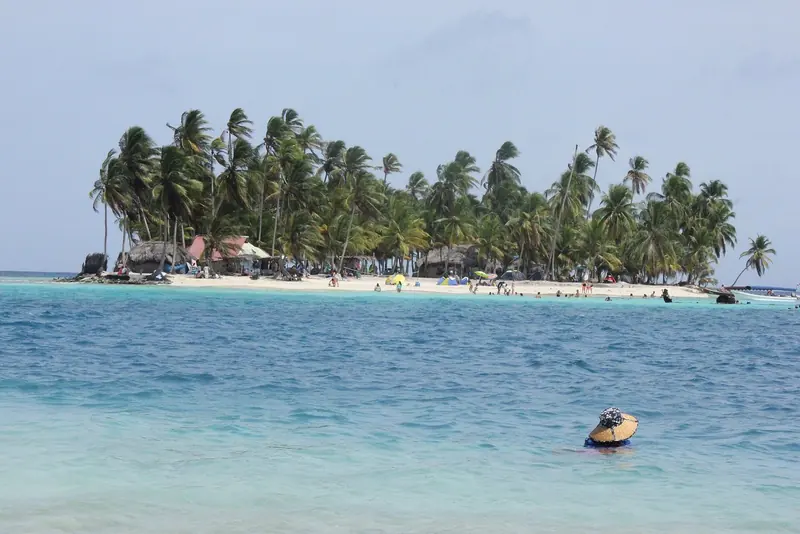
| Region | the isthmus of Panama, with the Guna Yala archipelago and Bocas del Toro on the Caribbean side and Las Perlas on the Pacific |
|---|---|
| The canal runs about 50 nautical miles from Colon to Balboa through Gatun Lake | |
| A yacht transit takes most of a day or is split over two, with an Authority advisor aboard | |
| Toll | about USD 1,800 for a yacht up to 65 ft as of 2026, with a practical all in budget of USD 3,500 to 5,000 in that band |
| The Panama Canal Authority announced a freeze on its toll structure effective until 30 September 2026 | |
| Transit requirements | four strong accessible 12 inch cleats, an engine that can hold 5 knots, a sealed holding tank and an enclosed head |
| A transiting yacht carries four line handlers in addition to the helmsman, usually hired locally | |
| Guna Yala, formerly San Blas, is an autonomous indigenous comarca of about 365 islands over roughly 200 miles of coast | |
| The Guna have governed the territory themselves since the revolution of 1925 | |
| The Guna congress charges USD 20 per person per month for non residents aboard and USD 20 per month for the vessel | |
| Fees are paid at the congress office at El Porvenir or to officials who visit the boat, and an official receipt is issued | |
| Individual islands and groups charge their own anchoring fees, typically covering 30 days, between Puerto Perme and Isla Tigre | |
| Bareboat charter is not permitted in Guna Yala, and charter boats working the archipelago must carry Guna crew | |
| Shelter Bay Marina, inside the old Fort Sherman at the Caribbean canal entrance, has about 200 berths plus a 200 ft megayacht dock | |
| Its side tie berths take vessels up to 320 ft, which is 98 m, in drafts to 20 ft or 6.1 m | |
| Shelter Bay sits beside the San Lorenzo national park in rainforest, about 50 minutes from Panama City | |
| There is no marina and no fuel in the Guna Yala archipelago, so a cruise there runs self sufficient | |
| Panama is south of the Atlantic hurricane belt, which is why yachts summer here rather than running to Trinidad | |
| Dry season, roughly December to April, brings trade winds of 20 to 25 knots and more on the Caribbean side | |
| Rainy season, May to November, is lighter in wind with brief afternoon thunderstorms, and is the calmest time in the archipelago | |
| Bocas del Toro near the Costa Rican border has boatyards and services that the eastern archipelago lacks | |
| The Las Perlas islands are a few hours from Panama City on the Pacific side | |
| Panama operates the largest ship register in the world by tonnage | |
| Reduced rainfall over Gatun Lake has periodically forced the Authority to cut daily transits and impose draft restrictions | |
A country built around a shortcut
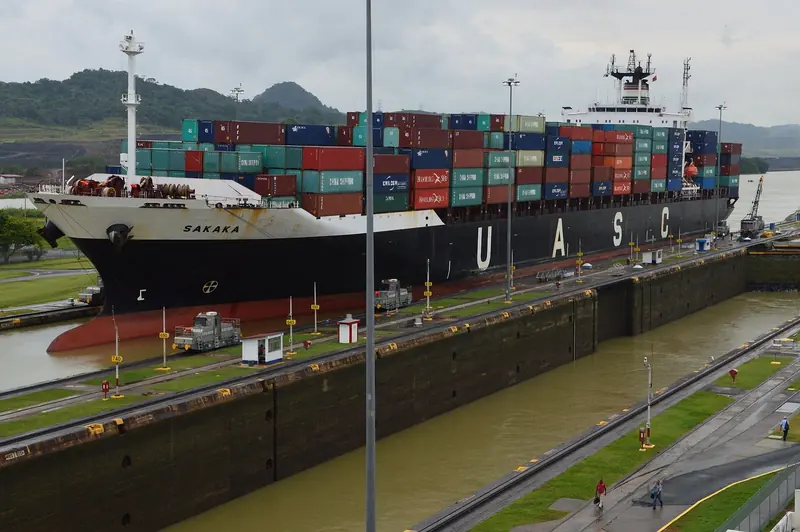
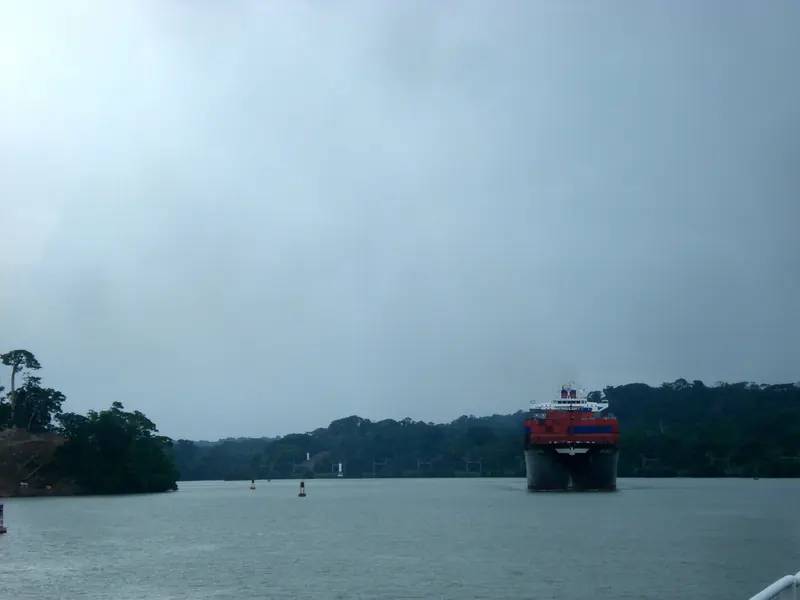
Panama is the isthmus, and everything about it as a cruising ground follows from that. On the Caribbean side, the coast runs east from Colon past the Guna Yala archipelago to the Colombian border, and west to Bocas del Toro. On the Pacific side, the Gulf of Panama holds the Las Perlas islands a few hours from the city. Between the two, the canal runs roughly 50 miles from Colon to Balboa through Gatun Lake, and a yacht transit takes most of a day or is split across two.
That geography makes Panama both a destination and a hinge. Boats coming from the Mediterranean and the Caribbean pass through on the way to the Pacific and to Asia. Boats coming the other way arrive here after a long ocean leg. And a large number of yachts stop for a season rather than passing through, because the country is south of the hurricane belt, which is the single most valuable fact about it for anyone insuring a boat in the western Atlantic.
What a transit actually costs and requires
The Panama Canal Authority publishes a small vessel tariff and the figures are more modest than the reputation suggests. For a yacht up to 65 feet the fixed transit toll runs at about USD 1,800 as of 2026, and the practical budget once inspection fees, security charges, an agent and the mandatory buffer are included is USD 3,500 to 5,000 for a boat in that band. The Authority announced a freeze on its toll structure effective until 30 September 2026, which gives an owner planning a passage a stable number to work from.
The physical requirements are specific and they are inspected. A transiting yacht needs four strong, accessible twelve inch cleats for the lines, an engine that can reliably maintain five knots, a functioning sealed holding tank and an enclosed head. It carries an advisor from the Authority and four line handlers in addition to the helmsman, which for most yachts means hiring them. None of that is difficult and all of it is checked before the slot is confirmed, so the preparation happens weeks before the transit rather than the night before.
A 98 metre side tie berth in a rainforest at the entrance to the Panama Canal, and a toll structure frozen until 30 September 2026.
Guna Yala is a country within a country
The Guna Yala comarca, still widely called San Blas, is an autonomous indigenous territory running about 200 miles along the Caribbean coast and containing some 365 islands, most of them uninhabited sandbars with a stand of palms. The Guna have governed it themselves since the revolution of 1925, and the important thing for a visiting yacht is that this is not a Panamanian national park with Panamanian rules. It is a self governing people with its own congress, its own fees and its own decisions about who may do what.
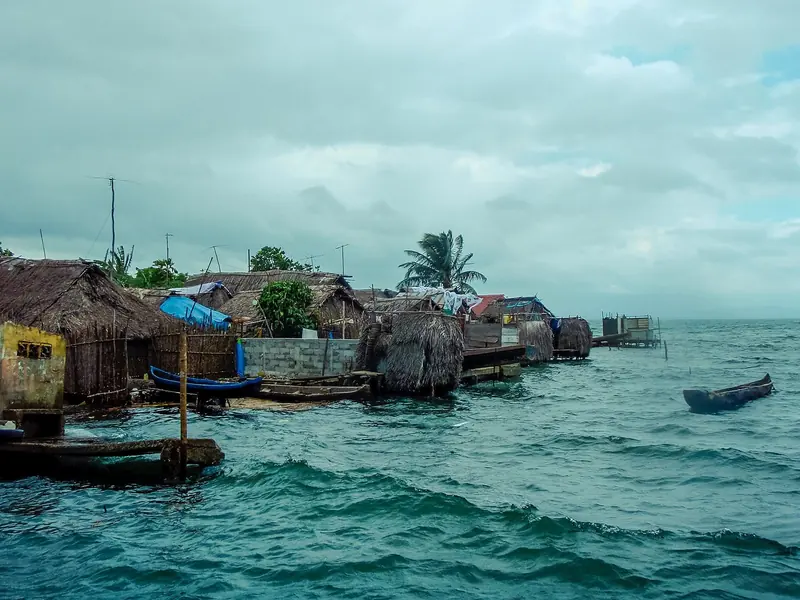
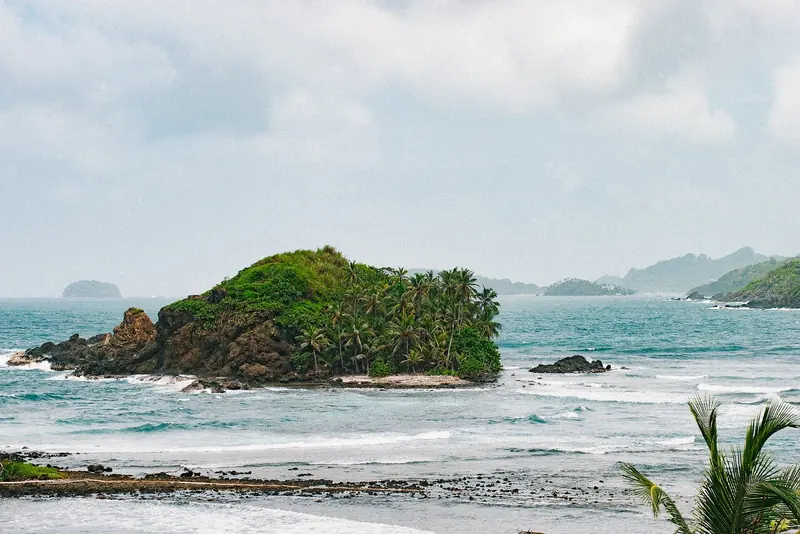
The scenery is the postcard Caribbean before development: white sand, shallow turquoise water, reef, and villages of cane and thatch on islands the size of a tennis court. The navigation is not casual. The reefs are extensive, poorly charted in places, and best worked with good light overhead and a lookout forward. Boats work the area between Puerto Perme in the east and the Chichime and Holandes cays in the west, and it is one of the few places left in the Caribbean where an anchorage is genuinely empty.
The fees, and who collects them
The Guna congress charges every boat spending time in Guna Yala: USD 20 per person per month for anyone aboard who is not a Panamanian resident or legal resident alien, and USD 20 per month for the vessel. It can be paid monthly or in advance at the congress office at El Porvenir, or to the officials who come out to the boat, and an official receipt is issued either way. Keep the receipts, because the next island will ask.
On top of that, individual islands and island groups charge their own anchoring fees, typically covering 30 days, and a boat working east to west between Puerto Perme and Isla Tigre should expect to pay at many of the places it stops. These are small sums, they are legitimate, and they go to the community whose water the boat is anchored in. The mistake visitors make is treating them as informal. They are not: they are the tax system of a self governing territory.
Chartering here is restricted, and the restriction is real
Bareboat charter is not permitted in Guna Yala. The congress's position, reported consistently by operators, is that charter boats working the archipelago must carry Guna crew, and that a foreign boat carrying paying guests without that arrangement is operating outside the rules. The reef systems reinforce it in practice: this is not water for a chartered crew learning the ground as they go, whatever the paperwork said.
For a private yacht cruising with owners and guests aboard, none of this bites, and the fees above are the whole of the obligation. For anyone contemplating commercial operation in the archipelago, it is a conversation with a Panamanian agent and with the congress rather than a matter of national law, and the answer has changed more than once. Assume nothing that was true two seasons ago is necessarily true now.
Shelter Bay, and where a large yacht lies
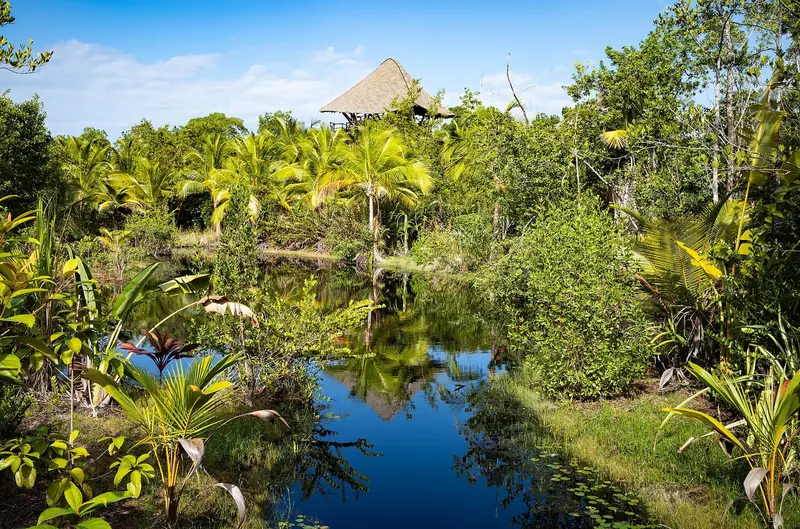
Shelter Bay Marina, on the Caribbean side inside the old Fort Sherman at the canal entrance, is the practical base. It has around 200 berths and a 200 foot dock for megayachts, and its side tie berths accommodate vessels up to 320 feet, which is 98 metres, in drafts to 20 feet or 6.1 metres. It sits next to the San Lorenzo national park in genuine rainforest, with howler monkeys audible from the pontoons, and it is about 50 minutes from Panama City by road through the canal zone.
That combination, a 98 metre side tie berth in a jungle next to the entrance to the Panama Canal, is unusual enough to be worth planning a stop around. On the Pacific side, Flamenco and the Amador causeway marinas serve Panama City. In the archipelago itself there is no marina and no fuel, so a Guna Yala cruise is provisioned and fuelled at Shelter Bay or at Linton Bay and runs self sufficient from there.
No hurricanes, and two seasons
Panama sits south of the Atlantic hurricane belt. That is the reason a substantial number of yachts spend the summer here rather than running to Trinidad or hauling out, and it is a hard insurance fact rather than a marketing claim. The rest of the weather divides into two seasons. The dry season, roughly December to April, brings the trade winds, which on the Caribbean side blow 20 to 25 knots and more for weeks at a time and make the passage east along the coast a genuine slog.
The rainy season, May to November, is lighter in wind and heavier in water, with afternoon thunderstorms that are spectacular and brief, and it is when the reefs are calmest and the archipelago most comfortable. That is the opposite of what a Caribbean crew expects. Panama's best cruising months in Guna Yala are the ones the northern Caribbean would call low season, and the anchorages are correspondingly empty.
The other Panama
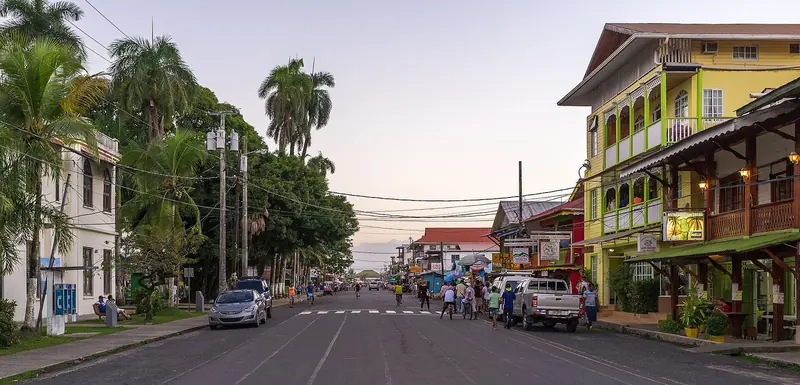
Bocas del Toro, near the Costa Rican border, is a separate archipelago of forested islands, mangrove channels and surf breaks with a small town on Isla Colon and a long established cruising community. It is greener, wetter and more sheltered than Guna Yala, and it has boatyards and services that the eastern archipelago does not. On the Pacific side, the Las Perlas islands are a few hours from Panama City, with sheltered anchorages, whales in season and almost no development.
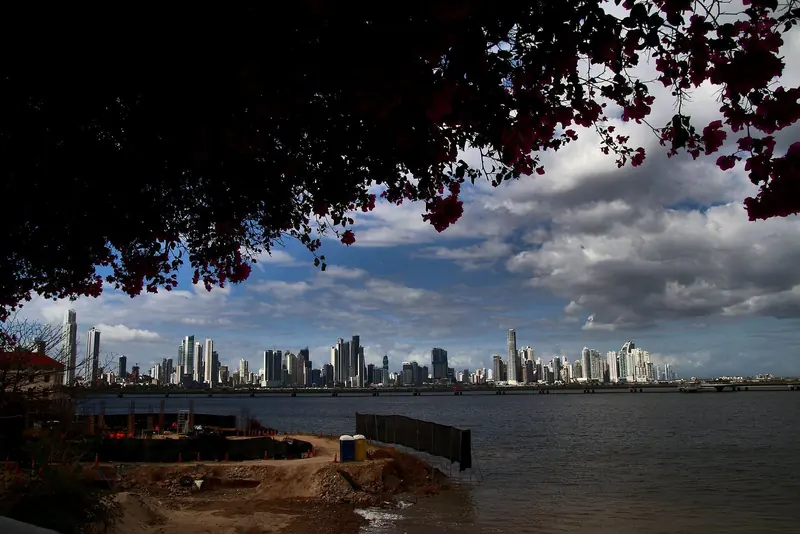
Panama City itself is the surprise. A glass and steel skyline on the Pacific, the restored colonial quarter of Casco Viejo below it, a serious restaurant scene, and the Biomuseo on the causeway. It is the only genuine metropolis on the isthmus and it sits at the Pacific end of the canal, which means a yacht can go from an empty reef anchorage to a capital city in two days including the transit.
The flag, and the paperwork
Panama operates the largest ship register in the world by tonnage, and its yacht registry is used accordingly. For an owner the relevance is practical rather than romantic: the register is familiar to every port state, the process is well travelled, and Panamanian corporate and registry advisers are numerous. It is not an EU flag and it carries none of the European tax consequences, which cuts both ways depending on where the boat spends its year.
Arriving by sea, clearance is at Colon or Shelter Bay on the Caribbean side and Panama City on the Pacific, and an agent is standard for any yacht of size, particularly for a canal transit where the agent books the slot, arranges the measurement and inspection and supplies the line handlers. Guna Yala is entered separately in the sense that its fees are collected by the congress rather than by the national authorities, so a boat clears into Panama and then pays the comarca.
The honest downside, and what is not published
The canal has a drought problem. Reduced rainfall over Gatun Lake has periodically forced the Authority to cut the number of daily transits and impose draft restrictions, which affects the availability and the timing of a yacht slot even though a yacht draws a fraction of a container ship. The Caribbean trades make the eastward coastal passage hard work for months at a time. Guna Yala has no fuel, no marina and reefs that punish inattention. And Colon, the city at the canal's Caribbean end, has a security reputation that visitors should take seriously.
Checked in August 2026, the Canal Authority publishes its small vessel tariff and the toll freeze to 30 September 2026, while the total transit cost circulates as an operator range of USD 3,500 to 5,000 rather than as a published figure. Shelter Bay publishes its dimensions and not its rates, and no Panamanian marina publishes a fuel price. The Guna congress fees of USD 20 per person and USD 20 per vessel a month are widely reported and are not published by the congress in a form a visitor can check in advance, and the individual island fees are set island by island.
На берегу, подъезд и бронирование
| Getting there | Tocumen International at Panama City is the main hub for the Americas and connects widely to Europe, and it is about an hour from the Pacific marinas and 50 minutes from Shelter Bay on the Caribbean side through the canal zone. For Guna Yala, light aircraft serve airstrips in the archipelago from Panama City, and the road from the city to Carti on the Caribbean coast takes about two and a half hours and is the usual way guests join a boat in the islands. |
|---|---|
| Transiting the canal | The Authority publishes a small vessel tariff, with a fixed toll of about USD 1,800 for a yacht up to 65 feet as of 2026, and a practical all in budget of USD 3,500 to 5,000 once inspection, security, agency and buffer are included. The toll structure is frozen until 30 September 2026. The boat is inspected for four strong, accessible twelve inch cleats, an engine able to hold five knots, a sealed holding tank and an enclosed head, and it carries an Authority advisor and four line handlers. Book through an agent well ahead. |
| Where a large yacht berths | Shelter Bay Marina at the Caribbean canal entrance, inside the old Fort Sherman, has around 200 berths and a 200 foot megayacht dock, with side tie berths taking vessels up to 320 feet, or 98 metres, in drafts to 20 feet. It is surrounded by the San Lorenzo national park, so the pontoons are in rainforest. Linton Bay covers the coast to the east. On the Pacific side, Flamenco and the Amador causeway marinas serve Panama City. There is no marina at all in Guna Yala. |
| What Guna Yala charges | The Guna congress charges USD 20 per person per month for anyone aboard who is not a Panamanian resident or legal resident alien, plus USD 20 a month for the vessel, payable at the congress office at El Porvenir or to officials who come out to the boat, with an official receipt issued. Individual islands and island groups then charge their own anchoring fees, usually covering 30 days, at many of the places a boat stops between Puerto Perme and Isla Tigre. Keep every receipt. |
| Chartering, and what is not allowed | Bareboat charter is not permitted in Guna Yala, and the congress's position, reported consistently by operators, is that charter boats working the archipelago must carry Guna crew. A private yacht cruising with owners and guests aboard is unaffected and pays only the fees above. Anyone contemplating commercial operation should take it up with a Panamanian agent and with the congress directly, because this is the law of a self governing territory rather than national legislation, and it has changed more than once. |
| Navigating the archipelago | The reefs are extensive and in places poorly charted, so the working method is good light overhead, a lookout forward and a slow approach, and electronic charts here are a reference rather than an authority. Boats work between Puerto Perme in the east and the Chichime and Holandes cays in the west. There is no fuel, no marina and no chandlery in the comarca, so provision and bunker at Shelter Bay or Linton Bay and go in self sufficient for the length of the cruise. |
| When to come | Panama is south of the Atlantic hurricane belt, which is why a substantial number of yachts spend the summer here instead of running to Trinidad or hauling out, and that is an insurance fact rather than a marketing one. The dry season from December to April brings trade winds of 20 to 25 knots and more on the Caribbean side, making the eastward coastal passage hard work. The rainy season from May to November is lighter in wind with brief afternoon storms, and it is the calmest and emptiest time in Guna Yala. |
| The rest of the country | Bocas del Toro near the Costa Rican border is a separate archipelago of forested islands and mangrove channels with boatyards and services the eastern archipelago lacks. On the Pacific side, Las Perlas is a few hours from Panama City with sheltered anchorages and whales in season. Panama City itself has a Pacific skyline, the restored colonial quarter of Casco Viejo, a serious restaurant scene and the Biomuseo, and a yacht can go from an empty reef anchorage to a capital city in two days including the transit. |
| What is NOT published | Checked in August 2026, the Canal Authority publishes its small vessel tariff and the toll freeze to 30 September 2026, while the all in transit cost circulates as an operator range of USD 3,500 to 5,000 rather than as a published figure. Shelter Bay publishes its dimensions and not its rates, and no Panamanian marina publishes a fuel price. The Guna congress fees are widely reported and are not published by the congress in a form a visitor can check in advance, and the individual island anchoring fees are set island by island with no list anywhere. |
Что сообщают владельцы и экипажи
The transit is a fixed price for a yacht, and the price is stable to September 2026
The Panama Canal Authority's small vessel tariff puts the fixed transit toll for a yacht up to 65 feet at about USD 1,800 as of 2026, with agents advising a practical all in budget of USD 3,500 to 5,000 once inspection fees, security charges and a buffer are included. The Authority announced a freeze on its toll structure effective until 30 September 2026, which lets an owner plan a passage against a known number.
Panama Canal Authority tariff, reported by Adimar Shipping and Ship UniverseThe inspection list is short, specific and enforced
A yacht transiting is inspected for four strong, accessible twelve inch cleats to take the lines, an engine capable of reliably maintaining five knots, a fully functional sealed holding tank and an enclosed head. It then carries an Authority advisor and four line handlers in addition to the helmsman, which most yachts hire locally. The requirements are checked before the slot is confirmed, so the preparation belongs weeks ahead rather than the night before.
Panama Canal Authority requirements, as set out by transit agentsGuna Yala charges by the head and by the boat, and the receipts matter
The Guna congress collects USD 20 per person per month from anyone aboard who is not a Panamanian resident or legal resident alien, plus USD 20 a month for the vessel, payable monthly or in advance at the congress office at El Porvenir or to officials who visit the boat, with an official receipt issued. Individual islands and groups charge separate anchoring fees, typically for 30 days, at many of the stops between Puerto Perme and Isla Tigre.
Congreso General Guna, as reported by NoonsiteBareboat charter in the archipelago is not permitted
Operators report consistently that bareboat charters are no longer permitted in Guna Yala and that only boats carrying Guna sailors are legal for charter work in the comarca, with the reef systems reinforcing the position in practice. This is a decision of the comarca's own congress rather than Panamanian national law, which is why it has changed more than once and why it is a question for an agent and the congress rather than for a lawyer in Panama City alone.
Guna Yala charter operators, reported by San Blas Catamaran and Click and SailingShelter Bay is the only berth in the country at real size
Shelter Bay Marina, inside the old Fort Sherman at the Caribbean entrance to the canal, has around 200 berths and a 200 foot dock for megayachts, with side tie slips accommodating vessels up to 320 feet, or 98 metres, in drafts to 20 feet or 6.1 metres. It sits beside the San Lorenzo national park in rainforest and is about 50 minutes from Panama City. Checked in August 2026 it publishes those dimensions and no berthing rates.
Shelter Bay Marina, with Yotters desk verification August 2026
Сильные стороны и что учесть
Сильные стороны
- No hurricanesPanama sits south of the Atlantic hurricane belt, which is why yachts summer here rather than running to Trinidad or hauling out, and it is an insurance fact rather than a claim.
- An archipelago with almost nobody in itAbout 365 islands over 200 miles of coast, most of them uninhabited sandbars with palms, and anchorages that are genuinely empty in a Caribbean that mostly is not.
- A 98 metre berth in a rainforestShelter Bay's side tie berths take 320 feet in 20 feet of draft, inside the San Lorenzo national park at the Caribbean entrance to the canal, 50 minutes from Panama City.
- The transit is cheaper and more orderly than its reputationAbout USD 1,800 in tolls for a yacht up to 65 feet, an all in budget of USD 3,500 to 5,000, and a toll structure frozen until 30 September 2026.
- Two oceans and a capital city in two daysA reef anchorage in Guna Yala, a canal transit, and dinner in Casco Viejo, with the Las Perlas islands a few hours beyond on the Pacific side.
На что обратить внимание
- The canal has a water problemReduced rainfall over Gatun Lake has periodically forced cuts to daily transits and draft restrictions, which affects the availability and timing of a yacht slot.
- Guna Yala has no infrastructure at allNo marina, no fuel, no chandlery, extensive and partly uncharted reef, and a cruise that has to be provisioned and bunkered before it starts.
- The trades make the coast hard workTwenty to 25 knots and more from December to April on the Caribbean side, dead on the nose for anyone working eastward along the archipelago.
- Chartering is restricted, and by a body that is not the governmentBareboat charter is not permitted and charter boats must carry Guna crew, under rules set by the comarca's own congress rather than by national law.
- Colon is not a place to wanderThe city at the Caribbean end of the canal has a security reputation that visiting crews should take seriously, which is part of why Shelter Bay sits where it does.
Для кого: An owner moving a boat between oceans who wants the transit done properly, or one looking for a hurricane free western Atlantic season in an archipelago that has almost no other yachts in it.