Volvo Penta puts a hybrid pod drive on the size of yacht most owners actually buy
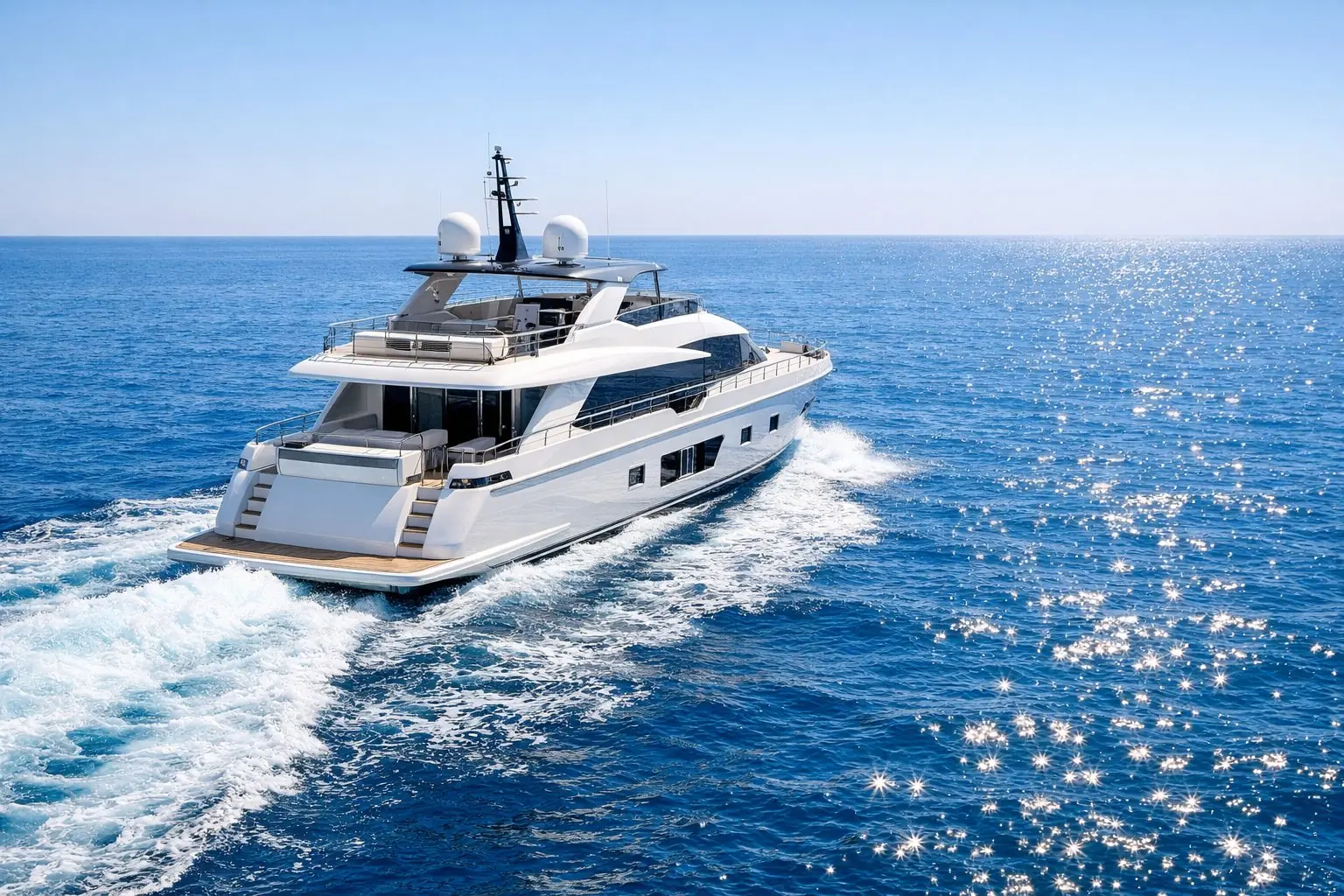
What is coming
Volvo Penta confirmed on 20 July that it is expanding its IPS Hybrid platform into the professional vessel market, and that a D13 IPS Hybrid system for yachts is scheduled for introduction later in 2026. The IPS line is the forward-facing pod drive that has become the default in the 20 to 40 metre motor yacht segment, and the D13 is the larger of the engines it is built around. Full output figures for the yacht version have not been published.
Systems of this configuration are designed to let a boat move under electric power alone at low speed and to run hotel load without the main engines turning. What that means in practice is a boat that manoeuvres into a berth without noise or exhaust, and that can sit at anchor for a period on batteries. Whether the electric range is measured in minutes or hours is the question to ask when the specification is published, because the answer determines whether it is a genuine feature or a marketing line.
Why it matters on a boat this size
On a 100-metre yacht, generator noise is engineered out by distance and by isolation mounting. On a 30-metre it is not. The generator sits close to the guest cabins, and anyone who has spent a night at anchor on a boat of that size knows exactly which cabin is over the machinery. Removing the need to run a genset overnight, or during a lunch stop, changes the experience more on a smaller yacht than it does on a large one.
The second effect is in port. A growing number of Mediterranean marinas and protected anchorages restrict noise and running machinery, and the direction of that regulation is one way. A boat that can hold its hotel load silently is easier to place in the berths owners actually want, and it stops being the boat the harbourmaster remembers.
What the financial results say about the market
Volvo Penta's marine division reported second-quarter net sales down 1 per cent at SEK 5.43 billion. Adjusted operating margin fell to 16.7 per cent from 20.7 per cent a year earlier. Engine orders rose 13 per cent to 9,457 units while deliveries fell 9 per cent. The company attributes the margin compression to lower engine volumes, heavier research spending and the effect of United States tariffs, partly offset by price increases and a larger service business.
The split inside those numbers is the interesting part. Commercial marine grew and offset weakness in leisure, which Volvo Penta puts down to low consumer confidence. The parent group had a good quarter, with net sales of SEK 126.3 billion and an adjusted operating margin of 11.7 per cent. Marine leisure is the soft spot, and a soft leisure market is one where a buyer has leverage.
What an owner should do with this
Two practical points. If you are specifying a boat for 2027 delivery in this size band, hybrid pods will be a listed option and the price will be an early-adopter price. The engineering question to put to the builder is what the battery installation does to weight distribution, to the tender garage and to the crew cabins, because on a 30-metre those spaces are already fought over. Ask where the batteries go before asking what they cost.
The other point is resale. Propulsion technology cuts both ways on a used boat. A conventional diesel installation is understood by every surveyor and every yard in the Mediterranean, while a hybrid one is not yet. Buyers pay for novelty on a three-year-old boat and discount it on a twelve-year-old one, once the batteries are near the end of their service life and the replacement cost is a real number on a survey report.
Questions this story answers
What happened?
Volvo Penta says its D13 IPS Hybrid yacht propulsion system arrives later this year, and it has now extended the same hybrid platform into commercial vessels. The company's second-quarter numbers explain the timing: leisure marine sales fell while commercial marine held up, and margins dropped from 20.7 to 16.7 per cent. Hybrid pods are about to become an ordinary option on 24 to 35 metre boats.
Who reported this?
Marine Industry News, Volvo Penta, Volvo Group second-quarter results.
We do this for everyone who loves this world. The people who have spent their lives in it, and the people just discovering it. Yotters exists so that what we learn belongs to all of them.
Nobody pays us for this. No ads, no sponsors, nothing for sale. We just believe the world is a little better when knowledge is shared instead of kept.
If it gave you something today, tell us to keep going. Follow us, leave a like, or write a positive comment. We read every one, and they are what keeps us going.