Antarctica & the Patagonian Channels
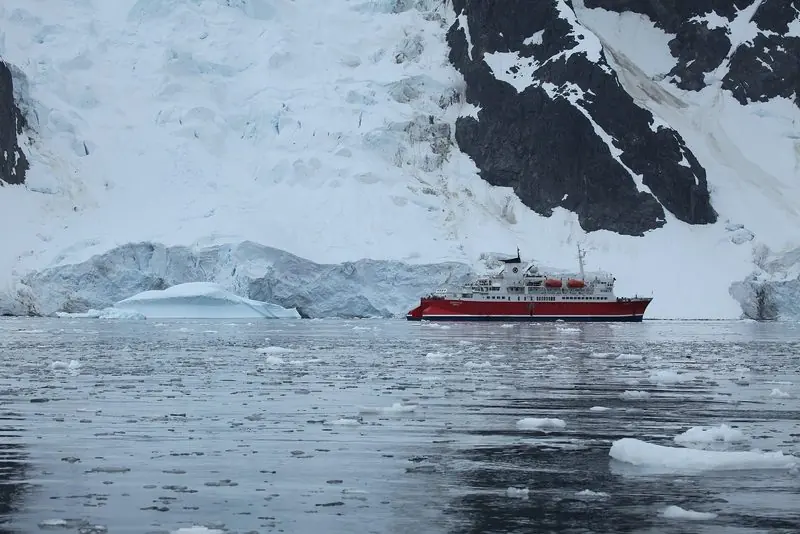
| المنطقة | القنوات التشيلية والأرجنتينية من مضيق ماجلان جنوبا الى رأس هورن، وشبه الجزيرة الأنتاركتيكية بعدها |
|---|---|
| الموسم | الصيف الجنوبي، تقريبا من نوفمبر الى مارس |
| ممر دريك | حوالي 800 كيلومتر، أو 500 ميل، من رأس هورن الى Livingston Island، بأمواج انذكرت لين 12 متر |
| التيار | التيار القطبي الجنوبي الدائر ينقل ما يقدر بـ 100 الى 150 سفردروب، وهو أقوى تيار محيطي على الأرض |
| أوشوايا | على بعد حوالي 1,100 كيلومتر من شبه الجزيرة الأنتاركتيكية وهي ميناء المغادرة الرئيسي في العالم اليها، بحوالي 540 زيارة سفينة رحلات في السنة |
| قناة Beagle | طولها حوالي 240 كيلومتر وعرضها 5 كيلومتر في أضيق نقطة |
| الإرشاد | معاهدة السلام والصداقة لسنة 1984 تطلب من السفن الأجنبية انها تحمل مرشدين تشيليين بين مضيق ماجلان وأوشوايا |
| مضيق ماجلان | طوله حوالي 570 كيلومتر، وأضيق نقطة حوالي كيلومترين، وبإرشاد إلزامي |
| القنوات التشيلية | منظومة صالحة للملاحة من حوالي 42 الى 55 درجة جنوبا، بمسارات ملاحة منظمة تحت المرسوم التشيلي 416 لسنة 1977 |
| قواعد أنتاركتيكا | ما يزيد عن 100 زائر على البر في موقع في وقت واحد، والسفن اللي تحمل أكثر من 500 راكب ما تقدر تنزل أحدا |
| التصاريح | أطراف معاهدة أنتاركتيكا تصدر تصاريح بدل التأشيرات، تنأخذ عبر الهيئة الوطنية للمشغل |
| الحركة | أعداد زوار أنتاركتيكا انذكرت بحوالي 124,000 في السنة مع 2025 |
| Chilean pilotage | set by gross tonnage under Supreme Decree 427 of 1979, in US dollars, revalued annually to the US CPI |
| Published pilotage band | USD 3,836.04 to 6,552.16 for 2,000 to 4,000 GRT for continuous navigation between Bahia Ancud and Bahia Posesion within 120 hours with two pilots, with section multipliers of 0.038 to 1.150 |
| Pilotage extras | USD 55.75 an hour for delayed departure beyond twelve hours, for navigation beyond 120 hours, and for pilot transfer outside a station |
| Port billing | the Austral ports tariff effective 1 May 2025 applies its yacht rates only to vessels up to 50 gross tonnage, so a large yacht is charged on the commercial scale |
| Permits | issued by a national authority of an Antarctic Treaty party to the organiser of the activity, with an environmental impact assessment and contingency planning, and taking months |
| Discharge | the Antarctic is a MARPOL Special Area under Annexes I, II and V, in force since 17 March 1992, and nothing may be discharged |
| Fuel | MARPOL Annex I Regulation 43 has prohibited the carriage and use of heavy grade oil south of 60 degrees south since 1 August 2011 |
أرضان، ورحلة وحدة
ما حد تقريبا يسوي أنتاركتيكا لوحدها. شبه الجزيرة تجلس في نهاية مسار يبدأ في الخيران التشيلية، والخيران تستاهل الرحلة بحد ذاتها. ومنظومة القنوات الصالحة للملاحة تمشي من حوالي 42 درجة جنوبا نزولا الى 55، ألف ميل من ممر داخلي جليدي بمقطع واحد مكشوف فعلا عبر Golfo de Penas. وPuerto Montt وPuerto Natales وPunta Arenas هي الموانئ على طوله.
وفي الأسفل تمشي قناة Beagle 240 كيلومتر من الشرق للغرب، بعرض خمسة كيلومترات في أضيق نقطة، وأوشوايا على الجهة الأرجنتينية وPuerto Williams على التشيلية. ومن هناك رأس هورن وبعدها ماء مفتوح. والمالك اللي يبني برنامج شهرين ياخذ القنوات والهورن وشبه الجزيرة. واللي عنده ثلاثة أسابيع بس المفروض يسوي القنوات ويترك دريك.
القنوات الباتاغونية
وهذا الجزء اللي يتذكره معظم الضيوف. أنهار جليدية تنزل للماء على الجهتين، وطيور كوندور، ومراسي رسو يربط فيها القارب أربعة حبال للأشجار لأن القاع ينزل والريح توصل بلا إنذار. والذراع الشمالي الغربي من Beagle فيه صف من الأنهار الجليدية المدية اللي يسميها الكل Glacier Alley. وSeno Pia وSeno Garibaldi هما الخوران اللي تقيمهما الطواقم فوق الباقي. وPuerto Natales هي نقطة الانطلاق الى Torres del Paine.
والخطر المحدد هو الويليوا، هبة هابطة تنسكب من منحدر جليدي وتضرب يختا راسيا بـ 50 أو 60 عقدة من هدوء تام. وحبال البر مو اختيارية هنا، هي التقنية. والإرشاد التشيلي إلزامي في مضيق ماجلان، وتحت معاهدة 1984، للسفن الأجنبية اللي تمشي بين المضيق وأوشوايا. وArmada de Chile تتحكم بالحركة عبر نظام zarpe، واليخت ما يترك مرسى رسو بدون واحد.
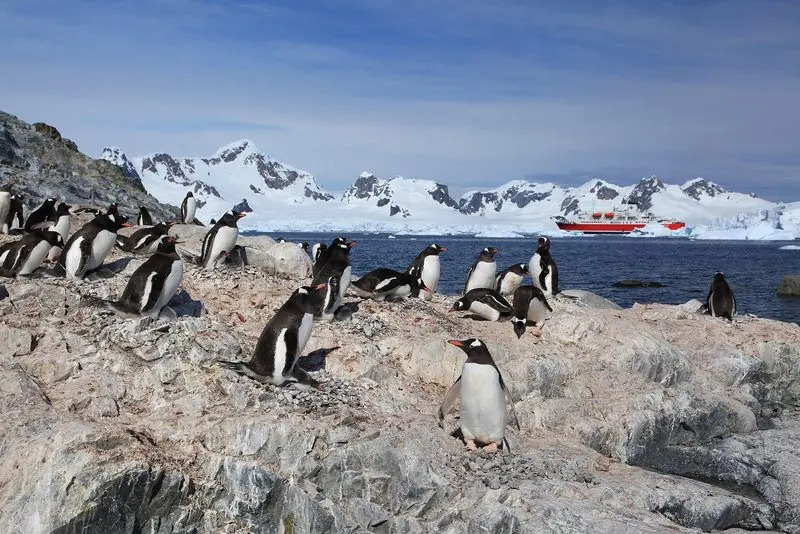
يومان في ممر دريك يشترون ساحلا ما يشوفه أي يخت خاص تقريبا.
دريك وشبه الجزيرة
ممر دريك 800 كيلومتر من رأس هورن الى Livingston Island، واللي لمعظم اليخوت يومان في كل اتجاه. والتيار القطبي الجنوبي الدائر يمشي فيه بما يقدر بـ 100 الى 150 سفردروب، وهو أقوى تيار في المحيط، ولحالة البحر سمعة حقيقية. وأمواج 12 متر مسجلة. والعبور ينخطط على نافذة توقعات والقارب اما يمشي أو ينتظر.
وعلى الجهة الثانية، شبه الجزيرة تعطي ماء محميا معظم الوقت. وDeception Island كالديرا نشطة يندخل لها عبر فجوة اسمها Neptune's Bellows، وداخلها أطلال محطة صيد حيتان. وLemaire Channel هو الممر الضيق بجدران الجليد اللي تجي منه كل صورة. وParadise Harbour وNeko Harbour وWilhelmina Bay هي مراسي الرسو، وPort Lockroy فيها قاعدة بريطانية بمتحف ومكتب بريد. والجليد، مو العمق، هو اللي يقرر وين يروح اليخت في أي يوم.
أسبوعان، وشهر
الأسبوعان بقاعدة أوشوايا يسويان قناة Beagle والأذرع التشيلية ورأس هورن، وهما أسبوعان مليانان ومتطلبان بمناظر حقيقية كل يوم. والضيوف يطيرون داخلا وخارجا من مطار واحد. وهذي هي النسخة اللي المفروض يبدأ بها معظم الملاك، وكثيرون ما يروحون أبعد أبدا.
والشهر هو برنامج شبه الجزيرة: أوشوايا، ودريك، وعشرة الى أربعة عشر يوما شغلا جنوبا على طول شبه الجزيرة، ودريك مرة ثانية. وإضافة جورجيا الجنوبية، اللي تقع أبعد شرقا وفيها مستعمرات بطريق الملك وقبر Shackleton في Grytviken، تحولها لستة أو سبعة أسابيع. وكل رجل من هذي مشوار، عشان كذا مدى القارب وحركته وقدرة الطاقم على التحمل تقرر الخطة أكثر من البرنامج.
وش يحتاجه قارب 50 متر
الرسو مو السؤال هنا. في رصيف تجاري في أوشوايا، وأرصفة في Punta Arenas وPuerto Williams، ولا شي نهائيا في أنتاركتيكا. واللي يهم هو المواصفات: هيكل مقوى للجليد أو على الأقل علامة تصنيف قادرة على الجليد، ومراوح ودفات محمية، وتدفئة وكهرباء بازدواجية، ومعدات مرساة ثقيلة مع ترتيب حبال بر، ورادار يشوف كتل الجليد الصغيرة، ومدى كافي لعبور دريك مرتين بدون تزود.
والتأمين هو البوابة العملية. شركات التأمين تسأل عن علامة التصنيف ومرشدي الجليد وخبرة الطاقم والتجهيز الطبي، وأقساط موسم في الجنوب تعكس غياب أي قدرة إنقاذ أو إغاثة. ومعظم اليخوت اللي تروح تحمل مرشد جليد وفريق استكشاف، ووجود طبيب على المتن شي عادي. والقارب اللي مو مبني لها ما ياخذ وثيقة تأمين، وعادة هذي هي النقطة اللي يتعلم فيها المالك وش تعنيه الرحلة فعلا.
التصاريح وIAATO ووش مسموح على البر
ما حد يملك أنتاركتيكا، عشان كذا ما حد يصدر تأشيرة. وأطراف معاهدة أنتاركتيكا تصدر تصاريح بدالها، واليخت ياخذ تفويضا عبر الهيئة الوطنية لعلمه أو للمنظم، تحت بروتوكول البيئة. وهالإجراء ياخذ شهورا، ويتطلب تقييم أثر بيئي وتخطيط طوارئ، وما يقدر ينترتب بإشعار قصير من أوشوايا. واليخوت اللي تجي بدونه فئة معروفة وغير مرحب بها.
وعمليا معظم المشغلين الشرعيين يشتغلون داخل IAATO، اللي قواعدها تحد النزول بـ 100 زائر على البر في موقع في وقت واحد وتمنع أي سفينة تحمل أكثر من 500 راكب من إنزال أي أحد نهائيا. وبالنسبة ليخت خاص هالأرقام مو قيدا، لكن نظام حجز المواقع وراها قيد، وهو سبب أهمية العلاقة مع المشغل. وأعداد زوار أنتاركتيكا وصلت حوالي 124,000 في السنة مع 2025، عشان كذا مواقع النزول الزينة مجدولة.
الطقس والجليد والموسم
الموسم هو الصيف الجنوبي، تقريبا من نوفمبر الى مارس. ونوفمبر وبداية ديسمبر يعطيان أكثر جليد وأنظف ثلج. ويناير وفبراير أدفا، بأكثر نشاط للحياة البرية وأكثر حركة. ومع مارس تقصر الأيام والأسطول متجه شمالا. وبره هالنافذة شبه الجزيرة مو مكانا المفروض يكون فيه أي يخت خاص.
والطقس في القنوات مبلول وعاصف ومتقلب بطريقة ما لها نظير متوسطي، وأربعة فصول في عصرية هو الوصف السائد. وعلى شبه الجزيرة الهواء جاف وبارد والريح عادة أقل مما يتوقع المالك، والخطر جالس في الجليد بدالها. والأحداث الهابطة من الغطاء الجليدي، والجليد المفتت اللي يخنق خليجا بالليل، وتغير في الحزام الجليدي يقفل قناة، هي المشاكل اليومية العملية.
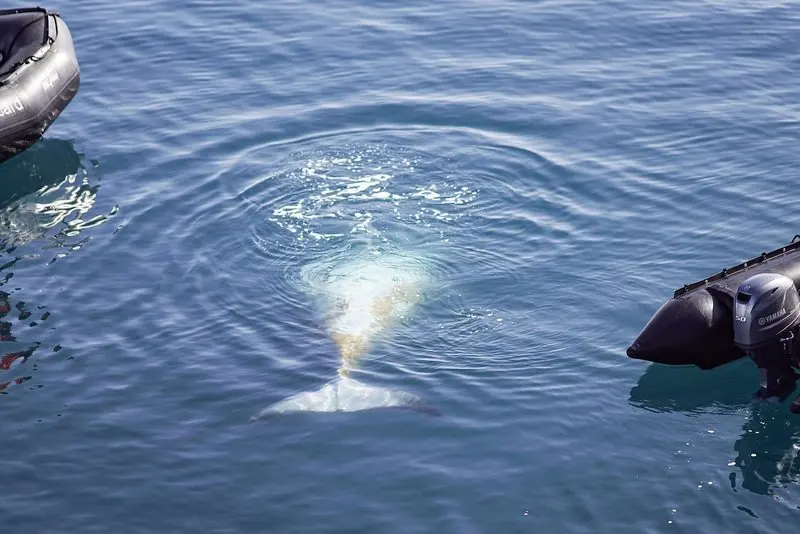
إيصال الضيوف للمتن، ووش يسوون
مطار أوشوايا الدولي ياخذ طايرات نفاثة ويتصل عبر بوينس آيرس وسانتياغو وEl Calafate. وPunta Arenas هو النظير التشيلي. والاثنان بعيدان عن كل مكان والاثنان يعتمدان على الطقس، عشان كذا لازم يوصل الضيوف قبلها بيوم ويتوقعون ان القارب يمكن ما يبحر في الصباح المخطط. وما في وصول جوي لشبه الجزيرة لضيف يخت الا برحلة مستأجرة لمدرج King George Island، اللي يرتبها بعض المشغلين لتخطي دريك.
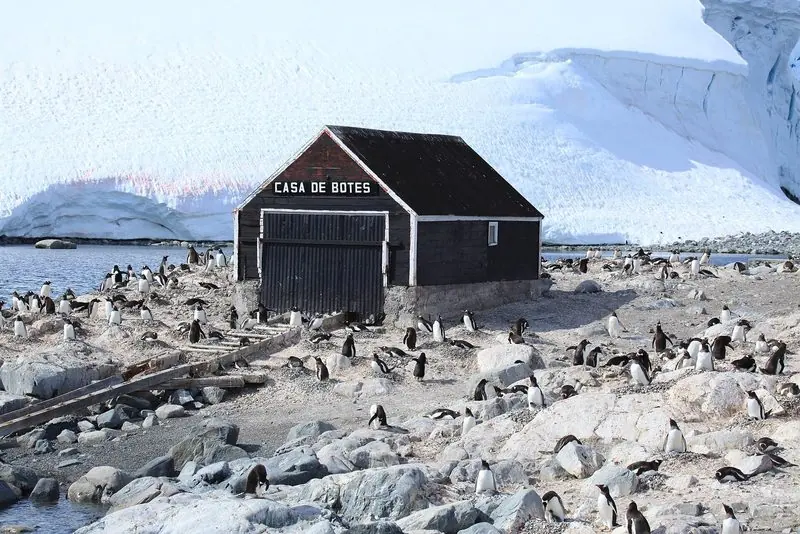
وعلى البر، اليوم نزولات بالتندر. مستعمرات البطريق في Neko وPetermann، والقاعدة ومكتب البريد في Port Lockroy، والكالديرا في Deception، والتجديف بالكاياك بين الجليد وسباحة في المياه البركانية الضحلة لللي يصر. وفي باتاغونيا هي مشي في Torres del Paine ومشي على الأنهار الجليدية والمزارع. والأكل وحياة الليل مو جزءا من هالوجهة بأي شكل يعرفه مالك. وأوشوايا فيها مطاعم وسرطان الملك، وهذا كل شي.
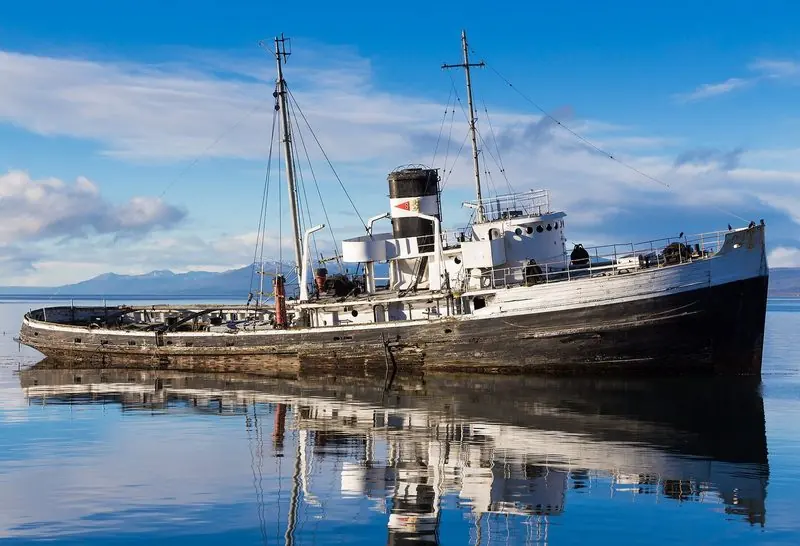
الوقود والدعم والسلبية الصريحة
الوقود والمؤن تجي من أوشوايا أو Punta Arenas أو Puerto Williams ولا مكان ثاني، واليخت اللي يعبر دريك يحمل كل شي للرجل الجنوبية كلها. والدعم الفني بالمستوى اللي يحتاجه يخت 50 متر مو موجود جنوب بوينس آيرس أو سانتياغو، والعطل الجاد على شبه الجزيرة إنقاذ ذاتي رجوعا عبر دريك بأي شي على المتن. وقطع الغيار والمتخصصون وحتى الإخلاء الطبي كلها تنقاس بالأيام.
وقائمة السلبيات طويلة وما في شي منها مفاجئ. إجراء التصاريح بطيء. والإرشاد التشيلي وإجراءات zarpe يضيفان تكلفة ووقتا في كل خطوة. والتأمين غالي اذا كان متاحا. ودريك راح يكون غير مريح ويمكن أسوأ. والضيوف غير الملتزمين راح يتعسون مع اليوم الرابع. ومقابل ذلك، شبه الجزيرة في فبراير هي أقل المناظر ازدحاما اللي يقدر يخت خاص يوصلها بقوته الذاتية، والملاك اللي يروحون عادة يروحون أكثر من مرة.
The compulsory costs, and the one tariff that is published
Chilean pilotage is the line an owner cannot avoid and it is the only part of this voyage with a public tariff. Fees are set by gross tonnage under Supreme Decree 427 of 1979, denominated in US dollars and revalued each year against the US consumer price index. The published standard fee covers continuous navigation between Bahia Ancud and Bahia Posesion within 120 hours with two pilots aboard, and runs from USD 3,836.04 to USD 6,552.16 for vessels of 2,000 to 4,000 GRT, rising through USD 11,505.15 to USD 12,623.55 at 10,000 to 12,000 GRT. A 50 m yacht sits below the bottom of that band, so her base fee is lower, but the structure around it applies in full: section multipliers of 0.038 to 1.150 depending on the route through the Strait and the channels, and USD 55.75 an hour for a delayed departure beyond twelve hours, for navigation beyond 120 hours, and for embarking or landing a pilot outside a transfer station. On a channels programme that runs for weeks, the hourly charges are the part that moves.
Port charges are the other surprise. The Austral ports tariff effective 1 May 2025 applies its yacht rates to vessels up to 50 gross tonnage, which means a 50 m yacht is not a yacht for billing purposes and is charged on the commercial vessel scale at Punta Arenas. Ushuaia's commercial pier is agent-arranged and the agencies that handle expedition ships and superyachts publish nothing. Set the whole thing against the Mediterranean alternative for scale: Marina di Porto Cervo's published 2026 tariff is EUR 3,698 a day in the band to 40 m between 1 and 20 August, about EUR 102,000 for the month. A southern season will cost more than that and almost none of it will be berthing. It is pilotage, agency, fuel carried for the whole leg, an ice pilot, an expedition team, a doctor and an insurance premium priced for a coast with no salvage capability.
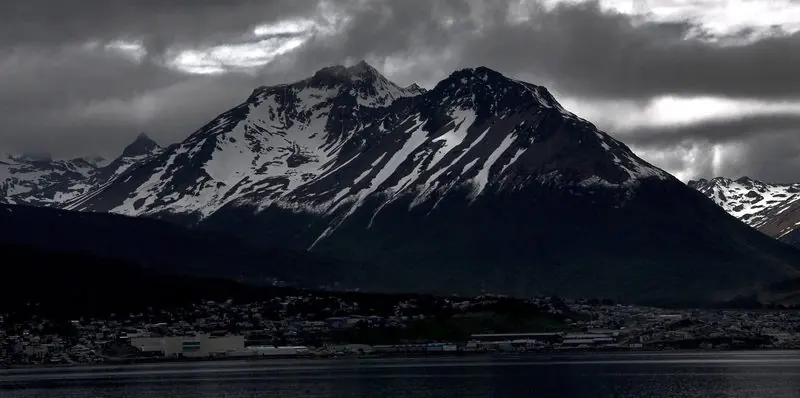
Permits, and why a commercial charter is a different application
Nobody owns Antarctica, so there is no visa and no port state to license the yacht. Authorisation comes from a national authority of an Antarctic Treaty party, under the Environmental Protocol, and it is issued to the organiser of the activity rather than to the vessel. That distinction is the one that catches commercial operations: a charter is an organised activity and the permit application has to be made in the name of whoever is organising it, supported by an environmental impact assessment, contingency planning and evidence of self-sufficiency. It takes months, it cannot be assembled from Ushuaia in a fortnight, and a yacht that arrives on the Peninsula without it is in a category the other operators report. There is no fine schedule of the kind a Mediterranean state would publish, because enforcement runs through the flag state and through the permit rather than through a coastguard alongside.
The operational limits come from IAATO rather than from law, and for a private yacht they are not the constraint. No more than 100 visitors ashore at a site at one time, and no landings at all from a vessel carrying more than 500 passengers. What does constrain a yacht is the site booking system behind those numbers, which allocates the good landings among operators who are inside the system, and Antarctic visitor numbers reported at about 124,000 a year by 2025 mean the popular sites are scheduled rather than available. In Chilean and Argentine waters the yacht is back inside ordinary jurisdiction, with compulsory pilotage between the Strait of Magellan and Ushuaia under the 1984 Treaty of Peace and Friendship and the Armada de Chile controlling every movement through the zarpe system.
Discharge and fuel: the strictest regime a yacht will meet
The Antarctic area is a MARPOL Special Area under Annex I for oil, Annex II for noxious liquids and Annex V for garbage, and unlike the Red Sea these designations are in force, having taken effect on 17 March 1992. Garbage discharge is prohibited. Oil discharge is prohibited. Nothing goes over the side, and a yacht crossing the Drake carries out everything she carried in, which is a real volume calculation over a month with guests aboard and a driver of tankage on any boat built for this.
The fuel rule is the one that decides whether a hull can go at all. Under MARPOL Annex I Regulation 43, in force since 1 August 2011, the carriage in bulk as cargo, the use as ballast and the carriage and use as fuel of heavy grade oil are prohibited south of 60 degrees south. A yacht burning distillate is unaffected, which is most of them, but the rule is absolute and applies to what is in the tanks, not to what is being burned that day. Combined with the Polar Code requirements on structure, equipment and crew training, this is the point at which an owner discovers whether the boat is genuinely capable or merely large.
على البر والوصول والحجز
| Getting guests aboard | Ushuaia's international airport takes jets and connects through Buenos Aires, Santiago and El Calafate; Punta Arenas is the Chilean equivalent. Both are weather-dependent, so guests should arrive a day early and expect the boat may not sail on the planned morning. There is no air access to the Peninsula for a yacht guest short of a charter to the airstrip on King George Island, which some operators arrange to skip the Drake. |
|---|---|
| What the boat itself needs | Berthing is not the gate, the specification is: an ice-strengthened hull or at least an ice-capable class notation, protected propellers and rudders, redundant heating and power, heavy ground tackle with a shore-line arrangement for williwaw anchorages, radar that sees growlers, and range enough to cross the Drake twice without bunkering. |
| How the permit actually works | Authorisation comes from the national authority of an Antarctic Treaty party, issued to the organiser of the activity rather than to the vessel, and requires an environmental impact assessment and contingency planning. It takes months and cannot be assembled from Ushuaia in a fortnight. A commercial charter is a harder, separate application made in the organiser's name. IAATO's site-booking system, not a law, then allocates the actual landing slots among operators inside it. |
| What it costs: the one published tariff | Chilean pilotage under Supreme Decree 427 of 1979, denominated in US dollars and revalued yearly to US CPI, is compulsory and public: USD 3,836.04 to 6,552.16 for 2,000 to 4,000 GRT on the standard continuous transit, rising to USD 11,505.15 to 12,623.55 at 10,000 to 12,000 GRT. A 50 m yacht sits below that band, but the section multipliers of 0.038 to 1.150 and the USD 55.75 an hour charge for delays, extended transit or an off-station pilot transfer apply in full, and on a weeks-long channels programme the hourly charges are what moves. |
| What it costs: port charges and everything unpublished | The Austral ports tariff effective 1 May 2025 caps its yacht rate at 50 gross tonnage, so a 50 m yacht is billed on the commercial vessel scale at Punta Arenas. Ushuaia's commercial pier is agent-arranged and the agencies that handle expedition ships and superyachts there publish nothing. Almost none of a southern season's cost is berthing - it is pilotage, agency fees, fuel carried for the whole leg, an ice pilot, an expedition team, a doctor, and an insurance premium priced for a coast with no salvage capability. |
| Insurance and crew | Underwriters ask about ice class notation, ice pilots, crew experience and medical provision before extending a policy south, and premiums reflect the absence of any salvage or rescue capability. Captain Gerhard Veldsman of the 85.9 m sailing ketch Aquijo, who has made the run, put it plainly: an ice pilot is mandatory for insurance in the region, and although he initially thought hiring one was a waste of money, he found real value in a pilot who could read how the ice moved with the tide and wind. |
| Discharge and fuel rules | The Antarctic area is a MARPOL Special Area under Annexes I, II and V, in force since 17 March 1992: nothing is discharged, and a yacht crossing the Drake carries out everything she carried in. Under MARPOL Annex I Regulation 43, in force since 1 August 2011, heavy grade oil may not be carried or used as fuel south of 60 degrees south. A distillate-burning yacht is unaffected, but the rule is absolute on what is in the tanks, not on what is being burned that day. |
ما يذكره الملاك والأطقم
An ice pilot is not optional, and a real one earns his place
Captain Gerhard Veldsman of the 85.9 m sailing ketch Aquijo has said an ice pilot is mandatory for insurance in the region. He initially thought carrying one was a waste of money, but found that a good pilot adds real value, talking the boat through a path in the ice by reading how it moves with the tide and wind.
Captain Gerhard Veldsman, master of Aquijo (Boat International)Two weeks between Ushuaia and southern Chile without seeing another vessel
Veldsman also described the isolation of the Patagonian leg directly: his crew travelled for two weeks from Ushuaia to Chacabuco without seeing another living soul, and a yacht is on her own even if she carries a helicopter, because it is not flown unless it has to be.
Captain Gerhard Veldsman, master of Aquijo (Boat International)The smaller the group ashore, the better the Antarctic experience actually is
Ben Lyons, CEO of EYOS Expeditions, which organises private yacht polar voyages, has said there is a genuine privilege in being the only people ashore in Antarctica, and that on a smaller vessel the boat can stop for whales and have guests in the zodiacs within two minutes - flexibility a scheduled expedition ship does not have.
Ben Lyons, CEO, EYOS Expeditions (Forbes, November 2025)A private yacht changes what a landing feels like, not just who else is there
An Antarctic expedition leader has said the sense of wilderness is diminished when landing with around 100 people at once, and that a yacht-scale group lets guests discover Antarctica for themselves rather than as part of a managed crowd.
Richard White, expedition leader (Boat International)
نقاط القوة وما يستدعي الانتباه
نقاط القوة
- The least crowded landscape a private yacht can reach under her own powerEYOS Expeditions CEO Ben Lyons: being the only people ashore somewhere in Antarctica, surrounded by that scale of landscape with nobody else around, is a real privilege, and the smaller the group the better the experience is.
- A private yacht changes what the day can be, not just who is on itLyons again: on a smaller vessel, spotting whales means the boat simply stops and the zodiacs are in the water two minutes later, a kind of responsiveness a scheduled expedition ship cannot offer.
- One genuinely public, price-able cost existsChilean pilotage is set by gross tonnage under a 1979 supreme decree, denominated in US dollars and revalued to CPI every year, so an owner can actually cost this one compulsory line rather than guess at it.
- The channels alone are a complete programmeA fortnight based on Ushuaia covers the Beagle Channel, the Chilean arms and Cape Horn with real scenery every day, and does not require the Drake crossing at all - many owners never need to go further.
- Expedition leaders report the exclusivity is real, not marketingRichard White, an Antarctic expedition leader, has said the sense of wilderness is diminished landing with 100 people at once, and that a private yacht lets guests discover Antarctica for themselves rather than as part of a crowd.
ما يستدعي الانتباه
- There is no salvage or rescue capability south of Buenos Aires or SantiagoA serious failure on the Peninsula is a self-rescue back across the Drake with whatever is aboard. Spares, specialists and medical evacuation are all measured in days, not hours.
- Isolation is a literal fact, not an atmosphereCaptain Gerhard Veldsman of Aquijo: his crew travelled two weeks from Ushuaia to Chacabuco in southern Chile without seeing another living soul, and even a yacht carrying a helicopter cannot fly it unless it has to - you have to be able to survive on what is aboard.
- The permit process is slow and cannot be rushedAuthorisation is issued to the organiser of the activity, not the vessel, requires an environmental impact assessment and contingency planning, and takes months - it cannot be assembled from Ushuaia in a fortnight, and a commercial charter faces a harder, separate application.
- Insurance is expensive where it exists at allAn ice pilot is a mandatory condition of cover for this region, not an optional guide, and underwriters price the whole policy against a coast with no salvage capability.
- Guests who are not committed will struggleThe Drake will be uncomfortable and may be worse than forecast. There is no food or nightlife destination in any form an owner would normally recognise - Ushuaia's restaurants and king crab are the extent of it.
لمين هو: المالك اللي عنده قارب قادر على الجليد وربان ذو خبرة وصبر على إجراء تصاريح ينقاس بالشهور، وضيوفه يبون رحلة بدل شاطئ.