Svalbard & the Norwegian Arctic
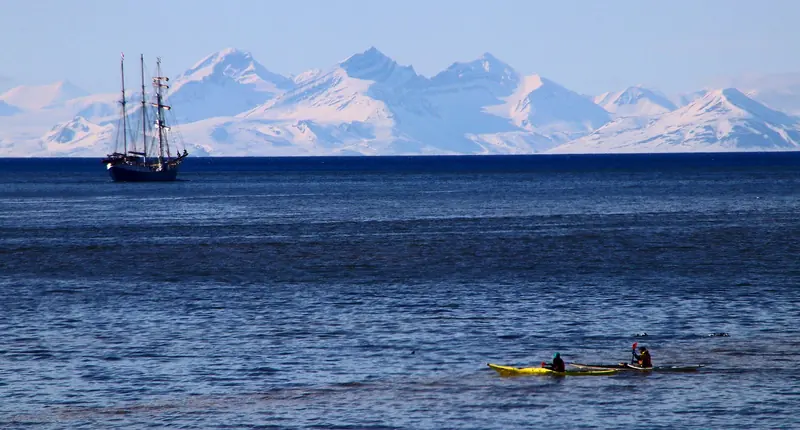
| Region | the Svalbard archipelago between 74 and 81 degrees north, about 400 nautical miles north of mainland Norway |
|---|---|
| Longyearbyen at 78 degrees north is the only settlement with an airport, a port and services | |
| About two thirds of the archipelago is protected in national parks and reserves | |
| A circumnavigation of Spitsbergen is roughly 600 nautical miles and depends entirely on the ice year | |
| Amendments to the Svalbard environmental regulations entered into force on 1 January 2025 | |
| Landings in protected areas are prohibited except at 43 designated sites | |
| Ships in all protected areas are limited to 200 passengers on board | |
| Motorised traffic at sea is capped at 5 knots within 500 m of land outside bird cliffs from 1 April to 31 August | |
| Drones are prohibited in protected areas, and camping requires a permit applied for in advance | |
| Polar bears must be given 500 m from 1 March to 30 June and 300 m from 1 July to 28 February | |
| It is prohibited to disturb, lure or pursue a polar bear, and a vessel that finds itself close by accident must move away immediately | |
| There is no marina in the archipelago. Longyearbyen has small craft berthing and is the only place with services | |
| Ny-Alesund is the northernmost permanent settlement in the world and is a research station rather than a port of call | |
| Barentsburg and Pyramiden are Russian settlements that can be visited and offer no yacht facilities | |
| There is no yard, no chandlery of any depth and no marine engineering capacity beyond the local fleet's own needs | |
| Glacier ice, growlers and bergy bits sit low in the water and are the real hull risk rather than sea ice | |
| Season | June to early September, with June the iciest and cleanest and August the warmest at around 5 to 8 degrees |
| The midnight sun runs from about 20 April to about 23 August at Longyearbyen | |
| Fog is the constant hazard, formed by warm air over cold water, and can close a fjord for days | |
| Katabatic gusts off the glaciers are violent and are a real factor when anchoring under an ice front | |
| Longyearbyen has scheduled jet service from Oslo and Tromso, which is what makes the archipelago practical for an owner | |
| Tromso, at 69 degrees north on the mainland, is the usual departure port, about 500 nautical miles south across the Barents Sea | |
| Svalbard is Norwegian sovereign territory under the Svalbard Treaty, outside the Schengen area and demilitarised | |
| Shore parties carry a firearm for polar bear protection, which for most yachts means hiring a guide in Longyearbyen | |
An archipelago at the top of the map
Svalbard sits between 74 and 81 degrees north, about 400 nautical miles north of the Norwegian mainland and roughly 600 miles from the pole. Spitsbergen is the main island and Longyearbyen, at 78 degrees, is the settlement, with an airport, a port and around two thousand people. Most of the archipelago is glacier, mountain and tundra, about two thirds of it is protected in national parks and reserves, and the working season for a yacht is roughly June to early September, when the west coast is reliably ice free.
A circumnavigation of Spitsbergen is around 600 nautical miles and is the classic voyage, taking the west coast north to Magdalenefjorden and the fjords beyond, across the top through Hinlopen Strait when the ice allows, and back down the east side past Edgeoya. It is not always possible. In a heavy ice year the north and east are closed and the trip becomes a west coast cruise, which is still one of the great ones. An owner planning this needs a boat prepared for it and a schedule that can lose a week.
The 2025 rules changed the trip
Amendments to the Svalbard environmental regulations entered into force on 1 January 2025 and they are specific. Landings in protected areas are prohibited except at 43 designated sites. Ships in all protected areas are limited to 200 passengers on board. Motorised traffic at sea is capped at 5 knots within 500 metres of land outside bird cliffs from 1 April to 31 August. Drones are prohibited in protected areas. Camping requires a permit applied for in advance.
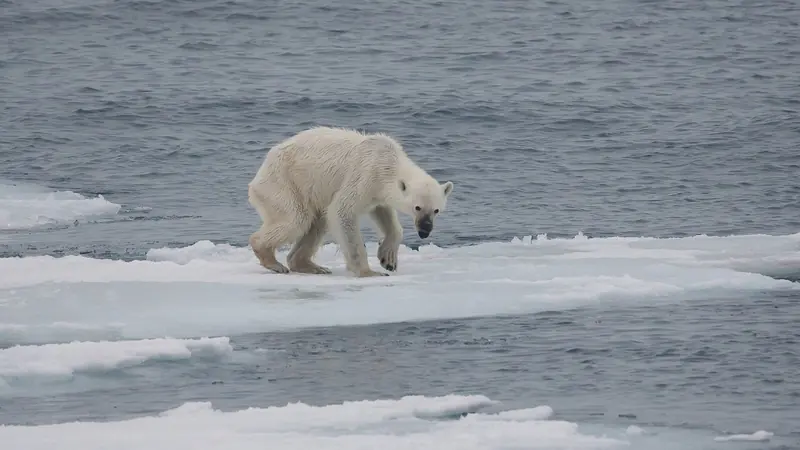
The polar bear rules are the ones that shape a day. A vessel or tender must keep 500 metres from a polar bear from 1 March to 30 June and 300 metres from 1 July to 28 February, and it is prohibited to disturb, lure or pursue one. If a ship finds itself close to a bear by accident, including at anchor, it must move away immediately. For a private yacht, none of this is unreasonable and all of it needs to be briefed before the boat sails, because the guest expectation of a close polar bear photograph is now legally impossible.
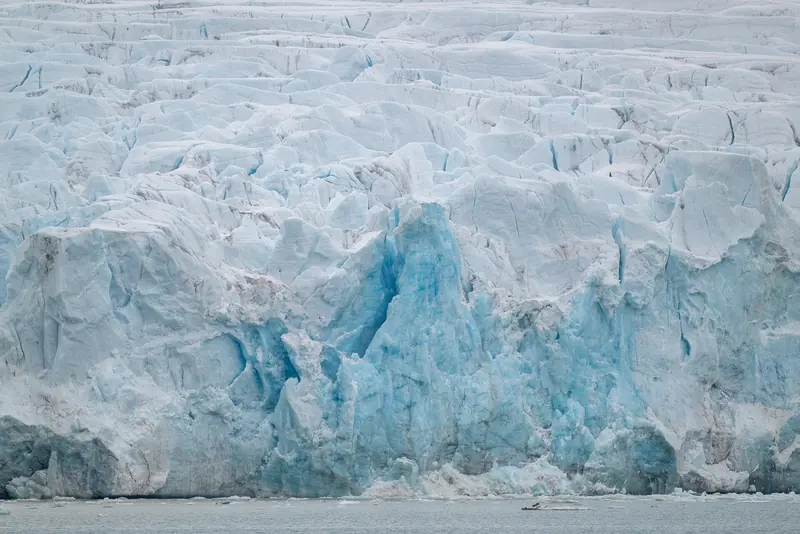
Forty three permitted landing sites, five hundred metres from a polar bear in spring, and a sun that does not set from April to August.
There is no marina, and that is the point
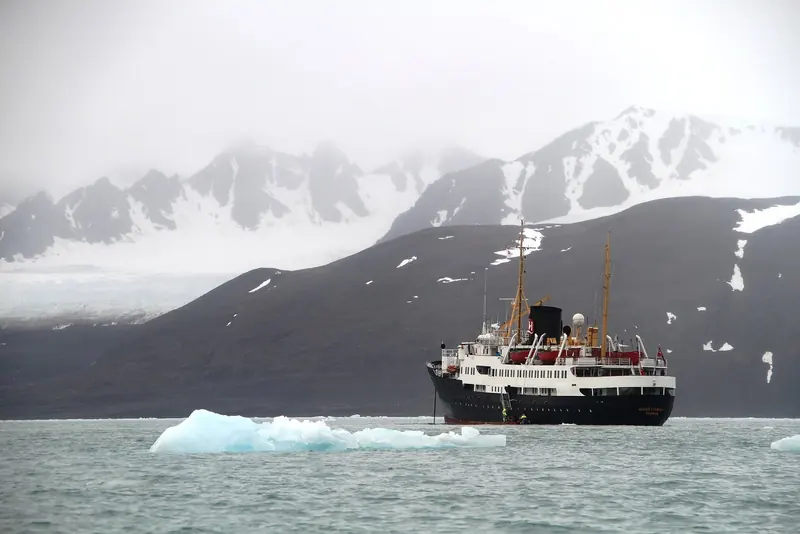
Longyearbyen has a port with small craft berthing and it is the only place in the archipelago where a yacht can lie alongside with services. Ny-Alesund, the northernmost permanent settlement in the world, is a research station with a quay and no facilities for visitors. Barentsburg and Pyramiden, the Russian settlements, are visitable and are not marinas. Everything else is an anchorage in a fjord, usually in deep water off a glacier, frequently with ice in it.
The practical consequence is that a Svalbard voyage is self supporting. Fuel, water, provisions and spares come from Longyearbyen and there is no second chance. There is no yard, no chandlery of any depth, no rigger and no engineer beyond what the town's own small fleet needs. Search and rescue is provided by the Governor's helicopters and the coastguard, and it is a long way to the nearest hospital. Boats that come here carry more of everything than they expect to use.
Ice, and the boat you need
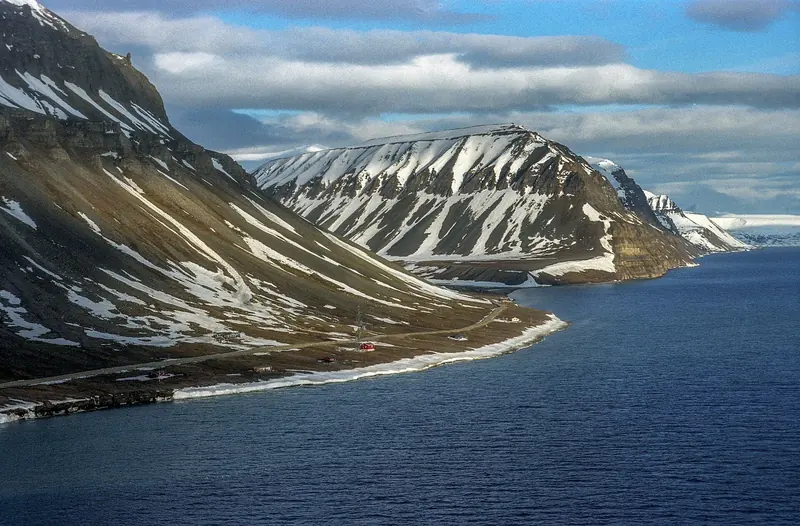
The west coast is warmed by the last of the Atlantic current and is normally open from June, while the north and east depend on the year. Sea ice is only half the problem: glacier ice, growlers and bergy bits sit low in the water, appear on no radar reliably, and are what actually damages a hull. Navigation is by eye in daylight that never ends, at a speed that allows a stop, with a lookout that is a person rather than an alarm.
That argues for a boat built for it. Ice classed hulls, protected propellers, heated systems, real ground tackle for deep glacial anchorages and a crew that has done it before are the difference between an expedition and an incident. Charter operators in the region carry ice pilots as a matter of routine and a private yacht should do the same. The single most useful thing an owner can bring is a schedule with slack in it, because ice, fog and weather do not negotiate with a charter plan.
What you actually see
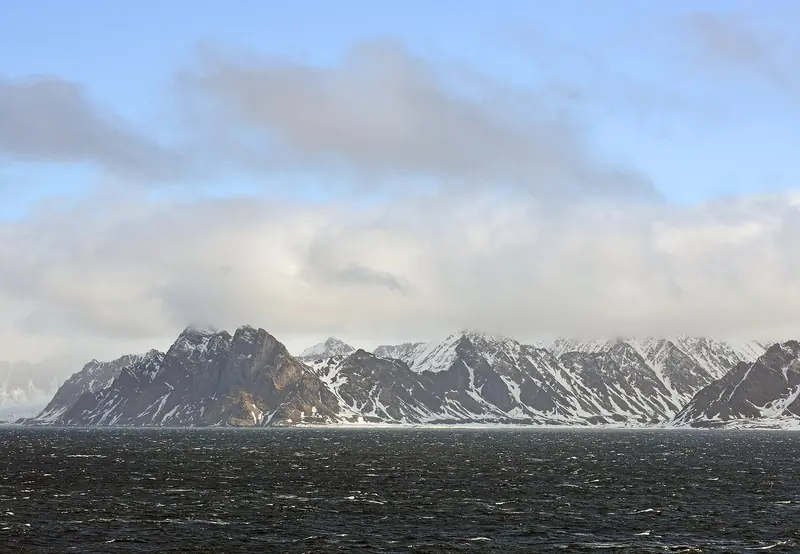
The scale is the thing. Glacier fronts several kilometres wide and forty metres high calving into a fjord, mountain ranges no one has named, and light that runs all night from late April to late August because the sun does not set. Magdalenefjorden on the north west coast is the classic anchorage. Hinlopen Strait between Spitsbergen and Nordaustlandet holds the bird cliffs at Alkefjellet, hundreds of thousands of guillemots on a wall of dolerite. Kvitoya at the far east is where Andree's balloon expedition was found in 1930.
The wildlife is the reason most people come and it cannot be promised. Polar bears are seen on most well planned voyages and at a legal distance, walrus haul out at known sites, beluga work the glacier fronts, and the bird cliffs are extraordinary in a way photographs do not convey. Reindeer and Arctic fox are common ashore. Nothing here is a zoo, and a guest who has been told he will certainly see a bear has been told something the operator cannot control.
Getting there, and getting guests there
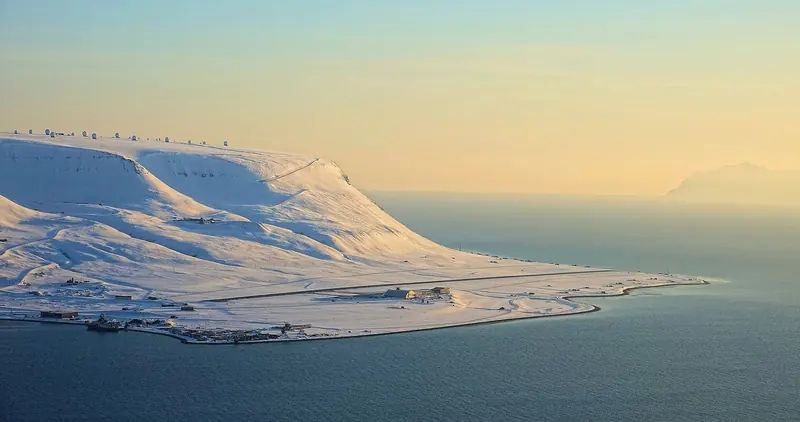
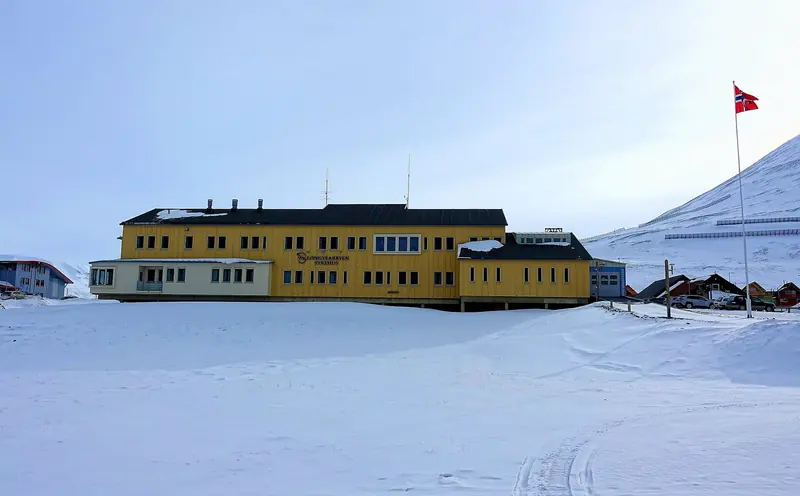
Longyearbyen has a real airport with scheduled jet service from Oslo and Tromso, which is the single fact that makes Svalbard practical for an owner rather than only for an expedition. Guests fly to Oslo, connect north, and are aboard the same day. Tromso, on the Norwegian mainland at 69 degrees, is the usual departure port for a yacht coming up under its own power, and the passage north across the Barents Sea is about 500 miles of open water with a reputation it has earned.
Svalbard is Norwegian sovereign territory under the Svalbard Treaty, with a special status: it is outside the Schengen area and it is a demilitarised, visa free zone in which citizens of the treaty parties may live and work. In practice a guest still transits Schengen at Oslo, so the passports have to work for Norway. The Governor, the Sysselmester, is the authority for everything from the environmental regulations to search and rescue, and voyages are notified to that office.
The season, and the light
The midnight sun runs from around 20 April to around 23 August at Longyearbyen and the polar night from late October to mid February. The practical yachting season is June to early September. June has the most ice and the cleanest light. July and August are the warmest, which means air temperatures around 5 to 8 degrees, and the best chance of a clear passage north and east. By September the days are shortening fast and the first new ice is forming.
Fog is the constant. Warm air over cold water produces it repeatedly through the summer and it can close a fjord for days. Wind is generally light in the fjords and can be violent off the glaciers as katabatic gusts, which is a real consideration when anchoring under an ice front. And the temperature is what it is: guests need genuine cold weather clothing, and the crew needs the boat's heating to be a system rather than an afterthought.
The rules an owner has to plan around, in one place
Landings inside protected areas are restricted to 43 designated sites, so the itinerary is built from a published list rather than from a chart. Vessels in protected areas may not carry more than 200 passengers, which does not bind a private yacht but does explain why the expedition ships around you are the size they are. Five knots applies within 500 metres of land outside bird cliffs from 1 April to 31 August. Drones are banned in protected areas, which surprises owners who assumed the ban was about airports.
Ashore, polar bear protection cuts both ways: the bears are protected from disturbance and people are required to be able to protect themselves, so shore parties in Svalbard carry a firearm and someone competent to use it, which for most yachts means hiring a guide in Longyearbyen. Camping needs a permit obtained in advance. The Governor's office publishes the current position and it changes, so the compliance question belongs to the crew before departure rather than to the guests on the day.
The honest downside, and what is not published
It is cold, it is grey as often as it is spectacular, there is nothing ashore in the resort sense, and the trip can be curtailed by ice at any point. The archipelago is entirely self supporting, so a mechanical failure is a serious event rather than an inconvenience. Guests who need warmth, a beach or a restaurant will be miserable within three days. And the regulatory framework, while entirely sensible, means an owner cannot simply take the boat where the view is best.
Checked in August 2026, there is no published berthing tariff for Longyearbyen of the kind a marina would publish, no fuel price, and no consolidated public statement of what a private yacht as opposed to a passenger ship must do under the 2025 amendments. The 43 landing sites, the passenger limit and the bear distances are published clearly. How they apply to a 50 metre private yacht with twelve guests and two tenders is a question for the Governor's office, and the answer should be obtained in writing before the boat leaves Tromso.
على البر والوصول والحجز
| Getting there | Longyearbyen has scheduled jet service from Oslo and Tromso, so guests fly to Oslo, connect north and are aboard the same day, which is the single fact that makes Svalbard workable for a private yacht rather than only for an expedition ship. A yacht coming under its own power usually departs from Tromso at 69 degrees north, about 500 nautical miles south across the Barents Sea. Svalbard is Norwegian territory outside Schengen, but guests transit Schengen at Oslo, so passports must work for Norway. |
|---|---|
| Where the boat lies | Longyearbyen's port has small craft berthing and is the only place in the archipelago with services, fuel, provisions and any technical help. Ny-Alesund is a research station with a quay, and Barentsburg and Pyramiden are settlements rather than ports of call. Everywhere else is an anchorage, typically deep water in a fjord off a glacier front, often with ice in it, which is why ground tackle and a katabatic gust plan matter more here than a berth booking. |
| The 2025 regulations, in force | Landings in protected areas are prohibited except at 43 designated sites. Ships in protected areas may carry no more than 200 passengers. Motorised traffic at sea is limited to 5 knots within 500 metres of land outside bird cliffs from 1 April to 31 August. Drones are prohibited in protected areas and camping requires a permit obtained in advance. All of this entered into force on 1 January 2025 and the Governor's office publishes the current position. |
| Polar bears, legally | Keep 500 metres from a polar bear between 1 March and 30 June and 300 metres between 1 July and 28 February, for the ship and for tenders alike. Disturbing, luring or pursuing a bear is prohibited, and a vessel that finds itself close to one by accident, including at anchor, must move away immediately. Ashore the obligation reverses and a shore party must be able to protect itself, which in practice means hiring a licensed guide in Longyearbyen rather than improvising. |
| Ice, and the boat for it | The west coast is normally open from June, while the north and east depend on the year and can be closed entirely. The hull risk is glacier ice, growlers and bergy bits that sit low, show poorly on radar and are found by eye. That argues for an ice classed hull, protected propellers, heated systems and a crew that has been north before, and for carrying an ice pilot as the regional operators do. Build a schedule that can lose a week without losing the trip. |
| Self sufficiency | Fuel, water, provisions and spares come from Longyearbyen and there is no second source. There is no yard, no rigger, no chandlery of any depth and no marine engineering capacity beyond what the local fleet needs. Search and rescue is provided by the Governor's helicopters and the coastguard, and the nearest hospital of any scale is on the mainland. Boats that come here carry redundancy in the systems that matter and more of everything than they expect to use. |
| Season and weather | The practical season is June to early September. The midnight sun runs from about 20 April to about 23 August at Longyearbyen, so navigation happens in daylight throughout. June has the most ice and the best light, July and August are warmest at around 5 to 8 degrees and give the best chance of getting north and east, and by September the days shorten fast and new ice forms. Fog from warm air over cold water is the constant, and katabatic gusts off the glaciers are violent and local. |
| What guests actually see | Glacier fronts kilometres wide calving into a fjord, unnamed mountain ranges and light that runs all night. Magdalenefjorden on the north west coast is the classic anchorage. Alkefjellet in Hinlopen Strait holds hundreds of thousands of guillemots on a dolerite wall. Kvitoya at the far east is where the Andree balloon expedition was found in 1930. Polar bears are seen on most well planned voyages, at a legal distance. Walrus, beluga, reindeer and Arctic fox are all likely. None of it can be promised. |
| What is NOT published | Checked in August 2026, there is no published berthing tariff for Longyearbyen of the kind a marina publishes, and no published fuel price. The 43 landing sites, the 200 passenger limit and the bear distances are published clearly, but there is no consolidated public statement of how the 2025 amendments apply to a private yacht with twelve guests and two tenders rather than to a passenger ship. Obtain that position in writing from the Governor's office before leaving Tromso. |
ما يذكره الملاك والأطقم
The 2025 amendments are precise, and they are already in force
The Norwegian government's amendments to the Svalbard environmental regulations entered into force on 1 January 2025. They prohibit landings in protected areas other than at 43 designated sites, limit ships in all protected areas to 200 passengers on board, cap motorised traffic at 5 knots within 500 metres of land outside bird cliffs from 1 April to 31 August, prohibit drones in protected areas and require a permit for camping.
Norwegian Ministry of Climate and Environment, regjeringen.noThe bear distances are seasonal and they apply to tenders too
Ships and small boats must keep 500 metres from a polar bear from 1 March to 30 June and 300 metres from 1 July to 28 February. Disturbing, luring or pursuing a bear is prohibited, and a vessel that ends up close to one by accident, including at anchor, is required to move away immediately. Operators are consistent that the practical effect is to end the close approach photograph that guests have historically expected.
Sysselmesteren pa Svalbard, as reported by Hurtigruten Svalbard and Poseidon ExpeditionsThe protection runs in both directions ashore
The bears are protected from disturbance, and people are separately required to be able to protect themselves, so shore parties in Svalbard carry a firearm and someone competent with it. For a visiting yacht that normally means engaging a licensed guide in Longyearbyen rather than arming the crew, and it is one of the reasons a Svalbard landing takes more organisation than an anchorage anywhere else in this directory.
Sysselmesteren pa SvalbardThere is one place to refuel and provision, and no second chance
Longyearbyen is the only settlement in the archipelago with an airport, a port and services. Ny-Alesund, the northernmost permanent settlement in the world, is a research station, and Barentsburg and Pyramiden are Russian settlements that can be visited rather than used. There is no yard, no chandlery of depth and no marine engineering capacity beyond the local fleet, which is why boats that come north carry redundancy rather than optimism.
Yotters desk, from Svalbard port and settlement informationHow the rules bind a private yacht is not published
Checked in August 2026, the 43 landing sites, the 200 passenger limit in protected areas and the seasonal bear distances are all published clearly for shipping, and no consolidated public statement sets out how the same framework applies to a private yacht carrying twelve guests and operating two tenders. There is no published berthing tariff or fuel price for Longyearbyen either. Both positions should be obtained from the Governor's office in writing before departure.
Yotters desk, checked August 2026
نقاط القوة وما يستدعي الانتباه
نقاط القوة
- A scheduled jet service to 78 degrees northLongyearbyen has real air links from Oslo and Tromso, so guests join and leave in a day. No other Arctic cruising ground is that accessible.
- Scenery at a scale nothing else matchesGlacier fronts kilometres wide and tens of metres high, unnamed mountains, and a sun that does not set from late April to late August.
- Wildlife that is genuinely wildPolar bears at a legal distance, walrus haul outs, beluga at the glacier fronts and the guillemot colonies of Alkefjellet in Hinlopen Strait.
- The rules are clear and publishedForty three designated landing sites, a 200 passenger limit in protected areas, 5 knots inshore in the bird season and precise bear distances, all in force since 1 January 2025.
- Almost nobody is thereTwo thirds of the archipelago is protected, the private yacht traffic is a handful of boats a season, and an anchorage is genuinely yours.
ما يستدعي الانتباه
- No infrastructure of any kind outside one townNo marina, no yard, no chandlery and no engineering support. Fuel, water and spares come from Longyearbyen and there is no second source.
- The ice decides the itineraryThe north and east of Spitsbergen may be closed for the season, and growlers and bergy bits that sit low in the water are the real hull risk.
- Guests have to want this specificallyAir temperatures of 5 to 8 degrees in August, persistent fog, nothing ashore in the resort sense and no possibility of a close bear photograph.
- It is a long way from helpSearch and rescue is the Governor's helicopters and the coastguard, and any hospital of scale is on the mainland, 500 miles south across the Barents Sea.
- The private yacht position is not spelled outThe 2025 amendments are published for shipping. How they bind a 50 metre private yacht with two tenders is a question for the Governor's office rather than a published answer.
لمين هو: An owner with an ice capable boat and an experienced crew who wants the Arctic itself rather than a comfortable version of it, and who can build a three week voyage that survives losing a week to ice or fog.