Falmouth Harbour Marina (Antigua)
| الموقع | فالماوث هاربر، الساحل الجنوبي لأنتيغوا، عند 17 00.75 شمالا و061 46.73 غربا، على الطريق الرئيسي المؤدي إلى إنجلش هاربر |
|---|---|
| المشغل | Antigua Slipway Ltd، شركة الأحواض العائلية القائمة في إنجلش هاربر منذ 1966. وتأسست المارينا عام 1994 |
| المراسي | 30 بالمؤخرة و30 جانبيا، على أرصفة خرسانية عريضة بمدخل صالح للمركبات |
| أقصى طول كلي | 330 قدما، أي نحو 100 متر، وهو الرقم الذي تنشره جمعية أنتيغوا وبربودا لليخوت والصناعات البحرية عن السفينة. أما 535 قدما على موقع المارينا نفسه، و525 قدما أو 160 مترا في الأدلة، فهي طول رصيف اليخوت الفائقة الذي بني في توسعة 2022، وليست حدا أقصى لطول السفينة |
| أقصى غاطس | 20 قدما، أي نحو 6.1 متر، تتفق عليه كل المصادر وهو الرقم الذي يحكم فعلا |
| الكهرباء على الرصيف | 110 فولت و208 و220 و380 فولت ثلاثي الطور بحسب الجمعية المهنية، مع 400 فولت مضافة على موقع المارينا. وقيمة الأمبير غير منشورة. والكهرباء محسوبة بعداد بسعر USD 0.60 لكل كيلوواط ساعة |
| الماء | مياه عذبة عند المراسي، محسوبة بعداد بسعر USD 0.15 لكل غالون أمريكي. والاستحمام في البر USD 2 للفرد |
| الاتصال | واي فاي بالألياف البصرية مجانا في كامل المارينا. وحراسة على مدار 24 ساعة، ومواقف سيارات، وتصريف نفايات، ورصيف لقوارب الخدمة، وتخزين حاويات بمساعدة رافعة |
| الوقود | ديزل شديد الانخفاض في الكبريت معفى من الضرائب والرسوم يسلم إلى المرسى بمعدل يصل إلى 1,000 لتر في الدقيقة، يوميا في الموسم المرتفع وأيام العمل في الموسم المنخفض، وليلا عند الطلب. والسعر غير منشور |
| VHF | القناة 10. مكتب المارينا +1 268 460-6054 |
| تعرفة الرسو، قرئت في أغسطس 2026 دون سنة موسم على الصفحة: الشتاء من 1 نوفمبر إلى 31 مايو، بالمؤخرة USD 3.50 للقدم في اليوم وجانبيا USD 6.50، والصيف من 1 يونيو إلى 31 أكتوبر، بالمؤخرة USD 2.55 وجانبيا USD 4.65. والأسعار الشهرية أدنى في النطاقين | |
| الوضع الجمركي | إنجلش هاربر ميناء دخول، والجمارك والهجرة وهيئة الموانئ في مبنى واحد، على بعد مشية فوق التل من المارينا. والتخليص الإلكتروني عبر eSeaClear |
| الحديقة الوطنية | المرفآن يقعان داخل حديقة نيلسونز دوكيارد الوطنية، ورسوم هيئة الحدائق الوطنية إلزامية فوق رسوم الرسو ورسوم هيئة الموانئ. وتصاريح الزوار منشورة، US$15 لليوم وUS$100 لتصريح الموسم الذي ينتهي بانتهاء موسم اليخوت، وEC$10 للسكان والمقيمين. أما الرسم المفروض على السفينة نفسها فغير منشور في أي مكان |
| الأرصفة المجاورة | مارينا نيلسونز دوكيارد، 30 مرسى بالمؤخرة على مرابط أمامية، تديرها هيئة الحدائق الوطنية على القناة 68؛ وAntigua Yacht Club Marina السابقة، واسمها اليوم Antigua Superyacht Marina and Resort؛ ومارينا كاتاماران، حتى 200 قدم و15 قدما غاطسا |
| الرفع | سكة الرفع لدى Antigua Slipway تتحمل 200 طن، حتى 150 قدما طولا كليا و40 قدما عرضا و14 قدما غاطسا. ويشغل Bailey's Boatyard رافعة متنقلة سعة 70 طنا ورافعة Ascon سعة 80 طنا، ولدى جولي هاربر رافعتان متنقلتان سعة 75 و85 طنا ويستقبل الكاتامارانات حتى 33 قدما عرضا، وشل بيتش 25 طنا. ولا شيء في الجزيرة يقدر على رفع يخت فائق |
| المطار | V.C. Bird International (ANU) على الساحل الشمالي، على بعد نحو 21.7 كيلومتر و35 إلى 45 دقيقة بالسيارة، مع رحلات يومية طويلة المدى إلى أمريكا الشمالية وخدمة على مدار السنة إلى المملكة المتحدة ومناولة للطائرات الخاصة. والخدمة الوحيدة إلى أوروبا القارية، Condor من فرانكفورت، موسمية |
مرفآن وخمسة أرصفة، ومن يدير كلا منها
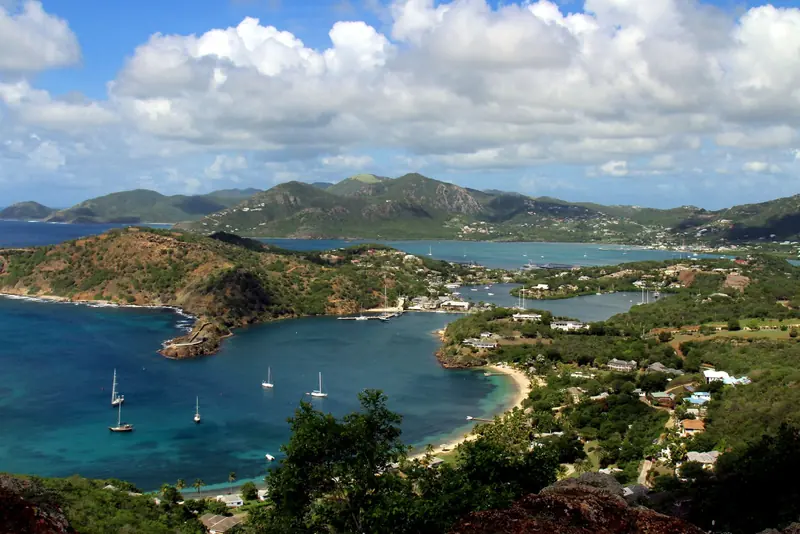
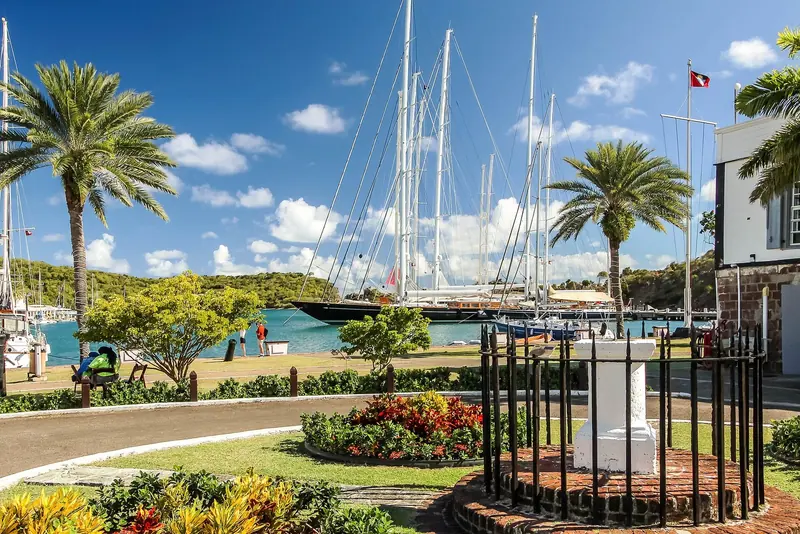
فالماوث هاربر خليج طبيعي على شكل حدوة حصان في الساحل الجنوبي لأنتيغوا، عند 17 00.75 شمالا و061 46.73 غربا. تقع قرية فالماوث ومرفؤها على الضفة الشمالية، بينما ينفتح إنجلش هاربر، وهو الخليج الأعمق والأشهر، إلى الشرق مباشرة. يفصل بينهما لسان أرضي منخفض يقطع سيرا في ربع ساعة، ويضمان معا خمس منشآت رسو منفصلة تحت أربع إدارات مختلفة. أما مارينا فالماوث هاربر، وهي الأكبر بينها، فتقع على الطريق الرئيسي المؤدي إلى إنجلش هاربر في الجانب الشرقي من فالماوث هاربر، وتديرها شركة Antigua Slipway Ltd، وهي شركة أحواض عائلية قائمة في إنجلش هاربر منذ عام 1966. تأسست المارينا نفسها عام 1994، وتصفها الجمعية المهنية بأنها أكبر مارينا لليخوت العملاقة في الجزيرة وأعرق المرافق الحديثة فيها.
وإلى جوارها في فالماوث تقع المارينا التي عرفت طويلا باسم Antigua Yacht Club Marina، والتي التهمها حريق يومي 2 و3 أكتوبر 2023 أثناء العاصفة الاستوائية Philippe، ثم أعيد بناؤها وتغيير اسمها إلى Antigua Superyacht Marina and Resort، على أن يبدأ العمل في مجمع إضافي في صيف 2026. وتحتفظ Antigua Slipway كذلك برصيف خاص بها ومرسى وقود في إنجلش هاربر بمحاذاة الحوض، وهي منشأة الرسو الخامسة وأكثر واحدة تسقط من القوائم. وفي الطرف الشمالي من فالماوث هاربر تعمل مارينا كاتاماران، وهي منشأة عائلية تستقبل اليخوت حتى 200 قدم بغاطس 15 قدما. وخلف التل في إنجلش هاربر تدير هيئة الحدائق الوطنية المارينا الواقعة داخل نيلسونز دوكيارد، وهي هيئة عامة غير ربحية أنشئت بموجب قانون الحدائق الوطنية لعام 1984 وتوجه عوائدها إلى الترميم والحفظ وأعمال الآثار. هذا هو الترتيب الذي ينبغي فهمه قبل الحجز: أنت تختار بين رصيف تجاري لليخوت الفائقة، ومارينا منتجع أعيد بناؤها، ورصيف حوض بناء، ورصيف عائلي صغير، وهيئة تراث حكومية، وكلها داخل حديقة وطنية واحدة، وكل واحدة منها تضيف رسوم هيئة الحدائق الوطنية إلى فاتورتك.
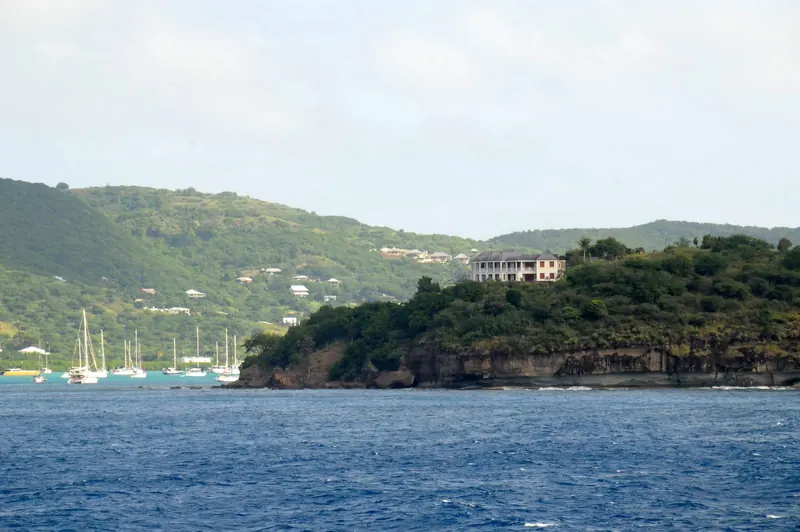
المارينا نفسها، ورقم الطول الذي هو في الحقيقة رصيف
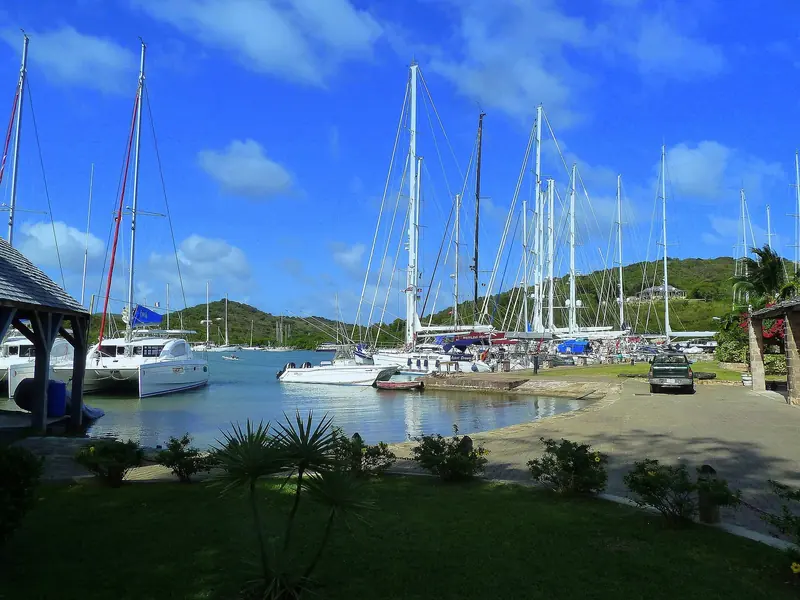
تضم مارينا فالماوث هاربر ثلاثين مرسى بالمؤخرة وثلاثين مرسى جانبيا، على أرصفة خرسانية عريضة يصلح مدخلها لمرور شاحنات من معظم الأحجام، وهو أمر أهم مما يبدو حين تكون بصدد تحميل عملية تجديد أو تجهيز تسليم رحلة تأجير. تتوفر الكهرباء بجهد 110 فولت وكذلك 208 و220 و380 فولت ثلاثي الطور بحسب الجمعية المهنية، ويضيف موقع المارينا 400 فولت، أما استمارة طلب الرسو لديها فتعرض 120 فولت أحادي الطور و220 فولت أحادي الطور و380 فولت ثلاثي الطور. ولا ينشر أحد قيمة الأمبير. وعند المراسي مياه عذبة، وشبكة واي فاي بالألياف البصرية مجانية في كامل الموقع، وحراسة على مدار 24 ساعة، ومواقف سيارات، وتصريف نفايات، ورصيف لقوارب الخدمة، وتخزين حاويات بمساعدة رافعة. وتستمع المارينا على القناة 10 من نظام VHF.
يبدو الحد الأقصى للطول وكأنه خلاف لم يحسم، وهو ليس كذلك، وعلى مالك يخت كبير جدا أن يعرف السبب قبل أن يخطط لموسم كامل. يذكر موقع مارينا فالماوث هاربر رقم 535 قدما، أي نحو 163 مترا، ويكرره في صفحة الأسئلة الشائعة لديه. أما جمعية أنتيغوا وبربودا لليخوت والصناعات البحرية، وهي الهيئة المهنية للقطاع، فتقول إن بالإمكان استقبال يخوت حتى 330 قدما، أي نحو 100 متر، بالمؤخرة وجانبيا. والرقمان لا يقيسان الشيء نفسه. فمجلة All At Sea، في تغطيتها للتوسعة التي أخرتها جائحة كوفيد، تصف رصيف اليخوت الفائقة الخرساني الجديد المصمم خصيصا بأنه بطول 535 قدما وعرض 20 قدما، على ركائز مغروسة نحو 40 قدما في قاع البحر. فرقم 535 قدما هو طول الرصيف نفسه، وليس طول سفينة. أما رقم 525 قدما الذي تورده Yachting Pages فهو الجدار ذاته مقربا في الاتجاه الآخر، ومطبوع عندهم بصيغة مراس حتى 160 مترا، وقد غطت الصحافة الأنتيغوية الافتتاح ذاته. وبذلك يبقى رقم 330 قدما هو الرقم المنشور الوحيد الذي يصف سفينة فعلا، وهو الرقم الذي يخطط عليه، أما 535 قدما فهي كمية الخرسانة التي تستطيع المارينا أن تصف أسطولا بمحاذاتها. والشيء الذي تتفق عليه كل المصادر هو الغاطس: 20 قدما، أي نحو 6.1 متر، وهو الرقم الذي سيوقفك فعليا. ومن تجاوز يخته نحو 100 متر عليه أن يتعامل مع الرقم المعلن على الموقع بوصفه حديثا يجريه مع مدير المرسى لا حجزا يعقده.
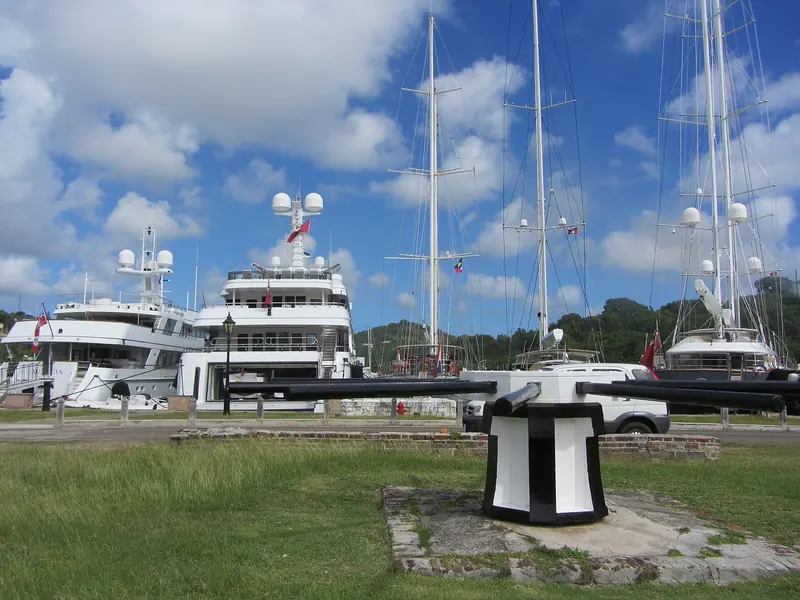
تنشر رسوم الرسو لديها، وهو ما لا يكاد يفعله أحد في الكاريبي، ثم تضيف إليها رسم حديقة وطنية إلزاميا لا ينشره أحد على الإطلاق.
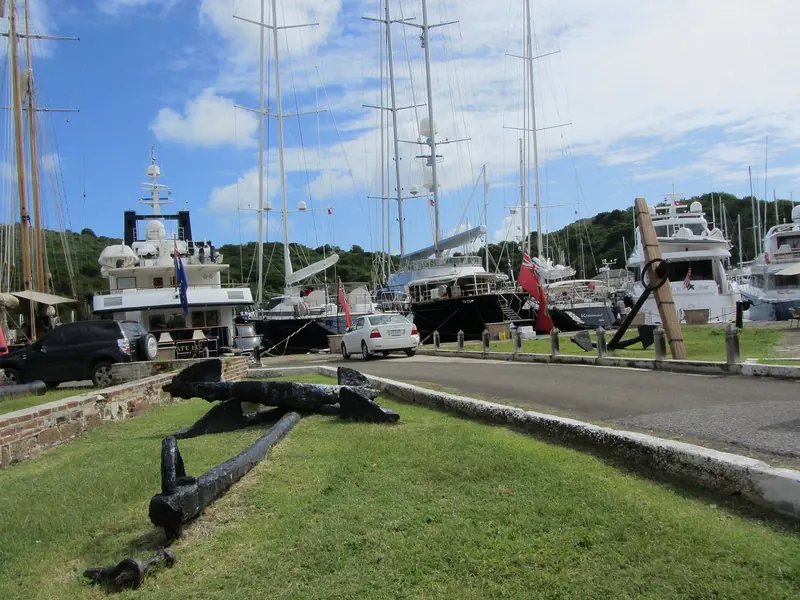
الاقتراب، وضحل بيشوب، وإنهاء المعاملات سيرا على الأقدام
تعتمد أنتيغوا نظام العوامات IALA B، وهو العرف الأمريكي والمعاكس تماما للأوروبي: العوامات الحمراء إلى اليمين عند الدخول والخضراء إلى اليسار. ومن يخلط بينهما عند الوصول بعد عبور الأطلسي سيذكره ضحل بيشوب بذلك. يقع الضحل شرق مدخل فالماوث هاربر، وتحدده عوامة حمراء كبيرة تترك إلى اليمين، وتتكسر عليه الأمواج بوضوح في كل حال عدا الهدوء التام. وبعد تجاوزه تترك العوامة الحمراء التالية إلى اليسار ويتبع الممر المعلم بالعوامات، وهو يؤدي إلى Antigua Superyacht Marina وإلى مارينا فالماوث هاربر معا. أما مارينا كاتاماران فالعكس، العوامة الحمراء إلى اليمين، مع محاذاة مثلثين برتقاليين على سفح التل، وثمة أنوار استدلال للدخول ليلا. ويسمح بالرسو على المرساة في معظم أنحاء المرفأ ما دمت بعيدا عن الممرات وعن المنطقة المحظورة أمام رصيفي المارينتين الكبيرتين.
إجراءات التخليص هي أفضل ما في الوصول إلى هنا، وتستحق أن تفصل. ينادى خفر السواحل على القناة 16 من نظام VHF قبل ست ساعات لطلب الإذن بدخول مياه أنتيغوا وبربودا. ثم ترسو جانبيا وترفع علم الحجر الصحي. تفسح صحة الميناء للسفينة قبل أي شيء آخر، ولا ينزل إلى البر أحد سوى الربان حتى يكتمل الدخول. بعدها تأتي الجمارك، ثم الهجرة ببطاقات ED وست نسخ من قوائم الطاقم والركاب، ثم العودة إلى الجمارك، وأخيرا هيئة الموانئ لدفع رسوم الدخول والتخلص من النفايات والمرساة أو الرسو وتصريح الإبحار. والجهات الثلاث كلها في المبنى نفسه في إنجلش هاربر، والطاقم الراسي في فالماوث يقطع التل سيرا للوصول إليها. أما التخليص عند المغادرة فيعكس الترتيب، ويبدأ من هيئة الموانئ، ويحتاج أربع نسخ من القوائم، ويمنحك 24 ساعة لمغادرة البلاد بعد إتمامه. والمسار الإلكتروني هو eSeaClear. وعلى كل سفينة في المياه الأنتيغوية أن تحمل تصريح إبحار ساري المفعول، ويجب إبراز إيصالات رسوم الموانئ والحدائق الوطنية حتى إن غادرت البلاد من ميناء آخر.
كم يكلف المرسى، والرسم الذي لا يمكن الاطلاع عليه
تنشر مارينا فالماوث هاربر قائمة أسعار، وهو أمر غير معتاد في سوق اليخوت الفائقة بالكاريبي وسبب حقيقي للتعامل معها. وبحسب ما قرئ في 6 أغسطس 2026، ودون أي إشارة إلى سنة الموسم على الصفحة، فإن الأسعار محسوبة بالقدم في اليوم بالدولار الأمريكي. الشتاء، من 1 نوفمبر إلى 31 مايو: بالمؤخرة USD 3.50 يوميا وUSD 3.20 على الأساس الشهري، وجانبيا USD 6.50 يوميا وUSD 5.95 شهريا. الصيف، من 1 يونيو إلى 31 أكتوبر: بالمؤخرة USD 2.55 يوميا وUSD 2.45 شهريا، وجانبيا USD 4.65 يوميا وUSD 4.44 شهريا. وتدفع الرسوم مقدما، ووقت المغادرة عند الظهر، وتقبل بطاقتا Visa وMastercard. وثمة تحفظ واحد: سطر الشروط أسفل الجدول يقول إن أسعار الرسو الجانبي ضعف غيرها، وهو ما لا يتطابق مع الجدول، لأن ضعف سعر الشتاء بالمؤخرة هو USD 7.00 لا USD 6.50. احصل على تأكيد الرقم كتابة قبل وصولك.
بالأرقام: يخت طوله 40 مترا يعادل 131 قدما، فليلة شتوية بالرسو الجانبي تكلف نحو USD 852 وبالمؤخرة نحو USD 459، واليخت نفسه صيفا بالرسو الجانبي نحو USD 609. ويدفع يخت طوله 60 مترا، أي 197 قدما، ما يقارب USD 1,280 في الليلة بالرسو الجانبي شتاء. وهذه حسابات أجرتها Yotters على السعر المنشور وليست عروض أسعار. وفوقها ثلاثة بنود لا يمكن تسعيرها من أي مصدر علني. فالكهرباء محسوبة بعداد بسعر USD 0.60 لكل كيلوواط ساعة، والماء بسعر USD 0.15 لكل غالون أمريكي، وكلاهما منشور. أما رسوم هيئة الحدائق الوطنية فمنشورة نصفها فقط. وهي إلزامية على كل سفينة راسية على مرساتها في إنجلش هاربر أو فالماوث هاربر أو راسية على أي من الأرصفة الخمسة داخل الحديقة. وتذاكر الزيارة موثقة: نقل موقع Antigua News Room عن الهيئة في أغسطس 2022 أن تصريح اليوم الواحد للزائر US$15، وتصريح الموسم US$100 وينتهي بانتهاء موسم اليخوت، مع EC$10 للسكان والمقيمين، وEC$50 للتصريح السنوي، وEC$200 لتصريح عائلي يشمل ستة أشخاص. ولطاقم من ثمانية أفراد يعني ذلك US$120 في كل زيارة أو US$800 للموسم كله. أما ما لا ينشر في أي مكان فهو الرسم المفروض على السفينة نفسها: فالهيئة لا تضع أي جدول رسوم على موقعها، وصفحة التخليص لدى الجمعية المهنية تذكر الالتزام دون رقم. ورسوم هيئة الموانئ للدخول والنفايات وتصريح الإبحار غير منشورة هي الأخرى. وتضع وكالة Med Yacht Services في ورقة رسوم أنتيغوا لموسم 2026 تقديرا للتخليص الجمركي بين USD 250 و550، وللهجرة مع المرافقة بين USD 250 و500، وتدرج رسوم الحديقة الوطنية بسعر التكلفة فحسب. وهذا أقرب ما يوجد إلى رقم علني.
الوقود والكهرباء والماء، وما يغطيه الإعفاء الجمركي فعلا
الوقود المعفى من الرسوم متاح في كل مارينا في فالماوث هاربر وإنجلش هاربر، وهو الترتيب المعتاد لليخوت العابرة عبر أنتيغوا وأحد أسباب توقف الأسطول هنا دون غيره من موانئ السلسلة. وتسلم مارينا فالماوث هاربر ديزل شديد الانخفاض في الكبريت، معفى من الضرائب والرسوم، مباشرة إلى المرسى بمعدلات تدفق تصل إلى 1,000 لتر في الدقيقة، وهو ما يكفي لتزويد يخت محرك كبير خلال يوم عمل واحد. والخدمة يومية طوال الموسم المرتفع وأيام العمل فقط في الموسم المنخفض، مع إمكانية التزود ليلا عند الطلب. أما الأرصفة المجاورة فأقل طابعا صناعيا: المنشأة التي تعمل اليوم باسم Antigua Superyacht Marina تورد الديزل المعفى بمضخة متنقلة، ولدى Antigua Slipway ومارينا كاتاماران مرسى وقود لكل منهما.
أما ما لا تفعله المارينا فهو نشر سعر الوقود، ولا يفعله أحد غيرها في المرفأ، ولذلك يخطط الربان لعملية التزود على عرض سعر حديث لا على سعر معلن. وهذا هو النمط السائد في بنية التكاليف كلها هنا. فالخدمات المقيسة بالعداد منشورة ومعتدلة، USD 0.60 لكل كيلوواط ساعة وUSD 0.15 لكل غالون أمريكي من الماء، مع الاستحمام في البر بسعر USD 2 للفرد. وما عدا ذلك يعرض سعره عند الطلب. وتستورد أنتيغوا عمليا كل وقودها وغذائها وعتادها، وأكبر متجر تموين في الجزيرة، Epicurean Fine Foods، يقع في جولي هاربر وسانت جونز في الجهة المقابلة من الجزيرة لا في فالماوث، حيث يبقى لك Dockside Supermarket داخل نيلسونز دوكيارد وBailey's قرب مارينا كاتاماران للتسوق اليومي. وعلى من يجهز مؤونة رحلة تأجير هنا أن يتوقع علاوة استيراد على كل شيء تقريبا وأن يدرج رحلة بالسيارة عبر الجزيرة في جدوله.
مسألة الحوض، وسقف المئتي طن
هذه هي نقطة الضعف البنيوية في فالماوث هاربر وإنجلش هاربر، ولا يغيرها أي طول رصيف. فالحرف البحرية على مسافة المشي كثيفة فعلا بمقاييس ميناء كاريبي: هندسة بحرية وإلكترونيات وأعمال حبال وشراع ومحل غوص وعدة متاجر تجهيزات، إضافة إلى نجارة اليخوت وخدمات التجديد حول نيلسونز دوكيارد، بحيث تسير الأعمال الروتينية والإصلاحات الجارية وتجديد يخت تأجير بين موسمين كلها بلا تعقيد. أما ما لا يمكن فعله فهو الخروج من الماء. فشركة Antigua Slipway، التي تدير أيضا مارينا فالماوث هاربر، تعلن على سكة الرفع لديها طاقة قصوى قدرها 200 طن لسفن حتى 150 قدما طولا كليا و40 قدما عرضا و14 قدما غاطسا، وتصف نفسها بأنها أكمل حوض في الكاريبي. ويشغل Bailey's Boatyard في الطرف الشمالي من فالماوث هاربر رافعة متنقلة سعة 70 طنا ورافعة Ascon سعة 80 طنا، ويسحب القوارب حتى غاطس 12 قدما. وعلى الجانب الآخر من الجزيرة لدى جولي هاربر رافعتان متنقلتان، 75 طنا و85 طنا، ويستقبل الكاتامارانات حتى 33 قدما عرضا، وشل بيتش تصل إلى 25 طنا.
مئتا طن تعني مركبا شراعيا كبيرا أو يخت محرك متواضعا. وهي ليست يختا فائقا، وكل يخت في الطرف الأعلى من رصيف فالماوث يزيح أضعافها. أنتيغوا مكان تشغل منه سفينة كبيرة لا مكان ترفع فيه، والدهان والفولاذ والأعمال الإنشائية تغادر البلاد. وقد يتحسن ذلك على الهامش: أعلنت Antigua Slipway تطويرا لسكة الرفع بقيمة US$2.5 مليون، يستبدل البنية المغمورة المتقادمة بنظام فولاذي حديث مبني وفق معايير هندسية دولية، على أن تبدأ الأعمال في يونيو 2026، مع 50 إلى 60 وظيفة أثناء التنفيذ، وطموح معلن بأن تصبح أكبر منشأة رفع لسفينة واحدة في الكاريبي، تخدم القاطرات وسفن العمل التجارية القادمة من سانت جونز إلى جانب اليخوت. ولم يربط بهذه المرحلة من 2026 أي رقم للحمولة. أما ما قاله الحوض عند إنجاز المرحلة الأولى في مارس 2023، وهي عربة رفع أعيد بناؤها تتحمل 100 قدم و100 طن، فهو أن المرحلة الثانية، أي تجديد السكة المغمورة، سترفع طاقة السحب والإنزال إلى 200 قدم طولا كليا و270 طنا. هذا هو الرقم الجدير بالمتابعة، وإلى أن يستقر الفولاذ في الماء يخطط للرفع على أساس 200 طن.
الرزنامة، والأشهر الستة التي يخلو فيها المرفأ
موعدان ثابتان يستوليان على المرفأ كله، وهما سبب الحجز المبكر أو الابتعاد. وواحد منهما فقط ما زال أمامنا. يقام معرض أنتيغوا لليخوت المؤجرة من 4 إلى 9 ديسمبر 2026 في نسخته الـ65، وتنظمه جمعية أنتيغوا وبربودا لليخوت والصناعات البحرية، ويقام على ثلاثة أرصفة في وقت واحد: مارينا نيلسونز دوكيارد، ومارينا فالماوث هاربر، وAntigua Yacht Club Marina. وهو قائم منذ عام 1961، ويجمع نحو مئة يخت تأجير، وهو المناسبة التي يباع فيها موسم التأجير الكاريبي فعليا. أما سباقات الربيع فقد انقضت هذا العام. جرت Antigua Classic Yacht Regatta من 15 إلى 20 أبريل 2026، وتبعتها Antigua Sailing Week من 22 إلى 26 أبريل 2026 في نسختها الـ57، بعد اختصارها إلى صيغة أقصر من أربعة أيام بمسارات من نقطة إلى نقطة حول الجزيرة وبقاعدة موزعة بين إنجلش هاربر وفالماوث هاربر. ومن يخطط للموسم المقبل فليأخذ مواعيد 2027 بدلا منها: سباق الكلاسيك من 14 إلى 19 أبريل 2027، وأسبوع الإبحار في نسخته الـ58 من 21 إلى 25 أبريل 2027. وأنتيغوا كذلك خط نهاية الأطلسي: فسباق RORC Transatlantic Race الذي انطلق من لانزاروتي في 11 يناير 2026 بمشاركة 21 فريقا انتهى هنا.
ثم يتوقف كل شيء. يمتد موسم الأعاصير الأطلسي من 1 يونيو إلى 30 نوفمبر وذروته من أغسطس إلى أكتوبر، ويذهب معه اقتصاد اليخوت في المرفأين. فأسطول التأجير بطاقم يغادر إلى البحر المتوسط، وتغلق المطاعم والمتاجر أبوابها طوال الصيف، وتعكس عمليات المارينا ذلك: يتراجع التزويد بالوقود من خدمة يومية إلى أيام العمل فقط، وتنخفض التعرفة بنحو 27 في المئة للرسو بالمؤخرة و28 في المئة للرسو الجانبي. ولإنجلش هاربر سمعة قديمة كملجأ من الأعاصير، وهي سمعة مستحقة، لكنها ليست ضمانا أمام ضربة مباشرة، ولا يترك عاقل يختا هنا دون رقابة ودون خطة إعصار مكتوبة. ويبيع Bailey's Boatyard حوامل تخزين مقاومة للأعاصير تقبلها كبرى شركات تأمين اليخوت، ويسعر تخزينه الصيفي على هذا الأساس. أما حريق أكتوبر 2023، الذي دمر المبنى الرئيسي في Antigua Yacht Club Marina أثناء العاصفة الاستوائية Philippe ونسب محليا إلى صاعقة، فهو التذكير بما يمكن أن يفعله موسم العواصف بالمنشآت البرية حتى حين تنجو القوارب.
على البر، والتكلفة الصادقة للوجود هنا
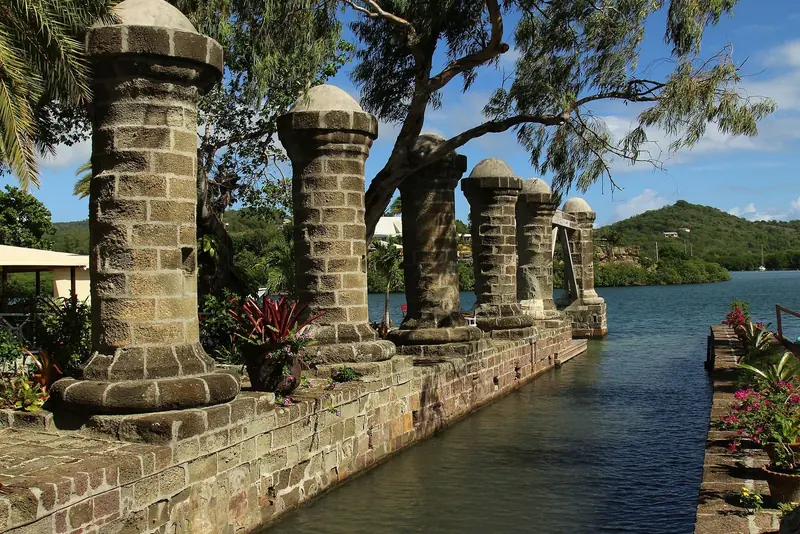
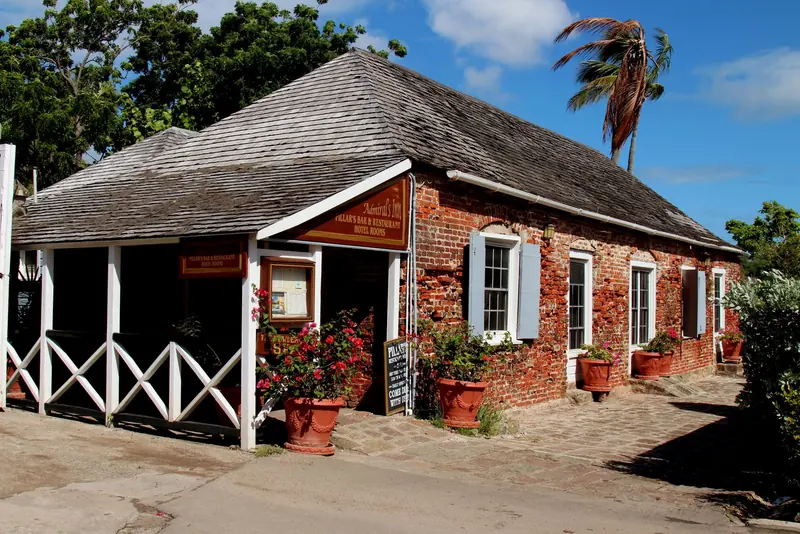
التعويض عن كل ما سبق أن هذا واحد من أمتع أماكن الكاريبي للاحتفاظ بقارب. فنيلسونز دوكيارد، الذي سجلته اليونسكو عام 2016 باسم ترسانة أنتيغوا البحرية والمواقع الأثرية المرتبطة بها، هو الترسانة البحرية الجورجية الوحيدة في العالم التي ما زالت تعمل دون انقطاع، ويبعد خمس عشرة دقيقة سيرا عن المارينا، وداخل أسواره فندق ومطاعم ومتجر تجهيزات بحرية ومتجر بقالة. والطعام أفضل مما يوحي به حجم المرفأ: Cloggy's في نادي اليخوت، الذي يديره Ton وVanessa Smit، هو باستمرار أعلى المطاعم تقييما في فالماوث، وBoom يقع على المارينا، وPillars داخل Admiral's Inn في نيلسونز دوكيارد، ويكمل Trappas وColibri الفئة المتوسطة. أما الحدث الأبرز فهو Shirley Heights Lookout على التل المطل على المرفأ، حيث تمتد حفلة الأحد من 1600 إلى 2200 مع فرقة طبول فولاذية حتى 1900 ثم موسيقى ريغي بعدها، بسعر USD 10 أو EC 25 على الباب، مع أمسية ريغي أهدأ يوم الخميس بالسعر نفسه.
تحفظان صادقان بشأن الإقامة على البر. المطار ليس على المرفأ. فمطار V.C. Bird International يقع على الساحل الشمالي، على بعد نحو 21.7 كيلومتر و35 إلى 45 دقيقة بالسيارة، ومع أنه يوفر رحلات يومية طويلة المدى إلى أمريكا الشمالية وخدمة على مدار السنة إلى المملكة المتحدة إضافة إلى مناولة الطائرات الخاصة، فإن الرابط الوحيد مع أوروبا القارية موسمي، وهو Condor من فرانكفورت، وكل تبديل طاقم وكل وصول ضيف يعني ساعة قيادة في كل اتجاه. وتحدد هيئة النقل في أنتيغوا وبربودا أجور سيارات الأجرة على أساس المناطق، غير أن الجدول الساري غير منشور في أي مكان والنسخ المتداولة على الإنترنت قديمة بسنوات، فاتفق على الأجرة مع المنسق قبل أن تركب. والأمن لم يعد كما كان: يسجل موقع Noonsite، استنادا إلى تقارير البحارة وإلى Caribbean Safety and Security Net، أن سرقات قوارب الخدمة والمحركات الخارجية والعتاد غير المثبت في ازدياد في كثير من موانئ الكاريبي ومنها هذا الميناء، وأن العتاد المقفل والمؤمن يسرق هو الآخر. ارفع قارب الخدمة ليلا.
على البر والوصول والحجز
| Getting there | V.C. Bird International Airport (ANU) sits on the north coast of the island, roughly 21.7 km from English Harbour, and the drive takes 35 to 45 minutes depending on traffic. It is a real international airport with daily long-haul service to North America and year-round service to the United Kingdom, plus private jet handling, so guests from those markets arrive without connecting through a hub. Continental Europe is seasonal only: Condor from Frankfurt is the single continental link and it does not run year-round. Either way it is an hour of road at each end of every crew change. Taxi fares are set on a zone basis by the Antigua and Barbuda Transport Board; the catch is that the current schedule is not published anywhere and the rate sheets circulating online are years out of date. Ask the dispatcher at the taxi coordination point for the official rate to Falmouth or English Harbour and confirm it before you get in. Fares are per taxi for up to four passengers, and both US and Eastern Caribbean dollars are taken. |
|---|---|
| Arriving by sea | Antigua uses IALA B buoyage: red to starboard on entry, the reverse of Europe. The one hazard is Bishop Shoal, east of the Falmouth Harbour entrance, marked by a large red buoy which you leave to starboard and which breaks visibly except in flat calm. Past it, leave the next red buoy to port and follow the buoyed channel, which serves both Falmouth Harbour Marina and the Antigua Superyacht Marina. For the Catamaran Marina at the north end, leave that same red buoy to starboard and line up the two orange triangles on the hillside; there are leading lights for a night approach. Call the marina on VHF 10. Anchoring is permitted almost anywhere in the harbour provided you keep clear of the channels and of the exclusion area in front of the two large marina docks. There is no lock, no bridge and no pilotage requirement. |
| Clearing in and out | Call the Coastguard on VHF 16 from six hours out of Antigua to request entry. Come alongside at any marina and fly the Q flag; everyone stays aboard until Port Health has cleared the vessel, and only the master then goes ashore. The order is Customs, then Immigration with ED cards for every person, passports, the general declaration and six copies of the crew and passenger lists, back to Customs for final approval, then the Port Authority to pay entrance, rubbish disposal, anchorage or dockage and the cruising permit. US and EC dollars and Visa or Mastercard are accepted. Clearing out starts at the Port Authority, needs four copies of the lists, and obliges you to depart within 24 hours. All three authorities are in one building at English Harbour, an easy walk from a Falmouth berth. Online procedures run through eSeaClear. Crew leaving the boat need an onward ticket or a signed letter from the captain or a local agent. Keep every Port and National Parks receipt, because they are demanded even if you clear out through a different port. |
| Reserving a berth | Berths are booked directly through the marina's own berth request form or its office on +1 268 460-6054, and the form asks for LOA, beam, draught, gross tonnage, flag, port of registry, arrival and departure dates and your electricity requirement, so have the yacht's particulars to hand. There is no published minimum stay and no published long-stay contract, only a monthly rate that is a few per cent under the daily. Book the December Charter Yacht Show and the April regatta fortnight months out: the show alone fills three marinas with around a hundred yachts, and the Classics and Sailing Week take the harbour for two consecutive weeks every April, 14 to 19 and 21 to 25 April in 2027. Because the marina's 535 ft headline is the length of its superyacht quay rather than a vessel maximum, and the published vessel figure is 330 ft, a yacht over about 100 m should have the dockmaster confirm the berth in writing rather than rely on the website number. |
| What a berth costs | Rates are per foot per day in US dollars, read on 6 August 2026 with no season year printed on the page. Winter, 1 November to 31 May: stern-to USD 3.50 daily and USD 3.20 monthly; alongside USD 6.50 daily and USD 5.95 monthly. Summer, 1 June to 31 October: stern-to USD 2.55 daily and USD 2.45 monthly; alongside USD 4.65 daily and USD 4.44 monthly. Berthing fees are payable in advance, checkout is noon, Visa and Mastercard are accepted. Note the contradiction on the marina's own page: the terms say alongside rates are double, which would make winter alongside USD 7.00 rather than the USD 6.50 in the table, so confirm the figure in writing. As arithmetic on the published rate, a 40 m yacht at 131 ft pays about USD 852 a night alongside in winter, about USD 459 stern-to, and about USD 609 alongside in summer; a 60 m yacht at 197 ft pays roughly USD 1,280 alongside in winter. Those are Yotters calculations, not quotations, and they exclude power, water, National Parks and Port Authority fees. |
| Fuel, water, power and what is extra | Tax and duty-free ultra-low-sulphur diesel is delivered directly to the berth at flow rates of up to 1,000 litres a minute, which is genuine bunkering capacity rather than a fuel dock. Service is daily through the high season and weekdays in the low season, with overnight delivery on request; submit the vessel details and quantity in advance. No price is published, so budget from a fresh quote. Duty-free fuel is available at every marina in Falmouth and English Harbour, and the neighbouring Antigua Superyacht Marina supplies it by mobile pump. Electricity at the berth is metered at USD 0.60 per kWh, fresh water at USD 0.15 per US gallon, and showers ashore are USD 2 a person. Wifi, parking, security and waste disposal are included. On top of all of it come the per-vessel National Parks Authority charge and the Port Authority fees, neither of which has a published schedule, though the park's own visitor passes are published at US$15 a day and US$100 a season. |
| The yard, and what has to leave the island | Routine and technical work is well covered within walking distance: marine engineering, electronics and rigging, a sail loft, a dive shop, several chandleries, and yacht carpentry and refit services clustered around Nelson's Dockyard. Antigua Slipway, which also owns this marina, is the yard, hauling up to 200 tons on its marine railway, for vessels up to 150 ft length overall by 40 ft of beam by 14 ft of draft, with storage ashore on welded cradles and tie-down straps, a fuel dock, a chandlery, two restaurants and a hotel. Its rates are quoted in Eastern Caribbean dollars, are subject to government taxes and are not published; you contact the office team for an estimate, haul-outs need 24 hours' cancellation notice, and accounts unpaid at 30 days attract 2.5 per cent a month. Bailey's Boatyard in Falmouth Harbour runs a 70-ton travelift and an 80-ton Ascon lift, hauls to 12 ft of draught, and keeps hurricane cradles accepted by the major yacht insurers; Jolly Harbour across the island runs 75-ton and 85-ton travelifts and takes catamarans to 33 ft of beam, and Shell Beach has 25 tons. Nothing on Antigua can lift a superyacht, so paint, steel and structural work is a passage to another country. |
| Eating, drinking and provisioning | Cloggy's at the yacht club, run by Ton and Vanessa Smit, is the highest-rated table in Falmouth and looks down over the harbour; Boom sits on the marina; Pillars is inside the Admiral's Inn in Nelson's Dockyard; Trappas and Colibri fill out the middle of the range. The institution is Shirley Heights Lookout on the ridge above English Harbour: the Sunday party runs 1600 to 2200 with a steel pan band to 1900 and reggae after, entry USD 10 or EC 25, with drinks around EC 10 to 16 and food around EC 35, and there is a quieter Thursday reggae evening at the same admission. For provisioning, the Dockside Supermarket sits inside Nelson's Dockyard and Bailey's is near the Catamaran Marina, both fine for daily shopping. Serious provisioning means a drive: Epicurean Fine Foods, the island's largest grocer, is at Jolly Harbour and St John's on the other side of Antigua. Everything is imported and priced accordingly. |
| The fixed dates, and what is NOT published | Still ahead: the Antigua Charter Yacht Show, 4 to 9 December 2026, the 65th edition, run by the Antigua and Barbuda Yachting and Marine Association across Nelson's Dockyard Marina, Falmouth Harbour Marina and the Antigua Yacht Club Marina, with around a hundred yachts. Already run this year: the Antigua Classic Yacht Regatta, 15 to 20 April 2026, and Antigua Sailing Week, 22 to 26 April 2026, the 57th edition in a shortened four-day point-to-point format. Next spring: the Classics 14 to 19 April 2027 and Sailing Week 21 to 25 April 2027, the 58th edition. The RORC Transatlantic Race finishes here each winter, the 2026 edition having left Lanzarote on 11 January with 21 teams. Hurricane season runs 1 June to 30 November. Not published: the per-vessel National Parks Authority charge on a berthed or anchored yacht, which appears nowhere in any form, although the park's visitor passes are published at US$15 a day, US$100 a season and EC$10 for residents; the Port Authority entrance, rubbish and cruising permit fees; the marina's fuel price; the shore power amperage; any long-stay or seasonal contract rate beyond the monthly per-foot figure; and Antigua Slipway's haul-out, storage and docking rates, which its own rates page answers with an invitation to ask. |
ما يذكره الملاك والأطقم
The marina's 535 ft is the length of its dock, not the length of a yacht
All At Sea, reporting the expansion of Falmouth Harbour Marina's superyacht dock after a COVID delay, describes the new custom-built concrete dock as 535 ft in length by 20 ft in width, built on piles driven some 40 ft into the seabed. That is the origin of the 535 ft on the marina's own website and of the 525 ft, or 160 metres, in the trade listings: they are the quay. The vessel figure is the trade association's, which states that yachts up to 330 ft in length can be catered for stern-to, with a 20 ft maximum draught, thirty stern-to and thirty alongside berths and electricity at 110 V, 208, 220 and 380 three-phase.
All At SeaYou can clear in on foot, and the fuel is duty-free at every quay
Cruisers report walking from Falmouth over to Nelson's Dockyard to complete clearance formalities, with Customs, Immigration and the Port Authority in a single building, and duty-free fuel available in all the harbour's marinas. The one navigational caution repeated by everyone is Bishop Shoal off the entrance, marked by a large red buoy which under the American buoyage convention is left to starboard on entry.
NoonsiteA storm took out a marina building, not the boats
A fire in the marina complex in October 2023, during Tropical Storm Philippe and locally attributed to a lightning strike, gutted the main Antigua Yacht Club Marina building and a number of well known businesses with it. Temporary services reopened on the old site in container buildings within about four months, and the operation has since been rebuilt and rebranded as the Antigua Superyacht Marina and Resort, with a further complex due to start construction in summer 2026.
NoonsiteDinghy and outboard theft is rising and locks are not enough
Based on reports to Noonsite from cruisers and from the Caribbean Safety and Security Net, thefts of dinghies, outboards and unsecured or loose items are on the rise in many Caribbean ports, this one included, and even locked and secured hardware is being stolen. The practical advice is to lift the tender at night rather than to rely on a cable.
Noonsite and the Caribbean Safety and Security NetThe yard is spending USD 2.5 million to stay relevant
Antigua Slipway Ltd announced a US$2.5 million redevelopment and upgrade of its marine railway at English Harbour, replacing the ageing underwater structure like for like with a modern steel system built to international engineering standards. Construction was scheduled to begin in June 2026, is expected to create 50 to 60 jobs during the build, and is intended to produce the largest single-vessel yacht haul-out facility in the Caribbean, also serving tugs and commercial work vessels from St John's Port. No tonnage has been attached to this tranche, but on completing phase one in March 2023, a rebuilt cradle good for 100 ft and 100 tons, the yard said phase two would take haul and launch capacity to 200 ft length overall and 270 tons.
Antigua NewsroomAn agent will budget the clearance you cannot price yourself
The yacht agency Med Yacht Services, in its Antigua fee sheet for the 2026 season, budgets customs clearance at USD 250 to 550 and immigration including escort at USD 250 to 500, and carries National Park Association fees simply as at cost, with surcharges of 10 per cent for holidays and peak season and 20 to 25 per cent for expedited events. That is the nearest thing to a public figure for the unpublished side of the bill.
Med Yacht Services
نقاط القوة وما يستدعي الانتباه
نقاط القوة
- A published rate card in a market that mostly refuses to publish oneWinter and summer, daily and monthly, stern-to and alongside, all in US dollars per foot per day, with metered power at USD 0.60 per kWh and water at USD 0.15 per US gallon on the same page. An owner can build a season budget from public information, which he cannot do at most Caribbean superyacht quays.
- Clearance on foot, in one building, at a port of entryCustoms, Immigration and the Port Authority all sit together at English Harbour, a fifteen-minute walk over the hill from the berth, and the online route runs through eSeaClear. For a yacht arriving off the Atlantic this is as painless as Caribbean entry gets.
- Industrial bunkering, tax and duty-free, at the berthUltra-low-sulphur diesel delivered alongside at up to 1,000 litres a minute, daily through the high season and overnight on request, with duty-free fuel available at every quay in both harbours.
- The densest marine trade cluster in the Eastern Caribbean, on footMarine engineering, electronics, rigging, a sail loft, a dive shop, chandleries and yacht carpentry are all within walking distance, with Antigua Slipway's own yard attached to the same ownership as the marina.
- It is where the Caribbean charter market is transactedThe Antigua Charter Yacht Show, 4 to 9 December 2026 and in its 65th year, occupies three marinas and around a hundred yachts, and the Classics and Sailing Week take the harbour every April, 14 to 19 and 21 to 25 April in 2027. A charter yacht based here is in the room.
ما يستدعي الانتباه
- Nothing on the island can lift a superyachtAntigua Slipway's marine railway takes 200 tons to 150 ft and 40 ft of beam, Bailey's 80, Jolly Harbour 85 and Shell Beach 25. Paint, steel and structural work is a delivery passage to another country. Even the announced USD 2.5 million railway rebuild is aimed at 200 ft and 270 tons, which still does not reach the yachts on the marina's own dock.
- The compulsory fee nobody publishesEvery vessel anchored in either harbour or berthed at any of the five quays inside Nelson's Dockyard National Park pays National Parks Authority fees on top of dockage and Port Authority charges. The park's visitor passes are published, at US$15 a day and US$100 a season. The charge on the vessel itself is not, and it appears neither on the Authority's site nor on the trade association's clearance page nor anywhere else Yotters could find.
- The headline length on the marina's own site measures its concreteThe 535 ft the marina publishes is the length of the superyacht quay completed in the 2022 expansion, 535 ft by 20 ft on piles driven some 40 ft into the seabed, and the 525 ft or 160 metres in the listings is the same wall. The published vessel figure, from the trade association, is 330 ft. An owner reading the website alone would size a season on a number that describes the dock and not his boat. Only the 20 ft draught limit is stated the same way by everyone.
- Six months of the year the place shutsHurricane season runs 1 June to 30 November, crewed inventory leaves, restaurants and businesses close for the summer, and the marina's own bunkering drops from daily to weekdays. English Harbour is a good hurricane hole but not a safe one in a direct hit, as the October 2023 storm fire showed.
- Fuel and provisions are quoted, not posted, and everything is importedNo marina in the harbour publishes a fuel price. The island's largest supermarket is at Jolly Harbour on the opposite coast, and a landed-import premium runs through the whole cost base from diesel to groceries to spares.
- The airport is an hour of road and the taxi fare is unknowable in advanceV.C. Bird International is 21.7 km and 35 to 45 minutes away on the north coast. Fares are set by zone by the Transport Board, but the current schedule is not published and the versions online are years out of date, so every transfer is negotiated at the rank.
- Tender and outboard theft is a live problemNoonsite, drawing on cruiser reports and the Caribbean Safety and Security Net, records rising theft of dinghies, outboards and loose gear in this and other Caribbean ports, with locked and secured hardware being taken.
لمين هو: المالك الذي يشغل يختا كبيرا طوال شتاء كاريبي ويريد سعرا منشورا ووقودا معفى من الرسوم عند المرسى وسوق التأجير كله إلى جواره، والذي سيرسل القارب إلى مكان آخر في اللحظة التي يحتاج فيها إلى الرفع.