Marlin Marina (Cairns)
| الموقع | 1 شارع سبنس، كيرنز، كوينزلاند 4870، في خور ترينيتي إنلت، عند نحو 16 55.5 جنوباً و145 47 شرقاً، على بعد 1,750 كم شمال برزبن و11 كم غرب كيب غرافتون |
|---|---|
| المشغل | Far North Queensland Ports Corporation Ltd، التي تعمل باسم Ports North، وهي مؤسسة موانئ مملوكة لحكومة ولاية كوينزلاند |
| المراسي | 261 بحسب Ports North؛ و264 بحسب Super Yacht Group Great Barrier Reef؛ فيما تذكر Maritime Safety Queensland عدد 217 مرسى على أرصفة عائمة حتى 80 م، إضافة إلى 30 مرسى لأسطول الشعاب و10 مراسٍ لليخوت الفائقة |
| أحجام الوحدات | يخوت فائقة حتى 140 م طولاً كلياً و6.5 م غاطساً. الوحدات حتى 60 م ترسو على رصيف عائم، ومن 60 م إلى 140 م ترسو إلى جانب الرصيف الثابت في سيلفيش كواي |
| الاقتراب | قناة مجروفة بطول نحو 13 كم وعرض 90 م وبعمق 8.3 م عند أدنى مد فلكي، يجري دخولها على بعد نحو 10 كم غرب كيب غرافتون، مع خطة إرشاد للميناء تحدد الخلوص الأدنى تحت العارضة عند 0.9 م أو 10 في المئة من الغاطس، أيهما أكبر، في الحالة العامة داخل الممر |
| المد والجزر | نصف يومي. متوسط المد العالي في المنابع 2.67 م، ومتوسط المد المنخفض في المنابع 0.82 م، ومدى المنابع المتوسط نحو 1.85 م، وأعلى مد فلكي 3.57 م، وجميعها فوق مرجع أدنى مد فلكي (مستويات المد نصف اليومية لدى Maritime Safety Queensland) |
| VHF | القناة 16 بإشارة النداء Marlin Marina للمرسى. ويستمع Cairns VTS باستمرار على VHF 12 وVHF 16 ويراقب الممر |
| الإرشاد البحري | إلزامي بموجب القانون الاتحادي لكل سفينة بطول 70 م فأكثر في مناطق الإرشاد المحددة في الحاجز المرجاني العظيم، ومنها المسار الداخلي من كيب يورك جنوباً حتى خط عرض 16 39.91 جنوباً. وتشارك السفن التي يتجاوز طولها 50 م في Reef VTS |
| التيار الأرضي | ماء وتيار 15 أمبير في جميع المراسي، وتيار ثلاثي الأطوار حتى 200 أمبير في مراسٍ مختارة فقط |
| رسم الكهرباء، تعرفة 2026-2027 | 242.43 AUD في اليوم شاملاً GST لكل مأخذ ثلاثي الأطوار و83.12 AUD في اليوم لكل مأخذ أحادي الطور، وكلاهما مقيد بعبارة إن كان متاحاً. والماء 4.18 AUD للكيلولتر شاملاً GST |
| الوقود | منشأة تزويد تشغلها بموجب ترخيص Viva Energy، ديزل وبنزين خالٍ من الرصاص، من 06:00 إلى 11:00 ومن 15:00 إلى 18:00 طوال أيام الأسبوع، مع إغلاق الساعات الأربع بينهما، والحجز إلزامي، وVHF 16 بإشارة النداء Viva Energy. ويمكن لمراسي اليخوت الفائقة استقبال صهاريج برية سعة 20,000 لتر. ولا يُنشر أي سعر |
| الوضع الجمركي | ميناء دخول أول. تقرير ما قبل الوصول إلى Australian Border Force قبل 96 ساعة على الأقل، وتخليص الأمن الحيوي من Department of Agriculture, Fisheries and Forestry عند الوصول |
| نفايات الحجر الصحي | رسم جمع أدنى قدره 1,111.68 AUD شاملاً GST يغطي أول 100 كغ، ثم 2.83 AUD للكغ حتى 600 كغ و3.53 AUD للكغ لما فوق ذلك |
| التعرض للأعاصير | يأمر مدير الميناء الإقليمي بإغلاق الميناء وإخلاء المرسى بموجب خطة الطوارئ للطقس المتطرف لدى Maritime Safety Queensland؛ وتُقطر الوحدات أو تُرافق إلى مناطق حماية محددة |
| المطار | مطار كيرنز الدولي، على بعد نحو عشر دقائق بالسيارة. وتشمل الرحلات الدولية المباشرة سنغافورة (Singapore Airlines، خمس رحلات أسبوعياً وفق وضع أغسطس 2026، ويومياً اعتباراً من ديسمبر)، وأوساكا كانساي وطوكيو ناريتا (Jetstar، على مدار السنة)، وبورت مورسبي وأوكلاند وكرايستشيرش وبالي وفيجي، إضافة إلى خدمة موسمية إلى هونغ كونغ. ولا توجد خدمة مباشرة إلى أوروبا أو أمريكا الشمالية، لكن سنغافورة تتيح رحلة بتوقف واحد دون أي قطاع داخلي |
| أعمال التجديد | Tropical Reef Shipyard في Cairns Marine Precinct، على بعد خمس دقائق، يعلن عن 3,000 طن من قدرة الرفع على مزلقة سكة جافة بطول 135 م. أما مصعد السفن بسعة 5,000 طن للوحدات حتى 120 م فمقترح ولم يُبنَ |
ما هي كيرنز، وحول أي شيء يبني المالك موسمه
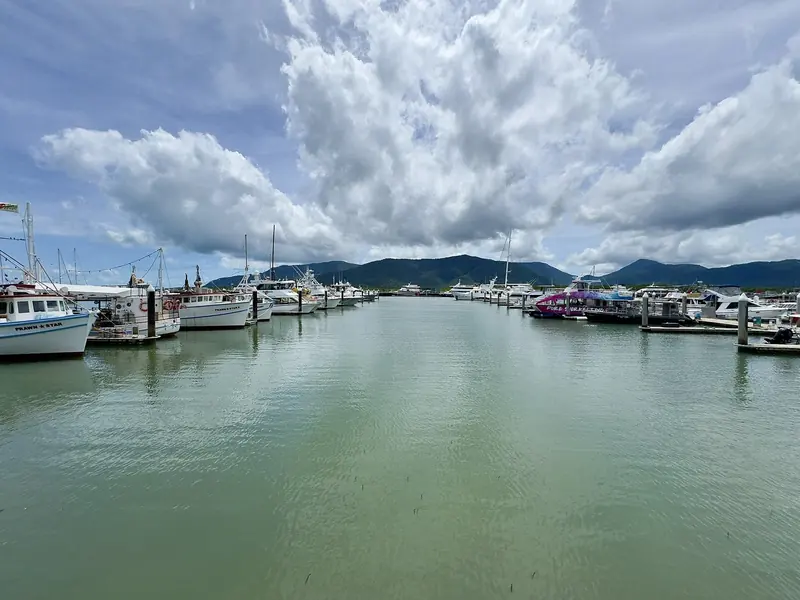
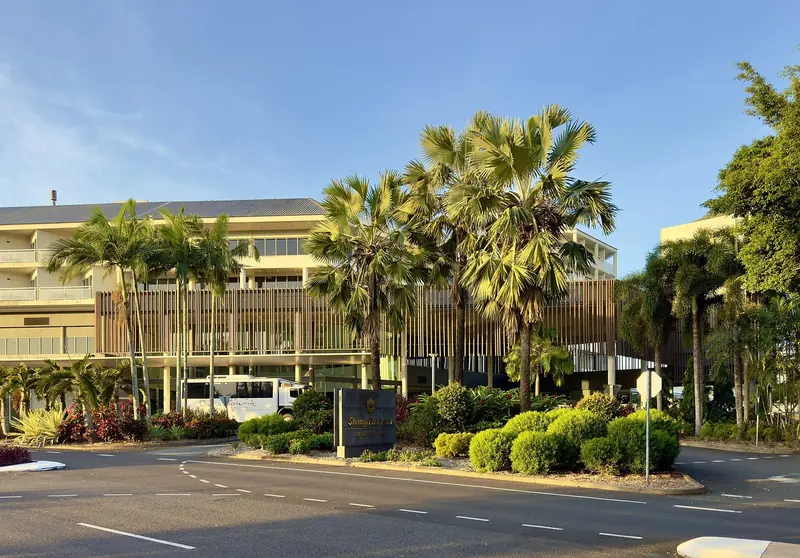
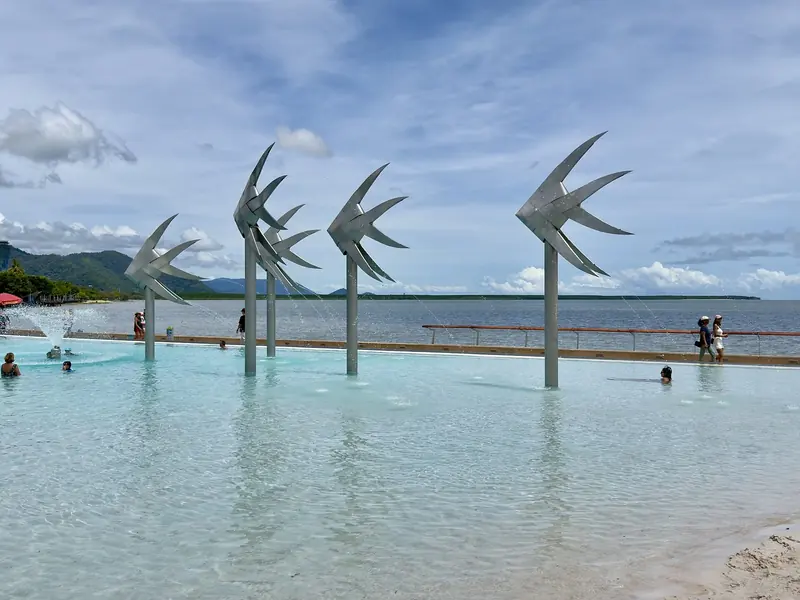
يقع ميناء كيرنز على بعد 1,750 كيلومتراً شمال برزبن و11 كيلومتراً غرب كيب غرافتون، في حوض محمي طبيعياً يشكله خور ترينيتي إنلت. ويقع Marlin Marina في 1 شارع سبنس، أي داخل منطقة الأعمال المركزية نفسها، عند نحو 16 درجة و55.5 دقيقة جنوباً و145 درجة و47 دقيقة شرقاً. وأسطول الشعاب وأسطول الصيد الرياضي ومحطة السفن السياحية تعمل جميعها من المياه ذاتها. ومطار كيرنز الدولي على بعد نحو عشر دقائق بالسيارة، ومجمع الصناعات البحرية وأعمال التجديد على بعد نحو خمس دقائق. ولا يوجد في أستراليا موقع آخر يضع يختاً فائقاً بهذا القرب من مدرج طائرات ومن الشعاب الخارجية في آن واحد.
الموسم هو سبب الوجود هنا، وهو قصير. فالفترة من يونيو إلى أكتوبر هي النافذة الموثوقة: طقس جاف، وبحر هادئ، ووضوح تحت الماء يُذكر عادة بين 20 و30 متراً، وأغسطس وسبتمبر أفضل ما فيها. وتصل حيتان المنك القزمة إلى شعاب ريبون شمال كيرنز في يونيو ويوليو، وهي المكان الوحيد في العالم الذي يمكن السباحة معها فيه. ومن نوفمبر ينقلب المشهد. فموسم قناديل البحر اللاسعة يمتد من نوفمبر إلى مايو وأسوأ فتراته بين ديسمبر ومارس، وموسم الأمطار يجلب المطر ويقلل مدى الرؤية، وموسم الأعاصير الأسترالي يمتد من نوفمبر إلى أبريل مع تركز الخطر شمال تاونزفيل، أي هنا بالضبط. والمالك يبني موسمه في كيرنز حول خمسة أشهر جافة، ثم ينقل اليخت إلى مكان آخر في الأشهر السبعة الأخرى أو يؤمّنه بعناية بالغة.
Ports North وعدد المراسي ورصيف اليخوت الفائقة
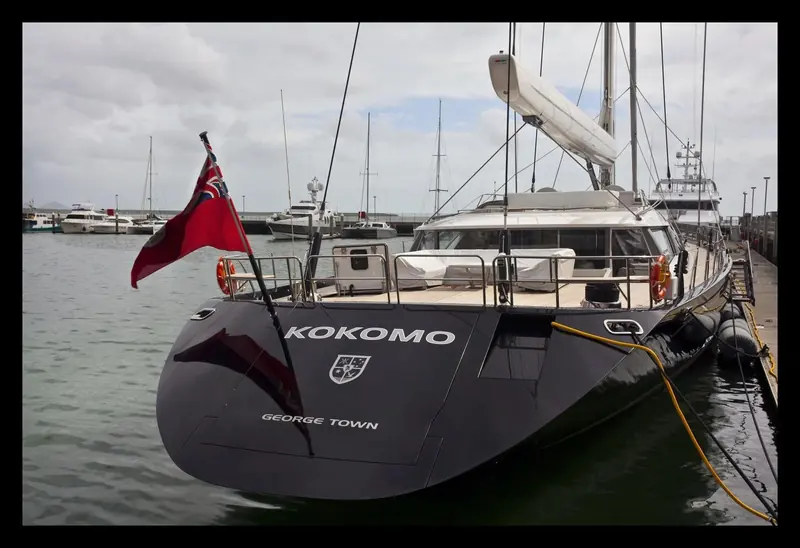
المرسى مملوك ومُدار من Far North Queensland Ports Corporation Ltd التي تعمل باسم Ports North، وهي تدير أيضاً موانئ كيرنز وكيب فلاتري وكارومبا وموريليان ونهر سكاردون وكوينتل بيتش وجزيرة ثيرزداي وبيركتاون وكوكتاون. إنها مؤسسة مملوكة للحكومة وليست مشغل منتجعات، والمرسى جزء عامل من ميناء عامل. وتذكر Ports North أن عدد المراسي 261. أما قائمة Super Yacht Group Great Barrier Reef فتذكر 264. وتقدم إجراءات الميناء الصادرة عن Maritime Safety Queensland أنفع التفصيلات الثلاثة: 217 مرسى على الأرصفة العائمة لسفن الصيد الرياضي والغوص والنزهة والسياحة حتى 80 متراً، إضافة إلى 30 مرسى لأسطول الشعاب و10 مراسٍ لليخوت الفائقة.
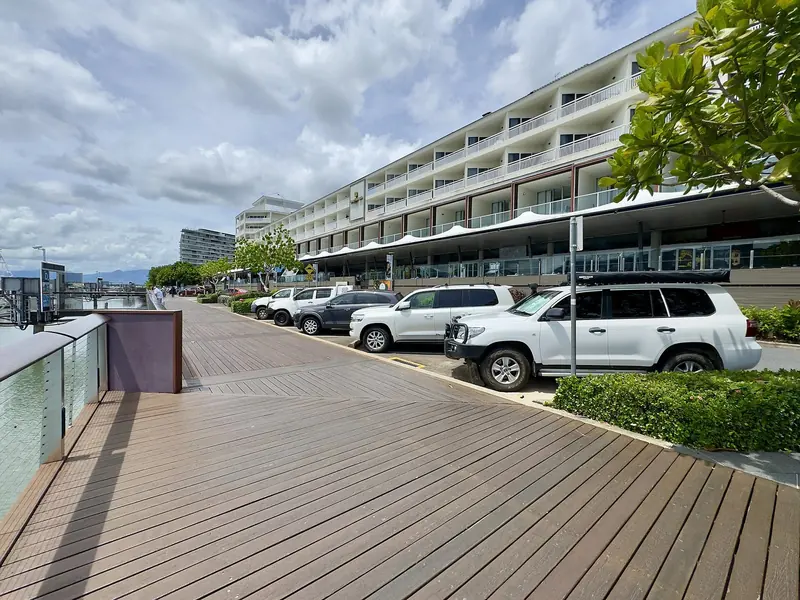
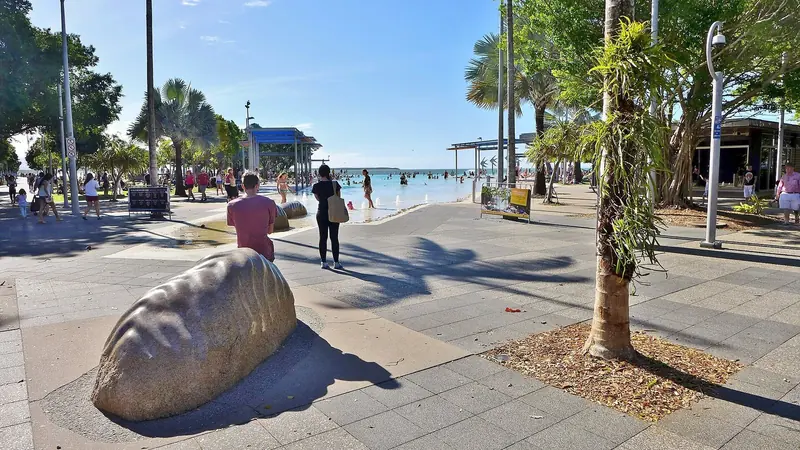
وترتيب اليخوت الفائقة هو الجزء المهم، وهو ترتيب من مستويين. فالوحدات حتى 60 متراً ترسو على الأرصفة العائمة، والوحدات من 60 إلى 140 متراً ترسو إلى جانب الرصيف الثابت في سيلفيش كواي. والحد المنشور هو 140 متراً طولاً و6.5 أمتار غاطساً، وهو أعمق مما يستطيع مرسى Sanctuary Cove أن يفكر فيه أصلاً وأطول من أي مرسى آخر في أستراليا. وتحصي قائمة Super Yacht Group عدد 12 مرسى لليخوت الفائقة مقابل 10 لدى Maritime Safety Queensland، أي أن الرقم الدقيق يتحرك بحسب طريقة تقسيم الرصيف في اليوم نفسه، وعلى اليخت الكبير أن يؤكد التخصيص الفعلي بدل الاكتفاء بالرقم المعلن. وتقف سيارات الطاقم إلى الجانب، فيما تبعد منطقة الأعمال المركزية في كيرنز وكورنيش الإسبلانيد ومركز Pier للتسوق وفنادق Shangri-La وHilton وPullman وكازينو Reef جميعها خمس دقائق سيراً على الأقدام.
كل سعر منشور حتى السنت، شاملاً ضريبة GST، وهو ما لا ينجح فيه تقريباً أي مرسى في هذا الدليل؛ والمرسى يُخلى بأمر من مدير الميناء الإقليمي بوتيرة تكفي لأن تدرج دراسة الحالة الخاصة بالشركة المتعاقدة هذه المهمة بوصفها متكررة سنوياً.
القناة والمد والإرشاد البحري
يتم الدخول عبر قناة واحدة مجروفة تمتد نحو 13 كيلومتراً من نقطة تبعد نحو 10 كيلومترات غرب كيب غرافتون، بعرض 90 متراً وبعمق 8.3 أمتار عند أدنى مد فلكي. إنها قناة ملاحية حقيقية، وهي السبب في أن يختاً بطول 140 متراً يستطيع الوصول إلى هنا أصلاً. وقد جرى توسيعها وتعميقها ضمن Cairns Shipping Development Project، وهو مشروع لحكومة كوينزلاند بكلفة تصل إلى 127 مليون AUD، جرف نحو 800,000 متر مكعب من الطين والغرين عبر أنبوب بطول ثمانية كيلومترات إلى موقع لإعادة الاستخدام على اليابسة، وأقام 30 دعامة إرساء جديدة على ستة أرصفة يعود عمرها إلى قرن، وأنهى أعمال الجرف في مارس 2020 وأعمال الأرصفة في أبريل. والغرض المعلن كان السماح بدخول سفن حتى 300 متر إلى الميناء.
والعمل في القناة شأن يخص الميناء لا المرسى. فـCairns VTS يستمع باستمرار على VHF 12 وVHF 16 ويراقب الممر، بينما يُنادى المرسى نفسه على VHF 16 بإشارة النداء Marlin Marina. وتحدد خطة الإرشاد الحد الأدنى للخلوص تحت العارضة بحسب فئة السفينة، وفي الحالة العامة يطبق في الممر الملاحي 0.9 متر أو 10 في المئة من الغاطس، أيهما أكبر. والمد في كيرنز نصف يومي: متوسط المد العالي في المنابع 2.67 متر، ومتوسط المد المنخفض في المنابع 0.82 متر فوق مرجع أدنى مد فلكي، ومدى المنابع المتوسط نحو 1.85 متر، وأعلى مد فلكي 3.57 متر فوق المرجع. أي أن الهيكل العميق الغاطس يظل يعمل مع المد حتى مع 8.3 أمتار من العمق المساح، لكن الفارق أصغر مما يوحي به الرقم المعلن. وبموجب قواعد الحاجز المرجاني العظيم، على كل سفينة بطول 70 متراً فأكثر أن تحمل مرشداً مرخصاً في مناطق الإرشاد الإلزامي، وتشارك السفن التي يتجاوز طولها 50 متراً في Reef VTS.
كم يكلف المرسى، ولماذا هذا أمر غير معتاد
تنشر Ports North التعرفة كاملة، وهو ما لا يفعله تقريباً أي مرسى في هذا الدليل. فجدول الرسوم للفترة من 1 يوليو 2026 إلى 30 يونيو 2027 يسعّر المراسي الصغيرة بحسب حجم المرسى واليخوت الفائقة بالمتر، ويطبع لكل بند الرقم قبل ضريبة GST والرقم بعدها. فللمرسى القياسي، تبلغ الأسعار اليومية للزوار شاملة GST مبلغ 77.24 AUD لمرسى 10 أمتار، و92.32 AUD لمرسى 12 متراً، و115.65 AUD لمرسى 15 متراً، و156.01 AUD لمرسى 18 متراً، و174.74 AUD لمرسى 20 متراً. وبعقد سنوي تنخفض المراسي نفسها إلى 44.01 و52.64 و65.91 و88.91 و99.59 AUD في اليوم. وتدفع القوارب متعددة الأبدان زيادة قدرها 50 في المئة. ويُضاف رسم إقامة على متن اليخت قدره 34.84 AUD في الأسبوع شاملاً GST على أصحاب المراسي السنوية.
وفوق 20 متراً تتحول التعرفة إلى أساس المتر في اليوم بخمس مدد: يومية وأسبوعية وكل أربعة أسابيع ونصف سنوية وسنوية. والأسعار اليومية للزوار في المراسي الداخلية شاملة GST هي 13.13 AUD للمتر لشريحة 20 إلى 25 متراً، و16.43 AUD لشريحة 25 إلى 30 متراً، و23.01 AUD لشريحة 30 إلى 35 متراً، و25.62 AUD فوق 35 متراً. وبعقد سنوي تنخفض الشرائح نفسها إلى 7.47 و9.37 و13.08 AUD للمتر في اليوم، مع إدراج الشريحة العليا بسعر عند الطلب. وبالأرقام التقريبية، يكلف يخت بطول 30 متراً بعقد سنوي وبسعر المرسى الداخلي نحو 281 AUD في اليوم شاملاً GST، ويكلف يخت بطول 40 متراً بالسعر اليومي للزوار نحو 1,025 AUD في اليوم. ومن يلغي الحجز خلال 24 ساعة من موعد الوصول قد تحمّله Ports North يوماً واحداً. وتستحق الفواتير خلال 30 يوماً، وتحمل الحسابات غير المسددة 12 في المئة سنوياً تُحتسب يومياً، إضافة إلى رسم إداري لا يقل عن 100 AUD عند التحصيل.
الوقود والكهرباء والماء والرسوم التي تفاجئ الناس
تشغّل Viva Energy منشأة التزويد بالوقود بموجب ترخيص، وتوفر الديزل والبنزين الخالي من الرصاص، وتفتح من 06:00 إلى 11:00 ومن 15:00 إلى 18:00 طوال أيام الأسبوع. وهي مغلقة أربع ساعات في منتصف النهار، وهي بالضبط النافذة التي يخطط فيها الربان لعملية تعبئة. والحجز إلزامي لكل عملية تزويد، أما تعبئة الجراكن فتجري يومياً من 08:00 إلى 08:30 دون حجز. ويمكن الوصول إلى Viva على الرقم 0407 492 513 أو على VHF 16 بإشارة النداء Viva Energy. كما يمكن تزويد مراسي اليخوت الفائقة بصهاريج برية سعة 20,000 لتر، وهي الطريقة التي يأخذ بها الطرف الكبير من الأسطول وقوده هنا فعلياً. ولا تنشر Ports North ولا Viva أي سعر عند المضخة.
والكهرباء والماء هما البندان اللذان تفاجئ فيهما الفاتورة. فجميع المراسي مزودة بالماء وبتيار 15 أمبير، أما التيار ثلاثي الأطوار حتى 200 أمبير فمتاح في مراسٍ مختارة فقط. وتحتسب Ports North الكهرباء على مسارين لا على مسار واحد. فهناك رسم إتاحة يومي لكل مأخذ، قدره 242.43 AUD في اليوم شاملاً GST للتيار ثلاثي الأطوار و83.12 AUD للتيار أحادي الطور، وفوق ذلك يشمل رسم المرسى وصلة واحدة أحادية الطور حتى 15 أمبير، بينما يُقاس كل ما يزيد على 15 أمبير بأسعار تعرفة Ergon Energy، ويقيد الجدول البندين معاً بعبارة إن كان متاحاً. والماء بسعر 4.18 AUD للكيلولتر شاملاً GST. وتُقرأ الكهرباء المقيسة عند المغادرة وتُفوتر على حدة، أي أنه لا يمكن المغادرة قبل إتمام القراءة. أما الرسم الذي لا تدرجه معظم الوحدات القادمة من الخارج في ميزانيتها فهو التخلص من نفايات الحجر الصحي: رسم جمع أدنى قدره 1,111.68 AUD شاملاً GST يغطي أول 100 كيلوغرام، ثم 2.83 AUD للكيلوغرام حتى 600 كيلوغرام و3.53 AUD للكيلوغرام لما فوق ذلك. وكل ما ينزل من يخت قادم من خارج البلاد يُعد نفايات حجر صحي.
التخليص عند الدخول ورخصة التأجير والمهلة التي لم يملأها أحد
كيرنز ميناء دخول أول، وتُخلَّص فيه الوصولات الدولية. ويُقدَّم تقرير ما قبل الوصول إلى Australian Border Force قبل 96 ساعة على الأقل، ويُتوقع عند الوصول تخليص الأمن الحيوي من Department of Agriculture, Fisheries and Forestry مع تفتيش يشمل آفات الأخشاب والأغذية والحيوانات. ثم تختار Border Force، لا الربان، أساس الاستيراد في اليوم نفسه: استيراد مؤقت حتى 12 شهراً، أو Control Permit للإبحار الترفيهي فقط، أو استيراد كامل للاستهلاك المحلي مع سداد الرسوم الجمركية وضريبة GST. ويستوجب الاستيراد الكامل رسماً جمركياً عاماً بنسبة 5 في المئة على القيمة الجمركية، و10 في المئة GST على القيمة الجمركية مضافاً إليها النقل الدولي والتأمين والرسم الجمركي. ويحتاج الطاقم إلى تأشيرة Temporary Activity من الفئة الفرعية 408 تُستخرج قبل الوصول. ولا تمنح Ports North مرسى إلا لوحدة مؤمَّنة تأميناً شاملاً، وتطلب الشهادة عند تسجيل الدخول.
والتأجير هو الجزء غير المحسوم. فـSpecial Recreational Vessels Act 2019، الذي أُقر في ديسمبر من العام نفسه، أتاح لليخوت الفائقة التي ترفع أعلاماً أجنبية الانضمام إلى نظام التجارة الساحلية والعمل بالتأجير في أستراليا بموجب Coastal Trading Temporary Licence، برسم طلب مذكور قدره 400 AUD وصلاحية 12 شهراً قابلة للتجديد، مع تطبيق GST على قيمة عقد التأجير واشتراط أن يكون اليخت مُدخلاً للاستهلاك المحلي وحائزاً على Australian Business Number ومسجلاً لأغراض GST. وتذكر Department of Infrastructure, Transport, Regional Development, Communications and the Arts على صفحتها الخاصة بالتجارة الساحلية أن سريان القانون انتهى في 30 يونيو 2025. ولم تتمكن Yotters من التثبت من مصدر أولي مما حلّ محله أو ما إذا كان قد مُدد، فيما لا تزال مواد القطاع تصف النظام بصيغة الحاضر. وهي الفجوة نفسها التي أشرنا إليها في Sanctuary Cove وتنطبق هنا بالكيفية ذاتها. ومن يعتمد موسمه على دخل التأجير عليه أن يحصل على الوضع الراهن كتابةً من وكيل معتمد قبل أن يلتزم برحلة تسليم.
قواعد المتنزه البحري التي لا يعرف المالك الزائر أن يسأل عنها
كل ما يقع باتجاه البحر خارج الميناء هو Great Barrier Reef Marine Park، وقواعده مبنية على طول السفينة بطريقة لا يتوقعها أي مالك قادم من البحر المتوسط. والطول الكلي لهذا الغرض هو 110 في المئة من شهادة خط الشحن للسفينة. فاليخت الفائق التجاري، أي الذي يقل أي شخص دفع مقابل الرحلة أو التأجير، يحتاج إلى تصريح للمتنزه البحري، وتحذر Reef Authority من أن معالجة الطلب قد تستغرق حتى 50 يوم عمل بحسب درجة تعقيده. أما الاستخدام الترفيهي فلا يحتاج تصريحاً، غير أن اليخت الفائق الترفيهي المسجل خارج أستراليا يحتاج إلى Control Permit من Australian Border Force وعليه تزويد Reef Authority به كي يحصل أصلاً على بيانات الدخول اللازمة لحجز مواقع الرسو على المرساة. وهذه سلسلة من ثلاث خطوات، ولكل خطوة مهلتها الزمنية.
ثم تأتي شرائح الطول. فعند 35 متراً أو أقل يمكن الرسو على المرساة في جميع المواقع داخل Cairns Planning Area شرط الالتزام بحدود حجم المجموعة. وفوق 35 متراً ودون 70 متراً يجب الرسو في مواقع محددة بحجز مسبق، أو خارج الموقع المصنف مع الانتقال بالقارب المساعد؛ ومن يريد موقع رسو للطقس السيئ في الرياح الشمالية مطالب بالتواصل مع Reef Authority مسبقاً لأن هناك متطلبات خاصة. وعند 70 متراً فأكثر يصبح الرسو مقتصراً على المواقع المحددة بحجز مسبق، ويجب حمل مرشد مرخص في مناطق الإرشاد الإلزامي، ومنها المسار الداخلي من كيب يورك جنوباً حتى خط عرض 16 درجة و39.91 دقيقة جنوباً، وهو خط يقع شمال كيرنز مباشرة. ومناطق منع الرسو معلَّمة في معظمها بعوامات هرمية بيضاء تحمل لوحة زرقاء، أما تلك الواقعة عند كود هول وجزيرة ليزارد، وكلتاهما وجهة رئيسية شمال هنا، فغير معلَّمة.
موسم الأعاصير، وإلى أين تذهب القوارب
هذا هو الجوهر الصريح لهذه الصفحة. فموسم الأعاصير الأسترالي يمتد من نوفمبر إلى أبريل، وكيرنز تقع داخل الجزء من ساحل كوينزلاند الذي يكون فيه الخطر حقيقياً. وMarlin Marina مرسى عائم في خور نهري، وليس ملاذاً من الأعاصير. وعندما يقترب نظام جوي، يأمر مدير الميناء الإقليمي بإغلاق الميناء وإخلاء المرسى بموجب خطة الطوارئ للطقس المتطرف لدى Maritime Safety Queensland، وتغادر الوحدات إلى مناطق حماية محددة في مجاري خور ترينيتي إنلت.
وأوضح وصف لما يعنيه ذلك عملياً يأتي من North Marine، وهي الشركة المشغلة في كيرنز المكلفة بتنفيذه. تقول دراسة الحالة الخاصة بها إنها تقدم المساعدة في إخلاء المرسى داخل ميناء كيرنز عند توقع طقس شديد وأعاصير مدارية وإغلاقات للميناء يأمر بها مدير الميناء الإقليمي؛ وإن قواربها العاملة وأطقمها تقوم، فور صدور الأمر بإخلاء Cairns Marlin Marina، بقطر الوحدات غير المأهولة ومرافقة الوحدات المتحركة بمحركاتها إلى منطقة الحماية المخصصة لها؛ وإن الوحدات تُعاد إلى مراسيها حالما يُسمح بذلك؛ وإنها تفحص وتصون العوامات الراسية القائمة وتركب عوامات راسية مصنفة لمقاومة الأعاصير استعداداً لذلك. والسطر الذي ينبغي للمالك أن يقرأه مرتين في تلك الوثيقة هو حقل التاريخ، إذ يقول متكرر سنوياً. والمالك غير المقيم يحتاج إلى ترتيب دائم مع شركة مشغلة، وإلى عوامة راسية مصنفة لمقاومة الأعاصير محجوزة، وإلى تأمين قرأ الوثيقة نفسها.
مسألة الحوض، وكيف يختلف هذا المكان عن Sanctuary Cove
في كيرنز صناعة بحرية حقيقية وسقف حقيقي أيضاً. فـTropical Reef Shipyard، الواقع في Cairns Marine Precinct على بعد خمس دقائق من المرسى وإلى جانب قاعدة HMAS Cairns على القناة الملاحية الرئيسية، يعلن عن قدرة رفع تبلغ 3,000 طن على مزلقة سكة جافة بطول 135 متراً، مع مراسي تجهيز في مياه عميقة، ويخدم أعمال الدفاع والأعمال التجارية إلى جانب اليخوت. ويشغّل BSE Cairns Slipways منشأة كاملة للإصلاح والتجديد في المجمع نفسه. وفوق ذلك خطة لا حوض: تبحث Ports North عن شريك يشارك في تمويل وبناء Common User Facility تضم مصعد سفن بسعة 5,000 طن لوحدات حتى 120 متراً، وصالات جلخ وطلاء مكيفة، ومرسى مائياً بطول 100 متر وساحة يابسة؛ وحتى كتابة هذه السطور لا يزال المشروع في مرحلة إبداء الاهتمام، لا قيد الإنشاء.
وفي المقارنة مع Sanctuary Cove تبدو المقايضة حادة، وهي تعمل في الاتجاهين. فكيرنز تستقبل 140 متراً مقابل 150 قدماً في Sanctuary Cove، وتنشر كل سعر بينما لا ينشر Sanctuary Cove أي سعر، وتضع اليخت في قناة ملاحية بعمق 8.3 أمتار بدل نهر يحده مدير الميناء عند 60 متراً ويقيّمه حالة بحالة فوق 35 متراً. وفي المقابل، لدى Sanctuary Cove رافعتان متنقلتان بسعة 300 طن وأكثر من 70 صالة تجديد ضمن ساعة ونصف من المرسى، ومنتجع من فئة الخمس نجوم، وملعبا غولف، وتسعة عشر مطعماً داخل البوابة، وهو يقع جنوب أسوأ أجزاء حزام الأعاصير. أما كيرنز فلديها مجمع ذو طابع دفاعي، ممتاز في أعمال الفولاذ وضعيف في طلاء اليخوت الفائقة وتجهيز مقصوراتها، ومدينة بدل مجمع سكني خارج البوابة، وخطة إخلاء تُفعَّل في معظم فصول الصيف. وباختصار: تُجلب اليخوت الكبيرة إلى كيرنز من أجل الشعاب وموسم جاف، وتُنقل إلى غولد كوست من أجل أعمال التجديد.
على البر والوصول والحجز
| Getting there | Cairns International Airport is roughly ten minutes by road from the quay, which is the shortest airport transfer of any superyacht berth in Australia and one of the shortest anywhere. The airport has separate international and domestic terminals. Published direct international services include Auckland and Christchurch with Air New Zealand and Jetstar, Bali with Jetstar, Fiji with Fiji Airways and a seasonal Cathay Pacific service to Hong Kong; the domestic network covers Brisbane, Melbourne, Adelaide, Darwin, the Gold Coast, Newcastle and Townsville with Qantas, Virgin, Jetstar and Airnorth. What Cairns does not have is a direct service to Europe or North America. It does have Singapore Airlines non-stop to Singapore, five a week as at August 2026 and going daily from December, so a guest from London or Frankfurt routes through Singapore with no domestic sector at all. Jetstar flies non-stop to Osaka Kansai and Tokyo Narita year round, and Air Niugini to Port Moresby. Brisbane or Sydney is the alternative and does add a domestic leg. Build the connection into the schedule; it is the price of the ten-minute transfer at the other end. |
|---|---|
| Arriving by sea and berthing | Contact the marina office as soon as you know your arrival date, because only comprehensively insured vessels are permitted to berth at Ports North facilities and the berth has to be confirmed in advance. Call VHF channel 16 with the call sign Marlin Marina, or telephone +61 7 4052 3866, or email the marina. Have ready the vessel name, length overall, maximum draught and beam, arrival date, length of stay and ETA, the owner's or captain's name and contact details, and the comprehensive insurance details. The approach is the main shipping channel, about 13 km long and 90 m wide with 8.3 m at lowest astronomical tide, entered around 10 km west of Cape Grafton; Cairns VTS monitors it on VHF 12 and 16. Once secured, go to the Seaport Operations Office upstairs at the Reef Fleet Terminal, with the insurance certificate, to complete check-in. Check-out is 10:00, access cards and borrowed adaptors go back, and if you have used metered power the office must take a final reading before your invoice can close. |
| Clearing into Australia | Cairns is a first port of entry, which is a genuine advantage over the Gold Coast and Brisbane for a yacht arriving from Asia or the Pacific. Lodge a pre-arrival report with the Australian Border Force at least 96 hours before arrival and expect a biosecurity inspection by the Department of Agriculture, Fisheries and Forestry for timber pests, food and animals. The importation basis is chosen by the Border Force officer on the day and not by the captain: temporary importation for up to 12 months, a Control Permit for pleasure cruising only, or full importation with 5 per cent duty on the customs value and 10 per cent GST on customs value plus freight, insurance and duty. Crew need a subclass 408 Temporary Activity visa before arrival and guests need visitor visas. Budget for quarantine waste, which is charged at a minimum of AUD 1,111.68 including GST for the first 100 kilograms. |
| Reserving a berth | Bookings go directly to the Ports North Seaport Operations Office on +61 7 4052 3866 or by email, with an online marina booking form on the Ports North site. There are five commercial terms for anything over 20 metres, priced per metre per day and stepping down as you commit: daily casual, weekly, four-weekly, six-monthly and annual. Below 20 metres you book a berth size rather than a length, in 10, 12, 15, 18 and 20 metre berths, and a vessel between 20 and 24 metres may be permitted into a 20 metre berth subject to the approval of the General Manager Operations and a pro rata charge on its actual LOA. Superyacht allocations between the pontoons and Sailfish Quay depend on what else is in the marina, so confirm the actual berth rather than the maximum. Cancel within 24 hours of arrival without transferring the booking and Ports North may charge you the equivalent of 24 hours. |
| What a berth costs | All figures are from the Ports North Schedule of Charges for 1 July 2026 to 30 June 2027 and include GST. Standard berths, daily casual: AUD 77.24 for a 10 m berth, AUD 92.32 for 12 m, AUD 115.65 for 15 m, AUD 156.01 for 18 m, AUD 174.74 for 20 m. The same berths on an annual contract: AUD 44.01, AUD 52.64, AUD 65.91, AUD 88.91 and AUD 99.59 a day. Multihulls pay 50 per cent more. Live-aboard for annual berth holders is AUD 34.84 a week. Above 20 metres, daily casual inner-berth rates are AUD 13.13 per metre per day for 20 to 25 m, AUD 16.43 for 25 to 30 m, AUD 23.01 for 30 to 35 m and AUD 25.62 above 35 m; on an annual contract those fall to AUD 7.47, AUD 9.37 and AUD 13.08, with the top band on application. A 30 m yacht on an annual inner-berth contract is therefore about AUD 281 a day; a 40 m yacht taking a casual berth is about AUD 1,025 a day. Accounts fall due at 30 days and carry 12 per cent a year charged daily thereafter. |
| Fuel, power, water and the extras | The fuel facility is run under licence by Viva Energy, diesel and unleaded, 06:00 to 11:00 and 15:00 to 18:00 seven days a week, closed the four hours in between. Book every fill; jerry can fills are 08:00 to 08:30 daily without a booking. Viva answers VHF 16 as Viva Energy. Superyacht berths can be supplied by 20,000 litre road tanker. No fuel price is published. Water is AUD 4.18 per kilolitre including GST. Electricity is charged on two limbs: a daily availability charge per outlet, AUD 242.43 including GST for three phase and AUD 83.12 for single phase, both marked if available in the schedule, plus metered consumption at Ergon Energy tariff rates above the 15 amp single-phase allowance included in the berth fee, and all berths carry water and 15 amp power with three-phase to 200 amps on selected berths only. Other published charges include an amenity block access card at AUD 76.16 a week, AUD 203.17 a month or AUD 1,884.08 a year, a dinghy dock permit at AUD 28.88 a week or AUD 87.70 a month, a service provider access card at AUD 220.00 a year, and a car park bay at AUD 43.90 a day. |
| Reef permits, anchoring and the paperwork chain | Do this before you sail, not after. A superyacht carrying anyone who has paid for passage or charter is a commercial vessel in the Marine Park and needs a permit from the Reef Authority, which warns applications can take up to 50 business days. Recreational use needs no permit, but a foreign-registered recreational superyacht needs an Australian Border Force Control Permit and must supply it to the Reef Authority to obtain login details for online anchorage bookings, so the anchorage booking depends on a customs document that depends on your clearance. Overall length here means 110 per cent of the load-line certification. At 35 metres or less you may anchor at all locations in the Cairns Planning Area subject to group size limits. Over 35 metres you are into designated anchorages with a booking, and the Reef Authority asks large vessels to make contact in advance for bad weather anchorages in northerly winds. At 70 metres and over you need a licensed pilot in the compulsory pilotage areas. No-anchoring areas are marked with white pyramid buoys and a blue label, except at Cod Hole and Lizard Island, where they are unmarked. |
| Cyclone season and the evacuation | The Australian cyclone season runs November to April and Cairns is inside the exposed section of the Queensland coast. The marina is a floating marina in a river inlet and is not a refuge. Under the Maritime Safety Queensland extreme weather contingency plan the Regional Harbour Master directs port closure and marina evacuation, and vessels are moved to designated areas of shelter in the creeks of Trinity Inlet. North Marine, the Cairns operator engaged for the work, describes towing unmanned vessels and assisting those under power to their designated shelter, re-berthing them when permitted, and inspecting and installing cyclone-rated moorings beforehand; its own case study dates the service as annual recurring. If the yacht will be here between November and April, arrange the evacuation contract, the cyclone-rated mooring and the insurance position in the same conversation, and do it before the season rather than during it. |
| What is NOT published | Very little, which is what makes what is missing worth naming. No fuel price from Ports North or Viva Energy. No published maximum beam for the superyacht berths, and no berth-by-berth length schedule, so a large yacht confirms an allocation rather than reading one. No pump-out charge appears in the schedule. The annual rate table for superyachts is defective as printed: it lists the band greater than 30 metres to 35 metres twice, the second showing price on application where it plainly means greater than 35 metres. The superyacht rate table also prints two parallel sets of per-metre rates for every band and every term and labels only the first of them, as inner berths, leaving the cheaper second column unnamed in the document. The berth count is given three ways in three current sources. And, as at Sanctuary Cove, the charter framework is unresolved: the Special Recreational Vessels Act 2019 sunset on 30 June 2025 and Yotters could not source what replaced it. |
ما يذكره الملاك والأطقم
The regulator's own breakdown of what the marina actually holds
Maritime Safety Queensland's port procedures manual for Cairns describes the Marlin Marina complex, at the entrance to the harbour, as having a current capacity of 217 pontoon berths for game fishing, dive, recreation and tourist vessels up to 80 metres in length, as well as 30 reef fleet berths and 10 berths for superyachts. It also sets the context an owner should hold in mind: the port is 1,750 kilometres north of Brisbane, 11 kilometres west of Cape Grafton, and its main trade is petroleum, fertiliser, raw sugar and molasses, with a fleet of prawn trawlers moored for 94 vessels. This is a working commercial port that happens to have a superyacht quay in it.
Maritime Safety QueenslandEvacuating the marina is a recurring annual job, not an exceptional one
North Marine, the Cairns marine services operator engaged for the work, states in its own case study that it provides marina evacuation assistance in the Port of Cairns in the event of forecast severe weather, tropical cyclones and port closures directed by the Regional Harbour Master; that on the directive to evacuate Cairns Marlin Marina or other areas of the port its workboats and crew tow unmanned vessels and assist those under power to their designated area of shelter; that vessels are re-berthed in their usual location once permitted; and that it inspects and maintains existing moorings and installs cyclone-rated boat moorings in preparation. The document dates the service as annual recurring.
North MarineThe permit chain a foreign yacht has to walk, and the length bands behind it
The Reef Authority states that a commercial superyacht needs a Marine Park permit which can take up to 50 business days to process, that a recreational superyacht registered outside Australia needs a Control Permit from the Australian Border Force and must supply it to the Authority to obtain login details for anchorage bookings, and that overall length for these purposes is 110 per cent of the vessel's load-line certification. Above 35 metres a recreational superyacht must anchor in designated anchorages with a booking; above 50 metres it participates in Reef VTS; at 70 metres and over it must carry a licensed pilot in the compulsory pilotage areas, and the Authority asks large vessels to make contact in advance if they need bad weather anchorages in northerly winds.
Great Barrier Reef Marine Park AuthorityHow the superyacht berths are actually split
The Super Yacht Group Great Barrier Reef listing for the marina describes 12 berths to 140 metres and 6.5 metres of draught, with vessels up to 60 metres accommodated on floating pontoon and vessels from 60 to 140 metres alongside the fixed wharf at Sailfish Quay. It gives the shipping channel as 8.3 metres at lowest astronomical tide, 90 metres wide and 13 kilometres long, entered about 10 kilometres west of Cape Grafton; puts the refit precinct five minutes away and the international airport ten; and notes that superyacht berths can be reached by 20,000 litre fuel trucks and that water and 15 amp power are on all berths with three-phase to 200 amps on selected berths only.
Super Yacht Group Great Barrier ReefThe published tariff carries two defects an owner should read around
In the Ports North Schedule of Charges for 2026-2027, the annual rate table for non-commercial vessels and superyachts prints the band greater than 30 metres to 35 metres twice, the second instance carrying price on application where the sequence and every other table in the section indicate it should read greater than 35 metres. Separately, every rate tier in that section prints two parallel columns of per-metre rates and labels only the first, as inner berths, so the cheaper second set of positions is unnamed in the document. Neither error affects the rates that are labelled, and Ports North remains one of the few operators in this guide to publish anything at all, but confirm which column your berth falls in before you sign.
Ports NorthThere is very little independent owner reporting on this marina in public
Yotters found no user reviews for Marlin Marina on the mainstream cruising review platforms, and almost all of the accessible descriptive material is written either by Ports North, by the industry association that counts the marina as a member, or by the Queensland government. The counterweight is that the operator is a government-owned corporation whose charges, port procedures, pilotage plans and contingency arrangements are all published documents, so the verifiable record here is unusually good even though the anecdotal record is unusually thin. Treat any single third-party berth count or specification with suspicion and confirm it with the Seaport Operations Office.
Yotters desk
نقاط القوة وما يستدعي الانتباه
نقاط القوة
- The tariff is published in full, to the cent, with GST shownPorts North prints every rate for every LOA band and five terms from daily to annual, plus water, electricity, quarantine waste, access cards and parking. Almost no marina in this guide does that, and Sanctuary Cove on the same coast publishes nothing at all.
- Real depth and real length, in a shipping channelSuperyachts to 140 m and 6.5 m draught, with 60 to 140 m alongside the fixed wharf at Sailfish Quay, reached through a dredged channel 90 m wide carrying 8.3 m at lowest astronomical tide.
- A first port of entry with an international airport ten minutes awayA yacht arriving from Asia or the Pacific clears here rather than running further south, and guests are off the aircraft and aboard inside half an hour.
- The Great Barrier Reef starts at the end of the channelJune to October gives dry weather, calm seas and 20 to 30 m of visibility, with dwarf minke whales on the Ribbon Reefs in June and July, the only place in the world you can swim with them.
- You berth in a city, not an estateThe central business district, the Esplanade, the Pier Shopping Centre and four hotel and casino complexes are a five-minute walk from the pontoon, and the marine and refit precinct is a five-minute drive.
ما يستدعي الانتباه
- The marina is evacuated, and it is a routine eventThe Regional Harbour Master directs port closure and marina evacuation under the state contingency plan, and the contractor that carries it out dates the service as annual recurring. This is a floating marina in a river inlet, not a cyclone refuge.
- A five-month season in a seven-month wetNovember to April is the cyclone season and the wet, stinger season runs November to May with the worst December to March, and the usable window is essentially June to October.
- Heavy refit capacity is thin above the local yardsTropical Reef Shipyard advertises 3,000 tonnes on a 135 m dry rail slipway and there is a second slipway operator on the precinct, but the 5,000 tonne shiplift for vessels to 120 m is a proposal at expression of interest stage, not a yard. The Gold Coast has two 300 tonne travel lifts and over 70 refit sheds.
- Electricity is charged by the outlet by the day, and qualified as if availableAUD 242.43 a day including GST for a three-phase outlet is real money over a season, three-phase to 200 amps exists on selected berths only, and the schedule's own words are if available.
- It is a long way from anywhere, including the rest of Australia1,750 kilometres north of Brisbane, with no direct long-haul air service to Europe or North America, and no yacht transport operator publishing a rate for the delivery that gets a boat to Australia in the first place.
- The Marine Park paperwork is a chain with lead timesA commercial permit can take up to 50 business days, and a foreign recreational yacht cannot even book an anchorage until its Border Force Control Permit has been supplied to the Reef Authority. Above 35 metres the anchorages are designated and bookable only; above 70 metres pilotage is compulsory.
لمين هو: لمالك يريد الحاجز المرجاني العظيم من مرسى داخل مدينة، وسيشغّل موسماً من يونيو إلى أكتوبر، ويقبل ميناءً عاملاً بخطة إخلاء عند الأعاصير؛ وليس لمالك يبحث عن مرسى بطابع المنتجعات أو عن قدرة تجديد ثقيلة على عتبة الباب.