Sardinia & the Costa Smeralda
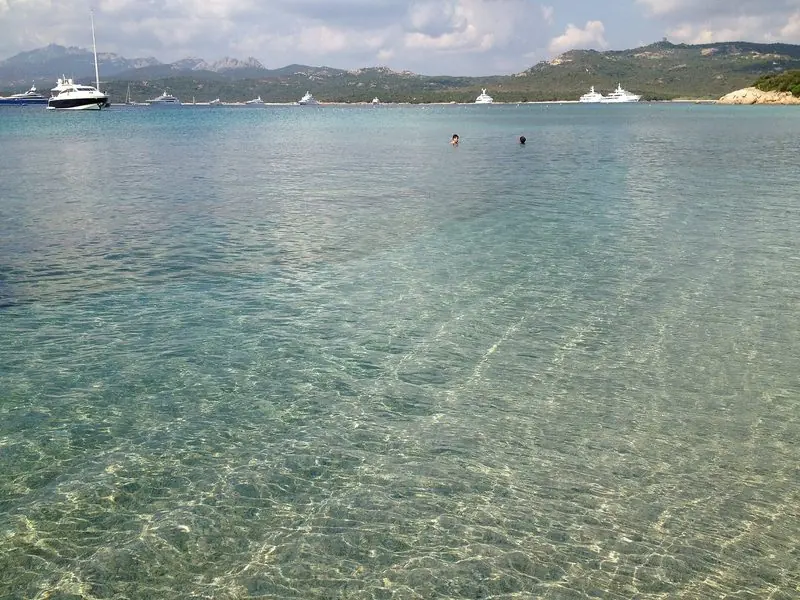
| Región | Gallura, noreste de Cerdeña, Mediterráneo occidental |
|---|---|
| Escala | de Porto Cervo a La Maddalena unas 15 millas náuticas, a Bonifacio en Córcega unas 25, a Olbia unas 20 por mar |
| Temporada | de junio a septiembre con una punta dura en las tres primeras semanas de agosto |
| Marina principal | Marina di Porto Cervo, unos 700 amarres, cerca de 100 de ellos de superyate, con el mayor anunciado en 160 m |
| Alternativas | Marina di Olbia (hasta unos 100 m), Porto Rotondo, Portisco, Poltu Quatu |
| Normas del parque | el archipiélago de La Maddalena exige permiso de pago, comprado por internet en lamaddalenapark.it, con precio por eslora y duración |
| Penalización del permiso | comprarlo ya dentro del parque en lugar de por adelantado cuesta un 40 por ciento más |
| Cambio de 2026 | la Ordinanza 33/2026, en vigor desde el 1 de junio de 2026, eliminó la prohibición general de fondear de noche en el parque |
| Zona MA | prohibidos todo tráfico, fondeo y parada, incluida Cala Roto, la playa rosa de Budelli |
| Velocidad en el parque | 7 nudos dentro de los 500 m de la costa, 10 nudos entre 500 m y 1.000 m |
| Semanas fijas de 2026 | Giorgio Armani Superyacht Regatta del 26 al 30 de mayo, Maxi Yacht Rolex Cup del 6 al 12 de septiembre |
| Acceso aéreo | Olbia Costa Smeralda, unos 28.000 movimientos de aeronaves al año y con fuertes restricciones de slots a principios de agosto |
| Peak berth 2026 | EUR 5,437 a day at Porto Cervo Marina from 1 to 20 August for a hull to 55 m and 10 m beam, VAT included |
| Same berth off peak | EUR 3,780 a day from 10 July to 5 September, EUR 1,569 in June, EUR 386 in May and October |
| A counter-rate August at Porto Cervo is EUR 150,320, against EUR 325,707 for a contracted 1 May to 31 October season | |
| Season services at category X are billed on top: EUR 8,190 refuse, EUR 9,380 water, EUR 51,800 electricity | |
| Above 55 m the marina charges by area, EUR 7.38 per square metre a day from 10 July to 5 September | |
| Enforcement | a Guardia di Finanza sweep of the Costa Smeralda and the archipelago had identified 100 undeclared foreign-flagged yachts worth over EUR 48 million by May 2026, with about EUR 23 million in fines assessed |
| The trigger is the Quadro RW asset declaration, which bites on ownership by an Italian tax resident, not on charter income | |
| Charter VAT | 22 per cent on the hire, with the length-based flat reductions withdrawn on 1 November 2020 |
| Discharge | Ordinanza 33/2026 conditions overnight anchoring in the park on a closed blackwater system |
| Nearest lift | Cantieri di Olbia, about 20 miles south, hauling to 600 tonnes |
Una caja de treinta millas
La zona de navegación es pequeña y llamativamente buena. Porto Cervo está en lo alto de la Costa Smeralda, el archipiélago de La Maddalena queda a unas 15 millas náuticas al norte, y Bonifacio, en el lado corso del estrecho, a otras diez más allá. Olbia y su aeropuerto están a 20 millas al sur por mar. Todo aquello por lo que viene un armador cabe en una caja de 30 millas, y el barco puede estar fondeado frente a una isla de granito cuarenta minutos después de salir de la marina.
Una semana se llena fácil. Dos noches en Porto Cervo, un día en Cala di Volpe y en las playas de Romazzino y Capriccioli, y después cuatro días trabajando el archipiélago entre Spargi, Santa Maria, Caprera y Porto Palma. Dos semanas casi siempre significan cruzar a Córcega, donde Bonifacio, las islas Lavezzi y el golfo de Porto Vecchio están todos a un rato de navegación y los precios son la mitad. El resto de Cerdeña queda muy lejos, con Alghero a unas 130 millas rodeando la costa norte y Cagliari a unas 200 al sur.
Los fondeaderos que justifican el viaje
El archipiélago es el premio de la navegación y no defrauda. Cala Coticcio, en Caprera, que en la zona llaman muchas veces Tahití, es la postal, con arena pálida y un agua que pasa del turquesa al azul profundo en unos metros. Cala Corsara, en Spargi, aguanta cómodamente un yate grande. La laguna conocida como Porto della Madonna, entre Budelli, Razzoli y Santa Maria, es el mejor rincón del grupo y está muy regulada. Porto Palma, en Caprera, es el fondeadero de trabajo, profundo, abrigado y usado por las escuelas de vela.
En la propia Costa Smeralda los fondeaderos son más bonitos que prácticos. Cala di Volpe es el clásico, con el hotel emblemático en el fondo y buena tenida, y Liscia di Vacca y Cala Petra Ruja funcionan con el viento adecuado. Al sur de Olbia, la isla de Tavolara se levanta 500 metros sobre el mar y da un día excelente fondeado sin casi nada de la aglomeración de la Costa Smeralda.
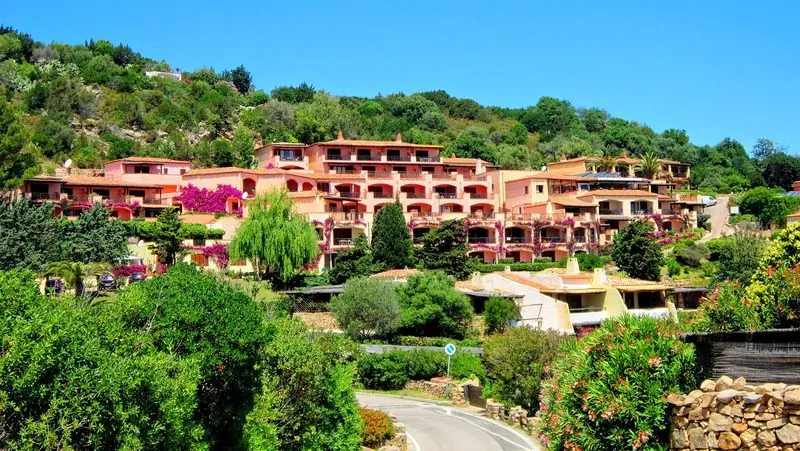
Seis semanas de temporada, el amarre más caro del Mediterráneo y un parque nacional cuarenta minutos al norte.
El permiso del parque, y lo que cambió para 2026
El archipiélago de La Maddalena es parque nacional y ningún barco puede navegar, fondear ni amarrar en él sin un permiso del ente del parque. Se compra por internet en lamaddalenapark.it, con precio por eslora y duración, y comprarlo ya dentro del parque cuesta un 40 por ciento más que comprarlo por adelantado. Las inspecciones empiezan pronto en la temporada y en abril y mayo son rutina. El parque está zonificado, y la zona MA está cerrada a todo tráfico, fondeo y parada, lo que incluye Cala Roto, la famosa playa rosa de Budelli.
La noticia importante para 2026 es que ha desaparecido la prohibición general de fondear de noche. La Ordinanza 33/2026, en vigor desde el 1 de junio de 2026, permite fondear de noche siempre que haya permiso válido, sistema de aguas negras cerrado y respeto a las zonas de fondeo prohibido, lo que revierte una norma que devolvía a la flota a las marinas cada tarde. Fondear dentro de los campos de boyas balizados está prohibido, y también lo está fondear sobre posidonia. La velocidad está limitada a 7 nudos dentro de las 500 metros de la costa y a 10 nudos hasta los mil. Una zona restringida entre Santa Maria y Budelli, cerrada por munición sin explotar, fue reabierta por la guardia costera el 9 de junio de 2026.
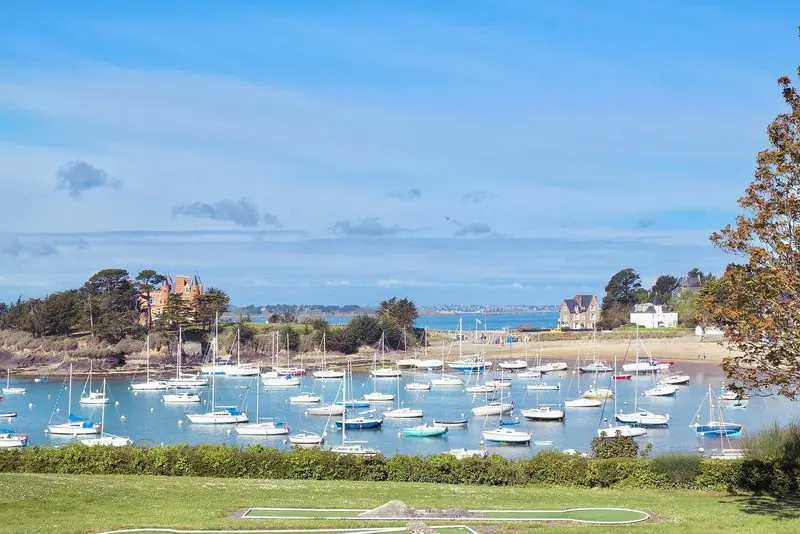
Porto Cervo, Olbia y las alternativas
Marina di Porto Cervo es el buque insignia y está construida para esto. Explota unos 700 amarres, cerca de un centenar dimensionados para superyates, con el mayor anunciado en 160 metros y profundidades que admiten 8 metros de calado. Es también el amarre más caro del Mediterráneo en agosto, con precio por eslora y multiplicador de temporada punta, y se contrata mucho antes de que empiece la temporada. El armador sin contrato está en lista de espera.
Las alternativas son buenas y se comentan menos. Marina di Olbia admite yates de hasta unos 100 metros dentro de un golfo abrigado con el aeropuerto a diez minutos, lo que la convierte en la base sensata para un barco que rota invitados. Portisco y Porto Rotondo están entre Olbia y Porto Cervo y los dos atienden barcos de buen tamaño. Poltu Quatu, metido en una ensenada estrecha cerca de Baja Sardinia, es una marina pequeña en un entorno espectacular.
El mistral, y los meses
Junio es cálido, tranquilo y el mes de mejor relación de los cuatro. Julio se va llenando sin pausa. Agosto es caluroso, lleno y caro, con las tres primeras semanas como punta y el Ferragosto del 15 de agosto en el centro. Septiembre refresca un poco, mantiene el agua templada y se vacía deprisa después de la semana de los maxis.
El viento definitorio es el mistral, encañonado por el estrecho de Bonifacio entre Cerdeña y Córcega, donde la aceleración es severa. Puede soplar 30 nudos y más durante tres o cuatro días seguidos, y decide qué lado de cada isla del archipiélago se puede usar, que es el dato local más útil que puede tener una tripulación. También aplana la humedad y produce el agua más clara del verano. En rachas estables el estrecho es un espejo y el cruce a Córcega lleva una hora.
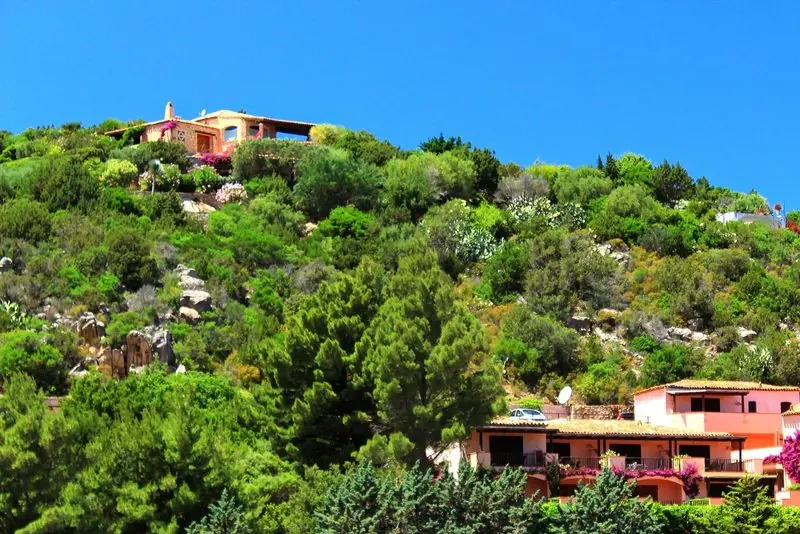
Dos regatas que marcan el calendario
El Yacht Club Costa Smeralda manda en el calendario y se ha convertido en la razón por la que vienen muchos armadores. La Giorgio Armani Superyacht Regatta, antes Loro Piana Superyacht Regatta, se corre del 26 al 30 de mayo de 2026 y abre la temporada con los grandes yates de vela. La Maxi Yacht Rolex Cup viene después, del 6 al 12 de septiembre de 2026, en su trigésima sexta edición, y es la reunión más concentrada de regata de maxis y supermaxis de todo el mundo.
Alrededor de esas dos citas, la temporada social es corta e intensa. El pueblo y los beach clubs abren en condiciones en la segunda mitad de junio, funcionan a tope durante agosto y ya van bajando en la tercera semana de septiembre. Los armadores que llegan la segunda semana de junio o la última de septiembre tienen la misma agua y los mismos fondeaderos con una fracción del tráfico. El precio del amarre sigue la misma curva, y la diferencia entre finales de junio y mediados de agosto es importante.
Olbia, y el problema de slots de agosto
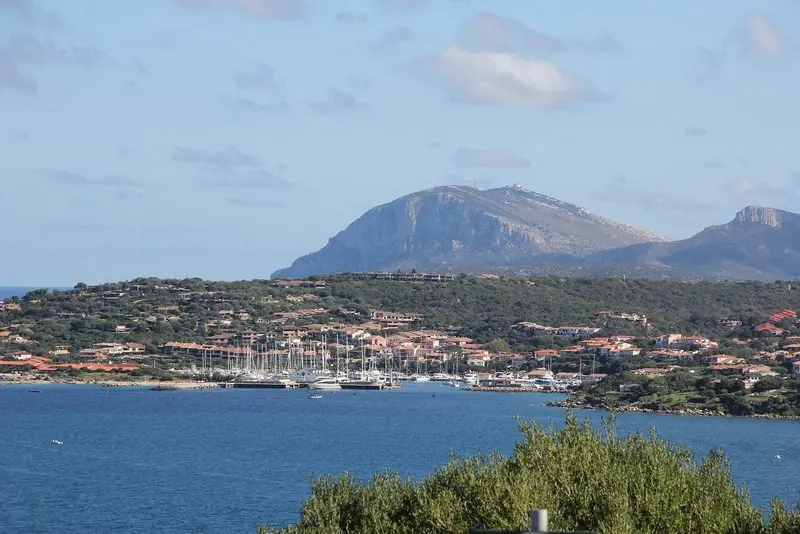
Olbia Costa Smeralda es la puerta de entrada y funciona bien fuera de la punta. Mueve unos 28.000 movimientos de aeronaves al año, con tráfico regular desde la Italia continental y buena parte de Europa en verano, y está a media hora por carretera de Porto Cervo. En la primera quincena de agosto la situación de slots se pone de verdad difícil, y las ventanas de llegada de la mañana son lo bastante escasas como para tener que planificarlas con semanas de antelación. Cagliari y Alghero quedan demasiado al sur y al oeste para servir de ayuda.
En tierra, las carreteras de la Gallura son estrechas y el tráfico de agosto entre Olbia, Porto Rotondo y Porto Cervo es lento. Los traslados en helicóptero entre el aeropuerto y los resorts son habituales, y hay un punto de aterrizaje en Porto Cervo. Para cualquier cosa entre la marina y el archipiélago, el tender le gana al coche por mucho.
La Piazzetta, los beach clubs y la Gallura interior
Porto Cervo se construyó siguiendo un plan y se nota. La Piazzetta y la Promenade du Port reúnen las boutiques y los bares, el Cervo Hotel está encima, y el Hotel Cala di Volpe, unas millas al sur, es el emblema de la costa. La restauración va de los restaurantes de hotel a Gianni Pedrinelli y Spinnaker, con Da Giovannino, en Porto Rotondo, como favorito de siempre de la clientela de verano. Los precios de agosto están puestos para esa clientela y nadie pide disculpas por ellos.
La vida nocturna se concentra en un puñado de locales y todo el mundo acaba en los mismos tres. Phi Beach, en el Forte Cappellini sobre Baja Sardinia, es el sitio del atardecer, el Billionaire Club, encima de Porto Cervo, es el de la madrugada, y Ritual, excavado en el granito en Baja Sardinia, lleva décadas funcionando. Más allá de eso, la Gallura interior es otro país, con alcornoques, pueblos de granito como San Pantaleo y su mercado de los jueves, y Vermentino di Gallura de los viñedos de detrás de la costa. A los invitados que quieran cultura conviene avisarles por adelantado de que aquí hay muy poca.
Apoyo, coste y el inconveniente sincero
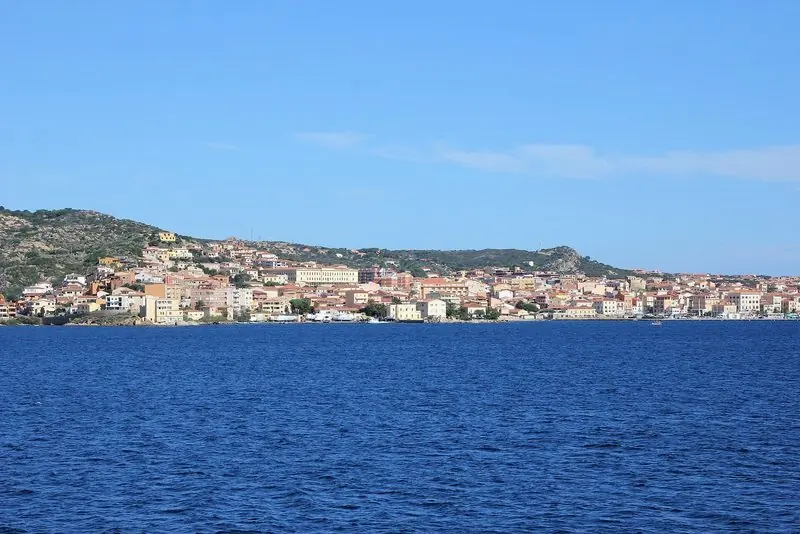
Italia está en la UE, y las operaciones de charter llevan IVA italiano y un papeleo que debería llevar un agente. Hay combustible en Porto Cervo, Olbia y Portisco, y Olbia es el puerto práctico para repostar, para pertrechos y para cualquier cosa técnica, porque las marinas de la Costa Smeralda son puntos de servicio y no astilleros. Aprovisionarse en Porto Cervo es posible y caro, y la mayoría de los barcos suben los pertrechos desde Olbia. El permiso del parque se lleva a bordo y lo comprueban.
Los inconvenientes sinceros son tres. La temporada es muy corta, y un armador que paga un verano mediterráneo se encontrará con que la Costa Smeralda le da unas seis semanas sociales aprovechables. El coste de un amarre en punta es el más alto de la región y los escalones son fuertes. Y el mistral puede llevarse tres o cuatro días de un crucero de dos semanas, lo que en una costa tan pequeña significa los mismos fondeaderos abrigados todos los días. Quien quiera variedad debería meter Córcega en el viaje desde el principio.
Pricing the most expensive published berth in the Mediterranean
The marina publishes, which settles the question. Porto Cervo Marina posts a daily rate card for the Porto Nuovo, and category X covers a hull up to 55 m LOA and 10 m beam, which is where a 50 m motor yacht sits. From 1 to 20 August 2026 that berth is EUR 5,437 a day. Across the wider peak from 10 July to 5 September it is EUR 3,780. The first nine days of July and the whole of September are EUR 3,438, June is EUR 1,569, May and October drop to EUR 386, and winter is EUR 150. Every figure is VAT inclusive, at the 10 per cent rate the list applies where permitted. Above 55 m the marina switches to a square metre basis, at EUR 7.38 per square metre a day for the 10 July to 5 September window, which puts a 70 m by 12 m hull at roughly EUR 6,200 a day (Porto Cervo Marina, Porto Nuovo 2026 daily rates, retrieved 28 July 2026).
A full August at the counter rate is 20 days at EUR 5,437 and 11 at EUR 3,780, or EUR 150,320 for the month before water, power or refuse. Those are billed separately on a long-term contract and are not small at category X: EUR 8,190 for refuse, EUR 9,380 for water and EUR 51,800 for electricity. The contracted alternative is EUR 325,707 for 1 May to 31 October or EUR 306,562 for 1 June to 30 September, which is why the boats already on the pontoon are not paying the August number and why a late arrival is. Against the rest of the Mediterranean, Capri's Porto Turistico charges EUR 3,580 a day for a 55 m by 10 m berth from 16 May to 15 September 2026, Saint-Tropez about EUR 3,280 a day for a 50 m by 9 m hull at its July peak, and Monaco EUR 1,258.80 a day for the 50 m to 55 m band. Of the Mediterranean marinas that publish a rate card at all, Porto Cervo's August is the highest by a clear margin. The claim survives being priced, which is more than most claims of its kind do.
What Italy checks in these marinas, and what it costs to be wrong
Northern Sardinia is where Italy enforces, and the enforcement is aimed at ownership rather than at charter. A Guardia di Finanza operation working Porto Cervo, Porto Rotondo, Poltu Quatu, Cannigione and the Maddalena archipelago had by May 2026 identified 100 undeclared foreign-flagged yachts with a combined value above EUR 48 million, all traced to Italian tax residents, with administrative fines assessed at around EUR 23 million. The trigger is the Quadro RW declaration, an annual reporting obligation on foreign-held movable assets that attaches to ownership and not to income, so a yacht that never carries a paying guest still has to appear on the return. Law 70/2026, the Legge Mare, added Article 26-ter to the pleasure craft code with effect from 10 May 2026, requiring foreign-flagged vessels up to 24 m owned by Italian residents to carry a certificate of fitness for navigation. None of that touches a genuinely foreign owner, and all of it explains why the marina office asks the questions it asks.
The ordinary rules run underneath. A non-EU flagged yacht in private use is on the 18 month EU temporary admission clock under Article 217(e) of Delegated Regulation (EU) 2015/2446, and the clock covers the whole EU rather than Italy alone. Charter from an Italian port carries Italian VAT at 22 per cent on the hire, and the flat reductions keyed to hull length were withdrawn on 1 November 2020, so any reduction now has to be evidenced as actual navigation outside EU waters. Inside the La Maddalena park the permit is carried and checked, and buying it after entering costs 40 per cent more than buying it in advance. Ordinanza 33/2026 makes the new overnight anchoring permission conditional on a closed blackwater system, which is the one discharge rule on this coast a boarding officer will ask to see demonstrated rather than described. The nearest lift is Cantieri di Olbia, about 20 miles south, which quotes a hauling capacity to 600 tonnes and takes larger hulls afloat only.
En tierra, accesos y reservas
| Getting there | Olbia Costa Smeralda is the gateway, handling around 28,000 aircraft movements a year with summer scheduled traffic from the Italian mainland and much of Europe. Porto Cervo is about 30 to 35 km by road and 30 to 45 minutes outside the August traffic, with taxis quoted at roughly EUR 60 to EUR 80 and genuinely scarce in the first fortnight of August; Marina di Portisco is about 20 minutes from the terminal. Helicopter transfers are common and there is a landing point at Porto Cervo. The binding constraint is the airport itself: in the first half of August morning inbound slots at Olbia are scarce enough that arrivals need planning weeks ahead, and Cagliari and Alghero are too far to help. |
|---|---|
| Arriving by sea | Marina di Porto Cervo keeps a 24 hour radio watch on VHF 9 and also monitors 11 and 16. Porto Nuovo is +39 0789 905111, the Porto Vecchio office +39 0789 936666, night duty +39 335 1200241 and the Capitaneria +39 0789 94498. The desk runs 08:00 to 20:00 from June to August and 08:00 to 19:00 in May and September, with check-in at 16:30 and check-out at 10:30. The marina takes hulls to 160 m in 8 m of draft with no beam restriction, across roughly 700 berths of which about 100 are megayacht size. Marina di Portisco, in the Gulf of Cugnana, has 589 berths including 41 superyacht berths, to 90 m in up to 10 m of water. |
| How you actually reserve | The New Port takes a request through the marina's own booking form or IGY's online system, and states that a berth is not guaranteed without a confirmed reservation. The Porto Vecchio is not tariffed at all and every enquiry goes to [email protected]. In practice the August pontoon is already let before the season opens: a category X season contract for 1 May to 31 October 2026 is EUR 325,707, or EUR 306,562 for 1 June to 30 September, so the arriving yacht is competing for what the contract holders have not taken and pays the counter rate for it. |
| What a berth costs | Porto Cervo Marina publishes a full daily card for the Porto Nuovo, which almost nothing in this bracket does. Category X, a hull to 55 m LOA and 10 m beam, is EUR 5,437 a day from 1 to 20 August 2026, EUR 3,780 across the wider peak from 10 July to 5 September, EUR 3,438 for the first nine days of July and the whole of September, EUR 1,569 in June, EUR 386 in May and October and EUR 150 in winter, all VAT inclusive. Above 55 m the basis switches to area at EUR 7.38 per square metre a day in the 10 July to 5 September window, which puts a 70 m by 12 m hull near EUR 6,200 a day. A full August at the counter is EUR 150,320. |
| What the metered services cost | They are billed separately from the berth and they are not small. On a category X season contract the marina charges EUR 8,190 for refuse, EUR 9,380 for water and EUR 51,800 for electricity, so the services alone approach half a counter-rate August. Shore power is supplied at 16, 32, 63, 125 and 250 A, with water at the berths, waste collection, wifi and 24 hour security. Fuel pumps are on the quay at Porto Cervo, and Portisco and Olbia are the practical bunkering ports, Portisco's fuel service run by an outside operator. |
| The park permit, priced | No vessel may navigate, anchor or moor in the La Maddalena archipelago without a permit, bought online at lamaddalenapark.it. The 2026 daily card runs by length band at EUR 2.00 a metre to 10 m, EUR 3.00 from 10.01 to 24 m, EUR 4.50 from 24.01 to 35 m and EUR 5.00 from 35.01 m up, so a 50 m yacht pays EUR 250 a day. Fixed-period permits in the 40 to 200 m band are EUR 760 for seven days, EUR 1,440 for fifteen, EUR 2,560 for thirty and EUR 8,960 for a hundred and twenty. Buying online takes 5 per cent off, sailing vessels take 40 per cent off, and a boat that arrives without a permit pays the fee due plus 40 per cent. |
| Where you may stop, and how fast | Ordinanza 33/2026, effective 1 June 2026, removed the general ban on overnight anchoring in the park, so a night at anchor is now allowed where daytime anchoring is allowed, on sand and mud only, subject to a valid permit, a closed blackwater system and a cap on numbers in the busiest coves. Zone MA remains closed to all traffic, anchoring and stopping, which includes Cala Roto, the pink beach on Budelli. Anchoring inside marked buoy fields and on Posidonia is prohibited. Speed is capped at 7 knots within 500 m of the coast and 10 knots between 500 m and 1,000 m, and the permit is carried aboard and checked. |
| Eating, after dark, and the fixed dates | The Piazzetta and the Promenade du Port hold the boutiques, bars and restaurants a walk from the New Port, with Gianni Pedrinelli and Spinnaker close by and Da Giovannino at Porto Rotondo; the marina runs a ferry from Molo B at the Marina Nuova every 30 minutes from 09:00 with a last return at 01:00, between 20 June and 20 September. Phi Beach at Forte Cappellini above Baja Sardinia is the sunset room, the Billionaire above Porto Cervo and Ritual at Baja Sardinia the late ones. In 2026 the Giorgio Armani Superyacht Regatta ran 26 to 30 May and the Maxi Yacht Rolex Cup runs 6 to 12 September, both from the Yacht Club Costa Smeralda. |
| What is NOT published | Porto Cervo publishes the New Port day rates as a downloadable document and nothing at all for the Porto Vecchio, which is quote-only on request. Porto Rotondo, Poltu Quatu and Marina di Olbia publish no superyacht tariff. Cantieri di Olbia, the nearest lift at about 20 miles south with hauling to 600 tonnes, publishes no lift price. No marina on this coast publishes a diesel price, so bunkering is a same-day quote through an agent. And nothing published anywhere tells an owner how many category X berths are actually free in August, which is the number that decides the trip. |
Lo que cuentan armadores y tripulaciones
The tax sweep in these marinas is aimed at ownership, not at charter
The Guardia di Finanza air and naval unit at Cagliari closed Operation Red Jack after working Porto Cervo and the surrounding Sardinian ports, identifying 100 foreign-flagged vessels with a combined market value above EUR 48 million, all traceable to individuals tax-resident in Italy and none declared, with fines assessed at up to EUR 23 million. The investigation began in 2025 after a routine check at sea. The trigger is the Quadro RW asset declaration, which attaches to ownership rather than to income, so a yacht that never carries a paying guest still has to appear on the return.
L'Unione Sarda and Il Sole 24 OreOvernight anchoring returned in 2026, with a condition a boarding officer will test
Ordinanza 33/2026 replaced the general overnight ban with permission to stay the night where daytime anchoring is allowed, on sand and mud only, with a valid permit, a closed blackwater system and a cap on numbers in the busiest coves. Local agents read the ordinance as the framework for both the 2026 and 2027 seasons, and are clear that the blackwater condition is the one an inspector asks to see demonstrated rather than described.
Parco Nazionale dell'Arcipelago di La Maddalena, reported by Nautica AssistanceArriving without a park permit is the expensive way to buy one
The park's own tariff platform prices by length band and duration, returns 5 per cent for buying online and 40 per cent for sailing vessels, and park staff charge the fee due plus a 40 per cent surcharge to a boat that turns up without one. Inspections start early in the season and are routine in April and May, before most of the fleet has arrived.
Parco Nazionale dell'Arcipelago di La MaddalenaThe published August day rate is not what the boats on the pontoon are paying
The marina's own 2026 card puts category X at EUR 5,437 a day from 1 to 20 August, while a season contract for 1 May to 31 October is EUR 325,707. A full August at the counter, EUR 150,320, buys 31 days where the contract buys six months. The counter rate is a scarcity price for whatever the contract holders have not taken, which is why it reads as the highest in the Mediterranean.
Porto Cervo Marina 2026 rate cardThere is no independent account of the smaller Gallura marinas
Checked in August 2026, Porto Rotondo, Poltu Quatu and Marina di Olbia publish no superyacht tariff, and no published owner or captain account of their superyacht service could be found. An owner considering them as the sensible alternative to Porto Cervo is relying on an agent's word and his own inspection, not on anything reported.
Yotters desk, checked August 2026
Lo bueno y lo que conviene vigilar
Puntos fuertes
- A first rate cruising ground inside a thirty mile boxPorto Cervo to La Maddalena about 15 nautical miles, to Bonifacio about 25, to Olbia about 20. The boat can be at anchor off a granite island forty minutes after leaving the pontoon.
- The marina publishes, which almost nobody at this level doesA full seasonal day card by category, plus the season contract and the separate service charges, so an owner can price an August here before he commits to it. On the Riviera he cannot.
- Size and depth are not the constraintHulls to 160 m in 8 m of draft with no beam restriction, about 100 megayacht berths of roughly 700, and Portisco a few miles south with 41 superyacht berths in up to 10 m of water.
- Two fixtures that bring the fleet to the same waterThe Giorgio Armani Superyacht Regatta in late May and the Maxi Yacht Rolex Cup, 6 to 12 September 2026, both run by the Yacht Club Costa Smeralda over the archipelago.
- The 2026 rule change gives the archipelago back at nightOrdinanza 33/2026 ended the general overnight anchoring ban that had pushed the fleet back to the marinas every evening, subject to permit, sand or mud bottom and a closed blackwater system.
A tener en cuenta
- Six usable social weeks for a full season's costThe village and the beach clubs open properly in the second half of June and are winding down by the third week of September. Outside that Porto Cervo is beautiful and largely empty.
- The most expensive published August berth in the MediterraneanEUR 5,437 a day at category X from 1 to 20 August 2026, against EUR 3,580 at Capri's peak, about EUR 3,280 at Saint-Tropez and EUR 1,258.80 in Monaco.
- The metered services are a second bill nobody budgetsEUR 51,800 of electricity, EUR 9,380 of water and EUR 8,190 of refuse on a category X season contract, billed on top of the berth.
- The counter rate punishes the yacht without a contractA counter-rate August is EUR 150,320 for 31 days, against EUR 325,707 for a contracted 1 May to 31 October. The boats already on the pontoon are not paying the August number.
- The mistral can take four days out of a fortnightIt accelerates hard through the Strait of Bonifacio and decides which side of each island is usable, which on a coast this small means the same sheltered anchorages every day.
Para quién es: El armador que regatea o que quiere estar donde se regatea, que pagará precios de Porto Cervo en agosto y que trata el archipiélago de La Maddalena como la razón de verdad para estar en Cerdeña.