Florida & the Keys
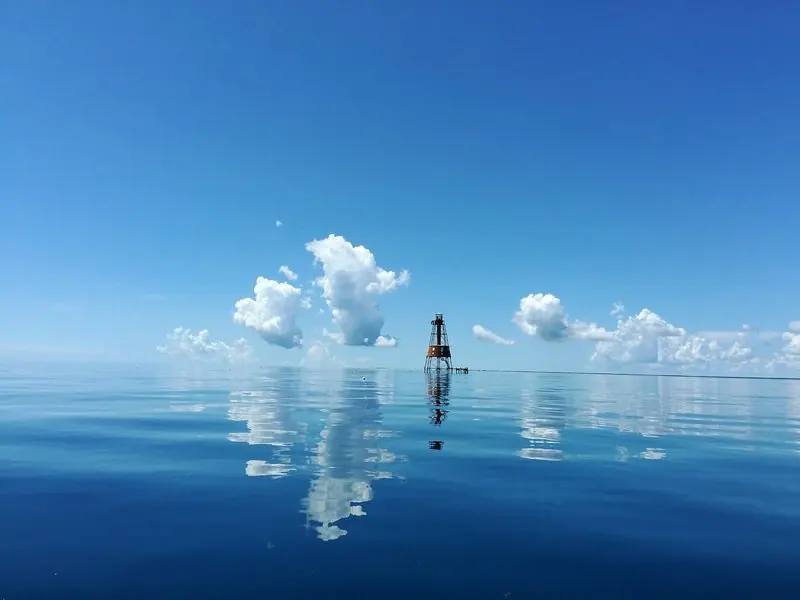
| Région | sud-est de la Floride de Palm Beach à Miami, plus les Florida Keys et les Dry Tortugas |
|---|---|
| Saison | de novembre à mai, la saison cyclonique courant officiellement du 1er juin au 30 novembre |
| Chapelet | les Keys s'étendent sur environ 127 milles le long de l'Overseas Highway, à partir d'environ 15 milles au sud de Miami |
| Récif | le Florida Reef s'étend sur environ 170 milles et constitue le troisième système de récif-barrière du monde |
| Plus grande capacité d'accueil | Safe Harbor Rybovich, West Palm Beach, postes de 80 à 450 pieds, tirant d'eau jusqu'à 25 pieds, sans restriction de tirant d'air ni de largeur |
| Levage lourd | Rybovich exploite un travel lift de 660 tons, Lauderdale Marine Center va jusqu'à 485 tons |
| Refit | Safe Harbor Lauderdale Marine Center couvre 65 acres et travaille sur des yachts d'environ 90 à 200 pieds |
| Règle du sanctuaire | les zones à éviter du Florida Keys National Marine Sanctuary restreignent les navires de 164 pieds (50 mètres) et plus |
| Règle du sanctuaire | mouillage interdit sur le corail vivant, 4 noeuds et aucun remous à moins de 300 pieds des rivages, des navires amarrés et des marques de récif |
| Dry Tortugas | à environ 70 milles à l'ouest de Key West, mouillage de nuit sur sable uniquement dans un mille nautique du phare de Garden Key, ni carburant ni eau dans le parc |
| Charter | le Passenger Vessel Services Act interdit aux navires sous pavillon étranger de transporter des passagers entre deux ports américains |
| Aéroports | Fort Lauderdale, Miami et Palm Beach internationaux, avec Opa-locka et Fort Lauderdale Executive pour les jets privés |
| PVSA penalty | USD 300 per passenger transported and landed under 19 CFR 4.80, inflation-adjusted to USD 996 per passenger for 2025 |
| Cruising licence | issued under 19 CFR 4.94 for up to one year, allows arrival and departure without formal entry at each port, covers private use only and confers no right to carry passengers for hire |
| Successive licences | a non-resident owner must leave a gap of at least fifteen days between cruising licences |
| Berth cost | Rybovich and Lauderdale Marine Center publish no rates, checked 28 July 2026, and third-party 2026 figures put megayacht dockage at Pier Sixty-Six and Bahia Mar at USD 80 to 200 per foot per month |
| Keys berth cost | City Marina at Garrison Bight, Key West, USD 4.10 plus tax per foot per day and USD 56.26 plus tax per foot per month effective 1 August 2026 |
| Discharge | the sanctuary is a federal No Discharge Zone and Florida Statute 327.521 sets a civil penalty of up to USD 250, and up to USD 250 for each day a discharge continues |
| Grey water | not classed as sewage under current Florida law and not prohibited, which is the gap a large yacht should manage voluntarily |
Une base d'abord, une zone de navigation ensuite
Un propriétaire doit être honnête sur ce qu'est la Floride. La bande qui va de Palm Beach à Miami en passant par Fort Lauderdale est la concentration d'infrastructures nautiques la plus dense du monde : chantiers, halls de peinture, mécaniciens, brokers, agences de placement, voileries et pièces. Si quelque chose casse sur un bateau de 50 mètres dans l'hémisphère occidental, c'est ici que cela se répare, et cela se répare en général bien et vite. Ce que ce n'est pas, c'est un endroit où l'on navigue pour le plaisir.
La navigation se passe soit à 50 milles nautiques à l'est, de l'autre côté du Gulf Stream, aux Bahamas, soit au sud en descendant les Keys. La Floride elle-même est le point d'entrée, la place d'hiver et l'atelier. C'est une vraie raison d'y baser un bateau pour la saison, et c'est pourquoi tant de propriétaires le font. Cela veut dire aussi que des invités qui débarquent en s'attendant à la Côte d'Azur trouveront une marina dans une ville américaine.
Le dessin de la zone
Du nord au sud, la côte utile fait environ 70 milles, de West Palm Beach à Miami en passant par Fort Lauderdale, le tout relié par l'Intracoastal Waterway et pourvu de passes profondes vers l'Atlantique. Port Everglades, à Fort Lauderdale, est un port de commerce en eau profonde et reçoit les plus grands yachts sans difficulté. Les chantiers de réparation sont à l'intérieur des terres, sur la New River et le Dania Cut-off Canal, que l'on rejoint par un parcours lent et étroit rythmé par les ouvertures de ponts, spectacle en soi.
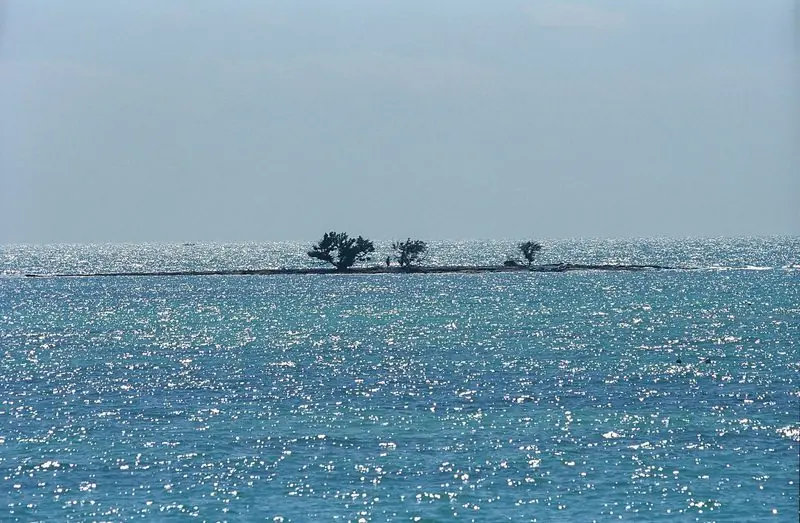
Au sud de Miami commencent les Keys, un archipel corallien qui court sur quelque 127 milles jusqu'à Key West avec le Florida Reef à quelques milles au large. Entre les deux se trouve Hawk Channel, la route intérieure abritée, et au-delà de Key West les Dry Tortugas, à environ 70 milles plus à l'ouest, où il n'y a rien d'autre qu'un fort de brique du dix-neuvième siècle. Florida Bay, sur la face nord des Keys, est peu profonde, soumise à la marée et pratiquement fermée à tout yacht de taille.
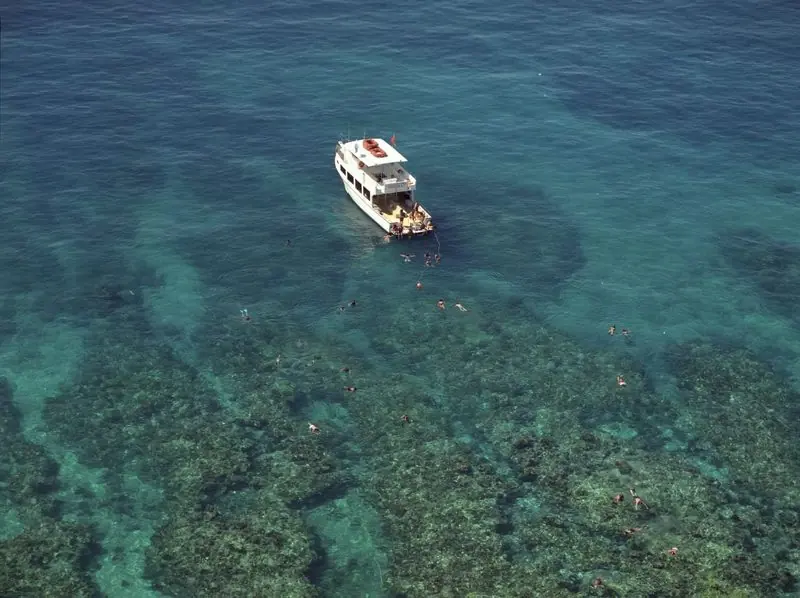
La Floride est l'endroit où la flotte se fait réparer, et la navigation commence cinquante milles plus à l'est.
Une semaine, et deux semaines
Une semaine au départ de Fort Lauderdale veut dire, réalistement, les Bahamas. Traverser vers Bimini ou les Berry Islands, descendre vers Nassau et les Exumas, et revenir. L'autre option est une descente de Hawk Channel avec des nuits à Islamorada et Marathon et trois ou quatre jours à Key West, ce qui convient à un bateau de moins de 50 mètres et devient progressivement plus contraint à mesure qu'il grandit.
Deux semaines ouvrent l'ensemble des Keys plus les Dry Tortugas, le seul endroit réellement sauvage de l'Etat et qui vaut la traversée pour qui plonge. Les propriétaires qui traversent l'Atlantique à l'automne arrivent souvent ici en novembre, passent une quinzaine en travaux chez Rybovich ou au Lauderdale Marine Center, et commencent vraiment la saison aux Bahamas en décembre. La quinzaine floridienne est une quinzaine de travail.
Où tient un 50 mètres, et où il ne tient pas
Safe Harbor Rybovich, à West Palm Beach, est le haut du marché, avec des postes de 80 à 450 pieds, un tirant d'eau jusqu'à 25 pieds, aucune restriction de largeur ni de tirant d'air et de l'eau profonde en accès direct depuis l'Atlantique. Il exploite un travel lift de 660 tons. Safe Harbor Lauderdale Marine Center est l'alternative de travail, 65 acres sur le Dania Cut-off Canal, avec un levage jusqu'à 485 tons et des yachts d'environ 90 à 200 pieds. Entre les deux, plus les marinas de Fort Lauderdale et de Miami, un grand yacht n'a aucun problème d'amarrage sur cette côte.
Les Keys sont l'inverse. Hawk Channel est peu profond, la ligne de récif ne pardonne pas, et les marinas d'Islamorada, de Marathon et de Stock Island sont faites pour des bateaux de pêche sportive et des yachts bien en dessous de 50 mètres. La passe principale de Key West est profonde, mais les places sont limitées et la ville est encombrée. Un grand yacht dans les Keys mouille dans les eaux autorisées et travaille le récif au tender, ce qui est la même réponse qu'aux Grenadines avec beaucoup plus de paperasse attachée.
Le sanctuaire, le récif et la ligne des 50 mètres
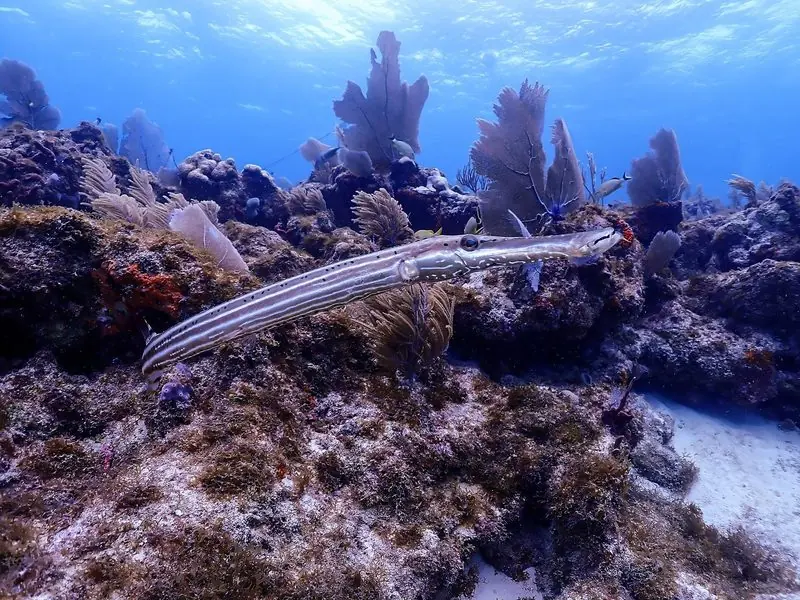
Tout le tracé récifal des Keys se trouve à l'intérieur du Florida Keys National Marine Sanctuary, et les règles y sont appliquées. Le mouillage sur du corail vivant est purement interdit. La vitesse est limitée à 4 noeuds sans remous à moins de 300 pieds des rivages, des navires amarrés ou mouillés et des marques de navigation du récif. Les Sanctuary Preservation Areas, les zones de conservation d'habitat et les zones de restauration de nurseries sont signalées par des bouées jaunes rondes de 30 pouces et portent leurs propres restrictions, une interdiction supplémentaire de mouiller dans ces zones devant entrer en vigueur en 2027.
La règle qui compte le plus pour ce lectorat est celle des zones à éviter, qui restreignent les navires de 164 pieds, soit 50 mètres, et plus. Il existe aussi des corps-morts désignés spécifiquement pour les grandes unités, et un bateau ne peut pas s'amarrer à un corps-mort qui n'est pas prévu pour sa taille. Concrètement, un yacht de 50 mètres est légalement exclu de parties du récif qu'un yacht de 40 mètres peut utiliser, et le commandant a besoin de la carte à jour du sanctuaire avant de préparer quoi que ce soit.
Météo, Gulf Stream et la saison à éviter
La météo d'hiver est commandée par des fronts froids qui descendent de la masse continentale nord-américaine tous les quelques jours, de novembre à mars. Devant le front, le vent passe au sud et mollit. Derrière, il bascule franchement au nord et souffle un jour ou deux. Le Gulf Stream remonte cette côte vers le nord à deux à quatre noeuds, si bien qu'un vent de nord contre ce courant lève une mer courte, raide et réellement dangereuse, et chaque traversée vers les Bahamas se cale sur les fronts.
L'été est chaud, humide et orageux, avec une saison cyclonique qui court officiellement du 1er juin au 30 novembre et un pic en août, septembre et octobre. La quasi-totalité de la flotte des grands yachts part pour la Méditerranée ou remonte vers le nord dans cette fenêtre, et les conditions d'assurance l'exigent généralement. Les Keys ne comptent aucun relief au-dessus d'une vingtaine de pieds, si bien que la submersion de tempête est le risque qui définit tout l'archipel.
La saison, et faire venir les invités
La saison va de novembre à mai, avec le Fort Lauderdale International Boat Show de chaque automne comme ouverture traditionnelle et Pâques comme clôture effective. La semaine du salon est celle où chantiers, brokers et équipages convergent, où les places dans le centre de Fort Lauderdale sont impossibles à obtenir et où le front de mer appartient à la profession. Noël et les semaines autour du Presidents Day sont les plus chargées pour l'usage par les invités. Les créneaux de chantier pour les travaux d'hiver se réservent longtemps à l'avance.
L'accès est le meilleur du monde du yachting, et de loin. Fort Lauderdale, Miami et Palm Beach ont tous des aéroports internationaux complets à vingt minutes des places. Opa-locka et Fort Lauderdale Executive sont les terrains pour jets privés, et Palm Beach International reçoit directement les gros appareils. Key West a son propre aéroport à quelques minutes de Stock Island. Un propriétaire peut atterrir à neuf heures du matin et être en mer à onze.
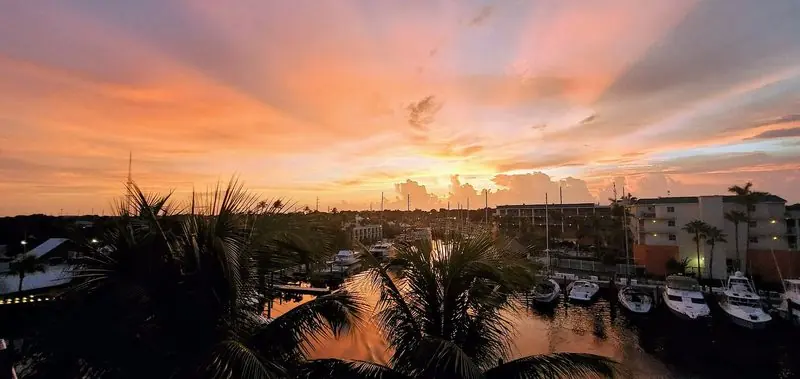
A terre : Palm Beach, Miami et Key West
Palm Beach est l'extrémité discrète. Worth Avenue pour les boutiques, The Breakers comme hôtel emblématique, et une saison résidentielle qui court de Thanksgiving à Pâques. Miami est l'extrémité bruyante, avec le Design District, Wynwood, la bande Art déco de South Beach et la semaine de décembre d'Art Basel Miami Beach qui prend possession de la ville entière. Fort Lauderdale, entre les deux, est une ville de yachting qui l'assume, avec Las Olas Boulevard pour rue principale.
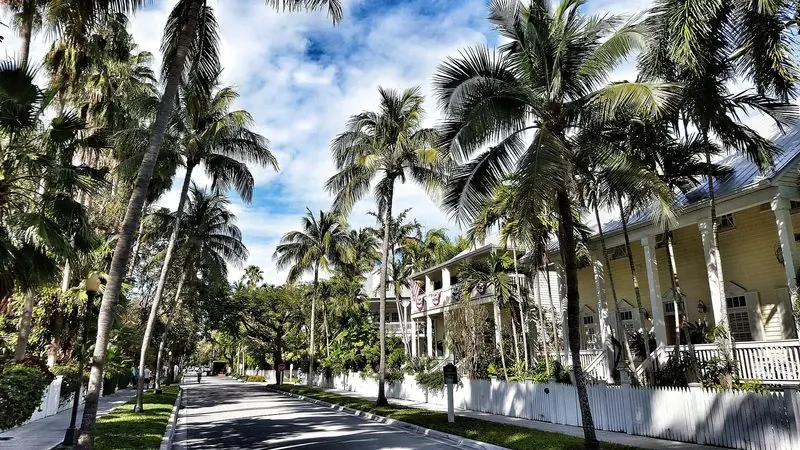
Key West est un autre pays par le tempérament. Duval Street, la maison d'Hemingway, le coucher de soleil de Mallory Square et une culture de bars qui dure depuis un siècle. La cuisine dans toute la région est solide et internationale, en particulier à Miami, et la pêche sur le récif et sur les flats au départ d'Islamorada et de Marathon est de classe mondiale. Les invités qui veulent du tarpon, du bonefish et du permit seront plus heureux ici que partout aux Caraïbes.
Carburant, soutien, droit du charter et le vrai inconvénient
Carburant, avitaillement, pièces et main-d'oeuvre spécialisée sont tous disponibles en profondeur et à court préavis, ce qui est l'argument le plus fort de la région. Les formalités pour un yacht sous pavillon étranger sont de routine, et une licence de navigation couvre l'usage privé. Le piège est commercial. Le Passenger Vessel Services Act interdit aux navires sous pavillon étranger de transporter des passagers entre deux ports américains, ce qui veut dire qu'un yacht sous pavillon étranger ne peut pas exploiter un charter avec équipage classique au départ de Floride. C'est pourquoi la flotte de charter travaille les Bahamas et ne fait ici que se refaire, et toute structure qui prétendrait le contraire exige un avis juridique en règle.
L'inconvénient au-delà de cela est franc. La navigation est maigre, les Keys sont peu profondes et réglementées, l'eau de la côte continentale n'est pas ce que les invités imaginent, et la saison cyclonique retire six mois de l'année. Les coûts de place et de chantier comptent parmi les plus élevés du monde. Ce qu'un propriétaire obtient en échange, c'est un endroit où une boîte de vitesses cassée est un coup de téléphone, et où le bateau peut passer tout l'hiver à vingt minutes d'une piste qui accepte un Global.
What a month on this coast costs
The yards that matter publish nothing. Safe Harbor Rybovich and Safe Harbor Lauderdale Marine Center quote against the dates and the boat, and no rate card for either could be found on 28 July 2026. The best-sourced third-party figures for 2026 put standard Fort Lauderdale dockage at USD 18 to 40 per foot per month and the megayacht berths at Pier Sixty-Six and Bahia Mar at USD 80 to 200 per foot per month, which for a 164 ft yacht is USD 13,120 to 32,800 a month. Down in the Keys the municipal tariffs are public and much smaller: the City Marina at Garrison Bight in Key West charges USD 4.10 plus tax per foot per day and USD 56.26 plus tax per foot per month effective 1 August 2026, with a revision due on 1 October, and Key West Bight Marina takes vessels to 140 ft with a USD 10.00 utility fee and electricity at USD 0.16 per kWh.
That makes a Fort Lauderdale winter roughly comparable with a Mediterranean summer and considerably better value in what it buys. Marina di Porto Cervo's published 2026 tariff charges EUR 3,698 a day in the band to 40 m between 1 and 20 August, about EUR 102,000 for the month, against a top-end Fort Lauderdale megayacht berth at around USD 32,800 for the same length of time. The difference is that the Italian number buys a view and the Florida number buys a berth twenty minutes from a paint shed, a 660-ton travel lift and every specialist trade in the western hemisphere. The costs that catch owners out here are not berthing at all. They are the yard slot booked a year ahead, the fuel uplift before the Gulf Stream crossing, and the six months of hurricane season when the insurance conditions move the boat somewhere else and the berth is still being paid for.
The PVSA, the cruising licence and what a mistake costs
The rule is absolute and the number attached to it is now public. The Passenger Vessel Services Act bars a foreign-flagged vessel from transporting passengers between two United States points, and the penalty under 19 CFR 4.80 is USD 300 for each passenger so transported and landed, adjusted annually for inflation and standing at USD 996 per passenger for 2025. A twelve-guest charter that embarks in Fort Lauderdale and lands in Key West is therefore an exposure approaching USD 12,000 before the vessel's own liability, and the penalty attaches to the carriage, not to the intent. There is no licence that cures it. The workaround the fleet uses is not a workaround at all: the charter starts and finishes in the Bahamas, and Florida is the yard.
What a foreign-flagged yacht can have is a cruising licence, issued under 19 CFR 4.94 for a stated period not exceeding one year, which lets her arrive at and depart from United States ports without formally entering and clearing at each one. It is available only where the flag state gives United States yachts the same treatment, and a non-resident owner cannot simply run successive licences, with a minimum gap of fifteen days between them. The licence covers private use and nothing else. It confers no right to carry passengers for hire, it does not touch the PVSA, and an owner who treats it as a charter permit has misread it.
Discharge in the sanctuary, and where the grey water sits
The Florida Keys National Marine Sanctuary is a federal No Discharge Zone and the discharge of untreated sewage from a vessel is prohibited under the Clean Water Act and under Florida law. The state penalty is set by section 327.521 of the Florida Statutes at a civil penalty of up to USD 250, and up to USD 250 for each day a prohibited discharge continues. That sits on top of the sanctuary's own regulations, the anchoring prohibition on living coral, the 4 knot no-wake rule within 300 feet of shorelines, moored vessels and reef markers, and the Areas To Be Avoided that exclude vessels of 164 ft and over from parts of the reef.
The distinction that matters aboard a large yacht is grey water. Under current Florida law grey water is not sewage and its discharge is not prohibited, which is why a boat can be entirely compliant and still be pouring galley and laundry water over a reef tract. Sanctuary staff and the local fleet notice. Pump-out is available through the Keys marinas and holding everything for the length of a Hawk Channel run is the practice among boats that intend to come back.
À terre, accès et réservation
| The single rule that decides how a foreign-flag yacht can be used here | A yacht cruising the United States on a licence to cruise issued by Customs and Border Protection under 19 CFR 4.94 may not engage in trade: the regulation provides that she shall not transport merchandise nor carry passengers for pay. In practice that means no charter and no carriage for hire, and there is no permit that changes it. Brokers commonly go further and warn that even cost-sharing among friends can look commercial, and that caution is worth heeding, but note that federal law is not absolute on the point: 46 USC 2101 expressly excludes from consideration the voluntary sharing of the actual expenses of a voyage by monetary contribution or by donation of fuel, food or supplies. The safe reading is that a Florida winter is a private cruise, and that anything resembling a commercial arrangement should be taken to counsel first. |
|---|---|
| Which yachts can hold a cruising licence at all | The licence is not open to every flag. It depends on reciprocity rather than on any treaty: 19 CFR 4.94(b) turns on the Secretary of the Treasury being satisfied that yachts of the United States are allowed to arrive at and depart from ports in that country without entering or clearing at the customhouse and without paying charges. Owners are regularly told a treaty is required, which is the wrong concept and can send a search down the wrong path. |
| The tax position, stated the way the state states it | Florida's own guidance for boat owners and purchasers is precise and often misquoted. The maximum tax on the sale of a boat or vessel is USD 18,000, and that single cap covers sales tax, use tax and discretionary sales surtax together; it is not a use tax cap. Separately, and far more useful to anyone bringing a yacht here for work, the maximum tax on the repair of a boat or vessel is USD 60,000, applied to each repair occurring in Florida, with subsequent and separate repairs each subject to their own cap. And a foreign-flagged vessel holding a valid licence to cruise in the waters of the United States, issued under 19 CFR 4.94, is not subject to Florida use tax at all. |
| Listing the boat while cruising her, and what actually happens | The common warning is that a yacht on a cruising licence may not be offered for sale. That is not quite the law, and the real position is more useful. On the federal side, the brokerage industry reports that Customs treats a yacht offered for sale or charter in the United States as ineligible for a cruising licence. On the state side, Florida's Department of Revenue has advised that where a yacht is used inconsistently with 19 CFR 4.94(b), for example by being offered for sale or charter within the United States, the state may deem her commingled and assert use tax at that point. So the consequence is loss of the exemption and a tax assessment, not a prohibition. Note also that the separate Florida exemption for a boat brought in for the sole purpose of sale at retail is a different provision: it requires the boat to be under the care, custody and control of a registered dealer or broker with no personal use while she is in Florida. |
| Anchoring in the Keys, and the jurisdictional split nobody explains | This is more complicated than any summary admits, and the complication is the useful part. NOAA's Restoration Blueprint rewrote the sanctuary rules and took effect on 5 March 2025 in federal waters only, because the Governor of Florida certified the regulations unacceptable in Florida state waters under the National Marine Sanctuaries Act. State waters are a large share of the sanctuary, put at somewhere between about half and two thirds depending on the source, and they continue to run on the previous rules. So there are two regimes in one sanctuary. Under the new federal text, anchoring on living coral is prohibited outright; under the older text still operating in state waters the prohibition is conditional, applying in depths under 40 feet when the seabed can be seen. What does not exist anywhere is a prohibition on anchoring in seagrass: the seagrass rule addresses operating a vessel so as to strike or injure seagrass and other immobile organisms, which is prop scarring, not anchoring. |
| The 2027 change, and the rule for large vessels | NOAA delayed several Blueprint provisions to 19 January 2027, including the prohibition on anchoring in Sanctuary Preservation Areas. NOAA's public materials list six SPAs where anchoring survives the change: Hen and Chickens, Cheeca Rocks, Newfound Harbor Key, Eastern Dry Rocks, Rock Key and Sand Key. Read that list against the jurisdictional split above rather than as a conservation judgement, and note that Rock Key is one of the SPAs the federal rule eliminates altogether. Already in force and unambiguous: vessels of 50 metres or greater in registered length are prohibited from anchoring on the portion of Tortugas Bank within the sanctuary west of Dry Tortugas National Park that is outside the Tortugas Ecological Reserve. From 19 January 2027 it will also be prohibited to tie a large vessel to a mooring buoy not specifically designated for large vessels. |
| The moorings are free, but they are not sized for this fleet | The sanctuary has run mooring buoys in the Keys since 1981 and there are now more than 600, white spheres with a blue stripe, first come first served at no cost. The sizing is the part that matters here: NOAA's standard 18 inch buoys are rated for vessels up to 59 feet, the 24 inch buoys for vessels between 60 and 100 feet and those exist at premium locations only, and above 100 feet there is no buoy rated to take you. For tenders and smaller boats the buoys remove the anchoring question; for the yacht herself they generally do not. |
| What a breach actually costs | Two different penalty regimes get confused here, and the gap between them is enormous. Florida state law sets anchoring penalties under its anchoring limitation provisions at up to USD 100 for a first offence, USD 250 for a second and USD 500 for a third or subsequent, with derelict vessels removable at the owner's expense. Sanctuary violations are federal and are assessed under the National Marine Sanctuaries Act at up to roughly USD 130,000 per day per violation, with each day treated as a separate violation. Anyone reading a hundred-dollar figure and assuming it covers a grounding on protected coral is out by three orders of magnitude. |
| Where a large yacht actually berths | Pier Sixty-Six in Fort Lauderdale runs 164 slips over about 5,000 linear feet and takes hulls to 400 feet; it publishes no rate and asks that you contact the marina office before arrival for pricing. Bahia Mar Yachting Center holds more than 250 wet slips to 300 feet. Seahaven's headline 250 feet is a statement about drawbridge-free ocean access rather than berth capacity, with its designers describing 40 superyacht slips across 2,400 linear feet and third-party listings carrying a maximum LOA nearer 230 feet. Between them Fort Lauderdale offers berth supply at a scale nowhere in the Caribbean or the Mediterranean matches, which is the practical reason the fleet winters here. |
| The yards, which are the real argument for the state | Safe Harbor Lauderdale Marine Center describes itself as the largest yacht building and repair facility in the country, across 65 acres. Bradford Marine publishes more than 5,500 linear feet of covered dockage, though it has been removing roofs from covered slips to take larger hulls, taking one from 130 to 164 feet, and now does much of its painting under tenting alongside four paint sheds. RMK Merrill-Stevens on the Miami River is another full-service yard, with marine painting one of nine in-house disciplines and a 2,700 ton Pearlson shiplift across its two yards handling vessels from about 30 to 240 feet. Safe Harbor Rybovich and Derecktor Fort Pierce complete the picture. Set that capacity against the USD 60,000 per-repair tax cap and the case for doing the work in Florida is largely made. |
| Key West, and the five miles nobody mentions | The Perry Marina, until recently Stock Island Marina, is the large-vessel address for Key West with 288 slips, and it sits five miles from downtown. Guests who picture stepping off the passerelle onto Duval Street are picturing the wrong marina and the transfer needs planning into every evening ashore. Booking platforms also record a 40 foot minimum charge on slip reservations, which is a billing floor rather than a bar on smaller boats, though the marina does not state it in its own materials, so confirm it when you book. |
| Dates to plan around | The Fort Lauderdale International Boat Show is the largest in-water show in the world and its 67th edition runs 28 October to 1 November 2026 across seven venues: the Broward County Convention Center, Bahia Mar Yachting Center, Hall of Fame Marina, Las Olas Marina, the 17th Street Yacht Basin, Pier Sixty-Six Marina and the Superyacht Village at Pier Sixty-Six South. It draws more than 100,000 visitors, and the marine industry association puts the value of product on display at around four billion dollars, which is a display figure rather than an order book. Against that, hurricane season runs June to November and most policies and most owners treat Florida as a November to May proposition. |
Ce que rapportent propriétaires et équipages
Offering the yacht for sale can cost her the cruising licence itself
The brokerage industry reports that Customs treats a foreign-flagged yacht offered for sale or charter within the United States as ineligible for a cruising licence, and has framed the warning as an alert to owners about existing law on dutiability rather than as a new restriction. It is the federal half of a problem most owners only hear about from the state side.
International Yacht Brokers AssociationFlorida has spelled out what it will do, and it is a tax assessment rather than a ban
The Department of Revenue has advised that where a yacht is used inconsistently with 19 CFR 4.94(b), giving as its example the yacht being offered for sale or charter within the United States, the state may deem the yacht commingled and assert use tax at that time. The wording is permissive and the consequence is assessment, which is why the widely repeated claim that state law prohibits listing the boat is wrong.
Florida Department of Revenue, Technical Assistance Advisement 09A-025There is a route into US charter, and it does not involve changing flag
The recognised structure is formal entry with duty paid combined with a demise or bareboat charter, which is not treated as commercial use of the yacht by her owner. The vessel remains foreign-flagged; re-flagging to the United States is not the answer and would not by itself help, since a foreign-built hull cannot obtain a coastwise endorsement. The Passenger Vessel Services Act still bars point-to-point carriage of passengers for hire.
AGL Yacht SalesThe covered-shed advantage at the yards is being traded away for length
Bradford Marine has been removing roofs from covered slips to take larger hulls, in one case going from 130 feet to 164 feet, and now carries out much of its painting under tenting alongside four dedicated paint sheds. An owner choosing a yard on the assumption that covered means weather-proof paintwork should check what is actually still covered at the length in question.
Megayacht News, October 2024The buoys on the reef are rated, and the ratings exclude most of this fleet
NOAA rates its standard 18 inch mooring buoys for vessels up to 59 feet and its 24 inch buoys for vessels of 60 to 100 feet, the latter at specific premium locations only. There is no rated buoy above 100 feet, and from 19 January 2027 tying a large vessel to a buoy not specifically designated for large vessels becomes a prohibited activity in its own right.
NOAA Florida Keys National Marine Sanctuary
Les points forts et les points de vigilance
Points forts
- The deepest refit and trade base in the western hemisphereSafe Harbor Lauderdale Marine Center calls itself the largest yacht building and repair facility in the country, Bradford Marine runs more than 5,500 linear feet of covered dockage, and RMK Merrill-Stevens adds a 2,700 ton shiplift on the Miami River, with Rybovich and Derecktor behind them. Capacity at that density means competitive quotes and a realistic chance of a slot between seasons.
- The repair tax cap is the number that should decide where a refit happensFlorida caps the tax on a boat repair at USD 60,000, applied to each separate repair. On a major refit that ceiling is worth more than any yard discount on the coast, and it is the single most useful figure on this page for an owner planning work.
- Foreign Trade Zone coverage is broad here, not a two-yard privilegeLauderdale Marine Center, Bahia Mar, Pier Sixty-Six, the Hilton Fort Lauderdale Marina and Roscioli all sit within Foreign Trade Zone 241. For an owner of a foreign-flag yacht that means the duty question can be managed at most of the serious addresses rather than at one.
- Berth supply at a scale no rival offersPier Sixty-Six alone runs 164 slips over 5,000 linear feet and takes 400 foot hulls, and Bahia Mar adds more than 250 wet slips to 300 feet. The Riviera constraint of a few dozen berths for large yachts simply does not exist here.
- A foreign-flag yacht on a cruising licence pays no Florida use taxThe state's own guidance says so plainly for any vessel holding a valid licence to cruise issued under 19 CFR 4.94. No other major yachting jurisdiction treats a visiting hull this lightly.
Points de vigilance
- A foreign-flag yacht cannot charter hereA cruising licence permits no carriage of passengers for pay and no trade. An owner used to offsetting a European season with charter revenue writes that income off for the Florida winter, and the routes out of it, formal entry with duty paid and a demise charter structure, are a tax and legal project rather than a booking decision.
- Marketing the boat can cost the exemptionCustoms is reported to treat a yacht offered for sale or charter in the United States as ineligible for a cruising licence, and Florida has advised that such use may cause the yacht to be deemed commingled with use tax asserted from that point. Owners who cruise while quietly listing her are the ones this catches.
- The sanctuary runs two sets of rules at onceThe Blueprint took effect in federal waters in March 2025 but was certified unacceptable in Florida state waters, which are roughly half to two thirds of the sanctuary. A captain therefore cannot apply one anchoring rule across the Keys, and most published summaries do not mention the split at all.
- The free moorings do not fit the boats this page is written forNOAA's buoys are rated to 59 feet on the standard size and 60 to 100 feet on the larger ones at premium sites only. Above 100 feet there is no buoy for you, and from 19 January 2027 tying a large vessel to a buoy not designated for large vessels is itself prohibited.
- At 50 metres and over you are already excluded from Tortugas BankVessels of 50 metres or more in registered length may not anchor on the sanctuary portion of Tortugas Bank west of the Dry Tortugas National Park outside the Tortugas Ecological Reserve. The remotest and least crowded ground in the Keys is closed to precisely the boats most able to reach it.
- Fort Lauderdale's big marinas do not publish a ratePier Sixty-Six directs enquiries to the marina office for pricing and Bahia Mar quotes on application. For all the depth of this market, an owner still cannot cost a month alongside from public information the way Albany in the Bahamas now allows.
- Key West's large-yacht marina is not in Key WestThe Perry Marina, the 288 slip facility that takes the big boats, sits five miles from downtown. Every evening ashore is a transfer, which is not what the destination promises.
Pour qui: Le propriétaire qui veut le bateau à portée du meilleur soutien technique du monde, et qui tient les Bahamas et les Keys pour la saison et la Floride pour la base.