Iceland
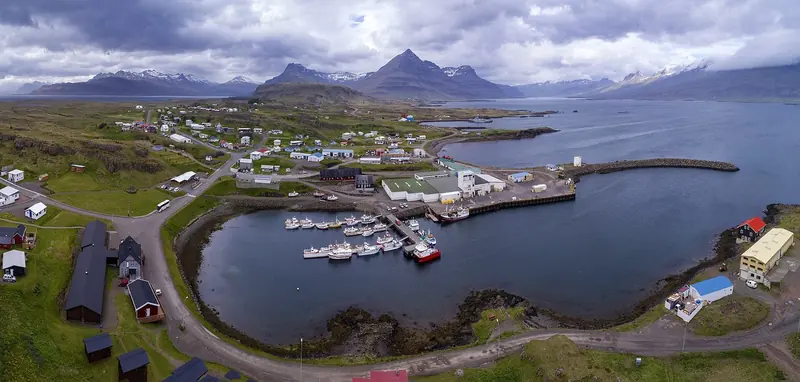
| Region | North Atlantic, EEA member and Schengen state, not an EU member |
|---|---|
| Coastline | approximately 4,970 km / 2,680 nautical miles |
| Scale | no dedicated superyacht marina anywhere in the country; Reykjavik's Brokey has two 40m floating pontoons |
| Active volcanic systems | 30 to 40, roughly one major eruptive event every 5 years historically |
| Core season | June to August; practical window May to September |
| Hard stop | 1 September marks the meteorological start of Icelandic winter |
| Ports of entry | Reykjavik, Keflavik, Hafnarfjordur, plus Isafjordur for the West Fjords |
| Pre-arrival | Coast Guard contact ([email protected]) approximately 30nm out; Customs notice 24 hours in advance |
| Customs | no fees currently charged on small sailing boats/yachts; up to 1 year permitted without formal importation |
| Larger vessels | SafeSeaNet pre-clearance 24 hours ahead; ISPS documentation required over 500GT |
| Brokey (Reykjavik) berth | 650 ISK per metre per day plus 3,000 ISK/day for 230V/16A power |
| Faxafloahafnir harbour rates | private floating-dock berth 18,358 ISK/month; visiting sailboat 110 EUR/week |
| Diesel (road price, Sept 2026) | approximately 277-304 ISK/litre (about USD 2.3-2.5) |
| Marine diesel at Reykjavik's north harbour pumps: approximately 350 ISK/litre, advance booking 16:00-18:00 only | |
| Isafjordur | approximately 1,000m of quay, 5-8m depth, shore power for only 8 boats, no showers/Wi-Fi/laundry |
| Akureyri | Oddeyrarbryggja extended to 240m, 9.5-11m alongside depth, harbour rated to 350m LOA vessels |
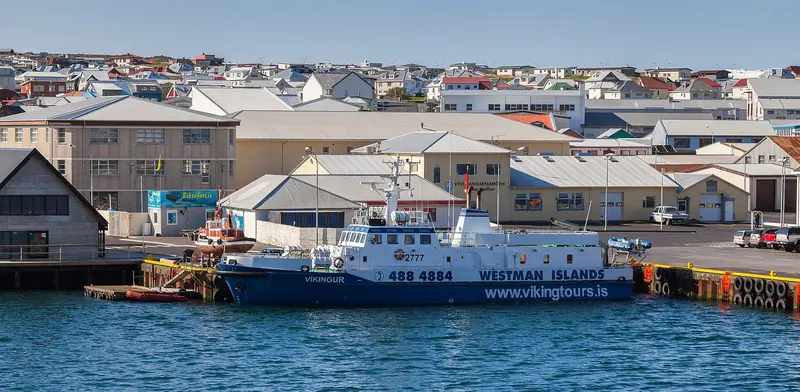
| Vestmannaeyjar | no dedicated yacht marina, commercial quay berthing at 6-10m depth |
| 1973 Heimaey eruption | lava fountains 50-150m, roughly 70 fishing vessels sheltering in harbour the night before evacuation |
| Grimsey island sits at 66 33' North, directly on the Arctic Circle, day trip distance from Akureyri by sea | |
| Whale watching | voluntary IceWhale code sets 300m minimum approach distance; no legally mandated regulation exists |
| Reykjanes/Sundhnukur eruptions | 9 events December 2023 to July 2025; Grindavik's ~3,790 residents evacuated November 2023 |
A working-harbour country, not a marina country
Iceland's coastline runs close to 5,000 km (about 2,680 nautical miles), folded into fjords carved by glacial ice, with roughly 30 to 40 active volcanic systems behind it and over 11 percent of the land under ice. That geography is exactly what makes it an expedition destination rather than a resort one: glacier fronts, puffin colonies and whale grounds sit a few hours apart by sea. But the country was built by and for a fishing fleet, not a charter fleet. There is no Icelandic equivalent of a Mediterranean superyacht marina anywhere in the country.
The nearest thing to a dedicated yacht marina is Brokey, run by the Reykjavik Sailing Club in the Old Harbour, and it consists of two 40-metre floating pontoons. Everywhere else - Isafjordur, Vestmannaeyjar, Akureyri - visiting yachts raft or berth alongside working commercial or fishing quays by arrangement with the harbourmaster, not at a purpose-built yacht dock.
The weather window that actually governs everything
The practical cruising season is June through August, with a shoulder either side from May and into September; multiple cruising sources converge on the same warning, that the first of September marks the meteorological start of Icelandic winter and boats should be heading home before then. Inside that window the forecasting is unusually reliable and the seas are the calmest they get all year.
Outside it, or even at its edges, the risk is real: a Yachting and Boating World forum contributor describes a 40-foot yacht lost to an unexpected Force 10 during a circumnavigation attempt, driven by fast-moving fronts rolling off Greenland with little notice, and recommends buying Icelandic charts before departure since they are hard to source once there. Summer air temperatures typically top out around 20C with a more usual 9-12C, and conditions are described by cruisers as highly variable day to day even within the settled season.
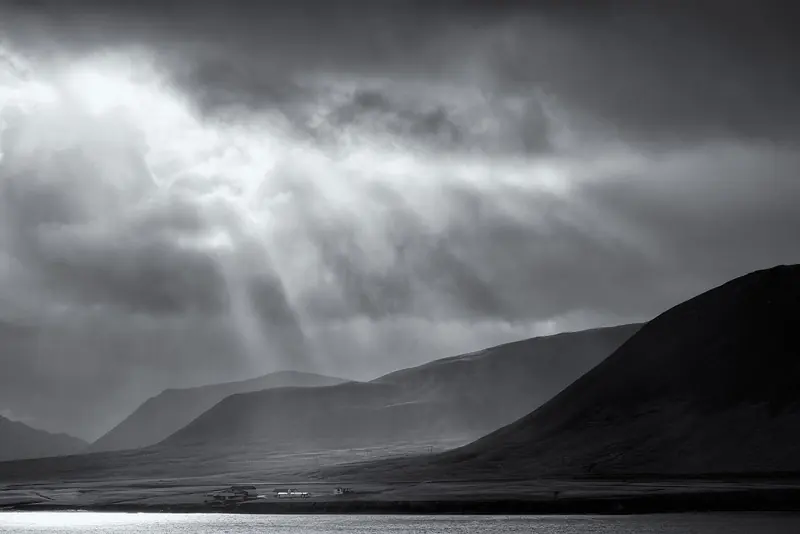
The flagship yacht marina in a country of glaciers and fjords is two 40-metre pontoons behind a fishing harbour, and the volcano is still erupting.
Clearance, customs and the 30-mile call to the Coast Guard
Iceland is in the EEA and the Schengen area but is not an EU member, which matters for VAT and crew visas but not for basic entry. There are three formal ports of entry - Reykjavik, Keflavik and Hafnarfjordur - plus Isafjordur serving the West Fjords. Foreign vessels are expected to email the Icelandic Coast Guard ([email protected]) with vessel and full crew details roughly 30 nautical miles out, and to notify Customs 24 hours before arrival; customs clears vessels in within 24 hours of arrival and currently charges no customs or lighthouse fees on small sailing boats and yachts, which may stay up to a year without formal importation.
Larger vessels have an extra layer: pre-arrival clearance through SafeSeaNet at least 24 hours ahead, including a waste declaration and, for yachts over 500GT, ISPS documentation and full crew/passenger lists. Guests from visa-obligated countries must arrive with visas already in hand, as Iceland does not issue them on arrival. A local agent (North Atlantic Agency is the named specialist) is the standard route for coordinating this, and problems at customs are reported as rare.
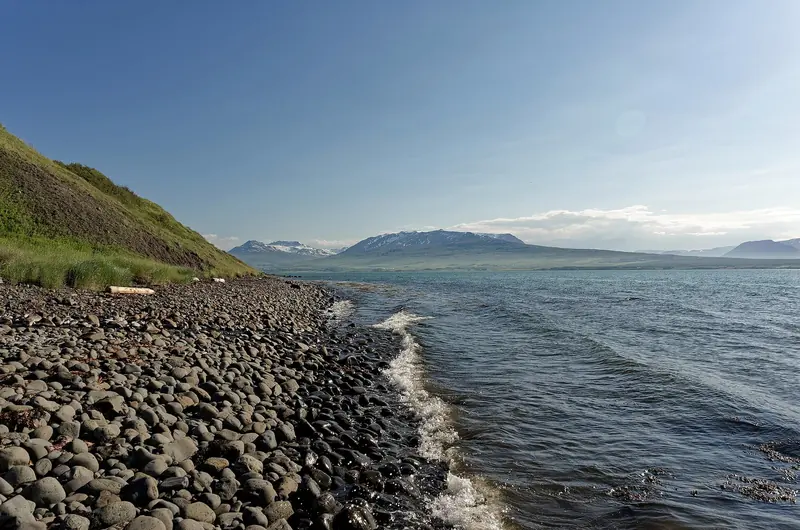
Reykjavik: the real base, and a branding trap to avoid
Brokey's berths run 650 ISK per metre per day plus 3,000 ISK a day for 230V/16A shore power, with a one-off 2,500 ISK setup fee; water is free at the pontoons. That is separate from the wider Faxafloahafnir harbour authority's published commercial rates, which quote a private floating-dock berth at 18,358 ISK a month, or 110 EUR a week for a visiting sailboat - broadly consistent bands, just two different fee schedules for two different parts of the same harbour complex.
Worth flagging for anyone researching this from a desk: the Berjaya Reykjavik Marina is a hotel built on the Old Harbour waterfront, not the yacht marina itself - a genuinely confusing naming overlap in the search results. Diesel is available at pumps in the north harbour at roughly 350 ISK a litre, but only by advance booking with the harbour manager in a 16:00-18:00 window; there is no LPG bottle refilling anywhere in the country, so gas has to be swapped or carried in.
The West Fjords: isolation that is genuinely bare-bones, not styled that way
Isafjordur is the primary staging harbour for departures to Greenland and the largest port in the West Fjords, with roughly 1,000 metres of quay at 5-8 metre depths. But the yacht-specific facilities are minimal by design: shore power is limited to eight boats on the pontoon, and there is no Wi-Fi, no showers and no self-service laundry. A 2023-announced 8 million EUR project to extend the cruise pier from 190 to 500 metres is for cruise ships, not yachts.
The payoff is real solitude: the Ovni 435 Stravanza's owners, Ingrid and Robert Schnabl, describe anchoring directly in front of the Drangajokull glacier in Hornstrandir with whales surfacing in glassy water and no other boats in sight, hiking through freezing stream crossings to get there.
Vestmannaeyjar: the harbour the town's survival depended on
On 23 January 1973 a fissure opened on the eastern edge of Heimaey and lava fountains reached 50 to 150 metres, destroying half the town and threatening to seal the harbour that was its only income. A months-long operation pumped seawater directly onto the lava front to cool and stop it, and it worked - the harbour stayed open. The event is also the reason the evacuation succeeded at all: a gale the night before had pushed roughly 70 fishing vessels into the harbour for shelter, and over six hours they carried most of the population to the mainland.
Today there is still no dedicated yacht marina - visiting boats berth on commercial quays at 6-10 metre depths by arrangement with the harbourmaster for a small fee, with shore power and water available on selected quays. There are no dedicated diesel, electrical or electronics workshops; anything beyond basic mechanical help means Reykjavik. The islands remain one of the best short passages for puffin colonies and humpback grounds anywhere in the country.
The south coast and the glacier lagoon you cannot actually reach by yacht
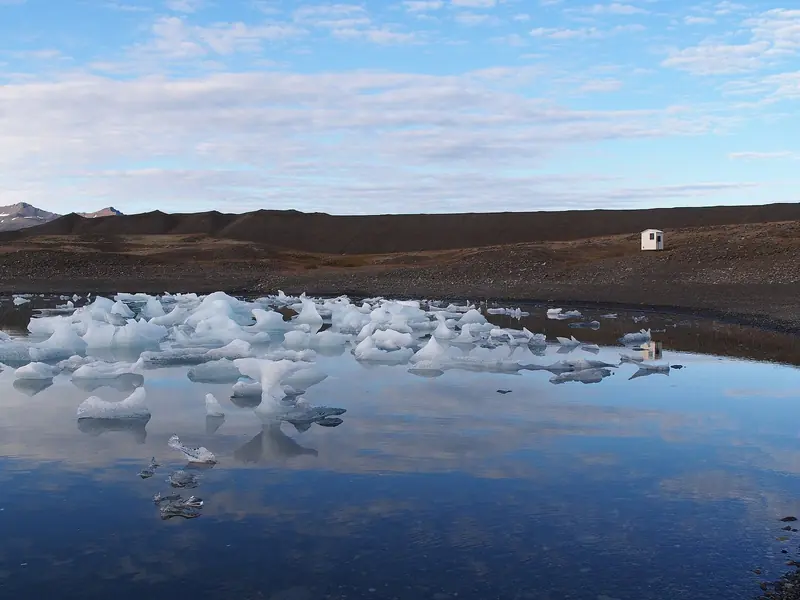
Jokulsarlon, the glacier lagoon everyone puts in the brochure, is not reachable by a sea-going yacht. It is a tidal lagoon that connects to the ocean through a narrow glacial river channel unsuitable for anything but the shallow-draft amphibious and zodiac tour boats that work it from the shore side. There is no yacht anchorage there and no practical tender route in from open water.
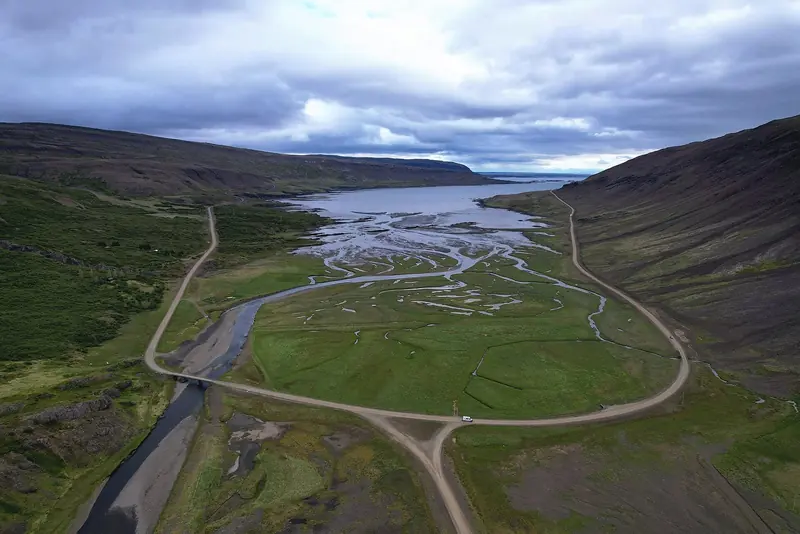
The wider south coast compounds this: it is an exposed, surf-prone black-sand coastline with almost no natural harbours, so most itineraries treat it as a scenic passage past the Vatnajokull ice cap rather than a place to stop. Anyone selling an owner on "cruising to the glacier lagoon" is selling a road trip with a yacht nearby, not a yacht destination.
Akureyri and the north: the easiest Arctic Circle crossing you will find
Akureyri sits deep inside Eyjafjordur, Iceland's longest fjord. Its Oddeyrarbryggja berth was recently extended to 240 metres with alongside depths of 9.5-11 metres, and the wider harbour can now take vessels up to 350 metres - built for cruise ships, but it hands a visiting superyacht generous depth margin and a 5-10 minute walk into town.
From there, Grimsey island at 66 33' North sits directly on the Arctic Circle and is a straightforward day trip by sea - a genuine polar-latitude milestone without any of the ice-class or permitting overhead of Svalbard or Greenland. Nearby Husavik is the country's self-described whale-watching capital, where the IceWhale operators' code of conduct sets a voluntary 300-metre minimum approach distance and a roughly 20-30 minute limit per animal - voluntary because Iceland has no legally mandated whale-watching regulation at all.
Geothermal spas as an owner amenity: two very different logistics problems
The Blue Lagoon is not, in any literal sense, a yacht amenity. It sits inland in a lava field about 5 km off the main Reykjanes road near Grindavik, with no sea access at all - guests get there by car, typically a roughly 45-minute transfer arranged through a superyacht agent from Reykjavik, or directly from Keflavik airport, never from a tender.
Husavik's GeoSea baths are the coastal alternative worth knowing about: three infinity pools of geothermal seawater built into the cliff beside the Husavikurviti lighthouse, directly above the harbour and overlooking Skjalfandi Bay, with whales visible from the water on a good day. It is the one geothermal spa in the country genuinely walkable from a berth.
The honest hazard: Reykjanes has not stopped erupting
Since December 2023 the Sundhnukur/Sundhnukagigar crater row near Grindavik has produced nine separate eruptions through July 2025, each preceded by earthquake swarms and magma intrusion. Grindavik's roughly 3,790 residents were evacuated in November 2023 and many remain displaced more than two years later; 14 km of lava barriers up to 25 metres high have been built to protect the town and the Svartsengi geothermal plant. The Blue Lagoon has closed repeatedly, most seriously for just over two weeks in November 2024 when lava reached its car park, though barriers kept the lagoon itself safe and it reopened each time.
This sits on the same south-west corner most superyachts transit between Keflavik and Reykjavik. Researchers studying the reactivated volcanic system describe this episodic activity as likely to continue for years, possibly decades - it is current and ongoing risk to route around and insure for, not a historical footnote.
À terre, accès et réservation
| Getting there | Keflavik International Airport (KEF), about 45 minutes from Reykjavik by road, with scheduled connections from North America and Europe for owners and guests flying in to meet the boat |
|---|---|
| Arriving by sea | Clear in at Reykjavik, Keflavik or Hafnarfjordur (Isafjordur for the West Fjords); email the Coast Guard ([email protected]) with vessel and crew details about 30nm out and notify Customs 24 hours ahead; larger yachts also file through SafeSeaNet 24 hours in advance |
| How you actually reserve | There is no online booking system at any Icelandic harbour covered here; Brokey is booked by emailing [email protected] or calling the harbourmaster directly, and Isafjordur, Vestmannaeyjar and Akureyri work the same way, by phone or through a local agent |
| What a berth costs | Brokey (Reykjavik): 650 ISK/m/day plus 3,000 ISK/day shore power, one-off 2,500 ISK setup fee; Faxafloahafnir harbour: 18,358 ISK/month private berth or 110 EUR/week visiting; Vestmannaeyjar and Isafjordur charge a smaller harbourmaster fee, not published as a fixed schedule |
| Power, water and fuel | 230V/16A shore power and free water at Brokey's pontoons; diesel at Reykjavik's north harbour pumps around 350 ISK/litre by advance booking only (16:00-18:00); no LPG bottle refilling anywhere in the country |
| Eating and after dark within walking distance | Reykjavik's Old Harbour has a full restaurant and bar district 5-10 minutes on foot from Brokey; Akureyri's town centre is a similar walk from Oddeyrarbryggja; Isafjordur and Vestmannaeyjar offer small-town options only, and book ahead in peak July |
| Fixed dates to plan around | Core season June to August; most experienced cruisers plan to be clear of the North Atlantic by the last week of August, since 1 September marks the start of Icelandic winter weather |
| What is NOT published | No Icelandic harbour publishes a tariff schedule for superyacht-length (40m+) berths; every quoted rate found is for boats under about 20m. There is also no published biofouling or hull-cleaning clearance regime for foreign leisure yachts, unlike New Zealand, Australia or Norway |
Ce que rapportent propriétaires et équipages
A circumnavigating couple found the country living up to its solitude and generosity in equal measure
Ingrid and Robert Schnabl sailed an eight-week counter-clockwise circumnavigation aboard their Alubat Ovni 435 Stravanza, reporting minke and humpback sightings, thousands of puffins at Grimsey, fishermen repeatedly gifting them fresh cod, and a mainsail torn in a snow squall approaching Dalvik that they repaired onboard with a Sailrite machine
Cruising World, "Sailing the Midnight Sun: A Summer Circumnavigation of Iceland"A 40-foot yacht was lost to an unexpected Force 10 during a circumnavigation attempt
The poster describes the danger of long open stretches between ports and fast-moving fronts sweeping down from Greenland with little warning, and recommends securing Willie Ker's pilot book and Icelandic charts before departure since they are hard to source locally
forum user Sadlermike, YBW Forum thread "Iceland - any experiences?"Reykjavik harbour holds barely a dozen visiting sailing yachts at a time, and the fjord seabeds are not straightforward to anchor in
The poster noted deep, clean blue water in the harbour but flagged lava-field seabeds in the surrounding fjords as a complication for ground tackle
forum user mobeydick, YBW Forum thread "Iceland - any experiences?"Cruisers rate the summer forecasting as unusually reliable but the cost of living as a genuine shock
One long-time visitor recalled paying the equivalent of GBP 5 for a pint of beer, flagging Iceland as an expensive place to provision and socialise ashore
forum user ningcompoop, YBW Forum thread "Iceland - any experiences?"No independently documented superyacht casualty or incident in Icelandic waters turned up in this research, and that gap is reported honestly rather than papered over
The only named 2024 marine casualties found were commercial: a Westfjords fishing-boat grounding near Sudureyri and a cargo ship-fishing boat collision off Vestmannaeyjar that led to arrests. Neither involved a yacht, and no equivalent yacht incident report, insurer bulletin or broker account was located
Reykjavik Grapevine and Maritime Executive
Les points forts et les points de vigilance
Points forts
- Genuine wilderness within a day's run of a capital cityGlacier fronts, remote fjords and whale grounds sit hours, not days, from Reykjavik's clearance port
- Real solitude, not marketed solitudeA cruiser reported barely a dozen visiting sailing yachts in Reykjavik harbour at once, a fraction of a comparable Mediterranean or Caribbean marina in season
- Low-friction, low-cost officialdomNo customs or lighthouse fees on small yachts, a 24-hour clear-in, and up to a year's stay without formal importation
- Exceptional wildlife access from the anchorPuffin colonies at Vestmannaeyjar and Grimsey, humpback and minke grounds, and reliable cod fishing reported by cruisers within minutes of dropping a line
- An achievable Arctic Circle crossingGrimsey at 66 33'N is a day trip from Akureyri by sea, with none of the ice-class requirements or permitting load of Svalbard or Greenland
Points de vigilance
- There is no superyacht marina infrastructure above about 40m LOAThe country's flagship yacht marina, Brokey, has two 40-metre pontoons total; nothing else is purpose-built for yachts at all
- The weather window is short and can turn violently with little warningA forum-documented case describes a 40-foot yacht lost to an unexpected Force 10 driven by fast-moving fronts off Greenland
- The single most-marketed image is not actually reachable by yachtJokulsarlon glacier lagoon has no yacht access at all; the south coast generally has almost no natural harbours
- Facilities outside Reykjavik are genuinely minimalIsafjordur gives shore power to only eight boats and has no showers, Wi-Fi or laundry; Vestmannaeyjar has no dedicated yacht marina at all
- Active, ongoing volcanic risk on the main arrival corridorNine eruptions from the Sundhnukur system between December 2023 and July 2025 have repeatedly closed the Blue Lagoon and displaced Grindavik's population, with researchers expecting the activity to continue for years or decades
Pour qui: An owner who wants genuine, uncrowded Arctic-adjacent expedition cruising and is willing to run their own logistics through a local agent rather than expecting resort-grade marina infrastructure anywhere outside Reykjavik.