Bannenberg & Rowell
| Fondatore | Jon Bannenberg (studio dall'inizio degli anni Sessanta) |
|---|---|
| Guida attuale | Dickie Bannenberg e Simon Rowell |
| Nuovo nome | Bannenberg & Rowell nel 2003 |
| Sede | Fulham, Londra |
| Discipline | design di esterni e interni, nuove costruzioni e refit |
| Yacht simbolo | Valor (79,5 m), Renaissance (112 m), Avantage (87 m) |
| Eredità | Jon Bannenberg, definito il padre del design nautico moderno |
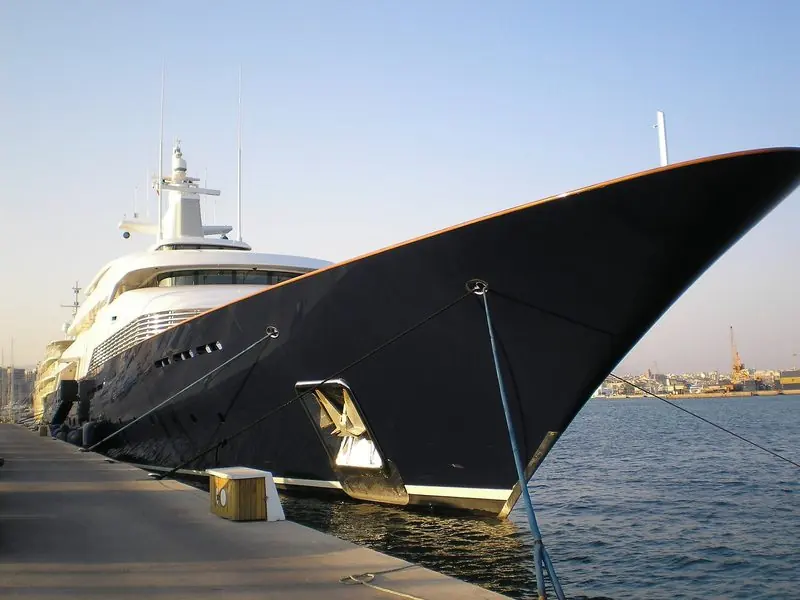
| Jon Bannenberg landmark | Nabila, 85.9 m, Benetti, 1980, now sailing as Kingdom 5KR |
| Renaissance, 112 m, Freire Shipyard, 2023: exterior and interior, and the largest superyacht built in Spain | |
| Avantage, 87 m, Lurssen, 2020 | exterior and interior |
| Valor, 79.5 m, Feadship, launched May 2025: interior, under a Studio De Voogt exterior and naval architecture | |
| Other interior-only work | Predator (72.8 m, Feadship, 2008) and Scott Free, delivered as Elandess (60 m, Abeking and Rasmussen, 2009) |
| Team | twelve people as described by Forbes in February 2017. The studio publishes no current headcount (checked 28 July 2026) |
| Design fee | not published. Market band 1 to 5 per cent of build cost, plus 2 to 4 per cent project management, both outside the yard price (SuperYachtReview 2026 price guide, updated March 2026) |
| On a refit, ownership of the original designer's as-built drawings sets the cost of the project and should be established before the design contract is signed | |
Erede del padre dello yacht moderno
Jon Bannenberg fondò lo studio all'inizio degli anni Sessanta e nei decenni successivi ridisegnò il modo in cui si progettavano gli yacht. È largamente riconosciuto come il padre del superyacht moderno, e la sua influenza attraversa buona parte del settore. Oggi il figlio Dickie Bannenberg e il designer Simon Rowell guidano lo studio. I due hanno lavorato accanto a Jon per molti anni prima di prenderne il timone. Dickie Bannenberg ha lavorato per quasi due decenni al fianco del padre prima di guidare la società.
Lo studio è stato ribattezzato Bannenberg & Rowell nel 2003, l'anno dopo la morte di Jon Bannenberg. Ha sede a Fulham, a Londra, e lavora sia su yacht sia su progetti a terra. Dal cambio di nome ha consegnato una quarantina di progetti nautici fra nuove costruzioni e refit. L'eredità del fondatore resta una parte viva dell'identità dello studio. La squadra attuale tratta quell'eredità come una responsabilità su cui costruire, non come un trofeo da spendere.
Creativo e accessibile
Lo studio descrive il proprio lavoro come creativo, contemporaneo e accessibile, e rifiuta un unico stile di casa fisso. Progetta sia interni sia esterni e ama dare a ogni yacht un carattere distinto. Il lavoro ha spesso un tocco di spirito e di colore che lo distingue da rivali più seriosi. Quell'apertura riflette lo spirito per cui il fondatore era noto. Jon Bannenberg ruppe le regole del suo tempo, e lo studio resiste ancora all'idea di assestarsi su una formula unica.
L'ufficio è a proprio agio tanto con un refit audace quanto con una nuova costruzione da zero. Affronta ogni brief nei suoi termini invece di imporre un modello. Questa flessibilità ha prodotto un portfolio vario e vivace. Lo studio mette le idee davanti alla formula. Nelle mani dello studio un refit audace può essere inventivo quanto una nuova costruzione.
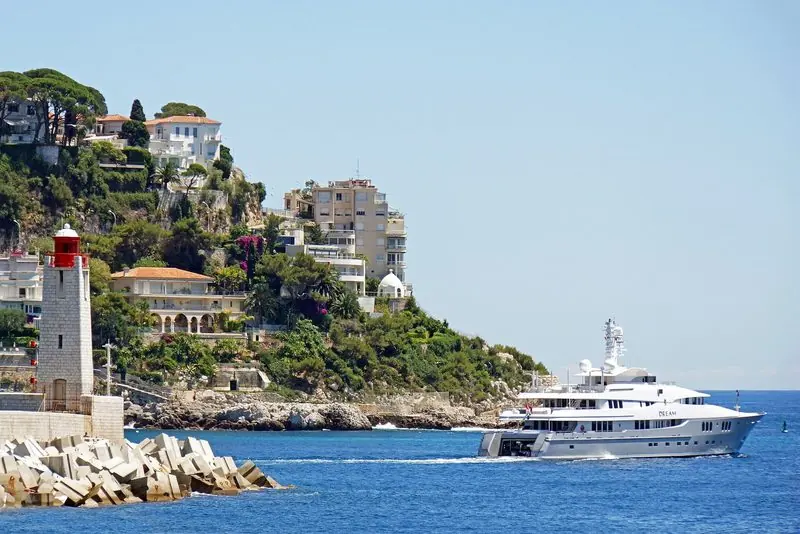
La rivoluzione di Jon Bannenberg, portata avanti con spirito e colore.
Un portfolio vario
Il lavoro costruito dello studio comprende il Feadship Valor da 79,5 metri e Renaissance da 112 metri del cantiere Freire. Il Lurssen Avantage da 87 metri e lo yacht Abeking and Rasmussen Elysian da 60 metri, già Elandess, stanno accanto a loro. Yacht Heesen e Feadship più piccoli completano una gamma dimensionale ampia. La varietà di cantieri e di dimensioni colpisce. Lavorare con costruttori così diversi è il segno di uno studio di cui ci si fida diffusamente, non legato a un solo cantiere.
Gli yacht simbolo del fondatore, come il molto discusso Nabila del 1980, restano riferimenti nella storia della disciplina. Lo studio attuale costruisce su quell'eredità con una propria serie di lavori nuovi. I suoi refit hanno dato vita nuova a diversi yacht più datati. Il portfolio si legge come inventivo più che ripetitivo. Lo studio preferisce sorprendere un armatore piuttosto che ripetersi da un progetto all'altro.
Armatori, cantieri e refit
Bannenberg & Rowell lavora con un insieme ampio di cantieri nei Paesi Bassi, in Germania e altrove. La disponibilità ad accettare refit oltre alle nuove costruzioni allarga il tipo di armatore che serve. Lo studio coinvolge gli armatori in modo rilassato e collaborativo. Quel modo accessibile è parte del suo richiamo. Gli armatori descrivono lo studio come facile e piacevole con cui lavorare, il che conta su una costruzione che dura anni.
L'ufficio mantiene un ruolo operativo dal concept alla consegna, sia sulle nuove costruzioni sia sui refit. I suoi progettisti proteggono il carattere di un progetto lungo il lungo processo di costruzione. L'ampiezza dello studio gli permette di adattarsi a brief molto diversi. Questa versatilità mantiene vario il suo portafoglio ordini. Accettare sia nuove costruzioni sia refit allarga la gamma di armatori che lo studio può servire.
Portare avanti un'eredità
Lo studio occupa un posto speciale come discendente diretto dello studio rivoluzionario di Jon Bannenberg. Quella discendenza gli dà un'autorevolezza che pochi altri possono rivendicare. Sotto Dickie Bannenberg e Simon Rowell si è costruito una reputazione propria invece di vivere di rendita. L'equilibrio fra eredità e lavoro nuovo è la sua forza. Vivere solo del passato sarebbe stata la strada facile, e lo studio ha chiaramente scelto di non percorrerla.
L'ufficio continua a consegnare nuove costruzioni e refit a ritmo costante. Il suo stile creativo e accessibile lo ha tenuto attuale attraverso due generazioni. Il nome Bannenberg ha ancora peso in tutto il settore. Lo studio resta una voce distinta nel design nautico. Due generazioni dopo, il nome Bannenberg significa ancora fare le cose in modo un po' diverso.
Valor, and interiors inside other people's boxes
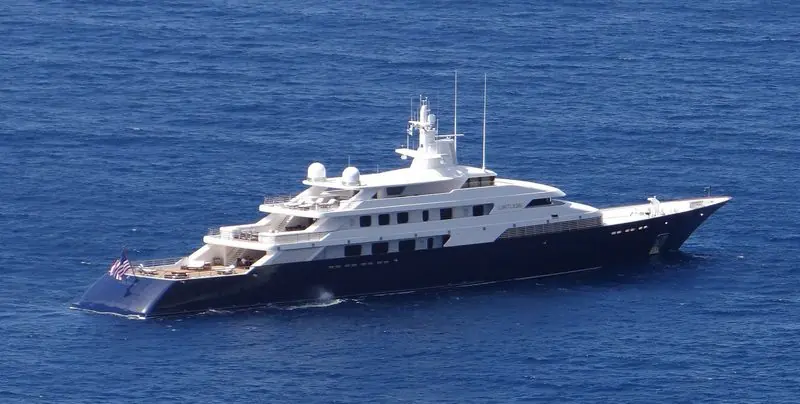
Valor was launched by Feadship in May 2025 at 79.5 metres and 2,025 GT over six decks, with Studio De Voogt taking the naval architecture and the exterior and Bannenberg and Rowell the interior. She has a two metre ice belt above and below the waterline and a Bureau Veritas Young Ice 2 notation, which qualifies her to transit the Northwest Passage. Her propulsion is diesel-electric hybrid with four variable-speed generators, a water-cooled lithium-ion battery bank, a solar array on the mast and twin Schottel azimuthing thrusters, and Feadship quotes zero-carbon operation for up to two days.
An explorer interior is a distinct discipline. Furniture has to be secured for conditions a Mediterranean yacht never sees, surfaces have to survive wet gear and cold, and the crew spaces carry a heavier load because the boat is used harder. The studio has similar work behind it. Predator, 72.8 metres from Feadship in 2008 and the first Feadship delivered with a reverse bow, carries a Bannenberg and Rowell interior and took a Neptune at the World Superyacht Awards in 2009.
Refits, which many studios avoid
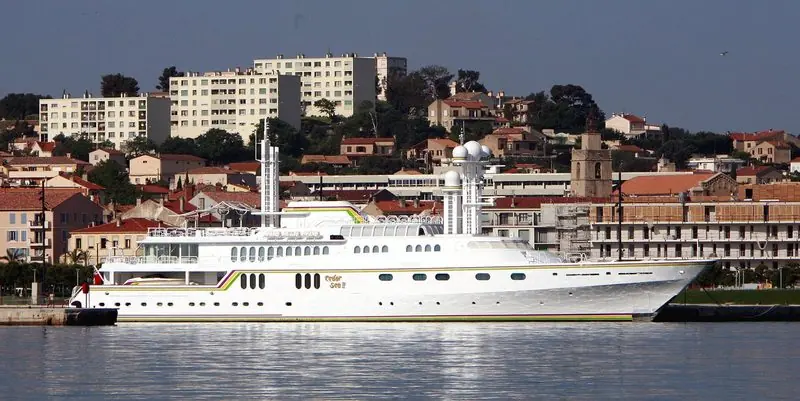
The office takes refits as readily as new builds, and that is unusual at this level. Predator returned to Feadship in 2016 for a refit that added two guest suites. Scott Free, the 60 metre Abeking and Rasmussen delivered in 2009 as Elandess with a Donald Starkey exterior, carries a Bannenberg and Rowell interior.
Refit work is a harder brief than a new build and it pays less. The structure, the systems and the deck heights are fixed, half the drawings are missing or wrong, and every discovery on site costs money that was not budgeted. A studio willing to do it is a useful appointment for an owner buying a good hull with a tired interior, which at current new-build prices and delivery slots is an increasingly sensible route into a large yacht.
How a commission runs, and what it costs
The studio works closely and informally with owners from concept through delivery, on new builds and refits alike, and its designers stay on a project through construction to protect the scheme. There is no naval architecture in house, so the yard or an outside office holds the hull, the structure and every performance guarantee in the build contract. On a Feadship the platform comes from Studio De Voogt. Commercially the design agreement is separate from the build agreement and is signed and paid first, in stages, which means an owner can stop after concept for the price of the concept and can take the drawings to more than one yard for quotation, subject to the confidentiality undertakings the studio will require.
No studio at this level publishes a fee scale. The market band is 1 to 5 per cent of build cost for the designer and 2 to 4 per cent for project management, both outside the yard's quoted price, per the SuperYachtReview guide updated March 2026, and a mandate covering exterior and interior sits in the upper half of it. A refit is a different animal. It is faster, far less predictable, and the design fee is a smaller number attached to a much larger unknown, because a refit specification is written against a boat nobody has fully opened up yet. A contingency of real size should be budgeted and expected to be used.
Recognition, and who it does not suit
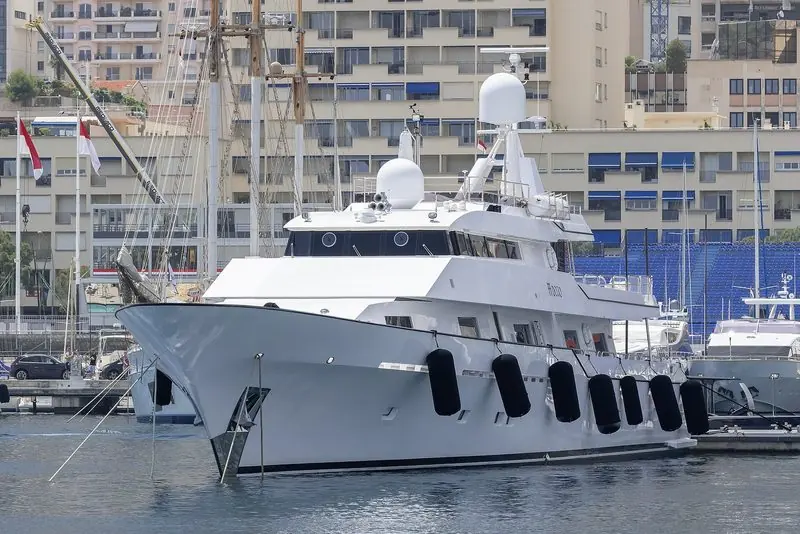
The studio's work has been recognised repeatedly, including the Neptune for Predator in 2009, and the Bannenberg name still carries weight across the industry. Awards are worth a narrow amount to an owner, confirming a finish standard and helping a broker at resale. The more useful signal is the spread of yards, which runs from Feadship and Lurssen to a Spanish builder and a German one, on new builds and refits alike.
This studio does not suit an owner who wants to buy a recognisable signature, because the practice deliberately does not have one. It does not offer naval architecture. It is not the obvious choice above about 112 metres, and it is not a sailing yacht office. Anyone who wants formal, polished grandeur will find the work too playful for the brief.
Two principals, an archive, and what the contract should cover
The practice runs on two named people, a director and a creative director, in a studio Forbes described as twelve strong in February 2017, and no current headcount is published. That concentration is part of what an owner is buying and it is also a risk that the standard documents ignore. The ITIC standard trading conditions for naval architects, dated 8 July 2025, cover intellectual property and cap liability at ten times the consultant's charges or GBP 100,000, whichever is higher, and say nothing about the unavailability of a named principal. Commercial consultancy handles this routinely, treating death or long incapacity of a key person as a termination event and requiring a replacement of equal standing subject to the client's approval.
The drawing question is sharper here than at most studios because of the archive. Copyright normally stays with the designer, with the owner licensed to build one hull, and superyacht practice at its best converts that into an exclusive, irrevocable and assignable licence, which is the standard clause Federico Santini describes in Barche magazine in August 2018. On a refit the same logic applies to the original designer's drawings, which the studio will not own and may not be permitted to copy. An owner buying a good hull that needs a new interior should establish who holds the as-built drawings before he signs anything, because that answer sets the cost of the whole project.
No signature means nothing to date
The deliberate absence of a house style is the most resale-friendly position in the directory, and almost nobody buys it for that reason. A boat that does not announce a studio also does not announce a decade. There is no fashionable silhouette to fall out of fashion and no theme the next owner has to either adopt or rip out. Ocean Independence, on 11 May 2026, ranks builder pedigree, specification and condition above cosmetic detail in what holds value, which is a polite way of saying the market prices the boat and not the byline. Work that is unformulaic by intention slips through that filter without a penalty.
Against that, the Bannenberg name still carries with brokers and with the trade, and it earns a hearing that an unknown studio would not get. The one place the approach costs money is with a buyer who wants to be told what he is looking at. Something recognisable is easier to market in a listing photograph, which matters when the median yacht of 24 metres and over took 277 days to sell in 2025 against an average of 487. A characterful boat with no obvious label needs a broker willing to explain it, and is worth more to the buyer who works that out for himself.
Informazioni pratiche
| Design fee | Not published by the studio; the market-wide band from the SuperYachtReview 2026 price guide is 1 to 5 percent of build cost for the designer plus 2 to 4 percent for project management, both outside the yard's quoted price |
|---|---|
| How the commission runs | Concept, then design development, then detailing, procurement and site support, each stage its own fee and each a point where an owner can stop |
| Who owns the drawings | Standard practice keeps copyright with the studio; an owner should insist on an exclusive, irrevocable, assignable licence rather than the bare non-exclusive licence the ITIC standard terms default to |
| Before commissioning a refit | Establish who holds the as-built drawings of the existing interior before signing, the original designer may own them and may not permit a new studio to copy them |
| Liability cap | The ITIC standard trading conditions (8 July 2025) cap the consultant's liability at ten times its charges or GBP 100,000, whichever is higher |
Cosa riferiscono armatori ed equipaggi
A captain given complete authority over the design of a major project
The owner of Predator (72.8 m Feadship) gave Captain Drewes 100 percent control over the decision-making for the entire project, including the interior brief for quiet running, no vibration and 25 knots without a turbine.
Captain Drewes, Predator (72.8 m Feadship de Vries)The studio's own account of that same project
Dickie Bannenberg said the real difficulty was making a lightweight interior look the opposite, massive and solid, using Macassar ebony and zebrano veneers, and described client contact as almost the least frequent the studio has had on any project, because Drewes had full sign-off.
Dickie Bannenberg, Bannenberg & Rowell (the studio's own account)
Cosa convince e cosa va valutato
Punti di forza
- The name and the track record are real, not marketingDirect lineage from Jon Bannenberg, credited with founding modern yacht design in the 1960s, and roughly forty projects delivered since the 2003 relaunch, spanning Feadship and Lurssen to Spanish and German yards.
- No house style ages better than a strongly authored oneA Bannenberg & Rowell interior doesn't announce a decade the way a strongly authored scheme does, which Ocean Independence ranks among the things that actually hold resale value.
- It takes on work most studios avoidThe office does refits as well as new builds, including finishing interiors inside hulls and layouts originally designed by other people.
Da valutare
- The whole studio rests on two named peopleThe practice runs on a director and a creative director, last a published headcount of twelve (Forbes, 2017) with no current figure available, and the standard ITIC contract terms have no clause for a named principal becoming unavailable.
- No naval architecture in-houseThe studio doesn't offer naval architecture, so an owner has to appoint and coordinate a separate NA office alongside it.
- Not the natural pick at the very top of the marketThe studio is not positioned as the obvious choice above roughly 112 metres, and it does not do sailing yachts.
A chi si rivolge: Armatori che vogliono un design inventivo e pieno di carattere, con un tocco di spirito, su una nuova costruzione o su un refit.