Dykstra Naval Architects
| Fondato | 1969 da Gerard Dijkstra |
|---|---|
| Sede | Amsterdam, con un secondo ufficio a Southwest Harbor, nel Maine |
| Organico | circa 13 persone, tra architetti navali e ingegneri |
| Guidato da | Thys Nikkels come amministratore delegato e Mark Leslie-Miller come partner |
| Discipline | architettura navale, ingegneria navale, progettazione di armo e alberi, CFD e prove in vasca, refit e restauro di barche classiche |
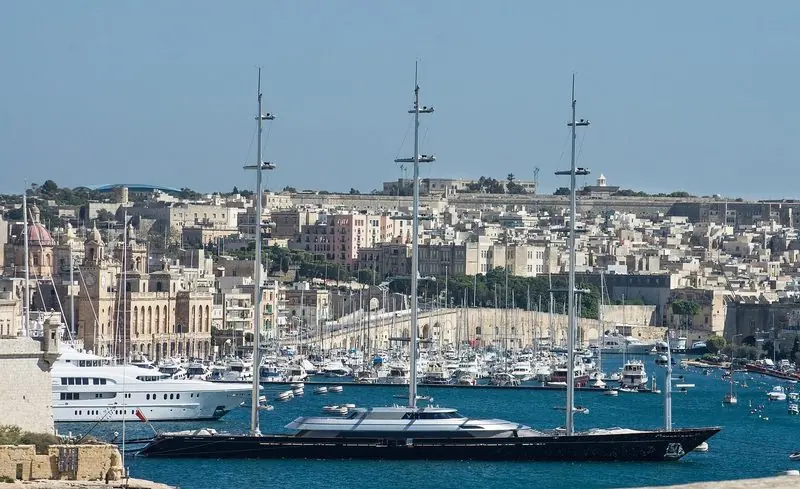
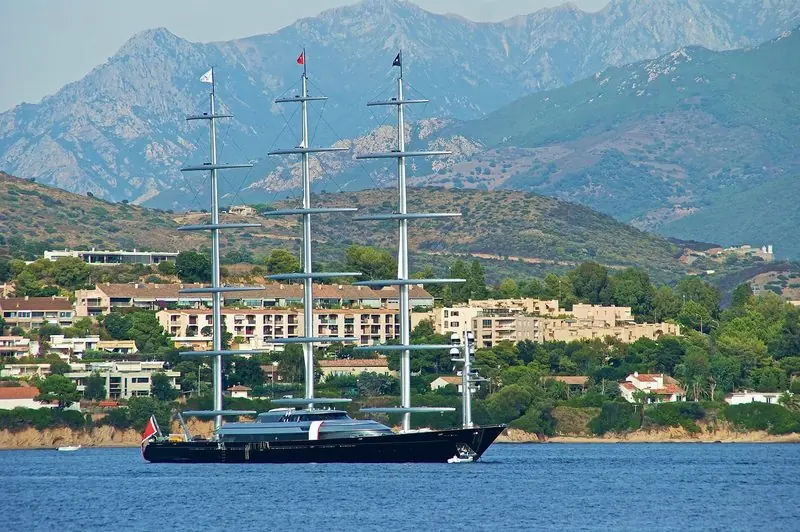
| Yacht con DynaRig | Maltese Falcon (88,1 m, Perini Navi, 2006) e Black Pearl (106,7 m, Oceanco, 2018) |
| Flotta Royal Huisman | Athena (2004, 90 m fuori tutto e 79 m in coperta), Sea Eagle II (81 m, 2020) e Aquarius (ketch performance di 65 m, consegnato a maggio 2025) |
| Lavoro sulla J Class | ricostruzioni di Endeavour, Velsheda, Shamrock V e Ranger, nuove costruzioni Hanuman e Rainbow |
| Vela performance | Hetairos (66,9 m, Baltic Yachts, 2011), con Reichel Pugh |
| Ha disegnato anche | il clipper Stad Amsterdam e la serie Bestevaer di barche da crociera in alluminio |
| Riconoscimenti | Sailing Yacht of the Year ai World Superyacht Awards 2026 per Aquarius, e un Lifetime Achievement Award a Gerard Dijkstra nel 2022 |
| Esterni e interni | normalmente disegnati da una casa di design separata |
| Design fee | not published. Superyacht band 1 to 5 per cent of build cost, plus 2 to 4 per cent project management, both outside the yard price. Naval architecture alone sits at the bottom of that band (SuperYachtReview 2026 price guide, updated March 2026) |
| Rig and spar engineering is commonly quoted separately from hull work, and sea trials attendance is billed on top of the design fee | |
| Copyright default is that the studio owns the design and the owner licenses one hull. Further hulls carry a royalty of roughly 1 to 1.5 per cent under published naval architecture practice | |
Un oceanico diventato architetto navale
Gerard Dijkstra ha fondato lo studio ad Amsterdam nel 1969. Prima di essere un progettista era un serio navigatore d'altura. Era in equipaggio su Second Life, disegnata da Van de Stadt, nella transatlantica in solitario del 1972, e nel 1976 ha corso la stessa regata sulla propria Bestevaer in alluminio, coprendo circa 12.000 miglia dopo essere tornato indietro a riparare i danni e arrivando comunque secondo.
Quel percorso si vede nel lavoro. Lo studio parte da quello che una barca deve fare in mare e lascia che il disegno segua. Dijkstra si è tolto dalla gestione quotidiana più di dieci anni fa e passa ancora in studio. La società è oggi guidata dall'amministratore delegato Thys Nikkels con Mark Leslie-Miller come partner.
Un piccolo studio ad Amsterdam
Dykstra lavora da un edificio in Kruithuisstraat ad Amsterdam, con un secondo ufficio a Southwest Harbor, nel Maine, che lo tiene vicino agli armatori americani e ai cantieri di refit. Il team è di circa tredici persone tra architettura navale, ingegneria, commerciale e amministrazione. Per uno studio con questo numero di yacht simbolo alle spalle è un organico piccolissimo.
Per un armatore la conseguenza è l'accesso diretto. Non c'è nessuno strato di gestori di clientela tra il cliente e la persona che disegna lo scafo. Significa anche che lo studio prende un numero limitato di progetti per volta ed è schietto quando uno slot non c'è. Cantieri e armatori in genere si rivolgono a Dykstra per un problema tecnico specifico, non per un servizio chiavi in mano.
Lo studio che un armatore chiama quando l'armo non è mai stato costruito prima e deve comunque funzionare al primo tentativo.
Architettura navale, non styling
Lo studio vende linee di scafo, ingegneria strutturale, progettazione di armo e alberi, fluidodinamica computazionale, prove in vasca, previsione delle prestazioni, piani velici e layout di coperta. Fa anche ingegneria di refit e restauro di barche classiche. Quello che normalmente non fa sono gli interni e lo styling applicato, che è dove la maggior parte degli armatori pensa che cominci il design.
Il suo raggio d'azione va ben oltre gli yacht. Dykstra ha disegnato il clipper Stad Amsterdam, varato nel 2000, e la nave di Greenpeace Rainbow Warrior. Lo studio è attivo anche nella propulsione velica assistita per navi mercantili. L'armatore che costruisce uno yacht a vela di 80 metri ne trae vantaggio, perché gli stessi standard ingegneristici che soddisfano una società di classificazione navale sono già dentro casa.
La rinascita della J Class
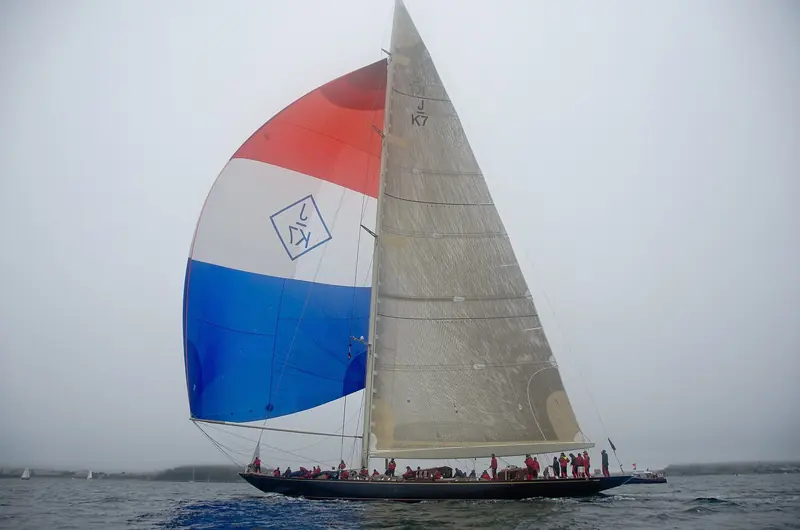
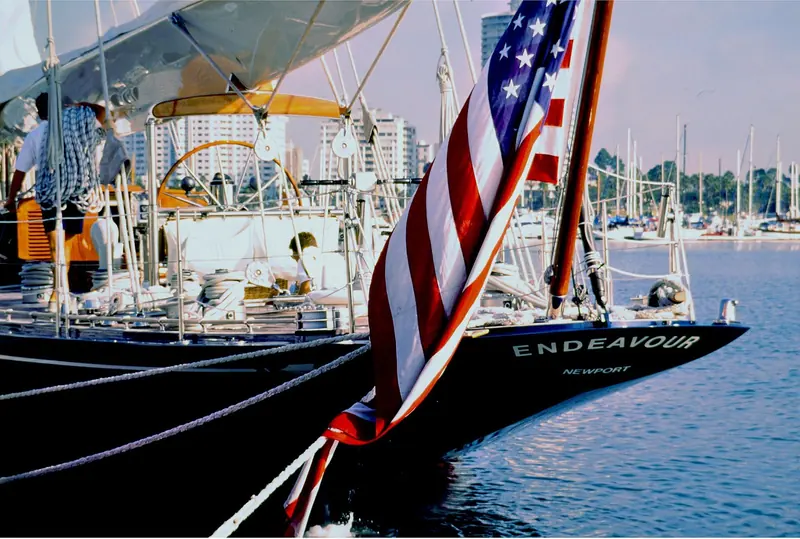
Nel 1989 il 39,56 metri Endeavour è uscito da una ricostruzione di cinque anni riprogettata da Dykstra, e una classe che era morta dagli anni Trenta è tornata. Sono seguite Velsheda, Shamrock V e Ranger. Queste barche erano state costruite in origine su una vecchia regola di stazza da regata, senza alcun pensiero per comfort, sicurezza o requisiti di classe moderni.
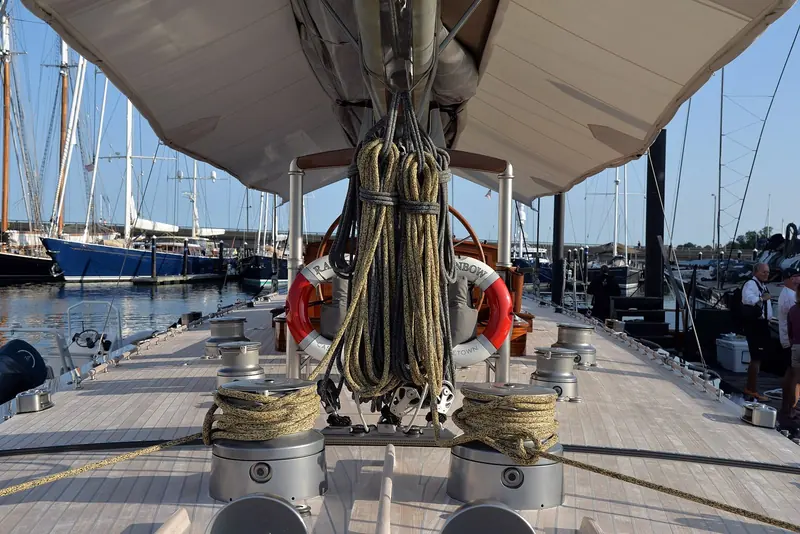
Dykstra ha poi disegnato due nuove J Class dalle linee originali, Hanuman da Royal Huisman e Rainbow da Holland Jachtbouw. Il trucco tecnico è stato mantenere il profilo d'epoca sopra l'acqua ottimizzando lo scafo sotto e aggiungendo gli impianti che un armatore moderno si aspetta. Per l'armatore che valuta un restauro di una barca classica, questo è il corpo di lavoro più profondo del settore. Ed è anche il motivo per cui oggi la flotta J Class regata al proprio interno con vera competitività.
Il DynaRig
Il DynaRig fu concepito dall'ingegnere tedesco Wilhelm Prolss negli anni Sessanta per le navi da carico e non andò da nessuna parte per mancanza di materiali abbastanza leggeri. Dykstra lo ha fatto rivivere in carbonio. Maltese Falcon, 88,1 metri, è stato completato da Perini Navi a febbraio 2006 con tre alberi rotanti in carbonio non strallati che portano quindici vele quadre e circa 2.396 metri quadrati di superficie velica. Damon Roberts di Insensys ha ingegnerizzato gli alberi e gli interni erano di Ken Freivokh.
Black Pearl è seguito da Oceanco nel 2018 a 106,7 metri, il più grande yacht con DynaRig mai costruito. I suoi tre alberi in carbonio stanno attorno ai 70 metri e i suoi 2.900 metri quadrati di vela si possono aprire in circa sette minuti premendo un pulsante. Il punto, per un armatore, è che uno yacht a vela molto grande si può condurre senza un equipaggio di prua che tira su qualcosa. Nel 2007 Maltese Falcon ha preso sette premi importanti, tra cui il Sailing Yacht of the Year ai World Superyacht Awards.
Le grandi golette e quelle veloci
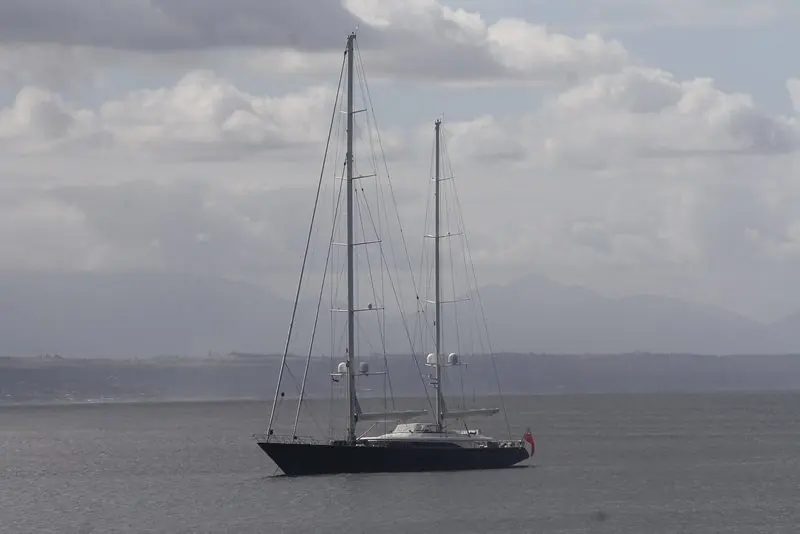
Athena, consegnata da Royal Huisman nel 2004, misura 90 metri fuori tutto e 79 metri in coperta, ed era all'epoca il più grande yacht a vela del mondo. Dykstra ha fatto l'architettura navale e Pieter Beeldsnijder l'esterno e l'interno. Sea Eagle II, 81 metri dallo stesso cantiere nel 2020, è il più grande yacht a vela in alluminio mai costruito, disegnato da Dykstra con Mark Whiteley Design. Da allora ha completato una circumnavigazione senza scalo e ha alle spalle più di 45.000 miglia nautiche.
Aquarius, un ketch performance di 65 metri, è seguito da Royal Huisman il 28 maggio 2025 con architettura navale Dykstra e interni di Mark Whiteley Design. Ha sostituito una barca di 56 metri con lo stesso nome per gli stessi armatori e porta circa il 45 per cento di volume in più. È stato nominato Sailing Yacht of the Year ai World Superyacht Awards 2026 e ha preso il premio per la migliore architettura navale a vela ai BOAT Design and Innovation Awards di febbraio 2026. Hetairos mostra l'altra faccia dello studio, un ketch in carbonio di 66,9 metri da Baltic Yachts nel 2011 con chiglia mobile e timone sollevabile, disegnato con Reichel Pugh, che in una traversata atlantica dei primi tempi ha tenuto una media di 15,12 nodi.
I cantieri dietro il lavoro
Royal Huisman è il rapporto più stretto, con Athena, Sea Eagle II, Hanuman e Aquarius costruiti tutti lì. Perini Navi ha costruito Maltese Falcon, Oceanco ha costruito Black Pearl, Baltic Yachts ha costruito Hetairos e Holland Jachtbouw ha costruito Rainbow. Vitters e altri costruttori olandesi in alluminio compaiono con regolarità.
Per un armatore la cosa conta perché un armo così ambizioso vale quanto il cantiere che lo installa. Dykstra ha già risolto con ciascuno di questi costruttori i carichi sui cuscinetti degli alberi in carbonio, i meccanismi di sollevamento della chiglia e la struttura di coperta. Uno studio che ha già attraversato quei problemi non li imparerà a spese dell'armatore. Dà anche a un armatore un secondo parere onesto quando un cantiere dice che una cosa non si può fare.
Come un armatore ingaggia lo studio
La maggior parte dei progetti parte da un brief scritto che copre dimensioni, uso, numero di equipaggio, limiti di pescaggio e quanto la barca dovrà essere spinta. Dykstra produce poi linee preliminari, un piano velico e una disposizione generale, che è il pacchetto su cui un cantiere può fare un prezzo. Su un grande yacht a vela custom la fase di progettazione e ingegneria dura molti mesi prima che la costruzione cominci, e il tempo totale dal concept alla consegna di una barca di questa scala è comunemente di tre o quattro anni.
L'armatore tratta direttamente con gli architetti navali durante concept e basic design, poi con il team di progetto del cantiere una volta iniziata la costruzione, con Dykstra che prosegue su ingegneria e prove in mare. Lo studio normalmente lavora insieme a un progettista di esterni e interni separato, nominato dall'armatore. Sea Eagle II è andata con Mark Whiteley Design, Maltese Falcon con Ken Freivokh, Athena con Pieter Beeldsnijder. Il coordinamento tra quei due studi è responsabilità dell'armatore, che deve finanziarlo e seguirlo.
Costo, riconoscimenti e a chi non serve
Gli studi di ingegneria di questo livello si fanno pagare o su fasi di progettazione definite o come quota del costo di costruzione, e su un grande yacht a vela custom il conto di architettura navale e ingegneria dell'armo arriva alle sette cifre. Il lavoro sull'armo si quota spesso separatamente da quello sullo scafo. Rispetto a un prezzo di costruzione di decine di milioni la parcella è modesta, e compra la parte della barca che dopo non si può più cambiare. Una forma di scafo o una scassa d'albero sono fissate il giorno in cui vengono costruite.
I riconoscimenti sono veri. Gerard Dijkstra ha ricevuto il Lifetime Achievement Award ai BOAT International Design and Innovation Awards nel 2022, e gli yacht dello studio hanno preso premi di vertice ripetutamente dal 1989. Questo studio non fa per l'armatore che vuole una sola società che gli consegni una barca finita interni compresi, né per chi compra un motoryacht, che non è il campo dello studio. E non fa nemmeno per chi vuole una barca convenzionale consegnata in fretta, dato che gran parte di quello che a Dykstra viene chiesto non è mai stato fatto prima.
Who owns a rig nobody else has drawn
The intellectual property question is unusually live at this studio because the work is unusually original. The professional default, in the ITIC standard trading conditions for naval architects dated 8 July 2025, is that the consultant owns everything created under the agreement and the client receives a non-exclusive royalty-free licence for the purposes of that agreement. Superyacht contracts normally improve on that to an exclusive, irrevocable and assignable licence, and published practice prices any further hull to the same design at a royalty of roughly 1 to 1.5 per cent. An owner funding the development of something genuinely new, a rig type or a hull form, is paying for research that will outlive his boat, and the contract should say who gets to use it next.
Continuity is better here than at most of the small studios in this directory, and that is worth stating plainly. The founder handed over, the practice trades under a chief executive and a partner with around thirteen people, and the DynaRig work has been carried across two decades and two yachts by an office rather than by an individual. That structure is the answer to the key-person question a two-person practice cannot give. What still needs writing into the contract is the right to the complete engineering set in native format, because on a one-off rig a refit yard cannot reverse-engineer what it cannot see.
Singular engineering is worth more to keep than to sell
A yacht built to a Dykstra design does not sell faster than a conventional boat and often sells slower, and the reason is the same thing that makes it worth commissioning. A one-off rig or an unrepeated hull form has no comparables, so a valuer has nothing to anchor to and a buyer has to be persuaded from first principles. Sailing yachts already draw a narrower pool of buyers than motor yachts of the same value, and an unconventional sailing yacht narrows it again. Against an average 487 days on market and a median of 277 across the 470 yachts of 24 metres and over sold in 2025, boats of this kind sit at the far end.
The J Class is the counter-case and it is instructive. A class with rules, a circuit and a recognised set of hulls has a market in a way a singular yacht does not, and the restoration work is closer to the classic car market than to yacht brokerage. The lesson for an owner is that liquidity comes from belonging to a set. A boat that belongs to no set is bought for what it does, and its value rests on the engineering being right, which is precisely what this office is for. Anyone commissioning here should assume he is buying a twenty-year asset and not a five-year position.
Informazioni pratiche
| Design fee | not published; superyacht market band is 1 to 5 per cent of build cost plus 2 to 4 per cent project management, both outside the yard price, with naval architecture alone at the bottom of that band (SuperYachtReview 2026 price guide, updated March 2026) |
|---|---|
| Rig and sea trials | rig and spar engineering is commonly quoted separately from hull work, and sea trials attendance is billed on top of the design fee |
| How a project starts | a written brief on size, use, crew numbers, draft limits and how hard the boat will be sailed, followed by preliminary lines, a sail plan and a general arrangement, the package a yard prices against |
| Copyright and reuse | ITIC standard trading conditions, 8 July 2025, default to a non-exclusive royalty-free licence for one hull; superyacht contracts normally upgrade this to an exclusive, irrevocable, assignable licence, with a further hull priced at roughly 1 to 1.5 per cent royalty under published practice |
| What still needs asking for | the complete engineering set in native format; on a one-off rig a refit yard cannot reverse-engineer what it has never been shown |
| Yards worked with | Royal Huisman (Athena, Sea Eagle II, Hanuman, Aquarius), Perini Navi (Maltese Falcon), Oceanco (Black Pearl), Baltic Yachts (Hetairos), Holland Jachtbouw (Rainbow) |
Cosa riferiscono armatori ed equipaggi
No independently attributable owner testimony found
Sea Eagle II's owner Dr Samuel Yin and her captain both declined interview requests about the yacht's 45,000 nautical mile voyage, and coverage of Maltese Falcon and Black Pearl draws on the design and build teams rather than on owners or crew; this research found no on-the-record operational quote from anyone who has sailed one of these yachts
Yotters research desk
Cosa convince e cosa va valutato
Punti di forza
- The deepest DynaRig experience that existsMaltese Falcon in 2006 and Black Pearl in 2018 are the only two DynaRig superyachts built, and both were engineered by this office, so there is nowhere else to go for a third
- A genuine specialism in rigs and hull forms nobody has built beforethe J Class revival, the carbon DynaRig and Breakthrough's hydrogen fuel-cell integration all required engineering solved from first principles rather than adapted from a known answer
- Continuity beyond the founderGerard Dijkstra stepped back from day to day running more than a decade ago and the practice trades on under chief executive Thys Nikkels and partner Mark Leslie-Miller, which is a stronger answer to the key-person question than most small studios in this field can give
- A direct, small-office relationshiparound thirteen people with no account-handler layer between the client and the person drawing the hull, and the studio is candid when a slot is not available rather than overcommitting
Da valutare
- Not a turnkey studiono interior and no applied exterior styling; an owner always coordinates a separate design house and funds two fees
- Not for motor yachtssailing yacht naval architecture is the entire practice, so this office is irrelevant to most of the fleet
- Singular engineering resells slowlya one-off rig or hull form has no comparables, so valuers have nothing to anchor to and boats of this kind sit at the long end of the market's time-on-market range
- Not a quick or cheap routemost commissions involve solving something that has not been done before, which is development work billed accordingly, and total time from concept to delivery commonly runs three to four years
A chi si rivolge: Gli armatori che commissionano un grande yacht a vela in cui la parte difficile è l'ingegneria e lo stile può aspettare.