Malcolm McKeon Yacht Design
| Fondatore | Malcolm McKeon, architetto navale |
|---|---|
| Percorso | entrato a tempo pieno da Ed Dubois nel 1981 dopo aver studiato yacht design a Southampton, ci è rimasto 31 anni come capo architetto navale |
| Studio fondato | fine 2012, dopo che McKeon ha lasciato Dubois |
| Sede | Middle Barn, Efford Park, Lymington, Hampshire |
| Organico | un gruppo di architetti navali e progettisti guidato da McKeon |
| Esperienza | coinvolto in più di 200 yacht, tra cui oltre 55 superyacht, secondo il conteggio dello studio |
| Discipline | architettura navale e progettazione completa per monoscafi, catamarani a vela, motoryacht, chase boat e tender |
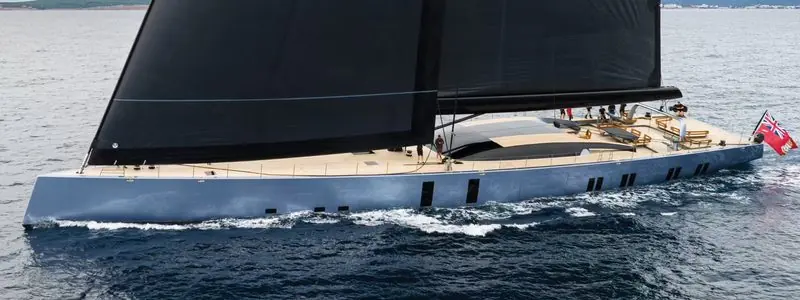
| Ammiraglia | Sarissa, sloop di 59,7 m, Royal Huisman, 2023, 499 GT, interni di Liaigre |
| Premi di Sarissa | dieci in totale, tra cui Sailing Yacht of the Year ai World Superyacht Awards 2024 e Yacht of the Year dell'International Superyacht Society |
| Zemi | un progetto McKeon che agli stessi premi ha preso il Best Sailing Yacht da 30 m a 39,9 m |
| Nautor Swan | uno sloop in lega di 43,5 metri, progetto 118, annunciato a marzo 2024 per aprire la gamma Swan in lega oltre i 40 metri |
| In costruzione | MMYD 095, in varo nel 2026 |
| Team | Malcolm McKeon and nine other designers in the Lymington studio (ONBOARD Magazine profile, read 28 July 2026) |
| Design fee | not published. Superyacht band 1 to 5 per cent of build cost, plus 2 to 4 per cent project management, both outside the yard price. Naval architecture and exterior without an interior sits in the lower half (SuperYachtReview 2026 price guide, updated March 2026) |
| Engineering attendance and sea trials are billed in addition to the design fee, and the interior is a separate appointment on a separate budget | |
Trentuno anni con Ed Dubois
McKeon ha cominciato a lavorare per Ed Dubois mentre studiava ancora yacht design a Southampton alla fine degli anni Settanta, consegnando barche e regatando durante le vacanze. È entrato a tempo pieno dopo la laurea nel 1981 ed è rimasto trentuno anni come capo architetto navale. Dubois è stato uno dei due o tre nomi che hanno definito il grande yacht a vela negli anni Novanta e Duemila.
Sulla fine è stato schietto. I due uomini avevano sviluppato approcci diversi alla progettazione ed era diventato impossibile lavorare insieme. Se ne è andato attorno alla fine del 2012 con l'intenzione di prendersi un periodo di pausa. I progetti che aveva già in mano andavano finiti, e lo studio è nato perché quegli armatori volevano lui e non un sostituto.
Uno studio a Lymington
Malcolm McKeon Yacht Design lavora da Middle Barn, a Efford Park fuori Lymington, in quel tratto di costa dell'Hampshire che ha prodotto una quota sproporzionata dei progettisti nautici britannici. Il team è un piccolo gruppo di architetti navali e progettisti guidato da McKeon. Lui mette il proprio coinvolgimento su più di duecento yacht, di cui più di cinquantacinque superyacht.
Quel numero è il senso dello studio. L'armatore che ingaggia McKeon compra quattro decenni di decisioni su profondità della chiglia, carichi dell'armo e dove mettere una paratia. Compra anche continuità per la flotta Dubois, dato che parecchie di quelle barche che oggi arrivano al refit o alla sostituzione sono state disegnate proprio dalla sua mano.
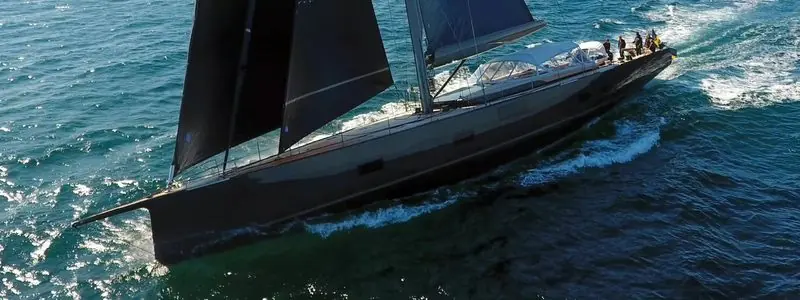
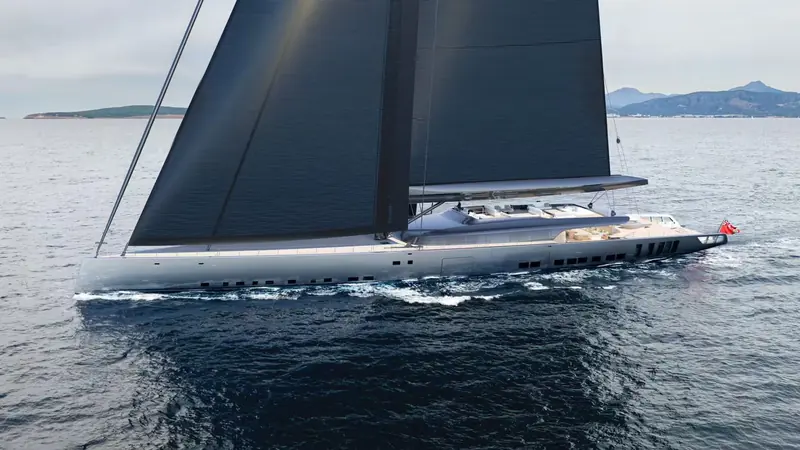
Una sovrastruttura schiacciata più in basso possibile, avvolta in un vetro che l'armo preferirebbe non avere lì.
Architettura navale e barca intera
Questo non è uno studio di styling. Lo studio fa l'architettura navale, l'esterno e la disposizione generale, e copre monoscafi a vela, catamarani a vela, motoryacht, chase boat e tender. Gli interni vanno normalmente a una casa separata, come su Sarissa, dove il dentro l'ha preso Liaigre.
Fare scafo e profilo nello stesso ufficio conta più su una barca a vela che su un motoryacht. Carichi dell'armo, chiglia, struttura di coperta e forma della sovrastruttura litigano tutti tra loro, e su una barca a vela la lite la risolve la fisica. Uno studio che possiede entrambi i lati può decidere dove cedere terreno senza una trattativa tra due società.
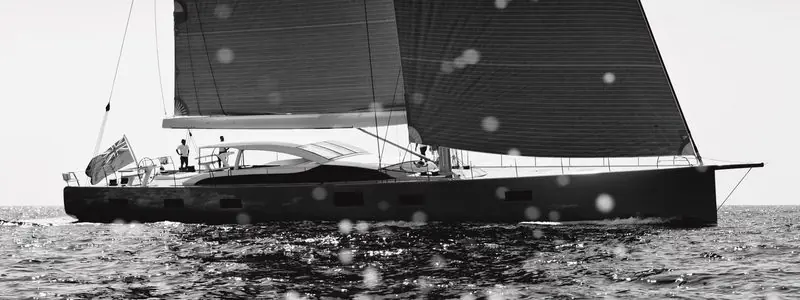
Sovrastruttura bassa, e moltissimo vetro
La mossa riconoscibile è una sovrastruttura schiacciata più in basso e più in lungo di quanto l'ingegneria consenta, con vetrate avvolgenti che corrono quasi senza interruzioni. La linea di cinta di solito passa da convessa a proravia a concava a poppavia, ed è questo a dare a una barca di McKeon il suo aspetto leggermente predatorio sull'acqua. Gli armi sono alti e le rande square top.
La ragione non è solo estetica. McKeon progetta per il collegamento con quello che c'è intorno, che in pratica significa che un armatore seduto in quadrato può vedere l'acqua senza alzarsi. Ottenerlo su una barca a vela è difficile, perché il vetro è pesante, sta in alto ed è strutturalmente scomodo esattamente dove l'armo vuole caricare la coperta. È qui che l'architettura navale in casa si ripaga.
Sarissa
Sarissa, 59,7 metri, è stata consegnata da Royal Huisman nel 2023 come numero di costruzione 404, con l'intero progetto dello studio e interni di Liaigre. Ha 11 metri di baglio, 499 GT e una chiglia mobile che sposta il pescaggio tra 4,7 e 7,7 metri. L'armo è uno sloop ad alte prestazioni con una grande randa square top.
Ha vinto dieci premi. Sailing Yacht of the Year ai World Superyacht Awards 2024, Yacht of the Year e Best in Sail oltre i 40 metri dall'International Superyacht Society, Best Interior Sail e un premio Design and Innovation per la propulsione. Quattro di questi sono arrivati soltanto ai premi di design di BOAT. I premi non fanno navigare una barca, e questa fa entrambe le cose.
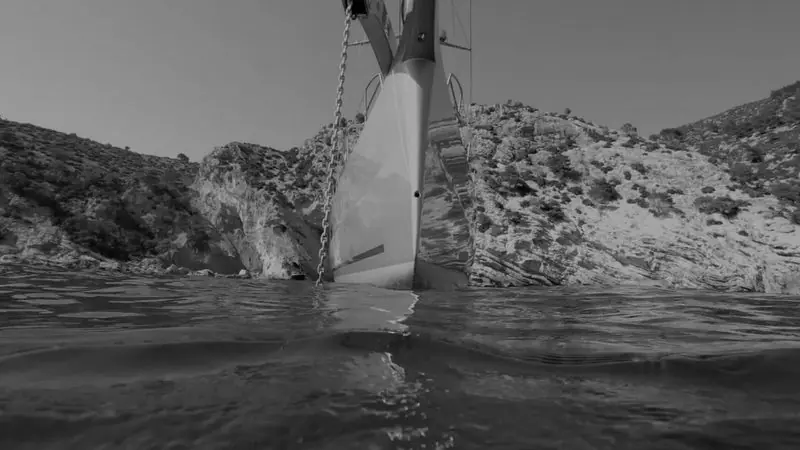
Che cosa ha risolto davvero Sarissa
La sua sovrastruttura è in carbonio, il che ha permesso allo studio di usare montanti dei finestrini molto più sottili e di guadagnare altezza interna senza alzare il tetto. Il quadrato si apre sul pozzetto attraverso una porta scorrevole a quattro pannelli larga 3,7 metri. Il portellone del beach club è in carbonio e si apre su circa 20 metri quadrati di plancetta. Per mettere a punto la struttura attorno alle finestrature è stata usata la modellazione a elementi finiti.
Porta anche una propulsione elettrica retrattile rivolta in avanti, che si è presa un premio per l'innovazione tutto suo. L'elenco pratico è più lungo e meno affascinante, e comprende bitte a scomparsa, passacavi a filo e tamburi per lo stivaggio delle vele. A un armatore quelle cose interessano perché sono la differenza tra una coperta pulita e una coperta coperta di ferramenta. La barca ha comunque una jacuzzi, una sauna e una parete da arrampicata.
Royal Huisman, Nautor Swan e i cantieri
Royal Huisman è il rapporto più profondo ed è il cantiere che ha costruito Sarissa. A marzo 2024 Nautor Swan ha annunciato uno sloop in lega di 43,5 metri su progetto McKeon, indicato come progetto 118, aprendo la gamma del cantiere finlandese sopra i 40 metri e portandolo alla costruzione in alluminio. La barca è commercializzata con Edmiston ed è disegnata con idrogenerazione e predisposizione per impianti a metanolo e idrogeno.
Un cantiere che sceglie un progettista esterno per aprire una nuova gamma è un segnale forte. Nautor Swan ha una lunga tradizione progettuale propria e ha chiamato McKeon proprio per i grandi yacht a vela in lega, che è la parte di mercato in cui ha passato la carriera. Per un armatore, un progettista di cui ci si fida per fissare la direzione di un cantiere è un progettista che verrà ascoltato quando la costruzione si fa difficile.
Come si svolge un incarico, e quanto costa
McKeon ha raccontato di mostrare al cliente la barca che ha chiesto e poi accanto una o due alternative più radicali, e che la maggior parte degli armatori sceglie l'opzione conservativa perché i soldi a rischio sono i loro. Da lì lo studio produce le linee, il piano velico, la disposizione generale e l'esterno, e il pacchetto va ai cantieri perché ne facciano un prezzo. Su uno yacht a vela di 60 metri la fase di progettazione e ingegneria dura molti mesi e la consegna arriva di solito circa tre anni dopo il contratto.
L'architettura navale e la progettazione a questo livello si pagano o su fasi definite o come quota del costo di costruzione, e su una barca di questa dimensione la parcella arriva alle sette cifre. L'interno è un incarico separato e un budget separato. Le decisioni progettuali che costano di più sono quelle strutturali, quindi l'armatore che cambia l'armo o la chiglia dopo che l'ingegneria è partita deve mettere in conto che quella modifica costerà due volte.
Riconoscimenti, e a chi non serve
Lo studio ha poco più di dieci anni e ha già prodotto un Sailing Yacht of the Year, cosa insolita. Zemi, un altro progetto McKeon, agli stessi premi ha preso il Best Sailing Yacht da 30 a 39,9 metri. Un riconoscimento di quell'ordine dice a un armatore che la barca ha soddisfatto una giuria che si è infilata nella sala macchine, e alla rivendita aiuta.
Questo studio non fa per l'armatore che vuole uno yacht a vela tradizionale o classico, perché il lavoro è deliberatamente moderno e McKeon ha detto di guardare avanti e non indietro. Non fa per chi è interessato soprattutto a un motoryacht molto grande, dove altrove esistono portfolio più profondi. Chi vuole un solo ufficio che consegni anche l'interno avrà bisogno di un secondo incarico. MMYD 095 è atteso in varo nel 2026.
Ten people, one name, and what the contract should say
The studio is McKeon and nine other designers, which is the reason the work is coherent and the reason a four-year build carries a concentrated risk. The standard documents ignore it. The ITIC standard trading conditions for naval architects, in the version dated 8 July 2025, cover intellectual property and cap liability at ten times the consultant's charges or GBP 100,000, whichever is higher, and say nothing about the unavailability of a named principal, and no marine standard form does. Ordinary commercial consultancy treats death or prolonged incapacity of a key person as a termination event and requires a replacement of equal standing subject to the client's approval.
The drawing set is the other half of it. Copyright normally stays with the studio and the owner buys a licence to build one hull, so an owner without a step-in right holds permission and no files. On a sailing yacht that is not an abstraction. A rig of the kind announced with Royal Huisman in November 2025 cannot be re-engineered from photographs, and every future refit, re-rig and class survey will need the original engineering. An escrow or an assignment on insolvency should be in the design agreement, and it will not be offered unless it is asked for.
A narrow market, and a rig that holds its value
A yacht from this studio sells to fewer people than a motor yacht of the same value, and that is a fact about sailing rather than about the design. The pool is specialised, the buyers know what they are looking at, and a boat can sit while the right one is found. Against an average 487 days on market and a median of 277 across the 470 yachts of 24 metres and over sold in 2025, large sailing yachts sit at the long end. The studio is also barely a decade old, so a valuer has few comparables to work from, which cuts both ways and mostly cuts against a seller in a slow market.
What holds value is the engineering. A hull, a keel and a rig that were right on day one are still right in year fifteen, and they are the parts a refit cannot economically change, which is why they are what a serious buyer surveys first. Sarissa took ten awards including Sailing Yacht of the Year at the 2024 World Superyacht Awards, and a panel that has crawled through an engine room is a better signal at resale than a magazine cover. Owners commissioning here should treat the boat as a long hold and should keep the interior appointment calmer than the naval architecture, because the interior is the part that will be judged by somebody else's taste.
Informazioni pratiche
| Design fee | not published; market band is 1 to 5 per cent of build cost plus 2 to 4 per cent project management, both outside the yard price (SuperYachtReview 2026 price guide, updated March 2026) |
|---|---|
| What the studio covers | naval architecture and full yacht design for monohulls, sailing catamarans, motor yachts, chase boats and tenders; the interior is always a separate appointment |
| Studio size | Malcolm McKeon plus nine other designers in the Lymington studio, so the practice is small measured against the fleet it has produced |
| Where the work has gone | Royal Huisman built Sarissa and is building the 81 m Sky; Baltic Yachts and Nautor Swan (the 43.5 m design 118) have also built to McKeon drawings |
| What a commission is really buying | a hull, rig and profile settled inside one office rather than negotiated between a separate naval architect and stylist, which is the studio's core pitch to owners who want the boat fast as well as handsome |
Cosa riferiscono armatori ed equipaggi
The owner's reaction to Zemi, relayed by the designer, not independently confirmed
in a Yachting World piece where McKeon sailed the 110 foot Zemi with her owner, McKeon reported the owner was delighted with the boat, chuffed to bits with her, and thrilled with the racing result against two J-Class yachts in the same fleet; this is the designer's own account of a client reaction rather than a quote taken directly from the owner
Malcolm McKeon, quoted in Yachting WorldMcKeon's own assessment of Zemi's race performance
the boat came in behind the two J-Class yachts in her regatta fleet, and McKeon said he did not think they could have done any better against the boats in their class; he also credited a mid-race retrim, moving crew aft and adjusting mainsail set, with improving her pace
Malcolm McKeon, quoted in Yachting World
Cosa convince e cosa va valutato
Punti di forza
- Thirty one years at Ed Dubois behind the foundinga naval-architecture pedigree from one of the two or three names that defined the large sailing yacht through the 1990s and 2000s, which is why owners commissioning a big sloop put this studio on the shortlist
- A recognisable, low-superstructure look that also measures wellSarissa took ten awards including Sailing Yacht of the Year at the 2024 World Superyacht Awards, and Zemi took Best Sailing Yacht 30 to 39.9 metres the same year, so the styling signature and the racing numbers are winning at the same time
- Comfortable at both ends of the use caseSarissa was built to compete on the racecourse and also to cross oceans in big seas with manual steering the owners wanted to feel through their fingertips, which shows the office can hold performance and seaworthiness together rather than trading one for the other
- A live pipeline at the very top of the size rangethe 81 metre Sky, revealed with Royal Huisman in November 2025 with a rig that would be the tallest sloop rig in the world, shows the studio is still being trusted with record-scale commissions, not resting on Sarissa
Da valutare
- A small studio built around one namenine other designers work alongside McKeon in the Lymington office; an owner is buying access to a single naval architect's judgement, and the practice carries real key-person risk that has to be asked about, not assumed away
- No published fee scalethe only public figures are the market-wide SuperYachtReview band of 1 to 5 per cent of build cost plus 2 to 4 per cent project management, neither specific to this studio
- Sailing yachts only, and large ones at thatthe portfolio runs from big custom sloops to the odd motor yacht and tender; it is not the office for a first boat, a small cruiser, or a motor yacht buyer
- Interior is always a second appointmentSarissa's interior came from Liaigre and Sky's from Winch; an owner has to appoint and coordinate a separate studio on a separate budget alongside McKeon's naval architecture and exterior
A chi si rivolge: Gli armatori che commissionano un grande yacht a vela moderno e vogliono scafo, armo e profilo definiti dentro un solo ufficio.