Officina Italiana Design
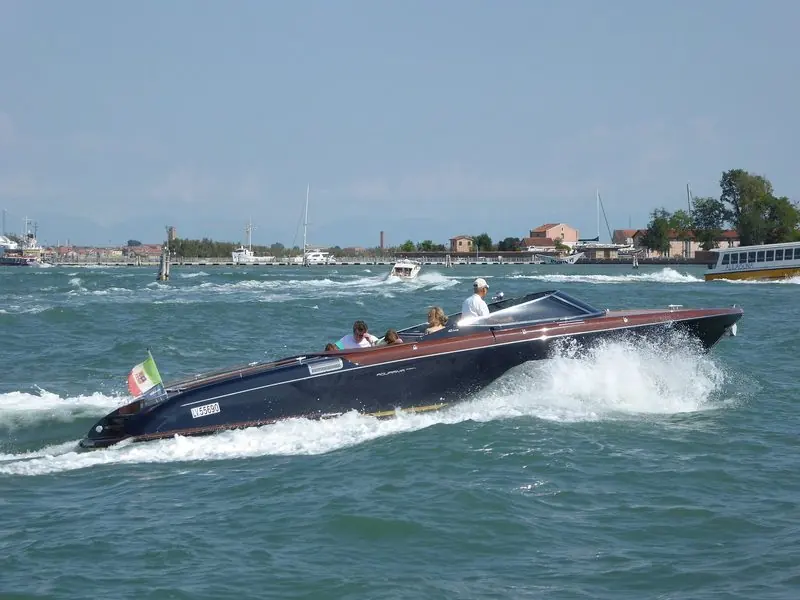
| Fondatori | Mauro Micheli e Sergio Beretta |
|---|---|
| Fondazione | 1994 |
| Sede | Bergamo, Italia |
| Ruoli | Micheli responsabile del design, Beretta socio amministratore |
| Disciplina | design di yacht e imbarcazioni |
| Tratto distintivo | designer esclusivo di Riva dal 1994 |
| Noto per | la gamma Riva moderna, incluso l'Aquariva |
| Disciplines | exterior and interior design, industrial design, prototypes and refit work, with no naval architecture |
| First 50 metre Riva | Race, 49.9 m, launched 2019, exterior and interior with Riva's in-house team |
| Current flagship | the Riva 54Metri, first hull Sairu, launched at Ancona on 7 August 2025 |
| Sairu figures | 54.84 m LOA on an 8.60 m beam, all aluminium, under 500 GT, ten guests and eleven crew, over 370 square metres of outdoor space |
| Flybridge flagship | the 130 Bellissima, at around 40 metres |
| Design fee | inside the boat price and not disclosed. The studio is retained under an exclusivity renewed in June 2024 and running to 2030, which is a retainer rather than an owner-paid design contract |
| A private commission elsewhere would carry a designer's fee of 1 to 5 per cent of build cost plus 2 to 4 per cent project management outside the yard price. Neither line exists on a Riva (SuperYachtReview 2026 price guide, updated March 2026) | |
| Resale rests on comparables rather than on authorship. A continuous model line gives valuers a data set that a one-off design does not have | |
Lo studio dietro Riva
Mauro Micheli e Sergio Beretta hanno fondato Officina Italiana Design nel 1994 a Bergamo, nel Nord Italia. Micheli era entrato in Riva come giovane designer nel 1984 dopo aver vinto un concorso, e guida il lavoro creativo dello studio. Beretta, laureato in economia e in diritto europeo, dirige lo studio come socio amministratore. Insieme hanno reso l'ufficio uno dei più concentrati dello yachting. Micheli guida il progetto mentre Beretta segue il lato imprenditoriale, una divisione che regge da tre decenni.
Il tratto che definisce lo studio è il legame esclusivo con Riva, uno dei nomi più leggendari della nautica. Quel rapporto, siglato per la prima volta nel 1994, è stato rinnovato più volte e oggi arriva al 2030. Pochi studi sono legati così strettamente a un solo marchio. L'accordo ha dato a Officina Italiana Design uno scopo chiaro e unico. Legare il proprio futuro a un solo marchio è una scelta coraggiosa, e in tre decenni ha chiaramente funzionato per entrambe le parti.
Custodire una linea classica
Il compito dello studio è portare l'eredità Riva degli anni Cinquanta e Sessanta dentro barche moderne senza trasformarla in un pastiche. I progetti di Micheli conservano i profili bassi ed eleganti del marchio e il suo amore per il dettaglio fine. Il lavoro bilancia la nostalgia con le esigenze della costruzione e dell'uso contemporanei. Quella custodia attenta è la cifra dello studio. Rilavorare un classico senza perderne il carattere è un sentiero stretto, e Micheli l'ha percorso modello dopo modello.
L'ufficio tratta ogni Riva come un oggetto scolpito, in cui contano soprattutto la linea e la postura. Micheli ha parlato di progettare una Riva come di scolpire un'emozione più che disegnare una forma. Il risultato è una famiglia di barche dal carattere inconfondibile e coerente. La continuità vale più della reinvenzione. Una Riva deve essere riconosciuta a colpo d'occhio, e lo studio protegge quella riconoscibilità in ogni modello.
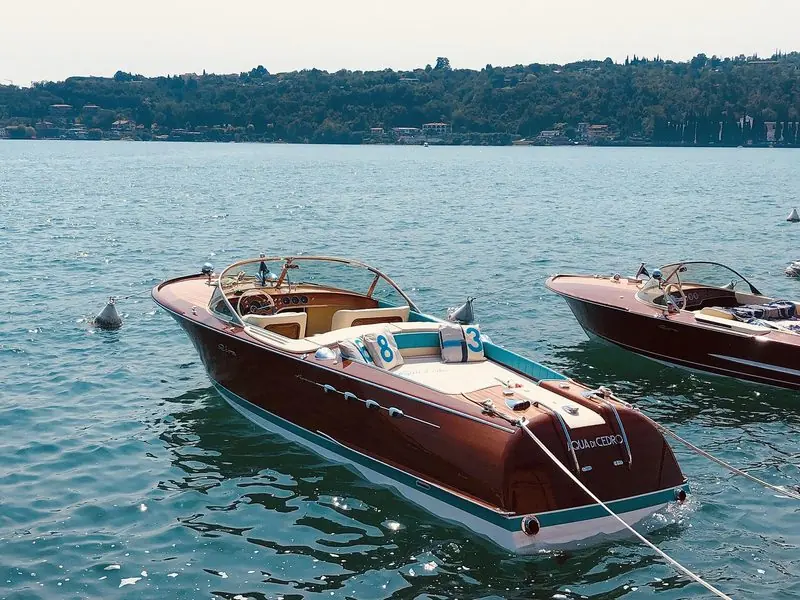
Trent'anni come mano unica che tiene Riva insieme classica e attuale.
La flotta Riva moderna
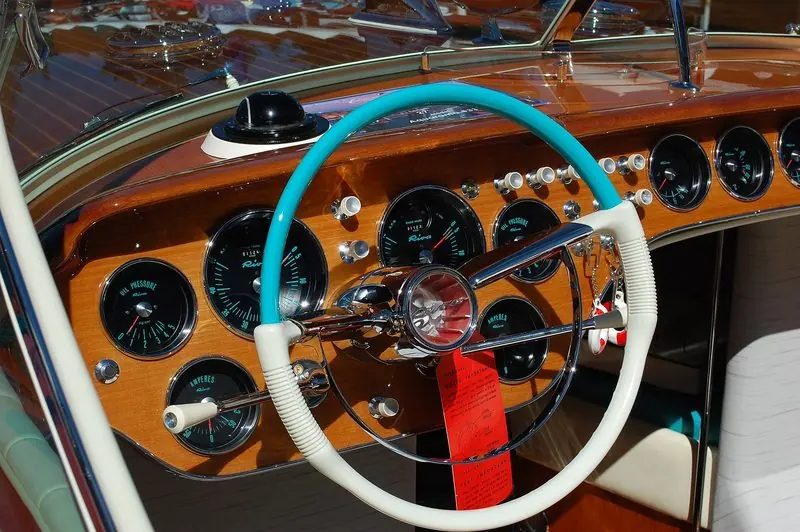
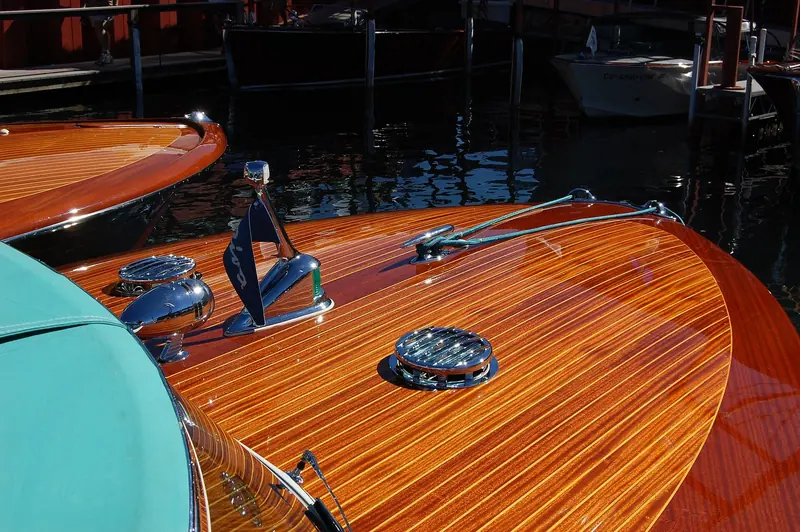
Lo studio ha dato forma all'intera gamma Riva moderna, dai piccoli runabout agli yacht più grandi del cantiere. Modelli come l'Aquariva portano nel presente lo spirito classico del mogano e delle cromature. Man mano che Riva si è spostata su unità più grandi, lo studio ha portato il proprio linguaggio fino alle dimensioni da superyacht. La linea va oggi dagli open sportivi a yacht ben oltre i 50 metri. Portare il linguaggio del marchio fino alle dimensioni da superyacht è stata una prova vera, e lo studio l'ha superata.
Ogni nuovo modello è progettato per collocarsi chiaramente dentro la famiglia Riva pur facendo avanzare la gamma. Lo studio ha tenuto coerente il marchio attraverso decenni di nuovi vari. Quella coerenza su una linea così ampia è un risultato raro. È la prova più chiara della disciplina dello studio. Tenere insieme un'intera gamma per tanti anni è più difficile che progettare una singola barca.
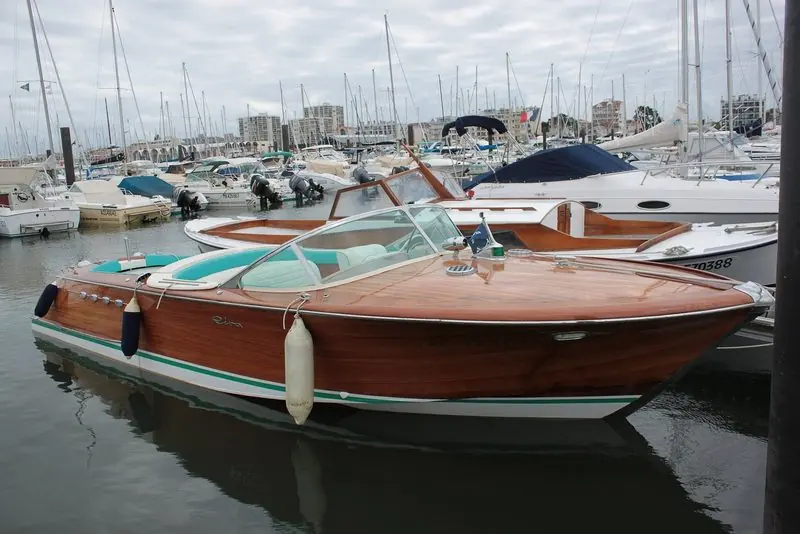
Un solo marchio, in profondità
Lavorare in esclusiva per Riva dà allo studio una comprensione insolitamente profonda di un singolo marchio e di un singolo cantiere. L'ufficio conosce intimamente la storia del marchio, i suoi clienti e la sua produzione. Quella concentrazione gli permette di proteggere l'identità Riva in ogni modello. È un modello molto diverso da quello degli studi distribuiti su molti cantieri. La conoscenza profonda di un marchio e di un cantiere è il principale vantaggio dello studio sui rivali più generalisti.
Il legame stretto significa anche che le sorti dello studio sono legate a Riva e alla sua controllante, il Ferretti Group. Quella concentrazione è una forza in termini di coerenza e un restringimento in termini di raggio d'azione. Micheli e Beretta hanno scelto la profondità invece dell'ampiezza. La scelta ha definito lo studio per tre decenni. Puntare tutto su un solo marchio è inusuale, e ha plasmato l'intero carattere dello studio.
Custode di un'icona
Officina Italiana Design è diventata inseparabile da uno dei nomi più celebri dell'acqua. La sua custodia di Riva è ampiamente ammirata all'interno del settore. La posizione dello studio poggia sul mantenere una leggenda insieme attuale e fedele a se stessa. È un brief sottile ed esigente. Tenere un marchio storico insieme fedele e contemporaneo è un'abilità più rara del partire da un foglio bianco.
Il contratto rinnovato fino al 2030 segnala fiducia nella collaborazione da entrambe le parti. Lo studio continua a estendere la gamma Riva verso unità più grandi e più ambiziose. La sua concentrazione assoluta resta il tratto distintivo. Officina Italiana Design è la custode di un'icona del design. Il suo lavoro tiene vivo e attuale uno dei grandi nomi della nautica per una nuova generazione di armatori.
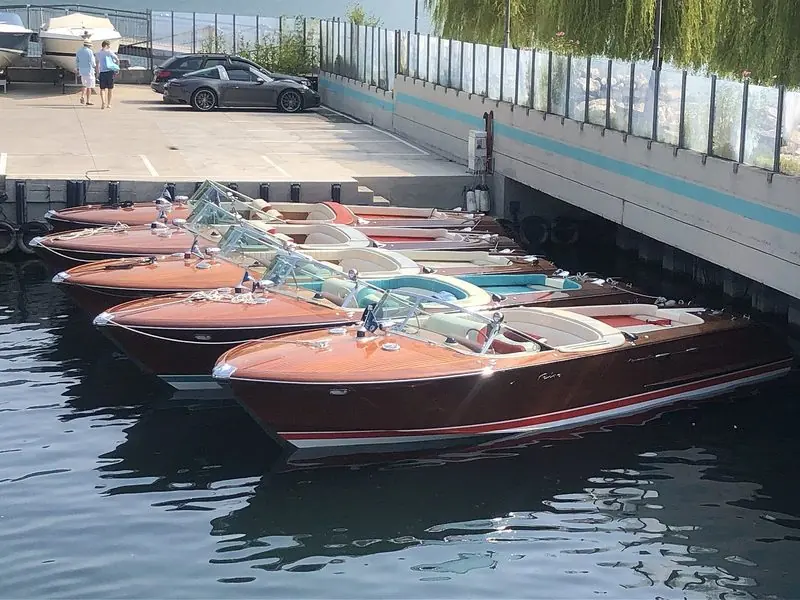
Going large: Race, Bellissima and the 54
Riva was a small-boat marque for most of its history and has moved decisively upmarket in the last decade. Race, the first Riva 50 Metri, launched in 2019 at 49.9 metres with the exterior and interior from the studio working alongside Riva's own team. The 130 Bellissima, at around 40 metres, became the flagship of the flybridge range. The 102 Corsaro sits below it at 31 metres.
Sairu, the first Riva 54Metri, was launched at Ancona on 7 August 2025 and is the largest boat the yard has ever built. She is all aluminium, 54 metres on an 8.60 metre beam, with over 370 square metres of outdoor deck, a five metre pool in the beach area aft and a transformer platform giving on to it. She carries ten guests and eleven crew. Her lines are softer than Race's, which is the studio moving the language on instead of repeating it.
Under 500 GT, and why that matters
Sairu is 54 metres and stays under 500 gross tons. That is not an accident and it is the single most useful fact about her for a prospective owner. Below the 500 GT line the regulatory regime, the certification burden and the required crewing are materially lighter, which is why she runs with eleven crew instead of the twenty a comparable length would otherwise need.
Designing a 54 metre that stays under the line while still feeling like a large yacht is a volume problem before it is an aesthetic one. Every cubic metre enclosed counts against the total, which forces decisions about superstructure height, overhangs and enclosed versus open deck. Most of the studio's cleverness on this boat is invisible in photographs. It appears in the annual running cost.
How a boat gets bought, and what it costs
These are yard models, so the commercial path runs through Riva and the Ferretti Group rather than through a design contract with the studio. A buyer selects a model and a specification, negotiates layout and finish inside the limits the platform allows, and takes delivery on a stated date. The design fee is inside the boat price. The studio is retained by the group under an exclusivity that was renewed in June 2024 and runs to 2030, which reads as a retained relationship rather than the per-hull royalty of roughly 1 to 1.5 per cent that published naval architecture practice applies to repeat builds. Neither the terms nor any royalty are disclosed, and no buyer will ever see either.
What that arrangement buys a buyer is the absence of the numbers everyone else in this directory has to plan for. There is no separate designer's fee of 1 to 5 per cent of build cost and no project management at 2 to 4 per cent, the two lines the SuperYachtReview guide of March 2026 puts outside a yard's quoted price on a custom project. The largest boats are still built to order and take a year or more from contract, with the 54 Metri programme longer. What a buyer gives up is authorship. What he gets is a price fixed at signature and a delivery date the yard can meet.
Standing, and who it does not suit
The studio's reputation rests entirely on keeping a legend both current and recognisable across three decades and a range that now spans from small runabouts to 54 metres. That is a rarer skill than starting from a blank sheet and it is judged in public every time a new model launches. The repeated contract renewals are a better signal than any award, because they are commercial decisions taken by a listed group.
This studio does not suit an owner who wants a custom yacht drawn around him, because it does not take private commissions outside the marque. It does not suit anyone who wants an unfamiliar profile, since the whole exercise is continuity. Buyers who want maximum volume for their length should look at almost anything else, as a Riva spends its length on line and stance. It is not the place for a displacement explorer or a sailing yacht.
The strongest resale position in this directory
A Riva sells better than almost anything else of its size, and the reason is unglamorous. The market knows exactly what the boat is. Model designations, standard specifications and a continuous production history give brokers and valuers a dense set of comparables, and a valuation built from comparables is the one buyers argue with least. Ocean Independence, on 11 May 2026, puts builder pedigree, specification and condition at the top of what holds value, and a marque with an unbroken line and a factory service network scores on every count. The classic boats make the point at the other end of the timeline, where restored examples trade as collectable objects rather than as used yachts.
The cost is real and it is paid in volume. A Riva spends its length on line and stance, so a buyer comparing interior space against a flybridge boat of the same length will find less of it, and that gap does not close at resale. The continuity that protects value also caps the upside, because a boat that is recognisably part of a line cannot surprise the market in either direction. For an owner who wants a known asset with a predictable exit, that is the point. For one who wants his boat to be the only one of its kind, this is the wrong marque entirely.
Informazioni pratiche
| Design fee | inside the boat price and not disclosed; the studio is retained under a group exclusivity, not an owner-paid design contract. A private commission of this kind elsewhere would carry 1 to 5 per cent of build cost plus 2 to 4 per cent project management (SuperYachtReview 2026 price guide, updated March 2026) |
|---|---|
| How a boat is actually bought | through Riva and the Ferretti Group rather than a design contract with the studio; a buyer selects a model and specification, negotiates layout and finish inside the platform's limits, and takes delivery on a stated date |
| Current range | runs from the mahogany-heritage runabouts (Aquariva, Aquarama derivatives) through the 130 Bellissima flybridge flagship at around 40 metres to the 54Metri line, first hull Sairu launched at Ancona on 7 August 2025 |
| What is NOT published | the studio's own fee or day rate, any per-hull design royalty, and any figure for how much of the group's design budget the exclusivity represents |
| Contract term | renewed June 2024 at the historic Sarnico yard, running to 2030 |
Cosa riferiscono armatori ed equipaggi
No independently attributable owner testimony found
search turned up the founders' own description of the brief (Micheli and Beretta calling the Riva 54Metri a balanced blend of sportiness and sophistication) and Ferretti Group chief executive Alberto Galassi's promotional line calling the studio a renaissance atelier, but no on-the-record quote from a private Riva owner or a named captain specifically about the studio's design work; owners of new Rivas at this size are recent and few, and the marque's smaller boats are bought and sold too informally for a named, sourced review to surface
Yotters research desk
Cosa convince e cosa va valutato
Punti di forza
- Thirty two years drawing one marque, and the contract just extendedevery Riva since 1994 has come from this studio, and the exclusivity was renewed again in June 2024 through 2030 - a commercial decision by the Ferretti Group each time, which is a harder test than any award
- Proven across the widest size range any studio in this directory coversthe same office draws a 27 foot runabout and the 54.84 metre Sairu, and keeps a recognisable identity across both without either end looking like a costume
- The best resale comparables of any design credit in this directorya continuous model line with standard specifications gives brokers and valuers a dense data set to price against, which is the main reason a Riva holds value better than a comparable one-off design
- Sairu shows the studio can move upmarket without losing the identitythe 54.84 metre flagship stays under 500 GT by design, which keeps crewing at eleven instead of the twenty a comparable length would otherwise need, and the counter-curved glass and cut-out bulwarks still read unmistakably as a Riva
Da valutare
- One client, permanentlythe studio does not take outside commissions; an owner cannot hire Officina Italiana Design directly, only buy a Riva that the studio has already drawn
- No naval architecture offeredthe discipline list is exterior design, interior design, industrial design, prototypes and refit work; hull engineering sits with Riva and the Ferretti Group, not with this studio
- No published design fee, because there is not really onethe studio is retained on a group exclusivity rather than paid per commission by an owner, so there is nothing for a buyer to negotiate the way a custom-yacht design contract works elsewhere in this directory
- A narrow brief by designa Riva has to be recognisable at 400 metres in poor light and read as descended from the 1950s and 60s mahogany runabouts; that constraint is the studio's whole job, and it leaves little room for an owner who wants something the marque has never looked like
A chi si rivolge: Acquirenti attratti dal marchio Riva e dalla sua miscela di eleganza italiana classica e costruzione moderna.