Philippe Briand (Vitruvius Yachts)
| Fondatore | Philippe Briand, nato a La Rochelle, Francia |
|---|---|
| Studio di progettazione fondato | 1978, La Rochelle |
| Studio di Londra | dal 2008, oggi sede del gruppo |
| Ramo motoryacht | Vitruvius Yachts, con un ufficio a Viareggio aperto nel 2025 |
| Organico | circa dieci persone tra gli studi |
| Discipline | architettura navale, design esterno, armo e piano velico |
| Conteggio dello studio | più di 12.000 barche costruite sui suoi progetti, 34 premi internazionali di design |
| Yacht a vela simbolo | Mari-Cha III (44,7 m, 1997), Mari-Cha IV (42 m, 2003), Vertigo (67,2 m, Alloy Yachts, 2011), Sybaris (70 m, Perini Navi, 2016) |
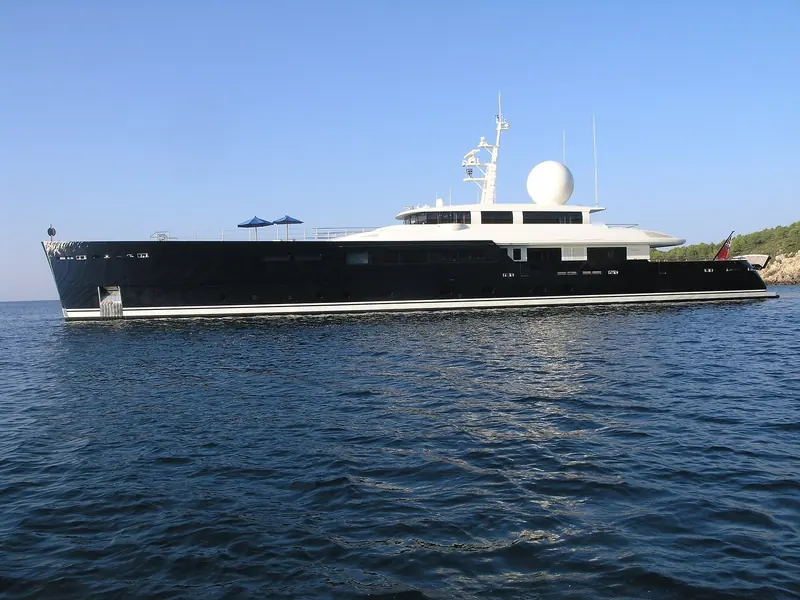
| Motoryacht simbolo | Exuma (50 m, Picchiotti, 2010), Galileo G (55 m, Picchiotti, 2011), Grace E (73 m, Picchiotti, 2014), Najiba (58 m, Feadship, 2019), Alchemy (65,7 m, Rossinavi, 2023) |
| Premi | World Superyacht Awards Motor Yacht of the Year 2015 e 2024, Sailing Yacht of the Year 2017 |
| Cantieri ricorrenti | Perini Navi e la sua divisione Picchiotti, Feadship, Rossinavi, Alloy Yachts |
| Interni | normalmente affidati a uno studio separato |
| Design fee | not published by the studio. Superyacht market band 1 to 5 per cent of build cost, plus 2 to 4 per cent project management, both outside the yard price (SuperYachtReview 2026 price guide, updated March 2026) |
| Published naval architecture scales at smaller size run higher: 4 to 7 per cent (Marsh Design), 7 to 10 per cent (Sponberg Yacht Design), 10 to 12 per cent on a fixed commission (Kasten Marine), all read 28 July 2026. The percentage falls as build cost rises | |
| The concept phase is quoted separately, which is the stage at which an owner can test a studio and stop for the price of the concept | |
Da La Rochelle a Londra
Briand è nato a La Rochelle in una famiglia di velisti. Suo padre Michel era un velista olimpico della classe Dragone che fondò la veleria francese Tasker Sails. Briand ha disegnato la sua prima barca a undici anni e a sedici si è fatto costruire un Quarter Tonner di 25 piedi, che ha vinto regate ed è stato replicato undici volte. Ha imparato il mestiere sul campo, compreso un periodo dai diciotto anni con il progettista svedese Pelle Petterson, e non ha alcuna laurea formale in architettura navale.
Ha aperto il proprio studio a La Rochelle nel 1978. Ha vinto la Half Ton Cup in Norvegia nel 1983 e la One Ton Cup nel 1984 con Passion 2, una barca che aveva disegnato e che poi ha timonato di persona. Dal 1986 al 2000 ha disegnato gli sfidanti francesi di Coppa America, tra cui French Kiss, che nel 1987 a Fremantle è arrivata alle semifinali degli sfidanti. Dal 2008 lavora da uno studio a Londra.
Due nomi, un solo studio
Lo studio opera con due nomi. Il lavoro a vela esce come Philippe Briand, con gli architetti navali basati a La Rochelle. Il lavoro sui motoryacht porta il nome Vitruvius Yachts ed è gestito da Londra, e nel 2025 il gruppo ha aperto un ufficio a Viareggio per stare più vicino ai cantieri italiani. Tra gli studi lavorano circa dieci persone, il che ne fa una realtà piccola misurata sulla flotta che ha prodotto.
Il conteggio dello studio parla di più di 12.000 barche costruite sui suoi progetti e di 34 premi internazionali di design. Gran parte di quel numero sono barche a vela di serie disegnate per il Groupe Beneteau, tra cui il CNB 76 e il Jeanneau 64. L'armatore che commissiona un motoryacht di 60 metri sta quindi ingaggiando un progettista le cui forme di scafo sono state provate da migliaia di velisti comuni oltre che da una manciata di vari custom. Pochissimi studi nella fascia alta del mercato hanno alle spalle quel tipo di volume.
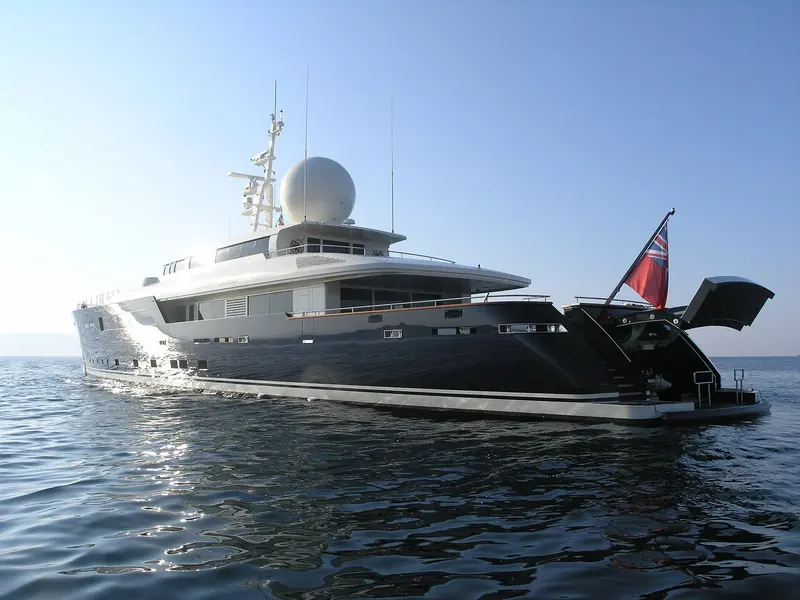
La lunghezza usata con onestà, così che la barca in acqua sia più lunga di quanto il profilo lasci mai intendere.
Che aspetto ha uno scafo di Briand
La mossa riconoscibile è la lunghezza usata con onestà. Gli scafi di Briand hanno una linea d'acqua lunga dietro una prua quasi verticale, con quasi nessuno slancio sprecato alle due estremità, così la barca in acqua è più lunga di quanto il profilo suggerisca. Le sovrastrutture stanno basse e si allungano verso prua e verso poppa invece di impilarsi verso l'alto. Sui motoryacht Vitruvius la silhouette si legge come una lunga linea orizzontale interrotta dal vetro, con un'entrata di prua fine che taglia il mare di prua.
Niente di tutto questo è solo stile. Uno scafo lungo e sottile ha bisogno di meno potenza a parità di velocità, ed è per questo che le barche Vitruvius vengono dichiarate con autonomia transatlantica a velocità di crociera economiche. Il costo è il volume interno, perché un 60 metri di Briand non porterà la stazza lorda di una barca più larga della stessa lunghezza. Lo studio è esplicito su quel compromesso e lo mette in chiaro all'inizio del progetto.
Gli yacht a vela che hanno fatto il nome
Mari-Cha III, varato nel 1995 a 44 metri, ha preso nel 1998 il record atlantico da ovest a est per monoscafi. Mari-Cha IV, una goletta a due alberi di 42 metri consegnata nel 2003, ha battuto di nuovo il record e lo ha tenuto per più di un decennio. Entrambi erano costruiti per essere spinti forte al largo. Hanno affermato Briand come il progettista capace di rendere davvero veloce una barca molto grande.
Vertigo, 67,2 metri da Alloy Yachts in Nuova Zelanda nel 2011, ha messo un esterno di Briand sopra un interno di Christian Liaigre ed è diventato uno degli yacht a vela più fotografati in acqua. La sua prua quasi verticale, la lunga linea di coperta ininterrotta e lo specchio di poppa corto hanno fissato un modello che altri hanno seguito. Sybaris, il ketch Perini Navi di 70 metri varato nel 2016, usa linee di scafo, appendici, armo e piano velico di Briand. Nel 2017 è stato nominato Sailing Yacht of the Year ai World Superyacht Awards.
Vitruvius e i motoryacht
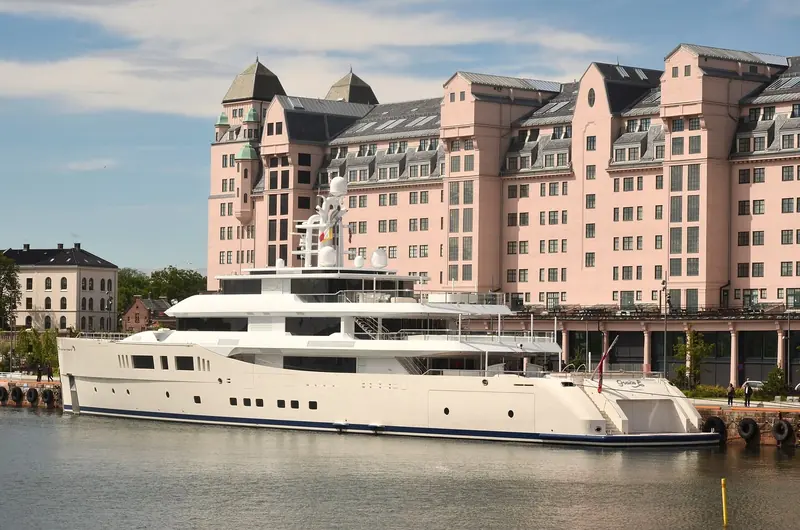
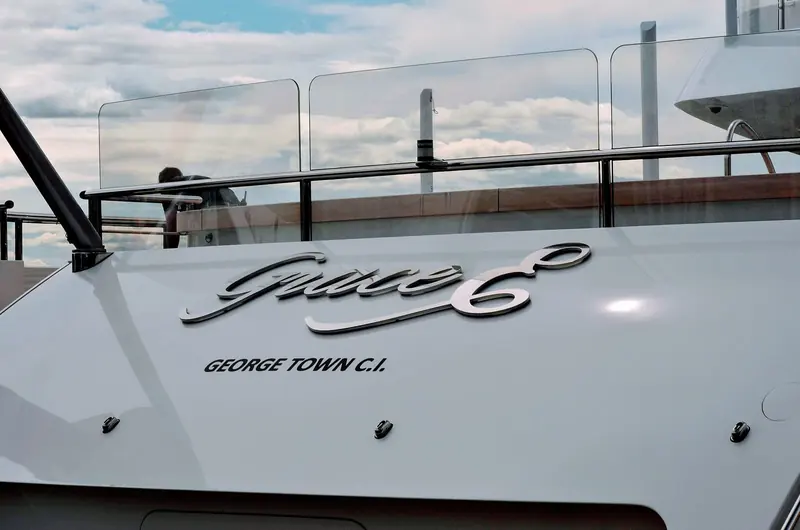
Exuma, 50 metri, è stato varato alla Spezia nel 2010 come primo Vitruvius e ha fatto rivivere lo storico nome Picchiotti sotto Perini Navi. Galileo G è seguito a 55 metri nel 2011 e nei suoi primi tre anni ha coperto circa 85.000 miglia nautiche. Grace E, 73 metri, è stato varato nel 2013 e consegnato nel 2014 con interni di Remi Tessier. Ha preso il Motor Yacht of the Year ai World Superyacht Awards del 2015, dove la giuria ha citato consumi e autonomia accanto alla qualità della falegnameria.
Najiba, 58 metri, è stato il primo Vitruvius costruito da Feadship ed è stato consegnato nel 2019. Alchemy, 65,7 metri da Rossinavi a Viareggio, è stato consegnato a luglio 2023 ed è stato nominato Motor Yacht of the Year ai World Superyacht Awards 2024. Due trofei del genere da una flotta così piccola sono una rarità. La linea Vitruvius oggi va dai lifestyle cruiser alle barche da esplorazione costruite per le lunghe traversate.
I cantieri dietro i disegni
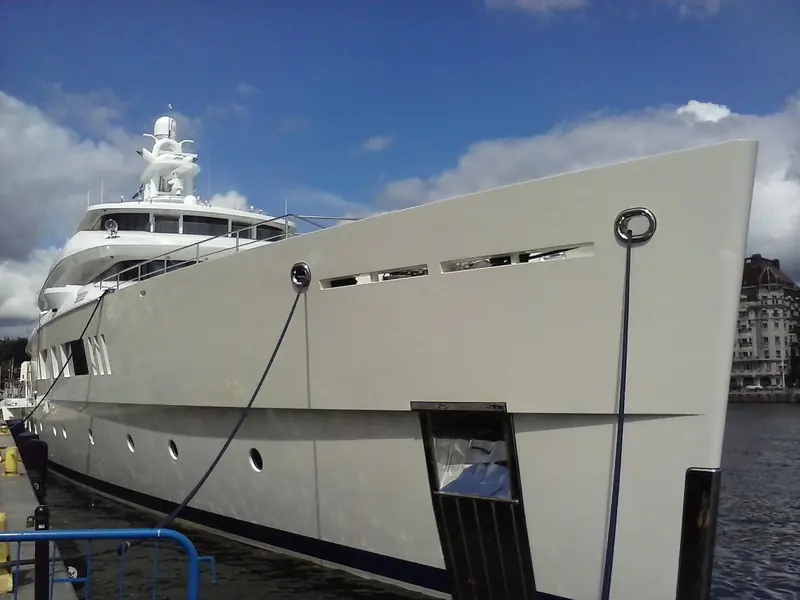
Briand non si è mai legato a un solo costruttore. La flotta Vitruvius è uscita da Perini Navi e dalla sua divisione Picchiotti, da Feadship nei Paesi Bassi e da Rossinavi a Viareggio. Il lavoro a vela è andato ad Alloy Yachts, a Perini Navi e ad altri. Lo studio elenca anche Lurssen e Sanlorenzo tra i costruttori con cui lavora.
Quella distribuzione conta per un armatore in modo molto pratico. Un progettista che ha consegnato in un cantiere olandese e in uno italiano sa quanto diversamente i due prezzino una curva composta e come ciascuno assorba una modifica ingegneristica tardiva in costruzione. Significa anche che lo studio può essere portato in un cantiere che l'armatore ha già scelto, invece di spingerlo verso uno. L'ufficio di Viareggio, aperto nel 2025, esiste per accorciare quella distanza sui progetti italiani.
Come si svolge un incarico
Il lavoro parte da un brief dell'armatore che copre dimensioni, uso, aree e aspetto. Le prime consegne dello studio sono schizzi di concept, una disposizione generale e l'architettura navale preliminare, che è il pacchetto su cui i cantieri fanno le loro offerte. Briand in persona è coinvolto nella fase di concept, che è una delle ragioni per cui lo studio è rimasto piccolo. Gli armatori che vogliono un nome famoso sulla carta intestata e un junior al telefono qui non lo troveranno.
Su un grande progetto custom la sola fase di progettazione può arrivare a nove mesi, e uno yacht di circa 90 metri richiede comunemente tre o quattro anni dal concept alla consegna. Una volta approvato il concept, il basic design trasforma i disegni in qualcosa che un cantiere possa ingegnerizzare e costruire. In quelle fasi l'armatore tratta direttamente con lo studio, poi sempre di più con il team di progetto del cantiere man mano che si taglia la lamiera. Briand resta coinvolto sull'architettura navale per tutta la costruzione.
Dove finisce la responsabilità dello studio
Briand copre architettura navale e design esterno. Vuol dire la forma dello scafo, le appendici, l'armo e il piano velico su una barca a vela, la disposizione generale e il profilo. È la parte della barca che decide come si muove e quanto costa farla andare. Non è la parte che la famiglia di un armatore tocca tutti i giorni.
Gli interni vanno normalmente a una casa separata. Grace E è stato allestito su un progetto di Remi Tessier e Vertigo su uno di Christian Liaigre. L'armatore che ingaggia Briand deve mettere in conto di nominare anche un designer d'interni e di prevedere tempo per il coordinamento tra due studi che lavorano sulla stessa disposizione generale. Su diversi progetti è stato il team ingegneristico del cantiere a farsi carico di parte del lavoro di dettaglio.
Quanto costa, e a chi non serve
Gli studi di questo livello vengono ingaggiati o con onorari legati alle fasi di progettazione o con una percentuale sul costo finale di costruzione, e su un grande progetto custom il conto complessivo della progettazione arriva ben dentro le sette cifre. La fase di concept si quota di solito a parte, il che permette a un armatore di provare uno studio prima di impegnarsi su un'intera costruzione. Rispetto a un prezzo di costruzione di decine di milioni la parcella di progettazione è una voce piccola. È anche la voce che fissa consumo, autonomia e rivendita per i vent'anni successivi.
Questo studio non fa per l'armatore la cui prima priorità è il massimo volume ottenibile in una data lunghezza, né per chi vuole un solo ufficio che gli consegni anche l'interno finito. Anche chi vuole una consegna rapida da una piattaforma esistente è servito meglio altrove, dato che gran parte della flotta è stata disegnata da foglio bianco. Gli incarichi che tornano arrivano da armatori che attraversano oceani. Galileo G ha percorso circa 85.000 miglia nautiche nei suoi primi tre anni di servizio.
The drawings, and a practice of about ten people
Copyright normally stays with the designer. The ITIC standard trading conditions for naval architects, in the version dated 8 July 2025, give the client only a non-exclusive royalty-free licence for the purposes of the agreement, and superyacht contracts usually improve on that to an exclusive, irrevocable, assignable licence, which is the clause Federico Santini sets out in Barche magazine in August 2018. Where a design is reused, published practice prices further hulls at a royalty of roughly 1 to 1.5 per cent of each boat. A hull form that has been tank-tested and proven over 85,000 miles has value beyond one commission, and an owner who paid for that development should decide deliberately whether he is buying exclusivity or renting a shape.
The practice runs around ten people across its studios and it carries the founder's name, with Briand personally involved at concept stage. That is the reason to hire it and the reason to write a key-person clause. No marine standard form addresses the unavailability of a named designer, and the ITIC conditions do not, capping liability at ten times charges or GBP 100,000, whichever is higher, and stopping there. The ordinary commercial remedies apply: death or prolonged incapacity as a termination event, an obligation to propose a replacement of equal standing for the owner's approval, and a right to the complete drawing set in native format if the office closes. On a boat whose value is in its engineering, the files are the asset.
Efficiency is the part of the design a buyer will underwrite
A Briand hull sells on the one thing a second owner can verify with a fuel log. Range and fuel burn are contractual numbers that live with the naval architecture, and a boat that crosses cheaply costs less to own, which is what a buyer is really pricing when he looks at a ten-year-old yacht. That is a durable advantage and it does not depend on taste. It also survives a refit, because the interior can be replaced while the hull form cannot, and here the hull form is the point of the boat.
The offsetting fact is the size of the market. Sailing yachts attract a narrower and more specialised pool of buyers than motor yachts of the same value, and long-range motor yachts drawn for ocean work attract a narrower pool again, because most owners cruise between marinas that are two days apart. Denison Yachting recorded an average of 487 days on market and a median of 277 across the 470 yachts of 24 metres and over sold in 2025, and boats built for crossings sit at the patient end of that. The buyer who wants one really wants one. There are not many of him at any given moment.
Informazioni pratiche
| Design fee | not published; market band is 1 to 5 per cent of build cost plus 2 to 4 per cent project management, both outside the yard price (SuperYachtReview 2026 price guide, updated March 2026) |
|---|---|
| What the studio covers | naval architecture, exterior design, rig and sail plan; interiors are normally a separate studio, coordinated against the same general arrangement |
| Two names, one practice | sailing work goes out as Philippe Briand from La Rochelle; motor yacht work carries the Vitruvius Yachts name from London, with a Viareggio office opened in 2025 to sit closer to the Italian yards |
| Yards that build to Briand drawings | Perini Navi and Picchiotti, Feadship, Rossinavi, Alloy Yachts; the studio also lists Lurssen and Sanlorenzo among builders it has worked with |
| The real lock-in point | concept design is quoted and can be stopped for the price of the concept; once the yard has begun engineering to the preliminary naval architecture, changing studio means paying twice for the same hull form |
Cosa riferiscono armatori ed equipaggi
The Alchemy owner on why he chose Briand's exterior over a conventional motor yacht profile
"Here we found the most beautiful exterior lines combined with sailing yacht efficiency, and we found a new point of view on motor yachts that won us over" - the owner also called the yacht's open, lobby-free central staircase his boldest design choice, expecting it to be a design pivot for the rest of the industry
the Alchemy owner, quoted in BOAT InternationalRossinavi's own account of the collaboration on Alchemy
"The key word for this vessel is balance. With the Vitruvius team, we were able to best express the know-how and skills we have gained through decades of experience; together we were able to work in synergy under the precious guidance and presence of the owner" - a shipyard executive's account, not an independent owner or captain view
Federico Rossi, COO of Rossinavi, quoted in Miami Living Magazine
Cosa convince e cosa va valutato
Punti di forza
- A hull form proven at record scaleMari-Cha III took the 1998 west to east Atlantic monohull record and Mari-Cha IV broke it again in 2003 and held it for over a decade; the same length-used-honestly approach now drives the Vitruvius motor yacht hulls
- Efficiency an owner can verify on resalerange and fuel burn are contractual naval-architecture numbers, not styling claims, so a ten-year-old Vitruvius still sells on a fuel log a second owner can check, which is a durable advantage that survives a refit
- Two World Superyacht Awards Motor Yacht of the Year wins, nine years apart2015 and 2024, plus Sailing Yacht of the Year in 2017, showing the practice keeps winning across both the sailing and motor yacht sides of the business rather than trading on one early success
- Not tied to one yardVitruvius hulls have come from Perini Navi and its Picchiotti division, Feadship and Rossinavi, which gives an owner a genuine choice of builder without changing designer
Da valutare
- Efficiency costs interior volumethe studio's own framing is that less volume does not have to mean less function, but the trade against a beamier, boxier competitor is real; an owner who wants maximum interior square metreage over range and seakeeping is shopping the wrong hull shape
- A small practice for the fleet it has producedaround ten people work across the La Rochelle, London and Viareggio studios; Briand is involved at concept stage, which is part of the appeal but also means the practice cannot easily scale to many simultaneous large projects
- No published fee scalethe only figures in print are from smaller-scale naval architects (Marsh Design 4 to 7 per cent, Sponberg Yacht Design 7 to 10 per cent, Kasten Marine 10 to 12 per cent) and the market-wide SuperYachtReview band, none specific to this studio
- Interior is always a separate appointmentGrace E's interior came from Remi Tessier and other Vitruvius projects have used different interior studios again, so an owner coordinates two offices against one general arrangement
A chi si rivolge: Gli armatori che intendono attraversare oceani e sono disposti a rinunciare a un po' di volume interno per uno scafo che costa poco muovere.