Vripack
| Fondato | 1961 da Dick Boon |
|---|---|
| Sede | Sneek, Frisia, nei Paesi Bassi settentrionali |
| Organico | circa 40 tra progettisti, ingegneri e architetti navali |
| Guidato da | i co-direttori creativi Bart M. Bouwhuis e Marnix J. Hoekstra |
| Discipline | design esterno, design d'interni, architettura navale, ingegneria e refit, tutto in casa |
| Portfolio | il conteggio dello studio parla di più di 8.000 progetti |
| La linea Doggersbank | avviata da Boon nel 1968, con il primo scafo in composito nel 1977 |
| Al Waab | 55 m, Alia Yachts, 2021, tenuto sotto le 500 GT, con una gemella Al Waab II |
| Special One | 52 m, Royal Huisman, 2024, il più grande sportfisher mai costruito |
| Project Zero | 68,9 m, Vitters, varato il 10 luglio 2026, progettato per navigare senza combustibili fossili |
| Partner di Project Zero | Dykstra Naval Architects sullo scafo tecnico, Emirates Team New Zealand sulle prestazioni della carena |
| Cantieri recenti | Alia Yachts, Royal Huisman, Vitters, Moonen |
| Design fee | charged against stages, with engineering and production drawings priced by the volume of work the yard needs, rather than as a single percentage |
| Superyacht market band for reference is 1 to 5 per cent of build cost for a designer, plus 2 to 4 per cent for project management, both outside the yard price (SuperYachtReview 2026 price guide, updated March 2026) | |
| The studio does not supervise construction on the owner's behalf and does not run classification. Those are separate appointments with separate remedies | |
Sneek, 1961
Dick Boon è cresciuto a Sneek, ha imparato a navigare su una chiatta da ortaggi e ha passato l'infanzia a disegnare scafi. Ha lavorato all'Amsterdam Drydock Company e ha gestito una scuola di vela prima di avviare il proprio studio nel 1961. Da allora lo studio è sempre stato in Frisia, ben lontano da Monaco e da Fort Lauderdale.
Fin dal primo anno il principio di Boon è stato che ogni elemento di una barca vada disegnato sotto lo stesso tetto, con l'esperienza dell'armatore come punto di riferimento. È ancora la struttura dello studio. Spiega anche perché Vripack stia scomodo nella maggior parte degli elenchi, dato che non è né una pura casa di styling né un puro ufficio di ingegneria.
L'uomo che ha inventato lo yacht da esplorazione
Boon ha avviato la linea Doggersbank nel 1968, chiamandola come il banco di pesca del Mare del Nord. Erano motoryacht robusti, lenti ed enormemente marini, costruiti per attraversare oceani in un'epoca in cui da una barca privata ci si aspettava che restasse in vista della costa. Il Doggersbank 1525 del 1977 ha portato uno scafo in composito nella gamma. Il Doggersbank Offshore del 1985 ha portato la linea sui mercati internazionali.
A Boon viene largamente attribuita la paternità dello yacht da esplorazione, e la categoria che ha aperto è oggi una delle parti del mercato che cresce più in fretta. L'armatore che compra un explorer oggi sta comprando un'idea che Vripack vendeva cinquant'anni prima che diventasse di moda. Lo studio non ha mai smesso di disegnarli. Quella continuità vale qualcosa quando una barca deve andare in un posto freddo.
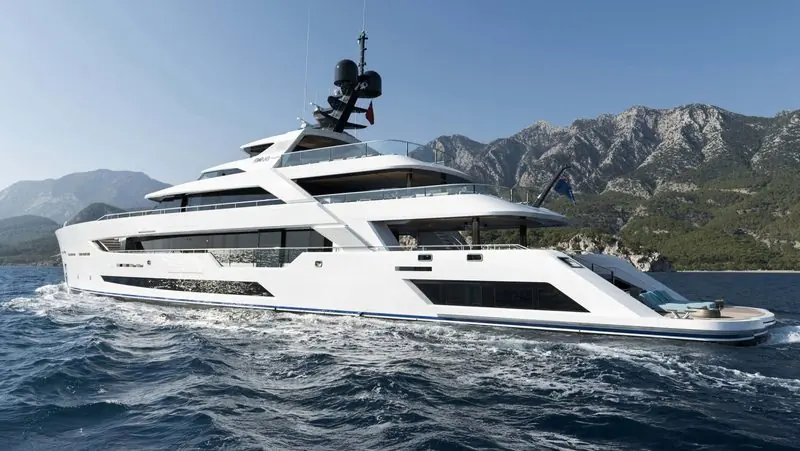
Sessantacinque anni in una cittadina frisone, e lo studio che ha dato il nome allo yacht da esplorazione oggi ne vara uno che non imbarca carburante.
Che cosa è lo studio oggi
Nello studio di Sneek lavorano una quarantina tra progettisti, ingegneri e architetti navali, guidati dai co-direttori creativi Bart M. Bouwhuis e Marnix J. Hoekstra. L'archivio, per conto dello studio stesso, arriva a più di ottomila progetti, tra superyacht, unità commerciali, tender e barche di serie. Pochissimo di quel lavoro è famoso. Gran parte è l'ingegneria silenziosa che tiene un cantiere nei tempi.
L'ufficio è stato tra i primi ad adottare la progettazione assistita da computer e poi i file CNC mandati direttamente al costruttore, ed è la ragione per cui un piccolo studio olandese è riuscito a servire cantieri in diversi Paesi. Per un armatore l'effetto pratico è che una sola società può portare un progetto dal primo schizzo ai file di produzione. Non c'è nessun passaggio di consegne tra chi lo ha disegnato e l'ingegnere che deve farlo funzionare.
Al Waab e la linea delle 500 tonnellate
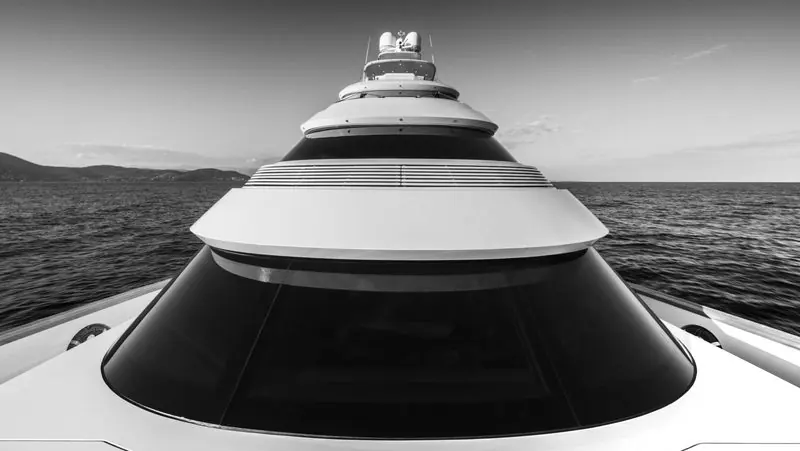
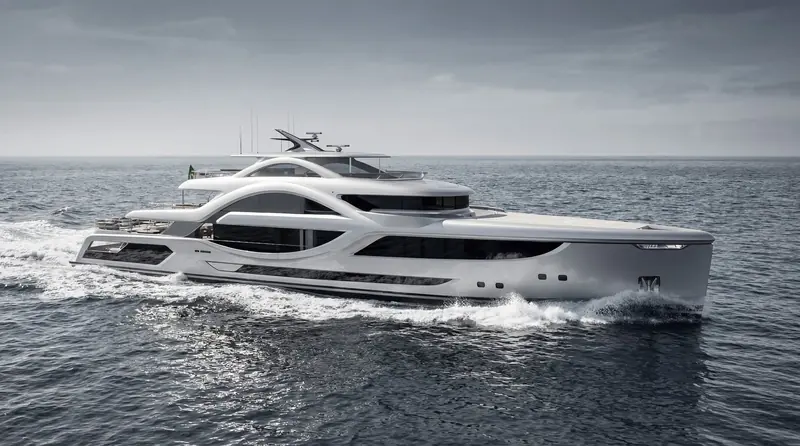
Al Waab, 55 metri, è stato consegnato da Alia Yachts ad Antalya nel 2021 dopo due anni di costruzione. Il numero interessante non è la sua lunghezza. Vripack lo ha tenuto sotto le 500 GT, che è la soglia oltre la quale gli obblighi di equipaggio, certificazione e gestione salgono nettamente.
Cinquantacinque metri sotto le 500 GT sono difficili ed è il tipo di problema che uno studio con gli architetti navali nell'edificio riesce davvero a risolvere. La barca ha vinto diversi premi ed è seguita una gemella, Al Waab II. Per un armatore il ritorno è uno yacht che sembra e si vive come un 55 metri e che va con un equipaggio più piccolo e un carico normativo più leggero. Quella differenza compare nel budget annuale in ogni anno di proprietà.
Special One, e i brief che nessun altro vuole
Special One, 52 metri, è stato consegnato da Royal Huisman nel 2024 ed è il più grande vero sportfisher mai costruito. Ha sei ponti ed è costruito in alluminio Alustar per contenere il peso. Ha debuttato al Monaco Yacht Show del 2024.
Uno sportfisher di quella dimensione non è la versione ingrandita di qualcos'altro. Il pozzetto da pesca, la torretta, la distribuzione dei pesi e la velocità richiesta tirano tutti contro il volume che un armatore si aspetta a 52 metri. Vripack ha una lunga tradizione nel prendere brief che non stanno in nessuna categoria esistente e nel farli funzionare. Gli armatori con un'esigenza fuori dall'ordinario tendono ad arrivare qui dopo che altrove è stato detto loro che non si può fare.
Project Zero
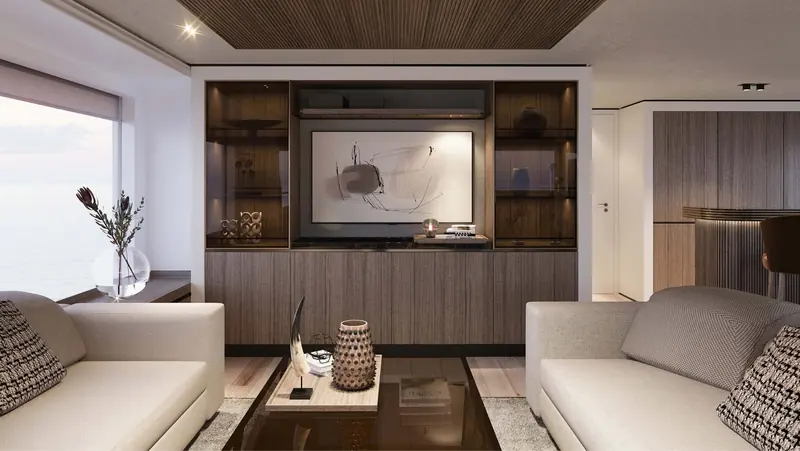
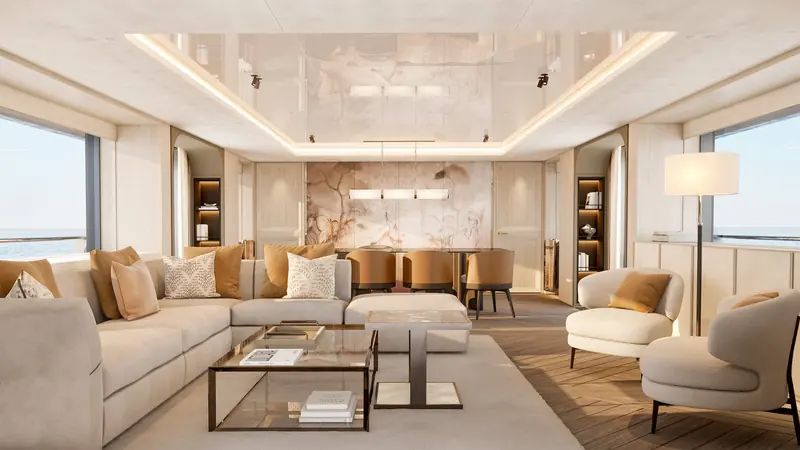
Project Zero è uno yacht a vela di 68,9 metri costruito da Vitters a Zwartsluis, varato il 10 luglio 2026 e progettato per operare senza combustibili fossili. Vripack ne ha disegnato l'esterno e l'interno. Dykstra Naval Architects ha curato il progetto tecnico dello scafo ed Emirates Team New Zealand ne ha affinato le prestazioni di carena. La barca è stata commissionata da Foundation Zero, che pubblica apertamente i dati tecnici.
Porta circa 100 metri quadrati di pannelli fotovoltaici e termici sui bimini, rigenera elettricità attraverso le eliche mentre naviga a vela e fa girare tutto su una rete in corrente continua a 700 volt. L'obiettivo dichiarato è fino a due settimane di navigazione con la sola energia rinnovabile. Ci sono voluti sette anni di sviluppo e più di 60.000 ore di ricerca. A luglio 2026 è in prove in mare, e qualunque cosa dimostri sarà pubblica.
Come un armatore lavora con lo studio
Vripack parte da come un armatore intende vivere sull'acqua e torna indietro fino alla barca. Lo studio produce poi l'esterno, la disposizione generale, l'interno e l'architettura navale, e può arrivare fino all'ingegneria e ai file di produzione su cui il cantiere costruisce. Su un progetto custom dai 50 metri in su la fase di progettazione e ingegneria dura molti mesi prima che si tagli acciaio o alluminio.
La differenza è il punto unico di responsabilità. Nella maggior parte dei progetti un armatore nomina un designer di esterni, uno d'interni e un architetto navale e poi passa quattro anni a far combaciare tre serie di disegni. Qui tutto questo sta in un solo ufficio. L'armatore ha comunque bisogno di un supervisore di costruzione indipendente, perché un progettista che porta anche l'ingegneria non è il soggetto giusto per controllare il cantiere.
Quanto costa, e dove si ferma lo studio
Poiché Vripack vende un perimetro più ampio di una casa di styling, la sua parcella copre di più ed è quotata in modo diverso. Il lavoro di progettazione si paga per fasi, con ingegneria e disegni di produzione prezzati sul volume di lavoro che il cantiere davvero richiede. Su un progetto custom di 50 metri il totale arriva alle sette cifre, e sostituisce parcelle che un armatore altrimenti pagherebbe a due o tre altre società.
Lo studio non costruisce e non supervisiona la costruzione per conto dell'armatore. E non gestisce nemmeno l'iter di classificazione, che appartiene al cantiere e all'ente. L'armatore dovrebbe trattare il contratto di progettazione e il contratto di costruzione come due documenti separati con rimedi separati, e dovrebbe leggere che cosa lo studio abbia davvero garantito.
Riconoscimenti, e a chi non serve
Vripack ha preso premi di design per superyacht negli anni 2010 e 2020, e Al Waab ne ha raccolti diversi dopo la consegna del 2021. La statura di Boon come padre dello yacht da esplorazione è la credenziale più duratura. I premi spostano una barca alla rivendita di un margine piccolo e dicono a un armatore che degli specialisti difenderebbero quel lavoro.
Questo studio non fa per l'armatore che vuole una dichiarazione di moda o un nome che impressioni a una cena a Monaco, dato che lo studio è deliberatamente defilato. Negli ultimi anni non ha lavorato molto sopra i 70 metri, quindi chi commissiona a 100 metri troverà altrove portfolio più profondi. Anche chi ha come brief una convenzionale barca mediterranea con flybridge qui è sovraservito, perché il valore dello studio si vede sui lavori difficili.
Under 500 GT is a resale feature, not a design opinion
A Vripack boat sells on things that survive a change of taste, which is a rarer quality than it sounds. A hull kept below 500 GT carries a lighter regulatory and crewing burden for whoever owns it, and that shows up in an operating budget every year rather than in a photograph. Expedition capability is the same kind of asset. Range, tankage, tender handling and the ability to leave the Mediterranean are capabilities a second owner either wants or does not, and if he does, there are not many boats that have them. The design is not asking him to share an aesthetic. It is offering him a specification.
The offsetting weakness is the shallow buyer pool at the top of the studio's range and the absence of a name that impresses at a Monaco dinner. Ocean Independence, on 11 May 2026, puts builder pedigree and specification ahead of cosmetic detail in what holds value, which favours this work, but a boat with an unusual brief still needs the buyer who had that brief. Special One, the largest sportfishing yacht built, is the extreme case: a superb object with a buyer pool that could be listed on one page. An owner with an awkward brief should commission it and should plan to keep it.
Informazioni pratiche
| Design fee | Charged against project stages, with engineering and production drawings priced by the volume of work the yard needs rather than a flat percentage; the wider superyacht market band for reference is 1-5% of build cost for the designer plus 2-4% for project management, both outside the yard price (SuperYachtReview 2026 price guide, updated March 2026) |
|---|---|
| What is NOT included | Construction supervision on the owner's behalf and classification management - both are separate appointments with separate remedies, not part of the design scope |
| Recent yards worked with | Alia Yachts, Royal Huisman, Vitters, Moonen - useful as a cross-check when choosing a builder for a Vripack design, since the studio has an established working relationship with each |
| What to check before commissioning | Ask specifically how much of the design brief depends on heavy glazing or an unusually slender hull section, since both have been named by Vripack's own team and by a build partner as sources of real cost or layout compromise on delivered projects |
| Design process an owner should expect | On recent large projects Vripack has visited owners' homes before drawing interiors and used VR walkthroughs for layout and sightline sign-off ahead of construction, rather than relying on renderings and 2D plans alone |
Cosa riferiscono armatori ed equipaggi
Delivered owners describe the priority as home first, yacht second
Handing over Al Waab after two years at Alia Yachts, the owner's own account of the brief was that he wanted a customised yacht that feels modern, fresh and, most importantly, like a home - comfort, space, luxury, privacy and stability at sea ranked ahead of styling for its own sake, and Vripack used VR walkthroughs from the owner's home in the Middle East to confirm layout and sightlines before steel was cut.
Al Waab owner, quoted by Boat InternationalVripack's own designer names the real trade-off behind a slender hull
Explaining the design logic on Al Waab, co-creative director Bart Bouwhuis said a slender hull buys propulsion efficiency and comfort at sea, but the compromise is that the owner has to walk down a couple of steps to reach the suite bathroom - a specific, acknowledged cost of the hull-shape decision rather than a hidden one.
Bart Bouwhuis, Vripack co-creative director, quoted by Boat InternationalThe yard building the design reports genuine construction difficulty from the amount of glazing Vripack specified
Alia's own project manager said the first problem on his mind was how to route pipes and cables through the structure, and that the volume of glass Vripack's design called for did not make it easier - a build-side account of what an ambitious exterior costs the yard, not just the owner.
Elkin Yildirim, Alia Yachts project manager, quoted by Boat InternationalEven Vripack's own team was not sure the fossil-free target on Project Zero was achievable at first
Co-creative director Marnix Hoekstra said the studio's early analysis indicated only around two days of fossil-free autonomy was realistic against a 14-day target, and that the 14-day goal appeared unrealistic for a significant period of the project before the team found the combination of systems that closed the gap.
Marnix J. Hoekstra, Vripack co-creative director
Cosa convince e cosa va valutato
Punti di forza
- Every discipline under one roofExterior design, interior design, naval architecture and engineering all sit inside the same 40-person studio, which is rare among yacht designers and removes one layer of coordination an owner would otherwise have to manage between separate firms.
- A genuine research process behind ambitious briefs, not just stylingOn Project Zero, the studio's own account is that it did not know the 14-day fossil-free target was achievable when it started, and worked from an early two-day estimate to a delivered 70-metre sailing yacht built around the goal - evidence of engineering follow-through rather than a rendering exercise.
- Owner-led process backed by VR, not just presentation boardsOn Al Waab, Vripack visited the owner's home before drawing the interior and used VR walkthroughs so the owner could judge sightlines and space planning from the Middle East before construction - a working method the owner himself credits for the result feeling like home rather than a showroom.
Da valutare
- Slender-hull styling carries a stated day-to-day costVripack's own co-creative director says plainly that the efficiency and comfort of a slender hull on Al Waab comes at the cost of the owner walking down steps to reach the suite bathroom - a real layout compromise the studio names rather than hides.
- Heavy glazing pushes real construction difficulty onto the yardAlia's project manager named routing pipework and cabling through the structure, made harder by the amount of glass specified, as the first challenge his team faced building Al Waab - a cost the design imposes on the build side, separate from anything the owner sees.
- The studio does not supervise construction or run classificationThose are separate appointments with separate remedies - an owner who assumes Vripack is managing the yard on their behalf needs to check the contract, because it is not automatically part of the design fee.
A chi si rivolge: Gli armatori con un brief scomodo, un programma di esplorazione o un vincolo di stazza, che vogliono progettazione e ingegneria da un solo ufficio.