Bitter End Yacht Club (Virgin Gorda, BVI)
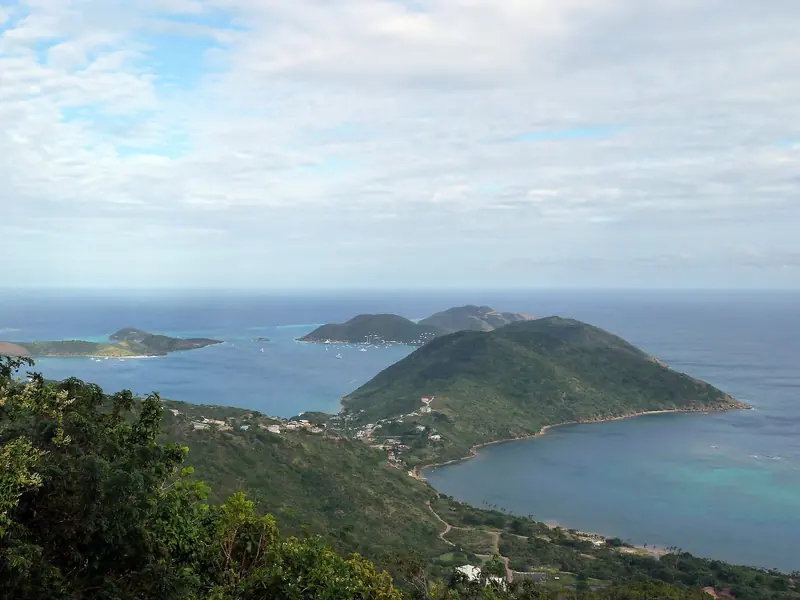
| Location | North Sound, the northeastern anchorage of Virgin Gorda, British Virgin Islands |
|---|---|
| Founded | 1969, by charter skipper Basil Symonette, a dock and a few simple cottages |
| Ownership | sold to Myron and Bernice Hokin in 1973, who built it into the resort that stood until 2017 |
| Destroyed | 6 September 2017, by Hurricane Irma, with further damage from Hurricane Maria days later |
| Rebuilt and reopened | December 2021, as a full redesign rather than a repair |
| Marina | 26 deep-water slips for yachts up to 240 feet (73 metres), on about a quarter mile of dockage, most berths in 10 feet or more of water |
| Moorings | 72 mooring balls, described by the club as free from surge |
| Electrical service | 110V and 220V, single phase, at 30, 50 and 100 amp |
| Rates published by the club | mooring balls USD 30 a night; catamaran slips USD 2.00 to 2.50 a foot a night; open tenders USD 1.00 a foot a night |
| Reservations | slips bookable up to 6 months ahead through [email protected]; a limited number of moorings can also be reserved in advance |
| VHF | hail on channel 16 on approach |
| North Sound | a natural harbour of close to 2,000 acres, enclosed by a reef system and a ring of islets |
A Storm Erased It, and the Rebuild Started From Nothing
Irma's eyewall crossed the Virgin Islands as a Category 5 storm and, days later, Hurricane Maria added further damage to what was left. Coverage from the period describes the resort as flattened rather than merely damaged: docks, cottages and the marina infrastructure the Hokin family had built up since 1973 were gone. For four years North Sound's most storied address was a construction site rather than a destination.
What reopened in December 2021 was not a like-for-like rebuild. The marina came back with more berths in deeper water, upgraded single-phase electrical service to 100 amp, and a resort built around the same boating culture but with modern hospitality behind it. An owner who knew the old Bitter End should expect a different physical property standing on the same water, not a restoration.
From a Charter Skipper's Dock to a Caribbean Institution
The Hokins were regular visitors before they became owners, which is part of why the club's culture stayed built around sailors rather than resort guests generally. Their four-decade stewardship turned a working dock into one of the reference names in Caribbean yachting, known as much for its sailing school and regattas as for its beds.
That history is why the 2017 loss registered as more than one resort closing. Bitter End was, for two generations of Caribbean sailors, one of the fixed points a season was planned around, and its absence was felt across the BVI charter fleet for the four years it stood closed.
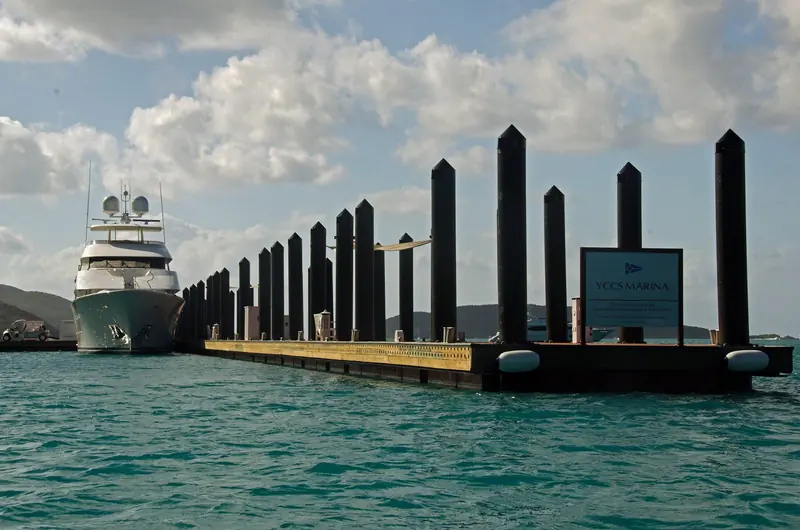
A storm erased Bitter End in an afternoon. The reef around North Sound is why owners came back to rebuild it rather than start somewhere else.
26 Slips, 72 Moorings, and a Reef That Does the Real Work
Most slips sit in 10 feet or more of water, enough for genuine megayacht draught, and the marina is explicitly designed to take large sail and power yachts alongside the catamaran fleet the BVI charter trade runs on those docks day to day. The 72 moorings are the more typical way most visiting yachts actually use North Sound: not every boat that anchors here books a slip, and the mooring field is large enough that the anchorage rarely feels crowded even in season.
What makes the numbers work at all is the reef. North Sound is close to 2,000 acres of water enclosed by a ring of islets and reef that breaks the Atlantic swell before it reaches the anchorage, which is why a basin this large can still deliver calm, surge-free holding for boats on both the slips and the moorings. Sailing histories of the BVI trace visitors to this same water back to Sir Francis Drake and Sir John Hawkins, well before it was a yacht club at all; the shelter that drew them in the age of sail is the same shelter the marina's numbers depend on now.
What a Berth Actually Costs
The published tariff is built around the BVI charter fleet's own vessel mix, catamarans and tenders, rather than around megayachts specifically, which is consistent with a marina whose primary trade is bareboat and crewed charter traffic rather than private superyachts on tour. An owner with a large monohull or motor yacht should expect a direct quote rather than a public number.
Reservations open six months out through the club's own dockmaster contact, and only some of the 72 moorings can be booked in advance at all, which is the clearest signal in the club's own materials that space genuinely runs short in peak season rather than being a formality. North Sound also sits on established BVI bareboat and crewed charter routes, so a private slip booking here is competing for space with the same charter fleets that made the wider Virgin Gorda anchorage famous, not with private megayachts alone.
What the Dock Actually Supplies
The 100 amp service is new to the 2021 rebuild and reflects the larger yachts the marina was redesigned to take. Because Bitter End is only reachable by water, everything a crew needs for a stay is either on the property or a tender ride away across North Sound to one of the other resorts and marinas that share the same anchorage, Biras Creek among them.
That water-only access is also part of the appeal for owners who use it: there is no road in, so the marina and its guests are genuinely isolated from mainland Virgin Gorda in a way a car-accessible marina cannot replicate. Provisioning and any parts or technical support still have to be planned around that isolation, since nothing arrives by road and a supply run means a boat trip out and back.
Sharing the Sound With Biras Creek and the Rest of North Sound
This matters practically: a yacht too large or simply not booked in at Bitter End's own slips can still use North Sound and reach Bitter End's beach, restaurants and dive shop by tender. The Sound functions less like a single marina and more like a small cluster of properties sharing one exceptional piece of water.
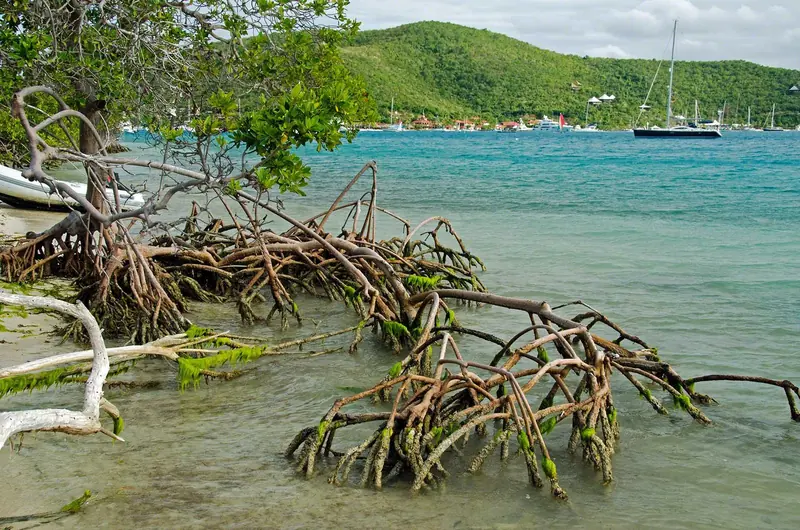
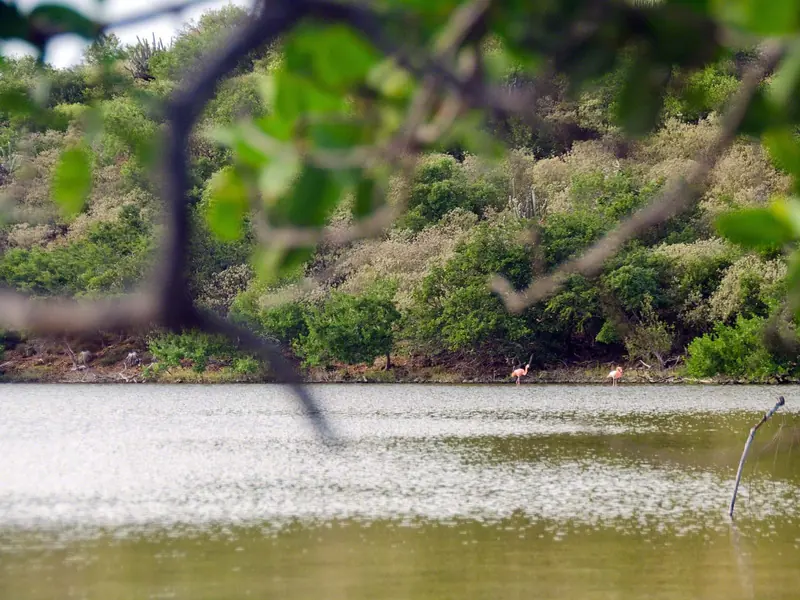
Prickly Pear Island, one of the small islands helping enclose the Sound, is itself a nature reserve with mangroves and a resident flamingo population, and Bitter End's own excursions make use of it. An owner who thinks of this as a marina booking rather than a whole anchorage with several things to do in it is underusing the destination, since a tender ride of a few minutes reaches a genuinely different property, beach or reef without ever leaving the shelter of the same reef ring.
Clearing In, Since North Sound Has No Customs Post of Its Own
Spanish Town's customs office, next to Virgin Gorda Yacht Harbour, is open daily from 08:30 to 19:00 and Saturday mornings to 13:00, and is the practical BVI port of entry for a yacht basing itself in North Sound afterward. That is a genuine planning point missing from most write-ups of the club itself: the resort and marina are the destination, but the paperwork happens a boat ride away at the other end of the island first.
Crews who already hold BVI clearance from another port of entry, Road Town or West End on Tortola among them, do not need to re-clear on reaching North Sound. For a first arrival into the territory, Spanish Town is the closest option to Bitter End and should be built into the passage plan rather than treated as a formality on arrival. A yacht arriving from the US Virgin Islands or from further down the Leewards should build in the extra hour or so of passage time from Spanish Town round to North Sound after clearing, rather than assume the two happen in the same stop.
The Honest Downside
Everything at Bitter End is four years newer than an owner who remembers the old resort might expect, and the culture, while still built around sailing, now sits inside a more conventional luxury-resort operation than the informal institution the Hokins ran for decades. Access by water only is a feature for some owners and a genuine inconvenience for guests who are not comfortable with tenders in a swell.
And the marina's own published tariff structure, built around catamarans and tenders, leaves an owner of a large monohull or motor yacht without a public number to plan against, unlike a European marina that prints a rate for every length band. Hurricane risk has not gone away either: this is the same reef-protected water that did not save the old buildings from wind, only from sea. An owner basing a yacht here in season should have a hurricane plan that does not assume the anchorage itself is the plan, and should treat the six-month booking horizon on slips as a sign to plan a North Sound season early rather than as marketing.
A terra, accessi e prenotazioni
| Getting there | Virgin Gorda's own airport (Taylor's Field, TUPJ) or a ferry and road transfer from Tortola's Beef Island airport are the usual routes in; North Sound itself is reached by water, with Bitter End accessible only by boat from within the Sound. |
|---|---|
| Arriving by sea | Hail Bitter End on VHF channel 16 on approach. North Sound is entered between Necker Island and Prickly Pear Island to the west or through the wider eastern approach; the reef ring means a careful entry rather than an open run in. |
| Reserving a berth | Slips are bookable up to six months in advance through the dockmaster at [email protected] or the club's own booking engine. A limited number of the 72 moorings can be reserved ahead of arrival; the rest are available on the day, subject to space. |
| What it costs | Published 2026 rates: moorings USD 30 a night; catamaran slips USD 2.00 to 2.50 a foot a night; open tenders with no onboard accommodation USD 1.00 a foot a night. Monohull and larger-yacht slip rates are quoted directly by the dockmaster rather than published for every category. |
| Services on the dock | 110V and 220V power at 30, 50 and 100 amp single phase, fresh water, ice and private dockside bathrooms and showers. A fuel dock serves the marina; a dive shop, beach amenities and the resort's restaurants are on site. |
| What is not published | The club does not publish a rate for monohull or superyacht-length slips on its public tariff, only the catamaran and tender bands; a larger yacht should expect to negotiate a rate directly with the dockmaster rather than find one online. |
Cosa riferiscono armatori ed equipaggi
North Sound's reef is repeatedly named as the reason this anchorage holds boats other Caribbean sounds cannot
Cruising guides and sailing writers describe the reef necklace around North Sound as breaking Atlantic swell before it reaches the anchorage, leaving a calm basin with solid holding even when conditions outside are rough. That is also why the marina itself was rebuildable at all after 2017: the shelter that failed to save the old buildings from wind still protects boats from sea state.
American Sailing, and the Online Cruising Guide's entry for the anchorageThe 2021 rebuild is described as a full redesign, not a repair
Coverage of the reopening describes new dock facilities, upgraded electrical service and a rebuilt beach and hospitality footprint, distinct from a patch-up of what Irma destroyed. The property markets itself now as a resort with a boating theme rather than purely a yacht club, which shapes what a crew should expect ashore.
Cruising World's coverage of the reopeningSlip demand is planned around a 6-month booking horizon, not a walk-up basis
The club's own reservation system opens slip bookings six months out, and only a limited number of moorings take advance reservations at all, which crews should read as a sign that space is genuinely finite in season rather than a formality.
Bitter End Yacht Club's own marina reservations page
Cosa convince e cosa va valutato
Punti di forza
- One of the best-protected large anchorages in the CaribbeanAlmost 2,000 acres enclosed by a reef ring that breaks Atlantic swell before it reaches the boats.
- A genuine post-2021 rebuild, not a patch-upNew docks, deeper-water slips and 100 amp service replaced what Irma destroyed.
- Real megayacht capacity on the slipsUp to 240 feet, most berths in 10 feet or more of water.
- Water-only access keeps it genuinely isolatedNo road in; the whole property is reached by boat, which is part of the draw for owners who want that.
Da valutare
- No published rate for a monohull or superyacht slipThe public tariff covers only catamarans and tenders; anything larger needs a direct quote.
- Only some of the 72 moorings take advance reservationsPeak-season space is genuinely finite, by the club's own booking rules.
- Still hurricane countryThe reef protects from sea state, not from wind; the 2017 loss is a standing reminder.
- A more conventional resort than the institution some owners rememberThe 2021 rebuild reads as a luxury-resort operation with a boating theme, not a repair of the old informal club.
A chi si rivolge: An owner or charter crew who wants one of the Caribbean's best-sheltered anchorages, is comfortable reaching a marina only by water, and does not need a monohull rate printed on a public tariff before calling.