Marlin Marina (Cairns)
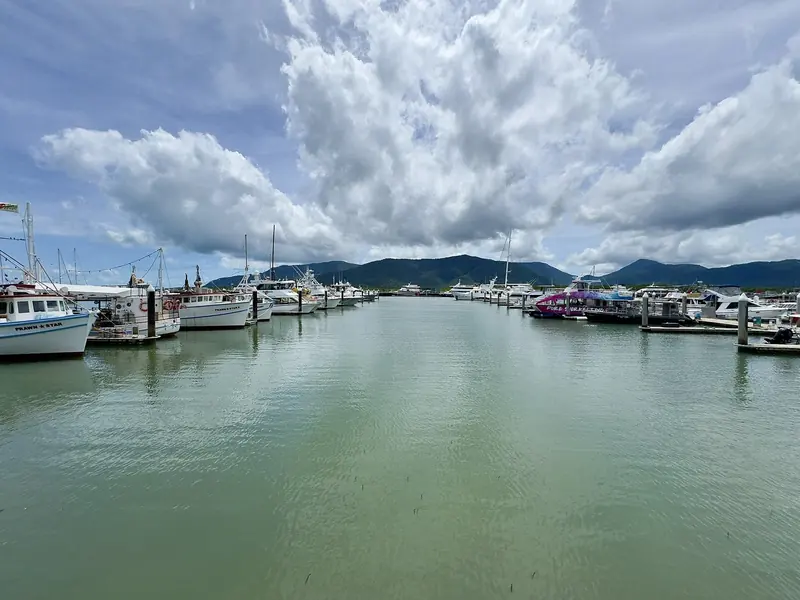
| Posizione | 1 Spence Street, Cairns, Queensland 4870, in Trinity Inlet, a circa 16 55,5 S 145 47 E, 1.750 km a nord di Brisbane e 11 km a ovest di Cape Grafton |
|---|---|
| Gestore | Far North Queensland Ports Corporation Ltd, che opera come Ports North, società portuale di proprietà del governo del Queensland |
| Ormeggi | 261 dichiarati da Ports North; 264 secondo la Super Yacht Group Great Barrier Reef; Maritime Safety Queensland indica 217 posti sui pontili galleggianti fino a 80 m più 30 posti per la flotta della barriera più 10 posti per superyacht |
| Unità accolte | superyacht fino a 140 m fuori tutto e 6,5 m di pescaggio. Fino a 60 m si ormeggia sui pontili galleggianti; da 60 m a 140 m si va in banchina lungo il molo fisso di Sailfish Quay |
| Avvicinamento | canale dragato lungo circa 13 km e largo 90 m con 8,3 m sulla minima marea astronomica, imboccato a circa 10 km a ovest di Cape Grafton, con il piano di pilotaggio del porto che fissa il franco minimo sotto la chiglia a 0,9 m oppure al 10 per cento del pescaggio, quale dei due sia maggiore, nel caso generale in canale |
| Maree | semidiurne. Alta marea media sizigiale 2,67 m, bassa marea media sizigiale 0,82 m, escursione media di sizigia circa 1,85 m, massima marea astronomica 3,57 m, tutte sopra lo zero della minima marea astronomica (piani di marea semidiurni di Maritime Safety Queensland) |
| VHF | canale 16, nominativo Marlin Marina, per la marina. Cairns VTS ascolta di continuo il VHF 12 e il VHF 16 e sorveglia il passaggio |
| Pilotaggio | obbligatorio per legge federale per ogni unità di 70 m o più nelle aree di pilotaggio designate della Grande Barriera Corallina, compresa la rotta interna da Cape York verso sud fino alla latitudine 16 39,91 S. Le unità sopra i 50 m partecipano al Reef VTS |
| Corrente di banchina | acqua e corrente a 15 ampere su tutti i posti, trifase fino a 200 ampere solo su posti selezionati |
| Voce elettricità, tariffario 2026-2027 | 242,43 AUD al giorno GST inclusa per ogni presa trifase e 83,12 AUD al giorno per ogni presa monofase, entrambe qualificate come se disponibile. Acqua 4,18 AUD al chilolitro GST inclusa |
| Carburante | impianto gestito in licenza da Viva Energy, gasolio e benzina senza piombo, dalle 06:00 alle 11:00 e dalle 15:00 alle 18:00 sette giorni su sette, chiuso le quattro ore intermedie, prenotazione obbligatoria, VHF 16 nominativo Viva Energy. I posti per superyacht possono ricevere autobotti da 20.000 litri. Nessun prezzo pubblicato |
| Stato doganale | porto di primo ingresso. Rapporto di pre-arrivo all'Australian Border Force almeno 96 ore prima, clearance sanitaria del Department of Agriculture, Fisheries and Forestry all'arrivo |
| Rifiuti in quarantena | contributo minimo di raccolta 1.111,68 AUD GST inclusa per i primi 100 kg, poi 2,83 AUD al kg fino a 600 kg e 3,53 AUD al kg oltre |
| Esposizione ai cicloni | il Regional Harbour Master dispone la chiusura del porto e l'evacuazione della marina secondo il piano di contingenza per il meteo estremo di Maritime Safety Queensland; le unità vengono rimorchiate o assistite fino alle aree di riparo designate |
| Aeroporto | Cairns International, a una decina di minuti di strada. Fra i collegamenti internazionali diretti ci sono Singapore (Singapore Airlines, cinque alla settimana ad agosto 2026, giornalieri da dicembre), Osaka Kansai e Tokyo Narita (Jetstar, tutto l'anno), Port Moresby, Auckland, Christchurch, Bali e Figi, più un servizio stagionale per Hong Kong. Nessun volo diretto per l'Europa o il Nord America, ma Singapore si raggiunge con uno scalo e senza tratte domestiche |
| Refit | Tropical Reef Shipyard, nel Cairns Marine Precinct a cinque minuti, dichiara 3.000 tonnellate di alaggio su uno scalo a rotaia da 135 m. Uno shiplift da 5.000 tonnellate per unità fino a 120 m è proposto ma non costruito |
Che cosa è Cairns, e attorno a che cosa un armatore costruisce la stagione
Il porto di Cairns si trova 1.750 chilometri a nord di Brisbane e 11 chilometri a ovest di Cape Grafton, in un bacino naturalmente riparato formato da Trinity Inlet. Marlin Marina è al numero 1 di Spence Street, dentro il centro direzionale della città, a circa 16 gradi 55,5 primi sud e 145 gradi 47 primi est. La flotta della barriera, la flotta della pesca sportiva e il terminal crociere lavorano tutti sullo stesso specchio d'acqua. L'aeroporto internazionale di Cairns è a una decina di minuti di strada e il polo cantieristico e di refit a circa cinque. Nessun altro posto in Australia mette un superyacht così vicino insieme a una pista e alla barriera esterna.
La stagione è la ragione per essere qui, ed è corta. Da giugno a ottobre si apre la finestra affidabile: tempo asciutto, mare calmo, visibilità subacquea che viene comunemente indicata fra i 20 e i 30 metri, e agosto e settembre come il meglio del periodo. Le balenottere minori nane arrivano sui Ribbon Reefs a nord di Cairns in giugno e luglio, l'unico posto al mondo in cui si può nuotare con loro. Da novembre il quadro si rovescia. La stagione delle meduse va da novembre a maggio, con il peggio fra dicembre e marzo, la stagione delle piogge porta acqua e visibilità ridotta, e la stagione australiana dei cicloni va da novembre ad aprile con il rischio concentrato a nord di Townsville, vale a dire qui. Un armatore costruisce una stagione a Cairns attorno a cinque mesi asciutti e per gli altri sette porta la barca altrove, oppure la mette in sicurezza con molta cura.
Ports North, il conto degli ormeggi e la banchina per superyacht
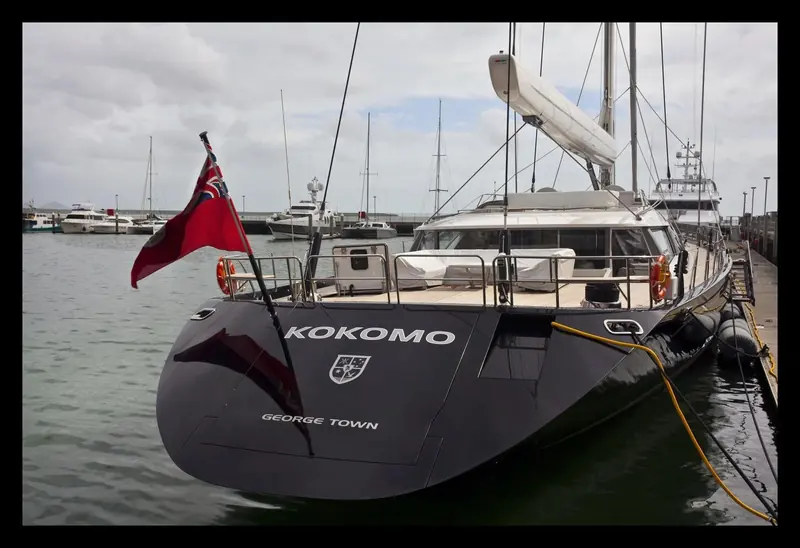
Il porto turistico è di proprietà di Far North Queensland Ports Corporation Ltd, che opera come Ports North e gestisce anche i porti di Cairns, Cape Flattery, Karumba, Mourilyan, Skardon River, Quintell Beach, Thursday Island, Burketown e Cooktown. È una società di proprietà pubblica, non un operatore di resort, e la marina è una parte operativa di un porto operativo. Ports North dichiara 261 ormeggi. La scheda della Super Yacht Group Great Barrier Reef ne indica 264. Le procedure portuali di Maritime Safety Queensland danno la ripartizione più utile delle tre: 217 posti sui pontili galleggianti per unità da pesca sportiva, immersioni, diporto e turismo fino a 80 metri, più 30 posti per la flotta della barriera e 10 posti per superyacht.
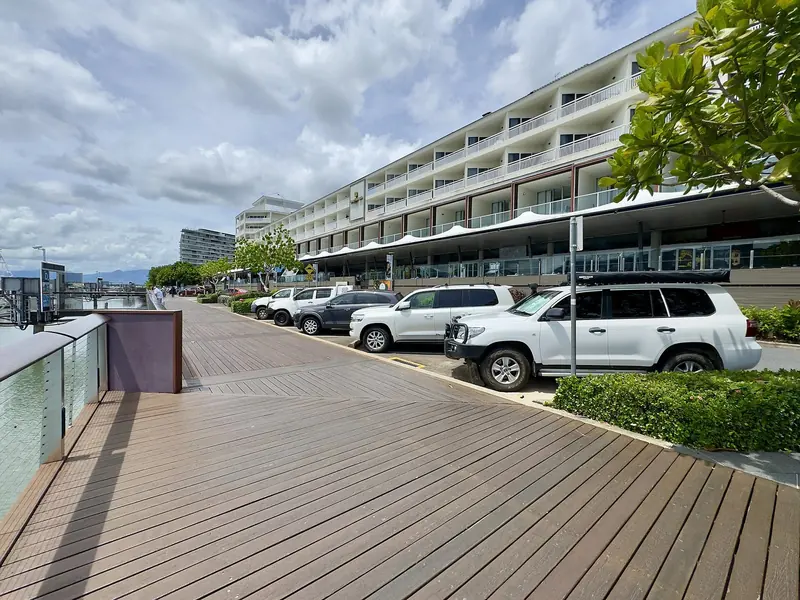
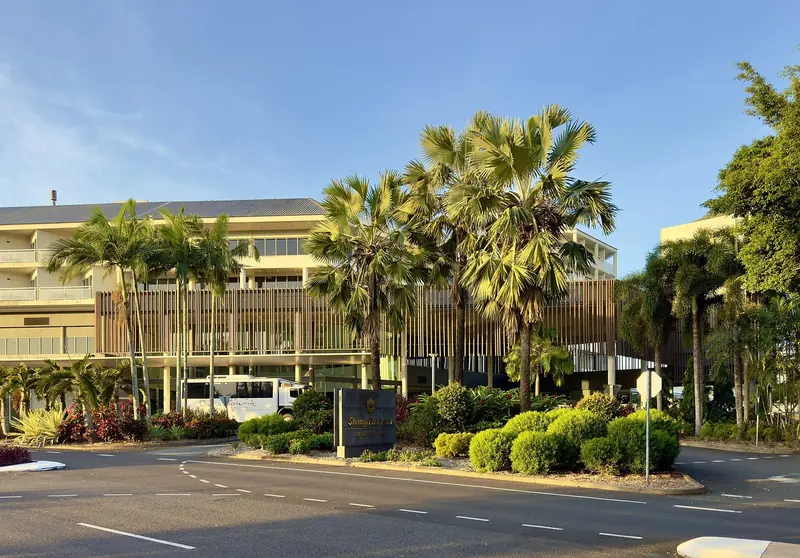
La sistemazione dei superyacht è la parte che conta ed è a due livelli. Le unità fino a 60 metri vanno sui pontili galleggianti. Quelle da 60 a 140 metri vanno in banchina lungo il molo fisso di Sailfish Quay. Il massimo pubblicato è 140 metri di lunghezza e 6,5 metri di pescaggio, più profondo di quanto Sanctuary Cove possa anche solo prendere in considerazione e più lungo di qualunque altro ormeggio di marina in Australia. La scheda della Super Yacht Group conta 12 posti per superyacht contro i 10 di Maritime Safety Queensland, quindi il numero esatto si muove a seconda di come viene suddivisa la banchina in giornata, e una barca grande dovrebbe farsi confermare l'assegnazione reale invece di fidarsi del dato di copertina. L'equipaggio parcheggia a fianco, e il centro direzionale di Cairns, l'Esplanade, il Pier Shopping Centre, lo Shangri-La, l'Hilton, il Pullman e il Reef Casino sono tutti a cinque minuti a piedi.
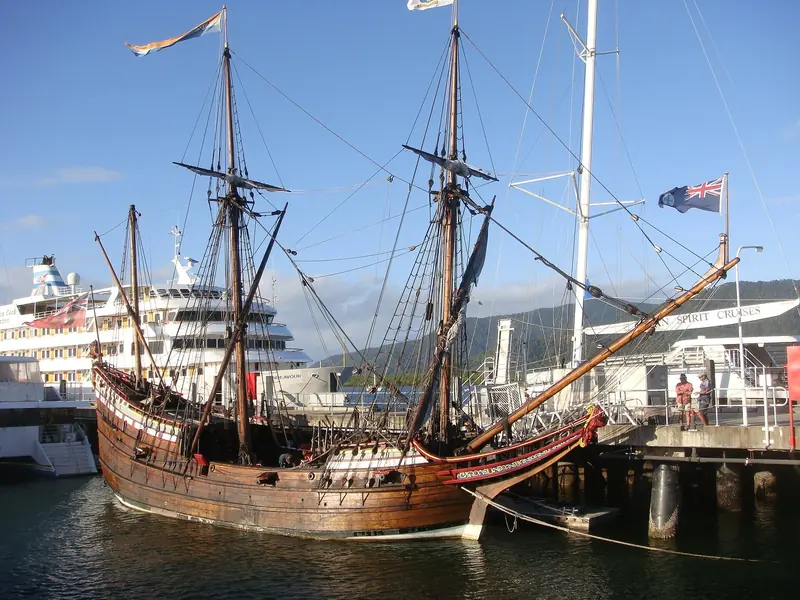
Ogni tariffa è pubblicata al centesimo, GST compresa, cosa che quasi nessun porto di questa guida riesce a fare; e la marina viene evacuata per ordine del capitano di porto abbastanza spesso perché il caso studio dell'impresa incaricata classifichi il lavoro come a ricorrenza annuale.
Il canale, la marea e il pilotaggio
L'accesso avviene attraverso un unico canale dragato che corre per circa 13 chilometri da un punto a circa 10 chilometri a ovest di Cape Grafton, largo 90 metri e con 8,3 metri sulla minima marea astronomica. È un vero canale di navigazione commerciale, ed è il motivo per cui uno yacht di 140 metri riesce ad arrivare fin qui. È stato allargato e approfondito con il Cairns Shipping Development Project, un programma del governo del Queensland dal costo fino a 127 milioni di AUD che ha dragato circa 800.000 metri cubi di fango e limo attraverso una condotta di otto chilometri verso un sito di riutilizzo a terra, ha costruito 30 nuove briccole su sei banchine vecchie di un secolo e ha chiuso i lavori di dragaggio nel marzo 2020 e quelli di banchina in aprile. Lo scopo dichiarato era far entrare in porto navi fino a 300 metri.
Percorrere il canale è un esercizio da porto, non da marina. Cairns VTS ascolta di continuo il VHF 12 e il VHF 16 e sorveglia il passaggio; la marina si chiama invece sul VHF 16 con il nominativo Marlin Marina. Il piano di pilotaggio fissa il franco minimo sotto la chiglia per classe di nave, e nel caso generale in canale si applicano 0,9 metri oppure il 10 per cento del pescaggio, quale dei due sia maggiore. Cairns è semidiurna: alta marea media sizigiale a 2,67 m, bassa marea media sizigiale a 0,82 m sopra lo zero della minima marea astronomica, escursione media di sizigia di circa 1,85 m e massima marea astronomica a 3,57 m sopra lo zero. Uno scafo profondo lavora quindi con la marea anche con 8,3 metri di fondale cartografato, ma l'escursione è minore di quanto la quota di copertina lasci pensare. In base alle regole della Grande Barriera Corallina, ogni nave di 70 metri o più deve imbarcare un pilota abilitato nelle aree a pilotaggio obbligatorio, e le unità sopra i 50 metri partecipano al Reef VTS.
Quanto costa un ormeggio, e perché è un fatto insolito
Ports North pubblica tutto, cosa che quasi nessun porto di questa guida fa. Lo Schedule of Charges dal 1 luglio 2026 al 30 giugno 2027 tariffa i posti piccoli per dimensione del posto e i superyacht al metro, e stampa per ogni riga sia l'importo al netto sia quello al lordo della GST. Per un posto standard le tariffe giornaliere in transito comprensive di GST sono 77,24 AUD per un posto da 10 metri, 92,32 AUD per 12 metri, 115,65 AUD per 15 metri, 156,01 AUD per 18 metri e 174,74 AUD per 20 metri. Con un contratto annuale gli stessi posti scendono a 44,01, 52,64, 65,91, 88,91 e 99,59 AUD al giorno. I multiscafi pagano un sovrapprezzo del 50 per cento. Per chi ha un posto annuale c'è un contributo di 34,84 AUD la settimana, GST inclusa, per l'uso abitativo di bordo.
Sopra i 20 metri la tariffa passa al metro al giorno con cinque durate: giornaliera, settimanale, di quattro settimane, semestrale e annuale. Le tariffe giornaliere in transito per i posti interni, GST inclusa, sono 13,13 AUD al metro da 20 a 25 metri, 16,43 AUD da 25 a 30 metri, 23,01 AUD da 30 a 35 metri e 25,62 AUD sopra i 35 metri. Con contratto annuale le stesse fasce scendono a 7,47, 9,37 e 13,08 AUD al metro al giorno, mentre la fascia più alta è indicata come prezzo su richiesta. In cifra tonda, uno yacht di 30 metri con contratto annuale alla tariffa dei posti interni costa circa 281 AUD al giorno GST inclusa, e uno di 40 metri in transito a tariffa giornaliera circa 1.025 AUD al giorno. Chi disdice entro le 24 ore dall'arrivo può vedersi addebitare da Ports North una giornata. Le fatture scadono a 30 giorni e le posizioni non pagate maturano il 12 per cento annuo calcolato per giorno, più una spesa amministrativa minima di 100 AUD in caso di recupero.
Carburante, corrente, acqua e le voci che colgono di sorpresa
L'impianto di rifornimento è gestito in licenza da Viva Energy, con gasolio e benzina senza piombo, aperto dalle 06:00 alle 11:00 e dalle 15:00 alle 18:00 sette giorni su sette. Resta chiuso quattro ore in mezzo alla giornata, che è esattamente la finestra in cui un comandante programmerebbe un rifornimento. La prenotazione è obbligatoria per ogni rifornimento, mentre il riempimento delle taniche va dalle 08:00 alle 08:30 tutti i giorni senza prenotazione. Viva risponde allo 0407 492 513 o sul VHF 16 con il nominativo Viva Energy. I posti per superyacht possono essere riforniti anche con autobotte da 20.000 litri, ed è così che la parte alta della flotta prende davvero carburante qui. Nessun prezzo alla pompa è pubblicato, né da Ports North né da Viva.
Corrente e acqua sono le voci su cui il conto sorprende. Tutti i posti hanno acqua e corrente a 15 ampere, con la trifase fino a 200 ampere soltanto su posti selezionati. Ports North fattura l'elettricità su due gambe, non su una. C'è un canone giornaliero di disponibilità per ogni presa, 242,43 AUD al giorno GST inclusa per la trifase e 83,12 AUD per la monofase, e in aggiunta una presa monofase fino a 15 ampere è compresa nel prezzo dell'ormeggio, mentre tutto ciò che supera i 15 ampere viene contabilizzato alle tariffe di Ergon Energy; il tariffario accompagna entrambe le voci con le parole se disponibile. L'acqua costa 4,18 AUD al chilolitro GST inclusa. La corrente contabilizzata viene letta alla partenza e fatturata a parte, quindi non si molla finché la lettura non è stata fatta. La voce che quasi nessun arrivo internazionale mette a budget è lo smaltimento dei rifiuti in quarantena: un contributo minimo di raccolta di 1.111,68 AUD GST inclusa che copre i primi 100 chilogrammi, poi 2,83 AUD al chilogrammo fino a 600 chilogrammi e 3,53 AUD al chilogrammo oltre. Tutto ciò che scende da uno yacht internazionale è rifiuto in quarantena.
Le pratiche di ingresso, la licenza charter e la scadenza che nessuno ha colmato
Cairns è porto di primo ingresso e gli arrivi internazionali si sdoganano qui. Il rapporto di pre-arrivo va depositato presso l'Australian Border Force almeno 96 ore prima, e all'arrivo va messa in conto la clearance sanitaria del Department of Agriculture, Fisheries and Forestry, con ispezione per parassiti del legno, alimenti e animali. È poi la Border Force, e non il comandante, a scegliere in giornata il regime di importazione: importazione temporanea fino a 12 mesi, un Control Permit valido solo per la navigazione da diporto, oppure l'importazione definitiva per il consumo interno con dazio e GST dovuti. L'importazione definitiva comporta un dazio doganale generale del 5 per cento sul valore in dogana e il 10 per cento di GST sul valore in dogana più trasporto internazionale, assicurazione e dazio. L'equipaggio ha bisogno di un visto Temporary Activity sottoclasse 408 ottenuto prima dell'arrivo. Ports North ormeggia solo unità con copertura assicurativa completa e vuole il certificato al check-in.
Il charter è la parte irrisolta. Lo Special Recreational Vessels Act 2019, approvato nel dicembre di quell'anno, consentiva ai superyacht di bandiera estera di aderire al regime del cabotaggio e di noleggiare in Australia con una Coastal Trading Temporary Licence, indicata con una tassa di domanda di 400 AUD, valida 12 mesi e rinnovabile, con la GST applicata al valore del noleggio e con l'obbligo per lo yacht di essere dichiarato per il consumo interno, di avere un Australian Business Number e di registrarsi ai fini GST. Il Department of Infrastructure, Transport, Regional Development, Communications and the Arts scrive sulla propria pagina dedicata al cabotaggio che la legge è decaduta il 30 giugno 2025. Yotters non è riuscita a stabilire da una fonte primaria che cosa l'abbia sostituita o se sia stata prorogata, e il materiale di settore continua a descrivere il meccanismo al presente. È la stessa lacuna che abbiamo segnalato a Sanctuary Cove e qui vale in modo identico. Se la stagione dipende dai ricavi da noleggio, fatevi mettere per iscritto la posizione attuale da un agente accreditato prima di impegnare un trasferimento.
Le regole del parco marino che un armatore in arrivo non sa di dover chiedere
Tutto quello che sta al largo del porto è Great Barrier Reef Marine Park, e le sue regole sono impostate sulla lunghezza dell'unità in un modo che nessun armatore mediterraneo si aspetta. La lunghezza fuori tutto, a questo fine, è il 110 per cento della certificazione di bordo libero della nave. Un superyacht commerciale, cioè uno che imbarca chiunque abbia pagato il passaggio o il noleggio, ha bisogno di un permesso per il parco marino, e la Reef Authority avverte che una domanda può richiedere fino a 50 giorni lavorativi a seconda della complessità. L'uso da diporto non richiede permesso, ma un superyacht da diporto immatricolato fuori dall'Australia ha bisogno di un Control Permit dell'Australian Border Force e deve consegnarlo alla Reef Authority per ottenere le credenziali che servono per prenotare gli ancoraggi. È una catena in tre passaggi e ogni passaggio ha i suoi tempi.
Poi mordono le fasce di lunghezza. Fino a 35 metri si può ancorare in tutte le località della Cairns Planning Area, purché si rispettino i limiti sulla dimensione del gruppo. Sopra i 35 metri e sotto i 70 si deve ancorare in ancoraggi designati con prenotazione, oppure restare fuori da una Location e sbarcare con il tender; e chi vuole un ancoraggio di cattivo tempo per venti settentrionali deve contattare in anticipo la Reef Authority, perché valgono requisiti speciali. Da 70 metri in su si è vincolati agli ancoraggi designati con prenotazione e si deve imbarcare un pilota abilitato nelle aree a pilotaggio obbligatorio, fra cui la rotta interna da Cape York verso sud fino alla latitudine di 16 gradi 39,91 primi sud, una linea che passa appena a nord di Cairns. Le zone di divieto di ancoraggio sono per lo più segnate con boe a piramide bianca e cartello blu, ma quelle di Cod Hole e Lizard Island, entrambe mete di primo piano a nord di qui, non lo sono.
La stagione dei cicloni, e dove finiscono le barche
Questo è il centro onesto della pagina. La stagione australiana dei cicloni va da novembre ad aprile e Cairns sta dentro il tratto di costa del Queensland in cui il rischio è reale. Marlin Marina è una marina galleggiante in un braccio di fiume, non un rifugio da ciclone. Quando un sistema minaccia, il Regional Harbour Master dispone la chiusura del porto e l'evacuazione della marina secondo il piano di contingenza per gli eventi meteorologici estremi di Maritime Safety Queensland, e le unità partono verso le aree di riparo designate lungo i canali di Trinity Inlet.
La descrizione più chiara di che cosa significhi in pratica arriva da North Marine, l'operatore di Cairns incaricato di eseguirla. Il suo caso studio dice che fornisce assistenza all'evacuazione della marina nel porto di Cairns in caso di maltempo previsto, cicloni tropicali e chiusure del porto disposte dal Regional Harbour Master; che, ricevuta la disposizione di evacuare la Cairns Marlin Marina, i suoi mezzi da lavoro e i suoi equipaggi rimorchiano le unità senza persone a bordo e assistono quelle che si muovono con i propri motori fino all'area di riparo designata; che le unità vengono riormeggiate appena consentito; e che ispeziona e mantiene i corpi morti esistenti e ne installa di omologati per ciclone in preparazione. La riga di quel documento che un armatore dovrebbe leggere due volte è il campo della data, dove c'è scritto ricorrenza annuale. Un armatore assente ha bisogno di un accordo permanente con un operatore, di un corpo morto omologato per ciclone già prenotato e di un'assicurazione che abbia letto lo stesso documento.
La questione del cantiere, e in che cosa questo posto differisce da Sanctuary Cove
Cairns ha una vera industria nautica e un vero tetto. Tropical Reef Shipyard, nel Cairns Marine Precinct a cinque minuti dalla marina e accanto alla HMAS Cairns sul canale principale, dichiara 3.000 tonnellate di capacità di alaggio su uno scalo a rotaia da 135 metri, con banchine di allestimento in acqua profonda, e lavora per la difesa e per il commerciale oltre che per gli yacht. BSE Cairns Slipways gestisce sullo stesso polo un impianto completo di riparazione e refit. Sopra quel livello c'è un progetto e non un cantiere: Ports North cerca un partner che cofinanzi e costruisca una Common User Facility con uno shiplift da 5.000 tonnellate per unità fino a 120 metri, capannoni climatizzati per sabbiatura e verniciatura, una banchina in acqua da 100 metri e un piazzale; alla data in cui scriviamo è alla fase di manifestazione di interesse, non in costruzione.
Nel confronto con Sanctuary Cove lo scambio è netto e va in due direzioni. Cairns prende 140 metri contro i 150 piedi di Sanctuary Cove, pubblica ogni tariffa mentre Sanctuary Cove non ne pubblica nessuna, e mette la barca in un canale di navigazione con 8,3 metri d'acqua anziché in un fiume che il capitano di porto limita a 60 metri e valuta caso per caso sopra i 35. Sanctuary Cove ha due travel lift da 300 tonnellate e oltre 70 capannoni di refit entro un'ora e mezza dalla marina, un resort a cinque stelle, due campi da golf e diciannove ristoranti dentro il cancello, e sta a sud della parte peggiore della fascia ciclonica. Cairns ha un polo di impronta militare, eccellente sull'acciaio e sottile su vernici e interni da superyacht, una città invece di una tenuta fuori dal cancello e un piano di evacuazione che si attiva quasi ogni estate. In breve: si porta una barca grande a Cairns per la barriera e per una stagione asciutta, e la si porta sulla Gold Coast per il refit.
A terra, accessi e prenotazioni
| Getting there | Cairns International Airport is roughly ten minutes by road from the quay, which is the shortest airport transfer of any superyacht berth in Australia and one of the shortest anywhere. The airport has separate international and domestic terminals. Published direct international services include Auckland and Christchurch with Air New Zealand and Jetstar, Bali with Jetstar, Fiji with Fiji Airways and a seasonal Cathay Pacific service to Hong Kong; the domestic network covers Brisbane, Melbourne, Adelaide, Darwin, the Gold Coast, Newcastle and Townsville with Qantas, Virgin, Jetstar and Airnorth. What Cairns does not have is a direct service to Europe or North America. It does have Singapore Airlines non-stop to Singapore, five a week as at August 2026 and going daily from December, so a guest from London or Frankfurt routes through Singapore with no domestic sector at all. Jetstar flies non-stop to Osaka Kansai and Tokyo Narita year round, and Air Niugini to Port Moresby. Brisbane or Sydney is the alternative and does add a domestic leg. Build the connection into the schedule; it is the price of the ten-minute transfer at the other end. |
|---|---|
| Arriving by sea and berthing | Contact the marina office as soon as you know your arrival date, because only comprehensively insured vessels are permitted to berth at Ports North facilities and the berth has to be confirmed in advance. Call VHF channel 16 with the call sign Marlin Marina, or telephone +61 7 4052 3866, or email the marina. Have ready the vessel name, length overall, maximum draught and beam, arrival date, length of stay and ETA, the owner's or captain's name and contact details, and the comprehensive insurance details. The approach is the main shipping channel, about 13 km long and 90 m wide with 8.3 m at lowest astronomical tide, entered around 10 km west of Cape Grafton; Cairns VTS monitors it on VHF 12 and 16. Once secured, go to the Seaport Operations Office upstairs at the Reef Fleet Terminal, with the insurance certificate, to complete check-in. Check-out is 10:00, access cards and borrowed adaptors go back, and if you have used metered power the office must take a final reading before your invoice can close. |
| Clearing into Australia | Cairns is a first port of entry, which is a genuine advantage over the Gold Coast and Brisbane for a yacht arriving from Asia or the Pacific. Lodge a pre-arrival report with the Australian Border Force at least 96 hours before arrival and expect a biosecurity inspection by the Department of Agriculture, Fisheries and Forestry for timber pests, food and animals. The importation basis is chosen by the Border Force officer on the day and not by the captain: temporary importation for up to 12 months, a Control Permit for pleasure cruising only, or full importation with 5 per cent duty on the customs value and 10 per cent GST on customs value plus freight, insurance and duty. Crew need a subclass 408 Temporary Activity visa before arrival and guests need visitor visas. Budget for quarantine waste, which is charged at a minimum of AUD 1,111.68 including GST for the first 100 kilograms. |
| Reserving a berth | Bookings go directly to the Ports North Seaport Operations Office on +61 7 4052 3866 or by email, with an online marina booking form on the Ports North site. There are five commercial terms for anything over 20 metres, priced per metre per day and stepping down as you commit: daily casual, weekly, four-weekly, six-monthly and annual. Below 20 metres you book a berth size rather than a length, in 10, 12, 15, 18 and 20 metre berths, and a vessel between 20 and 24 metres may be permitted into a 20 metre berth subject to the approval of the General Manager Operations and a pro rata charge on its actual LOA. Superyacht allocations between the pontoons and Sailfish Quay depend on what else is in the marina, so confirm the actual berth rather than the maximum. Cancel within 24 hours of arrival without transferring the booking and Ports North may charge you the equivalent of 24 hours. |
| What a berth costs | All figures are from the Ports North Schedule of Charges for 1 July 2026 to 30 June 2027 and include GST. Standard berths, daily casual: AUD 77.24 for a 10 m berth, AUD 92.32 for 12 m, AUD 115.65 for 15 m, AUD 156.01 for 18 m, AUD 174.74 for 20 m. The same berths on an annual contract: AUD 44.01, AUD 52.64, AUD 65.91, AUD 88.91 and AUD 99.59 a day. Multihulls pay 50 per cent more. Live-aboard for annual berth holders is AUD 34.84 a week. Above 20 metres, daily casual inner-berth rates are AUD 13.13 per metre per day for 20 to 25 m, AUD 16.43 for 25 to 30 m, AUD 23.01 for 30 to 35 m and AUD 25.62 above 35 m; on an annual contract those fall to AUD 7.47, AUD 9.37 and AUD 13.08, with the top band on application. A 30 m yacht on an annual inner-berth contract is therefore about AUD 281 a day; a 40 m yacht taking a casual berth is about AUD 1,025 a day. Accounts fall due at 30 days and carry 12 per cent a year charged daily thereafter. |
| Fuel, power, water and the extras | The fuel facility is run under licence by Viva Energy, diesel and unleaded, 06:00 to 11:00 and 15:00 to 18:00 seven days a week, closed the four hours in between. Book every fill; jerry can fills are 08:00 to 08:30 daily without a booking. Viva answers VHF 16 as Viva Energy. Superyacht berths can be supplied by 20,000 litre road tanker. No fuel price is published. Water is AUD 4.18 per kilolitre including GST. Electricity is charged on two limbs: a daily availability charge per outlet, AUD 242.43 including GST for three phase and AUD 83.12 for single phase, both marked if available in the schedule, plus metered consumption at Ergon Energy tariff rates above the 15 amp single-phase allowance included in the berth fee, and all berths carry water and 15 amp power with three-phase to 200 amps on selected berths only. Other published charges include an amenity block access card at AUD 76.16 a week, AUD 203.17 a month or AUD 1,884.08 a year, a dinghy dock permit at AUD 28.88 a week or AUD 87.70 a month, a service provider access card at AUD 220.00 a year, and a car park bay at AUD 43.90 a day. |
| Reef permits, anchoring and the paperwork chain | Do this before you sail, not after. A superyacht carrying anyone who has paid for passage or charter is a commercial vessel in the Marine Park and needs a permit from the Reef Authority, which warns applications can take up to 50 business days. Recreational use needs no permit, but a foreign-registered recreational superyacht needs an Australian Border Force Control Permit and must supply it to the Reef Authority to obtain login details for online anchorage bookings, so the anchorage booking depends on a customs document that depends on your clearance. Overall length here means 110 per cent of the load-line certification. At 35 metres or less you may anchor at all locations in the Cairns Planning Area subject to group size limits. Over 35 metres you are into designated anchorages with a booking, and the Reef Authority asks large vessels to make contact in advance for bad weather anchorages in northerly winds. At 70 metres and over you need a licensed pilot in the compulsory pilotage areas. No-anchoring areas are marked with white pyramid buoys and a blue label, except at Cod Hole and Lizard Island, where they are unmarked. |
| Cyclone season and the evacuation | The Australian cyclone season runs November to April and Cairns is inside the exposed section of the Queensland coast. The marina is a floating marina in a river inlet and is not a refuge. Under the Maritime Safety Queensland extreme weather contingency plan the Regional Harbour Master directs port closure and marina evacuation, and vessels are moved to designated areas of shelter in the creeks of Trinity Inlet. North Marine, the Cairns operator engaged for the work, describes towing unmanned vessels and assisting those under power to their designated shelter, re-berthing them when permitted, and inspecting and installing cyclone-rated moorings beforehand; its own case study dates the service as annual recurring. If the yacht will be here between November and April, arrange the evacuation contract, the cyclone-rated mooring and the insurance position in the same conversation, and do it before the season rather than during it. |
| What is NOT published | Very little, which is what makes what is missing worth naming. No fuel price from Ports North or Viva Energy. No published maximum beam for the superyacht berths, and no berth-by-berth length schedule, so a large yacht confirms an allocation rather than reading one. No pump-out charge appears in the schedule. The annual rate table for superyachts is defective as printed: it lists the band greater than 30 metres to 35 metres twice, the second showing price on application where it plainly means greater than 35 metres. The superyacht rate table also prints two parallel sets of per-metre rates for every band and every term and labels only the first of them, as inner berths, leaving the cheaper second column unnamed in the document. The berth count is given three ways in three current sources. And, as at Sanctuary Cove, the charter framework is unresolved: the Special Recreational Vessels Act 2019 sunset on 30 June 2025 and Yotters could not source what replaced it. |
Cosa riferiscono armatori ed equipaggi
The regulator's own breakdown of what the marina actually holds
Maritime Safety Queensland's port procedures manual for Cairns describes the Marlin Marina complex, at the entrance to the harbour, as having a current capacity of 217 pontoon berths for game fishing, dive, recreation and tourist vessels up to 80 metres in length, as well as 30 reef fleet berths and 10 berths for superyachts. It also sets the context an owner should hold in mind: the port is 1,750 kilometres north of Brisbane, 11 kilometres west of Cape Grafton, and its main trade is petroleum, fertiliser, raw sugar and molasses, with a fleet of prawn trawlers moored for 94 vessels. This is a working commercial port that happens to have a superyacht quay in it.
Maritime Safety QueenslandEvacuating the marina is a recurring annual job, not an exceptional one
North Marine, the Cairns marine services operator engaged for the work, states in its own case study that it provides marina evacuation assistance in the Port of Cairns in the event of forecast severe weather, tropical cyclones and port closures directed by the Regional Harbour Master; that on the directive to evacuate Cairns Marlin Marina or other areas of the port its workboats and crew tow unmanned vessels and assist those under power to their designated area of shelter; that vessels are re-berthed in their usual location once permitted; and that it inspects and maintains existing moorings and installs cyclone-rated boat moorings in preparation. The document dates the service as annual recurring.
North MarineThe permit chain a foreign yacht has to walk, and the length bands behind it
The Reef Authority states that a commercial superyacht needs a Marine Park permit which can take up to 50 business days to process, that a recreational superyacht registered outside Australia needs a Control Permit from the Australian Border Force and must supply it to the Authority to obtain login details for anchorage bookings, and that overall length for these purposes is 110 per cent of the vessel's load-line certification. Above 35 metres a recreational superyacht must anchor in designated anchorages with a booking; above 50 metres it participates in Reef VTS; at 70 metres and over it must carry a licensed pilot in the compulsory pilotage areas, and the Authority asks large vessels to make contact in advance if they need bad weather anchorages in northerly winds.
Great Barrier Reef Marine Park AuthorityHow the superyacht berths are actually split
The Super Yacht Group Great Barrier Reef listing for the marina describes 12 berths to 140 metres and 6.5 metres of draught, with vessels up to 60 metres accommodated on floating pontoon and vessels from 60 to 140 metres alongside the fixed wharf at Sailfish Quay. It gives the shipping channel as 8.3 metres at lowest astronomical tide, 90 metres wide and 13 kilometres long, entered about 10 kilometres west of Cape Grafton; puts the refit precinct five minutes away and the international airport ten; and notes that superyacht berths can be reached by 20,000 litre fuel trucks and that water and 15 amp power are on all berths with three-phase to 200 amps on selected berths only.
Super Yacht Group Great Barrier ReefThe published tariff carries two defects an owner should read around
In the Ports North Schedule of Charges for 2026-2027, the annual rate table for non-commercial vessels and superyachts prints the band greater than 30 metres to 35 metres twice, the second instance carrying price on application where the sequence and every other table in the section indicate it should read greater than 35 metres. Separately, every rate tier in that section prints two parallel columns of per-metre rates and labels only the first, as inner berths, so the cheaper second set of positions is unnamed in the document. Neither error affects the rates that are labelled, and Ports North remains one of the few operators in this guide to publish anything at all, but confirm which column your berth falls in before you sign.
Ports NorthThere is very little independent owner reporting on this marina in public
Yotters found no user reviews for Marlin Marina on the mainstream cruising review platforms, and almost all of the accessible descriptive material is written either by Ports North, by the industry association that counts the marina as a member, or by the Queensland government. The counterweight is that the operator is a government-owned corporation whose charges, port procedures, pilotage plans and contingency arrangements are all published documents, so the verifiable record here is unusually good even though the anecdotal record is unusually thin. Treat any single third-party berth count or specification with suspicion and confirm it with the Seaport Operations Office.
Yotters desk
Cosa convince e cosa va valutato
Punti di forza
- The tariff is published in full, to the cent, with GST shownPorts North prints every rate for every LOA band and five terms from daily to annual, plus water, electricity, quarantine waste, access cards and parking. Almost no marina in this guide does that, and Sanctuary Cove on the same coast publishes nothing at all.
- Real depth and real length, in a shipping channelSuperyachts to 140 m and 6.5 m draught, with 60 to 140 m alongside the fixed wharf at Sailfish Quay, reached through a dredged channel 90 m wide carrying 8.3 m at lowest astronomical tide.
- A first port of entry with an international airport ten minutes awayA yacht arriving from Asia or the Pacific clears here rather than running further south, and guests are off the aircraft and aboard inside half an hour.
- The Great Barrier Reef starts at the end of the channelJune to October gives dry weather, calm seas and 20 to 30 m of visibility, with dwarf minke whales on the Ribbon Reefs in June and July, the only place in the world you can swim with them.
- You berth in a city, not an estateThe central business district, the Esplanade, the Pier Shopping Centre and four hotel and casino complexes are a five-minute walk from the pontoon, and the marine and refit precinct is a five-minute drive.
Da valutare
- The marina is evacuated, and it is a routine eventThe Regional Harbour Master directs port closure and marina evacuation under the state contingency plan, and the contractor that carries it out dates the service as annual recurring. This is a floating marina in a river inlet, not a cyclone refuge.
- A five-month season in a seven-month wetNovember to April is the cyclone season and the wet, stinger season runs November to May with the worst December to March, and the usable window is essentially June to October.
- Heavy refit capacity is thin above the local yardsTropical Reef Shipyard advertises 3,000 tonnes on a 135 m dry rail slipway and there is a second slipway operator on the precinct, but the 5,000 tonne shiplift for vessels to 120 m is a proposal at expression of interest stage, not a yard. The Gold Coast has two 300 tonne travel lifts and over 70 refit sheds.
- Electricity is charged by the outlet by the day, and qualified as if availableAUD 242.43 a day including GST for a three-phase outlet is real money over a season, three-phase to 200 amps exists on selected berths only, and the schedule's own words are if available.
- It is a long way from anywhere, including the rest of Australia1,750 kilometres north of Brisbane, with no direct long-haul air service to Europe or North America, and no yacht transport operator publishing a rate for the delivery that gets a boat to Australia in the first place.
- The Marine Park paperwork is a chain with lead timesA commercial permit can take up to 50 business days, and a foreign recreational yacht cannot even book an anchorage until its Border Force Control Permit has been supplied to the Reef Authority. Above 35 metres the anchorages are designated and bookable only; above 70 metres pilotage is compulsory.
A chi si rivolge: Per un armatore che vuole la Grande Barriera Corallina da un ormeggio dentro una città, farà una stagione da giugno a ottobre e accetta un porto operativo con un piano di evacuazione per i cicloni; non per chi cerca un ormeggio da resort o una capacità di refit pesante sull'uscio.