Ocean Village Marina (Gibraltar)
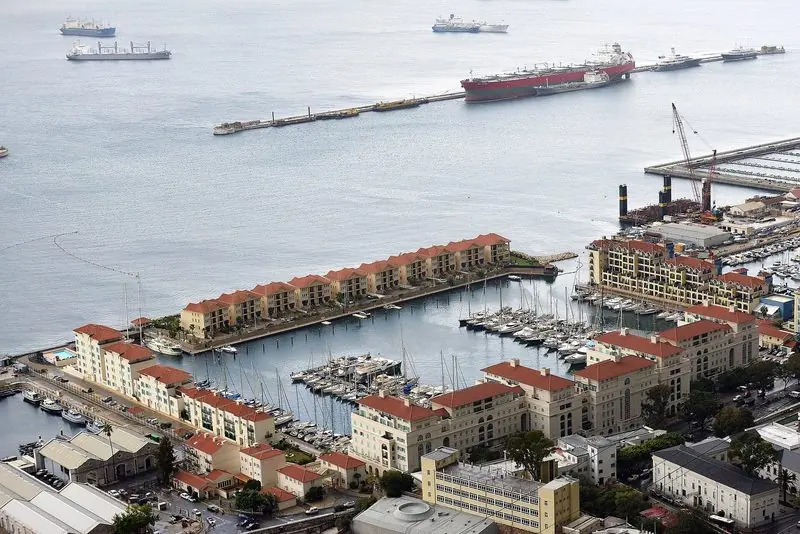
| Posizione | Gibilterra, sul lato ovest della Rocca, a 36 08,5 N, 5 22,5 W |
|---|---|
| Posti barca | 95 a Ocean Village, più altri 209 all'adiacente Marina Bay, sotto lo stesso ufficio di banchina |
| Lunghezza massima | 90 m secondo la Gibraltar Port Authority |
| Profondità | 4,5 m, che è il vincolo che decide per uno yacht di pescaggio elevato |
| Posti superyacht | posti riqualificati sul perimetro dello sviluppo, progettati per yacht fino a 80 m |
| Controllo portuale | canale VHF 71, con le formalità di arrivo gestite dalla marina stessa da quando nel 2005 ha chiuso la banchina separata di segnalazione |
| Servizi al posto barca | sicurezza sulle 24 ore con accesso a codice ai cancelli, energia trifase, TV satellitare, wifi, ritiro lavanderia e concierge |
| Carburante | Gibilterra è il maggiore porto di bunkeraggio del Mediterraneo, con circa 60.000 unità che transitano ogni anno nello Stretto |
| Fisco | il carburante da bunkeraggio e le forniture di bordo sono esenti sia dalla nuova imposta sulle transazioni di Gibilterra sia dall'accisa |
| Nuovo regime fiscale | un'imposta sulle transazioni del 15 per cento ha sostituito il dazio all'importazione il 10 aprile 2026, e sale ogni anno verso l'aliquota IVA più bassa dell'Unione |
| Trattato | l'accordo tra Regno Unito e Unione europea su Gibilterra è stato firmato il 14 luglio 2026 e si applica in via provvisoria dal 15 luglio 2026 |
| Riparazioni navali | Gibdock, con tre bacini di carenaggio da 154 m a 272 m e un chilometro di fronte di banchina in acqua profonda |
| The operator publishes no berth rate of any kind. Ocean Village and Marina Bay describe 250-plus berths between them and carry no tariff, checked 28 July 2026 | |
| Shore power is described only as three-phase, with no amperage published, checked 28 July 2026. Gibraltar runs the British standard of 240 V single phase and 415 V three phase at 50 Hz | |
| The depth question is unresolved by the operator. The Gibraltar Port Authority publishes 90 m maximum length and 4.5 m depth, and the marina separately markets upgraded perimeter berths for yachts to 80 m without stating whether those berths were dredged deeper | |
| 4.5 m alongside is the binding constraint until the operator says otherwise. Most 80 m motor yachts draw more than that | |
| No per-tonne bunker differential against Palma, Barcelona or Las Palmas is published by anyone, checked 28 July 2026. The saving is real and its size has to come from a firm quote on the day | |
| There is no travel lift at Ocean Village. Gibdock is a commercial ship repair yard with dry docks from 154 m to 272 m, not a yacht hoist, so a routine haul-out means leaving Gibraltar | |
| Marina reception works VHF channel 71 and is reached on +350 200 73300 | |
La sosta che fanno tutti
Ogni anno transitano nello Stretto di Gibilterra circa 60.000 unità e un numero molto alto di esse si ferma, ed è per questo che la Rocca è diventata il maggiore porto di bunkeraggio del Mediterraneo. Per gli yacht la logica è identica. Una barca che lascia il Mediterraneo per i Caraibi, o che fa il percorso inverso in primavera, passa a vista di Gibilterra e può imbarcare carburante, provviste ed equipaggio senza deviare.
Ocean Village sta sul lato ovest della Rocca, affacciata sulla baia verso Algeciras, ed è stata costruita come un villaggio marina con appartamenti, ristoranti, un casinò e un Marina Club attorno all'acqua. La Gibraltar Port Authority la indica in 95 posti barca, con l'adiacente Marina Bay a 209, entrambe sotto lo stesso ufficio di banchina ed entrambe con una lunghezza massima dichiarata di 90 metri. Queensway Quay, la terza marina privata, ne aggiunge altri 156. Insieme riescono ad assorbire un arrivo grande con poco preavviso.
L'avvicinamento, e i due venti
L'avvicinamento nella baia di Gibilterra è profondo, largo e commerciale, con ancoraggi pieni di navi in attesa di bunkeraggio. Non c'è barra e non c'è canale. L'escursione di marea è di circa un metro, trascurabile per gli standard atlantici, e la marina tiene 4,5 metri sotto banchina. È quel dato di profondità il vero tetto di questo posto, perché uno yacht di 90 metri che pesca più di quattro metri e mezzo non può usare un posto barca da 90 metri.
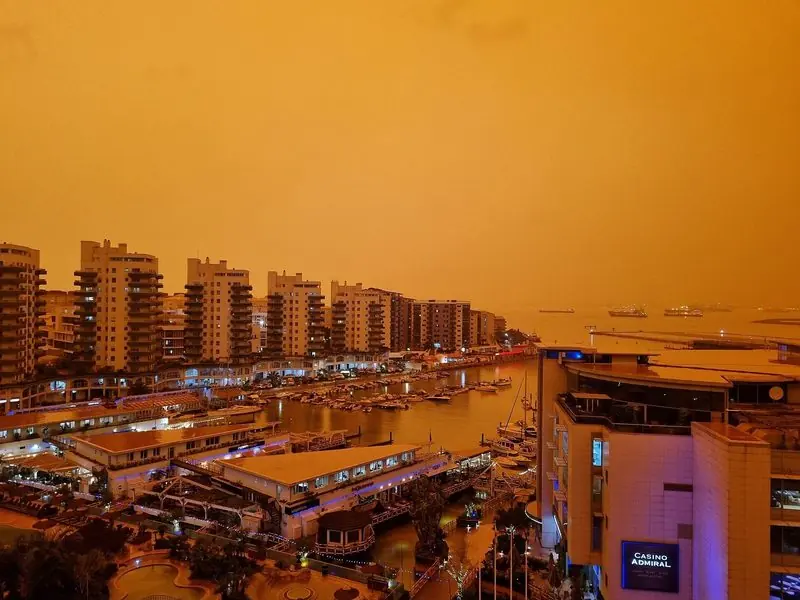
Il tempo locale è definito da due venti. Il levante è il vento da est che si incanala nello Stretto e appende un pennacchio di nuvole sopra la Rocca, portando condizioni umide e grigie e un brusco aumento delle accelerazioni di vento sotto la parete. Il ponente è il vento da ovest, di solito più limpido. Nessuno dei due disturba uno yacht dentro la marina, ed entrambi contano enormemente per chi deve scegliere quando passare lo Stretto, dove la corrente superficiale entra verso est nel Mediterraneo a una velocità capace di battere uno scafo dislocante lento che vada contro corrente.
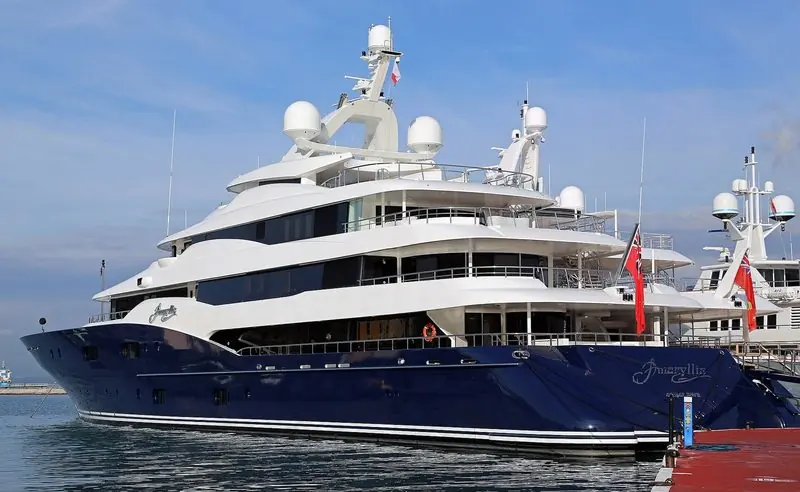
Un incrocio e non una destinazione, e il pieno legittimo più conveniente tra i Caraibi e l'Egeo.
I posti barca e come si prendono
I posti barca si affittano e non si vende nulla in piena proprietà. Ocean Village è passata da 225 a 323 posti con l'aggiunta dei suoi Premier Berths, la maggior parte dei quali sta tra i 18 e i 25 metri con il più grande a 35 metri, e a parte è stata costruita lungo il perimetro dello sviluppo una serie di posti superyacht riqualificati, progettati da Marina Projects per yacht fino a 80 metri. I contratti di dodici mesi e oltre portano con sé una carta privilegi per l'equipaggio, con agevolazioni nei negozi e nel centro benessere.
La disponibilità è migliore di quasi ogni altro posto di questa lista perché Gibilterra è un porto che lavora e non una destinazione che si riempie per una stagione. I punti di pressione sono le finestre transatlantiche, fine ottobre e novembre quando la flotta punta a ovest, e aprile e maggio quando torna indietro. Fuori da quelle settimane uno yacht in genere trova posto. Le formalità di arrivo sono gestite dalla marina stessa da quando nel 2005 ha chiuso la banchina separata di segnalazione per gli yacht.
Carburante, e perché agli armatori interessa il trattato
L'argomento commerciale di Gibilterra si è sempre retto sul carburante comprato senza dazio. La cosa è sembrata a rischio quando il territorio ha accettato di entrare in un accordo doganale con l'Unione europea, e il dettaglio conta. Dal 10 aprile 2026 un'imposta sulle transazioni del 15 per cento ha sostituito il vecchio regime di dazio all'importazione di Gibilterra, e sale ogni anno verso l'aliquota più bassa di imposta sul valore aggiunto dell'Unione, con accise separate su tabacco, alcol e carburanti.
Il carburante da bunkeraggio è esente sia dall'imposta sulle transazioni sia dalle accise, e lo sono anche le forniture di bordo e le merci che passano da Gibilterra senza esservi vendute. Per uno yacht che imbarca diverse centinaia di tonnellate quell'esenzione vale moltissimo, ed è la ragione per cui la Rocca resta il pieno legittimo più conveniente di questa parte di mondo. Gli armatori dovrebbero comunque farsi dare una consulenza aggiornata, perché il quadro è nuovo e le aliquote di accisa sugli altri beni convergeranno con i livelli spagnoli da aprile 2029.
Un confine appena sparito
Il Regno Unito e l'Unione europea hanno firmato il trattato su Gibilterra a Bruxelles il 14 luglio 2026, quattro anni dopo l'apertura del negoziato, con applicazione provvisoria dal 15 luglio. Integra Gibilterra nell'area di libera circolazione Schengen e crea un'unione doganale su misura senza mettere il territorio dentro il territorio doganale dell'Unione. I controlli di routine al valico terrestre con la Spagna sono aboliti e vengono introdotti doppi controlli di frontiera al porto e all'aeroporto di Gibilterra.
Per un armatore l'effetto pratico è che ospiti ed equipaggio possono muoversi tra Gibilterra, Spagna e resto dell'area Schengen senza la coda a La Linea che nelle giornate storte arrivava a ore. Diventano possibili voli diretti tra Gibilterra e aeroporti dell'Unione. Significa anche che l'equipaggio in arrivo affronta un controllo di ingresso Schengen alla marina, il che cambia il ritmo delle carte in un cambio equipaggio. Il quadro è in vigore da meno di due settimane, quindi le procedure si stanno ancora assestando.
Servizi, cantieri e la città
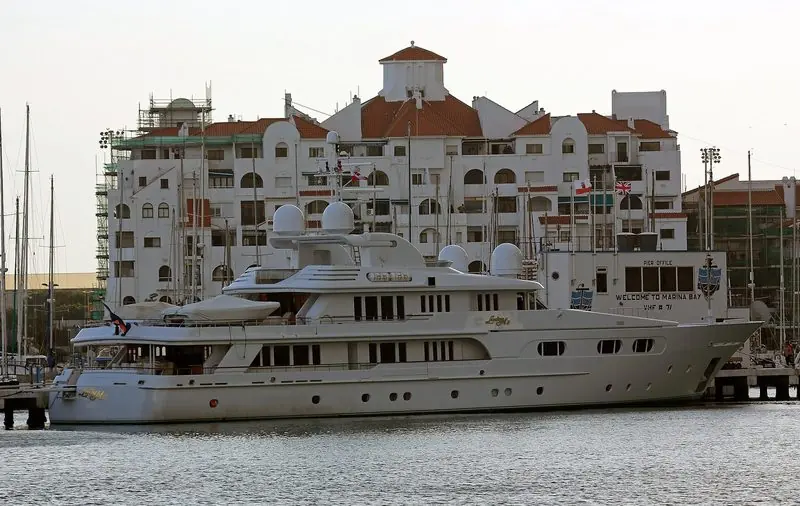
I posti barca hanno energia trifase, acqua, televisione satellitare e wifi, con sicurezza sulle 24 ore e accesso a codice ai cancelli dei pontili, ritiro della lavanderia, blocchi docce moderni e servizi di concierge per catering e auto. Ship chandler, provviste, servizi bancari offshore, una clinica medica e odontoiatrica e una palestra stanno a pochi minuti dalla banchina. Agenti e maestranze tecniche di Gibilterra sono abituati agli yacht perché il porto gestisce cambi equipaggio e assistenza logistica alle navi in continuazione.
Per i lavori strutturali Gibdock occupa il vecchio arsenale militare con tre bacini di carenaggio che vanno da 154 a 272 metri, dieci gru, una banchina principale di 300 metri, un molo di 435 metri e circa un chilometro di fronte di banchina in acqua profonda con fino a 11 metri sotto bordo con la bassa marea. È capacità di riparazione navale commerciale, quindi non è un capannone di verniciatura per superyacht, e prende uno scafo che nessun cantiere per yacht del Mediterraneo riesce a sollevare. I cantieri di Sotogrande e della Costa del Sol sono a poca strada lungo la costa.
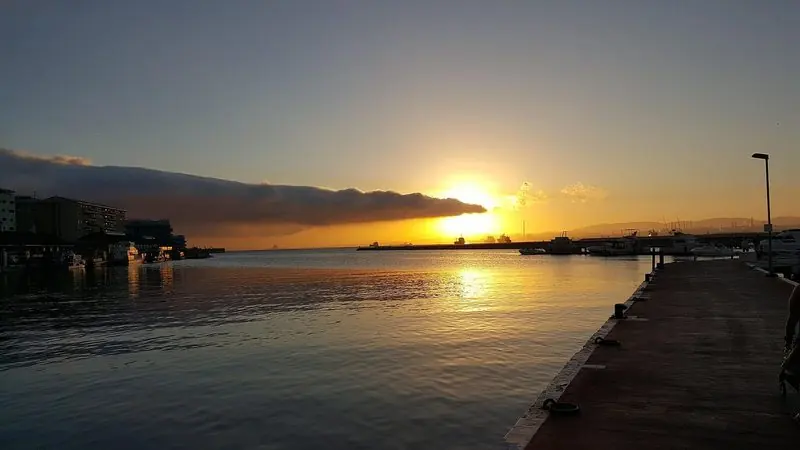
A terra, e dove va poi uno yacht
Il Gibraltar International Airport è a distanza di cammino dalle marine, con voli di linea per Londra e, con il nuovo trattato, la prospettiva di collegamenti diretti con l'Unione. Malaga è a circa 130 chilometri lungo la costa per i voli intercontinentali. Il territorio è piccolo, di lingua inglese, usa la sterlina e ha una concentrazione fitta di avvocati, commercialisti e competenza sui registri navali, che è il motivo per cui un buon numero di yacht batte bandiera di Gibilterra.
Qui non esiste un'area di crociera, ed è bene dirlo. Gibilterra è un incrocio. Il Marocco è a meno di 20 miglia nautiche dall'altra parte dello Stretto, la Costa del Sol corre a nordest, Cadice e l'Algarve portoghese stanno a ovest oltre Capo Trafalgar, e le Canarie sono a cinque giorni verso sudovest sulla rotta atlantica classica. Una settimana in famiglia basata a Ocean Village si passerebbe a guardare la Rocca, le sue bertucce e le sue gallerie, che fanno un giorno e mezzo di materiale.
Stagione, tempi e il difetto da dire
Gibilterra lavora tutto l'anno e le sue settimane più piene le decidono le traversate oceaniche e non l'estate. Fine ottobre e novembre si riempiono di yacht diretti alle Canarie e ai Caraibi, e aprile e maggio li riportano indietro. L'estate è calda e secca e la marina è un posto comodo dove lasciare una barca. Il levante può stare fermo sopra la Rocca per giorni in qualsiasi stagione ed è l'unico fenomeno meteo che infastidisce i visitatori con regolarità.
Le riserve sono profondità, dimensioni e contesto. Quattro metri e mezzo sotto banchina escludono una parte della flotta a cui la lunghezza da 90 metri del posto barca andrebbe altrimenti bene. Il territorio copre meno di sette chilometri quadrati e la marina guarda, attraverso una baia che lavora, la raffineria e il terminal container di Algeciras. Nessuno tiene uno yacht a Gibilterra per il panorama. Lo tiene qui perché il carburante costa poco, le carte sono in inglese e l'aeroporto sta in fondo al pontile.

The levanter as a manoeuvre, not as weather
The levanter is described on most accounts as damp grey air and a cloud banner over the Rock, which is what it looks like from ashore and not what it is from a flybridge. It is an easterly, and Ocean Village sits on the west side of the Rock. A 400 m ridge directly upwind of a marina does not produce a steady breeze on its lee side. It produces a descending, gusting, direction-shifting flow that arrives in slugs, and that is a materially harder thing to hold a high-sided yacht against than a clean 25 knots on open water. The berths on the outer perimeter, which are the superyacht positions, are the ones most exposed to it.
The practical rule is that arrival and departure timing in a levanter is worth deferring rather than pushing, and that a yacht with a lot of freeboard and a short keel wants the tugs or the line handlers arranged rather than improvised. The levanter can sit over the Rock for days in any season and it is the one weather feature that reliably frustrates a schedule here. None of this troubles a yacht already secured. It is entirely a question of the ten minutes at each end. The poniente, the westerly, is usually clearer and comes off the water rather than off the hill, and is the easier of the two to work in.
Four and a half metres, and the price nobody prints
The unresolved item on this page is water. The Gibraltar Port Authority publishes a 90 m maximum length and 4.5 m of depth, and the marina separately markets upgraded perimeter berths designed for yachts to 80 m. Whether those perimeter berths carry more than 4.5 m is the single question an 80 m owner would ask and, checked on 28 July 2026, neither the port authority nor the operator answers it. Until they do, 4.5 m is the binding number, and most 80 m motor yachts draw more than that. The honest position is that Gibraltar sells a length it may not be able to float, and the sounding for the specific berth has to be obtained in writing before a passage is planned around it.
Price is the other blank. Ocean Village and Marina Bay publish no berth rate at all, for any length, on any of their pages, checked 28 July 2026, and the shore power is given as three-phase with no amperage on berths sold as taking 80 m yachts. Gibraltar runs 240 V single phase and 415 V three phase at 50 Hz, so a European yacht plugs in and an American one does not, but nobody publishes what it can draw. The bunkering argument is in the same condition. Duty-free fuel is genuinely the reason many yachts stop here, and no per-tonne differential against Palma, Barcelona or Las Palmas is published by anyone, so the saving is sized by asking three brokers for a firm quote on the same day and comparing them. That is a five-minute exercise and it is the only number that makes the case real.
A terra, accessi e prenotazioni
| Hailing & phone | VHF Channel 71 is the working channel for both Ocean Village and Marina Bay (the two marinas share one Pier Office and radio watch) - confirmed independently by the marina's own site and by the Gibraltar Port Authority's official private-marinas listing. Landline is +350 200 73300, and the reception also runs a WhatsApp number, +350 58009812, which in practice gets answered faster than the phone during a levanter when everyone's on the radio. If you're bringing anything over about 24m, Gibraltar Port VTS wants you on Channel 12 separately for clearance into the restricted zone before you even call the marina - that's a different desk, easy to miss on a first visit. |
|---|---|
| Booking a berth | There's no instant-book system for anything of size. The marina wants an ETA update by phone or email 24 hours out, a confirmation call or VHF check-in an hour before arrival, and a final call at the entrance for a berth number - three separate touchpoints, not one. Turning up unannounced works for small boats if space allows, but multiple independent accounts (a longtime YBW Forum poster who's berthed there for years, and marina-industry coverage of the post-redevelopment squeeze) agree that spare capacity is thin now that the west side has been rebuilt for superyachts, so a same-day walk-in for anything large is a real gamble, not a fallback. |
| What a big yacht pays | The marina's own posted rate card (their top length band, 50m and over) charges GBP 4.50 per metre per night - so a 50-metre yacht at that band's floor runs roughly GBP 225 a night before anything else. The next band down, 30-50m, is GBP 3.75/metre. Prepay and it drops hard: 20% off for an annual booking, 15% off for six months. Nobody advertises what a negotiated season rate for an 80m+ superyacht actually looks like - that's set case by case, and it's the number that never makes it onto the tariff sheet. |
| Power and water | Electricity is metered at 16p/kWh, water at 1.25p per litre, each with a GBP 1 minimum charge per connection - figures taken from the marina's own tariff page, which is the only place they're published, so treat them as marina-stated rather than independently cross-checked. Power-adapter deposits run GBP 10-40 depending on what you need. No amp/voltage spec or shore-power-pedestal detail is published anywhere findable, which for a marina rated to 90m LOA is a genuine gap - you'll be asking reception directly what a given berth can actually deliver rather than reading it off a spec sheet. |
| Fuel and the 2026 treaty | This is the good news buried in the treaty text: bunkering fuel - fuel taken aboard as ship's stores rather than for resale - is permanently exempted from both Gibraltar's new 15% Transaction Tax and from excise duty under the UK-EU agreement that took provisional effect 15 July 2026. That's stated plainly in the Government of Gibraltar's own technical notice on the customs union and echoed in EY's tax-alert coverage of the same treaty. So the duty-free bunkering that's made Ocean Village and Marina Bay a Mediterranean refuelling stop isn't a casualty of the new border arrangement - it was carved out on purpose. On the quay itself there are Cepsa, Shell and BP pumps plus a dedicated GibOil terminal right at the marina entrance, so there's actual competition on price rather than one operator setting it. |
| Depth and where the big ones go | 4.5 metres alongside is the figure the Gibraltar Port Authority itself publishes for both marinas, matching the marina's own material - a genuinely consistent number, not a rounded-up brochure figure. Official max LOA is quoted at 90 metres, though the superyacht-specific pontoons built in the recent Marina Projects redevelopment (covered by Boat International and Marine Industry News) are sized for up to 80 metres. Anything that exceeds the LOA or draft limit here gets redirected to a berth at the Western Arm, North Mole - a different part of the port entirely, worth knowing before committing to Ocean Village as the destination. |
| Getting there | No source publishes an exact metre figure, which is itself telling for a marina that markets 'airport on your doorstep' - but Visit Gibraltar's own copy says the airport is within easy reach on foot, and independent travel-routing sites put it under a 10-minute walk. That's plausible on the ground: Gibraltar's runway and the old border crossing sit right at the isthmus, a few minutes from the marina gate. Since the July 2026 treaty removed routine checks at the land frontier, a crew change that used to mean a passport queue at the fence is now much closer to just walking through. |
| On the promenade | Ocean Village's dining strip is a mix of international chains and marina-facing independents, not a curated foodie destination - Las Iguanas (Unit 21b on the Promenade, Latin/Brazilian, waterfront tables) and Wagamama are both confirmed by Gibraltar's own tourism listings as well as third-party guides, and Bianca's is locally described as a Gibraltar favourite for the same reason regulars go back: reliable, unpretentious, good for watching the boats rather than for the food itself. It's a stop-off crowd, not a destination-dining crowd, and that's honestly fine given what else is going on right there. |
Cosa riferiscono armatori ed equipaggi
New superyacht pontoons are landing with captains
On the record about the completed Marina Projects redevelopment: 'The superyacht berths were seamlessly integrated into our design and, once operational, have proven to be popular with superyacht captains.' Worth reading as marina management talking its own book, but it's a named, dated claim rather than an anonymous one.
William Bowman, Marina Director, Ocean Village and Marina Bay (Marine Industry News, January 2025)Gibraltar's bunkering pitch predates the current redevelopment by a decade
Speaking as technical consultant when the superyacht marina project was first proposed, he argued Gibraltar had the lowest bunkering costs in the Mediterranean and that a full service shipyard is ten minutes from Marina Bay - a claim from 2015, before the current pontoons existed, but it's the same fuel-price and shipyard-proximity logic that still draws boats there now.
Captain E.S. Geary (SuperyachtNews, 2015)
Cosa convince e cosa va valutato
Punti di forza
- Duty-free bunkering survived the treaty on purposeThe 15 July 2026 UK-EU Gibraltar treaty could easily have swept fuel into the new 15% Transaction Tax regime. It didn't - the Government of Gibraltar's own technical notice carves bunkering fuel out permanently, and EY's tax analysis of the same treaty confirms it. For a marina whose whole draw is cheap diesel, that's the headline risk that didn't materialise.
- Real competition on the fuel dockCepsa, Shell and BP pumps on the quay plus a separate GibOil terminal at the marina entrance mean there's no captive dependence on one supplier's posted price the way a lot of single-operator Mediterranean marinas run.
- The border basically isn't there anymoreWith routine checks gone at the land frontier since the treaty, and the airport within a short walk of the pontoons per Visit Gibraltar's own description, crew changes and provisioning runs into Spain lost a friction point that used to eat a genuine chunk of a turnaround day.
- The office never closes24 hours a day, 365 days a year, per the marina's own site - and in practice a WhatsApp line that gets answered faster than the phone. For a working marina rather than a lifestyle-branded one, that responsiveness matters more than the casino next door.
- The redevelopment was built around superyachts, not against themMarina Director William Bowman, quoted in Marine Industry News' January 2025 coverage of the Marina Projects-designed upgrade, said the new superyacht berths 'have proven to be popular with superyacht captains' - a claim from the person running the place, but corroborated by the fact the redevelopment happened at all: someone paid for pontoons rated to 80m because the demand was already showing up at the gate.
Da valutare
- Surge in a blow is a known problem, not a rumourA longtime poster on the YBW Forum who has kept boats at both marinas over the years describes the surge as 'really wicked' at times and says they've seen a lot of damage to boats there - the fix is standard (good snubbers, doubled-up lines) but it's not a hypothetical risk, it's a maintenance habit needed before arrival, not after.
- There is no current public rate cardThe marina's own pricing page is still headed 'Berth Prices 2025', and the underlying tariff PDF on their site is dated from a 2021 upload - there's no confirmed 2026 sheet live anywhere findable. For anything above about 50m, the number being negotiated was never printed, which is exactly the gap this page's prose already points at.
- Space is genuinely tight nowIndustry coverage of the post-redevelopment marina describes berthing in Gibraltar as now quite difficult, since other local marinas lost capacity to the cruise-ship/hotel/casino build-out, and a separate longtime user on the same forum thread independently confirms shrinking availability. A same-day arrival without a booking is a real gamble for anything large.
- 4.5 metres is a hard ceiling, and it routes elsewhereIt's a consistent number across the Gibraltar Port Authority and the marina's own material, so it's not in dispute - but any vessel that exceeds the LOA or draft limit gets sent to a berth at the Western Arm, North Mole instead, a materially different part of the port. Worth confirming before planning around Ocean Village specifically.
A chi si rivolge: L'armatore che attraversa gli oceani con un calendario e vuole carburante senza dazio, carte in inglese e un aeroporto raggiungibile a piedi.