Castoldi
| Categoria | sistemi di propulsione a idrogetto marino e jet tender |
|---|---|
| Fondata | 1962 |
| Sede | Albairate, Lombardia, a ovest di Milano |
| Sito | 18.000 metri quadrati, di cui 8.000 metri quadrati di capannoni produttivi e uffici, una vasca di prova e un'elisuperficie |
| Idrogetti | nove modelli Turbodrive, dal Turbodrive 224 D.D. al Turbodrive 600 H.C.T. |
| Jet tender | quattordici modelli, dal JT 14 al JT 34 LIMO |
| Fascia dimensionale | da 14 a 34 piedi, grosso modo da 4,3 m a 10,4 m |
| Varianti di soccorso | JT 14, JT 18 e JT 19 offerti in versione RB/SOLAS |
| Sistema qualità | certificato ISO 9001 |
| Approvazioni di classe | ABS, BV, DNV, RINA, RMRS e RRR |
| Mercati | superyacht, guardia costiera e militare |
| Dati pubblicati | Castoldi non mette pesi, velocità o prezzi sulle pagine pubbliche dei modelli |
| Dry weight, from Castoldi's own range page, read July 2026: 790 kg for the Jet Tender 14, 1,270 kg for the 19, 1,580 kg for the 21, 2,480 kg for the 28 and 3,740 kg to 4,100 kg for the 34 LIMO | |
| SOLAS penalty | the RB/SOLAS variants weigh roughly 70 kg to 95 kg more than the equivalent guest boat, 860 kg against 790 kg on the 14 |
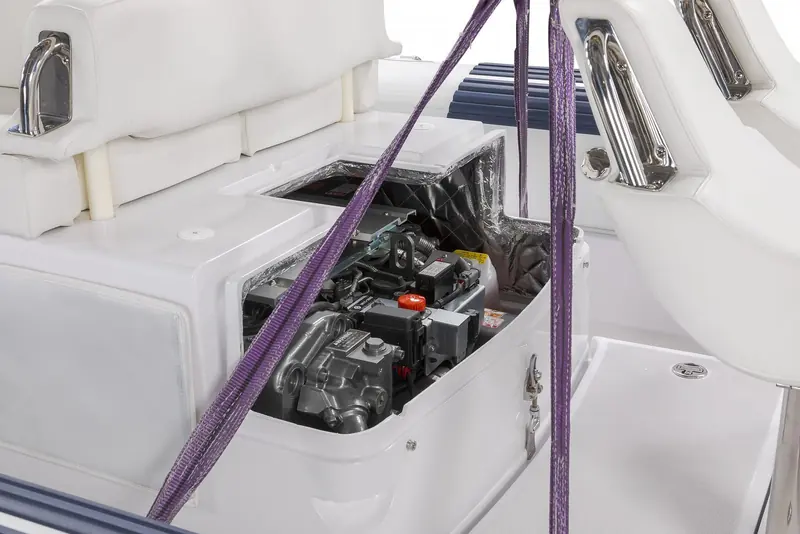
| Turbodrive 240 H.C.T., the drive in a Jet Tender 21: up to 309 kW or 420 mHP input, 238 mm impeller, 130 kg dry including gearbox, clutch, intake, duct, anodes and levers | |
| Waterjet unit dry weight ranges from 61.7 kg for the Turbodrive 224 D.D. to 1,700 kg for the 600 H.C.T. | |
| Intake protection | a movable grid at the duct water inlet, with the patented Clear-Duct system reversing the impeller and opening the grid together to back-flush the duct |
| US after-sales | Castoldi USA Inc., Seattle, announced 25 October 2022 |
| Not published | prices, lead times and any service-point directory by country |
L'azienda che ha fatto funzionare l'idrogetto
Castoldi ha avviato la ricerca sulla propulsione a idrogetto nel 1962 e si descrive come l'innovatrice del sistema. L'affermazione è difendibile nel senso che l'azienda lavorava sugli idrogetti per le piccole unità quando quasi nessun altro lo faceva, ed è rimasta sullo stesso problema per più di sessant'anni. Un idrogetto prende acqua sotto lo scafo, la accelera attraverso una pompa e la spinge fuori verso poppa.
L'ingegneria che lo rende utile su un tender è il sistema di governo e inversione. Castoldi costruisce deflettori di spinta reversibili e un sistema in grado di tenere la spinta neutra verticale indipendentemente dal regime della pompa, il che significa che la barca può restare ferma con il motore acceso e poi muoversi in qualunque direzione senza cambiare marcia. È questo a rendere un jet tender facile da manovrare in banchina anche per un ospite.
Albairate
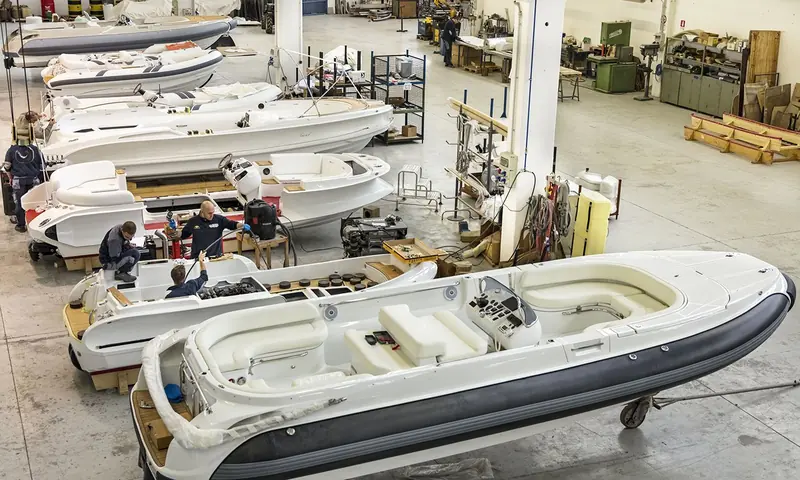
Lo stabilimento sta ad Albairate, in Lombardia, a ovest di Milano, su un sito di 18.000 metri quadrati con 8.000 metri quadrati di capannoni produttivi e uffici. Sul posto c'è una vasca d'acqua per le prove, cosa insolita che dice qualcosa su come l'azienda sviluppa il prodotto. C'è anche un'elisuperficie, che dice qualcosa su chi ci va in visita.
L'attività è certificata ISO 9001 e ha approvazioni dai principali registri di classificazione, tra cui ABS, Bureau Veritas, DNV, RINA, il Registro marittimo russo e il Registro fluviale russo. Quelle approvazioni esistono perché gli idrogetti finiscono su unità commerciali e militari oltre che sui tender per yacht, e sono la ragione per cui un costruttore che specifica una trasmissione Castoldi non deve giustificarla a un ispettore.
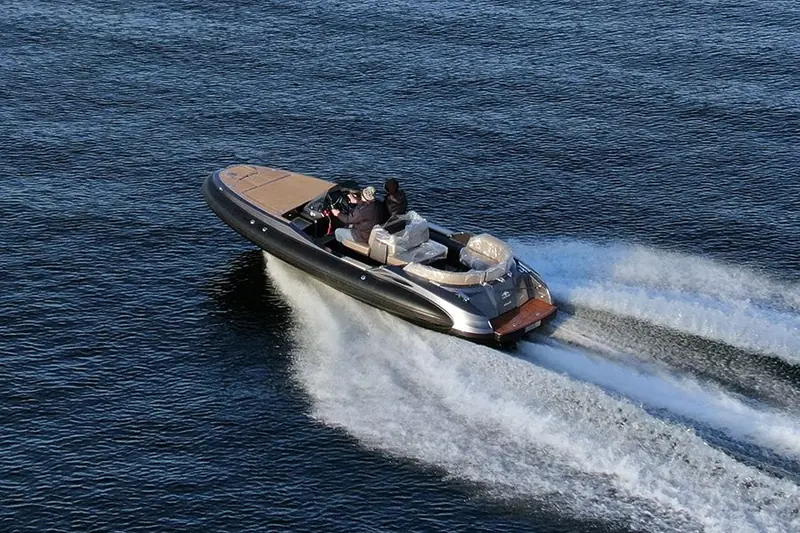
La trasmissione che permette a un tender di stare al minimo tra i bagnanti, di solito con il marchio di qualcun altro sopra.
Perché a un armatore deve interessare l'idrogetto
L'argomento pratico sono i bagnanti. Un tender con l'elica esposta non può stare al minimo in sicurezza in mezzo alla gente in acqua, non può accostare a un banco di sabbia e non si può affidare a un ospite perché lo porti a riva senza una premessa. Un idrogetto elimina tutti e tre i problemi, perché fuori dallo scafo non gira nulla. È per questo che tanti tender per superyacht sono a idrogetto.
Il secondo argomento è il pescaggio. Una barca a idrogetto pesca meno di una barca con linea d'asse o entrofuoribordo della stessa dimensione ed entra in acque basse che distruggerebbero un'elica. I costi sono reali. Un idrogetto è meno efficiente di un'elica alle basse velocità, ingerisce alghe e sacchetti di plastica dalla griglia di presa, e la girante è un pezzo di usura.
La gamma Turbodrive
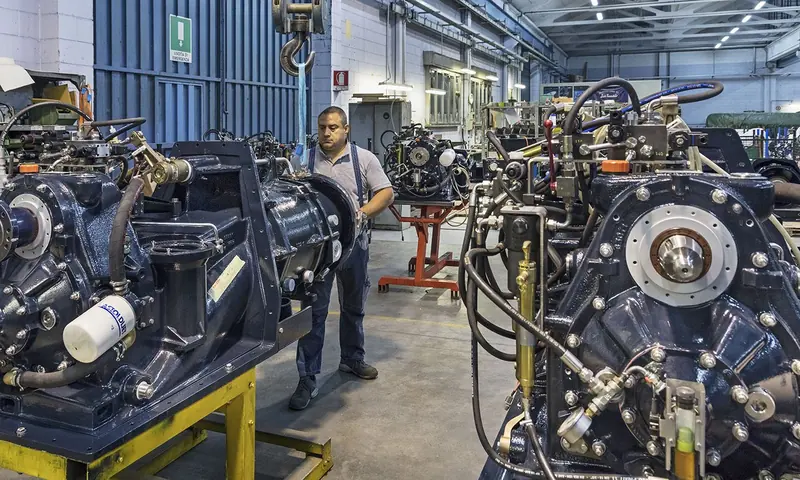
Nove modelli Turbodrive coprono la gamma, dal Turbodrive 224 D.D. all'estremo piccolo su su per i 240 e 284 in versione H.C.T. e L.V.T., il 340 H.C., i 400 e 490 H.C.T. e il 600 H.C.T. in cima. Si vendono ai cantieri, quindi la maggior parte degli armatori incontra una trasmissione Castoldi dentro il tender di qualcun altro.
È questo il fatto commerciale importante di questa azienda. Un idrogetto Castoldi può stare sotto un tender costruito da un cantiere italiano, britannico o olandese, e il marchio sullo specchio di poppa non è Castoldi. Chi sceglie un tender dovrebbe chiedere quale trasmissione monti, perché la trasmissione decide ricambi, disponibilità della girante e comportamento più di quanto lo decida lo scafo.
I jet tender
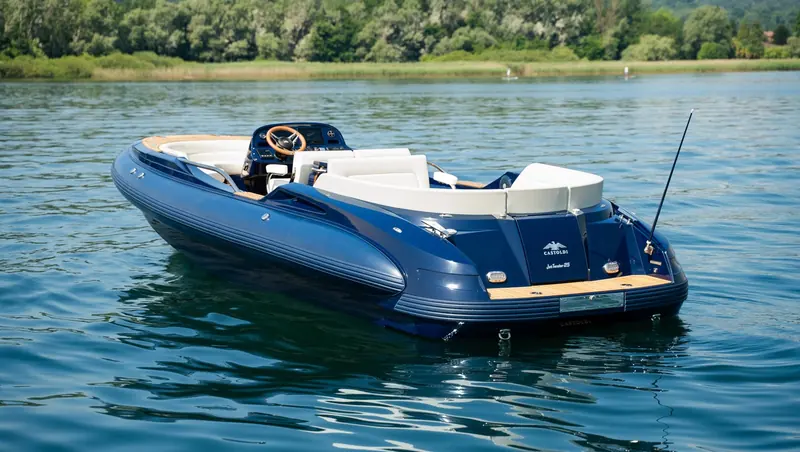
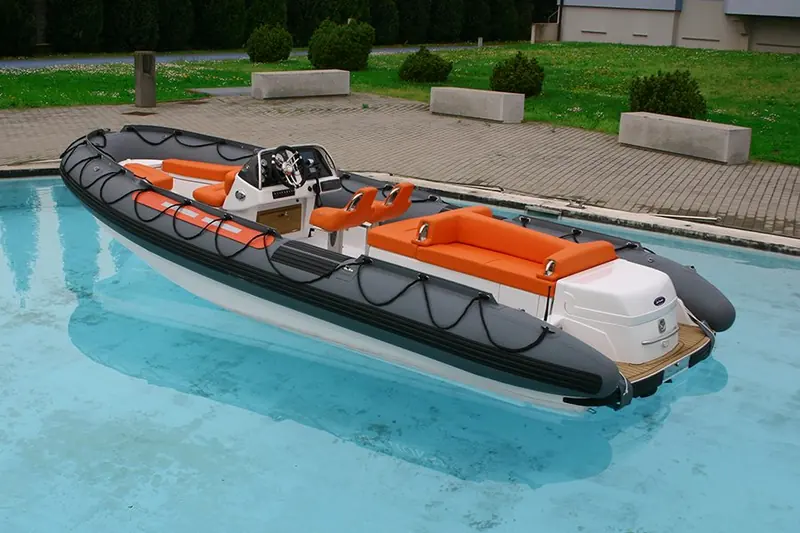
Castoldi costruisce anche barche complete. Quattordici modelli di jet tender vanno dal JT 14 di circa 4,3 m al JT 34 LIMO di circa 10,4 m, passando per i JT 15, 16, 17, 18, 19, 21, 23, 25 e 28. Sono battelli pneumatici a chiglia rigida con motori diesel e idrogetti Castoldi, che in un tender per yacht di quella dimensione è una combinazione insolita.
Il diesel a bordo conta. Uno yacht che fa girare macchinari diesel e non vuole benzina sulla plancetta può specificare un jet tender diesel ed evitare del tutto un secondo carburante. Il salto da una barca di 4,3 m a una limousine di 10,4 m copre quasi tutto quello che serve davvero a uno yacht dai 30 m in su, e la nomenclatura sale di piede in piede, cosa che suggerisce quanto strettamente queste barche siano cucite sui garage.
Le varianti di soccorso SOLAS
Il JT 14, il JT 18 e il JT 19 sono offerti in versione RB/SOLAS, costruiti come battelli di soccorso secondo lo standard della convenzione internazionale. È un prodotto diverso da un tender per gli ospiti. Un battello di soccorso SOLAS deve poter essere messo in acqua e recuperato in stati del mare definiti, deve autoraddrizzarsi o restare stabile se allagato, e va mantenuto e ispezionato secondo un calendario.
Per un grande yacht la cosa conta direttamente, perché le unità in registro commerciale sopra una certa dimensione sono tenute a portare un battello di soccorso conforme. Poter comprare quel battello dallo stesso costruttore del tender per gli ospiti semplifica addestramento, ricambi e assistenza. È anche un promemoria del fatto che l'ingegneria di Castoldi è validata in un mercato dove un guasto non è un fastidio.
Quello che Castoldi non pubblica
L'azienda non pubblica pesi, velocità, capacità o prezzi sulle pagine pubbliche dei modelli. Le specifiche si forniscono su richiesta tramite il cantiere, il rivenditore o il costruttore della barca. È normale per un'azienda i cui clienti sono soprattutto altri produttori, ed è scomodo per un armatore che sta provando a confrontare un tender Castoldi con un Williams o un Novurania davanti a uno schermo.
La conseguenza pratica è che il confronto va fatto attraverso il comandante o il responsabile della costruzione. Le cifre che decidono l'esito sono il peso al sollevamento con il carburante a bordo, lunghezza e larghezza rispetto al garage, e il numero di ospiti che la barca porterà davvero. Chi mette dei tender in lista ristretta dovrebbe pretendere quei tre numeri per iscritto prima che la decisione venga presa.
Assistenza e ricambi
La situazione dell'assistenza è una conseguenza della clientela. Poiché le trasmissioni Castoldi sono montate da molti costruttori e da operatori commerciali e militari, i componenti degli idrogetti e le giranti si muovono in una catena di fornitura consolidata, e i tecnici navali italiani conoscono il prodotto. Nel Mediterraneo, per una trasmissione specialistica, meglio di così non si può.
Ai Caraibi la copertura è più sottile e la risposta pratica lì è tenere a bordo una girante e un anello di usura di scorta. I guasti comuni in stagione su qualunque idrogetto sono l'ostruzione della presa e il danno alla girante per ingestione di detriti, che si risolvono entrambi in loco con un sommozzatore o con un alaggio. I lavori seri sulla pompa tornano a uno specialista.
Contro fuoribordo, entrofuoribordo e Williams
Per un tender piccolo il confronto è con Williams Jet Tenders, che ha costruito la propria attività sui jet tender a benzina dimensionati per i garage degli yacht ed è specificata di serie da molti cantieri. Williams è la risposta di volume. I tender Castoldi sono più pesanti, diesel e più vicini a una barca da lavoro, e la sua vera diffusione passa dalle trasmissioni montate dentro scafi di altri costruttori.
Contro un fuoribordo, un idrogetto rinuncia a efficienza e semplicità e compra sicurezza attorno ai bagnanti e accesso all'acqua bassa. Contro un entrofuoribordo rinuncia a spinta alle basse velocità e compra l'assenza di qualunque cosa vulnerabile sotto lo scafo. Su uno yacht dove gli ospiti si bagnano dalla plancetta e il tender va e viene tutto il giorno, quel compromesso di solito si chiude a favore dell'idrogetto.
Weed, sand and what the crew does about it
Every waterjet shares one failure mode. The intake is an opening in the bottom of the boat, and sooner or later it takes in weed, a plastic bag, a trailing line or a load of sand off a beach, at which point thrust falls away and the tender is unusable until it is cleared. Castoldi fits a movable grid at the duct water inlet on its drives to keep debris out in the first place.
What matters more is the drill after something gets past the grid. The Clear-Duct system reverses the impeller and opens the intake grid together, back-flushing the duct from the helm, and it is not reserved for the large commercial units: the Turbodrive 240 H.C.T. fitted to a Jet Tender 21 carries it. The consequence for a crew is that routine clearance is a lever at the console rather than somebody in the water with a knife, and only a blockage that survives a back-flush needs a diver. In a weedy anchorage that is worth more than a knot of top speed.
Price, lead time and the three numbers to get in writing
Prices and lead times are the real omission. Castoldi publishes neither, dealers quote on request, and the specialist tender brokers list every current model as built to order with no figure attached. Brokerage asking prices for used boats cover a decade of model years across a wide band and are no guide to a new hull or a refit replacement. Cost cannot be shortlisted from the websites at all, which is an argument for making the enquiry before the garage dimensions are frozen.
Three numbers decide the outcome and all three should come back in writing: lifting weight for the boat as actually fitted, length and beam against the garage opening and its door, and the guest number the boat will really carry. The published capacities are CE design category figures, 12 people on a Jet Tender 21 and 16 on a 25, which is not the number who will sit in one with towels, a cooler and a crew member driving. The drive model belongs in the same document, because it sets the spares list for the next ten years.
Informazioni pratiche
| Turbodrive unit pricing | No public list price. Distributor listings (e.g. the Turbodrive 490HC) show call-for-price / enquire-now -- this is a quote-only B2B market and Castoldi does not publish unit prices. |
|---|---|
| Jet Tender pricing (new) | No public factory price list found; Castoldi jet tenders are sold and specified through dealers, so new pricing is quote-only like the drive units themselves. |
| Jet Tender pricing (secondary market, for context only) | Used listings on DailyBoats (Europe) range from about $19,800 for the smallest models up to about $182,000; YachtWorld/Boat Trader show used Castoldi tenders from roughly $32,000-$42,000 up to $99,500-$318,000 depending on size and age. The two aggregators disagree on the top end, so treat this only as a rough band, not a reliable ceiling. |
| How a yard or owner specifies a unit | Through Castoldi's own dealer and qualified-service network rather than direct factory retail -- named distributors include Heavy Seas (UK, Castoldi Qualified Service), Golden Arrow Marine (UK), Performance Diesel and Maucour (France) and Varriale (Italy), several of which also stock Castoldi/Williams spare parts. |
| Service and parts network | Multiple independent marine distributors across Europe (UK, France, Italy, Germany via Maritimus) carry Castoldi/Williams jet-drive parts and offer qualified servicing, in addition to Castoldi's own factory support -- a broader independent-dealer network than a single-source OEM-only support model. |
| Comparable propulsion alternatives | At the small-craft end, Castoldi's largest Turbodrive (490 H.C.) tops out around 1324kW/1800hp. At the larger commercial/naval end, Kongsberg (Rolls-Royce) Kamewa waterjets scale from about 450kW to over 30,000kW with a stated average 15,000-hour interval between overhauls, and HamiltonJet focuses heavily on the passenger-ferry segment -- both operate mostly above Castoldi's leisure/patrol-boat scale rather than competing model-for-model on small tenders. No public price comparison was found between Castoldi and these alternatives, or between waterjet and propeller/sterndrive cost for an equivalent small tender; industry commentary consistently describes waterjets as carrying a higher initial and maintenance cost than propeller drives, but without a specific published figure. |
Richiedi un preventivo per Castoldi.
Indicaci il modello e dove deve arrivare. La redazione ottiene un'offerta scritta dal costruttore o da un rivenditore autorizzato, la confronta con i prezzi pubblicati in questa pagina e ti risponde via email. Senza impegno e senza costi.
- 01Un'offerta scrittaNella tua valuta, con IVA, consegna e tempi indicati, non una cifra da catalogo.
- 02Consegnato dove si trova lo yachtIn marina, in cantiere o al tuo indirizzo, con i documenti che una batteria al litio o un sollevamento con gru richiedono.
- 03IndipendenteYotters non è legato a nessun rivenditore, quindi l'offerta viene confrontata prima di arrivarti.
Cosa riferiscono armatori ed equipaggi
Italian Coastguard patrol boat exceeded its design speed on a demanding delivery trip
FB Design's 16m CP335 patrol vessel, fitted with twin Castoldi Turbodrive 400 HCT waterjets, ran a winter delivery voyage from Venice to Puglia and recorded speeds up to 38 knots, higher than the designers' forecast maximum. FB Design's commercial director Ebe Buzzi credited the ease of installation and the performance of the units.
Marine Industry NewsGerman fisheries patrol authority runs twin Turbodrive 400 HCT on a North Sea patrol vessel
A 17m fisheries patrol vessel for North Sea duty in Germany was completed at Tamsen Maritim shipyard in Rostock with dual Castoldi Turbodrive 400 HCT installations, reported alongside the Italian Coastguard trial as one of two successful newbuild sea trials.
Marine Industry NewsIndependent sea-trial test of the Jet Tender 17 published real performance numbers
A road-test style write-up of the Castoldi Jet Tender 17 (170hp diesel with Castoldi waterjet drive) recorded 34 knots maximum light-ship and 32.5 knots fully loaded, describing it as a can-do RIB with the performance, reliability and safety of waterjet drive.
Yachting Magazine
Cosa convince e cosa va valutato
Punti di forza
- No exposed propeller and near-zero draft restrictionThe waterjet has no rotating parts below the keel, so Castoldi tenders can land on beaches and cross sandbanks and are inherently safer to operate around swimmers and water-sports guests, a genuine differentiator over a shaft-and-propeller tender of the same size.
- High power density for the installed weightThe largest Turbodrive, the 490 H.C., is rated to take up to 1324kW (1800hp) of input power at a dry weight of about 890kg in an aluminum-alloy housing, giving a strong power-to-weight figure versus a comparable shaft/strut/propeller installation, corroborated by both the manufacturer's spec sheet and independent industry summaries of waterjet advantages.
- Proven at the high end of leisure/patrol speed envelopes, independently verifiedThe Turbodrive 400 HCT pushed a 16m coastguard patrol hull to 38 knots in a real winter sea trial, beating the naval architect's own forecast; this is a third-party (FB Design) verified result, not a manufacturer claim in isolation.
- Long, continuous manufacturing pedigree since 1962Castoldi states more than 40,000 units have been delivered worldwide since it began producing scaled waterjets in 1962 and mass-produced its first unit (Jet 05) in 1969; the company's waterjets also won long-distance offshore powerboat races in the 1970s-80s and powered the support boat for the 1992 transatlantic speed record attempt by Destriero, indicating decades of field-proven use rather than a recent market entrant.
Da valutare
- Waterjets lose efficiency to propellers at low-to-moderate speedThe propulsive coefficient of a typical propeller at 16 knots (around 65 percent) is markedly better than a waterjet at the same speed (around 40 percent); waterjets only pull ahead of propeller efficiency at higher speeds (industry figures put the crossover in the 20-50 knot range depending on hull and load). This is a genuine physics tradeoff of the Turbodrive product line, not specific to Castoldi's execution.
- Real-world fuel consumption can run noticeably higher than an equivalent propeller boatOwner/operator discussion on jet-vs-prop performance reports comparable-power jet boats needing significantly higher engine RPM to match a propeller boat's cruise speed and burning roughly twice the fuel in some like-for-like comparisons, because pump power absorption rises with the cube of RPM. This is anecdotal rather than a controlled test, but it is a consistent, independently-reported theme.
- Debris and weed ingestion is a known failure mode that Castoldi has had to engineer aroundFloating weed, sea grass and other debris can be drawn to the intake grate and restrict flow in any waterjet; Castoldi's own Turbodrive line addresses this with a movable intake grid and a Clear-Duct unclogging system, which is itself evidence the vulnerability is real enough to need a dedicated feature, and matches the general clogging problem documented for jet propulsion craft.
- Impeller and wear-ring clearances need active maintenance; cavitation erosion is commonJet pressure and thrust depend on tight impeller-to-wear-ring clearances that open up over time, and cavitation erosion at the impeller is a recognized wear mechanism in waterjets generally; clean, well-maintained units can run for years, but this is a maintenance dependency that a fixed-pitch shaft propeller does not have to the same degree.
A chi si rivolge: Gli armatori che vogliono un tender diesel senza nulla che giri sotto lo scafo, e chiunque stia specificando un tender e dovrebbe chiedere quale idrogetto ci sia dentro.