Antarctica & the Patagonian Channels
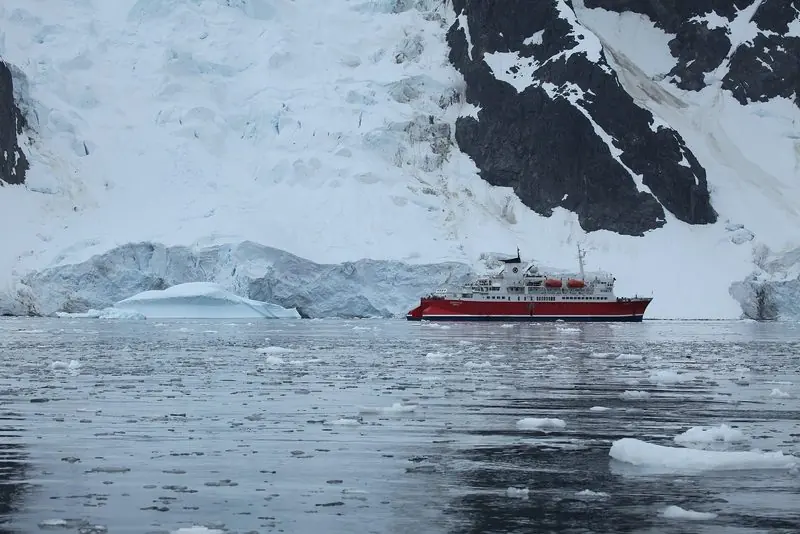
| Region | die chilenischen und argentinischen Kanäle von der Magellanstraße südwärts bis Kap Hoorn, und die Antarktische Halbinsel dahinter |
|---|---|
| Saison | der Südsommer, etwa November bis März |
| Drakestraße | rund 800 km oder 500 Meilen von Kap Hoorn bis Livingston Island, mit Wellen, die mit bis zu 12 Metern berichtet werden |
| Strom | der Antarktische Zirkumpolarstrom transportiert geschätzt 100 bis 150 Sverdrups und ist der stärkste Meeresstrom der Erde |
| Ushuaia | rund 1.100 km von der Antarktischen Halbinsel und weltweit der wichtigste Ausgangshafen dorthin, mit rund 540 Kreuzfahrtanläufen im Jahr |
| Beagle-Kanal | rund 240 km lang und an der engsten Stelle 5 km breit |
| Lotsenpflicht | der Freundschafts- und Friedensvertrag von 1984 verlangt von ausländischen Schiffen zwischen der Magellanstraße und Ushuaia chilenische Lotsen |
| Magellanstraße | rund 570 km lang, an der engsten Stelle rund 2 km, mit Lotsenpflicht |
| Chilenische Kanäle | ein befahrbares System von etwa 42 bis 55 Grad Süd, mit Fahrwegen, die im chilenischen Dekret 416 von 1977 geregelt sind |
| Regeln in der Antarktis | nicht mehr als 100 Besucher gleichzeitig an einer Landestelle, und Fahrzeuge mit mehr als 500 Passagieren dürfen niemanden anlanden |
| Genehmigungen | die Vertragsparteien des Antarktisvertrags erteilen statt Visa Genehmigungen, die über die nationale Behörde des Betreibers eingeholt werden |
| Verkehr | die Besucherzahlen in der Antarktis wurden bis 2025 mit rund 124.000 im Jahr berichtet |
| Chilean pilotage | set by gross tonnage under Supreme Decree 427 of 1979, in US dollars, revalued annually to the US CPI |
| Published pilotage band | USD 3,836.04 to 6,552.16 for 2,000 to 4,000 GRT for continuous navigation between Bahia Ancud and Bahia Posesion within 120 hours with two pilots, with section multipliers of 0.038 to 1.150 |
| Pilotage extras | USD 55.75 an hour for delayed departure beyond twelve hours, for navigation beyond 120 hours, and for pilot transfer outside a station |
| Port billing | the Austral ports tariff effective 1 May 2025 applies its yacht rates only to vessels up to 50 gross tonnage, so a large yacht is charged on the commercial scale |
| Permits | issued by a national authority of an Antarctic Treaty party to the organiser of the activity, with an environmental impact assessment and contingency planning, and taking months |
| Discharge | the Antarctic is a MARPOL Special Area under Annexes I, II and V, in force since 17 March 1992, and nothing may be discharged |
| Fuel | MARPOL Annex I Regulation 43 has prohibited the carriage and use of heavy grade oil south of 60 degrees south since 1 August 2011 |
Zwei Reviere, eine Reise
Fast niemand macht die Antarktis allein. Die Halbinsel liegt am Ende einer Route, die in den chilenischen Fjorden beginnt, und die Fjorde lohnen die Reise für sich. Das befahrbare Kanalsystem läuft von etwa 42 Grad Süd bis 55, tausend Meilen vergletscherte Innenpassage mit einem wirklich offenen Abschnitt über den Golfo de Penas. Puerto Montt, Puerto Natales und Punta Arenas sind die Häfen daran.
Am unteren Ende läuft der Beagle-Kanal 240 km von Ost nach West, an der engsten Stelle fünf Kilometer breit, mit Ushuaia auf der argentinischen und Puerto Williams auf der chilenischen Seite. Von dort folgen Kap Hoorn und dann offenes Wasser. Ein Eigner, der ein Zwei-Monats-Programm aufbaut, bekommt die Kanäle, das Kap und die Halbinsel. Wer nur drei Wochen hat, sollte die Kanäle machen und den Drake in Ruhe lassen.
Die patagonischen Kanäle
Das ist der Teil, an den sich die meisten Gäste erinnern. Gletscher, die zu beiden Seiten bis ans Wasser herunterkommen, Kondore und Ankerplätze, an denen das Boot vier Leinen an Bäume legt, weil der Grund wegfällt und der Wind ohne Vorwarnung kommt. Der Nordwestarm des Beagle hat eine Reihe von Gezeitengletschern, die alle Glacier Alley nennen. Seno Pia und Seno Garibaldi sind die beiden Fjorde, die Crews über alle anderen stellen. Puerto Natales ist der Absprungpunkt für Torres del Paine.
Die prägende Gefahr ist der Williwaw, eine katabatische Bö, die von einem vergletscherten Hang herunterstürzt und eine ankernde Yacht aus völliger Windstille mit 50 oder 60 Knoten trifft. Landleinen sind hier nicht optional, sie sind die Technik. Chilenische Lotsen sind in der Magellanstraße Pflicht und nach dem Vertrag von 1984 auch für ausländische Fahrzeuge zwischen der Straße und Ushuaia. Die Armada de Chile steuert die Bewegungen über ein Zarpe-System, und eine Yacht verlässt keinen Ankerplatz ohne einen.
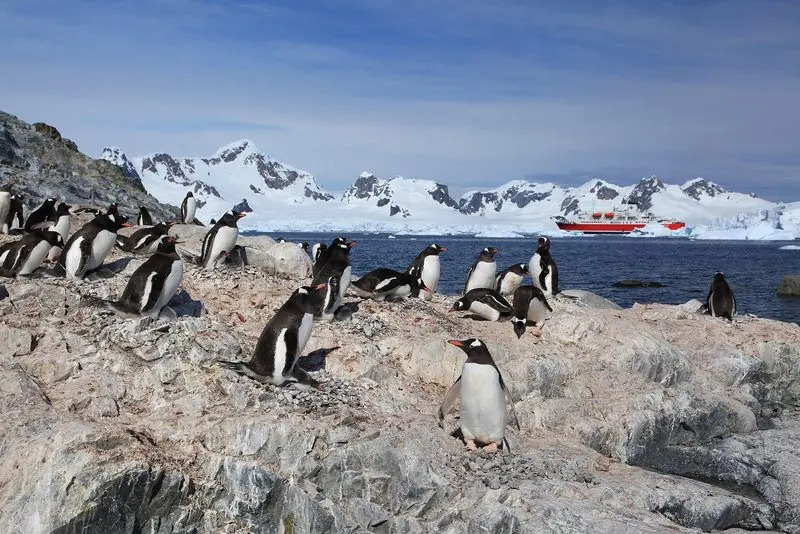
Zwei Tage Drakestraße kaufen eine Küste, die fast keine Privatyacht je sieht.
Der Drake und die Halbinsel
Die Drakestraße misst 800 Kilometer von Kap Hoorn bis Livingston Island, für die meisten Yachten also zwei Tage je Richtung. Der Antarktische Zirkumpolarstrom läuft mit geschätzt 100 bis 150 Sverdrups hindurch, der stärkste Strom des Ozeans, und der Seegang hat einen begründeten Ruf. Wellen von 12 Metern sind aufgezeichnet. Eine Querung wird auf ein Vorhersagefenster gelegt, und das Boot fährt oder es wartet.
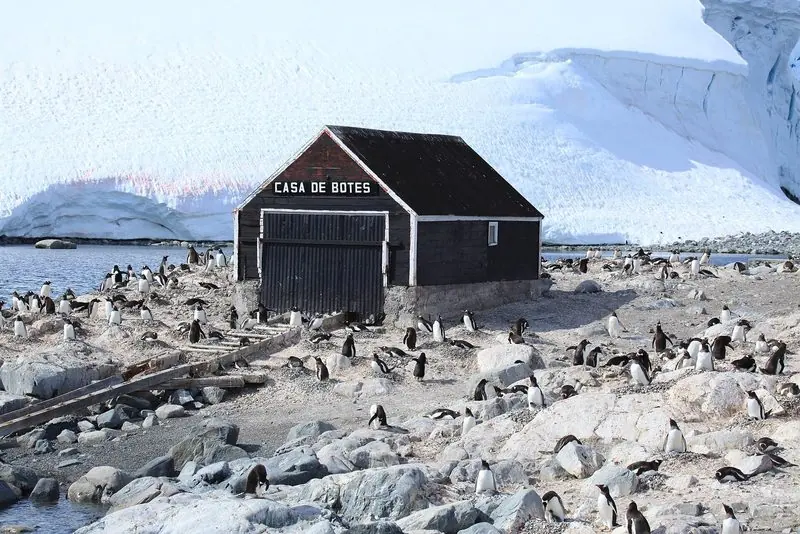
Auf der anderen Seite gibt die Halbinsel meist geschütztes Wasser. Deception Island ist eine aktive Caldera, angelaufen durch eine Lücke namens Neptune's Bellows, mit den Ruinen einer Walfangstation darin. Der Lemaire-Kanal ist die enge, eisumwandete Passage, aus der jedes Foto stammt. Paradise Harbour, Neko Harbour und die Wilhelmina Bay sind die Ankerplätze, und Port Lockroy hat eine britische Station mit Museum und Postamt. Das Eis und nicht die Tiefe entscheidet, wohin eine Yacht an einem bestimmten Tag fährt.
Vierzehn Tage, und ein Monat
Vierzehn Tage mit Basis Ushuaia machen den Beagle-Kanal, die chilenischen Arme und Kap Hoorn, und das sind volle und fordernde zwei Wochen mit echter Landschaft an jedem Tag. Gäste fliegen über einen Flughafen ein und aus. Das ist die Fassung, mit der die meisten Eigner beginnen sollten, und viele gehen nie weiter.
Ein Monat ist das Programm für die Halbinsel: Ushuaia, der Drake, zehn bis vierzehn Tage die Halbinsel entlang nach Süden und wieder der Drake. Nimmt man Südgeorgien hinzu, das weit im Osten liegt und die Königspinguinkolonien sowie Shackletons Grab in Grytviken trägt, werden daraus sechs oder sieben Wochen. Jede dieser Etappen ist eine Passage, Reichweite, Seeverhalten und Ausdauer der Crew bestimmen den Plan also mehr als der Törnplan selbst.
Was ein 50-Meter-Boot braucht
Der Liegeplatz ist hier nicht die Frage. Es gibt einen Handelskai in Ushuaia, Kais in Punta Arenas und Puerto Williams und in der Antarktis überhaupt nichts. Was zählt, ist die Spezifikation: ein eisverstärkter Rumpf oder zumindest eine Eisklasse, geschützte Propeller und Ruder, redundante Heizung und Stromversorgung, schweres Ankergeschirr mit einer Landleinen-Einrichtung, ein Radar, das Growler sieht, und Reichweite genug, um den Drake zweimal ohne Bunkerung zu queren.
Die praktische Schranke ist die Versicherung. Die Versicherer fragen nach Klassenzeichen, Eislotsen, Crewerfahrung und medizinischer Ausstattung, und die Prämien für eine Saison im Süden spiegeln das Fehlen jeder Bergungs- oder Rettungskapazität. Die meisten Yachten, die fahren, haben einen Eislotsen und ein Expeditionsteam an Bord, und ein Arzt an Bord ist normal. Ein Boot, das dafür nicht gebaut ist, bekommt keine Police, und das ist üblicherweise der Punkt, an dem ein Eigner erfährt, was die Reise wirklich bedeutet.
Genehmigungen, IAATO und was an Land erlaubt ist
Die Antarktis gehört niemandem, also erteilt niemand ein Visum. Die Vertragsparteien des Antarktisvertrags erteilen stattdessen Genehmigungen, und eine Yacht holt die Erlaubnis nach dem Umweltschutzprotokoll über die nationale Behörde ihrer Flagge oder des Veranstalters ein. Dieser Vorgang dauert Monate, verlangt eine Umweltverträglichkeitsprüfung und eine Notfallplanung und lässt sich nicht kurzfristig von Ushuaia aus regeln. Yachten, die ohne auftauchen, sind eine bekannte und unwillkommene Kategorie.
In der Praxis arbeiten die meisten seriösen Betreiber im Rahmen der IAATO, deren Regeln Anlandungen auf 100 Besucher gleichzeitig an einer Stelle begrenzen und jedem Fahrzeug mit mehr als 500 Passagieren jede Anlandung untersagen. Für eine Privatyacht sind diese Zahlen keine Schranke, das Buchungssystem für die Landestellen dahinter sehr wohl, und deshalb zählt die Beziehung zum Veranstalter. Die Besucherzahlen in der Antarktis erreichten bis 2025 rund 124.000 im Jahr, die guten Landestellen sind also verplant.
Wetter, Eis und Saison
Die Saison ist der Südsommer, etwa November bis März. November und der frühe Dezember geben das meiste Eis und den saubersten Schnee. Januar und Februar sind am wärmsten, mit der größten Tieraktivität und dem meisten Verkehr. Im März werden die Tage kürzer und die Flotte zieht nach Norden. Außerhalb dieses Fensters ist die Halbinsel kein Ort, an dem eine Privatyacht sein sollte.
Das Wetter in den Kanälen ist nass, windig und in einer Weise wechselhaft, für die es im Mittelmeer keine Entsprechung gibt, mit vier Jahreszeiten an einem Nachmittag als stehender Beschreibung. Auf der Halbinsel ist die Luft trocken und kalt, und der Wind ist meist schwächer, als ein Eigner erwartet, während das Risiko stattdessen im Eis liegt. Katabatische Ereignisse vom Eisschild, Brucheis, das über Nacht eine Bucht verstopft, und eine Veränderung im Packeis, die einen Kanal schließt, sind die täglichen Arbeitsprobleme.
Gäste an Bord bringen, und was sie tun
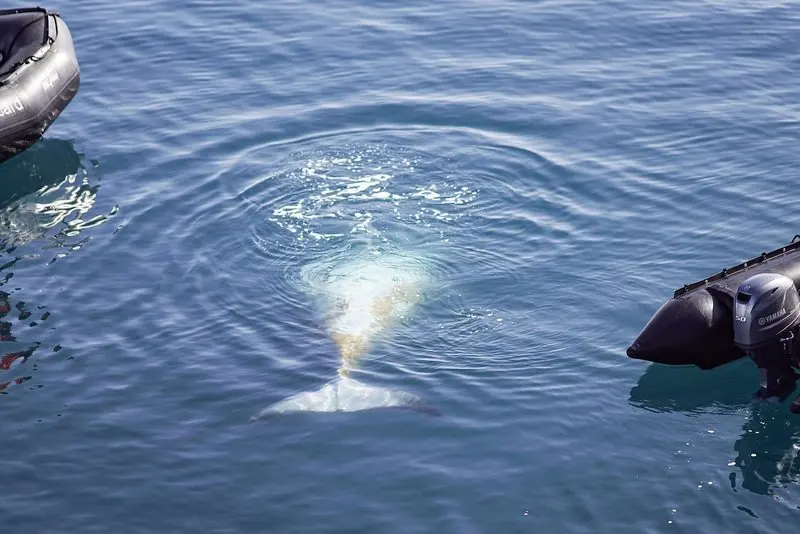
Ushuaias internationaler Flughafen nimmt Jets und ist über Buenos Aires, Santiago und El Calafate angebunden. Punta Arenas ist die chilenische Entsprechung. Beide liegen weit von allem entfernt und beide sind wetterabhängig, Gäste sollten also einen Tag früher anreisen und damit rechnen, dass das Boot am geplanten Morgen nicht ausläuft. Einen Luftzugang zur Halbinsel gibt es für einen Yachtgast nicht, abgesehen von einem Charterflug zur Piste auf King George Island, den manche Veranstalter organisieren, um den Drake zu überspringen.
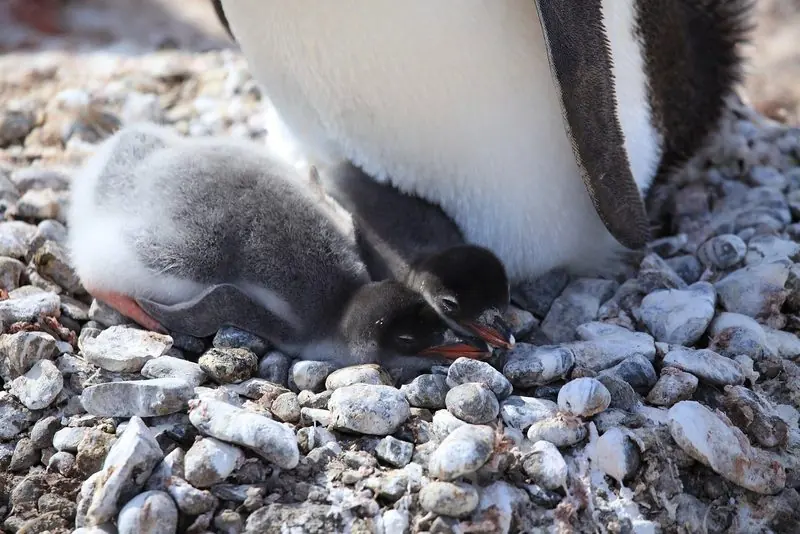
An Land besteht der Tag aus Anlandungen per Tender. Pinguinkolonien in Neko und auf Petermann, die Station und das Postamt in Port Lockroy, die Caldera von Deception, Kajakfahren zwischen Eis und ein Bad im vulkanischen Flachwasser für die, die darauf bestehen. In Patagonien sind es Wanderungen im Torres del Paine, Gletscherbegehungen und die Estancias. Essen und Nachtleben sind an diesem Ziel in keiner Form vorhanden, die ein Eigner wiedererkennen würde. Ushuaia hat Restaurants und Königskrabbe, und das ist der ganze Umfang.
Treibstoff, Unterstützung und der ehrliche Nachteil
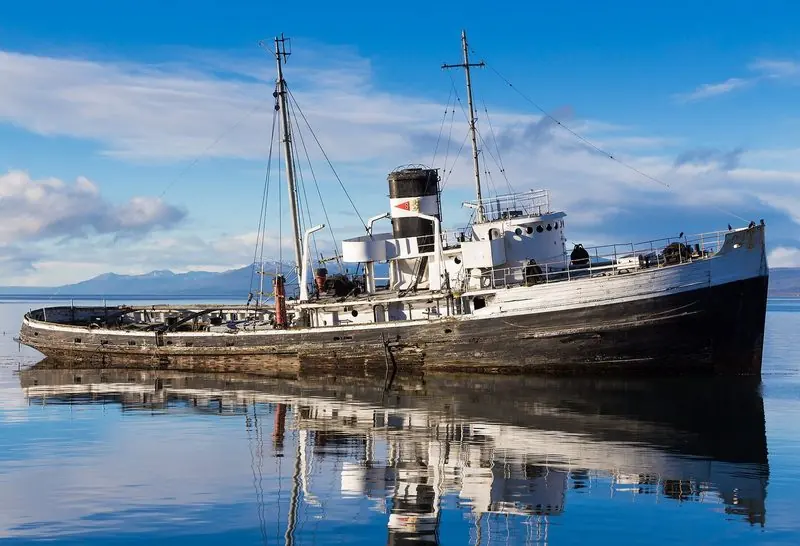
Treibstoff und Proviant kommen aus Ushuaia, Punta Arenas oder Puerto Williams und sonst nirgendwoher, und eine Yacht, die den Drake quert, trägt alles für die gesamte Südetappe mit. Technische Unterstützung auf dem Niveau, das eine 50-Meter-Yacht braucht, gibt es südlich von Buenos Aires oder Santiago nicht, und ein ernsthafter Ausfall auf der Halbinsel bedeutet eine Selbstrettung zurück über den Drake mit dem, was an Bord ist. Ersatzteile, Spezialisten und selbst eine medizinische Evakuierung werden in Tagen gemessen.
Die Liste der Nachteile ist lang, und nichts daran überrascht. Das Genehmigungsverfahren ist langsam. Chilenische Lotsen- und Zarpe-Verfahren kosten an jeder Stelle Geld und Zeit. Die Versicherung ist teuer, wenn es sie gibt. Der Drake wird unbequem sein und kann schlimmer werden. Gäste, die nicht wirklich wollen, sind am vierten Tag unglücklich. Dagegen ist die Halbinsel im Februar die leerste Landschaft, die eine Privatyacht aus eigener Kraft erreichen kann, und die Eigner, die hinfahren, fahren meist mehr als einmal.
The compulsory costs, and the one tariff that is published
Chilean pilotage is the line an owner cannot avoid and it is the only part of this voyage with a public tariff. Fees are set by gross tonnage under Supreme Decree 427 of 1979, denominated in US dollars and revalued each year against the US consumer price index. The published standard fee covers continuous navigation between Bahia Ancud and Bahia Posesion within 120 hours with two pilots aboard, and runs from USD 3,836.04 to USD 6,552.16 for vessels of 2,000 to 4,000 GRT, rising through USD 11,505.15 to USD 12,623.55 at 10,000 to 12,000 GRT. A 50 m yacht sits below the bottom of that band, so her base fee is lower, but the structure around it applies in full: section multipliers of 0.038 to 1.150 depending on the route through the Strait and the channels, and USD 55.75 an hour for a delayed departure beyond twelve hours, for navigation beyond 120 hours, and for embarking or landing a pilot outside a transfer station. On a channels programme that runs for weeks, the hourly charges are the part that moves.
Port charges are the other surprise. The Austral ports tariff effective 1 May 2025 applies its yacht rates to vessels up to 50 gross tonnage, which means a 50 m yacht is not a yacht for billing purposes and is charged on the commercial vessel scale at Punta Arenas. Ushuaia's commercial pier is agent-arranged and the agencies that handle expedition ships and superyachts publish nothing. Set the whole thing against the Mediterranean alternative for scale: Marina di Porto Cervo's published 2026 tariff is EUR 3,698 a day in the band to 40 m between 1 and 20 August, about EUR 102,000 for the month. A southern season will cost more than that and almost none of it will be berthing. It is pilotage, agency, fuel carried for the whole leg, an ice pilot, an expedition team, a doctor and an insurance premium priced for a coast with no salvage capability.
Permits, and why a commercial charter is a different application
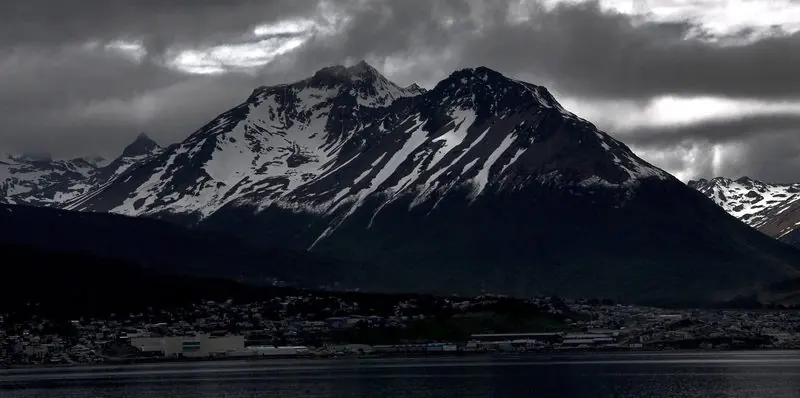
Nobody owns Antarctica, so there is no visa and no port state to license the yacht. Authorisation comes from a national authority of an Antarctic Treaty party, under the Environmental Protocol, and it is issued to the organiser of the activity rather than to the vessel. That distinction is the one that catches commercial operations: a charter is an organised activity and the permit application has to be made in the name of whoever is organising it, supported by an environmental impact assessment, contingency planning and evidence of self-sufficiency. It takes months, it cannot be assembled from Ushuaia in a fortnight, and a yacht that arrives on the Peninsula without it is in a category the other operators report. There is no fine schedule of the kind a Mediterranean state would publish, because enforcement runs through the flag state and through the permit rather than through a coastguard alongside.
The operational limits come from IAATO rather than from law, and for a private yacht they are not the constraint. No more than 100 visitors ashore at a site at one time, and no landings at all from a vessel carrying more than 500 passengers. What does constrain a yacht is the site booking system behind those numbers, which allocates the good landings among operators who are inside the system, and Antarctic visitor numbers reported at about 124,000 a year by 2025 mean the popular sites are scheduled rather than available. In Chilean and Argentine waters the yacht is back inside ordinary jurisdiction, with compulsory pilotage between the Strait of Magellan and Ushuaia under the 1984 Treaty of Peace and Friendship and the Armada de Chile controlling every movement through the zarpe system.
Discharge and fuel: the strictest regime a yacht will meet
The Antarctic area is a MARPOL Special Area under Annex I for oil, Annex II for noxious liquids and Annex V for garbage, and unlike the Red Sea these designations are in force, having taken effect on 17 March 1992. Garbage discharge is prohibited. Oil discharge is prohibited. Nothing goes over the side, and a yacht crossing the Drake carries out everything she carried in, which is a real volume calculation over a month with guests aboard and a driver of tankage on any boat built for this.
The fuel rule is the one that decides whether a hull can go at all. Under MARPOL Annex I Regulation 43, in force since 1 August 2011, the carriage in bulk as cargo, the use as ballast and the carriage and use as fuel of heavy grade oil are prohibited south of 60 degrees south. A yacht burning distillate is unaffected, which is most of them, but the rule is absolute and applies to what is in the tanks, not to what is being burned that day. Combined with the Polar Code requirements on structure, equipment and crew training, this is the point at which an owner discovers whether the boat is genuinely capable or merely large.
An Land, Anfahrt und Buchung
| Getting guests aboard | Ushuaia's international airport takes jets and connects through Buenos Aires, Santiago and El Calafate; Punta Arenas is the Chilean equivalent. Both are weather-dependent, so guests should arrive a day early and expect the boat may not sail on the planned morning. There is no air access to the Peninsula for a yacht guest short of a charter to the airstrip on King George Island, which some operators arrange to skip the Drake. |
|---|---|
| What the boat itself needs | Berthing is not the gate, the specification is: an ice-strengthened hull or at least an ice-capable class notation, protected propellers and rudders, redundant heating and power, heavy ground tackle with a shore-line arrangement for williwaw anchorages, radar that sees growlers, and range enough to cross the Drake twice without bunkering. |
| How the permit actually works | Authorisation comes from the national authority of an Antarctic Treaty party, issued to the organiser of the activity rather than to the vessel, and requires an environmental impact assessment and contingency planning. It takes months and cannot be assembled from Ushuaia in a fortnight. A commercial charter is a harder, separate application made in the organiser's name. IAATO's site-booking system, not a law, then allocates the actual landing slots among operators inside it. |
| What it costs: the one published tariff | Chilean pilotage under Supreme Decree 427 of 1979, denominated in US dollars and revalued yearly to US CPI, is compulsory and public: USD 3,836.04 to 6,552.16 for 2,000 to 4,000 GRT on the standard continuous transit, rising to USD 11,505.15 to 12,623.55 at 10,000 to 12,000 GRT. A 50 m yacht sits below that band, but the section multipliers of 0.038 to 1.150 and the USD 55.75 an hour charge for delays, extended transit or an off-station pilot transfer apply in full, and on a weeks-long channels programme the hourly charges are what moves. |
| What it costs: port charges and everything unpublished | The Austral ports tariff effective 1 May 2025 caps its yacht rate at 50 gross tonnage, so a 50 m yacht is billed on the commercial vessel scale at Punta Arenas. Ushuaia's commercial pier is agent-arranged and the agencies that handle expedition ships and superyachts there publish nothing. Almost none of a southern season's cost is berthing - it is pilotage, agency fees, fuel carried for the whole leg, an ice pilot, an expedition team, a doctor, and an insurance premium priced for a coast with no salvage capability. |
| Insurance and crew | Underwriters ask about ice class notation, ice pilots, crew experience and medical provision before extending a policy south, and premiums reflect the absence of any salvage or rescue capability. Captain Gerhard Veldsman of the 85.9 m sailing ketch Aquijo, who has made the run, put it plainly: an ice pilot is mandatory for insurance in the region, and although he initially thought hiring one was a waste of money, he found real value in a pilot who could read how the ice moved with the tide and wind. |
| Discharge and fuel rules | The Antarctic area is a MARPOL Special Area under Annexes I, II and V, in force since 17 March 1992: nothing is discharged, and a yacht crossing the Drake carries out everything she carried in. Under MARPOL Annex I Regulation 43, in force since 1 August 2011, heavy grade oil may not be carried or used as fuel south of 60 degrees south. A distillate-burning yacht is unaffected, but the rule is absolute on what is in the tanks, not on what is being burned that day. |
Was Eigner und Crew berichten
An ice pilot is not optional, and a real one earns his place
Captain Gerhard Veldsman of the 85.9 m sailing ketch Aquijo has said an ice pilot is mandatory for insurance in the region. He initially thought carrying one was a waste of money, but found that a good pilot adds real value, talking the boat through a path in the ice by reading how it moves with the tide and wind.
Captain Gerhard Veldsman, master of Aquijo (Boat International)Two weeks between Ushuaia and southern Chile without seeing another vessel
Veldsman also described the isolation of the Patagonian leg directly: his crew travelled for two weeks from Ushuaia to Chacabuco without seeing another living soul, and a yacht is on her own even if she carries a helicopter, because it is not flown unless it has to be.
Captain Gerhard Veldsman, master of Aquijo (Boat International)The smaller the group ashore, the better the Antarctic experience actually is
Ben Lyons, CEO of EYOS Expeditions, which organises private yacht polar voyages, has said there is a genuine privilege in being the only people ashore in Antarctica, and that on a smaller vessel the boat can stop for whales and have guests in the zodiacs within two minutes - flexibility a scheduled expedition ship does not have.
Ben Lyons, CEO, EYOS Expeditions (Forbes, November 2025)A private yacht changes what a landing feels like, not just who else is there
An Antarctic expedition leader has said the sense of wilderness is diminished when landing with around 100 people at once, and that a yacht-scale group lets guests discover Antarctica for themselves rather than as part of a managed crowd.
Richard White, expedition leader (Boat International)
Was gut ist und worauf zu achten ist
Stärken
- The least crowded landscape a private yacht can reach under her own powerEYOS Expeditions CEO Ben Lyons: being the only people ashore somewhere in Antarctica, surrounded by that scale of landscape with nobody else around, is a real privilege, and the smaller the group the better the experience is.
- A private yacht changes what the day can be, not just who is on itLyons again: on a smaller vessel, spotting whales means the boat simply stops and the zodiacs are in the water two minutes later, a kind of responsiveness a scheduled expedition ship cannot offer.
- One genuinely public, price-able cost existsChilean pilotage is set by gross tonnage under a 1979 supreme decree, denominated in US dollars and revalued to CPI every year, so an owner can actually cost this one compulsory line rather than guess at it.
- The channels alone are a complete programmeA fortnight based on Ushuaia covers the Beagle Channel, the Chilean arms and Cape Horn with real scenery every day, and does not require the Drake crossing at all - many owners never need to go further.
- Expedition leaders report the exclusivity is real, not marketingRichard White, an Antarctic expedition leader, has said the sense of wilderness is diminished landing with 100 people at once, and that a private yacht lets guests discover Antarctica for themselves rather than as part of a crowd.
Worauf zu achten ist
- There is no salvage or rescue capability south of Buenos Aires or SantiagoA serious failure on the Peninsula is a self-rescue back across the Drake with whatever is aboard. Spares, specialists and medical evacuation are all measured in days, not hours.
- Isolation is a literal fact, not an atmosphereCaptain Gerhard Veldsman of Aquijo: his crew travelled two weeks from Ushuaia to Chacabuco in southern Chile without seeing another living soul, and even a yacht carrying a helicopter cannot fly it unless it has to - you have to be able to survive on what is aboard.
- The permit process is slow and cannot be rushedAuthorisation is issued to the organiser of the activity, not the vessel, requires an environmental impact assessment and contingency planning, and takes months - it cannot be assembled from Ushuaia in a fortnight, and a commercial charter faces a harder, separate application.
- Insurance is expensive where it exists at allAn ice pilot is a mandatory condition of cover for this region, not an optional guide, and underwriters price the whole policy against a coast with no salvage capability.
- Guests who are not committed will struggleThe Drake will be uncomfortable and may be worse than forecast. There is no food or nightlife destination in any form an owner would normally recognise - Ushuaia's restaurants and king crab are the extent of it.
Für wen: Ein Eigner mit einem eistauglichen Boot, einem erfahrenen Kapitän und der Geduld für ein Genehmigungsverfahren, das in Monaten gemessen wird, und dessen Gäste eine Reise wollen statt eines Strands.