Turkey & the Dodecanese
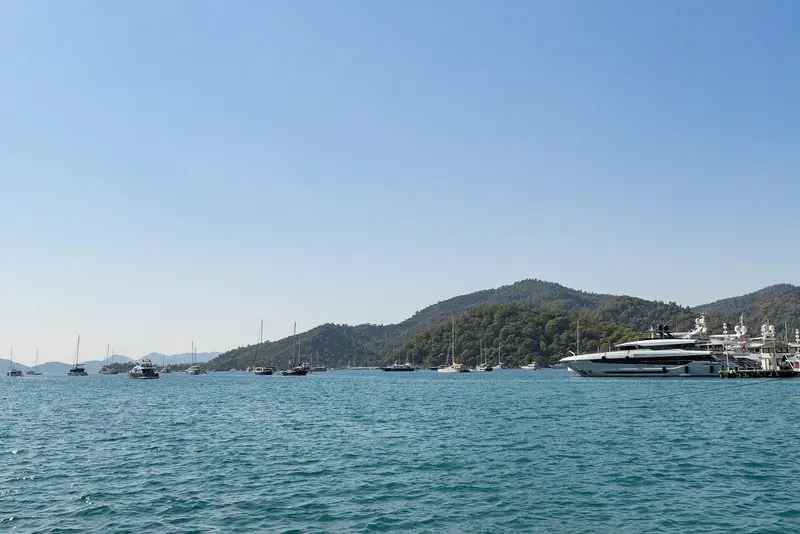
| Region | Südwesttürkei (ägäische und lykische Küste) sowie der griechische Dodekanes |
|---|---|
| Saison | Mai bis Oktober, mit Mitte Juli bis Ende August als Spitze |
| Prägender Wind | der Meltemi, aus Nordwest, Windstärke 5 bis 6 im Juli und August und bis Windstärke 7 bis 8 |
| Wichtigste Häfen | Yalikavak, Bodrum, Gocek, Marmaris, Kos, Symi, Rhodos |
| Größte Liegeplatzkapazität | Yalikavak Marina, rund 620 Liegeplätze, Yachten bis etwa 140 Meter |
| Charakteristische Ankerplätze | Skopea Limani und die Inseln vor Gocek, Kekova, die Halbinsel Bozburun |
| Ankern | die Buchten von Skopea Limani sind dicht unter Land 15 bis 20 Meter tief, Landleinen sind Standard |
| Einreise Türkei | e-Transitlog im ersten Hafen, ein Jahr gültig, dazu eine Blue Card, die die Abfallabgabe erfasst |
| Charter | das türkische Kabotagerecht beschränkt die gewerbliche Charter unter fremder Flagge, es braucht eine türkische Lizenz oder eine Fahrterlaubnis des Ministeriums |
| Treibstoff | abgabenfreie Bunkerung für Yachten unter fremder Flagge in lizenzierten türkischen Marinas und Werften |
| Griechische Seite | die Fahrtabgabe TEPAI, für 2026 mit EUR 8 pro Meter und Monat für Yachten über 12 Meter berichtet |
| Flughäfen | Milas-Bodrum rund 45 Minuten bis Yalikavak, Dalaman rund 30 Minuten bis Gocek, Rhodos und Kos auf der griechischen Seite |
| Charter from 19 June 2026 | a foreign-flagged commercial yacht under 39 m may not embark charter guests in Turkey and pays EUR 40 per metre of LOA at each clearance |
| Charter licence for 39 m and above | one-off and banded, EUR 74,423.36 for 39 to 59 m, EUR 108,135.03 for 60 to 79 m, EUR 168,846.72 above 80 m, valid to 31 December 2026 |
| Private yachts | a foreign-flagged private yacht may not charter in Turkey and may cruise only with the ultimate beneficial owner or a first-degree family member aboard, with no licence and no VAT |
| Licence process | notarised translations and about ten working days, with no amendments and no refunds after payment |
| Berthing | no Turkish marina publishes a superyacht tariff, checked 28 July 2026, and Netsel publishes its formula without the unit price |
| Third-party berth figure | EUR 12,000 to 25,000 a year for a 12 m yacht in the Bodrum, Marmaris and Gocek marinas on a 2026 market guide |
| Greek cost | TEPAI at EUR 8 per metre per month is EUR 400 a month for a 50 m yacht |
| Discharge | marine pollution fines under Article 20 of Environmental Law 2872 rose 25.5 per cent for 2026, and eleven vessels were fined a combined TRY 18,038,414 in the first quarter of 2026 |
| Duty-free fuel | open to foreign-flagged yachts private and commercial, ordered a working day ahead, with no published price differential |
Zwei Küsten, ein Revier
Die türkische Hälfte läuft von der Halbinsel Bodrum nach Süden an Datca und Marmaris vorbei nach Gocek und Fethiye und dann nach Osten die lykische Küste entlang über Kas bis Kekova. Die griechische Hälfte liegt wenige Meilen davor und gehört zu einem völlig anderen Staat: Kos, Symi, Rhodos, Patmos, Leros und die kleineren Felsen dazwischen. Bodrum nach Kos sind rund 12 Seemeilen. Marmaris nach Rhodos rund 35. Datca nach Symi etwa 12. Eine Yacht kann an einem Vormittag die Rechtsordnung wechseln und nachmittags in einer völlig anderen Welt vor Anker liegen.
Die Form der türkischen Küste ist es, die sie verkauft. Steil, kieferbewachsen und tief zerklüftet, mit Bergen hinter Skopea Limani, die auf 2.000 Meter steigen. Tiefes Wasser reicht dicht heran, die Schläge sind also kurz und der Schutz ist sofort da. Die meisten Fahrtage bestehen hier aus zwei bis vier Stunden Fahrt. Ein Eigner, der lange offene Etappen nicht mag, bekommt enorm viel Küste für sehr wenig Zeit auf See.
Eine Woche, und zwei Wochen
Die klassische Woche beginnt in Gocek. Hinaus nach Skopea Limani für zwei Nächte zwischen den Inseln vor Gocek, quer über den Golf von Fethiye, dann nach Osten nach Kalkan und Kekova zur versunkenen lykischen Stadt und zurück mit einer Nacht in Ekincik. Nichts auf dieser Route liegt mehr als vier Stunden vom letzten Ankerplatz entfernt. Die Alternativwoche ist die Halbinsel Bodrum und der Golf von Gokova, weiter, windiger und offener, mit der Halbinsel Datca und Knidos an ihrem Westende.
Zwei Wochen erlauben es, die beiden Hälften zu verbinden und Griechenland hinzuzunehmen. Von Bodrum hinunter nach Gocek mit Kos, Symi und Rhodos dazwischen ist die ehrliche Doppelwoche. Die Reibung liegt in der Abfertigung. Jeder Sprung über die Grenze bedeutet in beide Richtungen eine vollständige Zoll-, Einwanderungs- und Gesundheitsabfertigung, und in einem vollen Hafen wie Kos-Stadt oder Rhodos sind das an dem Tag typischerweise zwei bis vier Stunden. Planen Sie in vierzehn Tage eine Grenzquerung ein, nicht vier.
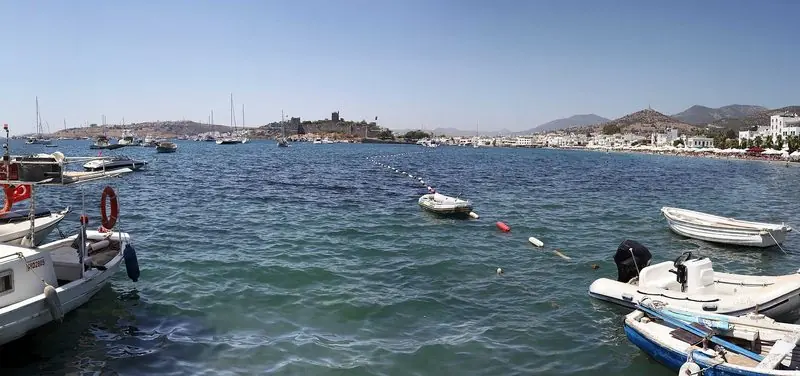
Eine Yacht kann hier über Mittag die Rechtsordnung wechseln und zahlt dafür an jedem Ende mit einer Abfertigung.
Die Ankerplätze, die die Reise lohnen
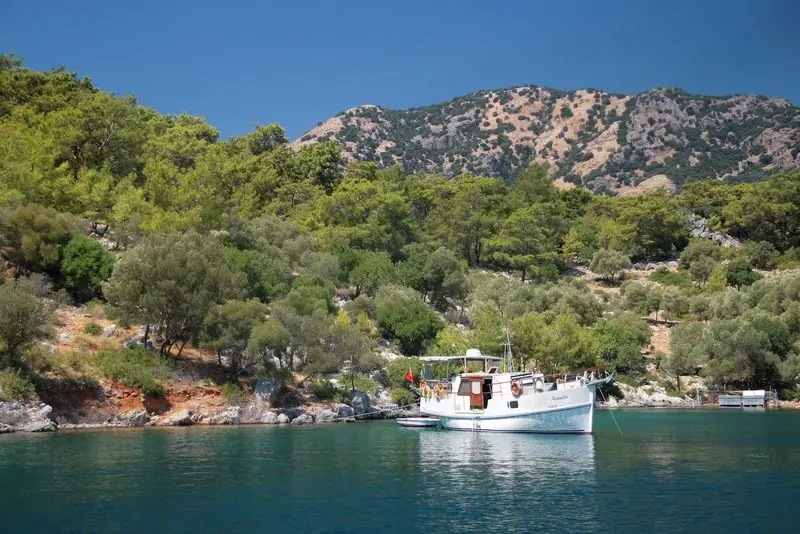
Skopea Limani, der geschlossene Golf südwestlich von Gocek, hält die besten bereit. Die Bucht Bedri Rahmi ist nach dem türkischen Maler benannt, dessen Fischmotiv noch an der Felswand steht. Über der Tomb Bay sind lykische Felsengräber unmittelbar über dem Wasser in die Klippe geschlagen. Die Insel Tersane hat eine verfallene Werft und eine verlassene Siedlung. Mehrere Buchten haben Restaurantstege, an denen Personal herausrudert, um die Leinen zu nehmen, was für ein 25-Meter-Boot wunderbar funktioniert und für ein 50-Meter-Boot überhaupt nicht.
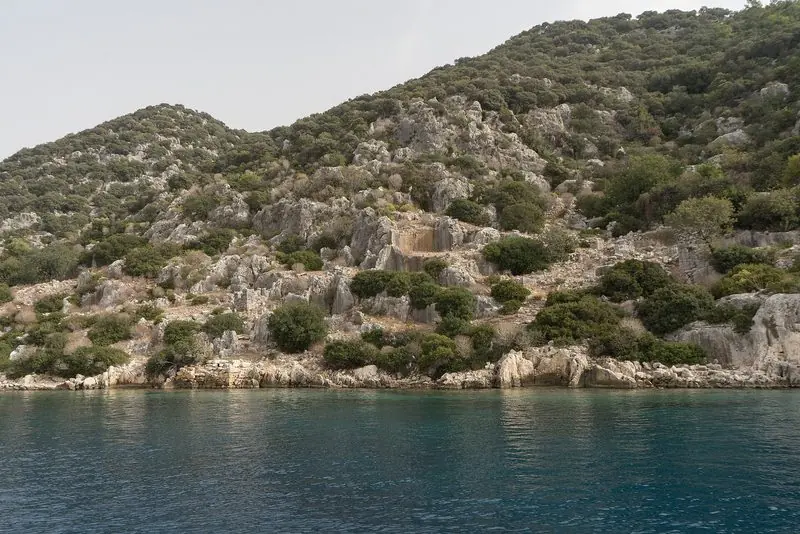
Östlich von Fethiye wird das Interesse archäologisch. Kekova hat eine lykische Stadt, die halb versunken am Ufer liegt und am besten mit dem Tender bei langsamer Fahrt zu sehen ist, mit Ucagiz und Kalekoy an beiden Enden. Westlich von Marmaris sind die Halbinseln Bozburun und Datca ruhiger, mit Knidos an der Spitze, wo zwei Meere aufeinandertreffen. Auf der griechischen Seite ist Symis Hafen Gialos die meistfotografierte Ankunft im Dodekanes, lauter klassizistische Fassaden, gestapelt in einer Felsschale, und Patmos trägt über dem Hafen Skala das Johanneskloster und die Höhle der Apokalypse.
Wo ein 50-Meter-Boot hineinpasst und wo nicht
Die Yalikavak Marina an der Nordwestspitze der Halbinsel Bodrum ist der Anker der ganzen Region, mit rund 620 Liegeplätzen und Kapazität für Yachten bis etwa 140 Meter. Sie ist bei Branchenpreisen mehr als einmal zur weltbesten Superyacht-Marina gewählt worden. Gocek hat mehrere Marinas in einer kleinen Bucht gedrängt, von denen D-Marin Gocek die größte ist und Yachten bis rund 70 Meter hinter einem schwimmenden Wellenbrecher nimmt. Netsel Marmaris und die Marinas von Bodrum füllen den Rest. Rhodos hat einen Superyachtkai im Handelshafen und die Rhodes Marina östlich der Stadt.
Die Grenzen zeigen sich vor Anker. Die Buchten von Skopea Limani sind bis dicht unter Land tief, die übliche Technik ist also, in 15 bis 20 Metern zu fallen und lange Leinen an Felsen oder Bäume zu bringen, wofür 50 bis 60 Meter Kette und ein Trupp an Land nötig sind. Für ein gut besetztes 50-Meter-Boot ist das Routine und in den kleineren Nischen unmöglich. Symis Stadtkai ist kurz und voll. In der Praxis ankert eine 50-Meter-Yacht hier im äußeren Teil der Bucht und arbeitet die Küste mit dem Tender ab, und genau so macht es die ansässige Flotte.
Der Meltemi und der Seegang
Der prägende Wind ist der Meltemi, im Dodekanes aus Nordwest, im Juli und August am härtesten und beständigsten. Er läuft in diesen Monaten typischerweise mit Windstärke 5 bis 6 und kann auf 7 oder 8 auffrischen. Wichtiger als der Mittelwert ist der Tagesgang: leicht bis zum späten Vormittag, am härtesten am Nachmittag, über Nacht abflauend. Dieser verlässliche Rhythmus ist der Grund, warum ortskundige Crews beim Frühstück ablegen. Zwischen den Kykladen und dem Dodekanes hat der Wind rund 100 Seemeilen freie Anlaufstrecke, die See baut sich also auf den offenen Querungen auf und nicht an der Küste.
Südlich und östlich der Halbinsel Datca ist die türkische Küste weit geschützter und der Meltemi kommt gedämpft an. Skopea Limani ist besonders eine Leichtwindtasche. Das Wasser ist ab Juni warm und bleibt bis in den Oktober zum Schwimmen. Frühjahr und Herbst bringen die ruhigste See und die grünsten Hügel, mit gelegentlichen Gewittern in der Hitze des späten August. November bis März ist hier in keinem sinnvollen Sinn eine Fahrsaison: nass, windig, und die meisten Restaurants an der Küste sind geschlossen.
Die Saison und die Wochen, die schon vergeben sind
Die nutzbare Saison ist Mai bis Oktober. Von Mitte Juli bis Ende August läuft die Halbinsel Bodrum auf voller Lautstärke, mit türkischem und regionalem Urlaubsverkehr obendrauf zur internationalen Flotte. Gocek ist im August wirklich voll, und die guten Buchten sind am frühen Nachmittag belegt. Ende Mai, Anfang Juni und die ersten drei Septemberwochen sind die Fenster, die Leute mit Ortskenntnis tatsächlich wählen, mit warmem Wasser, weicherem Wind und Platz zum Ankern.
Die besten Sommerliegeplätze in Yalikavak sind faktisch von den Booten belegt, die sie über Jahresverträge halten, und die spontane Verfügbarkeit im August ist in jeder Länge dünn. Der Oktober bringt den Bodrum Cup, eine Gulet-Regatta, die seit 1989 in der dritten Woche des Monats läuft und Bodrum mit 150 oder mehr traditionellen Holzyachten füllt und die Saison mit einer Woche Feiern schließt. Diese Woche lohnt es sich anzusteuern oder zu meiden, je nach Eigner.
Gäste an Bord bringen
Milas-Bodrum ist das Tor zur nördlichen Hälfte, rund 45 Minuten mit dem Auto bis Yalikavak und weniger bis in die Stadt Bodrum, und es ist der wichtigste Abfertigungspunkt der Region für Privatjets. Dalaman bedient den Süden, rund 30 Minuten von den Marinas in Gocek und unter einer Stunde bis Fethiye. Beide nehmen Geschäftsflugzeuge, und beide haben Sommerflugpläne aus dem größten Teil Europas. Istanbul liegt für alle, die von der Langstrecke kommen, einen kurzen Inlandsflug entfernt.
Die griechische Seite wird von Rhodos Diagoras und Kos bedient, beide mit starkem Charterverkehr im Sommer und dünnerer Abfertigung für Privatluftfahrt als die türkischen Flughäfen. Gästen, die in Griechenland zusteigen und aus der Türkei abreisen, muss man die Grenze erklären. Die türkischen Visumanforderungen hängen von der Staatsangehörigkeit ab, und das elektronische System ist unkompliziert, aber es muss vor der Abreise erledigt sein. Crewwechsel über die Grenze kosten jedes Mal eine Abfertigung.
An Land, und wie es dort tatsächlich ist
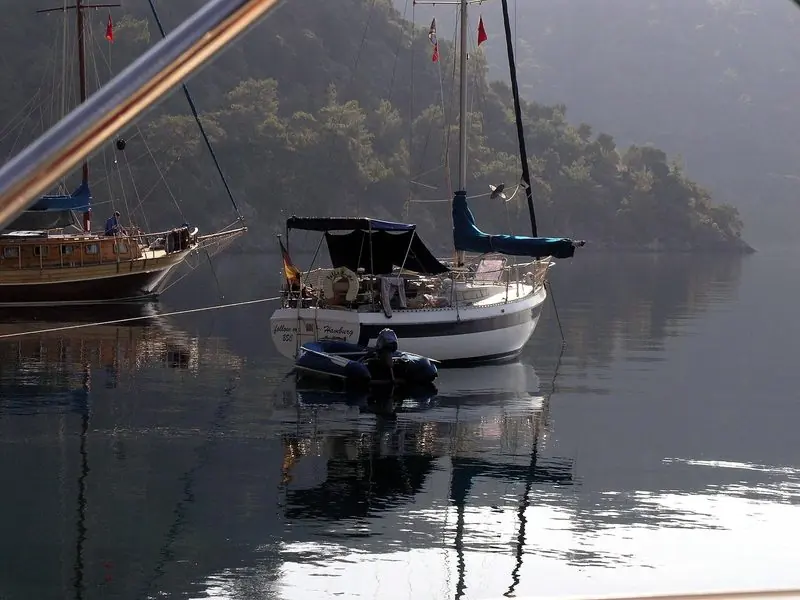
Bodrum hat die Burg der Ritter des Johanniterordens, in der das Museum für Unterwasserarchäologie untergebracht ist, und die Reste des Mausoleums von Halikarnassos. Die Altstadt von Rhodos ist eine ummauerte mittelalterliche Stadt und Welterbe und der eine Stopp, an dem Gäste gerne einen ganzen Tag verbringen. Dalyan, per Tender den Fluss von Ekincik hinauf erreichbar, hat die in die Felswand geschlagenen Felsengräber von Kaunos.
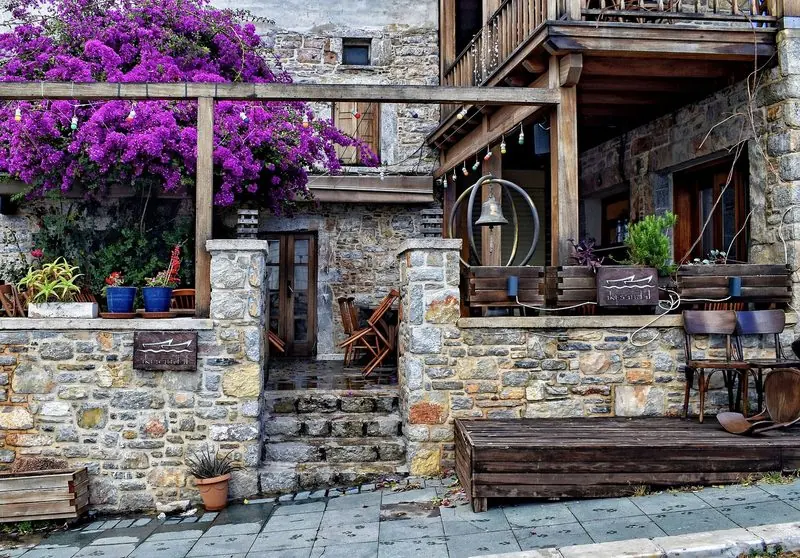
Das Essen ist ehrlich und regional. Meze, gegrillter Fisch nach Gewicht verkauft, und Restaurants an der Küste, die einen Tender schicken, um Gäste abzuholen. Turkbuku an der Nordseite der Halbinsel Bodrum und die Promenade der Yalikavak Marina tragen die Sommerszene, mit den internationalen Restaurantnamen und dem späten Publikum. Die griechischen Inseln sind ruhiger, besonders Symi und Patmos machen früh zu. Niemand kommt an diese Küste für Riviera-Nachtleben, und wer es versucht, wird enttäuscht.
Papiere, Treibstoff und der ehrliche Nachteil
Jede Yacht unter fremder Flagge, die in die Türkei einläuft, nimmt im ersten Hafen ein e-Transitlog, ein Jahr gültig, dazu eine Blue Card, die die Abfallabgaben erfasst. Agenten erledigen beides routinemäßig, und es ist nicht lästig. Der wirtschaftliche Vorteil ist real. Yachten unter fremder Flagge bunkern in lizenzierten türkischen Marinas und Werften abgabenfrei, was auf einem 50-Meter-Boot über eine Saison eine spürbare Zahl ist. Die Türkei liegt außerdem außerhalb des Zollgebiets der EU, weshalb so viele Yachten sie nutzen, um die 18-Monats-Frist der vorübergehenden Verwendung zu unterbrechen, und Eigner sollten sich dazu eigenen Rat holen.
Der Nachteil ist das Charterregime. Das türkische Kabotagerecht behält den inländischen Seeverkehr Fahrzeugen unter türkischer Flagge vor, und eine gewerbliche Yacht unter fremder Flagge kann in der Türkei nicht einfach Gäste an Bord nehmen. Die Wege darum herum, eine türkische Charterlizenz oder eine an das Ministerium gezahlte Fahrterlaubnis pro Meter, haben sich mehr als einmal geändert und gehören im Jahr der Nutzung geprüft. Darüber hinaus: das Gedränge im August in Gocek, der Meltemi auf der Bodrum-Seite und eine ernsthafte Refit-Industrie, deren schwerste Hebekapazität in Tuzla bei Istanbul liegt, mehrere hundert Meilen von den Buchten entfernt, die man tatsächlich fährt.
What it costs, and where the saving actually is
Turkish marinas do not publish superyacht tariffs. Netsel Marmaris publishes the formula, LOA multiplied by beam multiplied by days multiplied by a unit price, and not the unit price. Yalikavak lists 620 berths and a 60 m maximum on the booking platforms with no rate table behind it, checked on 28 July 2026. The best-sourced third-party figures are small-boat ones: a 2026 Turkish market guide puts an annual berth for a 12 m yacht at EUR 12,000 to 25,000 in the Mugla marinas, meaning Bodrum, Marmaris and Gocek, against EUR 8,000 to 15,000 around Izmir and Didim. That is not obviously cheap. Marina di Porto Cervo's published 2026 tariff charges EUR 17,952 for a 1 May to 31 October contract in the same 12 m band and EUR 2,328 for the winter, so at small lengths the Costa Smeralda and the Turkish coast are within sight of each other. The gap opens at the top, where Porto Cervo charges EUR 3,698 a day in the band to 40 m between 1 and 20 August and EUR 5,437 in the band to 55 m, and no Turkish marina will state its equivalent in public.
The saving on this coast is fuel and customs, not berthing. Duty-free bunkering is open to foreign-flagged yachts, private and commercially registered alike, at licensed Turkish marinas and yards, with orders placed a working day ahead and 48 hours ahead over a weekend. No Turkish supplier publishes the duty-free against duty-paid differential, so the number is a quotation on the day and worth getting in writing before the boat commits to a fuelling port. The second saving is jurisdictional and costs nothing at all: Turkey sits outside the EU customs territory, which is why so many yachts use a Turkish call to interrupt the EU's 18-month temporary admission clock. On the Greek side the cost is explicit and small. TEPAI runs at EUR 8 per metre per month for yachts over 12 m in 2026, which is EUR 400 a month for a 50 m boat, and it is payable whether she moves or not.
The charter rule changed on 19 June 2026
Turkey has replaced the arrangement that most owners still believe is in force, and the new position is the plainest in the eastern Mediterranean. From 19 June 2026, a foreign-flagged commercial yacht under 39 m LOA may cruise Turkish waters with charter guests already aboard on entry and may not embark new guests in a Turkish port, and she pays a cruising permit charged at EUR 40 for each metre of LOA at every clearance, up from EUR 36. A foreign-flagged commercial yacht of 39 m and above may now embark and disembark in Turkey, but only under a Turkish charter licence obtained before arrival, with the yacht held alongside until it is approved. The fee is one-off, banded on length and valid to 31 December 2026: EUR 74,423.36 for 39 to 59 m, EUR 108,135.03 for 60 to 79 m and EUR 168,846.72 above 80 m. Papers must be translated and notarised and the process runs to about ten working days, with no amendments and no refunds once it is paid.
A foreign-flagged private yacht may not charter in Turkey at all. She may cruise, and the condition attached is that the ultimate beneficial owner or a first-degree family member is aboard, under which no licence and no VAT arise. The purpose of the whole structure is protection of the Turkish-flagged commercial fleet, which sits overwhelmingly below 39 m, and that tells an owner how it will be enforced. Cabotage remains the underlying rule: domestic maritime commerce is reserved to Turkish-flagged vessels, and a charter that embarks and lands guests in Turkey without the licence is trading illegally rather than merely misfiled. An owner who intends to earn in these waters should treat the licence fee as the price of the ground and compare it with Greece before committing, because a 45 m boat is being asked for EUR 74,423.36 before she takes a single booking.
Discharge, the Blue Card and the fines
The Blue Card is not a formality. Every foreign yacht in Turkish waters carries one and it records waste discharges to shore reception, which means the state holds a running account of what a boat has landed and can read the gaps. Discharge offences are administered under Article 20 of Environmental Law 2872, and the tariff is revalued every year. Marine pollution penalties for 2026 were raised 25.5 per cent over 2025, and in the first three months of 2026 the authorities fined eleven ships and boats a combined TRY 18,038,414. That is an average approaching TRY 1.7 million a vessel in a quarter, on a coast where the offence is usually a tank emptied in a bay that looked empty.
The practical rule is that black and grey water go ashore, at the marina or to a pump-out boat, and the Blue Card entry is made. The enclosed bays are the exposure: Skopea Limani and the Gocek gulf hold water for days in a light-air summer, which is exactly why the enforcement is concentrated there. On the Greek side the yacht is inside a MARPOL Annex V Special Area for the Mediterranean, in force since 1 May 2009, under which effectively nothing but ground food waste may go over the side and only well offshore.
An Land, Anfahrt und Buchung
| Getting there | Milas-Bodrum is about 45 minutes to Yalikavak and is the region's main private jet handling point. Dalaman serves the south, around 30 minutes to the Gocek marinas. Rhodes and Kos serve the Greek side with heavier charter traffic and thinner private aviation handling. |
|---|---|
| By sea | Every crossing between Turkey and Greece needs a full customs, immigration and health clearance both ways, typically two to four hours at a busy port such as Kos Town or Rhodes. Build one crossing into a fortnight, not four. |
| Reserving a berth | No Turkish marina publishes a superyacht tariff. Yalikavak's prime summer berths are effectively spoken for by boats on annual contracts, and walk-up availability in August is thin at any length; book well ahead of the July to August peak. |
| What it costs | Turkish marina berthing is a quotation, not a published rate. Greece is explicit: TEPAI cruising tax runs EUR 8 per metre per month for yachts over 12 m in 2026, about EUR 400 a month for a 50 m yacht, payable whether she moves or not. |
| Charter licensing | From 19 June 2026 a foreign-flagged commercial yacht of 39 m or more needs a Turkish charter licence before embarking guests: EUR 74,423.36 for 39 to 59 m, EUR 108,135.03 for 60 to 79 m, EUR 168,846.72 above 80 m, valid to 31 December 2026. Under 39 m, guests must already be aboard on entry and each clearance costs EUR 40 per metre of LOA. |
| Fuel | Duty-free bunkering for foreign-flagged yachts, private and commercial, at licensed Turkish marinas and yards. Orders go in a working day ahead, or 48 hours over a weekend. No supplier publishes the duty-free differential; get the number in writing before committing to a fuelling port. |
| Where to eat | Turkbuku on the Bodrum peninsula and the Yalikavak Marina promenade carry the international restaurant names and the late crowd. Several Skopea Limani bays run restaurant pontoons where staff row out to take lines, which suits a 25 m boat far better than a 50. |
| After dark | Bodrum and Yalikavak have a real summer scene; the Greek islands, especially Symi and Patmos, close down early. Nobody comes to this coast for Riviera-style nightlife. |
| Fixed dates | Season runs May to October. Mid-July to late August is full volume on the Bodrum peninsula and in Gocek. The Bodrum Cup gulet regatta fills the third week of October with 150-plus traditional yachts and a week of parties. |
Was Eigner und Crew berichten
Captains who use a Turkish agent describe the paperwork as routine rather than a real obstacle
Several captains published in 360 Yachting's own client testimonials, writing under their yacht's name rather than their own, describe repeat use of a Turkish agent across multiple seasons and say they return every time they are back in Turkish waters. It is the agency's own published feedback rather than an independent survey, so it speaks to how manageable the clearance and licensing process feels with the right agent, not to the cost of the licence itself.
Captain, M/Y I Dynasty (via 360 Yachting)
Was gut ist und worauf zu achten ist
Stärken
- An enormous amount of coastline for very little time at seaSteep, pine-covered, deeply indented shore with deep water close in. Most cruising days are two to four hours of running, so an owner who dislikes long open legs still sees a great deal.
- A serious marina, not a makeshift oneYalikavak Marina takes yachts to roughly 140 m across around 620 berths and has been rated the best superyacht marina in the world by the Yacht Harbour Association.
- Real fuel and tax savingsDuty-free bunkering for foreign-flagged yachts at licensed Turkish marinas, plus a Turkish call that interrupts the EU's 18-month temporary admission clock, both save genuine money at no cost beyond the paperwork.
- Two countries in one cruising groundBodrum to Kos is about 12 nautical miles and Datca to Symi about the same, so an owner can add the medieval towns and monasteries of the Dodecanese to a Turkish itinerary without a long passage.
Worauf zu achten ist
- The charter rule changed again on 19 June 2026A 45 m commercial yacht is now asked for a one-off Turkish charter licence fee of EUR 74,423.36 before she takes a single booking, and the fee is non-refundable once paid even if the licence process, which runs about ten working days, throws up a problem.
- No marina will tell an owner what a berth actually costsNetsel Marmaris publishes its pricing formula without the unit price, and Yalikavak lists berth counts and a length ceiling with no rate table behind them, checked 28 July 2026.
- Discharge enforcement is real money, not a warningMarine pollution fines rose 25.5 per cent for 2026, and eleven vessels were fined a combined TRY 18,038,414 in the first quarter of the year alone, concentrated on enclosed bays such as Skopea Limani that hold water for days in a light-air summer.
- August crowding is genuineGocek in August is full and the good bays are taken by mid-afternoon; the refit industry's heaviest lifting capacity sits at Tuzla near Istanbul, several hundred miles from the cruising ground itself.
Für wen: Ein Eigner, der kurze Schläge, tiefe private Buchten und eine ernsthafte Marina will und der privat fährt und nicht darauf angewiesen ist, dass das Boot in heimischen Gewässern verdient.