Florida & the Keys
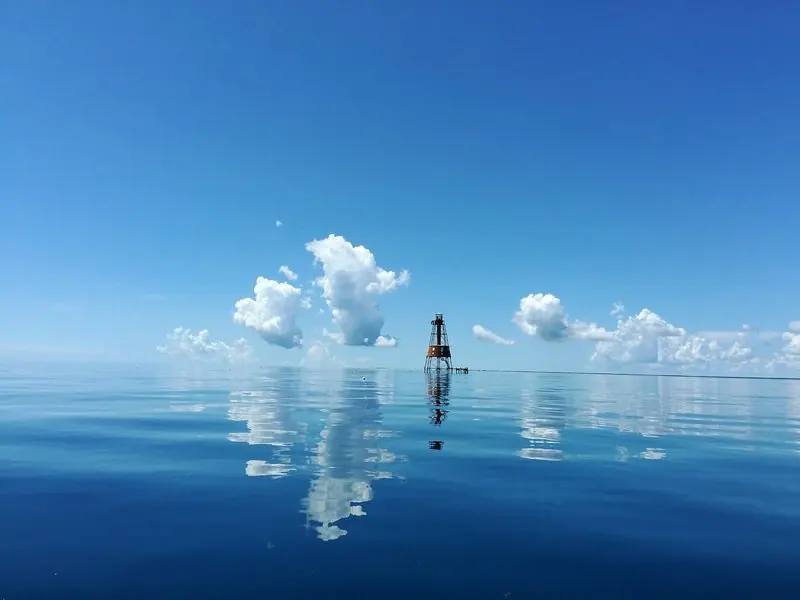
| Región | sureste de Florida, de Palm Beach a Miami, más los Florida Keys y las Dry Tortugas |
|---|---|
| Temporada | de noviembre a mayo, con la temporada de huracanes oficialmente del 1 de junio al 30 de noviembre |
| Cadena | los Keys se extienden unas 127 millas a lo largo de la Overseas Highway, empezando unas 15 millas al sur de Miami |
| Arrecife | el Florida Reef se extiende unas 170 millas y es el tercer sistema de arrecife de barrera del mundo |
| Mayor capacidad de amarre | Safe Harbor Rybovich, en West Palm Beach, puestos de 80 a 450 pies, calado de hasta 25 pies, sin límite de altura de paso ni de manga |
| Izado pesado | Rybovich opera un travel lift de 660 toneladas, y Lauderdale Marine Center llega a 485 toneladas |
| Refit | Safe Harbor Lauderdale Marine Center ocupa 65 acres y trabaja yates de unos 90 a 200 pies |
| Norma del santuario | las Areas To Be Avoided del Florida Keys National Marine Sanctuary restringen a los barcos de 164 pies (50 metros) o más |
| Norma del santuario | prohibido fondear sobre coral vivo, y 4 nudos y sin ola a menos de 300 pies de la orilla, de los barcos amarrados y de las balizas del arrecife |
| Dry Tortugas | a unas 70 millas al oeste de Key West, fondeo nocturno solo sobre arena dentro de 1 milla náutica del faro de Garden Key, sin combustible ni agua en el parque |
| Charter | la Passenger Vessel Services Act prohíbe a los barcos de pabellón extranjero llevar pasajeros entre puertos estadounidenses |
| Aeropuertos | los internacionales de Fort Lauderdale, Miami y Palm Beach, con Opa-locka y Fort Lauderdale Executive para la aviación privada |
| PVSA penalty | USD 300 per passenger transported and landed under 19 CFR 4.80, inflation-adjusted to USD 996 per passenger for 2025 |
| Cruising licence | issued under 19 CFR 4.94 for up to one year, allows arrival and departure without formal entry at each port, covers private use only and confers no right to carry passengers for hire |
| Successive licences | a non-resident owner must leave a gap of at least fifteen days between cruising licences |
| Berth cost | Rybovich and Lauderdale Marine Center publish no rates, checked 28 July 2026, and third-party 2026 figures put megayacht dockage at Pier Sixty-Six and Bahia Mar at USD 80 to 200 per foot per month |
| Keys berth cost | City Marina at Garrison Bight, Key West, USD 4.10 plus tax per foot per day and USD 56.26 plus tax per foot per month effective 1 August 2026 |
| Discharge | the sanctuary is a federal No Discharge Zone and Florida Statute 327.521 sets a civil penalty of up to USD 250, and up to USD 250 for each day a discharge continues |
| Grey water | not classed as sewage under current Florida law and not prohibited, which is the gap a large yacht should manage voluntarily |
Primero una base, después una zona de navegación
El armador tiene que ser honesto sobre lo que es Florida. El tramo que va de Palm Beach a Miami pasando por Fort Lauderdale es la concentración más densa de infraestructura náutica que existe: astilleros, naves de pintura, técnicos, brokers, agencias de tripulación, velerías y recambios. Si algo se rompe en un barco de 50 metros en el hemisferio occidental, aquí es donde se arregla, y normalmente se arregla bien y deprisa. Lo que no es es un sitio por el que la gente navegue por placer.
La navegación ocurre o 50 millas náuticas al este, cruzando la corriente del Golfo hasta las Bahamas, o al sur bajando por los Keys. Florida es el punto de entrada, el amarre de invierno y el taller. Esa es una razón genuina para basar aquí un barco durante la temporada, y por eso lo hacen tantos armadores. También significa que el invitado que llegue esperando la Riviera francesa se va a encontrar una marina en una ciudad americana.
La forma de la zona
De norte a sur, la costa útil son unas 70 millas, de West Palm Beach a Miami pasando por Fort Lauderdale, todo enlazado por el Intracoastal Waterway y todo con bocanas profundas al Atlántico. Port Everglades, en Fort Lauderdale, es un puerto comercial de aguas profundas y admite los yates más grandes sin dificultad. Los astilleros de reparación están tierra adentro, en el New River y en el Dania Cut-off Canal, a los que se llega con una navegación lenta y estrecha entre aperturas de puentes que es un espectáculo en sí misma.
Al sur de Miami empiezan los Keys, un archipiélago coralino de unas 127 millas hasta Key West, con el Florida Reef a unas millas de la costa. Entre los dos está Hawk Channel, la ruta interior abrigada, y más allá de Key West quedan las Dry Tortugas, unas 70 millas más al oeste, sin nada encima salvo un fuerte de ladrillo del siglo diecinueve. Florida Bay, en el lado norte de los Keys, es somera, con marea y en la práctica cerrada a cualquier yate de tamaño.
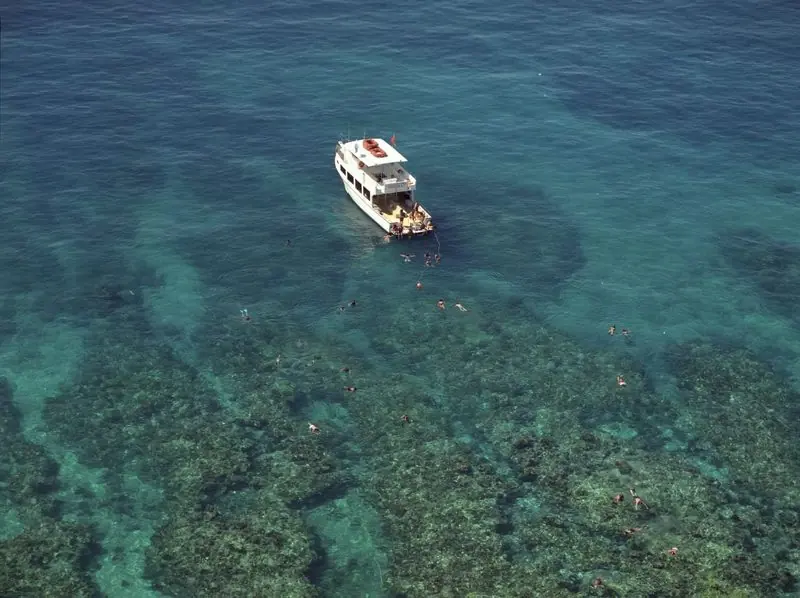
Florida es donde se arregla la flota, y la navegación empieza cincuenta millas al este.
Una semana, y dos semanas
Una semana desde Fort Lauderdale significa, siendo realistas, las Bahamas. Cruzar a Bimini o a las Berry Islands, bajar a Nassau y a los Exumas, y volver. La alternativa es bajar por Hawk Channel con noches en Islamorada y Marathon y tres o cuatro días en Key West, lo que va bien a un barco de menos de 50 metros y se va complicando a medida que crece.
Dos semanas abren los Keys completos más las Dry Tortugas, que es el único sitio genuinamente salvaje del estado y merece la travesía para cualquiera que bucee. Los armadores que cruzan el Atlántico en otoño suelen llegar aquí en noviembre, pasar una quincena de trabajos en Rybovich o en Lauderdale Marine Center y empezar la temporada de verdad en las Bahamas en diciembre. La quincena en Florida es una quincena de trabajo.
Dónde cabe un barco de 50 metros y dónde no
Safe Harbor Rybovich, en West Palm Beach, es lo más alto del mercado, con puestos de 80 a 450 pies, calado de hasta 25 pies, sin límite de manga ni de altura de paso y agua profunda directa desde el Atlántico. Opera un travel lift de 660 toneladas. Safe Harbor Lauderdale Marine Center es la alternativa de trabajo, 65 acres en el Dania Cut-off Canal, izando hasta 485 toneladas y atendiendo yates de unos 90 a 200 pies. Entre los dos, más las marinas de Fort Lauderdale y de Miami, un yate grande no tiene problema de amarre en esta costa.
Los Keys son lo contrario. Hawk Channel es somero, la línea de arrecife no perdona y las marinas de Islamorada, Marathon y Stock Island están hechas para barcos de pesca deportiva y yates bastante por debajo de los 50 metros. El canal principal de Key West es profundo, pero los amarres son limitados y el pueblo está lleno. En los Keys, un yate grande fondea en agua permitida y trabaja el arrecife en tender, que es la misma respuesta que en las Granadinas con mucho más papeleo encima.
El santuario, el arrecife y la línea de los 50 metros
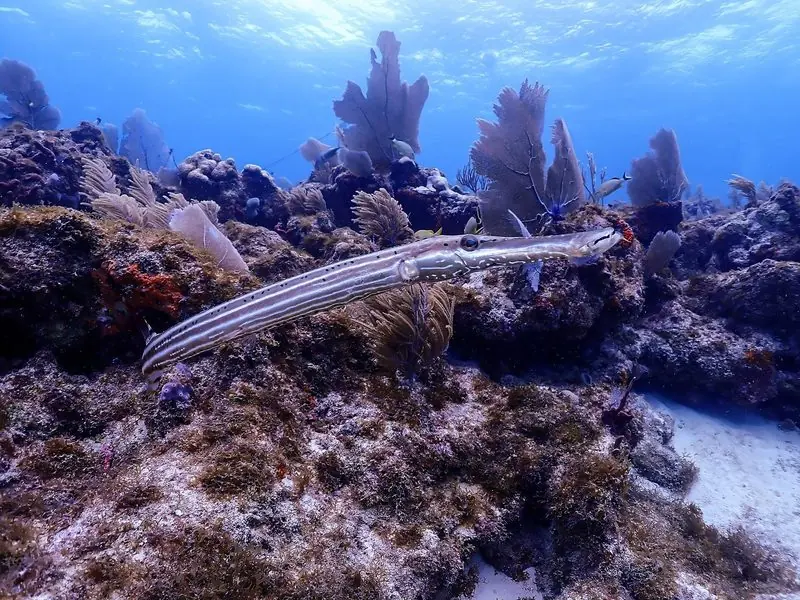
Todo el tramo de arrecife de los Keys queda dentro del Florida Keys National Marine Sanctuary, y las normas se hacen cumplir. Fondear sobre coral vivo está prohibido sin más. La velocidad está limitada a 4 nudos y sin ola a menos de 300 pies de la orilla, de los barcos amarrados o fondeados y de las balizas de navegación del arrecife. Las Sanctuary Preservation Areas, las zonas de conservación del hábitat y las zonas de restauración de vivero están marcadas con boyas amarillas redondas de 30 pulgadas y llevan sus propias restricciones, con una prohibición adicional de fondeo en esas zonas prevista para entrar en vigor en 2027.
La norma que más importa a este lector son las Areas To Be Avoided, que restringen a los barcos de 164 pies, es decir 50 metros, o más. Hay además boyas de amarre designadas específicamente para barcos grandes, y un barco no puede amarrarse a una que no esté designada para su tamaño. En términos prácticos, un yate de 50 metros queda legalmente excluido de partes del arrecife que un yate de 40 metros sí puede usar, y el capitán necesita la carta vigente del santuario antes de planificar nada de esto.
El tiempo, la corriente del Golfo y la temporada que hay que evitar
El tiempo invernal aquí lo mandan los frentes fríos que barren desde la masa continental norteamericana cada pocos días de noviembre a marzo. Delante del frente el viento se va al sur y afloja. Detrás, gira con fuerza al norte y sopla un día o dos. La corriente del Golfo sube por esta costa a dos o cuatro nudos, así que un norte contra esa corriente levanta una mar corta, dura y genuinamente peligrosa, y todo cruce a las Bahamas se programa alrededor de los frentes.
El verano es caluroso, húmedo y propenso a las tormentas, con la temporada de huracanes oficialmente del 1 de junio al 30 de noviembre y el pico en agosto, septiembre y octubre. Casi toda la flota de yates grandes se va al Mediterráneo o sube al norte en esa ventana, y las condiciones de seguro generalmente lo exigen. Los Keys no tienen terreno por encima de unos 20 pies, así que la marea de tormenta es el riesgo que define todo el archipiélago.
La temporada, y llevar a los invitados a bordo
La temporada va de noviembre a mayo, con el Fort Lauderdale International Boat Show de cada otoño como apertura tradicional y la Semana Santa como cierre efectivo. La semana del salón es cuando convergen astilleros, brokers y tripulaciones, los amarres del centro de Fort Lauderdale son imposibles y el frente marítimo pertenece al sector. Navidad y las semanas alrededor del Presidents Day son las más cargadas para el uso con invitados. Las plazas de astillero para el trabajo de invierno se reservan con mucha antelación.
El acceso es el mejor del mundo náutico y no hay debate. Fort Lauderdale, Miami y Palm Beach tienen los tres aeropuertos internacionales completos a veinte minutos de los amarres. Opa-locka y Fort Lauderdale Executive son los campos de aviación privada, y Palm Beach International admite aparatos pesados directamente. Key West tiene su propio aeropuerto a unos minutos de Stock Island. Un armador puede aterrizar a las nueve de la mañana y estar navegando a las once.
En tierra: Palm Beach, Miami y Key West
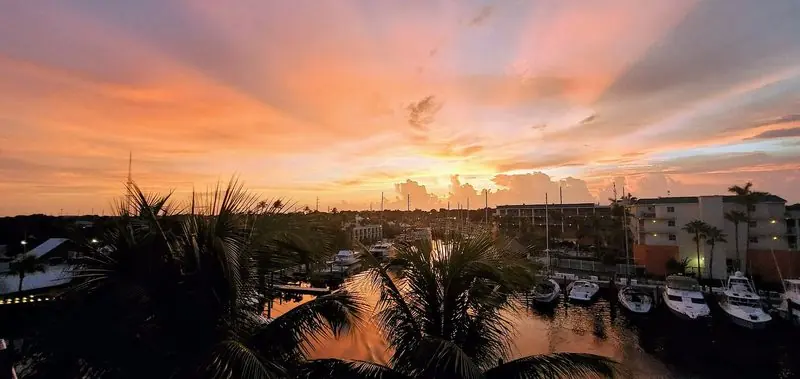
Palm Beach es el extremo discreto. Worth Avenue para las compras, The Breakers como hotel emblemático y una temporada residencial que va de Acción de Gracias a Semana Santa. Miami es el extremo ruidoso, con el Design District, Wynwood, la franja art déco de South Beach y la semana de diciembre de Art Basel Miami Beach, que se apodera de la ciudad entera. Fort Lauderdale, en medio, es una ciudad náutica, honesta al respecto, con Las Olas Boulevard como calle principal.
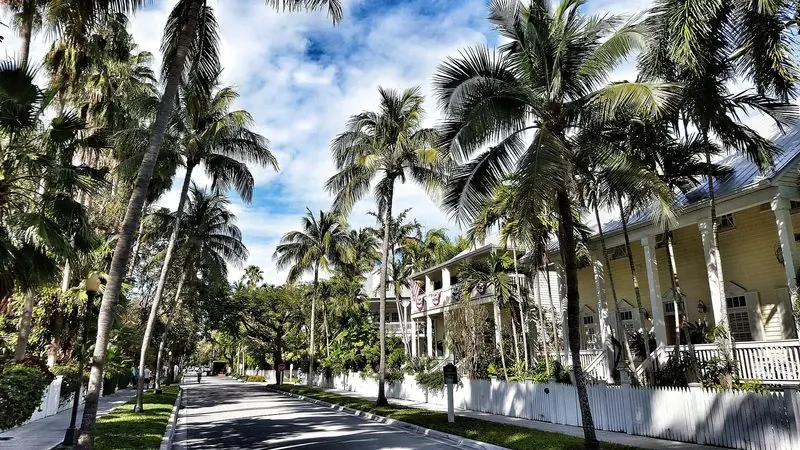
Key West es otro país de temperamento. Duval Street, la casa de Hemingway, la puesta de sol en Mallory Square y una cultura de bares que lleva un siglo funcionando. La comida de toda la región es buena e internacional, sobre todo en Miami, y la pesca en el arrecife y en los flats saliendo de Islamorada y de Marathon es de primer nivel mundial. Los invitados que quieran tarpón, macabí y palometa estarán más contentos aquí que en ningún sitio del Caribe.
Combustible, servicio, derecho de charter y la pega honesta
Combustible, aprovisionamiento, recambios y mano de obra especializada están disponibles en profundidad y con poca antelación, que es el argumento más fuerte de la región. El despacho de un yate de pabellón extranjero es rutinario, y una licencia de navegación cubre el uso privado. La trampa es la parte comercial. La Passenger Vessel Services Act prohíbe a los barcos de pabellón extranjero llevar pasajeros entre puertos estadounidenses, lo que significa que un yate de pabellón extranjero no puede hacer un charter convencional con tripulación saliendo de Florida. Por eso la flota de charter trabaja las Bahamas y aquí solo hace refit, y cualquier estructura que sostenga lo contrario necesita asesoramiento jurídico serio.
La pega, más allá de eso, es bastante honesta. La navegación es floja, los Keys son someros y están regulados, el agua de la costa continental no es la que se imagina el invitado, y la temporada de huracanes se lleva seis meses del año. Los costes de amarre y de astillero están entre los más altos del mundo. Lo que el armador consigue a cambio es un sitio donde una caja reductora rota es una llamada de teléfono, y donde el barco puede pasar el invierno entero a veinte minutos de una pista que admite un Global.
What a month on this coast costs
The yards that matter publish nothing. Safe Harbor Rybovich and Safe Harbor Lauderdale Marine Center quote against the dates and the boat, and no rate card for either could be found on 28 July 2026. The best-sourced third-party figures for 2026 put standard Fort Lauderdale dockage at USD 18 to 40 per foot per month and the megayacht berths at Pier Sixty-Six and Bahia Mar at USD 80 to 200 per foot per month, which for a 164 ft yacht is USD 13,120 to 32,800 a month. Down in the Keys the municipal tariffs are public and much smaller: the City Marina at Garrison Bight in Key West charges USD 4.10 plus tax per foot per day and USD 56.26 plus tax per foot per month effective 1 August 2026, with a revision due on 1 October, and Key West Bight Marina takes vessels to 140 ft with a USD 10.00 utility fee and electricity at USD 0.16 per kWh.
That makes a Fort Lauderdale winter roughly comparable with a Mediterranean summer and considerably better value in what it buys. Marina di Porto Cervo's published 2026 tariff charges EUR 3,698 a day in the band to 40 m between 1 and 20 August, about EUR 102,000 for the month, against a top-end Fort Lauderdale megayacht berth at around USD 32,800 for the same length of time. The difference is that the Italian number buys a view and the Florida number buys a berth twenty minutes from a paint shed, a 660-ton travel lift and every specialist trade in the western hemisphere. The costs that catch owners out here are not berthing at all. They are the yard slot booked a year ahead, the fuel uplift before the Gulf Stream crossing, and the six months of hurricane season when the insurance conditions move the boat somewhere else and the berth is still being paid for.
The PVSA, the cruising licence and what a mistake costs
The rule is absolute and the number attached to it is now public. The Passenger Vessel Services Act bars a foreign-flagged vessel from transporting passengers between two United States points, and the penalty under 19 CFR 4.80 is USD 300 for each passenger so transported and landed, adjusted annually for inflation and standing at USD 996 per passenger for 2025. A twelve-guest charter that embarks in Fort Lauderdale and lands in Key West is therefore an exposure approaching USD 12,000 before the vessel's own liability, and the penalty attaches to the carriage, not to the intent. There is no licence that cures it. The workaround the fleet uses is not a workaround at all: the charter starts and finishes in the Bahamas, and Florida is the yard.
What a foreign-flagged yacht can have is a cruising licence, issued under 19 CFR 4.94 for a stated period not exceeding one year, which lets her arrive at and depart from United States ports without formally entering and clearing at each one. It is available only where the flag state gives United States yachts the same treatment, and a non-resident owner cannot simply run successive licences, with a minimum gap of fifteen days between them. The licence covers private use and nothing else. It confers no right to carry passengers for hire, it does not touch the PVSA, and an owner who treats it as a charter permit has misread it.
Discharge in the sanctuary, and where the grey water sits
The Florida Keys National Marine Sanctuary is a federal No Discharge Zone and the discharge of untreated sewage from a vessel is prohibited under the Clean Water Act and under Florida law. The state penalty is set by section 327.521 of the Florida Statutes at a civil penalty of up to USD 250, and up to USD 250 for each day a prohibited discharge continues. That sits on top of the sanctuary's own regulations, the anchoring prohibition on living coral, the 4 knot no-wake rule within 300 feet of shorelines, moored vessels and reef markers, and the Areas To Be Avoided that exclude vessels of 164 ft and over from parts of the reef.
The distinction that matters aboard a large yacht is grey water. Under current Florida law grey water is not sewage and its discharge is not prohibited, which is why a boat can be entirely compliant and still be pouring galley and laundry water over a reef tract. Sanctuary staff and the local fleet notice. Pump-out is available through the Keys marinas and holding everything for the length of a Hawk Channel run is the practice among boats that intend to come back.
En tierra, accesos y reservas
| The single rule that decides how a foreign-flag yacht can be used here | A yacht cruising the United States on a licence to cruise issued by Customs and Border Protection under 19 CFR 4.94 may not engage in trade: the regulation provides that she shall not transport merchandise nor carry passengers for pay. In practice that means no charter and no carriage for hire, and there is no permit that changes it. Brokers commonly go further and warn that even cost-sharing among friends can look commercial, and that caution is worth heeding, but note that federal law is not absolute on the point: 46 USC 2101 expressly excludes from consideration the voluntary sharing of the actual expenses of a voyage by monetary contribution or by donation of fuel, food or supplies. The safe reading is that a Florida winter is a private cruise, and that anything resembling a commercial arrangement should be taken to counsel first. |
|---|---|
| Which yachts can hold a cruising licence at all | The licence is not open to every flag. It depends on reciprocity rather than on any treaty: 19 CFR 4.94(b) turns on the Secretary of the Treasury being satisfied that yachts of the United States are allowed to arrive at and depart from ports in that country without entering or clearing at the customhouse and without paying charges. Owners are regularly told a treaty is required, which is the wrong concept and can send a search down the wrong path. |
| The tax position, stated the way the state states it | Florida's own guidance for boat owners and purchasers is precise and often misquoted. The maximum tax on the sale of a boat or vessel is USD 18,000, and that single cap covers sales tax, use tax and discretionary sales surtax together; it is not a use tax cap. Separately, and far more useful to anyone bringing a yacht here for work, the maximum tax on the repair of a boat or vessel is USD 60,000, applied to each repair occurring in Florida, with subsequent and separate repairs each subject to their own cap. And a foreign-flagged vessel holding a valid licence to cruise in the waters of the United States, issued under 19 CFR 4.94, is not subject to Florida use tax at all. |
| Listing the boat while cruising her, and what actually happens | The common warning is that a yacht on a cruising licence may not be offered for sale. That is not quite the law, and the real position is more useful. On the federal side, the brokerage industry reports that Customs treats a yacht offered for sale or charter in the United States as ineligible for a cruising licence. On the state side, Florida's Department of Revenue has advised that where a yacht is used inconsistently with 19 CFR 4.94(b), for example by being offered for sale or charter within the United States, the state may deem her commingled and assert use tax at that point. So the consequence is loss of the exemption and a tax assessment, not a prohibition. Note also that the separate Florida exemption for a boat brought in for the sole purpose of sale at retail is a different provision: it requires the boat to be under the care, custody and control of a registered dealer or broker with no personal use while she is in Florida. |
| Anchoring in the Keys, and the jurisdictional split nobody explains | This is more complicated than any summary admits, and the complication is the useful part. NOAA's Restoration Blueprint rewrote the sanctuary rules and took effect on 5 March 2025 in federal waters only, because the Governor of Florida certified the regulations unacceptable in Florida state waters under the National Marine Sanctuaries Act. State waters are a large share of the sanctuary, put at somewhere between about half and two thirds depending on the source, and they continue to run on the previous rules. So there are two regimes in one sanctuary. Under the new federal text, anchoring on living coral is prohibited outright; under the older text still operating in state waters the prohibition is conditional, applying in depths under 40 feet when the seabed can be seen. What does not exist anywhere is a prohibition on anchoring in seagrass: the seagrass rule addresses operating a vessel so as to strike or injure seagrass and other immobile organisms, which is prop scarring, not anchoring. |
| The 2027 change, and the rule for large vessels | NOAA delayed several Blueprint provisions to 19 January 2027, including the prohibition on anchoring in Sanctuary Preservation Areas. NOAA's public materials list six SPAs where anchoring survives the change: Hen and Chickens, Cheeca Rocks, Newfound Harbor Key, Eastern Dry Rocks, Rock Key and Sand Key. Read that list against the jurisdictional split above rather than as a conservation judgement, and note that Rock Key is one of the SPAs the federal rule eliminates altogether. Already in force and unambiguous: vessels of 50 metres or greater in registered length are prohibited from anchoring on the portion of Tortugas Bank within the sanctuary west of Dry Tortugas National Park that is outside the Tortugas Ecological Reserve. From 19 January 2027 it will also be prohibited to tie a large vessel to a mooring buoy not specifically designated for large vessels. |
| The moorings are free, but they are not sized for this fleet | The sanctuary has run mooring buoys in the Keys since 1981 and there are now more than 600, white spheres with a blue stripe, first come first served at no cost. The sizing is the part that matters here: NOAA's standard 18 inch buoys are rated for vessels up to 59 feet, the 24 inch buoys for vessels between 60 and 100 feet and those exist at premium locations only, and above 100 feet there is no buoy rated to take you. For tenders and smaller boats the buoys remove the anchoring question; for the yacht herself they generally do not. |
| What a breach actually costs | Two different penalty regimes get confused here, and the gap between them is enormous. Florida state law sets anchoring penalties under its anchoring limitation provisions at up to USD 100 for a first offence, USD 250 for a second and USD 500 for a third or subsequent, with derelict vessels removable at the owner's expense. Sanctuary violations are federal and are assessed under the National Marine Sanctuaries Act at up to roughly USD 130,000 per day per violation, with each day treated as a separate violation. Anyone reading a hundred-dollar figure and assuming it covers a grounding on protected coral is out by three orders of magnitude. |
| Where a large yacht actually berths | Pier Sixty-Six in Fort Lauderdale runs 164 slips over about 5,000 linear feet and takes hulls to 400 feet; it publishes no rate and asks that you contact the marina office before arrival for pricing. Bahia Mar Yachting Center holds more than 250 wet slips to 300 feet. Seahaven's headline 250 feet is a statement about drawbridge-free ocean access rather than berth capacity, with its designers describing 40 superyacht slips across 2,400 linear feet and third-party listings carrying a maximum LOA nearer 230 feet. Between them Fort Lauderdale offers berth supply at a scale nowhere in the Caribbean or the Mediterranean matches, which is the practical reason the fleet winters here. |
| The yards, which are the real argument for the state | Safe Harbor Lauderdale Marine Center describes itself as the largest yacht building and repair facility in the country, across 65 acres. Bradford Marine publishes more than 5,500 linear feet of covered dockage, though it has been removing roofs from covered slips to take larger hulls, taking one from 130 to 164 feet, and now does much of its painting under tenting alongside four paint sheds. RMK Merrill-Stevens on the Miami River is another full-service yard, with marine painting one of nine in-house disciplines and a 2,700 ton Pearlson shiplift across its two yards handling vessels from about 30 to 240 feet. Safe Harbor Rybovich and Derecktor Fort Pierce complete the picture. Set that capacity against the USD 60,000 per-repair tax cap and the case for doing the work in Florida is largely made. |
| Key West, and the five miles nobody mentions | The Perry Marina, until recently Stock Island Marina, is the large-vessel address for Key West with 288 slips, and it sits five miles from downtown. Guests who picture stepping off the passerelle onto Duval Street are picturing the wrong marina and the transfer needs planning into every evening ashore. Booking platforms also record a 40 foot minimum charge on slip reservations, which is a billing floor rather than a bar on smaller boats, though the marina does not state it in its own materials, so confirm it when you book. |
| Dates to plan around | The Fort Lauderdale International Boat Show is the largest in-water show in the world and its 67th edition runs 28 October to 1 November 2026 across seven venues: the Broward County Convention Center, Bahia Mar Yachting Center, Hall of Fame Marina, Las Olas Marina, the 17th Street Yacht Basin, Pier Sixty-Six Marina and the Superyacht Village at Pier Sixty-Six South. It draws more than 100,000 visitors, and the marine industry association puts the value of product on display at around four billion dollars, which is a display figure rather than an order book. Against that, hurricane season runs June to November and most policies and most owners treat Florida as a November to May proposition. |
Lo que cuentan armadores y tripulaciones
Offering the yacht for sale can cost her the cruising licence itself
The brokerage industry reports that Customs treats a foreign-flagged yacht offered for sale or charter within the United States as ineligible for a cruising licence, and has framed the warning as an alert to owners about existing law on dutiability rather than as a new restriction. It is the federal half of a problem most owners only hear about from the state side.
International Yacht Brokers AssociationFlorida has spelled out what it will do, and it is a tax assessment rather than a ban
The Department of Revenue has advised that where a yacht is used inconsistently with 19 CFR 4.94(b), giving as its example the yacht being offered for sale or charter within the United States, the state may deem the yacht commingled and assert use tax at that time. The wording is permissive and the consequence is assessment, which is why the widely repeated claim that state law prohibits listing the boat is wrong.
Florida Department of Revenue, Technical Assistance Advisement 09A-025There is a route into US charter, and it does not involve changing flag
The recognised structure is formal entry with duty paid combined with a demise or bareboat charter, which is not treated as commercial use of the yacht by her owner. The vessel remains foreign-flagged; re-flagging to the United States is not the answer and would not by itself help, since a foreign-built hull cannot obtain a coastwise endorsement. The Passenger Vessel Services Act still bars point-to-point carriage of passengers for hire.
AGL Yacht SalesThe covered-shed advantage at the yards is being traded away for length
Bradford Marine has been removing roofs from covered slips to take larger hulls, in one case going from 130 feet to 164 feet, and now carries out much of its painting under tenting alongside four dedicated paint sheds. An owner choosing a yard on the assumption that covered means weather-proof paintwork should check what is actually still covered at the length in question.
Megayacht News, October 2024The buoys on the reef are rated, and the ratings exclude most of this fleet
NOAA rates its standard 18 inch mooring buoys for vessels up to 59 feet and its 24 inch buoys for vessels of 60 to 100 feet, the latter at specific premium locations only. There is no rated buoy above 100 feet, and from 19 January 2027 tying a large vessel to a buoy not specifically designated for large vessels becomes a prohibited activity in its own right.
NOAA Florida Keys National Marine Sanctuary
Lo bueno y lo que conviene vigilar
Puntos fuertes
- The deepest refit and trade base in the western hemisphereSafe Harbor Lauderdale Marine Center calls itself the largest yacht building and repair facility in the country, Bradford Marine runs more than 5,500 linear feet of covered dockage, and RMK Merrill-Stevens adds a 2,700 ton shiplift on the Miami River, with Rybovich and Derecktor behind them. Capacity at that density means competitive quotes and a realistic chance of a slot between seasons.
- The repair tax cap is the number that should decide where a refit happensFlorida caps the tax on a boat repair at USD 60,000, applied to each separate repair. On a major refit that ceiling is worth more than any yard discount on the coast, and it is the single most useful figure on this page for an owner planning work.
- Foreign Trade Zone coverage is broad here, not a two-yard privilegeLauderdale Marine Center, Bahia Mar, Pier Sixty-Six, the Hilton Fort Lauderdale Marina and Roscioli all sit within Foreign Trade Zone 241. For an owner of a foreign-flag yacht that means the duty question can be managed at most of the serious addresses rather than at one.
- Berth supply at a scale no rival offersPier Sixty-Six alone runs 164 slips over 5,000 linear feet and takes 400 foot hulls, and Bahia Mar adds more than 250 wet slips to 300 feet. The Riviera constraint of a few dozen berths for large yachts simply does not exist here.
- A foreign-flag yacht on a cruising licence pays no Florida use taxThe state's own guidance says so plainly for any vessel holding a valid licence to cruise issued under 19 CFR 4.94. No other major yachting jurisdiction treats a visiting hull this lightly.
A tener en cuenta
- A foreign-flag yacht cannot charter hereA cruising licence permits no carriage of passengers for pay and no trade. An owner used to offsetting a European season with charter revenue writes that income off for the Florida winter, and the routes out of it, formal entry with duty paid and a demise charter structure, are a tax and legal project rather than a booking decision.
- Marketing the boat can cost the exemptionCustoms is reported to treat a yacht offered for sale or charter in the United States as ineligible for a cruising licence, and Florida has advised that such use may cause the yacht to be deemed commingled with use tax asserted from that point. Owners who cruise while quietly listing her are the ones this catches.
- The sanctuary runs two sets of rules at onceThe Blueprint took effect in federal waters in March 2025 but was certified unacceptable in Florida state waters, which are roughly half to two thirds of the sanctuary. A captain therefore cannot apply one anchoring rule across the Keys, and most published summaries do not mention the split at all.
- The free moorings do not fit the boats this page is written forNOAA's buoys are rated to 59 feet on the standard size and 60 to 100 feet on the larger ones at premium sites only. Above 100 feet there is no buoy for you, and from 19 January 2027 tying a large vessel to a buoy not designated for large vessels is itself prohibited.
- At 50 metres and over you are already excluded from Tortugas BankVessels of 50 metres or more in registered length may not anchor on the sanctuary portion of Tortugas Bank west of the Dry Tortugas National Park outside the Tortugas Ecological Reserve. The remotest and least crowded ground in the Keys is closed to precisely the boats most able to reach it.
- Fort Lauderdale's big marinas do not publish a ratePier Sixty-Six directs enquiries to the marina office for pricing and Bahia Mar quotes on application. For all the depth of this market, an owner still cannot cost a month alongside from public information the way Albany in the Bahamas now allows.
- Key West's large-yacht marina is not in Key WestThe Perry Marina, the 288 slip facility that takes the big boats, sits five miles from downtown. Every evening ashore is a transfer, which is not what the destination promises.
Para quién es: Un armador que quiere el barco al alcance del mejor soporte técnico del mundo, y que trata las Bahamas y los Keys como la temporada y Florida como la base.