The Red Sea & Saudi Arabia (NEOM)
| Seguridad, 19 de julio de 2026 | la dirección hutí anunció un bloqueo naval de Arabia Saudí tras el bombardeo del aeropuerto de Saná, así que la costa saudí es hoy una cuestión viva de riesgo de guerra |
|---|---|
| Región | mar Rojo septentrional, noroeste de Arabia Saudí y costa egipcia |
| Temporada | de octubre a abril, porque las temperaturas de verano en esta costa son extremas |
| Acceso | por el canal de Suez, unas 100 millas náuticas de Port Said a Suez, que se suelen hacer en dos días con noche en Ismailía |
| Escala | de Suez a Sharm el-Sheikh unas 190 millas náuticas, de Sharm a Hurghada unas 60 |
| Sindalah | la isla náutica de NEOM, marina de 86 amarres, presentada a invitados el 27 de octubre de 2024 y abierta en pruebas a clientes de pago a finales de 2025 |
| Operadores en Sindalah | Four Seasons, Rosewood y Six Senses empezaron a recibir clientes de pago desde noviembre de 2025 |
| Gobernanza de Sindalah | la gestión pasó de NEOM a Red Sea Global, el operador que está detrás de los otros complejos costeros de Arabia Saudí |
| Normativa saudí | la Saudi Red Sea Authority introdujo en 2025 un marco regulador náutico que cubre los yates visitantes y el charter de megayates |
| Permisos saudíes | los permisos turísticos exigen datos de los pasajeros, destinos previstos y el contrato de charter si lo hay, y los requisitos siguen cambiando |
| Marinas egipcias | Abu Tig en El Gouna, Hurghada y Port Ghalib, todas veteranas y usadas por la flota de buceo |
| El tiempo que lo define | un norte persistente a lo largo de todo el mar, lo que significa ceñir durante todo el rumbo sur |
| Seguridad | los ataques al tráfico marítimo se han concentrado en el extremo sur, cerca de Bab el-Mandeb, y la prima de riesgo de guerra del corredor sigue alta |
| Utilities at Port Ghalib | water USD 5.00 to 6.00 per cubic metre, power USD 0.30 per kWh, waste USD 1.00 per bag, immigration dock fee USD 300 |
| Comparison | Marina di Porto Cervo's published 2026 tariff is EUR 3,698 a day in the band to 40 m from 1 to 20 August, and EUR 195,819 for a 1 May to 31 October contract |
| Suez surcharge | the Suez Canal Authority raised the yacht transit surcharge from 14 to 26 per cent of normal transit dues, reported 15 July 2026 |
| Saudi licences | technical licence SAR 4,000 and tourism charter licence SAR 4,000, each valid six months, under the Saudi Red Sea Authority regulation announced 10 September 2024 |
| Saudi temporary entry | sailing and motor yachts admitted up to 12 months and renewable, under the ZATCA procedural manual issued 13 February 2024 |
| Saudi alcohol | import is prohibited and criminal, no yacht bonded-store procedure is published, and reports of licensed sales from 2026 were denied by a Saudi official to Reuters on 26 May 2025 |
| Discharge | the Red Sea is a MARPOL Annex I and Annex V Special Area designated on 2 November 1973 whose requirements have still not entered into force, so the binding rule is national |
| Nearest lift | nothing on this coast takes a 50 m yacht, and the nearest yards are Turkish, Italian or Spanish by way of the canal |
El tercio norte es la zona de navegación
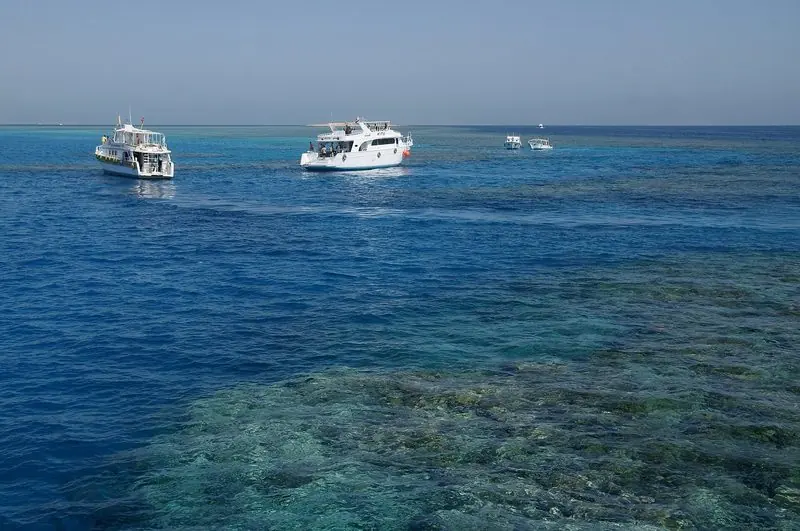
El mar Rojo es largo y estrecho, y la parte interesante para un yate es el tercio norte. De Suez hay unas 190 millas náuticas hasta Sharm el-Sheikh, en la punta del Sinaí, donde el mar se bifurca en el golfo de Suez y el golfo de Aqaba, y la costa de NEOM y Sindalah quedan en el lado oriental de esa bifurcación. Hurghada está a 60 millas cruzando desde Sharm, y Port Ghalib y Marsa Alam otras 130 más al sur.
Una semana funciona como circuito por la bifurcación norte: Sharm y Ras Mohammed, cruzar a Tirán, subir el golfo de Aqaba hasta el lado saudí y bajar luego a Hurghada o El Gouna. Dos semanas permiten bajar por los arrecifes egipcios de fuera hasta los Brothers y Elphinstone y volver. Esta no es una costa para reposicionar sin pensarlo, y la mayoría de los yates que vienen lo hacen como despliegue deliberado de invierno, con el tránsito de Suez planificado con meses de antelación.
Sindalah, y hasta dónde ha llegado
Sindalah es la razón por la que se habla del mar Rojo en la náutica. Es una isla pequeña frente a la costa de NEOM, construida específicamente como destino náutico y de resort, con una marina de 86 amarres, un club náutico y hoteles. Se presentó a invitados el 27 de octubre de 2024, bastante por detrás de su calendario original, y abrió a clientes de pago a finales de 2025, con establecimientos de Four Seasons, Rosewood y Six Senses aceptando reservas desde noviembre de 2025. La información publicada a finales de 2025 describía la marina como vacía.
La gobernanza también se ha movido. La gestión de Sindalah pasó de NEOM a Red Sea Global, el operador con respaldo estatal que lleva los demás desarrollos costeros de Arabia Saudí, lo que es una señal de cómo se está reorganizando el programa NEOM en su conjunto. Amaala y el destino Red Sea, más al sur, son los otros dos proyectos costeros saudíes con capacidad de marina. Para un armador, la posición honesta es que la infraestructura existe y está parcialmente abierta, y que la flota y los servicios que hacen funcionar un destino todavía no están.
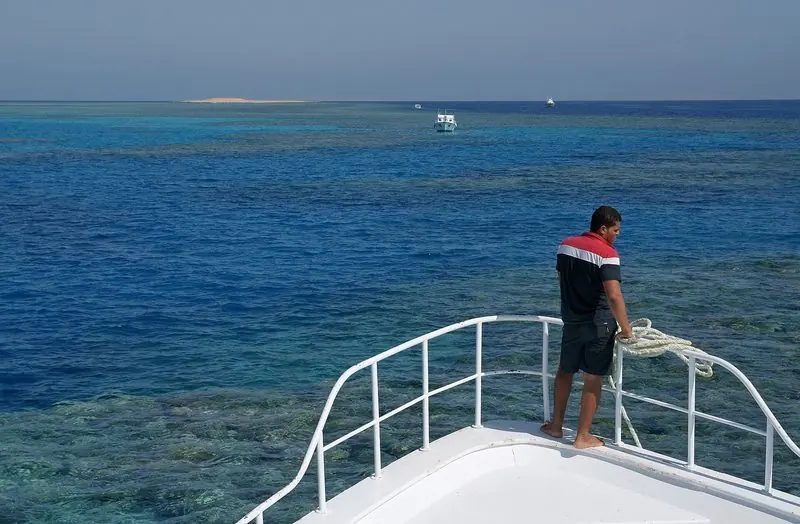
Arabia Saudí ha construido una isla marina de 86 amarres para una flota que todavía no ha llegado.
Amarres en el lado saudí, arrecifes en el egipcio
Los amarres no son la limitación en el lado saudí, porque Sindalah se construyó exactamente para este tamaño de yate y la marina tiene una capacidad que nadie está usando. Egipto es la opción establecida y es sencilla. Port Ghalib es una marina grande construida a propósito y puerto de entrada en la costa sur egipcia, Abu Tig en El Gouna es la agradable y la base de la escena náutica egipcia, y Hurghada y Sharm el-Sheikh tienen marinas levantadas alrededor del negocio del buceo y del resort. Los calados de todas ellas son manejables para un yate grande.
El fondeo es donde hay que poner el cuidado. Este es un mar de coral y los fondeaderos están detrás de arrecifes, en manchas de arena dentro de una laguna o al abrigo de una isla, y nada de eso perdona. La calidad de las cartas es desigual y los arrecifes están vivos y protegidos. Egipto obliga a los yates a trabajar con un agente, y la navegación está sujeta a autorizaciones de seguridad y a notificación de rutas, así que aquí un itinerario se presenta por adelantado y no se improvisa.
Viento, calor y los meses
La temporada va de octubre a abril y la fija el calor. El verano en esta costa pasa holgadamente de los 40 grados con humedad alta en la orilla egipcia, y es genuinamente desagradable. Los días de invierno son cálidos y secos, la temperatura del agua se mantiene cómoda para bucear toda la temporada, y el núcleo va de diciembre a marzo.
El viento es el problema de planificación. Un norte sopla a lo largo de todo el mar Rojo durante casi todo el año por encima de los 20 grados norte, encanalado por las montañas de ambos lados, y con frecuencia entra de 20 a 30 nudos. Eso significa que el yate que va hacia el sur va ciñendo y el que vuelve al norte lo lleva de popa, lo que invierte la lógica mediterránea habitual. También levanta una mar corta y dura en los golfos estrechos. Las tormentas de arena de una y otra orilla reducen la visibilidad y lo cubren todo en cubierta.
Los arrecifes, y qué hacen los invitados
El buceo es la razón para venir y es de primer nivel mundial. Ras Mohammed, en la punta del Sinaí, es un parque nacional con paredes y tráfico de pelágicos, el estrecho de Tirán tiene cuatro arrecifes en línea, y los arrecifes de fuera de las islas Brothers, Daedalus y Elphinstone son arrecifes de mar abierto con tiburones y con coral en un estado que ha desaparecido casi en todas partes. El pecio del Thistlegorm, en el golfo de Suez, está entre los puntos de buceo más conocidos del mundo. El acceso a los parques marinos de fuera está permitido y controlado.
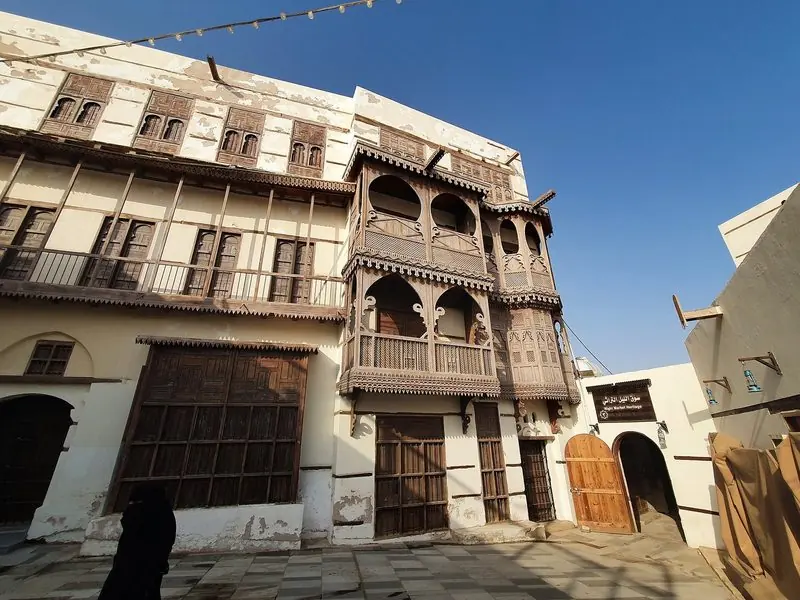
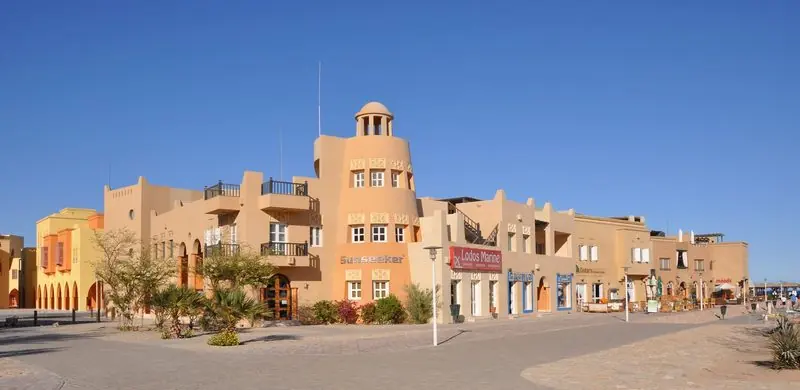
En tierra la cosa es más floja. El Gouna es una ciudad resort construida a propósito, con restaurantes, campo de golf y una comunidad de expatriados de verdad, y es el sitio más agradable de la costa egipcia para pasar una noche. Sharm y Hurghada son destinos de turismo de masas. Las excursiones culturales son el atractivo real de ese lado, con Luxor y el Valle de los Reyes a unas cuatro horas tierra adentro desde Hurghada o Port Ghalib, y merecen una noche fuera. En el lado saudí la oferta es el resort y sus restaurantes, más AlUla y sus tumbas nabateas a unas horas tierra adentro.
El tránsito de Suez, y cómo llegan los invitados
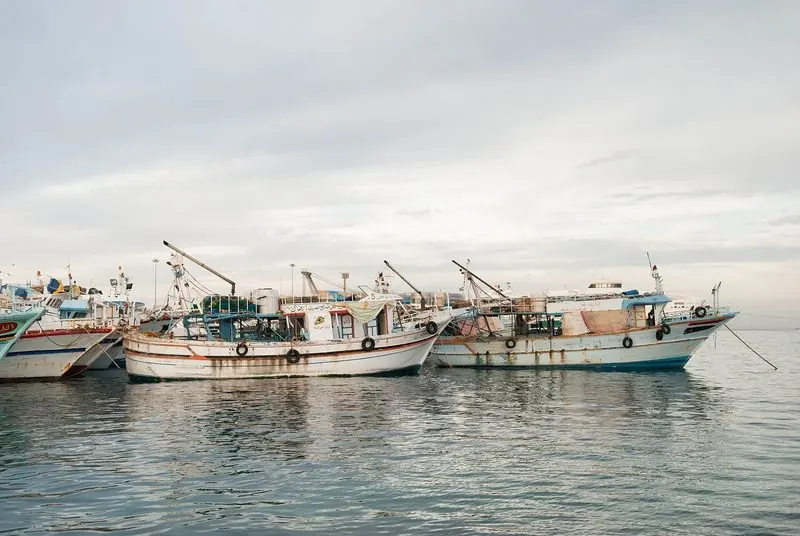
Llegar por mar significa el canal de Suez, que son unas 100 millas náuticas de Port Said a Suez y que normalmente se hace en dos días con noche en Ismailía, gestionado enteramente por un agente, con práctico a bordo y peajes calculados sobre el arqueo de canal del barco. Es un tránsito sencillo, caro y cargado de papeleo. Venir en cambio desde el océano Índico significa el mar Rojo meridional y Bab el-Mandeb, que es una propuesta completamente distinta.
Los invitados llegan en avión. Sharm el-Sheikh, Hurghada y Marsa Alam tienen los tres aeropuertos internacionales con vuelos regulares europeos y atención a la aviación privada, y El Cairo es el hub. En el lado saudí, NEOM tiene su propio aeropuerto con una red de rutas creciente, y los visados turísticos saudíes se expiden ya por internet a la mayoría de las nacionalidades occidentales, cosa que no ocurría hace unos años. El eslabón débil son los fondeaderos de los arrecifes de fuera, que están a horas de cualquier sitio con pista.
Permisos, agentes y el reglamento
Aquí no se hace nada sin agente y nadie debería intentarlo. Egipto tiene procedimientos antiguos pero exigentes para los yates que navegan o transitan por su costa del mar Rojo, con despachos de puerto, notificaciones de seguridad y tasas en cada escala, y el proceso es llevadero cuando lo lleva un buen agente y doloroso cuando no. Arabia Saudí está en el otro extremo, con un marco escrito hace poco y todavía asentándose. La Saudi Red Sea Authority publicó en 2025 una normativa náutica que cubre los yates visitantes y el charter de megayates, y los permisos turísticos exigen datos de los pasajeros, destinos previstos y el contrato de charter si lo hay.
La consecuencia práctica es que el armador debería tratar cada supuesto sobre permisos como si caducara al final de la temporada. Las reglas que valían el invierno pasado pueden no valer este, y la posición saudí en particular ha cambiado varias veces mientras el país construye su régimen turístico. Las operaciones de charter en toda la región tienen su propia capa de licencias. Este es el único destino de esta lista en el que el papeleo es un problema de planificación mayor que el tiempo.
Servicio, combustible y la cuestión de la seguridad
El soporte técnico en el mar Rojo es escaso y está concentrado. Hurghada y Port Ghalib pueden atender el trabajo de rutina y tienen los recambios que necesita la flota de buceo, y todo lo que pase de ahí llega en avión desde Europa o desde el Golfo. Hay combustible en las principales marinas egipcias y en los desarrollos saudíes, y conviene comprobar la calidad. El aprovisionamiento al nivel que espera un yate grande es un ejercicio de El Gouna o de El Cairo.
La seguridad hay que abordarla con honestidad. Los ataques al tráfico mercante desde finales de 2023 se han concentrado en el extremo sur del mar Rojo y alrededor de Bab el-Mandeb, a varios cientos de millas de las zonas de navegación del norte, y el tráfico por el corredor ha pasado por ciclos repetidos de parada y reanudación, con la prima de riesgo de guerra siempre alta. Un yate que entra desde el Mediterráneo por Suez no se acerca a esa zona. Aun así, los armadores y sus aseguradores tendrán una conversación al respecto, y la respuesta dependerá del asegurador y del mes. Esa conversación cambió el 19 de julio de 2026, cuando la dirección hutí anunció un bloqueo naval de Arabia Saudí en respuesta al bombardeo del aeropuerto internacional de Saná la semana anterior, según el rastreador de conflictos del Council on Foreign Relations. La declaración apunta al tráfico vinculado a Arabia Saudí y abre un frente que el mar Rojo septentrional no había tenido que valorar hasta ahora. Ningún armador debería planificar una temporada saudí con supuestos de 2025. Pida consejo actualizado al asegurador y al Estado de pabellón antes de comprometer un casco a esa costa siquiera.
La pega honesta
La infraestructura va por delante del destino. Hay una isla marina con 86 amarres y, según lo publicado, nadie dentro, hoteles que han ido abriendo por fases, y ninguno de los agentes, tiendas de efectos navales, aprovisionadores y servicios de tripulación que hacen funcionar el Mediterráneo. El armador que llega al mar Rojo está comprando los arrecifes y la novedad, y pagando por la ausencia de todo lo demás. El lado egipcio está mejor surtido y es mucho menos glamuroso.
Los otros puntos son la temporada, el acceso y el calor. Traer un yate hasta aquí significa un tránsito de Suez en cada extremo y el compromiso de un invierno entero, lo que para la mayoría de los armadores mediterráneos compite directamente con el Caribe y pierde en comodidad. La navegación se presenta ante las autoridades y no se improvisa. Y el verano es genuinamente inhabitable en esta costa, así que el barco o se va o se queda parado. El armador atraído por el buceo debería tener claro que eso es lo que está comprando. A julio de 2026, el panorama de seguridad es la pega mayor. Un bloqueo declarado contra el tráfico saudí no es un problema de disponibilidad de amarres, es una razón para dejar el barco en el Mediterráneo y mirar.
What a month here actually costs
Port Ghalib publishes a tariff, which is more than almost anything else on this coast does. On the marina's published rate card, checked on 28 July 2026, a foreign-registered vessel pays USD 3.00 to 13.00 per metre per day, USD 51 to 172 per metre per month, or USD 387 to 1,347 per metre per year, with water at USD 5.00 to 6.00 per cubic metre, shore power at USD 0.30 per kWh, a waste charge of USD 1.00 per bag and a USD 300 immigration dock fee. For a 50 m yacht that is USD 2,550 to 8,600 for a month alongside and USD 19,350 to 67,350 for a whole year. Clearance is separate and small: cruisers report around USD 500 to check in at Port Ghalib including a one-month cruising permit, and USD 150 for a two-month extension at Hurghada, on reports current in 2025. NEOM publishes no rate card for Sindalah and none could be found on 28 July 2026, so a Saudi berth is a quotation, not a price.
The comparison that matters is the Mediterranean summer the boat would otherwise be having. Marina di Porto Cervo's published 2026 tariff charges EUR 3,698 a day in the length band to 40 m between 1 and 20 August and EUR 5,437 a day in the band to 55 m, which is roughly EUR 102,000 and EUR 150,000 for the month of August, and the seasonal contract from 1 May to 31 October is EUR 195,819 and EUR 325,707 respectively. A full year alongside in Egypt at the top of the published band costs about a third of one Costa Smeralda summer. The saving is real and it is spent elsewhere: on an agent at every port, on air freight for parts, and on fuel that is worth testing before it goes in the tank. The transit has just become dearer as well. The Suez Canal Authority raised the surcharge applied to yachts from 14 to 26 per cent of normal transit dues, reported on 15 July 2026, which on dues of USD 50,000 takes the surcharge alone from USD 7,000 to USD 13,000.
Bonded stores, alcohol and what Saudi clearance involves
Saudi Arabia prohibits the import of alcohol absolutely, and the prohibition is criminal rather than fiscal, which is the fact that governs every other decision about stores on this coast. What the Kingdom does publish is the frame around the yacht. The Saudi Red Sea Authority's yacht regulation, announced on 10 September 2024, requires a technical licence at SAR 4,000 and, for charter, a tourism charter licence at SAR 4,000, each valid for six months, plus a tourism trip permit for every voyage carrying passenger names, destinations and the nature of the trip, and a designated maritime tourism agent throughout. Entry runs through the EBHAR platform with applications filed roughly three weeks ahead. Underneath it sits customs: the Zakat, Tax and Customs Authority issued a procedural manual for the temporary entry of maritime transport on 13 February 2024, under which sailing and motor yachts are admitted for up to 12 months renewable for the same period, against six months for passenger vessels. The same regulation prohibits the discharge of pollutants and requires waste to be landed.
What no Saudi authority states in writing is what happens to the bar. The working practice is declaration on arrival and a customs seal on the bar and the cellar for the whole time the yacht is in Saudi waters, broken only outside them, and the absence of a published procedure is precisely the risk. An agent who cannot get the sealing arrangement confirmed by customs before the boat is committed is the wrong agent, because the alternative to a seal is seizure and a criminal file rather than a fine, and it reaches the crew who signed for the stores. The direction of travel is no help either. Reports in May 2025 that alcohol would be licensed in some 600 tourist locations from 2026 were denied by a Saudi official to Reuters on 26 May 2025, and the prohibition still stood in July 2026. The clearest published signal remains the Kingdom's own cruise line, which carries no alcohol at all. Egypt has none of this and seals duty-free stores on arrival in the ordinary way.
Discharge, and the nearest yard that can lift her
The Red Sea was designated a Special Area under MARPOL Annexes I and V on 2 November 1973, and on the IMO's own table the discharge requirements for both have still not entered into force, because the bordering states have not notified adequate reception facilities. That is a strange position for a coral sea and it means the rule that actually bites is national. Saudi Arabia's 2024 yacht regulation prohibits pollutant discharge outright. Egypt takes waste at the marinas and prices it, at USD 1.00 per bag for foreign vessels on the Port Ghalib tariff. In practice a yacht here holds everything and lands it at El Gouna, Hurghada or Port Ghalib, and the reef anchorages have no facility of any kind.
There is no yard on either shore of the northern Red Sea that will lift a 50 m yacht. Port Ghalib prices a slipway service at USD 20 to 100, which is a fair measure of the scale the coast is built for, and Hurghada carries the spares the dive fleet needs and little beyond that. Anything structural means the canal, a Mediterranean passage and a Turkish, Italian or Spanish yard, which is why boats that winter here arrive with their yard period already done and a deep spares inventory aboard.
En tierra, accesos y reservas
| Getting there by air - NEOM/Sindalah | NEOM Bay Airport (IATA: NUM) is a few kilometres from Sindalah and currently has direct flights to and from Dubai and London for crew and guest transfers; Saudi authorities have said they are working to register Sindalah Marina itself as an international yacht entry-exit point, but this was not yet confirmed as active. |
|---|---|
| Getting there by air - Egyptian coast | Hurghada International Airport (IATA HRG, ICAO HEGN) and Sharm el-Sheikh International Airport (IATA SSH, ICAO HESH) are the two established international gateways for crew changes and guest arrivals serving Port Ghalib, El Gouna and Hurghada, and Sharm respectively. |
| Arriving by sea - Egypt | Yachts must register on Egypt's Maritime Sector Website at least 72 hours before arrival at the first port of entry (typically Port Ghalib, Hurghada, or Suez); an agent is effectively required to handle customs, immigration and port clearance, and agents advise checking which port currently has the lowest fees before committing to a check-in point. |
| Arriving by sea - Saudi Arabia/Sindalah | Under the Red Sea Authority's Visiting Yachts and Large Yacht Chartering regulations (issued August 2025), foreign yachts need a valid Cruising Permit and, for chartering, a Charter Permit applied for via the Ebhar platform, with a minimum 24m LOA and an internationally recognised classification certificate; a Maritime Tourism Agent handles the process. No VHF working-channel or hailing procedure for Sindalah was found published. |
| Reserving a berth - Sindalah | No live online booking system found; IGY Marinas (marina operator) lists a direct contact email and phone line (1-855-449-6274) to pre-book dockage. |
| Reserving a berth - Egyptian marinas | Port Ghalib International Marina takes bookings directly through its own office and website; Abu Tig Marina (El Gouna), Hurghada and Sharm el-Sheikh marinas are normally booked either directly or through a local yacht agent, who is also needed for the clearance paperwork regardless. |
| Berth cost - Sindalah | No public day-rate tariff published; direct quote only from the marina. |
| Berth cost - Egyptian coast (Port Ghalib, published tariff) | Port Ghalib's own rate card (single official source, not independently cross-verified) lists foreign-registered daily rates rising from about $11/m for 30.1-40m yachts to $13/m for 40.1-50m, versus roughly half that for locally-registered vessels; weekly rates for foreign 30m+ yachts run about $38-52/m. |
| Fuel and water - Port Ghalib | Published local-registered rates: fuel (non-contract) $40 per ton, water $5 per cubic metre, shore power $0.30 per kWh; foreign-flag rates were not separately published and should be confirmed with the marina or agent. |
| Agent requirement and cost | An agent is needed at first port of entry in Egypt; cruiser reports cite agent fees in the range of roughly $80-120 plus separate port clearance fees of about $200-250 for yachts over or under 20m and about $10 per person for immigration - figures vary by port and year, so get written quotes. |
| Where to eat | Sindalah's Yacht Club restaurant is run by Tuscan chef Enrico Bartolini, with sources citing either 16 exclusive restaurants and cafes or, elsewhere, 38 total culinary offerings across the island (sources disagree on the exact count, so treat as still ramping up); on the Egyptian side, Abu Tig Marina in El Gouna is the established dining hub, ringed by high-end restaurants and shops around its yacht club and rooftop lounge. |
| What's open after dark | Sindalah's Beach Club is marketed as a day-to-night venue with lounges and pop-up rooftop terraces, though much of the island's nightlife infrastructure was still incomplete as of the 2025 reporting; El Gouna's Abu Tig Marina has the coast's most established after-dark scene, with marina-front bars, lounges and restaurants. |
| Season and fixed dates to plan around | Core cruising season is October-April. Sindalah's public debut was the Red Sea Week opening event of 27 October 2024. Abu Tig Marina in El Gouna hosts the El Gouna Regatta, reported to run in March, and has historically been a waypoint for international rallies (Med-Red, Vasco de Gama, Blue Water) transiting the Red Sea, though current exact transit dates were not confirmed in this research. |
Lo que cuentan armadores y tripulaciones
No substantive first-hand cruising review of Sindalah exists yet
Everything published to date on Sindalah is press-junket coverage tied to the October 2024 opening event (Robb Report's Red Sea Week party, with captained yachts such as the 55m Geco under Capt. George Ioannou sailing in from Greece to attend) rather than a working owner or captain's account of provisioning, clearance, or berthing there. A year on, on-the-ground reporting found the marina essentially empty of yachts per MarineTraffic data, with no operational track record yet to draw a review from.
AGBIWorking yacht agents on the Egyptian side confirm the old regime was the real obstacle
Seal Superyachts Egypt, an agency operating in Port Said and the Red Sea since 1983, spent months lobbying Egyptian authorities before the May 2025 rule change let foreign-flagged commercial yachts cruise without the previous restrictive permit-by-permit system; its Red Sea Operations Director called the change a transformative moment for yachting tourism in Egypt, which is itself first-hand confirmation that permit friction was a genuine, lived problem before 2025.
Seal Superyachts Egypt (Bahi Naguib, Red Sea Operations Director)Cruiser-submitted reports flag Egyptian port fees and agent inconsistency as a recurring real problem
Noonsite's crowd-sourced cruiser reports (multiple contributors, 2018-2019 updates plus ongoing country page) describe steep and inconsistently applied port clearance and marina fees at Port Ghalib and Hurghada, and advise getting written quotes from several agents before committing since fees vary by agent and port; recent guidance names Suez as currently the cheapest check-in/out point because a new government tariff has not yet been applied there.
Noonsite (Egypt cruiser reports)
Lo bueno y lo que conviene vigilar
Puntos fuertes
- World-class reef diving directly off the cruising routeElphinstone Reef, Daedalus Reef and the Brothers Islands, reachable from both Hurghada and Port Ghalib, are internationally rated dive sites (oceanic whitetips, coral walls, wreck diving) that give this coast a genuine draw beyond the marinas themselves.
- Egypt's Red Sea coast is now genuinely open water for foreign yachtsAs of May 2025 foreign commercially registered yachts can cruise Egyptian waters and move between ports and marinas without the old restrictive single-entry permit system, a real, verified regulatory liberalisation rather than a marketing claim.
- Real, working marina infrastructure already exists on the Egyptian sidePort Ghalib, Abu Tig Marina (El Gouna), Hurghada and Sharm el-Sheikh have decades of operating history, published tariffs, fuel, water and power service, and Abu Tig has hosted established international yacht rallies (Med-Red, Vasco de Gama, Blue Water) and runs its own El Gouna Regatta.
- Sindalah is being built to a genuinely high design and service specThe marina holds 5-Gold Anchor accreditation from The Yacht Harbour Association (first in Saudi Arabia to get it), and has signed refit/repair and concierge partners including MB92, Camper and Nicholsons and Burgess, plus BWA Yachting for agency services - real institutional backing even if guest volume is not there yet.
- Reliable winter sailing window with short flight connectionsThe October-April season gives consistent sun; NEOM Bay Airport (IATA NUM), a few kilometres from Sindalah, already has direct flights to Dubai and London, and Hurghada (HRG) and Sharm el-Sheikh (SSH) are established international airports for Egyptian-side crew changes and guest transfers.
A tener en cuenta
- Sindalah has been reported empty for a year after its launchAGBI's on-the-ground reporting in September 2025, roughly eleven months after the 27 October 2024 opening event, found the marina with no yachts docked per MarineTraffic data, hotels unopened, and construction still ongoing; management was subsequently moved from NEOM to Red Sea Global specifically to try to bring it back to life.
- The marina basin itself has a reported design flawAGBI reporting states the marina lets waves roll in for much of the year and that the island is hit by strong winds not properly accounted for in pre-construction assessments - a genuine operational weakness, not just an occupancy problem.
- No public berth tariff for SindalahIGY Marinas' own listing gives facilities and a booking contact (phone and email) but publishes no day-rate or weekly tariff for berths or buoys; pricing is direct-quote only at this stage.
- Egyptian port fees are high, inconsistent, and agent-dependentPort Ghalib's own published tariff shows foreign-registered yachts paying roughly double the local-registered rate (e.g. 30-40m foreign daily rate about $11-13 per metre versus $6 per metre for local-flag boats), and cruiser reports describe Port Ghalib and Hurghada fees as incredibly high compared with Suez under the current tariff regime - a real cost and predictability problem for a first-time visitor without an agent.
- Saudi Arabia's yacht regulatory framework is brand new and untestedThe Red Sea Authority only issued its first comprehensive Visiting Yachts, Large Yacht Chartering and Marina Design/Operations regulations in August 2025 (via the Ebhar platform, requiring a minimum 24m LOA and classification certificate for large yachts); with essentially no operating history yet, how smoothly a foreign yacht actually clears through this system in practice is unproven.
Para quién es: Un armador que bucea en serio, quiere un invierno cálido a un tránsito de Suez del Mediterráneo y está cómodo estando entre los primeros yates en llegar a una zona que aún se está construyendo.