Venice & the Venetian Lagoon
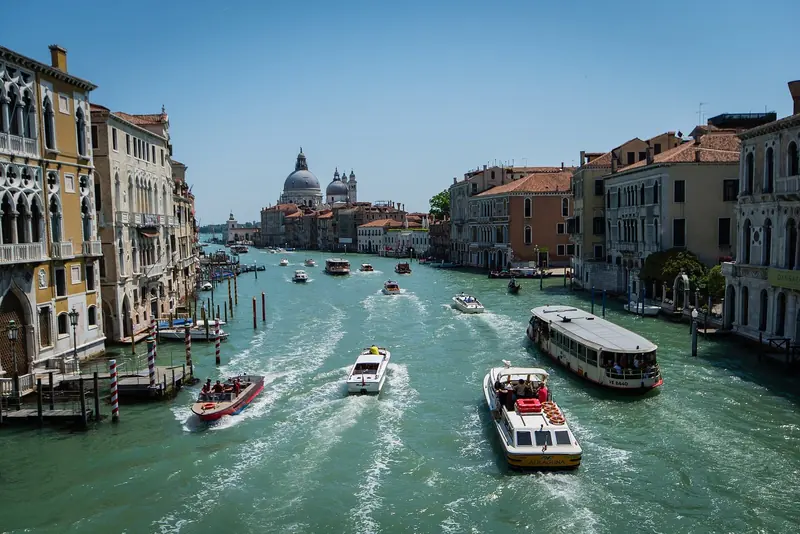
| City structure | no roads. Every arrival, departure and transfer moves by water |
|---|---|
| Superyacht positions | five distinct options rather than one marina - Lido anchorage and small-yacht harbour, Marina Sant'Elena (east Venice), Marina Vento di Venezia at Certosa (the full-service lagoon marina), the San Marco basin for the largest vessels under restriction, and Marina di Jesolo on the mainland Adriatic coast for anything above lagoon draught or length limits |
| Santa Marta alongside berth | about 120 metres, draught to 9.6 metres |
| Riva dei Sette Martiri alongside berth | about 150 metres, draught to 9.5 metres, the closest large-vessel position to St Mark's Square |
| Marina Sant'Elena | around 100 berths, 6 to 60 metres, depths 4 to 6 metres |
| Marina Vento di Venezia (Certosa Island): around 320 serviced berths, yachts to 60 metres, a 25 tonne travel lift, refit and workshop facilities; public reservations above 30 metres are highly restricted | |
| Main shipping channel to the historic port: depth to roughly 11.5 metres at mean low water | |
| Malamocco-Marghera Channel | built in the late 1960s, the route large commercial vessels and megayachts use through the central lagoon toward Porto Marghera, bypassing the historic centre |
| The August 2021 ban | vessels over 25,000 tonnes, or over 180 metres, or over 35 metres high, or burning fuel over 0.1 percent sulphur, are banned from St Mark's Basin, St Mark's Canal and the Giudecca Canal |
| MOSE | mobile flood barriers raised across the lagoon's three inlets when a tide of 110cm or more is forecast, with separate locks at Malamocco (merchant traffic), Chioggia and the Lido (fishing, emergency and pleasure craft) so vessels can still pass while the barriers are up |
| 2026 fixed dates | the Venice International Film Festival ran the Lido 2 to 12 September, and the Regata Storica fell on 6 September |
| Venice and its lagoon | a UNESCO World Heritage Site since 1987 |
A City With No Roads, and What That Means for a Yacht
That single structural fact changes what a crew plans for before a Venice call. There is no port road to a marina gate, no truck delivering provisions to a dock, and no taxi rank outside a chandlery. Everything from a guest's bag to a spare part to the owner arrives and leaves by water, which makes the choice of berth as much a logistics decision as a scenic one. A captain who has planned around road transfers in every other Mediterranean port has to rebuild that part of the plan from scratch here.
It also means the city's oldest infrastructure problem, flooding, sits at the centre of modern yacht planning rather than at the edge of it. A captain timing a Venice call has to think about acqua alta and the MOSE barrier system the way a captain elsewhere thinks about a marina's opening hours, and think about it well before the vessel is anywhere near the lagoon.
Where a Large Yacht Actually Berths
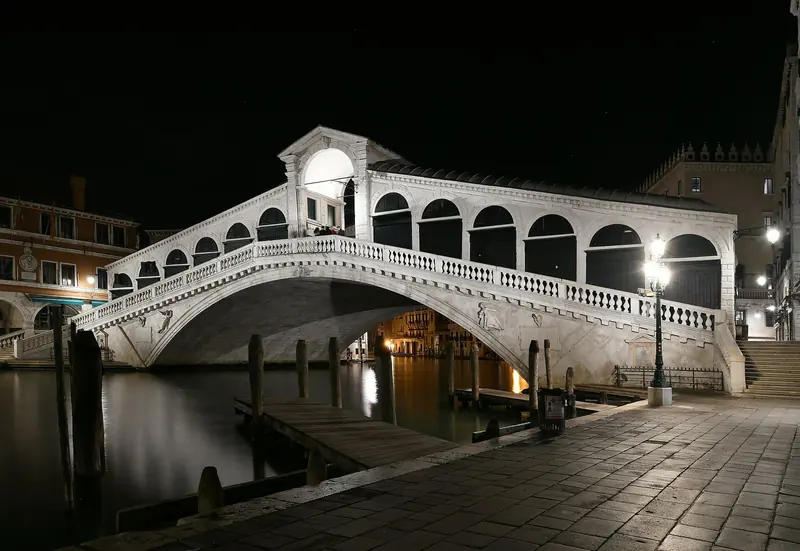
Santa Marta and Riva dei Sette Martiri carry the deepest alongside positions inside the historic centre, at roughly 120 and 150 metres with draughts to 9.6 and 9.5 metres, and Riva dei Sette Martiri sits closest to St Mark's Square of anything still permitted there. Marina Sant'Elena, further east, is the more ordinary marina experience, around 100 berths from 6 to 60 metres.
Certosa Island's Marina Vento di Venezia is the one position built as a genuine superyacht marina, with a travel lift, refit workshops and fuel, but its public reservations above 30 metres are tightly restricted. Anything that does not fit the lagoon's draught, length or the 2021 restrictions goes to Marina di Jesolo on the mainland Adriatic coast instead, with Venice itself reached from there by water or road.
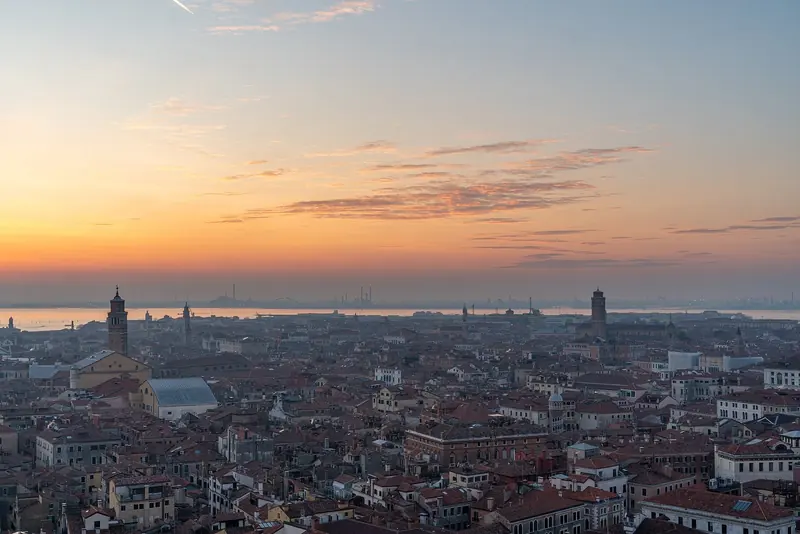
Since August 2021 the largest ships afloat have been banned from St Mark's Basin. A superyacht still reaches Venice; it just does not reach it the way a cruise ship used to.
The Ban That Emptied St Mark's Basin of the Biggest Ships
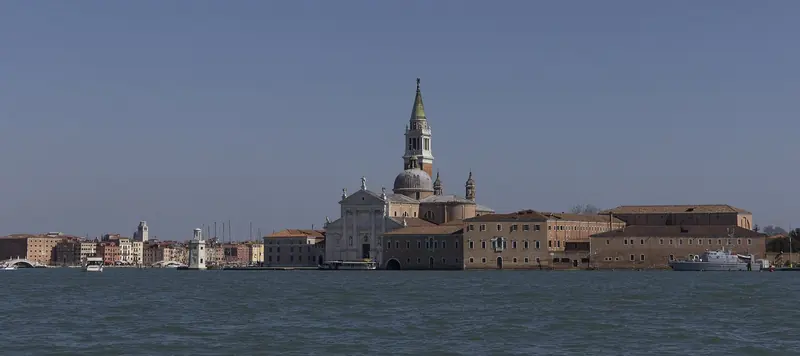
The rule was written after years of campaigning against cruise ships passing close to St Mark's Square, and it was framed by the Italian government as necessary to protect the city's environmental, landscape, artistic and cultural integrity. Vessels around 200 passengers were still viewed as sustainable and continue to call, which is the clearest sign this was a cruise-ship rule rather than a superyacht one.
In practice, few private yachts approach the 25,000 tonne or 180 metre thresholds, so most are not banned outright. But the same port authority that enforces this rule also decides, case by case, what any large vessel may do inside the historic centre's waterways, and a captain planning a call near St Mark's should expect that judgement to be applied conservatively rather than assume a yacht under the thresholds has an automatic right of passage.
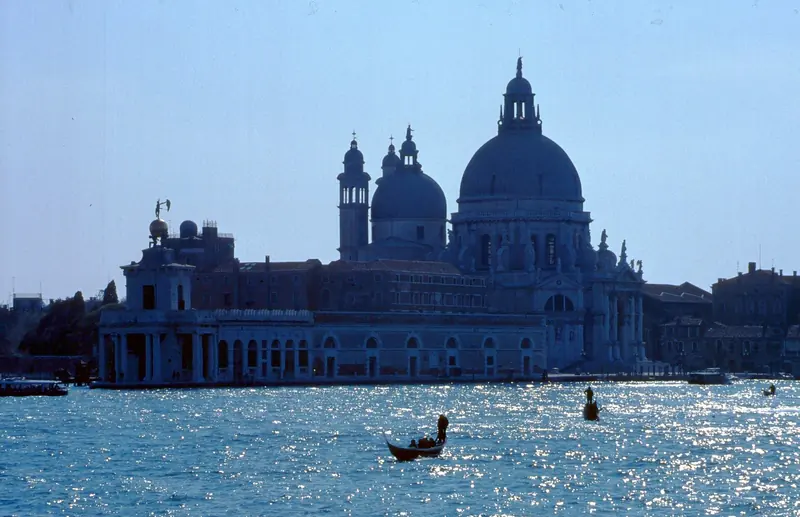
MOSE, and the Barrier That Can Close the Lagoon
Acqua alta, the exceptional high tide that periodically floods much of central Venice, is at its worst in autumn and winter, well outside the main yachting season, but the barrier system operates whenever the forecast crosses the threshold, in any month. MOSE's own design compresses air into the barrier sections to raise them out of the sea, sealing the inlets until the tide drops.
The locks built beside the barriers exist precisely so the lagoon does not simply close to all traffic during a barrier raising, but they add a queue and a wait where there would otherwise be open water. A captain who checks Venice's tide forecast alongside the weather, not instead of it, avoids being the yacht that arrives at an inlet mid-closure. MOSE itself was two decades and roughly six to seven billion euros in the building, first raised in anger on 3 October 2020 against a forecast tide of about 1.3 metres, some ten years behind its original schedule, and it has since been raised repeatedly each autumn and winter to keep the historic centre dry.
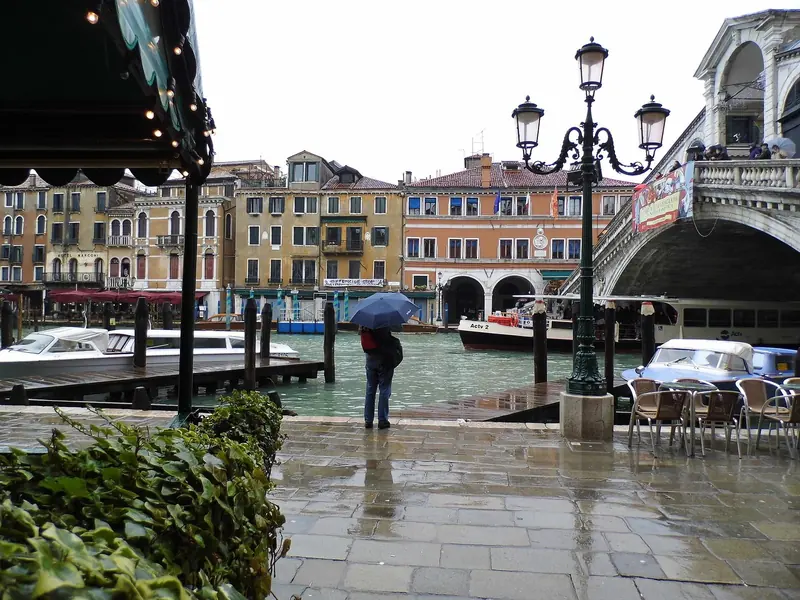
The Channel That Actually Carries the Traffic
The main shipping channel carries roughly 11.5 metres of depth at mean low water, which is why Venice's port has historically handled vessels far larger than anything permitted near St Mark's today. The Malamocco entrance, rather than the Lido, is where that depth and that channel begin, which is the practical reason large-vessel traffic is routed through Malamocco rather than through the inlet nearest the city centre.
For a superyacht, this means the most direct-looking route into Venice on a chart is often not the route actually used. A captain follows the same channel commercial traffic uses toward Porto Marghera and the working port, then peels off toward whichever of the five superyacht positions the vessel is actually cleared for, rather than making a beeline for St Mark's.
Provisioning and Crew Changes Without a Single Road
This is a genuine planning difference from anywhere else on this list. A chandlery delivery does not arrive by van; it arrives by barge or launch, timed around the same tides and lock schedules that govern the yacht itself. Crew changes routed through Marco Polo airport add a water transfer as a fixed extra leg rather than a taxi ride, and that leg is itself subject to the same acqua alta and MOSE disruptions already covered above.
None of this is unmanageable, Venice supports a full tourist and resident population entirely by water every day, but it rewards building in more lead time than a road-connected port would need, particularly for anything time-critical around a festival week when every water taxi in the city is already booked well ahead of the date a crew might only just be planning for.
Certosa: the One Full-Service Marina in the Lagoon
Everything a yacht might actually need done in Venice beyond a simple berth, hauling out, mechanical or electrical work, winter storage, happens here rather than at any of the four other positions. The marina sits inside the lagoon rather than on the open sea front, which gives it genuine shelter that Riva dei Sette Martiri's exposed alongside berth does not.
The restriction above 30 metres is the practical ceiling most owners run into. Below it, Certosa functions much like a well-equipped Mediterranean marina; above it, an owner is negotiating a case-by-case position rather than booking a listed berth. Winter storage and haul-out at Certosa also give Venice something none of the other four positions offer: a genuine place to leave a yacht for the season rather than only a place to visit it from.
The Honest Downside
Venice is not a marina destination in the way the rest of this list is. There is no single berth to book, no published tariff card, and no guarantee that a position near St Mark's is available to a given vessel at a given time, because the port authority is weighing the same restrictions that were written to keep cruise ships out. An owner used to calling a marina and confirming a length band in one email will find Venice slower and more case-by-case at every step.
Acqua alta and MOSE add a genuine weather dependency that most Mediterranean and Adriatic destinations do not carry, even though the worst flooding sits outside the main cruising season. And Venice in the festival weeks of September, when the Film Festival and the Regata Storica both fall, is Venice at its most crowded and its least able to accommodate a late request for anything, from a berth to a restaurant table. An owner who wants Venice without the crowd does better to aim for the shoulder months either side of the festival calendar, when the same city and the same rules apply with a fraction of the traffic on the water.
En tierra, accesos y reservas
| Getting there | Venice Marco Polo airport is the arrival point; there is no road transfer into the historic centre from there or from anywhere else, so every onward leg is by water taxi, private launch or the Alilaguna ferry. |
|---|---|
| Arriving by sea | The lagoon has three inlets: Lido, Malamocco and Chioggia. Large commercial and megayacht traffic generally uses the Malamocco-Marghera Channel, built in the late 1960s, rather than approaching the historic centre directly. |
| Choosing a berth | Under 30 metres and wanting full services, Marina Vento di Venezia at Certosa is the marina to call first. Between 30 and 60 metres, expect to arrange the booking directly and well in advance. Above the lagoon's practical draught and length limits, Marina di Jesolo on the mainland Adriatic coast is the usual alternative, with a transfer into Venice by water or road from there. |
| Services | Certosa carries a 25 tonne travel lift, electrical and mechanical workshops, hard standing, winter storage and a fuel station. Marina Sant'Elena and the Lido positions are more basic, water and power without refit capability. |
| Fixed dates, 2026 | The Venice International Film Festival occupied the Lido 2 to 12 September, and the Regata Storica, the city's historic regatta re-enacting the 1489 welcome of Caterina Cornaro, fell on 6 September. Both fill the lagoon's hospitality and transfer capacity for their duration. |
| What is not published | There is no single tariff card for a Venice call, because there is no single marina. Pricing for a large yacht at Certosa, for a Sant'Elena berth or for a position anywhere near St Mark's Basin is quoted directly, case by case, and depends on what the port authority will permit that vessel to do under the 2021 restrictions. |
Lo que cuentan armadores y tripulaciones
The 2021 ban is measured on four separate criteria, not simply on length
A vessel is banned from the historic centre's waterways if it exceeds any one of: 25,000 tonnes, 180 metres length, 35 metres height, or fuel above 0.1 percent sulphur. Reporting at the time noted that vessels carrying around 200 passengers were still considered acceptable and continued to call, which is a reminder that this rule was written around the largest cruise ships, not around private yachts, even though it reads as a blanket ban on first pass.
France 24 and CBS News coverage of the July 2021 announcement, and the Library of Congress Global Legal Monitor's account of the ruleA slip over 30 metres at the lagoon's one full-service marina is genuinely hard to get
Marina Vento di Venezia at Certosa is the position with real superyacht infrastructure, a travel lift, workshops and fuel, but public reservations above 30 metres are described by brokers as highly restricted rather than simply expensive. An owner planning a call above that length should expect to arrange it well ahead through the marina directly rather than book it like a standard European berth.
Marina Vento di Venezia's own listing information and superyacht berth directoriesMOSE's barriers do not just keep the sea out, they close the lagoon to traffic while they are up
When a tide of 110cm or more is forecast, the mobile barriers rise across all three lagoon inlets. Locks beside them at Malamocco, Chioggia and the Lido let vessels still pass in and out, but a yacht timing an arrival or departure around a forecast acqua alta should expect the possibility of a lock queue rather than open water.
Reporting on the MOSE flood-barrier system and Venice's own published acqua alta procedures
Lo bueno y lo que conviene vigilar
Puntos fuertes
- A UNESCO World Heritage city reachable entirely by waterNo other superyacht destination on this list is a city with no roads at all.
- One genuine full-service marina inside the lagoonCertosa carries a travel lift, workshops and fuel most lagoon positions do not.
- Deep alongside berths close to the historic centreSanta Marta and Riva dei Sette Martiri both carry drafts past 9 metres.
- Fixed cultural dates that are genuinely worth planning aroundThe Film Festival and the Regata Storica both fall in September.
A tener en cuenta
- No single berth to book and no published tariffEvery large-vessel position is arranged case by case with the port authority.
- A hard restriction above 30 metres at the only full-service marinaCertosa's public reservations tighten sharply past that length.
- A genuine flood-barrier dependencyMOSE can close the lagoon's inlets to all but locked traffic when a tide is forecast.
- Festival-week crowdingSeptember's fixed events fill the city's hospitality and transfer capacity completely.
Para quién es: An owner who wants a city no other yacht destination resembles, is comfortable arranging a berth case by case rather than booking one, and is willing to plan around a tide forecast as carefully as a weather one.