Loro Piana
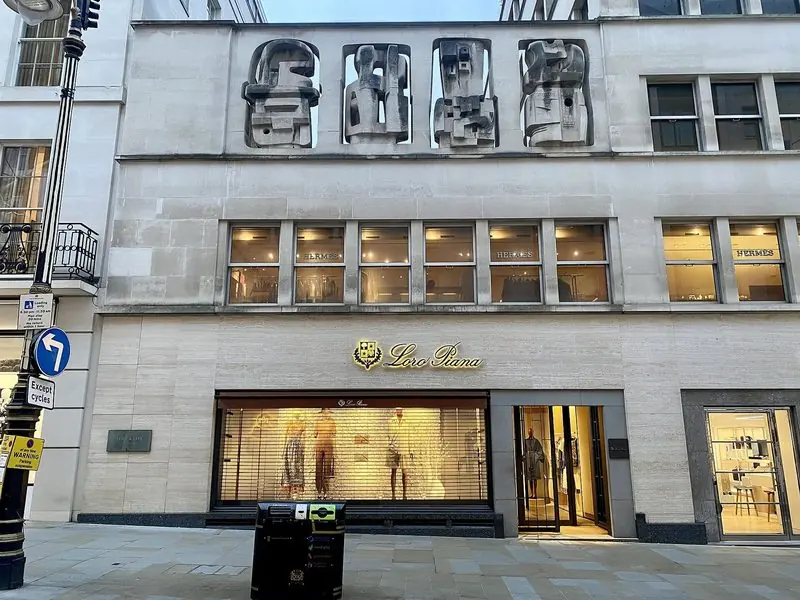
| Catégorie | textiles de luxe et tissus d'intérieur |
|---|---|
| Fondée | 1924 par Pietro Loro Piana |
| Base | Quarona, Piémont, Italie |
| Propriété | membre du groupe LVMH |
| Fibres signatures | vigogne, cachemire fin et laine mérinos extra-fine |
| Offre marine | division intérieurs fournissant tissus et ameublement de yacht |
| Héritage voile | parrain titre de la Loro Piana Superyacht Regatta de 2009 à 2021 |
| Marine certification | Loro Piana publishes no IMO 2010 FTP Code approval or MED wheelmark for its interiors fabrics |
| Superyacht Regatta | title sponsor at Porto Cervo with the Yacht Club Costa Smeralda from 2009 to 2021, an event that now runs under Giorgio Armani |
| Giraglia | title sponsor since 2024, run by the Yacht Club Italiano with the Societe Nautique de Saint-Tropez, the 2026 edition being the 73rd, with a 241 nm offshore leg from Saint-Tropez to Genoa around the Giraglia rock |
| Supply chain | placed under judicial administration by the Court of Milan on 14 July 2025 over subcontractors accused of exploiting workers, with the measure revoked early in April 2026 |
| Remediation | about 2,400 supply-chain audits since 2024 and business ended with around 100 suppliers and subcontractors that failed the company's criteria |
Une maison de fibres rares
Loro Piana a été fondée en 1924 par Pietro Loro Piana à Quarona, dans le Piémont, au nord de l'Italie. La famille négociait la laine depuis le début du dix-neuvième siècle, si bien que la société s'est appuyée sur une longue tradition textile. Elle s'est fait un nom en sourçant les fibres naturelles les plus rares du monde, dont la vigogne d'Amérique du Sud et le plus fin cachemire d'Asie. La laine mérinos extra-fine et d'autres matières rares les accompagnent dans sa gamme. Cette quête d'une matière première exceptionnelle reste le coeur de la marque.
La société s'organise entre textiles, produits de luxe et intérieurs, et fait aujourd'hui partie du groupe LVMH. Sa réputation repose sur la maîtrise de la qualité, de la fibre brute jusqu'à l'étoffe finie. Cette approche verticale lui permet de garantir des standards que peu de rivaux peuvent égaler. Les tissus qu'elle produit servent bien au-delà du vêtement, jusque dans l'ameublement et les intérieurs. Les mêmes fibres qui font un manteau peuvent devenir un coussin ou un revêtement mural.
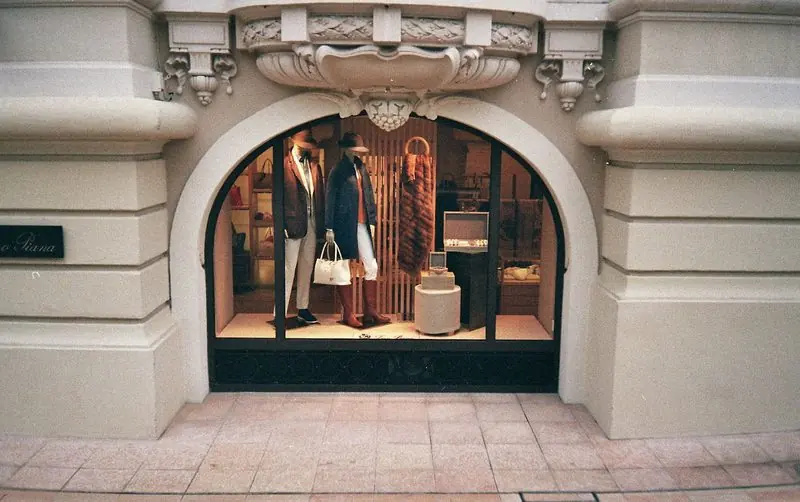
Des tissus pour l'intérieur
La division intérieurs de Loro Piana porte ses étoffes dans les maisons, les yachts, les avions privés et l'hôtellerie. Pour les yachts, cela signifie sellerie, coussins, rideaux et revêtements muraux tissés à partir des fibres de la maison. L'attrait est la même qualité de matière qui définit ses vêtements, appliquée aux surfaces d'un intérieur. Un designer peut spécifier un tissu Loro Piana pour donner à un salon ou à une suite une chaleur et une texture particulières. Le travail sur les intérieurs est devenu une part claire et distincte de l'activité.
L'usage marin impose des exigences supplémentaires au tissu, puisqu'il doit affronter le soleil, le sel et une forte usure. La maison développe des matières destinées à tenir en conditions réelles et pas seulement à bien paraître dans un showroom. La gamme intérieurs étend l'identité de la marque de la garde-robe à l'étoffe même du yacht. Cela permet aux propriétaires qui apprécient Loro Piana de la porter dans leur cadre. Le tissu devient une part de ce que l'intérieur donne à ressentir.
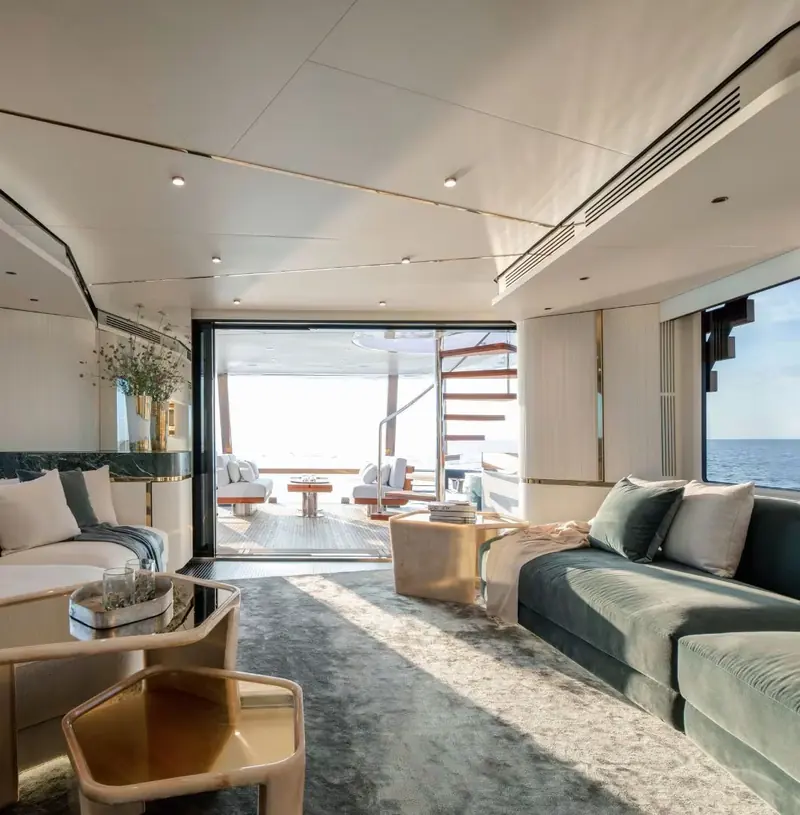
La maison de la vigogne et du cachemire, dont l'héritage de voile est aussi profond que ses étoffes.
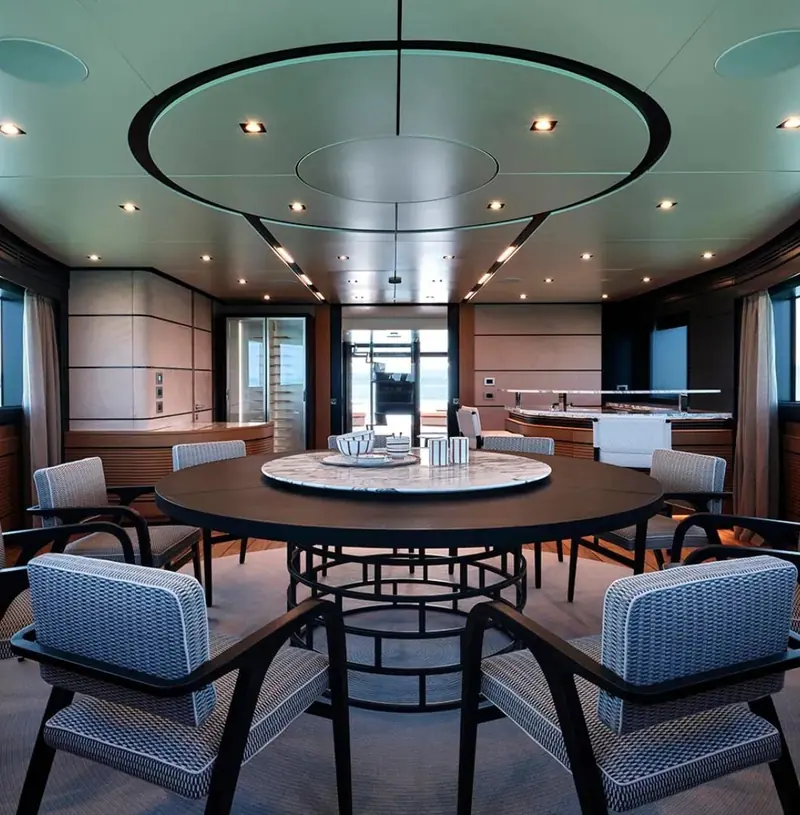
Un savoir-faire de la fibre à l'étoffe
La force de Loro Piana tient à sa maîtrise de tout le processus textile. Elle source les fibres directement, souvent en travaillant avec les communautés et les animaux qui les produisent, et contrôle la filature et le tissage. Cela permet à la maison de tenir une qualité constante, de la matière première à l'étoffe finie. Les fibres les plus rares, comme la vigogne, ne sont disponibles qu'en quantités infimes, ce qui ajoute à leur valeur. Les transformer en étoffes durables et belles est le savoir-faire central de la société.
Pour les intérieurs, ce savoir-faire s'adapte aux besoins de l'ameublement plutôt qu'à ceux du vêtement. Les tissus pour un yacht doivent équilibrer la douceur pour laquelle la marque est connue et la résistance qu'exige un intérieur en service. La maison puise dans un siècle de connaissance textile pour trouver cet équilibre. Sa longue expérience des fibres naturelles éclaire la façon dont les matières se comportent dans le temps. C'est cette profondeur que les propriétaires paient quand ils choisissent la marque.
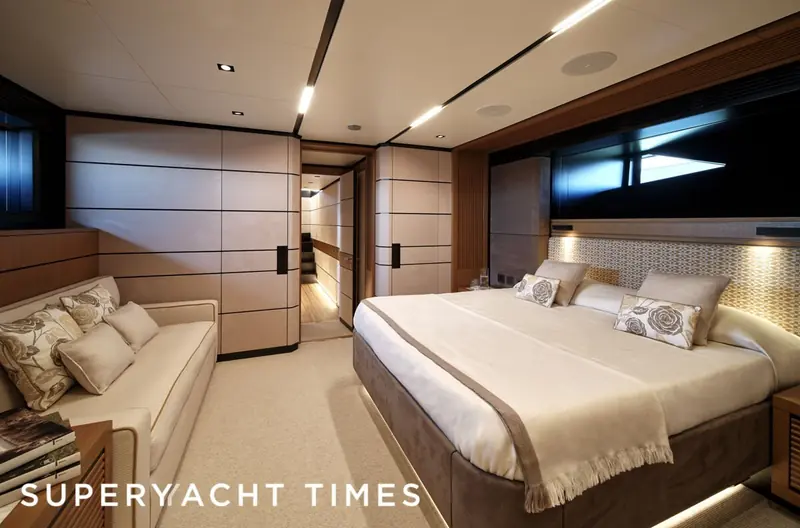
La voile dans le sang de la marque
La voile est au plus près de l'identité de Loro Piana, portée en partie par la passion personnelle de la famille. Pendant des années, la société a prêté son nom à la Loro Piana Superyacht Regatta, disputée à Porto Cervo en Sardaigne en coopération avec le Yacht Club Costa Smeralda. Cet événement réunissait certains des plus beaux voiliers du monde sous la bannière Loro Piana. La marque a aussi été associée à d'autres régates marquantes en Méditerranée et aux Caraïbes. Ce lien donne à sa présence dans le yachting une vraie profondeur.
L'héritage de voile est plus qu'un parrainage, puisque des membres de la famille ont été des marins passionnés et sérieux. Cet engagement authentique donne de la crédibilité à la place de la marque dans le monde du yachting. Il façonne aussi la manière dont la maison pense les matières qui doivent tenir dehors et en mer. L'association à la régate a solidement lié le nom à la voile de superyacht pendant plus d'une décennie. Peu de maisons de luxe ont un lien aussi direct avec le sport.
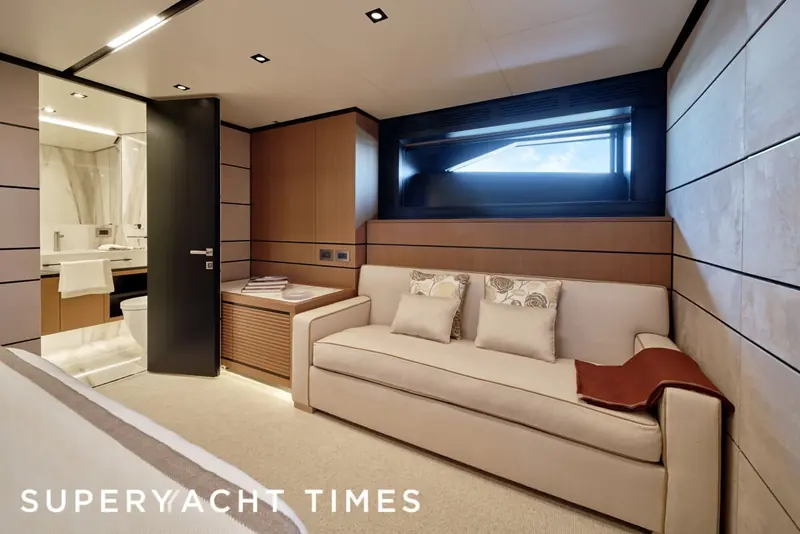
Un rang chez les propriétaires
Loro Piana tient une position rare de maison de mode et de textile aux attaches authentiques avec la voile. Les propriétaires qui connaissent la marque par ses vêtements la reconnaissent instantanément à bord d'un yacht. Sa division intérieurs leur donne un moyen de porter cette qualité dans le navire lui-même. Le long parrainage de la régate a renforcé son rang dans la communauté du yachting. Chez les propriétaires avertis, le nom porte un prestige discret.
Pour un propriétaire, choisir un tissu Loro Piana est une déclaration de préférence pour les plus belles matières naturelles. Cela signale un goût pour une qualité discrète plutôt que pour un logo visible. L'héritage de voile de la maison rend ce choix particulièrement juste sur un yacht. Sa combinaison de fibres rares et de crédibilité marine est difficile à égaler. Loro Piana reste une référence du textile de luxe à flot.
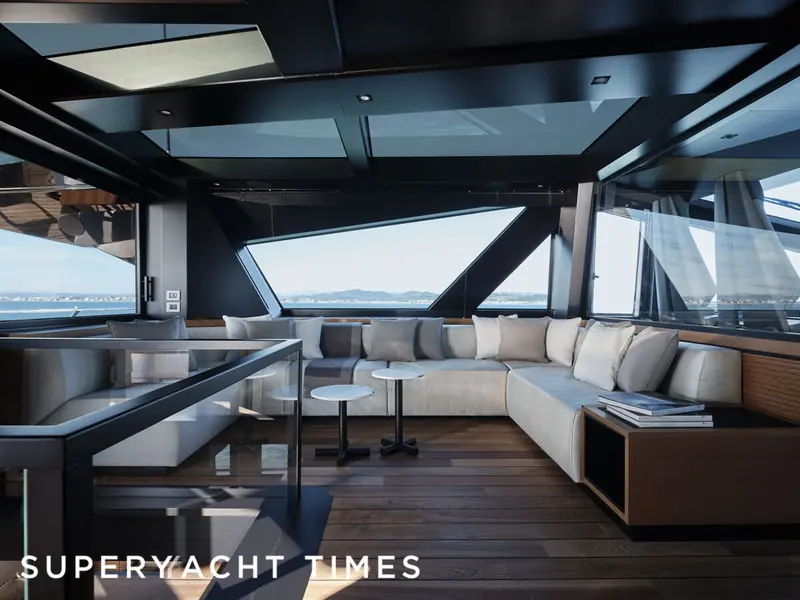
What it costs, and how it is actually bought
Loro Piana publishes no price per metre for interiors fabric, and the range is sold through agents and specifier showrooms to interior designers. Owners do not buy it direct. The clothing side gives a sense of scale: a pure vicuna stole starts around USD 7,800 and a part-vicuna cape runs past USD 32,000. Interiors cloth is priced by fibre, weight and width, and the spread across the range is enormous.
The number that matters on a yacht is not the metre rate. It is the total metreage, which pattern repeat and grain direction can inflate by a third, plus the make-up cost of the upholsterer. Ask for the quotation to state metreage, repeat and wastage separately, and buy the spare cloth in the same dye lot at the same time.
The supply chain, and why an owner should care
On 14 July 2025 the Court of Milan placed Loro Piana under judicial administration for twelve months, having found the company negligently facilitated the exploitation of workers at subcontractors, in a case that began with the assault of a migrant worker seeking unpaid wages. The company said its supplier had not disclosed the subcontractors and that it ended the relationship within 24 hours of being told.
The court revoked the measure early in April 2026, describing the company's response as a virtuous path. Loro Piana says it has run about 2,400 supply-chain audits since 2024 and cut ties with around 100 suppliers and subcontractors. An owner chartering a yacht photographed for a magazine is lending his boat to whatever the brands aboard are carrying, and this one now has among the most closely examined supply chains in Italy.
Sailing, and what the sponsorship actually signals
Loro Piana put its name to the superyacht regatta at Porto Cervo with the Yacht Club Costa Smeralda from 2009 to 2021, and that event now runs under Giorgio Armani. Since 2024 the house has been title sponsor of the Giraglia, organised by the Yacht Club Italiano with the Societe Nautique de Saint-Tropez, whose 2026 edition was the 73rd.
The Giraglia is a real race and not a fashion week afloat. Four days of coastal racing off Saint-Tropez lead into a 241 nautical mile offshore leg to Genoa around the Giraglia rock at the top of Corsica. Owners who race their own boats meet the brand at the dock, which is a materially different kind of association from a showroom.
Against the alternatives, and who should buy elsewhere
The furnishing textile houses are the direct rivals, with Rubelli and Dedar in Italy and Pierre Frey in France covering the same designers and the same yachts, generally with deeper marine documentation. Against those, Loro Piana wins on fibre quality and on a name the owner's wife already knows. Against a technical marine supplier it loses on certification and on abrasion.
The owner who should specify it wants the private areas of the boat, the owner's suite, the study, the master headboard, to feel like nothing else afloat. The owner who should look elsewhere is furnishing a charter yacht throughout, is putting the cloth where guests sit wet, or wants a single supplier to carry the fire certification for the whole interior.
Seeing the collection before ordering
Loro Piana shows its interiors range each year at Milan's Salone del Mobile alongside the rest of the Haworth Lifestyle group, and an owner or a designer can see and handle a season's cloths on the stand rather than working from swatches alone. For a yacht order that spans several rooms and multiple weights of cloth, seeing the hand and the drape of a fabric in person before it is cut is worth the trip.
The trade-only channel cuts both ways. It keeps quality and consistency high because every yard of cloth passes through the same specifier network, but it means an owner has no direct account with the house and no way to reorder a discontinued colourway once a designer's relationship with Loro Piana ends. Keep the interior designer's specification sheet with the yacht's own documents, not just on the designer's file.
Informations pratiques
| How it is bought | Interiors fabric is sold through agents and specifier showrooms to interior designers and yacht outfitters; owners do not buy it direct and there is no published price list. |
|---|---|
| Pricing benchmark | General retail Loro Piana fabric has been seen at roughly GBP 150 to 165 a metre through specifier stockists; the marine range, sold only through the trade, is not quoted at that level and has to be requested project by project. |
| What actually drives the bill | Total metreage, not the rate per metre. Pattern repeat and grain matching can inflate the metreage needed by around a third, so ask any quotation to state metreage, repeat and wastage as separate lines. |
| Fire certification | Loro Piana publishes no blanket IMO 2010 FTP Code approval or MED wheelmark for its interiors range; a commercially registered yacht over 24 m needs the certificate named and supplied in the purchase order before any hide is cut, not assumed. |
| Care aboard | Fine natural fibres need a written laying-up procedure: air conditioning maintained through a summer layup, and spare cloth from the same dye lot bought at the time of order, because dye lots drift over time. |
| What is not published | No per-metre marine price list, and no public list of which of its roughly 200 fabrics currently hold fire-test certificates. |
Ce que rapportent propriétaires et équipages
Loro Piana is a recurring name on delivered superyacht interiors
The house is credited with the interior decor of Ferretti's wallywhy200 and, in partnership with Benetti, the new Motopanfilo 37M.
SuperyachtTimesThe Milan court's monitor endorsed the remediation as genuine
The ruling that lifted the judicial administration early found the company had undertaken and swiftly completed a virtuous path, after roughly 2,400 supplier audits and around 100 supplier terminations since 2024.
WWDThe marine range is a deliberate technical adaptation, not a residential fabric repurposed
A Paris showroom opened in 2017 specifically to develop yacht and private-jet interiors, and the outdoor line is built on Sunbrella rather than the house's own noble fibres.
Boat International
Les points forts et les points de vigilance
Points forts
- Vertical control of exceptional fibreOwnership of the supply chain from animal through spinning to finished cloth, in fibres such as 12 to 13 micron vicuna and 13.5 micron baby cashmere, is not something a rival can replicate quickly.
- A name with a current, active record aboardNamed work on record includes Ferretti's wallywhy200 and, with Benetti, the new Motopanfilo 37M, which puts the brand in the conversation as an active marine supplier and not a legacy claim.
- Continuity as a supplierA house now valued at about EUR 11 billion inside LVMH is a supplier with close to zero risk of disappearing mid-refit, unlike a boutique atelier.
Points de vigilance
- No published fire certificationUnlike some technical marine fabric houses, Loro Piana does not publish an FTP Code or MED wheelmark position, leaving the owner to chase paperwork the supplier could simply publish.
- The fibre is wrong for anywhere guests sit wetAniline-dyed cashmere and fine merino absorb sunscreen and salt water and abrade under daily use, so the range is only correct for the private, dry parts of the interior.
- A live supply-chain finding, even though resolvedThe Court of Milan placed the company under judicial administration in July 2025 over labour conditions at a subcontractor; the measure was lifted early in April 2026 after audited remediation, but it is a fact an owner chartering the yacht should be able to answer for.
Pour qui: Les propriétaires qui veulent les fibres naturelles les plus rares du monde tissées dans l'intérieur de leur yacht.