Officina Italiana Design
| Gründer | Mauro Micheli und Sergio Beretta |
|---|---|
| Gegründet | 1994 |
| Sitz | Bergamo, Italien |
| Rollen | Micheli Leiter der Gestaltung, Beretta geschäftsführender Partner |
| Disziplin | Yacht- und Bootsdesign |
| Besonderheit | exklusiver Designer für Riva seit 1994 |
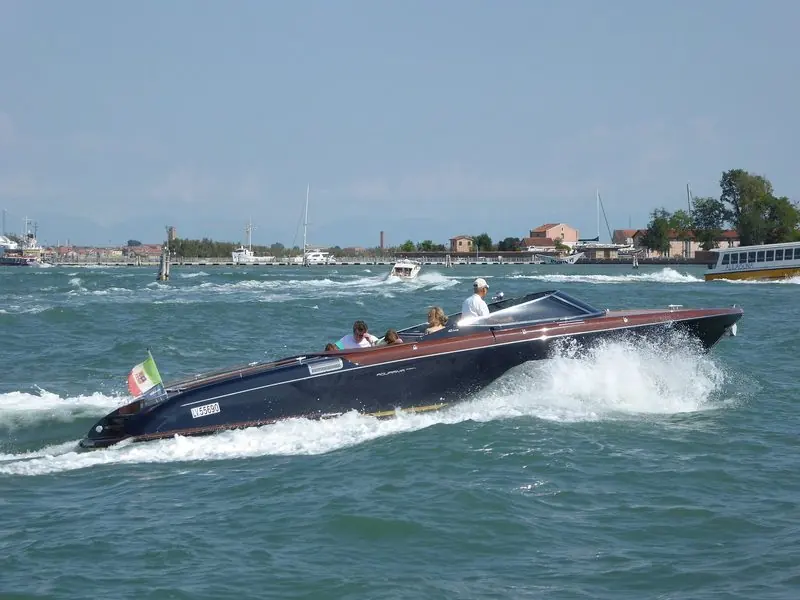
| Bekannt für | die moderne Riva-Baureihe, darunter die Aquariva |
| Disciplines | exterior and interior design, industrial design, prototypes and refit work, with no naval architecture |
| First 50 metre Riva | Race, 49.9 m, launched 2019, exterior and interior with Riva's in-house team |
| Current flagship | the Riva 54Metri, first hull Sairu, launched at Ancona on 7 August 2025 |
| Sairu figures | 54.84 m LOA on an 8.60 m beam, all aluminium, under 500 GT, ten guests and eleven crew, over 370 square metres of outdoor space |
| Flybridge flagship | the 130 Bellissima, at around 40 metres |
| Design fee | inside the boat price and not disclosed. The studio is retained under an exclusivity renewed in June 2024 and running to 2030, which is a retainer rather than an owner-paid design contract |
| A private commission elsewhere would carry a designer's fee of 1 to 5 per cent of build cost plus 2 to 4 per cent project management outside the yard price. Neither line exists on a Riva (SuperYachtReview 2026 price guide, updated March 2026) | |
| Resale rests on comparables rather than on authorship. A continuous model line gives valuers a data set that a one-off design does not have | |
Das Studio hinter Riva
Mauro Micheli und Sergio Beretta gründeten Officina Italiana Design 1994 in Bergamo in Norditalien. Micheli war 1984 nach einem Wettbewerbsgewinn als junger Designer zu Riva gekommen und führt die gestalterische Arbeit des Studios. Beretta, der Abschlüsse in Betriebswirtschaft und Europarecht hält, leitet das Studio als geschäftsführender Partner. Gemeinsam haben sie das Büro zu einem der am stärksten fokussierten im Yachtbau gemacht. Micheli führt die Gestaltung, Beretta die kaufmännische Seite, eine Aufteilung, die drei Jahrzehnte gehalten hat.
Das bestimmende Merkmal des Studios ist seine exklusive Bindung an Riva, einen der geschichtsträchtigsten Namen im Bootsbau. Diese Beziehung, 1994 erstmals geschlossen, ist wiederholt verlängert worden und läuft nun bis 2030. Nur wenige Studios sind so eng an eine einzelne Marke gebunden. Die Vereinbarung hat Officina Italiana Design eine klare und einzigartige Bestimmung gegeben. Die eigene Zukunft an eine einzige Marke zu binden ist eine kühne Entscheidung, und über drei Jahrzehnte ist sie für beide Seiten sichtlich aufgegangen.
Eine klassische Linie hüten
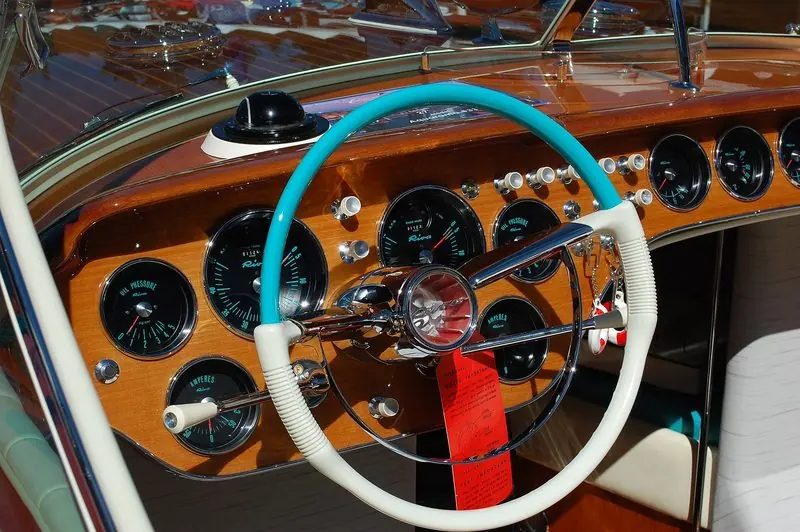
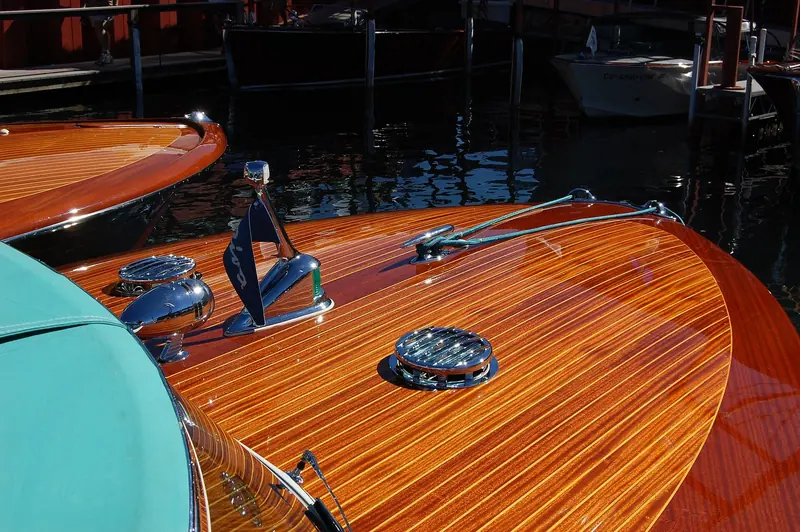
Die Aufgabe des Studios ist es, das Riva-Erbe der 1950er und 1960er Jahre in moderne Boote zu tragen, ohne daraus eine Nachahmung zu machen. Michelis Entwürfe bewahren die niedrigen, eleganten Profile der Marke und ihre Liebe zum feinen Detail. Die Arbeit wägt Nostalgie gegen die Anforderungen zeitgenössischer Bauweise und Nutzung ab. Diese sorgsame Verwaltung ist die Handschrift des Studios. Einen Klassiker zu überarbeiten, ohne seinen Charakter zu verlieren, ist ein schmaler Grat, und Micheli ist ihn Modell für Modell gegangen.
Das Büro behandelt jede Riva als skulpturalen Gegenstand, bei dem Linie und Stand über allem stehen. Micheli hat davon gesprochen, eine Riva zu entwerfen heiße, eine Empfindung zu schnitzen statt eine Form zu zeichnen. Das Ergebnis ist eine Familie von Booten mit unverwechselbarem und durchgehendem Charakter. Kontinuität steht über Neuerfindung. Eine Riva soll auf den ersten Blick erkennbar sein, und das Studio hütet diese Erkennbarkeit in jedem Modell.
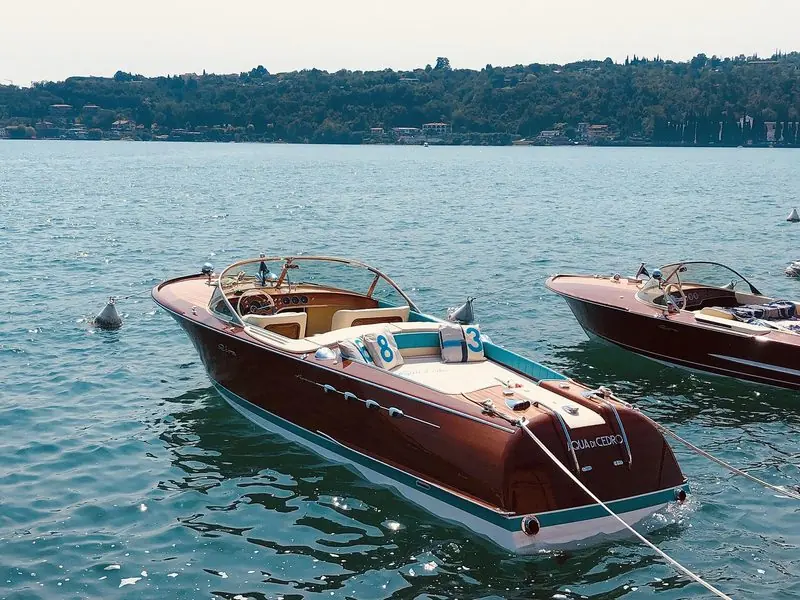
Dreißig Jahre als die eine Hand, die Riva zugleich klassisch und aktuell hält.
Die moderne Riva-Flotte
Das Studio hat die gesamte moderne Riva-Baureihe geformt, vom kleinen Runabout bis zu den größten Yachten der Werft. Modelle wie die Aquariva tragen den klassischen Geist aus Mahagoni und Chrom in die Gegenwart. Als Riva zu größeren Einheiten überging, skalierte das Studio seine Formensprache auf Superyachtgrößen. Die Linie reicht heute vom offenen Sportboot bis zu Yachten deutlich über 50 Meter. Die Formensprache der Marke auf Superyachtgrößen zu skalieren war eine echte Prüfung, und das Studio hat sie bestanden.
Jedes neue Modell ist so entworfen, dass es klar in die Riva-Familie passt und die Baureihe zugleich weiterbringt. Das Studio hat die Marke über Jahrzehnte neuer Stapelläufe hinweg stimmig gehalten. Diese Beständigkeit über eine breite Linie hinweg ist eine seltene Leistung. Sie ist der klarste Beleg für die Disziplin des Studios. Eine ganze Baureihe über so viele Jahre zusammenzuhalten ist schwieriger, als ein einzelnes Boot zu entwerfen.
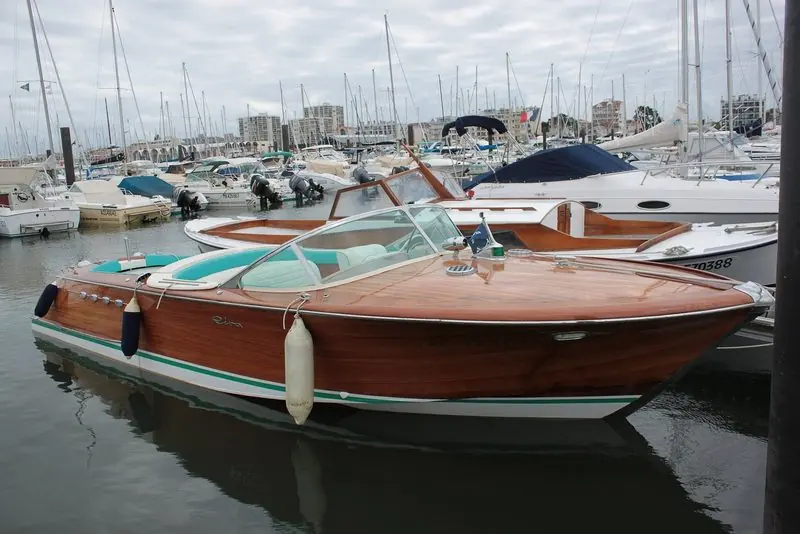
Eine Marke, dafür in der Tiefe
Ausschließlich für Riva zu arbeiten gibt dem Studio ein ungewöhnlich tiefes Verständnis einer einzelnen Marke und Werft. Das Büro kennt die Geschichte der Marke, ihre Kunden und ihre Fertigung von innen. Dieser Fokus erlaubt ihm, die Riva-Identität über jedes Modell hinweg zu schützen. Es ist ein ganz anderes Modell als das von Studios, die sich über viele Werften verteilen. Tiefe Kenntnis einer Marke und einer Werft ist der Hauptvorteil des Studios gegenüber breiter aufgestellten Wettbewerbern.
Die enge Bindung bedeutet auch, dass das Schicksal des Studios an Riva und dessen Mutter, die Ferretti Group, geknüpft ist. Diese Konzentration ist eine Stärke in der Stimmigkeit und eine Verengung im Umfang. Micheli und Beretta haben Tiefe vor Breite gewählt. Diese Entscheidung hat das Studio drei Jahrzehnte lang bestimmt. Alles auf eine Marke zu setzen ist ungewöhnlich und hat den gesamten Charakter des Studios geprägt.
Hüter einer Ikone
Officina Italiana Design ist von einem der berühmtesten Namen auf dem Wasser nicht mehr zu trennen. Seine Verwaltung des Riva-Erbes wird in der Branche breit bewundert. Der Rang des Studios ruht darauf, eine Legende zugleich relevant und sich selbst treu zu halten. Das ist ein feiner und anspruchsvoller Auftrag. Eine Traditionsmarke zugleich treu und aktuell zu halten ist eine seltenere Fähigkeit, als vom weißen Blatt zu beginnen.
Der bis 2030 verlängerte Vertrag signalisiert auf beiden Seiten Vertrauen in die Partnerschaft. Das Studio führt die Riva-Linie weiter in größere und ehrgeizigere Einheiten. Sein einspuriger Fokus bleibt sein bestimmender Zug. Officina Italiana Design ist der Hüter einer gestalterischen Ikone. Seine Arbeit hält einen der großen Namen des Bootsbaus für eine neue Generation von Eignern lebendig und relevant.
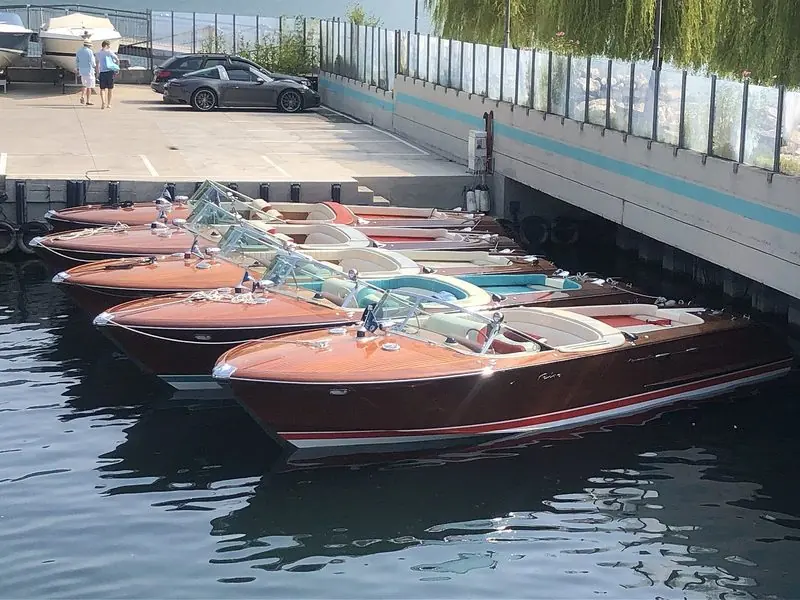
Going large: Race, Bellissima and the 54
Riva was a small-boat marque for most of its history and has moved decisively upmarket in the last decade. Race, the first Riva 50 Metri, launched in 2019 at 49.9 metres with the exterior and interior from the studio working alongside Riva's own team. The 130 Bellissima, at around 40 metres, became the flagship of the flybridge range. The 102 Corsaro sits below it at 31 metres.
Sairu, the first Riva 54Metri, was launched at Ancona on 7 August 2025 and is the largest boat the yard has ever built. She is all aluminium, 54 metres on an 8.60 metre beam, with over 370 square metres of outdoor deck, a five metre pool in the beach area aft and a transformer platform giving on to it. She carries ten guests and eleven crew. Her lines are softer than Race's, which is the studio moving the language on instead of repeating it.
Under 500 GT, and why that matters
Sairu is 54 metres and stays under 500 gross tons. That is not an accident and it is the single most useful fact about her for a prospective owner. Below the 500 GT line the regulatory regime, the certification burden and the required crewing are materially lighter, which is why she runs with eleven crew instead of the twenty a comparable length would otherwise need.
Designing a 54 metre that stays under the line while still feeling like a large yacht is a volume problem before it is an aesthetic one. Every cubic metre enclosed counts against the total, which forces decisions about superstructure height, overhangs and enclosed versus open deck. Most of the studio's cleverness on this boat is invisible in photographs. It appears in the annual running cost.
How a boat gets bought, and what it costs
These are yard models, so the commercial path runs through Riva and the Ferretti Group rather than through a design contract with the studio. A buyer selects a model and a specification, negotiates layout and finish inside the limits the platform allows, and takes delivery on a stated date. The design fee is inside the boat price. The studio is retained by the group under an exclusivity that was renewed in June 2024 and runs to 2030, which reads as a retained relationship rather than the per-hull royalty of roughly 1 to 1.5 per cent that published naval architecture practice applies to repeat builds. Neither the terms nor any royalty are disclosed, and no buyer will ever see either.
What that arrangement buys a buyer is the absence of the numbers everyone else in this directory has to plan for. There is no separate designer's fee of 1 to 5 per cent of build cost and no project management at 2 to 4 per cent, the two lines the SuperYachtReview guide of March 2026 puts outside a yard's quoted price on a custom project. The largest boats are still built to order and take a year or more from contract, with the 54 Metri programme longer. What a buyer gives up is authorship. What he gets is a price fixed at signature and a delivery date the yard can meet.
Standing, and who it does not suit
The studio's reputation rests entirely on keeping a legend both current and recognisable across three decades and a range that now spans from small runabouts to 54 metres. That is a rarer skill than starting from a blank sheet and it is judged in public every time a new model launches. The repeated contract renewals are a better signal than any award, because they are commercial decisions taken by a listed group.
This studio does not suit an owner who wants a custom yacht drawn around him, because it does not take private commissions outside the marque. It does not suit anyone who wants an unfamiliar profile, since the whole exercise is continuity. Buyers who want maximum volume for their length should look at almost anything else, as a Riva spends its length on line and stance. It is not the place for a displacement explorer or a sailing yacht.
The strongest resale position in this directory
A Riva sells better than almost anything else of its size, and the reason is unglamorous. The market knows exactly what the boat is. Model designations, standard specifications and a continuous production history give brokers and valuers a dense set of comparables, and a valuation built from comparables is the one buyers argue with least. Ocean Independence, on 11 May 2026, puts builder pedigree, specification and condition at the top of what holds value, and a marque with an unbroken line and a factory service network scores on every count. The classic boats make the point at the other end of the timeline, where restored examples trade as collectable objects rather than as used yachts.
The cost is real and it is paid in volume. A Riva spends its length on line and stance, so a buyer comparing interior space against a flybridge boat of the same length will find less of it, and that gap does not close at resale. The continuity that protects value also caps the upside, because a boat that is recognisably part of a line cannot surprise the market in either direction. For an owner who wants a known asset with a predictable exit, that is the point. For one who wants his boat to be the only one of its kind, this is the wrong marque entirely.
Praktische Angaben
| Design fee | inside the boat price and not disclosed; the studio is retained under a group exclusivity, not an owner-paid design contract. A private commission of this kind elsewhere would carry 1 to 5 per cent of build cost plus 2 to 4 per cent project management (SuperYachtReview 2026 price guide, updated March 2026) |
|---|---|
| How a boat is actually bought | through Riva and the Ferretti Group rather than a design contract with the studio; a buyer selects a model and specification, negotiates layout and finish inside the platform's limits, and takes delivery on a stated date |
| Current range | runs from the mahogany-heritage runabouts (Aquariva, Aquarama derivatives) through the 130 Bellissima flybridge flagship at around 40 metres to the 54Metri line, first hull Sairu launched at Ancona on 7 August 2025 |
| What is NOT published | the studio's own fee or day rate, any per-hull design royalty, and any figure for how much of the group's design budget the exclusivity represents |
| Contract term | renewed June 2024 at the historic Sarnico yard, running to 2030 |
Was Eigner und Crew berichten
No independently attributable owner testimony found
search turned up the founders' own description of the brief (Micheli and Beretta calling the Riva 54Metri a balanced blend of sportiness and sophistication) and Ferretti Group chief executive Alberto Galassi's promotional line calling the studio a renaissance atelier, but no on-the-record quote from a private Riva owner or a named captain specifically about the studio's design work; owners of new Rivas at this size are recent and few, and the marque's smaller boats are bought and sold too informally for a named, sourced review to surface
Yotters research desk
Was gut ist und worauf zu achten ist
Stärken
- Thirty two years drawing one marque, and the contract just extendedevery Riva since 1994 has come from this studio, and the exclusivity was renewed again in June 2024 through 2030 - a commercial decision by the Ferretti Group each time, which is a harder test than any award
- Proven across the widest size range any studio in this directory coversthe same office draws a 27 foot runabout and the 54.84 metre Sairu, and keeps a recognisable identity across both without either end looking like a costume
- The best resale comparables of any design credit in this directorya continuous model line with standard specifications gives brokers and valuers a dense data set to price against, which is the main reason a Riva holds value better than a comparable one-off design
- Sairu shows the studio can move upmarket without losing the identitythe 54.84 metre flagship stays under 500 GT by design, which keeps crewing at eleven instead of the twenty a comparable length would otherwise need, and the counter-curved glass and cut-out bulwarks still read unmistakably as a Riva
Worauf zu achten ist
- One client, permanentlythe studio does not take outside commissions; an owner cannot hire Officina Italiana Design directly, only buy a Riva that the studio has already drawn
- No naval architecture offeredthe discipline list is exterior design, interior design, industrial design, prototypes and refit work; hull engineering sits with Riva and the Ferretti Group, not with this studio
- No published design fee, because there is not really onethe studio is retained on a group exclusivity rather than paid per commission by an owner, so there is nothing for a buyer to negotiate the way a custom-yacht design contract works elsewhere in this directory
- A narrow brief by designa Riva has to be recognisable at 400 metres in poor light and read as descended from the 1950s and 60s mahogany runabouts; that constraint is the studio's whole job, and it leaves little room for an owner who wants something the marque has never looked like
Für wen: Käufer, die die Marke Riva und ihre Verbindung aus klassischer italienischer Eleganz und moderner Fertigung suchen.