Loro Piana
| Kategorie | Luxustextilien und Stoffe für Innenräume |
|---|---|
| Gegründet | 1924 von Pietro Loro Piana |
| Sitz | Quarona, Piemont, Italien |
| Eigentum | Teil der Gruppe LVMH |
| Kennzeichnende Fasern | Vikunja, feines Kaschmir und extrafeine Merinowolle |
| Maritimes Angebot | Interieursparte mit Stoffen und Einrichtung für Yachten |
| Segeltradition | Titelsponsor der Loro Piana Superyacht Regatta von 2009 bis 2021 |
| Marine certification | Loro Piana publishes no IMO 2010 FTP Code approval or MED wheelmark for its interiors fabrics |
| Superyacht Regatta | title sponsor at Porto Cervo with the Yacht Club Costa Smeralda from 2009 to 2021, an event that now runs under Giorgio Armani |
| Giraglia | title sponsor since 2024, run by the Yacht Club Italiano with the Societe Nautique de Saint-Tropez, the 2026 edition being the 73rd, with a 241 nm offshore leg from Saint-Tropez to Genoa around the Giraglia rock |
| Supply chain | placed under judicial administration by the Court of Milan on 14 July 2025 over subcontractors accused of exploiting workers, with the measure revoked early in April 2026 |
| Remediation | about 2,400 supply-chain audits since 2024 and business ended with around 100 suppliers and subcontractors that failed the company's criteria |
Ein Haus der seltenen Fasern
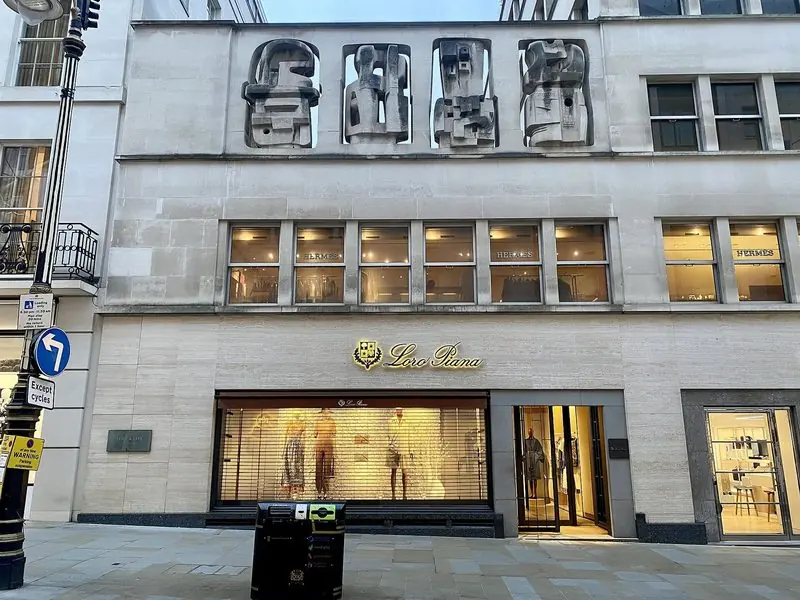
Loro Piana wurde 1924 von Pietro Loro Piana in Quarona im Piemont in Norditalien gegründet. Die Familie handelte bereits seit dem frühen neunzehnten Jahrhundert mit Wolle, sodass das Unternehmen auf einer langen Textiltradition aufbaute. Es machte sich einen Namen damit, die seltensten Naturfasern der Welt zu beschaffen, darunter Vikunja aus Südamerika und feinstes Kaschmir aus Asien. Extrafeine Merinowolle und andere seltene Materialien stehen im Programm daneben. Dieses Streben nach außergewöhnlichem Rohmaterial bleibt der Kern der Marke.
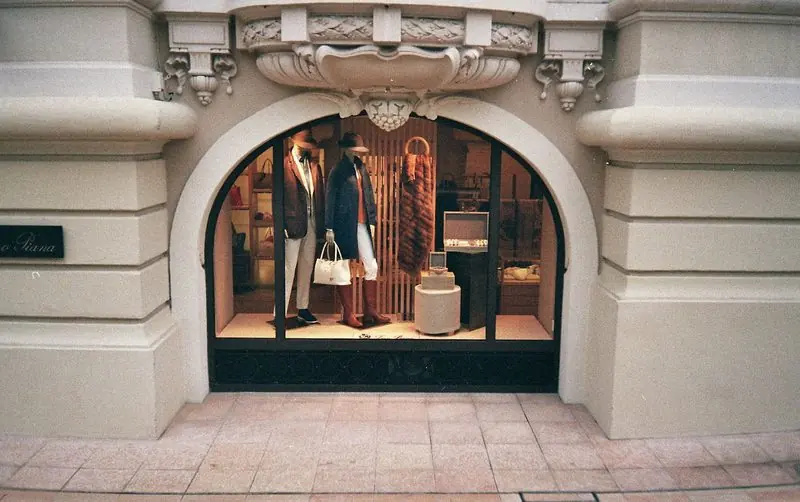
Das Unternehmen ist in Textilien, Luxusgüter und Interieurs gegliedert und gehört inzwischen zur Gruppe LVMH. Sein Ruf beruht darauf, die Qualität von der Rohfaser bis zum fertigen Tuch zu kontrollieren. Dieser durchgängige Ansatz erlaubt es, Standards zu garantieren, die wenige Wettbewerber erreichen. Die gewebten Stoffe finden weit über die Bekleidung hinaus Verwendung und reichen bis in Einrichtung und Innenräume. Dieselben Fasern, aus denen ein Mantel entsteht, können als Kissen oder als Wandbespannung auftauchen.
Stoffe für den Innenraum
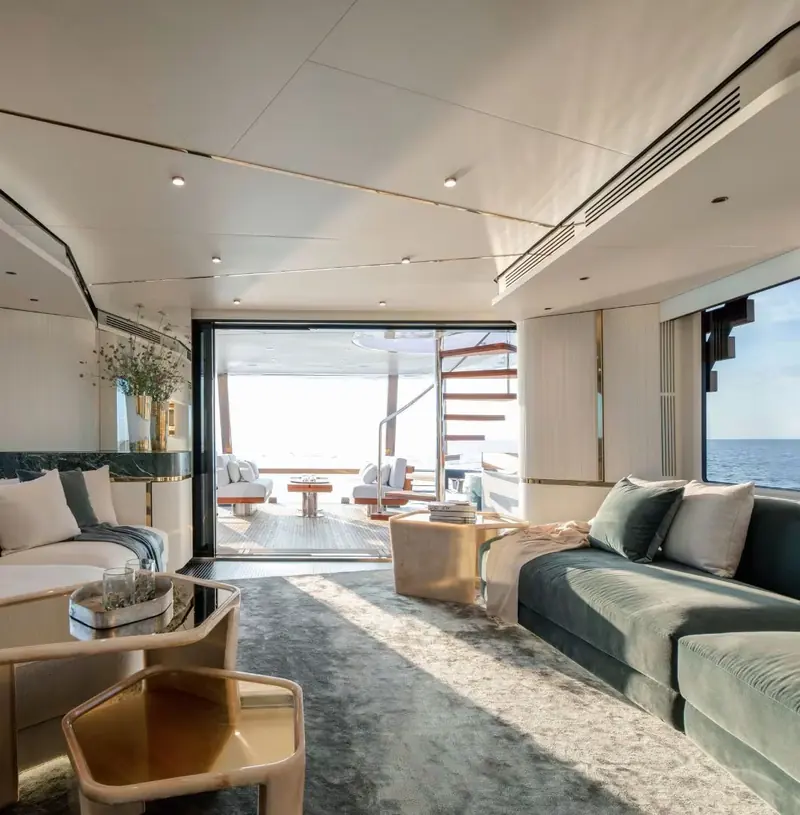
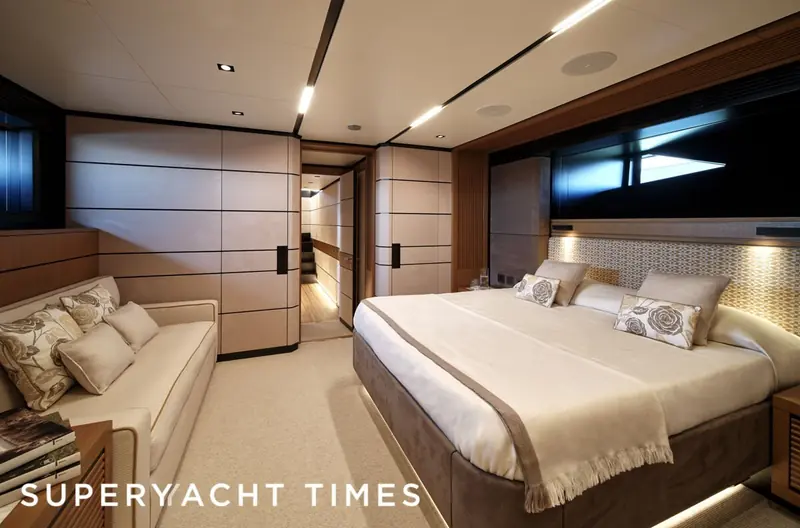
Die Interieursparte von Loro Piana bringt die Stoffe des Hauses in Wohnungen, Yachten, Privatflugzeuge und die Hotellerie. Für Yachten bedeutet das Polsterbezüge, Kissen, Vorhänge und Wandbespannungen, gewebt aus den Fasern des Hauses. Der Reiz liegt in derselben Materialqualität, die die Bekleidung bestimmt, angewandt auf die Oberflächen eines Innenraums. Ein Designer kann Loro-Piana-Stoff vorsehen, um einem Salon oder einer Eignerkabine eine bestimmte Wärme und Textur zu geben. Die Arbeit an Innenräumen ist zu einem klaren und eigenständigen Teil des Geschäfts geworden.
Der maritime Einsatz stellt zusätzliche Anforderungen an Stoff, denn er muss mit Sonne, Salz und starker Beanspruchung zurechtkommen. Das Haus entwickelt Materialien, die unter realen Bedingungen bestehen sollen und nicht allein im Showroom gut aussehen. Das Interieurprogramm verlängert die Identität der Marke von der Garderobe in den Stoff der Yacht selbst. Damit können Eigner, die Loro Piana schätzen, es durch ihre Umgebung hindurch tragen. Das Tuch wird Teil dessen, wie sich der Innenraum anfühlt.
Das Haus von Vikunja und Kaschmir, dessen Segeltradition so tief reicht wie sein Tuch.
Handwerk von der Faser zum Tuch
Die Stärke von Loro Piana liegt in der Beherrschung des gesamten Textilprozesses. Das Haus beschafft Fasern unmittelbar, oft in Zusammenarbeit mit den Gemeinschaften und Tieren, die sie hervorbringen, und kontrolliert Spinnen und Weben. Das erlaubt es, eine gleichbleibende Qualität vom Rohstoff bis zum fertigen Stoff zu halten. Die seltensten Fasern wie Vikunja sind nur in winzigen Mengen verfügbar, was ihren Wert erhöht. Diese in haltbares, schönes Tuch zu verwandeln, ist das zentrale Handwerk des Unternehmens.
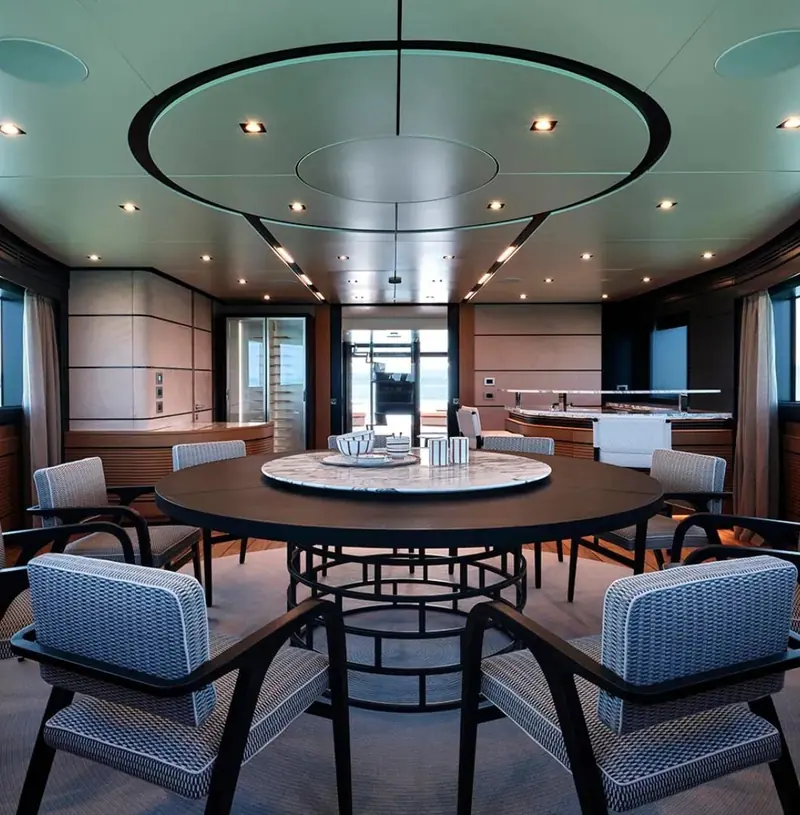
Für Innenräume wird dieses Handwerk auf die Erfordernisse der Einrichtung statt der Bekleidung angepasst. Stoffe für eine Yacht müssen die Weichheit, für die die Marke bekannt ist, mit der Widerstandsfähigkeit ausgleichen, die ein benutzter Innenraum verlangt. Das Haus schöpft aus einem Jahrhundert textilen Wissens, um diese Balance zu treffen. Die lange Erfahrung mit Naturfasern prägt das Verständnis dafür, wie sich die Materialien über die Zeit verhalten. Diese Tiefe ist es, wofür Eigner zahlen, wenn sie sich für die Marke entscheiden.
Segeln im Blut der Marke
Das Segeln liegt nahe am Kern der Identität von Loro Piana, getragen zum Teil von der persönlichen Leidenschaft der Familie. Über Jahre gab das Unternehmen seinen Namen der Loro Piana Superyacht Regatta, ausgetragen in Porto Cervo auf Sardinien in Zusammenarbeit mit dem Yacht Club Costa Smeralda. Diese Veranstaltung brachte einige der feinsten Segelyachten der Welt unter dem Banner von Loro Piana zusammen. Die Marke wurde auch mit anderen prominenten Regatten im Mittelmeer und in der Karibik verbunden. Diese Verbindung gibt ihrer Präsenz in der Yachtwelt echte Tiefe.
Die Segeltradition ist mehr als Sponsoring, denn Mitglieder der Familie sind begeisterte und ernsthafte Segler gewesen. Dieses echte Engagement verleiht dem Platz der Marke in der Yachtwelt Glaubwürdigkeit. Es prägt auch, wie das Haus über Materialien nachdenkt, die im Freien und auf See bestehen müssen. Die Verbindung zur Regatta hat den Namen über mehr als ein Jahrzehnt fest an das Superyachtsegeln gebunden. Nur wenige Luxushäuser haben eine so unmittelbare Verbindung zu diesem Sport.
Ansehen bei Eignern
Loro Piana hält eine seltene Stellung als Mode- und Textilhaus mit authentischen Bindungen zum Segeln. Eigner, die die Marke von ihrer Bekleidung kennen, erkennen sie an Bord einer Yacht sofort wieder. Die Interieursparte gibt ihnen einen Weg, diese Qualität in die Einheit selbst zu bringen. Das lange Regattasponsoring hat das Ansehen in der Yachtwelt gefestigt. Unter anspruchsvollen Eignern trägt der Name ein stilles Prestige.
Für einen Eigner ist die Wahl von Loro-Piana-Stoff eine Aussage über die Vorliebe für die feinsten Naturmaterialien. Sie signalisiert einen Geschmack für unaufdringliche Qualität statt für sichtbares Branding. Die Segeltradition des Hauses lässt diese Wahl auf einer Yacht besonders passend erscheinen. Die Verbindung aus seltenen Fasern und maritimer Glaubwürdigkeit ist schwer zu erreichen. Loro Piana bleibt ein Maßstab für Luxustextilien auf dem Wasser.
What it costs, and how it is actually bought
Loro Piana publishes no price per metre for interiors fabric, and the range is sold through agents and specifier showrooms to interior designers. Owners do not buy it direct. The clothing side gives a sense of scale: a pure vicuna stole starts around USD 7,800 and a part-vicuna cape runs past USD 32,000. Interiors cloth is priced by fibre, weight and width, and the spread across the range is enormous.
The number that matters on a yacht is not the metre rate. It is the total metreage, which pattern repeat and grain direction can inflate by a third, plus the make-up cost of the upholsterer. Ask for the quotation to state metreage, repeat and wastage separately, and buy the spare cloth in the same dye lot at the same time.
The supply chain, and why an owner should care
On 14 July 2025 the Court of Milan placed Loro Piana under judicial administration for twelve months, having found the company negligently facilitated the exploitation of workers at subcontractors, in a case that began with the assault of a migrant worker seeking unpaid wages. The company said its supplier had not disclosed the subcontractors and that it ended the relationship within 24 hours of being told.
The court revoked the measure early in April 2026, describing the company's response as a virtuous path. Loro Piana says it has run about 2,400 supply-chain audits since 2024 and cut ties with around 100 suppliers and subcontractors. An owner chartering a yacht photographed for a magazine is lending his boat to whatever the brands aboard are carrying, and this one now has among the most closely examined supply chains in Italy.
Sailing, and what the sponsorship actually signals
Loro Piana put its name to the superyacht regatta at Porto Cervo with the Yacht Club Costa Smeralda from 2009 to 2021, and that event now runs under Giorgio Armani. Since 2024 the house has been title sponsor of the Giraglia, organised by the Yacht Club Italiano with the Societe Nautique de Saint-Tropez, whose 2026 edition was the 73rd.
The Giraglia is a real race and not a fashion week afloat. Four days of coastal racing off Saint-Tropez lead into a 241 nautical mile offshore leg to Genoa around the Giraglia rock at the top of Corsica. Owners who race their own boats meet the brand at the dock, which is a materially different kind of association from a showroom.
Against the alternatives, and who should buy elsewhere
The furnishing textile houses are the direct rivals, with Rubelli and Dedar in Italy and Pierre Frey in France covering the same designers and the same yachts, generally with deeper marine documentation. Against those, Loro Piana wins on fibre quality and on a name the owner's wife already knows. Against a technical marine supplier it loses on certification and on abrasion.
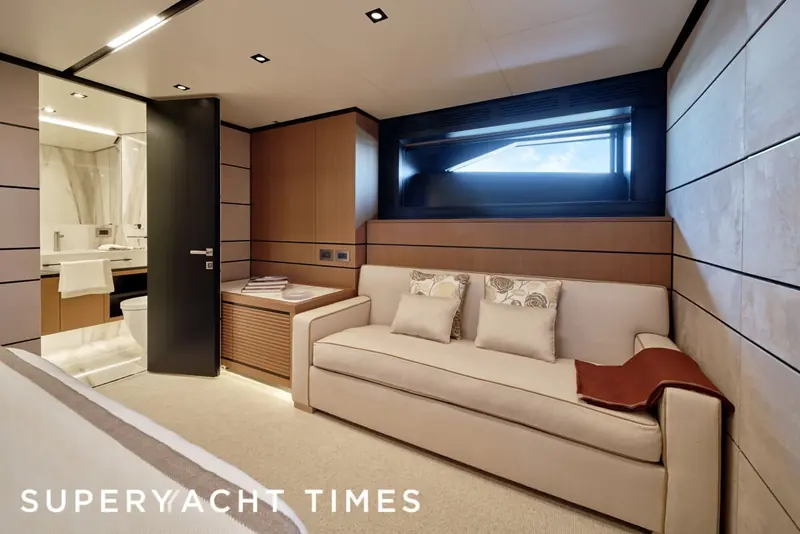
The owner who should specify it wants the private areas of the boat, the owner's suite, the study, the master headboard, to feel like nothing else afloat. The owner who should look elsewhere is furnishing a charter yacht throughout, is putting the cloth where guests sit wet, or wants a single supplier to carry the fire certification for the whole interior.
Seeing the collection before ordering
Loro Piana shows its interiors range each year at Milan's Salone del Mobile alongside the rest of the Haworth Lifestyle group, and an owner or a designer can see and handle a season's cloths on the stand rather than working from swatches alone. For a yacht order that spans several rooms and multiple weights of cloth, seeing the hand and the drape of a fabric in person before it is cut is worth the trip.
The trade-only channel cuts both ways. It keeps quality and consistency high because every yard of cloth passes through the same specifier network, but it means an owner has no direct account with the house and no way to reorder a discontinued colourway once a designer's relationship with Loro Piana ends. Keep the interior designer's specification sheet with the yacht's own documents, not just on the designer's file.
Praktische Angaben
| How it is bought | Interiors fabric is sold through agents and specifier showrooms to interior designers and yacht outfitters; owners do not buy it direct and there is no published price list. |
|---|---|
| Pricing benchmark | General retail Loro Piana fabric has been seen at roughly GBP 150 to 165 a metre through specifier stockists; the marine range, sold only through the trade, is not quoted at that level and has to be requested project by project. |
| What actually drives the bill | Total metreage, not the rate per metre. Pattern repeat and grain matching can inflate the metreage needed by around a third, so ask any quotation to state metreage, repeat and wastage as separate lines. |
| Fire certification | Loro Piana publishes no blanket IMO 2010 FTP Code approval or MED wheelmark for its interiors range; a commercially registered yacht over 24 m needs the certificate named and supplied in the purchase order before any hide is cut, not assumed. |
| Care aboard | Fine natural fibres need a written laying-up procedure: air conditioning maintained through a summer layup, and spare cloth from the same dye lot bought at the time of order, because dye lots drift over time. |
| What is not published | No per-metre marine price list, and no public list of which of its roughly 200 fabrics currently hold fire-test certificates. |
Was Eigner und Crew berichten
Loro Piana is a recurring name on delivered superyacht interiors
The house is credited with the interior decor of Ferretti's wallywhy200 and, in partnership with Benetti, the new Motopanfilo 37M.
SuperyachtTimesThe Milan court's monitor endorsed the remediation as genuine
The ruling that lifted the judicial administration early found the company had undertaken and swiftly completed a virtuous path, after roughly 2,400 supplier audits and around 100 supplier terminations since 2024.
WWDThe marine range is a deliberate technical adaptation, not a residential fabric repurposed
A Paris showroom opened in 2017 specifically to develop yacht and private-jet interiors, and the outdoor line is built on Sunbrella rather than the house's own noble fibres.
Boat International
Was gut ist und worauf zu achten ist
Stärken
- Vertical control of exceptional fibreOwnership of the supply chain from animal through spinning to finished cloth, in fibres such as 12 to 13 micron vicuna and 13.5 micron baby cashmere, is not something a rival can replicate quickly.
- A name with a current, active record aboardNamed work on record includes Ferretti's wallywhy200 and, with Benetti, the new Motopanfilo 37M, which puts the brand in the conversation as an active marine supplier and not a legacy claim.
- Continuity as a supplierA house now valued at about EUR 11 billion inside LVMH is a supplier with close to zero risk of disappearing mid-refit, unlike a boutique atelier.
Worauf zu achten ist
- No published fire certificationUnlike some technical marine fabric houses, Loro Piana does not publish an FTP Code or MED wheelmark position, leaving the owner to chase paperwork the supplier could simply publish.
- The fibre is wrong for anywhere guests sit wetAniline-dyed cashmere and fine merino absorb sunscreen and salt water and abrade under daily use, so the range is only correct for the private, dry parts of the interior.
- A live supply-chain finding, even though resolvedThe Court of Milan placed the company under judicial administration in July 2025 over labour conditions at a subcontractor; the measure was lifted early in April 2026 after audited remediation, but it is a fact an owner chartering the yacht should be able to answer for.
Für wen: Eigner, die die seltensten Naturfasern der Welt in das Interieur ihrer Yacht eingewebt haben wollen.