57m Aluminium FDHF (Santosha)
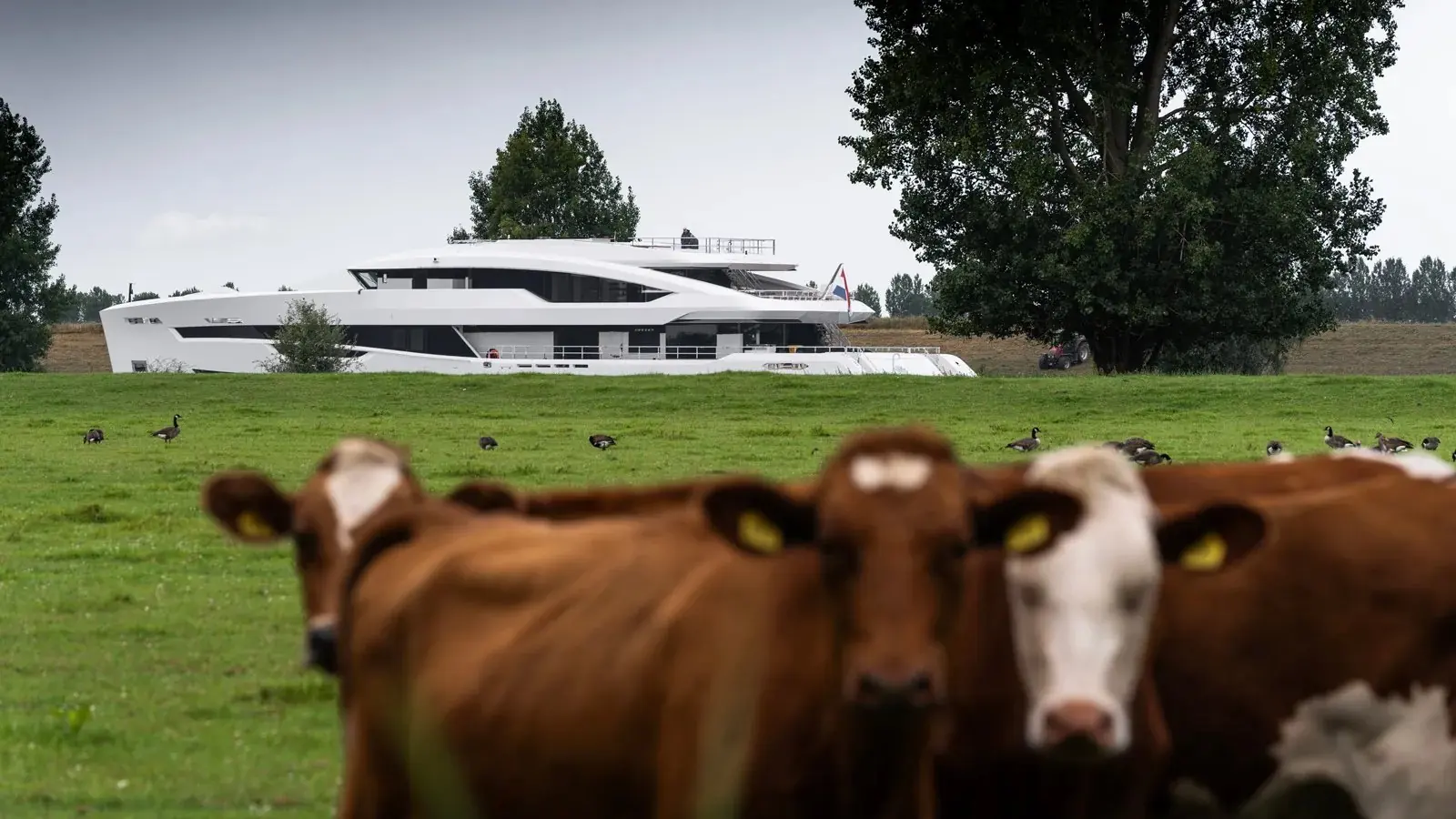
| LOA | 56,7 m |
|---|---|
| Baglio | 10,3 m |
| Stazza lorda | 780 GT |
| Velocità massima | 22 nodi |
| Autonomia | circa 4.400 nm a 12 nodi |
| Motori | due MTU 16V 4000 M65L |
| Scafo | FDHF e sovrastruttura in alluminio |
| Design | esterni Omega Architects, interni Harrison Eidsgaard |
Primo di una nuova classe in alluminio
Santosha ha inaugurato la classe 57 metri Aluminium FDHF del cantiere ed è arrivato ai suoi armatori nel 2024 dopo essere stato costruito come Project Akira. Come primo scafo di una nuova linea portava il peso di dimostrare la piattaforma, e lo ha fatto in modo convincente. Con 56,7 metri e 780 GT offre un volume significativo restando agile in navigazione. La classe si inserisce con precisione tra i cinquanta compatti e gli yacht custom più grandi della gamma Heesen.
Per Heesen una nuova classe è una dichiarazione su dove sta andando la domanda. Il 57 risponde ad armatori che vogliono lo scafo veloce in alluminio con un po' più di spazio di quanto dia un 50. Santosha stesso è stato personalizzato molto per il suo armatore, così si legge come uno yacht custom costruito su una piattaforma di serie. Quella miscela di velocità e sartoria è ciò che la classe è stata progettata per vendere. Arrivando come scafo di debutto, ha anche dato il tono a come gli acquirenti avrebbero specificato quelli successivi.
FDHF in alluminio a pieno passo
È qui che lo scafo Van Oossanen fa ciò per cui è nato. Santosha porta un Fast Displacement Hull Form in alluminio sotto una sovrastruttura in alluminio, e l'abbinamento lo tiene leggero e rapido. Due diesel MTU 16V 4000 M65L lo spingono a 22 nodi al massimo e a una comoda crociera veloce di 15 nodi. L'FDHF mantiene la propria efficienza su tutta quella banda invece che a una sola velocità.
L'autonomia tiene il passo con le prestazioni. Con 80.000 litri di carburante raggiunge circa 4.400 miglia nautiche a 12 nodi, così la velocità non arriva a scapito del raggio. Gli armatori possono spingere per cogliere una finestra meteo o rallentare per risparmiare carburante, e lo scafo ripaga entrambe le scelte. Quella flessibilità è la ragione pratica dell'FDHF. La cifra di 4.400 miglia copre una traversata atlantica con velocità ancora in riserva.
Un 57 in alluminio da 22 nodi che indossa un interno custom su uno scafo di serie.
Omega Architects dà il tono
Il team di Frank Laupman a Omega Architects ha firmato gli esterni, estendendo l'immagine Heesen alla nuova piattaforma 57. Il profilo è sportivo e pulito, con la sovrastruttura posizionata in modo da lasciare lunghi ponti aperti a prua e a poppa. Ampie vetrate legano gli interni all'acqua e alleggeriscono visivamente tutta la sovrastruttura. Sembra veloce da fermo, che è una descrizione onesta della barca sottostante. Il layout su tre ponti dà a Omega spazio per tenere le linee lunghe e ininterrotte.
Il piano dei ponti sfrutta al meglio tre ponti di volume. C'è spazio generoso per il sole e spazio conviviale in ombra, e l'estremità poppiera scende per un contatto ravvicinato con il mare. Una prua quasi verticale aggiunge linea di galleggiamento e si accorda allo scafo veloce. Lo stile resta disciplinato, così la barca invecchia bene invece di inseguire una moda passeggera.
Harrison Eidsgaard, reso personale
Harrison Eidsgaard ha progettato gli interni, calibrandoli da vicino sull'armatore di Santosha. Gli alloggi arrivano a sei cabine per dodici ospiti, sostenute da un equipaggio di tredici. Poiché l'armatore è stato coinvolto in tutto il percorso, la finitura risulta specifica invece che generica, con scelte di materiali che portano un punto di vista chiaro. È il tipo di interno che fa sembrare unico uno scafo di serie. Tredici di equipaggio sostengono i dodici ospiti, il che mantiene il servizio discreto e costante.
Il volume di uno yacht da 780 GT dà ai progettisti spazio per respirare. Gli spazi conviviali sono generosi e le cabine ospiti sono dimensionate come si deve per soggiorni lunghi a bordo. La luce entra a fiotti dalle grandi finestrature, tenendo il mare in vista su tutto il ponte ospiti. Il risultato è una casa calda e ponderata che si adatta sia al tempo in famiglia sia al ricevere. Un baglio di 10,3 metri aiuta i progettisti ad aprire il salone principale.
Veloce, efficiente e su misura
Sotto coperta il 57 mantiene un'installazione diesel convenzionale e pulita abbinata alla struttura leggera in alluminio. La priorità ingegneristica è proteggere la velocità massima tenendo bassi i consumi, e lo scafo FDHF fa gran parte di quel lavoro. Santosha è uno yacht diesel e non un ibrido, in linea con un armatore che voleva un passo senza complicazioni. I sistemi sono dimensionati per uno yacht che sarà usato duramente. Una capacità carburante di 80.000 litri alimenta sia il passo sia l'autonomia.
Il profilo dell'armatore è chiaro dalla barca. È un acquirente che vuole velocità autentica e volume vero in un unico scafo, e che apprezza un interno personale più di una sensazione da catalogo. La classe 57 gli dà una via più breve al varo di un full custom pur consentendo una personalizzazione profonda. Santosha mostra fin dove quella via può essere portata.
Motori e impianti
| Engines | Twin MTU 16V 4000 M65L diesels, IMO III compliant, about 2,560 kW (3,480 hp) each, roughly 6,866 hp combined, giving a 22 knot top speed (Boat International, YachtBuyer) |
|---|---|
| Range | About 4,400 nautical miles at 12 knots (Boat International) |
| Fuel tankage | 80,000 litres (YachtBuyer, single source) |
| Fresh water tankage | 24,000 litres (YachtBuyer, single source) |
| Draft | About 1.6 metres at half load, roughly 2.6 metres at full load - a shallow-draft brief the owners set specifically for Bahamas cruising (Boat International) |
| Stabilizers and bow thruster | At-anchor stabilizers and a bow thruster are fitted; makes not disclosed in any source found for this page |
| Generators | Not disclosed in any source found for this page |
Cosa riferiscono armatori ed equipaggi
The owners set the whole brief around a shallow Bahamas draft
The husband-owner told Boat International: "To really enjoy the Bahamas in the best way possible, you don't want to have much more than about an eight-and-a-half-foot draught," which the yard met at around 1.6 metres half-load draft - a real, quoted design constraint rather than a marketing line.
Boat International, on-the-record owner interviewThe interior direction came from the wife-owner working directly with the design studio
Interior designer Ewa Eidsgaard of Harrison Eidsgaard said of the owner: "It was quite nice to work with her, because of her clear instruction and vision; she actually knew exactly what she wanted," describing changes including turning a planned beach club into a gym and reworking the owners' cabin and bathroom from the original specification.
Boat International, quoting Ewa Eidsgaard of Harrison EidsgaardThe owners named her for contentment, not for themselves
The Sanskrit name Santosha and a lotus logo were chosen deliberately, in the owners' words, to remind them to remain happy under any circumstances - the owners' own account of the naming, not a yard suggestion.
Boat International
Cosa convince e cosa va valutato
Punti di forza
- A genuine owner-driven brief, documented first-handBoat International's on-board feature quotes both owners directly on draft, layout changes and the interior direction, which is rare independent verification that the finished boat reflects what the owners actually asked for rather than a stock Heesen layout.
- A real speed-and-efficiency niche, not just a marketing labelTwin MTU 16V 4000 M65L diesels on an aluminium FDHF hull give a 22 knot top speed and roughly 4,400 nm range at 12 knots (Boat International), positioned by Heesen's own CEO as the fast counterpoint to its 55m Steel Class - a genuine engineering trade-off, not just a naming exercise.
Da valutare
- Too new for independent owner or charter reviews beyond the yard's own featureDelivered in October 2024, she has no independent charter-guest or crew account published anywhere this research found; the only first-hand material is Boat International's own commissioned on-board feature, however well sourced.
- Key running numbers are single-sourced or undisclosedFuel and water tankage come from one broker listing (YachtBuyer) with no second source to check them against, and generator make, stabilizer brand and bow thruster make are not published anywhere found for this page.
Informazioni pratiche
| Price | Not disclosed. YachtBuyer lists her as not currently for sale, with a note that she is not offered for sale to US residents while in US waters |
|---|---|
| Owner | Not named. Described by Boat International as a couple with about two decades of chartering experience before commissioning their first yacht |
| Charter availability | Delivered to private owners in October 2024; no charter listing found in the sources checked for this page |
| Cruising ground the design targets | The Bahamas specifically, per the owners' own stated draft requirement (Boat International) |
| Not publicly known | Build cost, generator make, stabilizer and bow thruster brands, and any independent (non-Heesen-commissioned) guest or crew account |
Design
| Esterni | Frank Laupman / Omega Architects |
|---|---|
| Interni | Harrison Eidsgaard |
| Architettura navale | Van Oossanen Naval Architects (Fast Displacement Hull Form) |
A chi si rivolge: Un armatore che vuole uno scafo veloce in alluminio con più volume di un cinquanta, apprezza un interno profondamente personalizzato e preferisce i tempi più brevi di una piattaforma di serie a una costruzione full custom.